
If your energy has been dipping, your cravings have been getting louder, and your meals have started to feel a little too random, a short reset can help you get back on track without feeling deprived. The Organic Reset Diet is a two-week clean eating plan built around organic, whole-food meals that support steady energy, better digestion, and healthy weight loss.
Think of it as a structured pause, not a punishment. For 14 days, you focus on simple meals, fewer processed ingredients, and smarter choices that work with your body instead of against it. The goal is not perfection. The goal is momentum, clarity, and a healthier rhythm that feels realistic enough to keep going.
What makes this organic diet different is its emphasis on quality over restriction. You are not counting every bite or chasing a quick-fix detox. Instead, you are building meals from vegetables, clean proteins, smart fats, and naturally satisfying foods that help reduce the urge to snack constantly.
For many people, that shift alone can feel transformative. When your plate is less processed and more balanced, your body often responds with better focus, fewer energy crashes, and a lighter, cleaner feeling throughout the day. That is why this kind of healthy lifestyle reset has become so popular among people who want practical results, not dramatic rules.
What the Organic Reset Diet Really Is
The Organic Reset Diet is a short-term plan designed to simplify eating and improve the quality of the food on your plate. It centers on organic produce, minimally processed proteins, fiber-rich carbohydrates, and healthy fats that keep you satisfied. The structure is flexible enough for busy schedules, yet clear enough to remove guesswork.
This is not a starvation diet, and it is not a cleanse that relies on juices alone. In fact, the best version of this plan is nourishing, grounded, and highly practical. You are using clean eating principles to give your body a break from excess sugar, refined flour, fried foods, and highly processed snacks while still eating enough to feel energized.
The word reset matters because it suggests a return to basics. Many people drift into a pattern of convenience foods, late-night grazing, and meals that are more engineered than fresh. A 14-day reset helps you step back, notice what your body responds to, and create a healthier baseline you can build on long after the two weeks are over.
Some people use the plan to kick-start weight loss. Others use it to feel less bloated, more focused, or more consistent with their eating habits. Whatever your reason, the structure works best when you treat it as a supportive framework rather than a rigid test.
Why People Feel Better on an Organic Reset
There are several reasons this style of organic diet can feel so refreshing. First, it naturally increases nutrient density. Organic vegetables, fruits, and proteins often become the center of the plate, which means more vitamins, minerals, antioxidants, and fiber in each meal. That can make a noticeable difference in energy and recovery.
Second, it reduces the food noise that comes from ultra-processed ingredients. When you eat fewer items that spike blood sugar and then crash it, appetite often becomes easier to manage. You may feel fuller longer, think more clearly, and notice that your cravings are more stable from morning to night.
Third, an organic reset can support a healthier relationship with meals. Instead of eating on autopilot, you slow down and choose ingredients more intentionally. That small shift can improve digestion, reduce mindless snacking, and make food feel nourishing again. It is a simple form of detox in the everyday sense: clearing out habits that drain you and replacing them with ones that restore you.
- More stable energy: balanced meals help avoid the highs and lows that come with sugary snacks.
- Better digestion: fiber-rich foods and fewer processed ingredients can reduce bloating.
- Improved focus: steady fuel often supports clearer thinking and fewer afternoon crashes.
- Weight-loss support: simpler meals can naturally reduce excess calories without extreme rules.
- Cleaner habits: the plan encourages mindful eating that can last beyond 14 days.
When people talk about feeling lighter after a reset, they are often describing more than body weight. They are describing less mental clutter, fewer food decisions, and a sense that their routine is finally working with them. That combination is what makes the plan feel sustainable instead of punishing.
The 14-Day Organic Reset Plan
The best way to approach this plan is in stages. Each phase has a different purpose, and that keeps the process from feeling repetitive. You begin by clearing away the most obvious triggers, then you stabilize your meals, then you fine-tune the routine so it becomes easy to maintain. The result is a more natural path toward weight loss and better energy.
Keep in mind that the plan is not about eating less at all costs. It is about eating better in a way that fits real life. If you are hungry, eat. If you need more protein, add it. If your schedule is unpredictable, keep the meals simple. The whole point is to reduce friction.
Days 1-3: Clear the Noise
The first three days are about removing the obvious obstacles. That means getting processed snacks out of sight, planning a few easy meals, and making hydration a priority. Many people feel the strongest cravings during this stage, so structure helps a lot. When your kitchen is ready, your choices become easier.
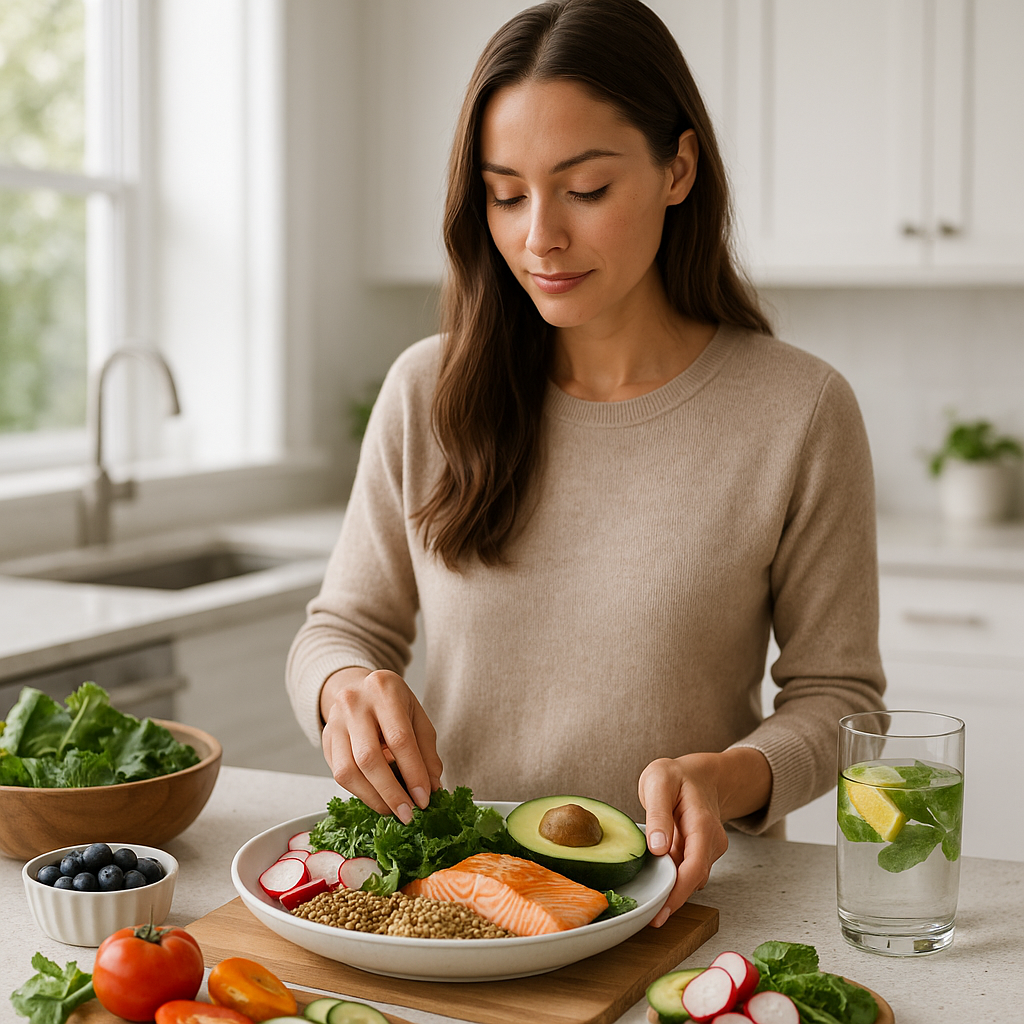
Focus on meals that are simple and repetitive in the best way. A breakfast of eggs, avocado, and greens. A lunch with grilled chicken, quinoa, and roasted vegetables. A dinner of salmon with broccoli and sweet potato. Simple combinations reduce decision fatigue and help your body settle into the new rhythm.
- Start the day with water and a protein-rich breakfast.
- Eat organic produce whenever possible, especially leafy greens and berries.
- Keep snacks minimal and intentional, not automatic.
- Go to bed a little earlier to support energy and appetite balance.
These first days are not about perfection. They are about breaking momentum with old habits and creating a cleaner starting point. If you feel a little tired or moody, that can happen when you are shifting away from sugar and processed foods. Stay steady, eat enough, and let the simplicity work for you.
Days 4-7: Build Steady Energy
Once the first wave of cravings settles, the second phase is about consistency. You want each meal to include protein, fiber, and a source of healthy fat. That combination helps keep blood sugar steadier and reduces the urge to graze between meals. This is where the organic diet starts to feel less like a reset and more like a rhythm.
Try preparing one or two staples in advance. Roast a tray of vegetables, cook a grain like brown rice or quinoa, and have a couple of proteins ready in the fridge. Then you can build meals quickly without relying on packaged convenience foods. The more prepared you are, the more relaxed the week feels.
- Mix leafy greens, colorful vegetables, and lean proteins at most meals.
- Use olive oil, avocado, nuts, and seeds for healthy fats.
- Choose whole fruit over fruit juice to keep fiber intact.
- Notice when you feel naturally full, and stop before you feel stuffed.
By the end of this phase, many people notice that their meals are satisfying without being heavy. That is a strong sign that the plan is working. When your food choices support stable energy, you are less likely to reach for caffeine or snacks just to make it through the afternoon.
Days 8-10: Support Digestion and Recovery
The middle of the reset is the ideal time to pay attention to digestion, hydration, and recovery. You may want to include more cooked vegetables, warm soups, and easy-to-digest meals if your body is asking for comfort. A healthy lifestyle plan should feel supportive, not harsh, so listen to the signals your body gives you.
This is also a great point to pay attention to salt, water, and movement. If your meals have been very clean but you still feel sluggish, the issue may be hydration or sleep, not food. A brisk walk after meals, a little more water, and fewer late-night bites can make a real difference in how you feel from one day to the next.
- Include at least one cooked vegetable dish each day.
- Drink water consistently rather than all at once.
- Keep dinner lighter if you sleep better that way.
- Add gentle movement such as walking, stretching, or yoga.
Many people notice a subtle detox effect during this phase. Not a dramatic cleanse, but a lighter, cleaner feeling in the body. Less bloating, fewer random cravings, and more consistent energy often appear when digestion is supported instead of overloaded.
Days 11-14: Lock in the Rhythm
The final stretch is about making the routine feel normal. At this point, your body should be adjusting to the cleaner meals and steadier schedule. Use these last days to identify the foods, portions, and meal timing that felt best. That insight matters because it tells you what you can keep after the reset ends.
In this phase, focus on meals that are delicious enough to repeat. You do not need gourmet recipes. You need dependable ones. A breakfast bowl with berries, yogurt, and seeds. A lunch salad with salmon and chickpeas. A dinner of turkey, cauliflower rice, and sautéed greens. Repetition is powerful when it is done with variety inside the structure.
- Repeat the meals that gave you the best energy.
- Keep portions satisfying, but avoid eating out of boredom.
- Use herbs, citrus, and spices to keep flavors interesting.
- Reflect on what feels easy enough to continue beyond day 14.
By the time you reach the end of the plan, the goal is not just a lighter feeling on the scale. The real win is having a repeatable framework that helps you eat in a way that feels cleaner, calmer, and more sustainable.
What to Eat During the Reset
A successful organic reset is built on a few strong food groups that keep meals satisfying and nutrient-dense. The more you focus on whole ingredients, the easier it becomes to avoid overeating or reaching for convenience foods. The right foods do not need to be complicated. They just need to be fresh, balanced, and easy to assemble.
Think in categories rather than recipes. When you know the best proteins, carbohydrates, fats, and produce to keep on hand, meal planning becomes much simpler. That simplicity is one of the main reasons this organic diet works so well for busy people who want clean eating without a long list of rules.
Best Proteins
- Organic eggs
- Chicken breast or thighs
- Wild salmon and other fatty fish
- Turkey, tofu, tempeh, or lentils
- Plain Greek yogurt or cottage cheese if dairy works for you
Smart Carbs
- Sweet potatoes
- Quinoa
- Brown rice
- Oats
- Beans and chickpeas
Healthy Fats
- Avocado
- Extra virgin olive oil
- Walnuts and almonds
- Chia seeds and flaxseeds
- Nut butters with no added sugar
Produce to Prioritize
- Leafy greens like spinach, kale, and arugula
- Cruciferous vegetables like broccoli and cauliflower
- Berries, citrus, apples, and pears
- Cucumbers, zucchini, peppers, and carrots
- Fresh herbs such as parsley, basil, and cilantro
Pro Tip: If your plate looks colorful, chances are your meals are more balanced. Try to include at least three colors at lunch and dinner. It is a simple visual rule that keeps clean eating interesting and naturally increases variety.
What to Avoid on the Organic Reset Diet
Restricting everything is not the point, but removing the biggest disruptors helps the reset work. Ultra-processed foods can make appetite harder to manage and energy more unstable, especially when they are eaten regularly. For 14 days, step back from the ingredients that tend to trigger cravings, bloating, or late-night snacking.
This does not have to feel dramatic. The idea is to create breathing room, not fear food. Once the reset is over, you can decide what truly belongs in your routine and what is better left as an occasional choice. That kind of awareness is far more useful than a strict list of forbidden foods.
- Sugary drinks and packaged juices
- Refined pastries, candy, and desserts
- Deep-fried foods and fast food
- Heavy alcohol intake
- Highly processed snack foods
- Meals built mostly from white flour and refined oils
- Artificial sweeteners if they trigger cravings for you
Some people also choose to pause excessive caffeine during the reset, especially if they rely on multiple coffees to get through the day. A smaller amount of coffee can fit into many versions of the plan, but too much can make hunger, anxiety, or sleep issues worse. Let your body tell you what feels supportive.
Common Mistakes People Make
One of the biggest mistakes is making the reset too extreme. If you eat too little, remove too many foods, or turn the plan into a punishment, it becomes hard to sustain. A healthy lifestyle reset should feel clarifying, not stressful. The best results usually come from consistency, not intensity.
Another common mistake is skipping protein. People often focus on salads, fruit, or detox-style drinks, then wonder why they are hungry an hour later. Protein helps stabilize appetite and protect energy, which is especially important if your goal includes weight loss. Balanced meals will nearly always outperform under-fueled ones.
- Going too low in calories: this can backfire with fatigue and cravings.
- Relying only on salads: warmth and variety matter for long-term success.
- Not planning ahead: convenience will win if the fridge is empty.
- Overdoing treats labeled healthy: even organic snacks can become excess if portions are huge.
- Ignoring sleep and stress: food matters, but recovery matters too.
If the plan feels harder than expected, the solution is usually simplification. Make fewer choices, not more. Use the same breakfast for three days. Batch-cook a grain. Keep easy proteins ready. The more predictable the system, the easier it is to stay with it.
Real-Life Tips That Make the Plan Easier
The people who get the best results from an organic diet tend to make it fit their life, not the other way around. They build small systems that remove friction. They keep snacks visible, make breakfast effortless, and avoid relying on willpower during busy hours. That is the difference between a short-lived challenge and a genuinely helpful reset.
One of the smartest things you can do is plan your environment. Put produce where you can see it. Keep cut vegetables ready in the fridge. Pre-cook proteins when you have energy. These are tiny actions, but they change the way the week feels. Clean eating becomes much easier when the healthy choice is also the easy choice.
- Use a simple breakfast formula you can repeat on busy mornings.
- Pack lunch the night before so decision-making is already done.
- Keep a few emergency snacks like nuts, fruit, or boiled eggs.
- Plan one restaurant meal by scanning the menu ahead of time.
- Pair the reset with light movement such as walking after meals.
- Take note of how different foods affect your mood, sleep, and focus.
If you live with family or roommates, keep the plan flexible. You do not need everyone in the house to eat exactly the same way. Create your own anchor meals and let the rest of the household continue as usual. A sustainable healthy lifestyle is one that survives real environments, not just ideal ones.
Bonus Swaps That Keep the Reset Interesting
Small swaps can make the plan feel fresh without making it complicated. These are not tricks. They are practical substitutions that lower sugar, increase nutrients, or make a meal more satisfying. When you find a few reliable swaps, the organic reset becomes much easier to enjoy.
Use these ideas when you want flavor, comfort, or convenience without falling back into processed habits. Over two weeks, those changes add up. They can also become permanent upgrades if you notice that your body responds well to them.
Smart Swap Ideas
- Greek yogurt and berries instead of sugary cereal
- Cauliflower rice instead of white rice when you want a lighter base
- Lettuce wraps instead of sandwich bread for some meals
- Sparkling water with citrus instead of soda
- Roasted sweet potatoes instead of fries
- Homemade salad dressing instead of bottled dressings with added sugar
- Fruit and nut butter instead of cookies for a more stable snack
You can also swap cooking methods. Grill, roast, steam, or sauté rather than deep fry. The method matters because it changes how heavy or light a meal feels. Many people are surprised by how much better they feel when their meals are built from simple techniques and fresh ingredients.
Frequently Asked Questions
Can I drink coffee during the Organic Reset Diet?
Yes, many people can keep one or two cups of coffee if it does not make them jittery or trigger cravings. The key is to avoid loading it with sugar and heavy cream. If coffee tends to disrupt your sleep or makes you feel anxious, scale back and see whether your energy improves with less caffeine.
Will I lose weight in 14 days?
Some people do, especially if they were previously eating a lot of processed foods or drinking sugary beverages. The amount varies, and the scale is not the only measure of success. Better energy, reduced bloating, and improved food habits are just as important, and often more meaningful over time.
Is this diet hard to follow if I am busy?
It does not have to be. In fact, busy people often do well with this approach because it removes so many decisions. Repeat breakfasts, simple lunches, and batch-cooked dinners can make the whole plan feel surprisingly manageable. The more you simplify shopping and prep, the easier it becomes to stay consistent.
Do I need all organic foods for the full 14 days?
Not necessarily. If you can choose organic for the items you eat most often, that is a strong start. Prioritize the foods that matter most to you and your budget. The bigger win is building a cleaner pattern overall, not chasing perfection in every single ingredient.
What matters most is the direction of the habit. If your meals are becoming more whole, more balanced, and more intentional, you are already doing the work that counts. That is the kind of progress that can quietly reshape your energy, your appetite, and your confidence in the kitchen.
At the end of 14 days, the best outcome is not just a number on the scale. It is the feeling that your meals are helping you live better, think more clearly, and move through the day with less effort. When food starts to feel supportive again, healthy choices stop feeling like a chore and start feeling like a form of self-respect.
About the Author