
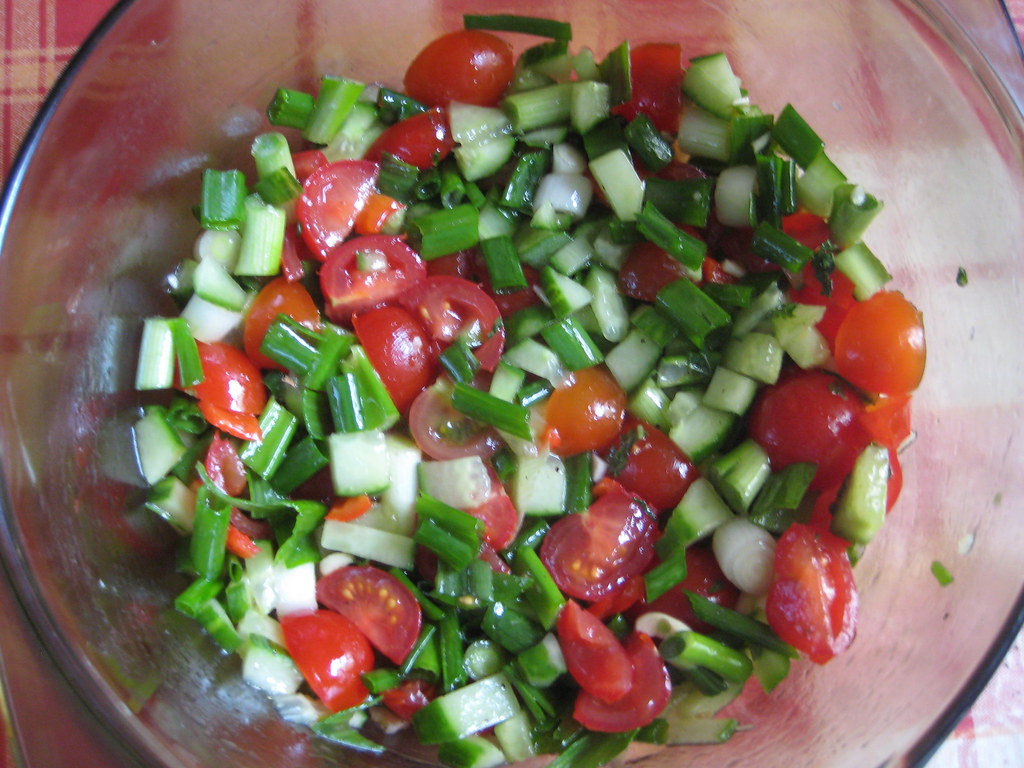
Photo by AndyRobertsPhotos on Openverse
When people talk about a healthy lifestyle, the conversation often jumps straight to calories, workouts, and willpower. But what if the real foundation of lasting weight loss, better energy, and a calmer digestive system begins somewhere much deeper? Your gut influences how you absorb nutrition, how you process food, how you feel after meals, and even how motivated you are to keep up with clean eating. That is why choosing the right organic food can be one of the most practical decisions you make for long-term wellness.
Think about the last time a meal left you bloated, sluggish, or craving sugar an hour later. Was it the portion size, the ingredients, or the quality of the food itself? More often than not, the answer involves all three. Organic food does not magically solve every digestive issue, but it can reduce your exposure to certain pesticides, support a cleaner eating pattern, and make it easier to build meals that nourish the microbiome. For anyone interested in weight loss, nutrition, and a sustainable healthy diet, that matters more than most trendy fixes.
[IMAGE: organic vegetables]
This article takes a fresh look at gut health through the lens of organic eating. Instead of treating digestion like a short-term detox diet, we will focus on daily choices that help your body function better over time. You will learn which organic foods deserve a place on your plate, how they support the gut, what common mistakes to avoid, and how to create a realistic routine that fits into a busy schedule. Ready to make clean eating feel less complicated and a lot more effective?
Why Gut Health Is the Hidden Engine of a Healthy Lifestyle
Your gut is more than a place where food is broken down. It is a complex ecosystem filled with bacteria, enzymes, immune cells, and lining tissue that all work together to influence digestion and overall health. When the gut is balanced, you are more likely to experience steady energy, regular digestion, fewer cravings, and better metabolic function. When it is out of balance, the signs can show up everywhere: bloating, irregular bowel movements, skin flare-ups, brain fog, and stubborn weight gain.
The gut microbiome, which refers to the trillions of microorganisms living in your digestive tract, plays a major role in this process. Certain bacteria help ferment fiber, produce short-chain fatty acids, and protect the intestinal lining. Others thrive when your diet is low in fiber, high in refined sugar, and filled with ultra-processed foods. So the real question is not just, What should I eat to feel full? It is, What should I eat to help my gut work with me instead of against me?
What the Gut Microbiome Actually Does
The microbiome is involved in many functions that influence daily life, even if you do not notice them directly. It helps break down fibers that your body cannot digest on its own, supports immune responses, contributes to vitamin production, and may even affect mood and appetite. In other words, gut health is connected to far more than digestion alone.
- Helps break down fiber into beneficial compounds
- Supports the intestinal barrier
- Influences inflammation levels
- Assists with nutrient absorption
- Can affect cravings and satiety
That connection between the microbiome and appetite is one reason why a gut-friendly organic food approach often supports weight loss naturally. When your meals include enough fiber, protein, and healthy fats, your body is less likely to chase quick energy from sugar. The result is often fewer crashes, fewer impulsive snacks, and better control over portions.
Signs Your Gut May Need More Support
Many people assume digestive problems are normal because they have lived with them for years. But bloating after most meals, frequent constipation, excessive gas, discomfort after eating, and inconsistent energy are not things you should simply accept as part of adult life. They are signals.
- Bloating or heaviness after meals
- Frequent cravings for sugar or refined carbs
- Unpredictable bowel movements
- Low energy in the afternoon
- Skin issues that seem tied to diet
- Feeling hungry soon after eating
If several of these sound familiar, your next step does not have to be a dramatic detox diet. A better strategy is to improve food quality, simplify meals, and add more organic foods that are naturally rich in fiber and micronutrients.
Why Organic Food Matters for Digestion and Clean Eating
There is a reason organic food has become such an important part of the clean eating conversation. Organic produce and packaged foods are grown and processed without many of the synthetic pesticides, herbicides, and additives commonly found in conventional products. While organic does not guarantee perfect health, it can reduce the chemical burden on your body and make a cleaner food environment more achievable.
For gut health, this matters because the digestive tract is sensitive. Some research suggests that exposure to certain pesticide residues may influence the microbiome or irritate already sensitive systems. Even when the effect is subtle, the cumulative benefit of choosing more organic food can be meaningful over time. If you are trying to support a healthy diet, improve nutrition, and make weight loss feel less like punishment, that cleaner baseline can help.
Lower Pesticide Exposure Can Support a More Balanced Routine
One of the most practical reasons people choose organic food is to reduce pesticide exposure. While washing produce is always helpful, it does not remove everything. Organic options are especially useful for foods you eat often, such as leafy greens, berries, apples, and grapes. These foods tend to appear in healthy diet plans repeatedly, which means their quality really adds up.
It is also worth considering consistency. The more your pantry and fridge are built around simple, recognizable ingredients, the easier clean eating becomes. That simplicity can lower decision fatigue, reduce reliance on takeout, and help you stay aligned with a weight loss goal without obsessing over every bite.
Organic Produce Often Fits Better into a Food-First Nutrition Strategy
Healthy eating does not need to be extreme to be effective. In fact, the most successful nutrition strategies are usually the ones you can repeat. Organic vegetables, fruit, eggs, yogurt, legumes, and whole grains can form the backbone of a meals-based routine that supports digestion, energy, and appetite control. They are rich in fiber, vitamins, minerals, and natural compounds that help your body do its job.
Have you ever noticed how a bowl of organic berries, plain yogurt, and chia seeds feels very different from a packaged snack bar that claims to be healthy? That difference is not just marketing. Whole foods generally contain more of what your gut needs and less of what can make digestion feel strained.
Does Organic Always Mean Better?
Organic food is not a magic label, and it should never be used as an excuse to ignore the bigger picture. Organic cookies are still cookies. Organic sugar is still sugar. What matters most is overall food quality, balance, and how often a food appears in your routine. If your diet is built around organic vegetables, fruit, clean proteins, whole grains, and healthy fats, you are on far better ground than someone eating highly processed organic snacks all day.
That said, choosing organic when possible can support a more intentional healthy lifestyle. It is one piece of a much larger nutrition puzzle, and when combined with sleep, hydration, movement, and stress management, it becomes part of a strong foundation.
The Best Organic Foods for Gut Health
If your goal is to improve digestion while staying focused on weight loss and clean eating, the best place to start is with foods that nourish beneficial bacteria and keep meals satisfying. The good news is that many of the most gut-friendly foods are also the most versatile. You do not need expensive supplements or complicated detox diet protocols. You need a strong list of ingredients and a way to use them consistently.
Organic Leafy Greens and Cruciferous Vegetables
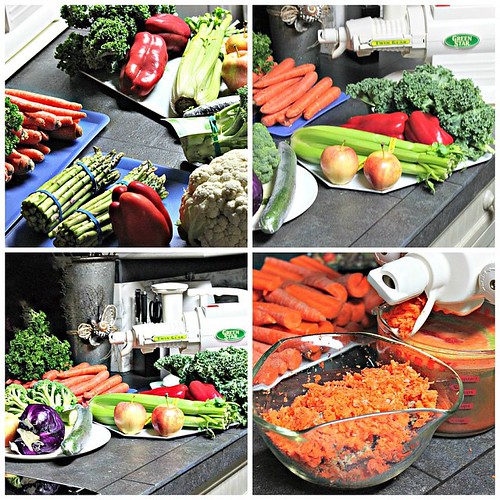
Spinach, kale, arugula, Swiss chard, broccoli, cauliflower, cabbage, and Brussels sprouts are high-value foods for gut health. They provide fiber, antioxidants, and plant compounds that support the body’s natural detoxification systems. They also add volume to meals without piling on calories, which makes them ideal for weight loss.
Try building meals around a generous base of greens and crucifers. For example, a bowl with roasted broccoli, baby spinach, cucumbers, avocado, and grilled organic chicken can feel hearty without being heavy. Pair it with a lemon-olive oil dressing and you get a meal that feels clean, balanced, and satisfying.
- Use spinach in smoothies, omelets, and warm grain bowls
- Roast broccoli and cauliflower for a sweet, caramelized flavor
- Massage kale with olive oil to make it easier to digest
- Add shredded cabbage to salads, soups, and stir-fries
Organic Berries and Low-Sugar Fruit
Berries are one of the best organic food choices for gut-friendly nutrition because they are rich in fiber and polyphenols while staying relatively low in sugar. Blueberries, raspberries, blackberries, and strawberries support the microbiome and offer a naturally sweet option for clean eating. Apples, pears, kiwis, and citrus fruits also fit well into a healthy diet when portioned wisely.
The key is to enjoy fruit as part of a balanced meal, not as a constant stand-alone snack that sends blood sugar on a roller coaster. What happens when you pair berries with yogurt or nuts? You get better satiety, steadier energy, and a more stable digestive experience.
Fermented Organic Foods
Fermented foods are often praised in gut health conversations for good reason. They contain live cultures that may help support a healthier microbiome. Organic yogurt, kefir, sauerkraut, kimchi, miso, and tempeh can all fit into a clean eating plan if you choose varieties with minimal added sugar and sodium.
These foods are especially useful when you are rebuilding a better eating routine. They bring flavor, texture, and variety to the table, which helps healthy habits feel enjoyable instead of restrictive.
- Choose plain organic yogurt instead of flavored varieties with added sugar
- Add a spoonful of sauerkraut to grain bowls or salads
- Use kimchi as a side dish with eggs or rice
- Try kefir in smoothies for a creamy, tangy base
[IMAGE: healthy meal]
Prebiotic-Rich Organic Foods
Prebiotics feed the beneficial bacteria already living in your gut. Think of them as the nourishment that helps your microbiome thrive. Many prebiotic foods are simple and affordable, which makes them ideal for long-term healthy lifestyle planning.
- Oats
- Garlic
- Onions
- Leeks
- Asparagus
- Bananas, especially slightly green ones
- Flaxseeds and chia seeds
These foods are easy to weave into breakfast, lunch, and dinner. For example, oats with chia and berries in the morning, onions and garlic in a soup at lunch, and roasted asparagus with dinner can quietly transform the quality of your diet.
Organic Protein Sources That Support Fullness
Protein is critical if you want a gut-friendly diet that also supports weight loss. Why? Because protein helps preserve lean mass, supports satiety, and keeps meals balanced. Organic eggs, organic Greek yogurt, organic chicken, organic turkey, tofu, tempeh, lentils, chickpeas, and beans are all smart options for many people.
When meals are too light on protein, blood sugar often swings more dramatically and cravings increase. If you have ever felt hungry an hour after eating a salad, the missing piece may not be more food overall. It may be better structure.
Simple Protein Pairings for Clean Eating
- Organic eggs with sautéed spinach and tomatoes
- Organic yogurt with berries and walnuts
- Grilled organic chicken with roasted vegetables
- Lentil soup with carrots, celery, and herbs
- Tofu stir-fry with broccoli and brown rice
These combinations keep digestion steady and make it much easier to avoid random snacking later in the day.
A Clean Eating Plate That Supports Weight Loss and Digestion
One of the best things about a gut-friendly organic food plan is that it does not need to be complicated. You can simplify your approach by using a plate formula instead of chasing trends. A balanced plate supports nutrition, helps with portion control, and gives your digestive system a predictable rhythm.
Here is a useful structure to follow most of the time:
- Half the plate: vegetables, especially organic leafy greens and colorful produce
- One quarter: protein from organic eggs, poultry, tofu, legumes, or yogurt
- One quarter: whole grains or starchy vegetables like quinoa, brown rice, sweet potato, or oats
- Small amount: healthy fats from avocado, olive oil, nuts, seeds, or tahini
This method works because it satisfies hunger while keeping meals naturally nutrient dense. It also leaves less room for refined snacks that tend to disrupt digestion and trigger overeating later. If you want a weight loss plan that does not feel like deprivation, this is a smarter path than severe restriction.
Foods to Limit When You Want Better Gut Health
A clean eating approach is not only about what you add. It also involves reducing foods that tend to aggravate digestion or undermine your goals. This does not mean food should be viewed with guilt. It means being strategic.
- Highly processed snacks with long ingredient lists
- Refined sugar in sodas, candy, and bakery products
- Deep-fried fast food eaten frequently
- Artificially sweetened products that upset your stomach
- Heavy alcohol intake
Do you need to eliminate every one of these forever? Not necessarily. But if gut health and weight loss matter to you, the frequency should be low. Your everyday habits matter far more than occasional meals out.
A Simple Day of Organic Eating for Better Digestion
Sometimes the easiest way to understand a healthy diet is to see how it looks in practice. A good day of eating for gut health should feel steady, satisfying, and realistic. It should include fiber, protein, hydration, and enough flavor to keep you interested.
Breakfast
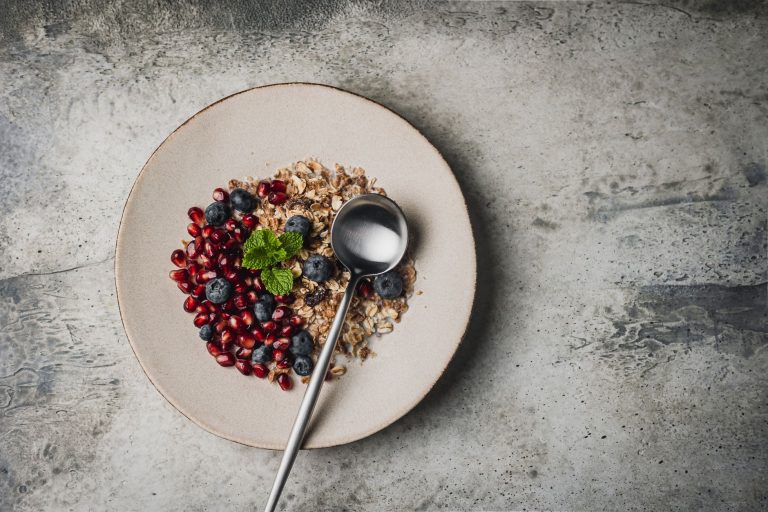
Organic Greek yogurt with blueberries, chia seeds, and a sprinkle of cinnamon. Add a side of scrambled organic eggs with spinach if you need a more filling start.
This kind of breakfast gives you protein, probiotics, fiber, and antioxidants. It can also help reduce the desire to graze mid-morning.
Lunch
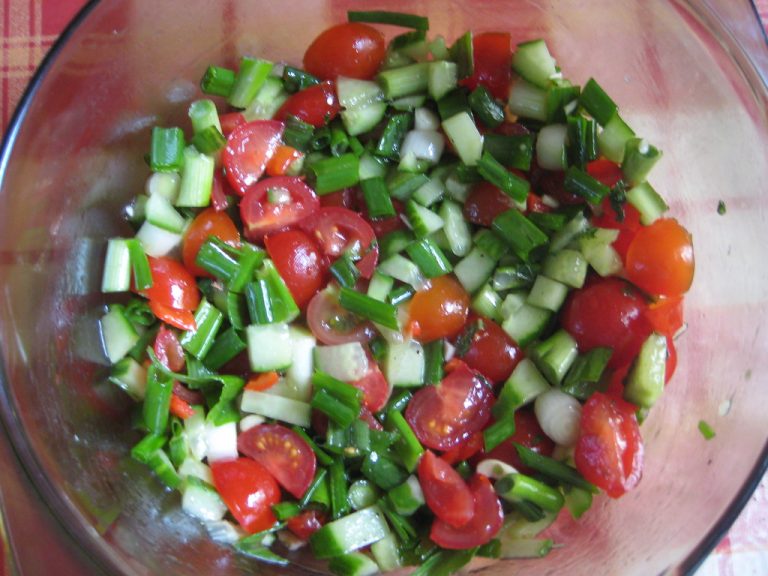
A large salad made with organic mixed greens, cucumber, roasted carrots, quinoa, chickpeas, avocado, and a lemon-olive oil dressing. Add grilled organic chicken or tofu for extra protein.
This meal supports clean eating because it is bright, filling, and easy to digest when the ingredients are fresh and balanced.
Snack
An apple with almond butter, or a small handful of walnuts and berries. If you prefer something savory, try carrots with hummus or a few olives with cucumber slices.
Dinner
Roasted salmon or tofu with broccoli, sweet potato, and garlic. Finish with a small serving of fermented vegetables such as sauerkraut or kimchi if you enjoy them.
[IMAGE: fitness lifestyle]
Hydration and Herbal Support
Water is one of the simplest tools for healthy digestion, and yet it is often overlooked. If your body is short on fluids, fiber cannot do its job as effectively. That is why a gut-friendly lifestyle should include steady hydration throughout the day. Herbal teas such as ginger, peppermint, and chamomile may also be soothing after meals.
- Start the day with a full glass of water
- Keep a bottle nearby during work hours
- Use herbal tea to replace sugary drinks
- Drink more water when your meals contain more fiber
These small habits may sound basic, but basic habits are often what separate an average routine from a truly sustainable healthy lifestyle.
Organic Meal Prep Ideas for a Busy Week
Healthy eating becomes much easier when the right foods are already prepared. If you wait until you are tired and hungry to decide what to eat, even the best nutrition plan can collapse under pressure. Meal prep is not about eating the same lunch five days in a row unless that genuinely works for you. It is about creating a reliable system.
Build a Gut-Friendly Prep List
Spend one hour or two each week preparing the ingredients that make meals quick and appealing. This can include washed greens, roasted vegetables, cooked grains, protein portions, and a few sauces or dressings.
- Wash and chop organic vegetables
- Roast a tray of broccoli, carrots, and sweet potatoes
- Cook quinoa, brown rice, or oats in batches
- Prepare hard-boiled eggs or grilled chicken
- Mix a simple dressing with olive oil, lemon, and herbs
- Portion fruit, nuts, and yogurt for easy snacks
The goal is to make the healthy choice the easy choice. When your fridge is stocked with ready-to-use organic food, clean eating stops feeling like a project and starts feeling like a routine.
Smart Swaps That Make a Big Difference
Small swaps can improve digestion without making your meals feel bland. What if you replaced a processed breakfast pastry with oats, berries, and seeds? What if you traded a packaged lunch for a grain bowl with organic vegetables and protein? These are not dramatic changes, yet they often create dramatic results over time.
- Chips to roasted chickpeas
- Sweetened yogurt to plain organic yogurt with fruit
- White bread to sprouted grain or whole grain options
- Sugary drinks to sparkling water with lemon
- Candy to berries or a piece of fruit with nuts
Consistency matters more than perfection. A handful of smart swaps every day can reshape your nutrition faster than an occasional intense cleanse.
Detox Diet Thinking, Without the Extremes
The phrase detox diet often gets used in a way that promises too much and delivers too little. Your body already has sophisticated systems for detoxification, especially through the liver, kidneys, gut, skin, and lungs. What your body needs is not a miracle tea. It needs support. And that support starts with food quality, fiber, hydration, and sleep.
Organic food can be part of a gentle detox-focused lifestyle because it helps reduce exposure to unnecessary additives and supports nutrient-rich meals. Instead of chasing a fast cleanse, think about creating conditions where your body can do its job well.
How to Support Natural Detox Pathways
- Eat more fiber-rich vegetables and fruit
- Choose organic food when possible to reduce pesticide exposure
- Drink enough water to support digestion and elimination
- Include sulfur-rich vegetables like broccoli, cauliflower, and onions
- Limit alcohol and highly processed foods
- Sleep enough to support recovery and metabolism
This is a much more realistic detox diet model than severe restriction. It also supports weight loss in a way that is easier to maintain, because the habits are nourishing rather than punishing.
Common Organic Diet Mistakes to Avoid
Even well-intentioned healthy eaters can make mistakes that slow progress or make digestion worse. If you are trying to improve gut health, avoid assuming that organic automatically means balanced. The quality of the pattern matters just as much as the quality of the ingredients.
Eating Too Little
Some people respond to weight loss goals by cutting calories too aggressively. At first, the scale may move quickly. But low energy, constipation, irritability, and cravings often show up soon after. When the body feels deprived, the digestive system can become less efficient and appetite may rebound.
Instead of eating less, focus on eating better. Build meals that are filling and nutrient dense so your body gets enough energy without excess processed food.
Relying on Packaged Organic Snacks
Organic chips, cookies, and bars can be useful in certain situations, but they should not become the core of your healthy diet. It is easy to assume an organic label makes something automatically good for you. Does it? Not always. If a product is still high in sugar, low in fiber, and ultra-processed, it may not support gut health very well.
Ignoring Stress and Sleep
The gut is highly responsive to stress. Poor sleep, nonstop multitasking, and chronic tension can affect digestion just as much as food choices. If your meals are clean but your lifestyle is chaotic, you may still struggle with bloating, cravings, or irregular appetite. This is why a healthy lifestyle has to be broader than the plate.
Forgetting Variety
Your microbiome thrives on diversity. Eating the same three foods every day may be convenient, but variety helps expose the gut to different fibers, textures, and nutrients. Rotate vegetables, grains, protein sources, and fermented foods whenever possible.
How Organic Food Supports Weight Loss Without Making You Miserable
Weight loss is often framed as a battle of discipline, but the most effective approach is usually a matter of design. When your meals are built around high-quality organic food, your appetite becomes easier to manage. Fiber-rich vegetables fill you up. Protein helps you stay satisfied. Healthy fats slow digestion just enough to keep energy stable. And when meals taste good, you are more likely to stick with them.
That is the real advantage of clean eating: it can reduce friction. You spend less time fighting cravings, second-guessing ingredients, or recovering from poor food choices. The whole process becomes more intuitive.
Why This Approach Supports Fat Loss Better Than Crash Dieting
- It promotes fullness instead of constant hunger
- It gives your body the nutrients needed for energy and recovery
- It helps stabilize blood sugar and reduce dramatic cravings
- It fits real life, which makes long-term consistency more likely
If your goal is sustainable weight loss, ask yourself a simple question: can I eat this way for months, not just days? If the answer is yes, you are likely building something worthwhile.
Building a Long-Term Organic Food Routine
Long-term results come from habits that are easy enough to keep. You do not need to transform your entire kitchen overnight. Start with the foods you already eat most often and improve those first. Replace one breakfast, one snack, and one dinner ingredient at a time. Over a few weeks, the changes can become substantial.
A Practical Weekly Framework
- Choose three vegetables to repeat across meals
- Pick two fruits you enjoy daily
- Prepare two protein sources in advance
- Keep one fermented food in the fridge
- Plan one grain or starch that supports fullness
- Use one or two reliable dressings or sauces
This structure keeps your routine simple without making it boring. It also reduces the chance of feeling overwhelmed, which is one of the biggest reasons people abandon healthy diet plans.
Listen to Your Body as You Go
Not every gut responds the same way to every food. Some people thrive on yogurt and kefir, while others do better with smaller amounts of fermented foods. Some tolerate beans beautifully; others need to introduce them slowly. The best approach is to observe, adjust, and stay curious.
How do you feel two hours after a meal? Do certain ingredients leave you energized while others leave you bloated or sleepy? Paying attention to these patterns can help you create a personalized nutrition plan that feels much more accurate than any one-size-fits-all rule.
Choosing organic food for gut health is not about chasing perfection or turning every meal into a project. It is about making daily decisions that help your digestion, support your microbiome, and make weight loss more natural. When your plate is built around real ingredients, steady protein, fiber-rich vegetables, smart carbs, and a few fermented foods, clean eating becomes something you can actually enjoy. If this approach resonates with you, keep exploring more expert articles on DietOrganic and use them to build a healthy lifestyle that feels grounded, satisfying, and genuinely sustainable.
About the Author