

Photo by Thais Freires on Pexels
There is a reason organic food meal prep has become one of the most talked-about strategies in modern nutrition. It is not just about saving time on a busy Sunday or lining up a few neat containers in the fridge. It is about making clean eating easier to sustain, supporting a healthy lifestyle, and giving weight loss a structure that feels practical instead of punishing. When your meals are planned around real ingredients, you are far less likely to reach for convenience foods that derail your energy, your digestion, and your goals. And honestly, who does not want a routine that makes healthy choices feel almost automatic?
Meal prep can be especially powerful when it is built around organic food. You are choosing produce grown with fewer synthetic pesticides, proteins that align with your preferences, and pantry staples that fit a more thoughtful approach to nutrition. That does not mean every bite must be perfect, nor does it mean your meals need to be complicated. In fact, the best organic meal prep ideas are often the simplest: roasted vegetables, a dependable protein source, a whole grain, and a flavorful sauce that keeps you excited to eat what you prepared. The real magic lies in consistency, not in culinary theatrics.
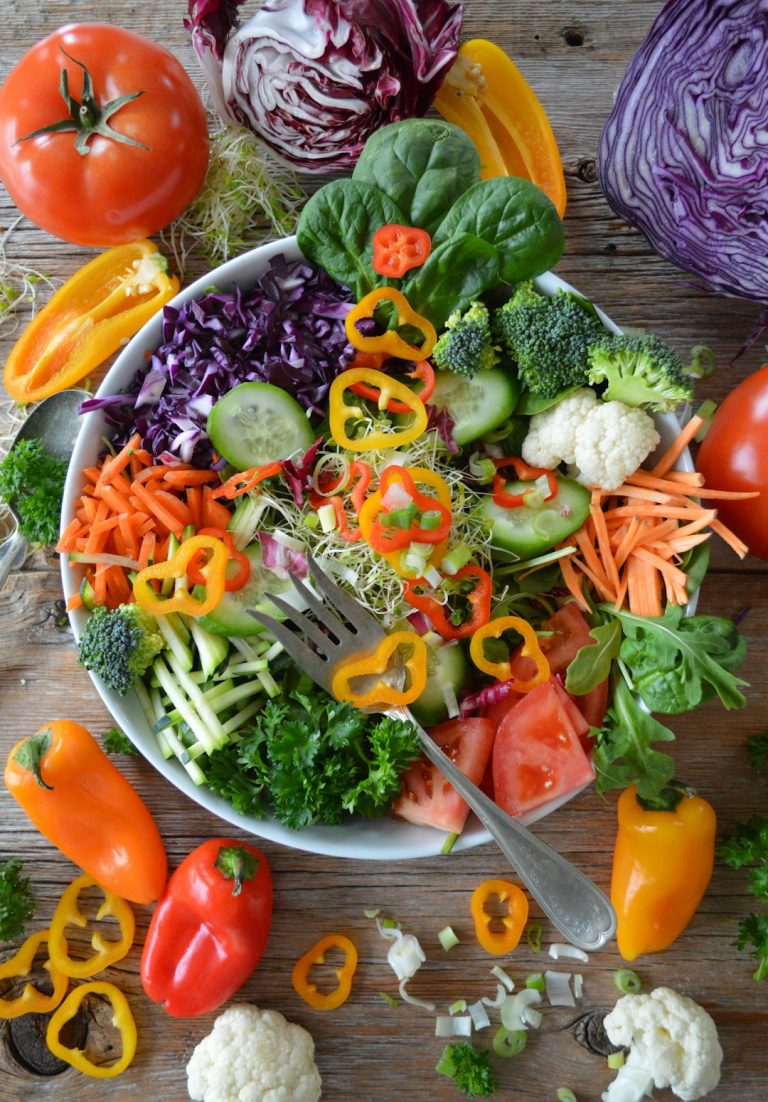
If you have ever wondered why healthy eating feels easy for some people and exhausting for others, the answer is often structure. A clean eating routine removes decision fatigue. It supports weight loss without constant willpower. It can even make a detox diet feel less like a dramatic cleanse and more like a steady return to balance. With the right system, your fridge becomes a tool for success instead of a source of temptation. [IMAGE: organic vegetables]
Why Organic Meal Prep Changes the Weight Loss Conversation
Weight loss advice is often framed as a battle of restriction, but lasting results usually come from better habits, not harsher rules. Organic meal prep shifts the focus from what you are giving up to what you are building. Instead of scrambling for the nearest snack or ordering takeout because you are tired, you open the fridge to find meals that already support your goals. That single change can transform how you eat during the week.
Organic food is not a magic formula, but it can make your nutrition more intentional. When meal prep centers on organic vegetables, fruit, legumes, grains, eggs, dairy, or sustainably raised proteins, you tend to eat more whole foods and fewer highly processed items. That means more fiber, better satiety, and more stable energy throughout the day. Is it any surprise that people feel more in control when they are feeding themselves with quality ingredients?
For many people, the biggest benefit is psychological. Clean eating becomes less about constant discipline and more about rhythm. You shop with purpose. You cook with a plan. You portion with confidence. Over time, that consistency matters more than any short-lived trend.
What meal prep actually solves
Meal prep is not only about saving time. It solves several common problems that stand between you and a healthy lifestyle:
- Hunger-driven decisions: When you are already hungry, you are less likely to build a balanced meal from scratch.
- Portion confusion: Prepped meals make serving sizes clearer, which can support weight loss without obsessive tracking.
- Convenience cravings: If healthy food is ready in minutes, fast food loses much of its appeal.
- Nutrition gaps: A weekly plan makes it easier to include fiber, protein, and micronutrient-rich produce every day.
Meal prep is not glamorous, but it is effective. That is exactly why it works.
The Organic Meal Prep Formula for Clean Eating
A successful organic meal prep routine is built on balance. You do not need to eat the same salad five days in a row, and you definitely do not need to fear carbohydrates to lose weight. Instead, aim for meals that combine protein, fiber, healthy fats, and vivid flavor. When a dish checks those boxes, it tends to feel satisfying enough to keep you on track.
Think of your plate as a framework. What protein will keep you full? Which vegetables bring volume, color, and micronutrients? What carbohydrate will support your energy rather than spike your cravings? What finishing element will make the meal taste fresh on day three, not just day one?
Build each meal around a protein anchor
Protein is the backbone of a weight loss-friendly meal prep plan because it supports satiety and helps preserve lean mass while you are reducing calories. Organic eggs, Greek yogurt, chicken breast, turkey, tofu, tempeh, lentils, black beans, and salmon are all strong options. The best choice depends on your preferences and dietary needs, but the principle is the same: every meal should have a meaningful protein source.
For example, a lunch bowl with roasted vegetables and quinoa is good. Add organic chicken or lentils, and it becomes much more satisfying. That added fullness often prevents the afternoon snack spiral that can quietly sabotage progress.
Choose fiber-rich vegetables that add volume
Organic vegetables are one of the biggest advantages of a clean eating routine. They are low in calories, rich in nutrients, and naturally high in fiber, which helps support digestion and appetite control. Think of vegetables as the volume players in your meal prep. They make the plate look abundant without making it heavy.
Great options include broccoli, zucchini, carrots, bell peppers, green beans, cauliflower, spinach, kale, cucumbers, mushrooms, and Brussels sprouts. Roast them, steam them, sauté them, or serve them raw. The goal is to make vegetables so convenient that you actually look forward to eating them.
Add smart carbohydrates instead of cutting them out
One of the most common organic diet mistakes is assuming that carbs must be eliminated for weight loss. In reality, whole-food carbohydrates can support energy, mood, and workout recovery. The key is choosing minimally processed sources and using sensible portions.
Try brown rice, quinoa, sweet potatoes, oats, buckwheat, farro, chickpeas, and beans. These foods are rich in fiber and nutrients, and they pair beautifully with vegetables and protein. If you are active, a smart carb source can help you feel stronger and more energized, especially during a demanding workweek.
Use healthy fats for satisfaction and flavor
Healthy fats make meals more satisfying and help carry flavor. A small amount goes a long way. Organic avocado, olive oil, tahini, pumpkin seeds, chia seeds, walnuts, and hemp seeds can make a simple bowl feel complete. They also help with the absorption of fat-soluble nutrients from vegetables.
Instead of drowning meals in sauce, consider using fats strategically. A drizzle of olive oil over roasted vegetables or a spoonful of tahini in a grain bowl can elevate the entire dish without overwhelming it.
How to Build a Week of Organic Meals in One Hour
One of the best reasons to embrace meal prep is simplicity. You do not need to spend the entire weekend cooking. In fact, many people stick to their plan more successfully when their prep session is short, focused, and repeatable. Could you dedicate one hour to make the next five days easier? For most people, the answer is yes, especially when the payoff is lower stress and better nutrition.
Step 1: Choose two proteins
Pick two proteins that can be used in several ways. For example, you might roast organic chicken thighs and cook a pot of lentils. Or you might prepare salmon for two meals and bake tofu for another two. Keeping your protein selection simple prevents decision fatigue and helps you stay organized.
Step 2: Roast a large tray of vegetables
Roasting is the easiest way to make vegetables taste rich and satisfying. Use a mix of colors and textures, such as carrots, broccoli, cauliflower, red onion, zucchini, and bell peppers. Toss them lightly in olive oil, salt, pepper, garlic, and herbs, then roast until caramelized.
Roasted vegetables hold up well in the fridge and can be used for bowls, wraps, omelets, salads, and side dishes. They are one of the most flexible meal prep investments you can make.
Step 3: Cook one or two base carbohydrates
Choose a grain or starchy vegetable that matches your weekly rhythm. Quinoa is fast and versatile. Brown rice is classic and neutral. Sweet potatoes are satisfying and easy to portion. If you want a lighter week, you can even prepare a combination of grains and vegetables to keep meals varied.
Step 4: Make two sauces or dressings
This is where meal prep becomes enjoyable instead of repetitive. A simple sauce can completely change the feel of a dish. Consider a lemon-tahini dressing, a yogurt-herb sauce, a sesame-ginger vinaigrette, or a tomato-based salsa. When you have flavor ready to go, you are more likely to keep eating the meals you prepared.
Flavor is not a luxury. It is part of what makes healthy eating sustainable.
Step 5: Portion with purpose
Use containers that allow you to see the ingredients clearly. A good meal prep box should make your lunch look inviting, not cramped. Start with a portion of protein, add vegetables generously, then finish with your carb and sauce. If you are meal prepping for weight loss, portion control becomes easier when your food is divided before hunger enters the picture.
For those who prefer a more flexible approach, prep ingredients instead of full meals. That way, you can mix and match during the week while still staying organized.
What a Balanced Organic Meal Prep Day Looks Like
Not all prep plans need to be identical, but it helps to have a visual model. A well-structured day can include a filling breakfast, a substantial lunch, a lighter snack, and a dinner that supports recovery and restful sleep. The beauty of organic food is that it can work across every meal of the day without feeling repetitive.
Breakfast: steady energy, not a sugar rush
A clean eating breakfast should help you feel calm and focused, not hungry an hour later. Organic overnight oats with chia seeds and berries, eggs with sautéed greens and toast, or Greek yogurt with fruit and nuts are all smart choices. The goal is to combine protein with fiber and enough healthy fat to keep blood sugar more stable.
If mornings feel hectic, prep breakfast jars or egg muffins ahead of time. That small decision can set a far better tone for the entire day.
Lunch: the anchor meal
Lunch is often where meal prep shines most. A grain bowl with quinoa, roasted vegetables, chickpeas, avocado, and a bright dressing can keep you satisfied through the afternoon. Another option is a salad topped with salmon or chicken, seeds, and a hearty portion of veggies. The key is to avoid a lunch that is too light, because that can lead to overeating later.
Dinner: simple, nourishing, and realistic
Evening meals do not need to be elaborate. In fact, the best dinner is often the one you can assemble with minimal effort after a busy day. Try baked fish with broccoli and sweet potato, tofu stir-fry with brown rice, or a lentil-based stew with herbs and greens. These kinds of meals feel grounding, which is useful if your goal is to reduce mindless nighttime snacking.
Snacks: intentional, not impulsive
Strategic snacks can help you stay on track. Keep them simple and nutrient-dense:
- Apple slices with almond butter
- Organic cottage cheese with berries
- Carrot sticks with hummus
- A handful of walnuts and pumpkin seeds
- Hard-boiled eggs
- Edamame with sea salt
Snacks should support your meals, not replace them. If you are constantly hungry, your meals may need more protein or volume.
Organic Foods That Work Especially Well for Weight Loss
When people ask which organic foods are best for weight loss, the answer is not one miracle ingredient. It is a group of foods that help you feel satisfied, nourished, and in control. Some are particularly useful because they are easy to prep, inexpensive in season, and versatile enough to keep the week interesting.
Vegetables with high volume and low calorie density
These are the quiet heroes of clean eating. Broccoli, cauliflower, leafy greens, cucumbers, celery, zucchini, and cabbage all add bulk without pushing calories too high. They are especially valuable if you are trying to eat a little less while still feeling full.
Legumes for fiber and staying power
Lentils, chickpeas, black beans, and white beans provide protein, fiber, and complex carbohydrates. They are ideal for soups, bowls, salads, and wraps. They also support a more budget-friendly organic diet, which is important if you are trying to sustain the habit long term.
Berries for flavor and antioxidants
Organic berries are small but powerful. They add sweetness to breakfast, color to snacks, and a refreshing contrast to richer meals. Blueberries, raspberries, strawberries, and blackberries fit beautifully into a healthy lifestyle because they satisfy sweet cravings without relying on added sugar.
Fermented foods for digestion
If your goal includes gut health, consider incorporating organic kefir, plain yogurt, sauerkraut, kimchi, or miso into your meal prep. These foods can complement a detox diet approach that focuses on digestive support rather than extreme restriction. A healthier digestive rhythm often makes it easier to feel energetic and balanced.
Whole grains for sustained energy
Oats, quinoa, brown rice, farro, and buckwheat support meal prep because they keep well and pair with almost everything. They can help you avoid the energy crash that often leads to overeating. Proper nutrition is rarely about saying no to entire food groups; it is about choosing ingredients that support your real life.
[IMAGE: healthy meal]
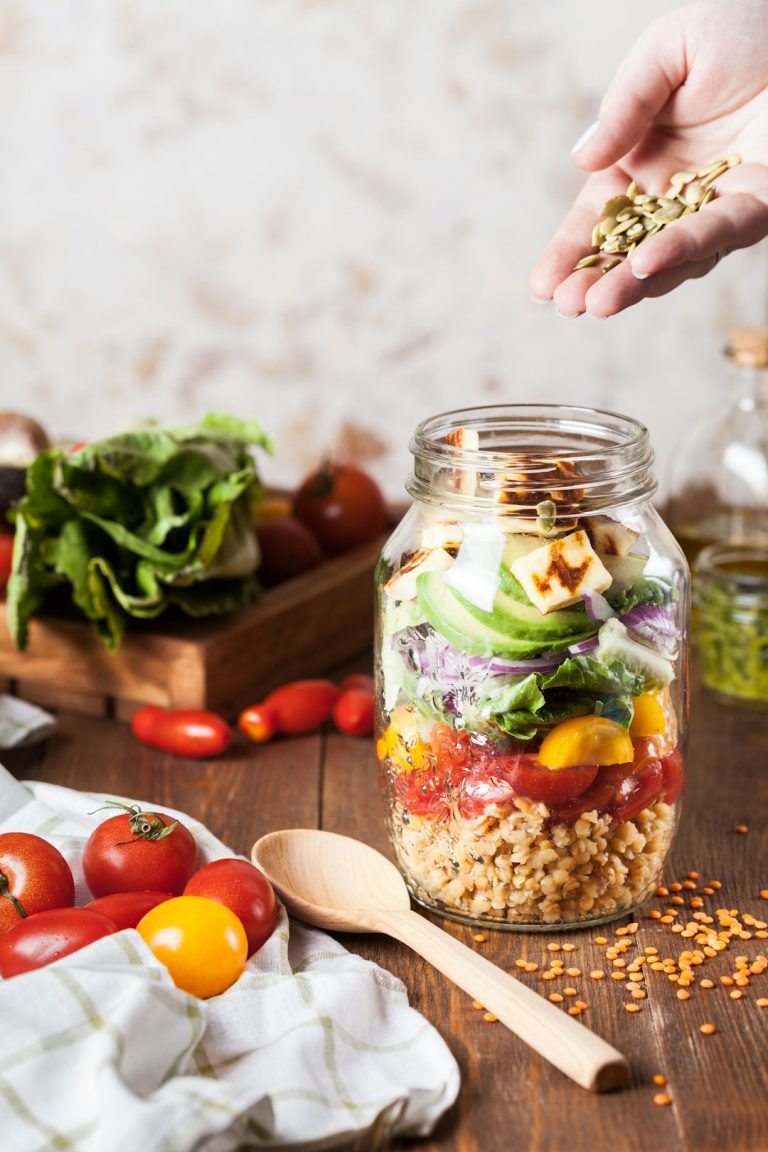
Picture a high-end editorial-style lunch container filled with vibrant roasted vegetables, a generous scoop of quinoa, sliced avocado, and a perfectly cooked protein arranged with restaurant-level care. That is the visual standard you want to create at home. Not because your food needs to look fancy to be healthy, but because attractive meals are easier to enjoy, and enjoyment matters if you want consistency. When your meal prep looks fresh, you are more likely to eat it, and when you eat it, you are more likely to stick with your healthy diet.
How to Avoid Common Organic Diet Mistakes
It is easy to assume that buying organic automatically means eating well. In reality, even an organic food plan can become unbalanced if it is built on overly large portions, too many packaged products, or too little variety. Clean eating should feel supportive, not restrictive or monotonous.
Do not overload on calorie-dense add-ons
Nut butters, cheeses, oils, granolas, and dressings can all be part of a healthy lifestyle, but they are easy to overdo. A little extra can turn a balanced meal into a calorie-heavy one without increasing satisfaction much. Use them intentionally.
Do not rely on snack foods labeled healthy
Organic chips, bars, and desserts can still be highly processed. They may fit occasionally, but they should not become the foundation of your nutrition. Meal prep works best when real food is the core, not the garnish.
Do not make every meal too low in carbohydrates
Many people try to force rapid weight loss by cutting carbs aggressively. That approach can backfire by increasing cravings, lowering energy, and making it harder to exercise. If you want a meal prep plan you can actually live with, include slow-digesting carbohydrates in sensible amounts.
Do not ignore taste
Healthy food that tastes bland is rarely sustainable. Herbs, citrus, vinegar, spices, garlic, ginger, and sauces are essential tools. When people say healthy eating is boring, what they often mean is that they never learned how to season food well.
Meal Prep Ideas for a Busy Week
The best organic meal prep ideas are the ones that match your schedule, not someone else’s ideal version of discipline. If you work long hours, commute, manage a household, or train regularly, your food needs to support that reality. Could your current plan survive a demanding week? If not, simplify it until it can.
Idea 1: Mediterranean-style bowls
Start with quinoa or farro, then add roasted zucchini, cucumber, tomatoes, olives, chickpeas, and grilled chicken or tofu. Finish with lemon, olive oil, herbs, and a small amount of feta if desired. This is a great option for clean eating because it feels bright, balanced, and flexible.
Idea 2: Warm breakfast jars
Prepare overnight oats with chia seeds, cinnamon, berries, and Greek yogurt. Add nuts just before eating. This creates a breakfast that is fast, satisfying, and far better than skipping the meal entirely.
Idea 3: Soup-and-salad combo
A lentil soup can be made in a large batch and paired with a crisp salad for lunch or dinner. This kind of prep is especially useful if you want the comforting feeling people often seek from a detox diet, but without extreme restrictions.
Idea 4: Sheet-pan dinners
Roast salmon, chicken, tofu, or tempeh on one pan with broccoli, carrots, and sweet potatoes. This method minimizes cleanup while maximizing flavor. It is ideal for weeknight sustainability.
Idea 5: Bento-style snack boxes
Pack celery, cucumbers, fruit, hard-boiled eggs, nuts, and hummus into small containers so that smart snacking is effortless. When healthy options are already prepared, impulse eating loses its power.
How Organic Meal Prep Supports a Healthy Lifestyle Beyond Weight Loss
Although many people start meal prep to lose weight, the benefits often go well beyond that. Once you get into the habit of planning meals around organic food and simple cooking methods, you may notice better digestion, steadier mood, fewer energy crashes, and a stronger sense of routine. That is the kind of foundation that supports a healthy lifestyle for the long term.
Nutrition is not just about calories in and calories out. It is about the experience of eating, the quality of ingredients, and how your food choices shape the rest of your day. A balanced organic meal prep routine can make you feel more capable and less reactive. Instead of asking, What should I eat right now? you begin asking, What helps me feel strong and satisfied today?
That shift matters. It changes food from a problem to a support system.
[IMAGE: fitness lifestyle]
Imagine an active person leaving a gym session and reaching for a prepared container instead of a vending machine snack. The scene is calm, modern, and realistic: a clean kitchen bag, reusable containers, fresh produce in the background, and the quiet confidence that comes from planning ahead. This is the lifestyle many readers are trying to build, and organic food meal prep is one of the simplest ways to get there. It is not about perfection. It is about making the healthier choice the easier choice.
A Simple Organic Grocery List for the Week
If you want to make meal prep easier, shop from a focused list. A cluttered cart often leads to a cluttered week. Here is a practical starting point that can be adapted to your preferences:
- Organic spinach, kale, broccoli, zucchini, carrots, cucumbers, and bell peppers
- Organic berries, apples, lemons, and avocados
- Organic eggs, Greek yogurt, chicken, salmon, tofu, tempeh, or lentils
- Quinoa, brown rice, oats, sweet potatoes, or farro
- Olive oil, tahini, nut butter, seeds, nuts, vinegar, and spices
- Hummus, sauerkraut, kimchi, or plain kefir for gut-friendly variety
Do not feel pressure to buy everything at once. The goal is to build a repeatable system, not an elaborate one. Start with the staples you will actually use.
Practical Tips to Keep Your Prep Fresh All Week
Nothing derails meal prep faster than opening the fridge to find limp greens and soggy grains. Freshness is partly about food selection, partly about storage, and partly about knowing what to prep ahead versus what to add later. A little planning goes a long way.
Store components separately when possible
Keep dressings, sauces, and crunchy toppings in separate containers until serving. This preserves texture and keeps meals tasting more freshly assembled.
Use airtight containers
Good containers are not an unnecessary expense. They protect flavor, extend shelf life, and make your fridge look more organized. That alone can help you stay motivated.
Prep delicate items later in the week
If you love salads, wash and dry greens ahead of time, but add watery ingredients such as cucumbers or tomatoes closer to serving. The same goes for sliced avocado, which is best cut fresh.
Rotate flavors
One of the best ways to avoid boredom is to use the same base ingredients with different flavor profiles. For example, roasted chicken and vegetables can become Mediterranean one day, Thai-inspired the next, and simple lemon-herb the day after. Variety is not about cooking more. It is about seasoning better.
When Organic Meal Prep Becomes a Long-Term Habit
Most people do not fail at healthy eating because they lack discipline. They fail because the system they chose was too rigid, too time-consuming, or too disconnected from real life. The beauty of organic meal prep is that it can be scaled up or down depending on your week. Some weeks you may prep full meals. Other weeks you may only wash vegetables, cook grains, and roast protein. Both count.
That flexibility is what makes the approach sustainable. A clean eating routine should help you feel better, not trapped. It should support your goals without turning every meal into a test. And when you find a rhythm that works, the results can be surprisingly powerful: more balanced nutrition, less stress, a calmer relationship with food, and steady progress toward weight loss without the chaos of dieting.
If you are ready to build a healthier routine, start with one batch cook, one grocery list, and one week of intentional meals. Keep it simple enough to repeat, flavorful enough to enjoy, and organized enough to save you from last-minute decisions. That is where organic food meal prep stops being an idea and becomes a real part of your healthy lifestyle, one container at a time. If you want more practical organic food strategies, clean eating guides, and nutrition-forward meal ideas, keep exploring the latest articles on DietOrganic and turn your next week into the easiest one you have had in a long time.
About the Author