

Photo by Yaroslav Shuraev on Pexels
If you have ever tried to lose weight by counting calories alone, you already know how quickly that strategy can feel exhausting. What many people discover, often after one too many restrictive meal plans, is that sustainable weight loss is less about punishment and more about quality. That is where organic food, clean eating, and thoughtful nutrition start to matter in a real way. Instead of focusing only on what to eliminate, a smarter approach asks a better question: what should you eat so your body feels satisfied, energized, and naturally less likely to overeat?
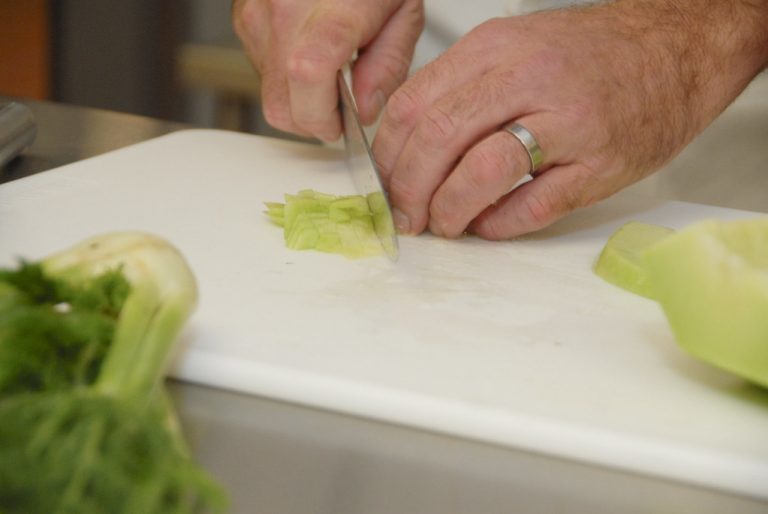
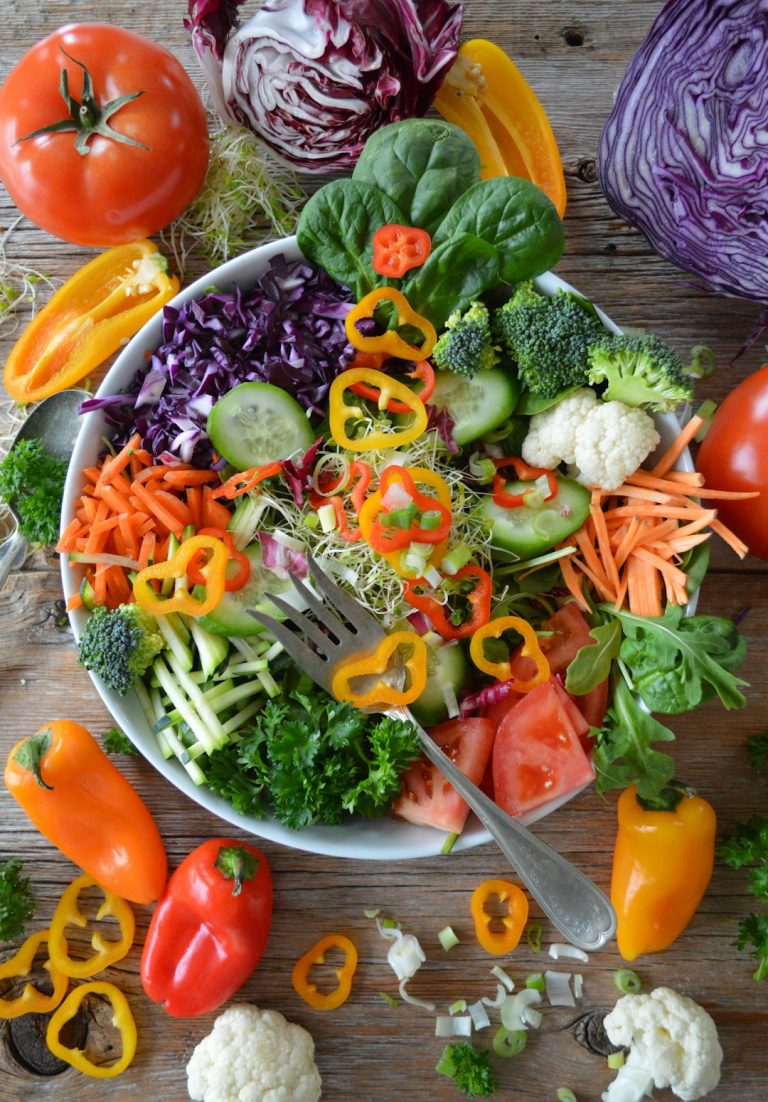
An organic diet does not promise magic, and no single food can melt fat overnight. But when you build your meals around nutrient-dense organic foods, you create a healthy lifestyle that supports steady energy, fewer cravings, and better eating habits. That matters because weight loss is rarely just a math problem. It is a daily experience shaped by appetite, sleep, stress, blood sugar, food quality, and the choices you repeat most often. [IMAGE: organic vegetables]
This is where clean eating becomes more than a buzzword. Clean eating means choosing foods that are minimally processed, naturally nourishing, and easier for your body to use well. When your plate is built around organic vegetables, lean proteins, high-fiber fruits, healthy fats, and whole grains, the result is often a quieter appetite and a more stable metabolism. Could it really be that simple? In many cases, yes, because the best eating pattern is the one you can sustain without constant hunger or guilt.
Why organic food can support weight loss
Organic food is not automatically lower in calories than non-organic food, and that distinction matters. A bag of organic chips is still a bag of chips. But when you choose organic ingredients in their whole or close-to-whole form, you often end up eating more fiber, fewer additives, and better-quality meals overall. That combination can make a significant difference in how full you feel and how well your routine holds up over time.
People often ask whether organic food is worth the higher cost if the goal is fat loss. The answer depends on how you use it. If organic purchases encourage you to cook at home more often, skip ultra-processed snacks, and build meals around vegetables and protein, then the investment can pay off in multiple ways. Better food choices tend to improve nutrition, and better nutrition tends to improve consistency. And consistency, not perfection, is what drives lasting weight loss.
Organic ingredients often make clean eating easier
One reason organic food works well for clean eating is that it simplifies decision-making. When you fill your kitchen with ingredients rather than packaged products, you naturally create more room for whole foods. That means more salad bowls, roasted vegetables, fruit with yogurt, grain bowls, soups, and protein-based meals. There is less temptation to over-rely on convenience foods that are high in refined flour, excess sugar, and hidden oils.
Clean eating is not about being rigid. It is about reducing friction. If your fridge already holds washed greens, chopped cucumbers, berries, eggs, yogurt, and cooked quinoa, then a balanced meal is only minutes away. That kind of accessibility can keep you from ordering takeout when you are tired, stressed, or hungry. And when you are trying to lose weight, those moments matter more than most people realize.
Nutrition quality influences appetite and energy
Have you ever noticed how some meals leave you full for hours while others leave you searching for snacks an hour later? The difference is often in the balance of protein, fiber, and healthy fat. Organic food that comes in whole-food form tends to offer more of those satiety-supporting nutrients, especially when you base meals on plants, eggs, fish, poultry, legumes, and seeds.
Better nutrition also supports more stable energy. That is important because fatigue can drive cravings, especially for sugar and refined carbohydrates. When your meals are nutrient-dense, you are less likely to experience the dramatic dips and spikes that make willpower feel unreliable. In other words, a well-designed organic diet can help you work with your body instead of constantly battling it.
The best organic foods for weight loss
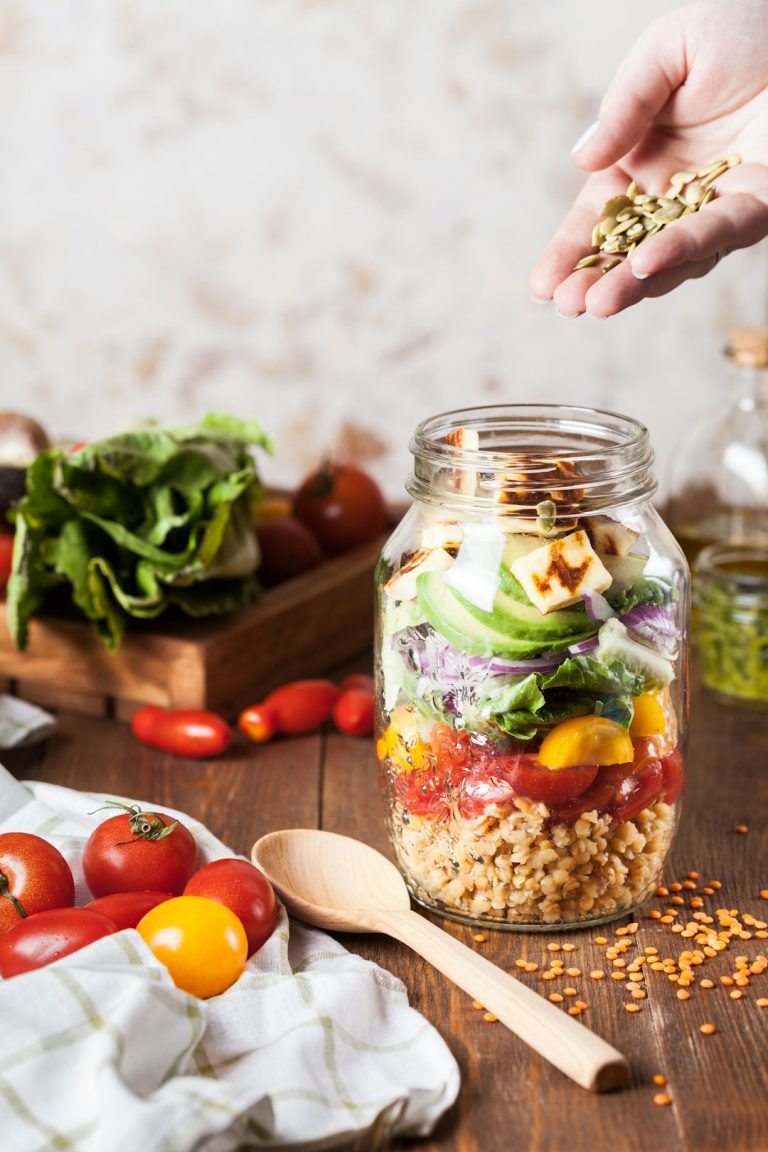
If your goal is fat loss without feeling deprived, certain organic foods deserve a regular place on your plate. These are the ingredients that combine high nutrition, strong satiety, and practical versatility. They can be used in breakfasts, lunches, dinners, and snacks, which makes them especially valuable for real life. [IMAGE: healthy meal]
Leafy greens
Organic spinach, kale, arugula, romaine, and mixed greens are some of the most useful foods for weight loss. They are low in calories, high in volume, and rich in vitamins, minerals, and antioxidants. This matters because larger portions can help you feel physically satisfied without drastically increasing your calorie intake.
Try adding leafy greens to omelets, smoothies, soups, grain bowls, and side salads. If you struggle with hunger, starting a meal with a salad made from organic greens can naturally reduce how much you eat later. Why? Because high-volume foods help stretch the stomach and signal fullness more effectively.
Cruciferous vegetables
Broccoli, cauliflower, Brussels sprouts, cabbage, and bok choy are excellent organic choices for a weight loss-friendly clean eating plan. These vegetables are rich in fiber and often have a satisfying texture that works well in hearty meals. Roasted broccoli with olive oil and garlic can be just as comforting as a heavier side dish, but with far fewer calories.
Cruciferous vegetables also pair well with lean protein, which makes them ideal for balanced dinners. If you are someone who feels bored by diet food, these vegetables can help keep meals interesting without compromising your goals.
Berries
Organic berries such as blueberries, raspberries, strawberries, and blackberries offer natural sweetness without the sugar load of many desserts. They are among the best fruits for weight loss because they are high in fiber, low in calories, and easy to portion wisely. Add them to Greek yogurt, oatmeal, chia pudding, or simply enjoy them on their own.
Raspberries and blackberries are especially impressive because their fiber content can support digestion and help control hunger. If you need something sweet after dinner, a bowl of berries can be a smarter choice than reaching for processed sweets. Sweet, yes. Heavy, no.
Apples and pears
Organic apples and pears are simple, portable, and effective snacks for healthy lifestyle habits. Their combination of water and fiber helps support satiety, and their natural sweetness can reduce cravings for candy or baked desserts. For a more balanced snack, pair apple slices with almond butter or a few walnuts.
One useful strategy is to keep whole fruit visible and ready to grab. When healthy food is easy to reach, you are more likely to choose it. Small habits often matter more than big declarations.
Eggs
Organic eggs are a powerhouse food for weight loss because they are rich in protein and highly versatile. A protein-rich breakfast can set the tone for the whole day, helping you feel fuller and reducing the urge to overeat later. Scrambled eggs, omelets, hard-boiled eggs, and veggie frittatas all fit into a clean eating routine.
Some people worry about dietary fat in eggs, but in the context of a balanced diet, eggs can be incredibly useful. The key is portion awareness and preparation. Pair them with vegetables, herbs, and a slice of whole-grain toast, and you have a satisfying meal that supports steady energy.
Organic Greek yogurt and kefir
If you tolerate dairy well, organic Greek yogurt and kefir can be excellent additions to a healthy diet. They provide protein, calcium, and, in the case of kefir, beneficial probiotics that may support gut health. Since appetite and digestion are closely linked, this can be especially helpful during a weight loss phase.
Choose plain versions rather than flavored varieties, which often contain added sugar. Add cinnamon, berries, chia seeds, or a spoonful of unsweetened nut butter if you want more flavor. This simple shift turns a typical snack into a genuinely nourishing one.
Legumes
Organic lentils, chickpeas, black beans, and white beans are affordable, filling, and highly supportive of clean eating. They offer plant-based protein and fiber, which is a powerful combination for appetite control. Legumes can be used in salads, soups, wraps, stews, and bowls, making them one of the most efficient foods for a healthy lifestyle.
Because legumes digest more slowly than refined carbohydrates, they may help prevent the energy crash that often triggers snacking. If you want a practical way to improve nutrition while staying full longer, beans and lentils are difficult to beat.
Whole grains in sensible portions
Organic oats, quinoa, brown rice, farro, and barley can fit beautifully into a weight loss plan when portioned wisely. Whole grains provide fiber, sustained energy, and a satisfying base for nutrient-dense meals. They are especially useful for active people who need fuel without the slump that can come from refined grains.
Ask yourself: are you avoiding grains because they genuinely do not suit your body, or because diet culture taught you to fear them? For many people, small portions of whole grains help them stay on track far better than ultra-low-carb restriction ever could.
Nuts and seeds
Organic almonds, walnuts, pumpkin seeds, chia seeds, and flaxseed are dense in nutrients and healthy fats. They should be eaten in moderate portions, but that does not mean they should be avoided. In fact, their fat and fiber content can help control hunger and improve satisfaction after meals or snacks.
Chia and flax are especially useful in detox diet-inspired routines because they can be blended into puddings, smoothies, and overnight oats. They also add texture, which can make healthy food more enjoyable and less repetitive.
Lean proteins
Organic chicken breast, turkey, wild salmon, sardines, tofu, tempeh, and lean cuts of beef can all play a role in weight loss, depending on your preferences and dietary style. Protein is one of the most important nutrients for fat loss because it helps preserve muscle while supporting satiety. The more muscle you retain, the better your metabolic engine tends to function.
Think of protein as the anchor of the plate. Without it, meals often leave you hungry sooner. With it, you are far more likely to stay satisfied and avoid the cycle of grazing between meals.
How to build meals that actually keep you full
Healthy eating becomes much easier when you stop thinking in terms of restrictions and start thinking in terms of structure. A balanced plate reduces guesswork and makes organic food feel satisfying rather than boring. The goal is not to eat the least amount possible. The goal is to eat in a way that supports energy, appetite control, and long-term results.
Use the plate method
A simple framework works well for most people:
- Half the plate: organic vegetables, especially leafy greens and colorful produce
- One quarter of the plate: lean protein
- One quarter of the plate: whole grains or starchy vegetables
- Add a small portion of healthy fat for flavor and satisfaction
This structure keeps meals balanced and easy to repeat. It also prevents the common mistake of building a plate that is too light on protein or too heavy on refined carbohydrates.
Front-load your nutrition earlier in the day
For many people, weight loss improves when breakfast and lunch are more nutrient-dense. Starting the day with protein, fiber, and healthy fat can reduce cravings later. That might look like eggs with spinach, yogurt with berries and seeds, or oats topped with nut butter and fruit.
When you begin the day with a strong nutritional base, you may find that dinner becomes calmer too. Why fight against hunger all evening when your earlier meals can help do the work for you?
Plan for real life, not ideal life
The perfect meal plan is useless if you cannot follow it on a busy Tuesday. That is why practical organic meal prep matters. Cook once, eat twice. Roast a tray of vegetables, prepare a batch of quinoa, hard-boil eggs, wash greens, and keep fruit within easy reach. These small actions create a healthy environment that supports good choices when your energy is low.
Meal prep does not have to mean spending your entire Sunday in the kitchen. It can be as simple as preparing three building blocks that make the next few meals easier. Simplicity is often what makes healthy habits sustainable.
Example meal combinations
Here are a few clean eating combinations that support weight loss without feeling restrictive:
- Grilled salmon, roasted broccoli, and quinoa with lemon
- Organic chicken salad with avocado, cucumbers, and mixed greens
- Lentil soup with side greens and a small serving of whole-grain bread
- Greek yogurt with berries, chia seeds, and cinnamon
- Oatmeal with flaxseed, walnuts, and sliced apple
Organic snacks that help, not hinder
Snacking is not the enemy. Unplanned snacking is. The best snacks are those that solve a real hunger problem instead of simply responding to boredom, stress, or habit. In a healthy diet, snacks should give you energy and stability, not a blood sugar roller coaster.
Some of the most effective organic snacks for weight loss include:
- Apple slices with almond butter
- Carrots, celery, or cucumber with hummus
- Hard-boiled eggs with sea salt and pepper
- Plain Greek yogurt with berries
- A small handful of walnuts or pumpkin seeds
- Roasted chickpeas with spices
If you are constantly hungry between meals, ask yourself whether your meals are complete enough. Often the problem is not that you snack too much, but that your meals lack protein, fiber, or healthy fat. Once the main meals improve, snacking usually becomes more intentional and less frequent.
Detox diet ideas that make sense
The word detox gets used so often in wellness marketing that it has almost lost its meaning. Your body already has natural detox systems in the liver, kidneys, skin, lungs, and digestive tract. No juice cleanse can replace that. Still, an organic detox diet, when defined sensibly, can be useful as a short reset toward cleaner, lighter, more nutrient-dense meals.
A realistic detox diet using organic foods is not about starvation. It is about removing excess ultra-processed food, added sugar, and alcohol for a period of time while increasing hydration, vegetables, fruits, and whole foods. Think of it as a cleanup, not a punishment. If you have been feeling sluggish or overly dependent on convenience foods, this kind of reset can help you reconnect with hunger cues and appetite regulation.
What a smart detox-style reset includes
- Plenty of water and herbal tea
- Organic vegetables at most meals
- Lean proteins for satiety
- High-fiber fruit in moderation
- Reduced alcohol and added sugar
- Regular sleep and light physical activity
Notice what is missing: deprivation. A detox diet should leave you clearer, not weaker. If your energy crashes or your appetite becomes chaotic, the plan is too aggressive.
Common organic diet mistakes to avoid
Even the best foods can fail to produce results if the overall pattern is unbalanced. If your weight loss has stalled, one of these common mistakes may be the reason.
Assuming organic automatically means healthy
Organic cookies are still cookies. Organic sugar is still sugar. Organic food supports a healthy lifestyle best when it comes from whole ingredients, not when it is simply a better-marketed version of a processed item. Always check the actual nutrition, not just the label.
Eating too little protein
A meal can look beautiful and still leave you hungry if it lacks protein. This is one of the biggest reasons people overeat later in the day. If weight loss is your goal, make protein a non-negotiable part of most meals.
Overdoing healthy fats
Avocados, nuts, seeds, and olive oil are excellent foods, but they are calorie-dense. That does not make them bad. It simply means portion size matters. A tablespoon of olive oil or a small handful of nuts can be enough to add flavor and satisfaction without quietly turning a light meal into a heavy one.
Drinking calories without noticing
Smoothies, juices, flavored lattes, and even certain so-called health drinks can add up quickly. If you are trying to lose weight, consider whether your drinks are helping you feel full or simply adding calories. Water, sparkling water, and unsweetened herbal tea are often better daily defaults.
Making meals too complicated
Healthy eating should not require culinary perfection. The more complicated your plan, the less likely you are to stick to it. Keep a few dependable meals on rotation and make them excellent. That is how healthy habits survive busy weeks.
How organic food supports a healthy lifestyle beyond the scale
Weight loss may be the reason many people start paying attention to food, but the deeper reward often comes later. As your meals become cleaner and more balanced, other parts of life begin to feel easier. You may notice improved digestion, more stable energy, clearer thinking, and fewer intense cravings. Those changes matter because they make healthy behavior feel rewarding instead of forced.
Organic food also encourages a more mindful relationship with eating. When you choose ingredients with care, cook more often, and sit down to real meals, you tend to become more aware of how food affects you. That awareness is powerful. It helps you notice which meals support you, which habits drain you, and which routines you are ready to change.
Better habits often lead to better momentum
One of the most overlooked parts of weight loss is momentum. Once you start making a few good decisions each day, those decisions often begin to reinforce one another. A nutrient-dense breakfast can lead to better lunch choices. Better lunch choices can lead to fewer afternoon cravings. Fewer cravings can make dinner more balanced. This chain reaction is why a healthy lifestyle is rarely built from one dramatic transformation. It is built from small wins repeated enough times to matter.
Ask yourself: what would happen if your meals consistently made you feel calm, satisfied, and nourished? Would you still need to rely on willpower as much? That is the promise of a thoughtful organic diet. It does not remove effort, but it reduces resistance.
A practical one-day organic eating framework
If you are unsure how to begin, use this framework as a starting point rather than a strict rulebook. It is designed to support clean eating, nutrition, and weight loss without making your day feel overly controlled.
Breakfast
Organic eggs with sautéed spinach, tomatoes, and mushrooms, plus a side of berries. If you prefer a plant-based option, try plain Greek yogurt or chia pudding with walnuts and fruit.
Lunch
Large salad with organic greens, grilled chicken or chickpeas, cucumbers, carrots, avocado, and a simple olive oil and lemon dressing. Add a small serving of quinoa if you need more staying power.
Snack
An apple with nut butter, or plain yogurt with cinnamon. If you are genuinely not hungry, skip the snack and wait for your next meal.
Dinner
Roasted salmon, broccoli, and cauliflower with a side of brown rice or lentils. Keep the plate colorful and protein-forward.
Evening support
Herbal tea, water, or a light walk after dinner can help you unwind without turning to mindless eating. Small rituals like these support both digestion and a calmer relationship with food.
How to shop smarter for organic foods
Many people assume eating organic always has to be expensive, but smart shopping can make it much more practical. The key is to prioritize foods that you use often, that have clear nutritional value, and that genuinely support your goals.
- Buy organic versions of the foods you eat most often
- Choose seasonal produce for better value
- Use frozen organic vegetables and berries when needed
- Focus on whole foods instead of packaged snacks
- Compare store brands and bulk options
Another simple trick is to shop with a meal plan in mind. Random shopping often leads to random eating. Intentional shopping leads to intentional nutrition, and that is where clean eating becomes practical rather than aspirational.
Fitness, recovery, and food quality work together
Weight loss is easier to maintain when food and movement support one another. You do not need extreme exercise to benefit from good nutrition, but regular activity helps your body use food more effectively and supports overall health. Pairing an organic diet with walking, resistance training, yoga, cycling, or any enjoyable movement can improve both physical and mental momentum. [IMAGE: fitness lifestyle]
Recovery matters too. If you train hard but eat in a way that leaves you undernourished, your body may respond with fatigue, hunger, and poor consistency. On the other hand, when you eat enough protein, enough fiber, and enough micronutrient-rich food, exercise usually feels better and more sustainable. That is how healthy lifestyle habits begin to support one another instead of competing for attention.
Simple habits that amplify results
- Walk after meals when possible
- Sleep seven to nine hours most nights
- Drink water consistently throughout the day
- Include protein at every meal
- Prepare at least one meal ahead of time
These habits are not flashy, but they are effective. And in the long run, effective beats exciting every time.
What lasting success really looks like
The most successful weight loss plans are the ones that fit real life. They allow for flexibility, social occasions, and the occasional imperfect day without collapsing completely. Organic food can play an important role in that structure because it keeps the focus on quality, nourishment, and awareness. When you eat better, you often feel better. When you feel better, you make better choices. That pattern is not accidental; it is the foundation of a strong healthy lifestyle.
You do not need to eat perfectly to make progress. You need repeatable meals, honest portions, and a routine that makes clean eating easier than chaos. If your kitchen is stocked with organic vegetables, fruit, protein, whole grains, and a few reliable staples, you already have the raw materials for change. What you do with them matters far more than chasing the latest trend.
So the next time you plan a meal, think less about restriction and more about support. What will help you feel full? What will keep your energy steady? What will make tomorrow easier, not harder? Those are the questions that move a healthy diet from theory into everyday life, and they are the same questions worth revisiting as you continue exploring more articles on DietOrganic.
About the Author