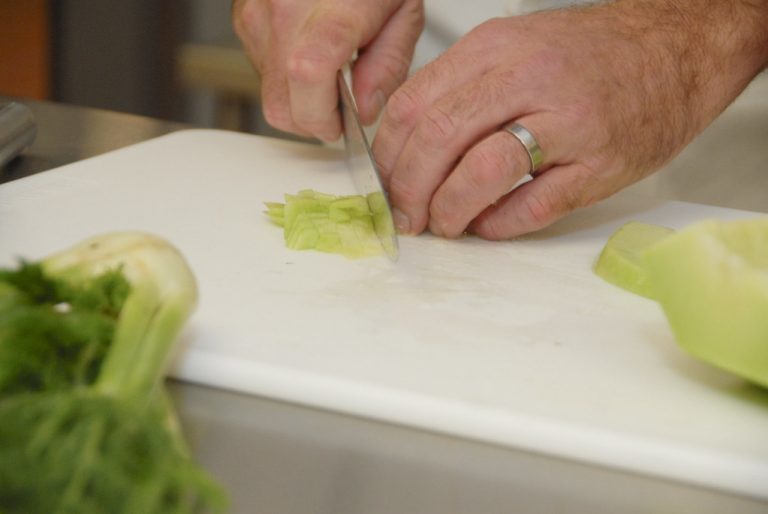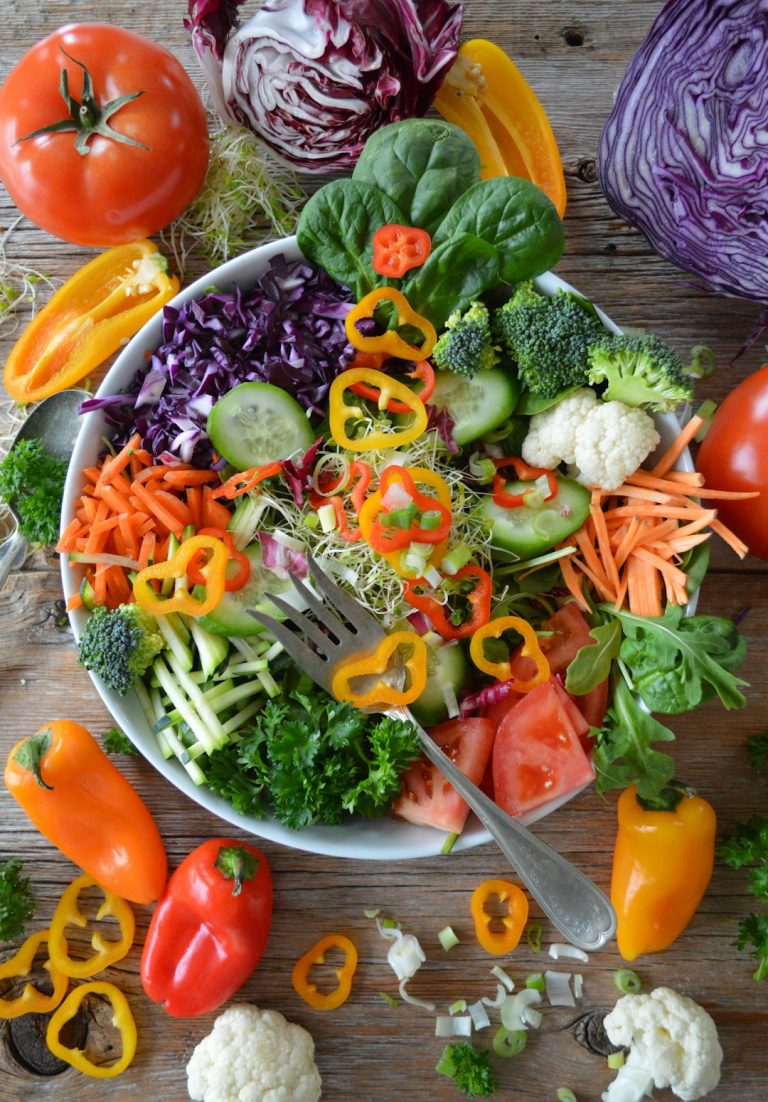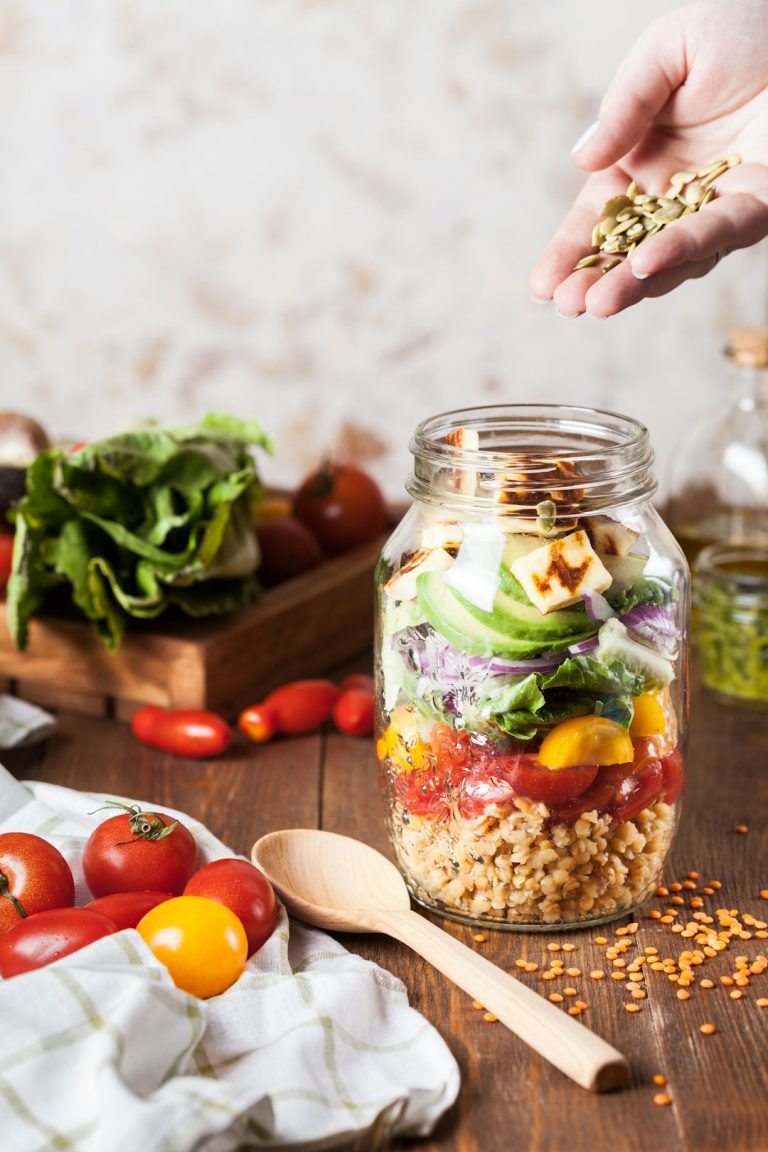


Photo by Randy Fath on Unsplash
If you have ever wondered why one week of clean eating makes you feel lighter, clearer, and more energized, while another week of convenience food leaves you bloated and sluggish, the answer may begin in your gut. Digestive health is not just about comfort after meals. It influences cravings, metabolism, immunity, mood, and even how motivated you feel to move your body. That is why organic food has become more than a trend for people who want a healthy lifestyle. It is part of a smarter way to eat for long-term wellness, steady nutrition, and sustainable weight loss.
When people hear the phrase detox diet, they often picture juice cleanses or extreme restrictions. But real detox support is far simpler, and much more effective. It begins with foods that nourish the body every day, especially organic vegetables, fruits, fermented foods, herbs, and quality proteins that are easier to digest. Have you noticed how some meals leave you refreshed while others seem to sit heavily for hours? That difference matters. In this guide, we will explore how organic food can support gut health, help you create a more balanced clean eating routine, and make weight management feel less like a battle and more like a natural result of better habits.
[IMAGE: organic vegetables]
Why Gut Health Changes Everything
The gut is often called the second brain, and for good reason. It is home to trillions of microbes that influence how you break down food, absorb nutrients, produce certain vitamins, and regulate inflammation. When the gut is in balance, digestion feels smoother, energy tends to be steadier, and hunger cues become easier to trust. When the gut is out of balance, the signs are hard to ignore: gas, bloating, irregular bowel movements, cravings, energy crashes, and a general feeling that your body is working against you. If you have been trying to lose weight without success, could digestive stress be part of the reason?
The microbiome is part of metabolism
Your microbiome plays a role in how efficiently you use the nutrients in your meals. A diet built around organic food, fiber-rich plants, fermented ingredients, and healthy fats can encourage a more diverse gut environment. Diversity matters because different microbes do different jobs. Some help break down fiber into compounds that nourish the intestinal lining. Others help keep unwanted bacteria under control. The more variety you bring to your plate, the more support you give to this internal ecosystem. That is one reason clean eating often leads to more than just a lighter stomach. It can improve the way your whole body feels and functions.
Digestion affects cravings and energy
People often blame lack of willpower for snacking, overeating, or abandoning a healthy diet, but the story is more complex. Blood sugar swings, low fiber intake, and poor digestion can all intensify cravings, especially for sugar and refined carbohydrates. When meals are built around organic foods that digest more comfortably, you are more likely to feel satisfied for longer. That can make a big difference in weight loss. Instead of fighting constant urges, you are supporting the body in a way that naturally reduces friction. Is it any surprise that the most sustainable nutrition plans are usually the ones that make the body feel calm rather than deprived?
How Organic Food Supports a Healthier Digestive System
Organic food is not a magic solution, but it can be a meaningful part of a gut-friendly lifestyle. Many people choose organic produce because they want to limit exposure to pesticide residues and eat closer to the way nature intended. In a practical sense, that often means more vegetables, more fruit, more whole grains, and more nutrient-dense meals overall. Those changes matter far more than any single label. A diet centered on organic ingredients tends to crowd out ultra-processed foods, and that alone can transform digestion and energy.
Less processed, more nourishing
One of the biggest benefits of organic eating is that it often nudges you back toward whole foods. Instead of packaged products with long ingredient lists, you begin reaching for fresh vegetables, leafy greens, berries, eggs, nuts, seeds, lentils, and plain yogurt or kefir. These foods are rich in the kind of nutrition the gut tends to appreciate: fiber, minerals, natural enzymes, antioxidants, and healthy fats. That combination can support smoother digestion and better fullness after meals. If you are trying to build a healthy lifestyle, this shift is powerful because it is simple enough to repeat every day.
Organic choices can make clean eating feel easier
Clean eating does not have to feel strict or trendy. At its best, it is simply the habit of choosing foods that are minimally processed and easy to recognize. Organic food fits beautifully into that idea because it often invites a more intentional shopping pattern. A basket of seasonal produce, a bag of oats, a jar of seeds, a block of tempeh, and a carton of unsweetened yogurt can become the base of dozens of meals. The result is not a rigid detox diet, but a calmer, more realistic rhythm of eating that supports digestion without obsessing over every bite.
[IMAGE: healthy meal]
The Best Organic Foods for Gut Health and Weight Loss
Not all organic foods play the same role in the body, so it helps to think in categories. Some foods feed beneficial microbes. Some calm inflammation. Some keep blood sugar steadier. Some help you feel satisfied enough to avoid unnecessary snacking. The smartest approach is not to chase superfoods in isolation but to combine them in meals that taste good and work in real life. Here are the foods that deserve a regular place in an organic diet focused on gut health, nutrition, and gradual weight loss.
1. Fermented foods that deliver friendly bacteria
Fermented foods are some of the most valuable additions you can make to a gut-friendly plan. Organic yogurt, kefir, sauerkraut, kimchi, miso, and plain fermented vegetables contain live cultures that may support a healthier microbiome. Start slowly if you are new to them. A spoonful of sauerkraut with lunch or a small glass of kefir at breakfast can be enough at first. More is not always better, especially if your digestive system is sensitive. The goal is consistency, not overload.
2. Fiber-rich vegetables and fruits
Fiber is the fuel that many beneficial gut microbes depend on. Organic vegetables like broccoli, carrots, spinach, kale, zucchini, Brussels sprouts, and cucumbers offer a strong foundation for daily digestion. Fruits such as berries, kiwi, apples, pears, and pomegranates add fiber and antioxidants at the same time. Berries are especially useful in a weight loss focused diet because they deliver flavor with relatively little sugar. If you want one practical rule for better nutrition, let it be this: fill at least half your plate with colorful plants whenever possible.
3. Prebiotic foods that feed the microbiome
Prebiotics are not bacteria themselves. They are the fibers and compounds that help good bacteria thrive. Organic onions, garlic, leeks, asparagus, artichokes, oats, flaxseed, chia seeds, and slightly green bananas are excellent choices. These ingredients work quietly in the background, improving the environment in which digestion happens. Prebiotic foods are especially useful if you are trying to build a detox diet that feels sensible rather than punishing. They help the body do what it already knows how to do, only more efficiently.
4. Healthy fats that reduce friction
Many people underestimate the role of fat in digestion. A little healthy fat helps you absorb fat-soluble nutrients and stay satisfied longer after meals. Organic avocado, extra virgin olive oil, walnuts, almonds, chia seeds, pumpkin seeds, and hemp seeds are all excellent options. They add texture, flavor, and lasting energy without the crash that comes from highly refined snacks. If your appetite tends to spike later in the day, adding more healthy fat at lunch can make an impressive difference.
5. Gentle proteins that support fullness
Protein helps stabilize blood sugar and protect lean muscle, which is especially important during weight loss. Organic eggs, Greek yogurt, cottage cheese, tempeh, tofu, lentils, chickpeas, black beans, salmon, and chicken can all fit into a gut-friendly plan depending on your preferences. The key is preparation. Grilled, baked, steamed, or lightly sautéed options are usually easier on digestion than heavily fried dishes. Protein does not need to be large or complicated to be useful. It just needs to be present and consistent.
6. Herbs, spices, and soothing drinks
Small additions can have a surprisingly large effect. Fresh ginger, turmeric, fennel, cinnamon, parsley, mint, and basil can add flavor while supporting a more comfortable digestive experience. Green tea and warm water with lemon may also fit into your routine if they feel good to your body. These are not shortcuts, but they are helpful tools. A healthy lifestyle is often built from these modest details repeated over time.
- Fermented foods: kefir, sauerkraut, kimchi, miso
- High-fiber plants: broccoli, spinach, kale, berries, apples
- Prebiotics: onions, garlic, leeks, asparagus, oats
- Healthy fats: avocado, olive oil, walnuts, chia seeds
- Protein sources: eggs, tempeh, lentils, yogurt, salmon
How to Build a Gut-Friendly Plate Every Day
Instead of chasing a perfect meal plan, think in terms of a simple formula. A truly effective organic diet is repeatable. It should work on busy weekdays, not just on ideal Sundays when you have time to cook for hours. When you build meals with structure, you reduce decision fatigue and make clean eating feel effortless. You also make it easier for your digestive system to adapt to a steady rhythm rather than erratic eating patterns.
The balanced plate formula
A smart gut-friendly plate usually includes a source of protein, a generous serving of vegetables, a portion of fiber-rich carbohydrates, and a little healthy fat. For example, scrambled organic eggs with spinach, tomatoes, and avocado on the side is a great breakfast. For lunch, you might choose a quinoa bowl with chickpeas, roasted vegetables, sauerkraut, and olive oil. Dinner could be baked salmon with asparagus, sweet potato, and a small salad. What makes this approach so practical is that it works across many cuisines. You are not locked into one style of eating; you are just keeping the structure consistent.
Breakfast ideas that support energy
Breakfast is often the meal where digestion and energy are first tested. If you start with sugar and refined flour, blood sugar may rise and fall quickly, leading to hunger before noon. A better approach is to combine protein, fiber, and slow-digesting carbs. Try plain Greek yogurt with berries, chia seeds, and oats. Try an omelet with mushrooms, herbs, and spinach. Try overnight oats made with unsweetened milk, flaxseed, walnuts, and cinnamon. These meals do more than fill you up. They set the tone for the day and make weight loss feel less like a struggle.
Lunch and dinner ideas that keep you steady
Midday and evening meals should leave you energized, not sleepy. A healthy meal for lunch may include a grain bowl with brown rice, roasted vegetables, edamame, cucumber, and a tahini dressing. Dinner could be a lentil soup with kale and carrots, or grilled chicken with cauliflower mash and sautéed greens. If you are aiming for a detox diet that is actually sustainable, focus on meals that are light enough to digest comfortably but substantial enough to keep you satisfied. That balance is where consistency lives.
Smart snacks for busy hours
Snacks are often where healthy intentions get derailed. Rather than reaching for random packaged foods, keep organic options close at hand. Sliced apples with almond butter, celery with hummus, pumpkin seeds, plain yogurt with cinnamon, or a small handful of walnuts can hold you over without creating a sugar surge. The best snack is usually one that prevents overeating later, not one that feels exciting for five minutes and leaves you hungry again soon after. If you have ever wondered why afternoon cravings keep winning, your snack strategy may be the missing piece.
[IMAGE: fitness lifestyle]
Clean Eating and the Gentle Detox Diet Your Body Actually Needs
Real detox support does not come from punishment. It comes from giving the body what it needs to handle its natural work efficiently. Your liver, kidneys, skin, lungs, and digestive system are already involved in cleansing and renewal every day. The smartest detox diet simply removes barriers to that process. In practice, that means fewer ultra-processed foods, fewer added sugars, more fiber, more hydration, and more nutrient-rich organic food. It also means lowering stress, sleeping well, and moving your body regularly. Anything less is incomplete.
Hydration helps everything move
Water is not glamorous, but it is essential. When digestion slows down, fatigue and cravings often follow. Warm water in the morning, herbal tea during the day, and plenty of plain water with meals can help your system function more smoothly. If plain water feels boring, add cucumber, mint, lemon, or berries for a subtle lift. Hydration also supports regular bowel movements, which is one of the easiest signs that a gut-friendly routine is working. The simplest health habit is often the one people ignore the longest.
Movement supports digestion and appetite control
You do not need an extreme workout plan to help your gut. Even a brisk walk after meals can improve digestion and help stabilize blood sugar. Gentle yoga, resistance training, cycling, or a regular fitness lifestyle all support healthy weight loss by improving circulation, preserving muscle, and reducing stress. Movement also encourages appetite awareness. After a nourishing walk or workout, people often make better food choices without feeling forced. Why? Because the body starts to ask for fuel rather than stimulation.
Stress can undo a good meal plan
It is impossible to talk about gut health honestly without talking about stress. Chronic stress affects digestion, sleep, cravings, and inflammation. You may be eating a beautiful organic diet, but if your nervous system is constantly on alert, the body will not respond as well. Build in small calming habits: a five-minute breathing break, a short walk, a screen-free dinner, or a quiet cup of tea before bed. These may sound unrelated to nutrition, but they are deeply connected. A healthy lifestyle is never just about food.
Organic Meal Prep Ideas That Make Healthy Eating Easier
Meal prep is not about filling a refrigerator with identical containers and forcing yourself to eat the same thing all week. It is about reducing friction so that healthy eating becomes the easiest choice. If you want organic food to become a natural habit rather than a weekend aspiration, spend a little time preparing components instead of full recipes. That way, you can mix and match during the week and keep meals interesting without extra effort.
Prep building blocks, not just meals
Wash and chop vegetables. Roast a tray of carrots, broccoli, and sweet potatoes. Cook a pot of quinoa or brown rice. Prepare a protein source such as baked tofu, hard-boiled eggs, salmon, or lentils. Make one simple dressing with olive oil, lemon, and herbs. Store a few snack options like berries, nuts, yogurt, or hummus where you can see them. This style of preparation works because it gives you flexibility. One night you can make a bowl, the next night a salad, and the next a soup. That is clean eating with freedom.
Batch cooking for a calm week
If your schedule is packed, choose one or two recipes that support digestion and scale them up. A vegetable soup, a bean chili, or a roasted salmon and greens tray can provide multiple meals with little stress. Keep seasoning simple and fresh. Garlic, ginger, turmeric, black pepper, rosemary, and parsley are excellent choices. A gentle flavor profile is usually easier on digestion than heavy cream sauces or overly sweet dressings. When meal prep is realistic, healthy food stops feeling like a project and starts feeling like a privilege.
Make your kitchen work for you
Place the good options at eye level. Put washed fruit in a bowl. Keep cut vegetables ready to grab. Store fermented foods in the front of the fridge. Keep processed snack foods out of sight, or better yet, do not buy them for the week. Environment shapes behavior more than most people realize. If you want better nutrition, design your kitchen so the best choice takes the least effort. That is not discipline. That is smart design.
- Roast mixed organic vegetables once or twice a week
- Cook a grain base such as quinoa, oats, or brown rice
- Keep protein ready: eggs, lentils, yogurt, tofu, fish
- Prepare one versatile dressing or sauce
- Stock easy snacks that support digestion
Common Organic Diet Mistakes to Avoid
Even the most sincere healthy diet can backfire if it is built on extremes. Many people buy organic ingredients but still struggle with bloating, hunger, and low energy because the overall pattern is unbalanced. Clean eating works best when it is realistic, varied, and generous enough to meet the body’s needs. Avoiding a few common mistakes can make the difference between temporary enthusiasm and true progress.
Eating too little
One of the fastest ways to sabotage weight loss is to under-eat. A severe restriction often leads to cravings, irritability, and a rebound binge later. Your body needs enough calories, protein, and micronutrients to function well. Organic food can be nutrient-rich, but it still needs to be eaten in sufficient quantity. If you are constantly hungry, tired, or thinking about food all day, your plan may be too aggressive.
Relying only on raw foods
Raw vegetables are excellent, but not every gut loves large amounts of them at every meal. Some people digest cooked foods more comfortably, especially when dealing with sensitive digestion. Steamed greens, roasted vegetables, soups, and warm grain bowls can be easier to tolerate than giant raw salads. The most effective organic diet is one that matches your body, not an internet ideal.
Overdoing fermented foods
Fermented foods can be very helpful, but they are not meant to be consumed in huge quantities right away. Start small and observe how you feel. Too much too soon can lead to discomfort, especially if your gut is sensitive. A teaspoon of kimchi, a few tablespoons of sauerkraut, or a small serving of yogurt may be enough to begin with. Gradual progress is always more sustainable than a dramatic overhaul.
Ignoring protein
Some people focus so heavily on vegetables and detox foods that they forget protein. The result is predictable: unstable appetite, weak energy, and poor satiety. If weight loss is your goal, protein is not optional. It helps you maintain muscle and feel satisfied between meals. Pair vegetables with eggs, legumes, fish, tofu, tempeh, or yogurt so your meals work harder for you.
Thinking organic automatically means healthy
Organic cookies are still cookies. Organic snacks can still be high in sugar and low in fiber. The label matters, but the full nutrition picture matters more. A bag of organic chips is not the same thing as a bowl of roasted vegetables with hummus. Let organic food support your clean eating goals, but do not let the label distract you from balance, portion size, and ingredient quality.
A Simple 3-Day Organic Gut Reset You Can Repeat Anytime
If you want a practical starting point, try a short reset built around real food rather than restriction. This is not a crash diet. It is a structured way to give your gut a break from heavy, processed meals while supplying enough nutrition to keep you energized. Think of it as a mini reset that can help you reconnect with hunger, fullness, and food quality. What would happen if you gave yourself three days of deliberate, calm eating?
Day 1: steady and soothing
Breakfast: plain Greek yogurt with berries, oats, and chia seeds. Lunch: quinoa bowl with roasted vegetables, chickpeas, and olive oil. Dinner: baked salmon, asparagus, and sweet potato. Snack options: apple slices, pumpkin seeds, or herbal tea. Focus on regular hydration and gentle movement, such as a 20-minute walk. The point of day one is to settle the system, not to starve it.
Day 2: fiber and balance
Breakfast: vegetable omelet with spinach and herbs. Lunch: lentil soup with a side salad and avocado. Dinner: tofu or chicken with brown rice and sautéed greens. Add a small serving of fermented food, such as sauerkraut or kefir, if it feels comfortable. Keep meals simple, warm, and satisfying. Notice how your energy responds when you keep blood sugar stable throughout the day.
Day 3: light, colorful, and sustainable
Breakfast: overnight oats with flaxseed, walnuts, and cinnamon. Lunch: leafy green salad with cucumber, roasted beets, pumpkin seeds, and grilled protein. Dinner: vegetable stir-fry with tempeh or fish over cauliflower rice or quinoa. By the third day, many people notice less bloating, better appetite awareness, and an easier time saying no to random snacks. That does not mean the answer is perfection. It means your body likes consistency more than chaos.
How to know the reset is working
Look for subtle improvements rather than dramatic overnight change. Better digestion, less puffiness, more regular energy, fewer cravings, and improved mood are all positive signs. These changes matter because they suggest your routine is supporting the body instead of fighting it. The best healthy lifestyle plan is one you can maintain after the reset is over, not one that feels impressive for a few days and impossible for a month.
What to Buy on Your Next Organic Food Shopping Trip
A smart grocery list can transform your week before it begins. If the pantry is stocked with nutritious staples, you are far more likely to follow through on clean eating when life gets busy. Start with fresh produce, then add the essentials that make meals complete. You do not need an enormous cart. You need a focused one.
- Organic vegetables: spinach, kale, broccoli, carrots, zucchini, cucumbers
- Organic fruit: berries, apples, pears, kiwi, lemons
- Fermented foods: yogurt, kefir, sauerkraut, kimchi, miso
- Protein: eggs, lentils, chickpeas, tofu, tempeh, salmon, chicken
- Whole grains: oats, quinoa, brown rice, barley
- Healthy fats: avocado, olive oil, walnuts, almonds, chia seeds, flaxseed
- Flavor boosters: ginger, turmeric, cinnamon, garlic, onions, herbs
When your kitchen is stocked with these basics, healthy meals are never far away. You can build breakfast in minutes, assemble lunch without stress, and make dinner feel elegant even on a weekday. That is the real power of organic food. It simplifies decisions while improving quality.
Why This Approach Supports Long-Term Weight Loss
Weight loss is most successful when the body does not feel punished. A gut-friendly organic diet helps create that condition by improving fullness, reducing blood sugar swings, and making meals more nutrient-dense. Instead of relying on willpower alone, you are working with your physiology. That is a major shift. When digestion improves, people often feel less driven by cravings and more comfortable between meals. They move more easily, sleep better, and stay more consistent with exercise. Are these dramatic promises? No. Are they the kinds of steady changes that lead to lasting results? Absolutely.
It is also worth remembering that not all weight loss is visible immediately. Some of the earliest wins are internal: less bloating, more regular digestion, clearer thinking, and fewer energy dips. Those changes matter because they build trust in the process. Once the body starts feeling better, it becomes easier to continue. That is the hidden advantage of combining nutrition, organic food, and clean eating. You are not just changing what you eat. You are changing how your body experiences daily life.
When the goal is a healthy diet that lasts, keep your eyes on rhythm rather than perfection. Eat real food most of the time. Make room for color, texture, and variety. Keep a few fermented foods in the fridge. Walk after meals when you can. Sleep enough. Drink water. These are ordinary habits, but together they create an extraordinary foundation for health.
Start with one meal today. Make it colorful, simple, and satisfying. Then repeat it tomorrow in a slightly different form. That is how clean eating becomes a lifestyle, how a detox diet becomes a supportive routine, and how organic food moves from idea to habit. If you want more practical guidance, meal inspiration, and expert-backed organic nutrition tips, explore more articles on DietOrganic and keep building a healthier rhythm one plate at a time.
About the Author