

Photo by Gustavo Fring on Pexels
What if losing weight did not depend on extreme restriction, but on choosing better food quality every single day? That is the promise of a well-built organic food approach to weight loss. When you focus on clean eating, nutrient density, and smarter portions, the process becomes far more sustainable than crash dieting or chasing the latest detox diet trend. Instead of fighting hunger and energy crashes, you begin to build a healthy lifestyle that supports steady progress, better nutrition, and a calmer relationship with food.
Organic food is often associated with freshness, flavor, and fewer unwanted additives, but it can also play a practical role in weight loss. Why? Because many organic foods are naturally rich in fiber, water, vitamins, and minerals while being relatively low in calories. That combination helps you feel fuller for longer, maintain more stable energy, and make it easier to stay consistent. And consistency is the real secret behind lasting results, isn’t it?
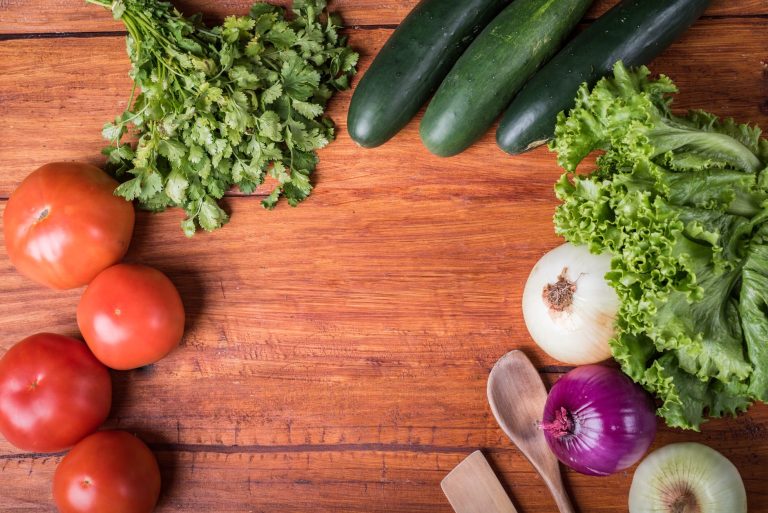
[IMAGE: organic vegetables]
In this guide, we will explore the best organic foods for weight loss, how to combine them into balanced meals, what mistakes can slow your progress, and how to turn healthy eating into a realistic daily routine. You will also find meal ideas, grocery tips, and simple strategies that make clean eating feel less like a rulebook and more like a lifestyle you can genuinely enjoy.
Why Organic Food Can Support Weight Loss
Weight loss is not just about eating less. It is about creating a nutritional environment where your body can function efficiently, your appetite is easier to manage, and your meals actually satisfy you. Organic food supports that goal in several ways. It is not magical, and it is not a shortcut, but it can be a smart foundation for a healthier diet.
Cleaner ingredient lists can reduce hidden extras
Many packaged foods contain added sugars, refined starches, and preservatives that make portions easier to overeat. Organic foods, especially when you choose whole ingredients, usually keep the ingredient list short and recognizable. That simplicity matters. When your meals are built around vegetables, fruits, legumes, quality proteins, and whole grains, you naturally reduce your intake of empty calories.
Ask yourself: when was the last time a highly processed snack truly satisfied you for long? Most people know the answer already. Whole organic foods tend to offer more chewing, more fiber, and more volume, which means your brain gets the signal that you have actually eaten a meal.
Better satiety makes dieting feel easier
Satiety is one of the most overlooked elements of weight loss nutrition. A meal that leaves you satisfied is much easier to repeat tomorrow. Organic vegetables, beans, berries, seeds, eggs, and yogurt can all help create that sense of fullness because they combine fiber, protein, and healthy fats in useful ways.
When meals are satisfying, you are less likely to wander into the kitchen looking for something else an hour later. That alone can change your results over time.
Nutrient density supports energy and consistency
A healthy lifestyle is easier to maintain when your body feels nourished. If your diet is too low in nutrients, you may experience fatigue, cravings, irritability, and poor recovery from workouts. Organic produce often fits beautifully into a nutrition plan because it encourages more vegetables, fruits, and minimally processed staples on your plate.
This does not mean organic food is automatically healthier in every case, but it does mean that choosing organic whole foods is often a practical way to increase nutrient density and reduce reliance on ultra-processed convenience meals.
[IMAGE: healthy meal]
The Best Organic Foods for Weight Loss
The smartest organic food choices for weight loss are not exotic superfoods sold with dramatic promises. They are the foods that help you eat well consistently. Below are some of the most effective options for clean eating, satiety, and everyday nutrition.
Leafy greens that add volume without excess calories
Spinach, kale, arugula, romaine, Swiss chard, and mixed salad greens are among the most useful foods in a weight-loss-focused organic diet. They are low in calories, high in water content, and loaded with micronutrients. You can build large salads or add them to smoothies, omelets, soups, and grain bowls without dramatically increasing calorie intake.
Why they work
Leafy greens create plate volume. That means you can eat a visually satisfying meal while still staying within your calorie goals. They also provide fiber and plant compounds that support overall health, which makes them valuable in any clean eating plan.
- Use organic spinach in morning omelets or smoothies
- Add arugula to lunch bowls for peppery flavor
- Mix kale with lemon and olive oil for a hearty side salad
- Stir Swiss chard into soups and stews for extra bulk
Cruciferous vegetables that help you stay full
Broccoli, cauliflower, Brussels sprouts, cabbage, and bok choy are staples of a smart healthy diet. They are filling, versatile, and easy to prepare in batches. Their fiber content supports digestive comfort and helps slow digestion, which can keep you satisfied longer.
Roasting these vegetables with a little olive oil, garlic, and herbs can make them feel indulgent without turning them into a high-calorie side dish. That is the beauty of a well-planned organic meal: it can be delicious and light at the same time.
Organic berries for sweetness without a sugar crash
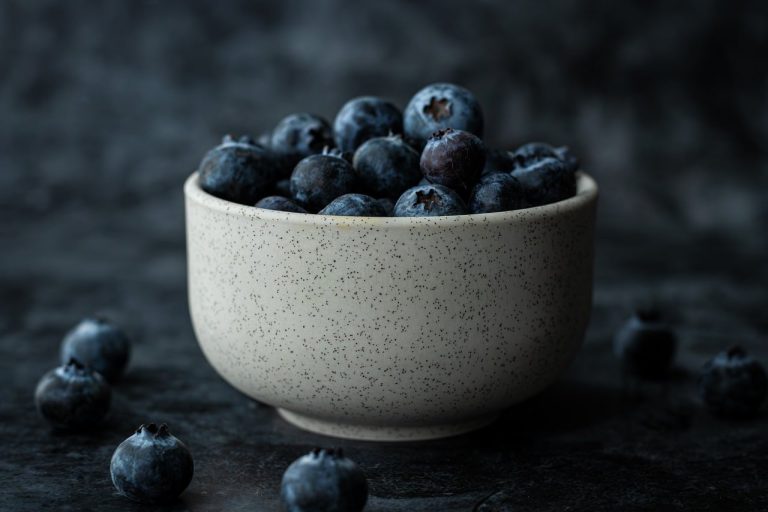
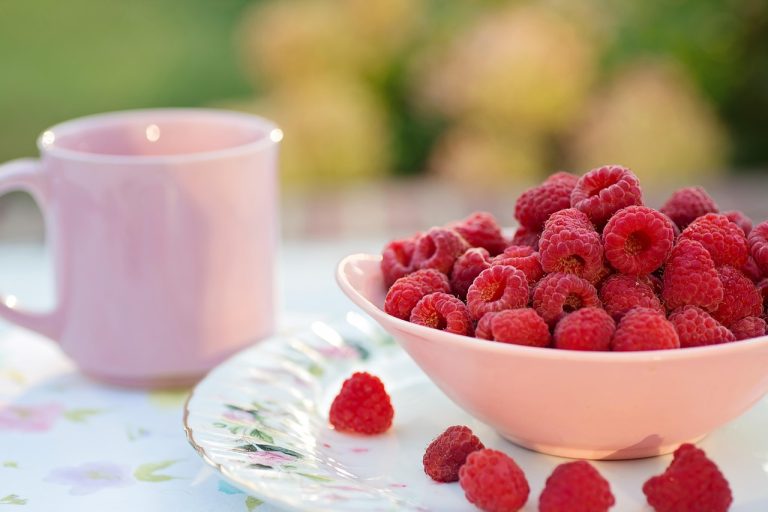
If you crave something sweet while pursuing weight loss, organic berries are one of the most elegant solutions. Strawberries, blueberries, raspberries, and blackberries are naturally lower in sugar than many fruits while still offering flavor, fiber, and antioxidants. They can satisfy dessert cravings without derailing your nutrition goals.
Try them with Greek yogurt, chia pudding, or a handful of nuts. You get sweetness, texture, and a much better nutritional profile than a packaged dessert.
Apples and pears for portable clean eating
Sometimes the best food for weight loss is the most convenient one. Organic apples and pears travel well, require no prep, and pair easily with protein or healthy fats. Their fiber content makes them more satisfying than many other snack options, especially when eaten with nut butter or a few walnuts.
When afternoon hunger hits, would you rather rely on a sugary snack bar or a crisp apple with a spoonful of almond butter? One keeps your energy steady; the other often starts a cycle of cravings.
Legumes that deliver fiber and plant protein
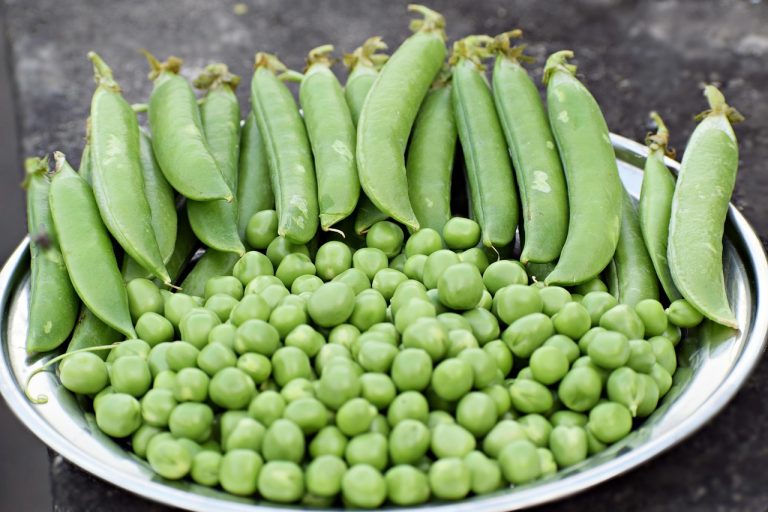
Organic beans, lentils, chickpeas, and black-eyed peas deserve far more attention in a weight-loss diet. They combine fiber, protein, and slow-digesting carbohydrates in a way that supports fullness and stable energy. They are also budget-friendly, which makes healthy eating more sustainable long term.
Because legumes are so versatile, they work in salads, soups, stews, dips, and grain bowls. Their texture makes meals more satisfying, and their nutrition profile supports the kind of everyday balance that matters far more than short-lived restriction.
Organic eggs for easy protein
Eggs are one of the most practical foods for weight loss because they are simple, filling, and rich in protein. Organic eggs can be scrambled with vegetables, baked into muffins, or added to grain bowls for a quick meal. Protein is essential for keeping hunger under control, especially when you are trying to reduce calories without feeling deprived.
A protein-rich breakfast can set the tone for the entire day. If you start with eggs, greens, and avocado, you are much less likely to overeat by late morning.
Plain Greek yogurt and kefir for balanced snacking
Organic plain Greek yogurt and kefir can support a healthy lifestyle when you choose unsweetened versions. They provide protein, calcium, and probiotics, and they work well with fruit, seeds, and spices like cinnamon. These foods can be especially helpful if you want a creamy snack without reaching for dessert.
Keep in mind that flavored yogurts often contain added sugars. For clean eating and weight loss, plain is usually the better choice because it gives you control over what goes in the bowl.
Seeds and nuts in smart portions
Chia seeds, flaxseeds, pumpkin seeds, almonds, walnuts, and sunflower seeds can all be useful in an organic diet for weight loss. They provide healthy fats, minerals, and crunch, but they are also calorie-dense. That means portion awareness matters.
Used correctly, these foods add depth and satisfaction to your meals. A tablespoon of chia in yogurt, a sprinkle of pumpkin seeds on salad, or a small handful of almonds can make healthy eating feel more complete without going overboard.
Whole grains that support steady energy
Organic oats, quinoa, brown rice, buckwheat, and farro can fit beautifully into a weight-loss plan when portions are balanced. Whole grains are not the enemy; oversized portions and poor combinations are usually the real issue. When paired with vegetables and protein, they help create satisfying meals that do not leave you searching for snacks an hour later.
For example, a quinoa bowl with roasted vegetables and chickpeas offers fiber, texture, and a much more complete nutritional profile than a refined-carb lunch.
Healthy fats that make meals satisfying
Avocados, extra-virgin olive oil, olives, and small portions of nut butters are all helpful in moderation. Weight loss does not require eliminating fat. In fact, healthy fats support hormone balance, flavor, and satiety. The key is to use them intentionally rather than carelessly.
A drizzle of olive oil on vegetables or a few avocado slices beside your eggs can transform a simple meal into something that feels polished and enjoyable.
[IMAGE: fitness lifestyle]
How to Build a Weight-Loss Plate with Organic Food
Knowing which foods to eat is useful, but knowing how to assemble them is what turns nutrition knowledge into results. A balanced plate keeps your energy stable and helps prevent overeating later in the day. It also makes clean eating far easier because you are not constantly guessing what to put together.
The simple plate formula
For many people, the easiest structure looks like this:
- Half the plate: organic non-starchy vegetables
- One quarter: quality protein
- One quarter: whole grains or starchy vegetables
- Small portion: healthy fats
This approach helps you keep calories in check while still feeling satisfied. It also works across breakfast, lunch, and dinner, which is why it is so effective for long-term weight loss.
Breakfast ideas that fuel the day
Breakfast does not need to be complicated to be effective. In fact, the best breakfast is often the one you can repeat without stress. Organic foods make it easier to create meals that are quick, nourishing, and flavorful.
- Vegetable omelet with spinach, mushrooms, and tomatoes
- Plain Greek yogurt with berries, chia seeds, and cinnamon
- Overnight oats with flaxseed, walnuts, and sliced apple
- Green smoothie with spinach, frozen berries, protein, and unsweetened milk
Each of these options provides a mix of protein, fiber, and nutrients that support clean eating and appetite control.
Lunches that prevent the afternoon slump
Lunch is where many people lose momentum. They either eat too little and become ravenous later, or they rely on a heavy meal that leaves them tired. The goal is to find a middle ground: enough food to feel satisfied, but not so much that energy drops after eating.
- Quinoa bowl with roasted broccoli, chickpeas, and tahini
- Mixed green salad with grilled organic chicken, avocado, and seeds
- Lentil soup with cabbage and carrots
- Brown rice with salmon, cucumber, and steamed vegetables
These meals are balanced, colorful, and easy to scale based on your hunger level and activity needs.
Dinners that support recovery and control cravings
Dinner should help you feel nourished, not stuffed. The best organic dinner for weight loss combines protein, vegetables, and a modest portion of carbs if needed. This helps your body recover from the day while keeping nighttime snacking under control.
- Baked salmon with asparagus and cauliflower mash
- Stir-fried tofu with bok choy and brown rice
- Turkey or bean chili with peppers and tomatoes
- Roasted chicken with Brussels sprouts and sweet potato
Would you notice a difference if dinner left you comfortably full instead of overly heavy? For many people, that small adjustment is the beginning of better weight management.
Organic Snacks That Support Healthy Lifestyle Goals
Snacking is not the problem; mindless snacking is. A smart snack can prevent overeating at the next meal and keep blood sugar more stable. The best organic snacks are simple, portable, and satisfying.
Better snack options
- Apple slices with almond butter
- Carrot sticks with hummus
- Greek yogurt with berries
- Hard-boiled eggs with sea salt
- Pumpkin seeds and a small pear
- Cucumber slices with guacamole
If you often reach for snacks when stressed, it can help to ask a useful question: am I physically hungry, or do I need a pause, water, or a short walk? That tiny moment of awareness can save you from eating simply because food is available.
Common Organic Diet Mistakes That Slow Weight Loss
Even with the best ingredients, a few common mistakes can interfere with progress. Clean eating works best when it is thoughtful, not when it is treated like a free pass to overeat healthy food without structure.
Eating too many calories from healthy foods
Organic food is not automatically low in calories. Nuts, seeds, oils, nut butters, and avocado are nutritious, but they add up quickly. People often assume that because a food is organic or natural, portions do not matter. In reality, weight loss still depends on energy balance.
You do not need to fear these foods. You simply need to use them as accents rather than the entire meal.
Turning clean eating into a restrictive mindset
Healthy eating is most effective when it feels sustainable. If you constantly label foods as good or bad, you may create stress that leads to rebound eating. A strong healthy lifestyle is built on flexibility, not perfection.
Organic food can help you feel grounded, but it should never become a source of anxiety. One imperfect meal does not ruin nutrition progress. Consistency over time matters far more.
Ignoring protein at meals
Protein is one of the most important nutrients for weight loss because it helps preserve lean mass and supports fullness. Without enough protein, even a meal full of vegetables may leave you hungry too soon. Include eggs, yogurt, tofu, legumes, fish, poultry, or other quality sources at regular intervals through the day.
Assuming organic packaged foods are always healthy
Organic cookies, chips, bars, and frozen meals can still be highly processed and calorie-dense. Organic does not automatically mean weight-loss-friendly. If a food comes in a package, check the label carefully and pay attention to sugars, sodium, and serving size.
Skipping meals and overeating later
Some people try to lose weight by eating as little as possible during the day. That approach often backfires. By late afternoon or evening, hunger becomes intense and decision-making weakens. A regular meal pattern made of organic food and balanced nutrition usually works better than a cycle of starvation and overeating.
Can Organic Food Support a Detox Diet?
The phrase detox diet is often used in a dramatic way, but your body already has a built-in detoxification system through the liver, kidneys, lungs, skin, and digestive tract. What you can do is support those systems by reducing excess processed foods and increasing hydration, fiber, and nutrient-rich whole foods. Organic food fits that purpose beautifully.
Think of detox support as a practical daily rhythm rather than a harsh cleanse. The goal is not punishment. The goal is to give your body what it needs to do its job well.
Helpful detox-supporting habits
- Drink enough water throughout the day
- Eat fiber-rich vegetables and fruit
- Limit alcohol and sugary drinks
- Choose whole foods over highly processed snacks
- Include herbs, citrus, and leafy greens in meals
In that sense, an organic diet can feel refreshing without needing extreme rules. A green smoothie, a vegetable soup, or a crisp salad may not be a miracle detox, but they are useful parts of a cleaner routine.
A Simple One-Day Organic Weight Loss Menu
If you prefer a clear template, here is an example of how one day of clean eating might look when built around organic food. This is not a strict prescription, but it shows how the pieces can come together naturally.
Breakfast
Spinach and mushroom omelet cooked in a small amount of olive oil, served with sliced tomato and half an avocado. A side of berries adds color and natural sweetness.
Mid-morning snack
Plain Greek yogurt with chia seeds and cinnamon.
Lunch
Quinoa bowl with roasted broccoli, chickpeas, cucumber, arugula, and tahini-lemon dressing.
Afternoon snack
Apple slices with a small spoonful of almond butter.
Dinner
Baked salmon with Brussels sprouts and roasted sweet potato.
Optional evening option
Herbal tea or kefir if you want a light, nourishing finish to the day.
This kind of menu is effective because it keeps you satisfied, fuels your body, and avoids the rebound effect that often comes from overly restrictive dieting. It is a realistic example of how organic food, nutrition, and clean eating can work together without drama.
[IMAGE: healthy meal]
How to Shop for Organic Food Without Overcomplicating It
Organic grocery shopping does not have to feel expensive or confusing. With a little planning, you can build a shopping list that supports weight loss, minimizes waste, and keeps your meals interesting all week long.
Start with the foods you eat most often
If you regularly eat eggs, yogurt, apples, spinach, oats, or chicken, buy organic versions of those items first. Prioritizing your most frequently used foods often gives you the biggest benefit for your budget.
Choose produce strategically
Not every item has to be organic every single time, but if your goal is a cleaner diet, focus on foods you eat with the peel or in large quantities, such as berries, leafy greens, and apples. Frozen organic vegetables are also a smart buy because they are convenient and reduce spoilage.
Keep a flexible pantry
A few pantry staples make healthy eating much easier:
- Organic oats
- Lentils and beans
- Brown rice or quinoa
- Chia and flaxseed
- Olive oil
- Spices and herbs
When your kitchen already contains the building blocks of healthy meals, you are far less likely to default to takeout or processed convenience food.
Organic Food and Exercise: Why the Combination Matters
Weight loss is not only about what you eat. Movement plays an important supporting role, especially when you want to maintain muscle, energy, and metabolic health. Organic food can be a helpful partner to a regular fitness routine because it makes recovery and consistency easier.
Fueling workouts the smart way
If you exercise regularly, you need enough energy to perform well and recover afterward. A balanced meal with organic carbs, protein, and vegetables can help stabilize energy before a workout and restore nutrients after it.
For example, a banana with Greek yogurt before a walk or a bowl of rice, salmon, and greens after strength training can support better performance without feeling heavy.
Recovery starts on the plate
Fitness is easier to maintain when your food choices support recovery. Protein helps repair tissue, carbs replenish energy, and micronutrients from vegetables and fruit support overall resilience. If your meals are built around organic whole foods, you may notice fewer cravings, smoother recovery, and more consistent energy for the rest of your healthy lifestyle routine.
How to Make Clean Eating Feel Enjoyable
One reason people abandon diets is that the food feels repetitive or joyless. The answer is not to eat less flavor; it is to build meals more thoughtfully. Organic food can be vibrant and satisfying when you pay attention to texture, seasoning, and color.
Use herbs, acids, and crunch
Fresh herbs, citrus juice, vinegar, garlic, and crunchy toppings can transform a simple meal. A salad with lemon dressing tastes brighter than plain greens. Roasted vegetables with thyme feel more complete than steamed vegetables with no seasoning. Small touches matter.
Rotate your flavors
Try Mediterranean flavors one day, Mexican-inspired bowls the next, and simple herb-roasted plates later in the week. Variety keeps clean eating exciting and reduces the temptation to break your routine out of boredom.
Make the meal look appealing
Food that looks beautiful often feels more satisfying. A colorful plate of greens, orange squash, red tomatoes, and golden salmon gives the meal a sense of abundance. That is one reason high-end health magazines emphasize presentation: it influences how we experience food.
[IMAGE: fitness lifestyle]
Frequently Overlooked Benefits of Organic Eating for Weight Loss
Many people think of weight loss in terms of calories alone, but food quality influences behavior in subtle ways. Organic food often encourages slower meals, better grocery habits, and a more intentional relationship with eating.
It helps you cook more often
When you buy fresh vegetables, fruit, and simple proteins, you are more likely to prepare meals at home. Home cooking gives you more control over portions, ingredients, and cooking methods, which makes clean eating more effective.
It makes habits more visible
Buying and using organic foods can make your nutrition choices feel more deliberate. That awareness can support better decisions without requiring obsessive tracking. Sometimes the most powerful change is not a complicated diet rule, but a clearer daily pattern.
It reinforces a healthy identity
People are more likely to stick with a behavior when it aligns with the person they want to become. Choosing organic food, preparing balanced meals, and valuing nutrition can gradually reinforce a healthy lifestyle identity. Over time, that identity becomes more important than short-term motivation.
Practical Tips for Staying Consistent
Results usually come from routines, not bursts of enthusiasm. If you want organic food to support weight loss, make it easy to repeat.
- Pick three breakfast options and rotate them
- Batch-cook grains and vegetables once or twice a week
- Keep protein sources ready in the fridge
- Pre-wash greens and cut fruit in advance
- Use a shopping list based on actual meals, not impulse buys
- Plan one treat meal each week so you do not feel deprived
These small systems reduce friction. And when healthy eating becomes easier, it becomes more likely to last.
What Real Progress Looks Like
It is easy to focus only on the scale, but real progress can show up in many ways. You may feel less bloated, snack less often, have better focus, or wake up with more energy. Your clothes may fit differently even when the scale changes slowly. These signs matter because healthy weight loss is about more than a number.
Organic food supports a deeper kind of progress: a nutrition routine that feels calm, nourishing, and repeatable. That is a more powerful outcome than simply forcing yourself through another short-lived diet.
The best organic food strategy for weight loss is the one you can live with. When clean eating feels practical, your nutrition improves, your healthy lifestyle strengthens, and the effort you put into each meal starts to add up in ways that are both visible and lasting. If you want more expert guidance on organic food, weight loss, detox diet ideas, and balanced nutrition, keep exploring the latest articles on DietOrganic and build a routine that works with your life, not against it.
About the Author