
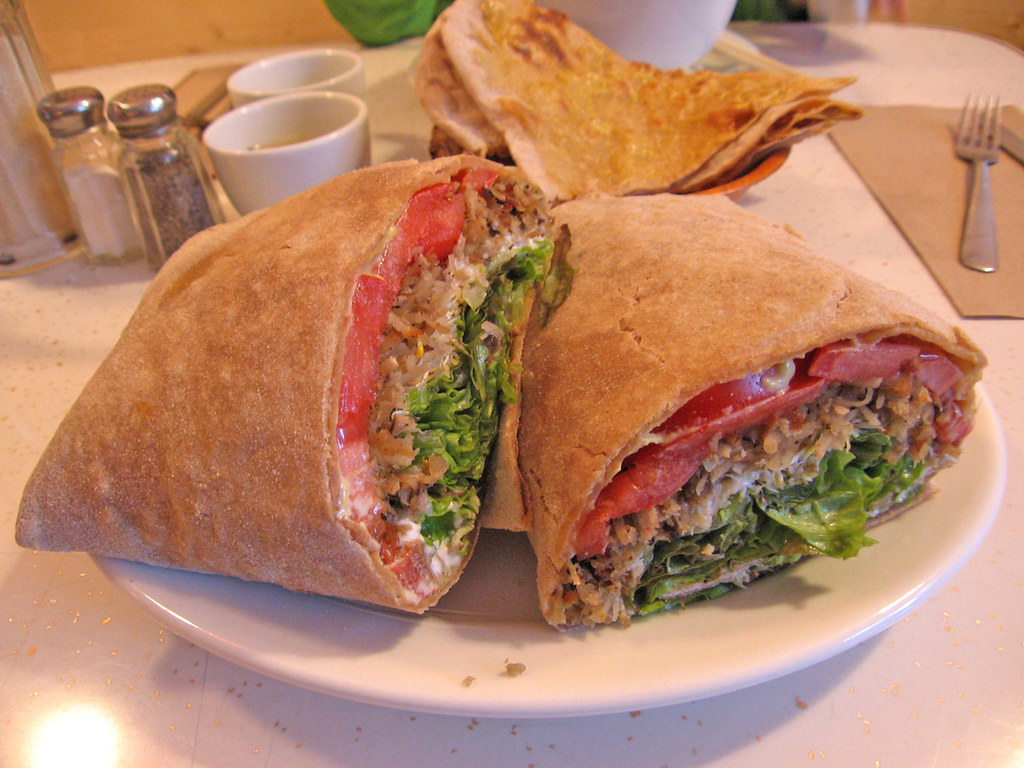
Photo by moriza on Openverse
If your idea of weight loss has always been built around restriction, organic food can offer a far better model. Instead of counting every bite and feeling deprived, you can focus on foods that are naturally satisfying, minimally processed, and rich in the kind of nutrition your body actually recognizes. That is the real appeal of clean eating: it is not about eating less in a miserable way, but about eating better in a way you can sustain.
Organic food does not magically melt body fat, and any article that claims otherwise is oversimplifying the story. What organic eating can do, however, is make healthy choices easier. It often leads people toward fresher produce, simpler meals, better ingredient awareness, and a more intentional relationship with food. When those habits come together, weight loss starts to feel more like a natural result of a healthier lifestyle than a short-term punishment.
Think about it this way: if your kitchen is stocked with organic vegetables, clean proteins, smart fats, and high-fiber carbohydrates, how likely are you to reach for ultra-processed snacks every day? How much easier would it be to stay consistent if your meals already supported energy, fullness, and nutrition? Those are the questions that matter when you want progress that lasts.
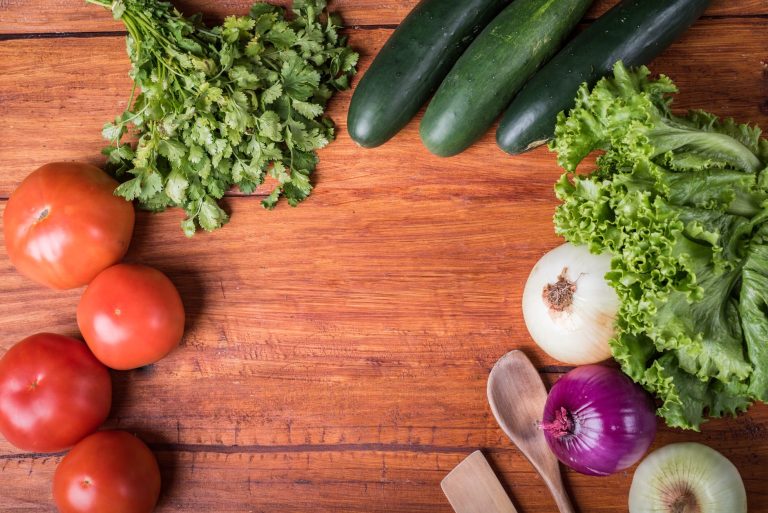
[IMAGE: organic vegetables]
Why organic food can support weight loss without making life miserable
Weight loss depends on energy balance, but the quality of your food choices shapes how easy or difficult that balance becomes. Organic food can help because it often encourages a cleaner, more mindful style of eating. When people shop organic, they tend to buy more whole ingredients and fewer packaged products. That shift matters more than many people realize.
A diet centered on whole organic food usually contains more fiber, more water-rich vegetables, more naturally occurring micronutrients, and fewer hidden additives. The result is better satiety, better digestion, and fewer moments of mindless eating. If your lunch leaves you full until dinner, are you really tempted to raid the pantry an hour later? That is the practical side of nutrition that makes clean eating so effective.
There is also a psychological benefit. Organic foods often feel fresher and more intentional, which can improve meal satisfaction. When you choose foods with care, you tend to eat with more care. That shift may sound small, but it can change the rhythm of your entire healthy lifestyle.
What organic eating does well
Organic eating supports weight loss in several indirect but meaningful ways:
- It encourages whole foods instead of highly processed convenience items.
- It often increases vegetable and fruit intake, which improves fiber consumption.
- It makes meal prep more deliberate, helping reduce impulsive choices.
- It can improve cooking habits, which leads to more control over calories and ingredients.
- It helps create a cleaner relationship with food, which matters for consistency.
That is why the best approach is not to obsess over whether every single item is organic. Instead, build an eating pattern where organic food becomes the foundation of a balanced, sustainable plan for weight loss.
The best organic foods to put at the center of your plate
The most effective weight loss foods are rarely flashy. They are the ingredients that deliver volume, fiber, protein, and flavor without pushing calories too high. Organic food fits beautifully into that model because it lets you build meals around produce, lean proteins, and minimally processed staples that keep hunger under control.
Leafy greens
Spinach, arugula, kale, romaine, watercress, and mixed greens are among the smartest organic foods you can eat for weight loss. They are low in calories but high in volume, which means you can eat a generous portion and still stay aligned with your goals. They also provide folate, vitamin K, vitamin C, magnesium, and plant compounds that support overall nutrition.
The beauty of leafy greens is their versatility. You can add them to omelets, blend them into smoothies, toss them into soups, or use them as the base of a hearty salad. When you need a meal to feel bigger without becoming heavier, greens are one of the most reliable tools in clean eating.
Cruciferous vegetables
Broccoli, cauliflower, Brussels sprouts, cabbage, and kale deserve a permanent place in a weight loss kitchen. These vegetables offer fiber and crunch, and they tend to be more filling than people expect. They also roast beautifully, which makes them satisfying enough to replace richer side dishes that may not support a fat-loss goal.
Want a simple nutrition upgrade? Swap half of your starch portion for roasted broccoli or cauliflower. That small change can lower calories while keeping the plate visually abundant. And because organic vegetables often have a fresher taste, you may find yourself enjoying them more than you did before.
Berries
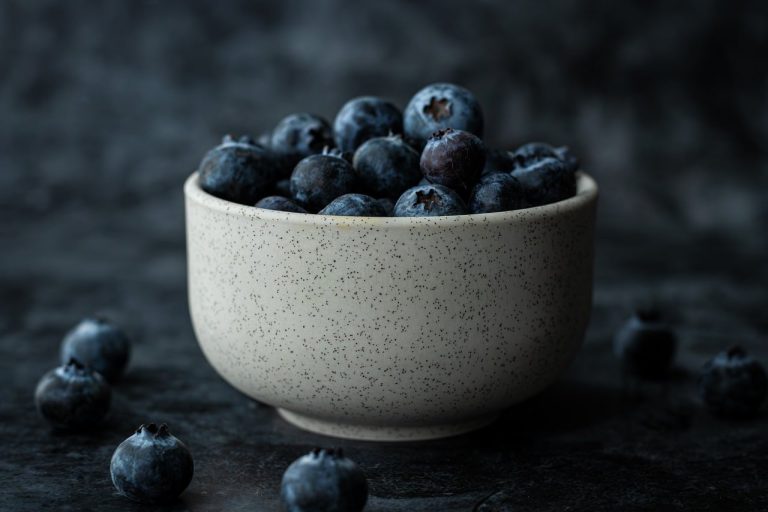
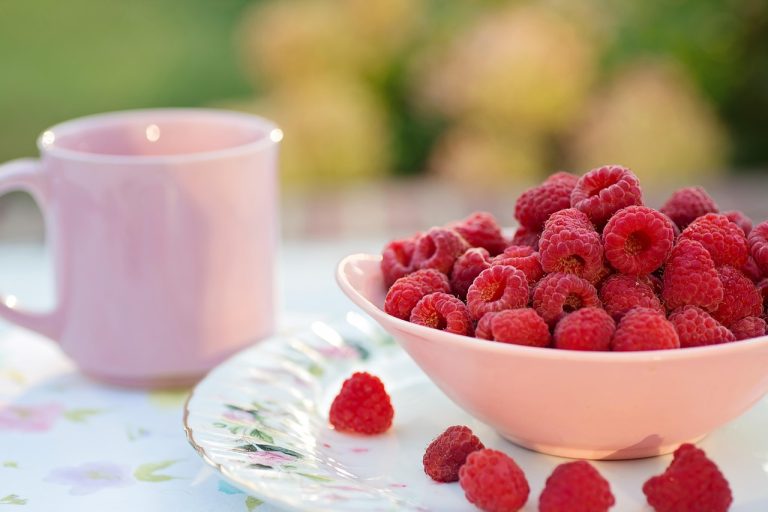
Blueberries, raspberries, blackberries, and strawberries bring sweetness to a clean eating plan without overwhelming it with sugar. They are naturally rich in fiber and antioxidants, and they pair well with yogurt, chia pudding, smoothies, or oatmeal. If you are someone who struggles with dessert cravings, berries can be a strategic organic food to keep close at hand.
One smart habit is to keep frozen organic berries in the freezer. They are convenient, budget-friendly, and perfect for quick breakfasts or post-workout snacks. The more accessible your healthy choices become, the more likely you are to stay consistent.
Organic protein sources
Protein is one of the most important nutrients for weight loss because it supports fullness, muscle maintenance, and stable energy. Organic eggs, Greek yogurt, cottage cheese, tofu, tempeh, chicken, turkey, and even well-chosen fish can all fit into a clean eating pattern. If you are not getting enough protein, even the most beautiful organic meal can leave you hungry too soon.
Try to include a meaningful protein source at each meal. Ask yourself: does this breakfast contain enough protein to carry me through the morning? Does this lunch have enough to keep cravings quiet until dinner? These questions make meal planning more strategic and less random.
Smart fats that help you stay satisfied
Avocados, walnuts, almonds, chia seeds, flaxseed, hemp seeds, and extra virgin olive oil can all support a healthy lifestyle when used in the right amounts. Fat does not block weight loss; overeating does. A small portion of the right fat can improve satisfaction, flavor, and nutrient absorption, which helps you stick with your plan.
For example, a salad without fat may feel incomplete, but a salad with avocado slices or a spoonful of olive oil can become a genuinely satisfying meal. The key is moderation, not avoidance.
Fiber-rich carbohydrates
Weight loss does not require you to cut out carbohydrates entirely. Instead, choose high-quality carbs that come with fiber and real nutrition. Organic oats, quinoa, lentils, beans, sweet potatoes, and brown rice can all support energy and satiety when portioned wisely. The body uses carbohydrates for fuel, and clean eating works best when it respects that reality.
If you are more active, these foods become even more important because they help you recover, train, and stay energized. A healthy diet is not about becoming scared of carbs; it is about choosing the kinds that keep you steady rather than hungry.
How to turn organic ingredients into meals that actually keep you full
One of the biggest mistakes people make is filling a plate with attractive ingredients that do not add up to a satisfying meal. A salad can be healthy, but if it is mostly lettuce and a few tomato slices, you will likely be hungry again quickly. A weight loss plan only works when it supports fullness. That is why meal structure matters so much.
The 3-part plate formula
Use this simple formula when building meals with organic food:
- Half the plate: non-starchy vegetables such as greens, broccoli, zucchini, cucumber, peppers, or cauliflower.
- One quarter of the plate: protein such as eggs, chicken, fish, tofu, beans, lentils, or Greek yogurt.
- One quarter of the plate: smart carbohydrates such as oats, quinoa, sweet potato, or brown rice.
- Add a small amount of fat: olive oil, avocado, seeds, or nuts.
This structure keeps calories under control while protecting satisfaction. It also takes the guesswork out of clean eating. When in doubt, return to the formula and build from there.
Why this works so well
The formula combines volume, protein, fiber, and flavor in a way that supports appetite regulation. You are not just eating less food; you are eating food that works harder for you. That is a much more sustainable model than trying to survive on willpower alone.
[IMAGE: healthy meal]
Examples of organic meals that support weight loss
Here are a few combinations that can help you stay on track while still enjoying your food:
- Spinach salad with grilled chicken, cucumber, avocado, pumpkin seeds, and a lemon olive oil dressing.
- Organic Greek yogurt topped with berries, chia seeds, and a small handful of walnuts.
- Roasted cauliflower, salmon, and quinoa with herbs and a side of greens.
- Egg scramble with spinach, tomatoes, mushrooms, and a slice of whole-grain toast.
- Lentil bowl with roasted vegetables, tahini, and fresh parsley.
These meals are simple, but that is exactly the point. Weight loss becomes easier when your routine is easy to repeat. Gourmet complexity is not the goal; consistency is.
Organic snacks that satisfy without derailing progress
Snacking is not the enemy. Random snacking is. If you plan your snacks with intention, they can help stabilize blood sugar, reduce overeating at meals, and support a more balanced nutrition pattern throughout the day. The best organic snacks are portable, protein-rich, and not so large that they replace a meal.
- Apple slices with almond butter
- Organic yogurt with berries
- Hard-boiled eggs with a pinch of salt and pepper
- Carrot sticks and hummus
- Roasted chickpeas
- Cucumber slices with cottage cheese
- A small handful of mixed nuts
- Celery with avocado and seeds
Ask yourself an honest question before you snack: am I truly hungry, or am I tired, bored, stressed, or dehydrated? That single moment of awareness can save you from hundreds of unnecessary calories over time.
Does a detox diet belong in a weight loss plan?
The term detox diet often gets misused, which has caused a lot of confusion. Your body already has built-in detoxification systems, especially the liver, kidneys, lungs, and digestive tract. You do not need extreme cleanses or juice-only programs to support them. What you do need is a pattern of eating that makes those systems easier to do their job.
A sensible detox diet approach is simply a cleaner, more thoughtful way of eating. Organic food can support that by reducing the load of ultra-processed ingredients and increasing the intake of fiber, antioxidants, and water-rich produce. In that sense, detox diet and clean eating overlap, but the best version of both is steady and realistic, not dramatic.
What a gentle detox diet should include
- Plenty of water and herbal teas
- Organic vegetables, especially leafy and cruciferous types
- Fresh herbs such as parsley, cilantro, and ginger
- High-fiber foods like oats, berries, lentils, and chia
- Lean proteins that support stable energy
- Minimal added sugar and fewer packaged snacks
These choices support digestion and reduce the friction that often comes from a heavy, highly processed diet. They also make it easier to feel light and energized, which is the kind of feeling most people are actually looking for when they think about detoxing.
What to avoid if you want real results
It is easy to get distracted by trends, but extreme detox plans often backfire. Here are the common pitfalls to avoid:
- Juice-only cleanses that leave you hungry and low on protein
- Severe calorie restriction that triggers rebound eating
- Detox teas that promise rapid fat loss without evidence
- Overreliance on supplements instead of real nutrition
- Any plan that feels impossible to maintain for more than a few days
Weight loss is not built on punishment. It is built on habits you can repeat when life gets busy, stressful, or imperfect.
A simple day of eating with organic food
Sometimes the best way to understand clean eating is to see it in action. A single day of structured meals can show you how organic food, nutrition, and weight loss can work together without feeling restrictive.
Breakfast
Start with scrambled organic eggs, sautéed spinach, mushrooms, and tomatoes. Add a slice of whole-grain toast or a small bowl of oats topped with berries. If you prefer something lighter, choose Greek yogurt with chia seeds and fruit. This kind of breakfast gives you protein, fiber, and enough energy to get through the morning without hunting for snacks.
Lunch
Build a large salad with organic greens, grilled chicken or tofu, cucumber, avocado, carrots, and a simple olive oil vinaigrette. Add quinoa if you need more staying power. The goal is not to make lunch tiny; the goal is to make it smart. You should feel nourished, not deprived.
Snack
Pick one: apple with almond butter, hummus with vegetables, or a boiled egg with berries. The right snack bridges the gap between meals without creating a calorie spiral. When your snack is intentional, your evening eating often becomes calmer too.
Dinner
Choose roasted salmon, tofu, or chicken with broccoli, cauliflower, and a modest portion of sweet potato. Season generously with herbs, lemon, garlic, and pepper. A flavorful dinner is more satisfying than a bland one, and satisfaction is one of the strongest allies in a sustainable healthy lifestyle.
If you want a little variety, swap the protein or vegetables from one day to the next, but keep the structure. That keeps meal planning simple while still giving you enough flexibility to enjoy your food.
Organic foods that are especially helpful for digestion and fullness
People often underestimate the connection between digestion and weight loss. When your meals are hard to digest or low in fiber, hunger tends to return quickly. When your food supports gut comfort and regularity, it becomes much easier to eat according to plan. Organic food does not guarantee perfect digestion, but a cleaner, less processed diet often helps.
Foods worth prioritizing
Consider adding these to your weekly rotation:
- Organic oats for a filling breakfast base
- Chia seeds for fiber and texture
- Fermented foods such as plain yogurt or kefir
- Cooked vegetables that are easier on the stomach
- Beans and lentils in moderate portions
- Ginger and peppermint as calming additions
If you are coming from a diet heavy in refined foods, your digestive system may need a little time to adjust. Increase fiber gradually, drink enough water, and pay attention to how your body responds. Clean eating should feel supportive, not chaotic.
Shopping habits that make organic weight loss easier
What you buy determines what you eat. That may sound obvious, but it is the foundation of every effective nutrition strategy. If your pantry is full of ready-made temptation, your willpower will be forced to do too much work. If your fridge is stocked with organic food that can become a meal quickly, you make the healthy choice the easy choice.
A smart grocery list
Use this list as a starting point for a weight loss-focused organic food shop:
- Leafy greens
- Broccoli, cauliflower, and Brussels sprouts
- Berries, apples, lemons, and avocado
- Eggs, Greek yogurt, tofu, chicken, or fish
- Oats, quinoa, sweet potatoes, and beans
- Chia seeds, flaxseed, almonds, and walnuts
- Olive oil, herbs, garlic, and spices
Once you have the basics, it becomes much easier to mix and match. A healthy kitchen should feel like a toolkit, not a puzzle. The less time you spend wondering what to eat, the more likely you are to stay consistent.
The 80 percent rule
Try to make about 80 percent of your grocery cart whole, minimally processed food. That does not mean you can never buy a packaged item. It means your cart should mostly contain ingredients that look close to the way they appear in nature. This is a practical way to keep clean eating realistic while still making organic food a priority.
[IMAGE: organic vegetables]
Common mistakes people make when trying to lose weight with organic food
Even with the best intentions, a few common errors can slow progress. The good news is that each one is easy to correct once you know what to look for.
Assuming organic means low calorie
Organic cookies are still cookies. Organic ice cream is still ice cream. Organic chips are still chips. The source of the ingredients matters, but calories and portion size still matter too. If you want weight loss, the quality of the food must be matched with the quantity.
Forgetting protein
Many people load up on vegetables and fruit but fail to include enough protein. That usually leads to early hunger and late-night cravings. If you keep asking why you are never full, protein may be the missing piece.
Buying too much variety and not enough basics
A beautifully stocked fridge can still fail you if the food is not actually usable. Choose a few anchor foods you can repeat during the week. Simplicity is often the secret to consistency.
Relying on willpower instead of planning
Willpower is unreliable when you are tired, busy, or stressed. Planning is much more dependable. Meal prep, grocery lists, and batch cooking are not optional extras if you want a healthy lifestyle to become automatic.
Underestimating liquid calories
Even a clean diet can become a calorie trap if it includes too many sweet drinks, specialty coffees, or large smoothies. Water, tea, and simple beverages usually serve weight loss better than calorie-dense drinks do.
Meal prep ideas that save time and protect your goals
Meal prep is not about cooking every bite of the week in one afternoon. It is about reducing friction so that healthy eating becomes the default. With a few smart steps, organic food can fit into even the busiest schedule.
Prep these basics at the start of the week
- Wash and chop greens, cucumbers, carrots, and peppers
- Roast a tray of organic vegetables
- Cook a batch of quinoa, rice, or sweet potatoes
- Prepare a protein such as chicken, tofu, or hard-boiled eggs
- Mix a simple dressing or sauce
- Portion out snacks into small containers
Once these items are ready, you can assemble meals in minutes. That kind of convenience is powerful because it keeps you from reaching for whatever is easiest and least helpful.
Use sauces wisely
Flavor matters. A healthy meal is far more likely to be repeated if it tastes good. Use sauces and dressings that enhance your food without drowning it in excess calories. Lemon juice, mustard, herbs, vinegar, yogurt-based dressings, and tahini can all add character while staying aligned with clean eating.
The right sauce can turn a basic bowl of vegetables and protein into something you look forward to eating. And if a food feels rewarding, your healthy lifestyle becomes more sustainable.
How exercise and recovery support organic weight loss
No weight loss strategy lives in the kitchen alone. Movement, sleep, and stress management shape how your body uses the food you eat. If your nutrition is strong but your sleep is poor, progress can stall. If you eat well but move very little, your energy balance may not shift enough to create change.
Why movement matters
Exercise helps preserve muscle, improve insulin sensitivity, and increase daily calorie use. It also makes you more aware of how food fuels the body. A walk after dinner, a strength session a few times a week, or a simple active commute can all support your goals. You do not need a punishing routine; you need a repeatable one.
Why rest matters
Sleep affects hunger hormones, cravings, mood, and energy. When you are tired, even the most carefully chosen organic food may not feel satisfying enough. Aim for consistent sleep, manageable stress, and regular downtime. Weight loss is easier when your body is not constantly fighting fatigue.
[IMAGE: fitness lifestyle]
Questions to ask yourself before the next meal
Clean eating becomes more intuitive when you slow down enough to ask the right questions. Before you eat, consider these:
- Will this meal keep me full for a few hours?
- Does it contain protein, fiber, and some healthy fat?
- Am I choosing this because it supports my health or because it is simply available?
- Would I be satisfied with a smaller portion if the plate were more balanced?
- Is this helping me build the healthy lifestyle I actually want?
Those questions bring awareness into the moment. Over time, awareness becomes habit, and habit becomes transformation. That is how nutrition starts to work with you instead of against you.
Organic food, clean eating, and a better long-term approach
There is a reason organic food continues to be associated with a more thoughtful version of healthy eating. It often encourages a return to basics: vegetables, fruit, protein, smart fats, and meals that are made with intention. When weight loss comes from that kind of structure, the results are usually more stable because they are supported by real-life habits.
You do not need perfection. You need a plan that lets you eat well on ordinary days, not just when motivation is high. You need meals that taste good, snacks that make sense, and grocery habits that quietly push your choices in the right direction. That is the kind of nutrition strategy that actually respects your time, your energy, and your goals.
So the next time you are standing in front of the fridge, ask yourself a better question than what should I avoid. Ask what combination of organic food will help me feel full, focused, and in control. That is where weight loss becomes less about force and more about alignment, and that shift can change everything.
If you want more expert organic food ideas, clean eating guidance, and practical nutrition strategies that fit real life, keep exploring the latest articles on DietOrganic. The most effective healthy lifestyle is not built in a day, but it starts with the very next meal you choose well.
About the Author