

Photo by Vitaly Gariev on Unsplash
Organic food has become more than a trend for people who care about nutrition. For many readers, it is now a practical way to support weight loss, reduce processed-food overload, and build a cleaner, more satisfying routine. The appeal is easy to understand: fresh ingredients, fewer additives, richer flavor, and meals that feel closer to real food. But the real question is not whether organic food looks attractive on a plate. The real question is this: can it actually help you eat better, feel better, and lose weight in a way that lasts?
The answer is yes, when organic food is used with intention rather than hype. A healthy diet is not built on one special ingredient or a strict detox diet. It is built on patterns, habits, and meals that are easy to repeat. Organic produce, protein, grains, and fats can all play a role in that pattern. They can make clean eating feel more enjoyable, and when that happens, consistency becomes much easier. Isn’t that what most people want from weight loss in the first place?
In this guide, we will look at the best organic foods for weight loss, how to use them in everyday meals, what mistakes to avoid, and how to keep your healthy lifestyle realistic. If you are tired of food plans that feel restrictive, this article will help you build a more balanced approach that supports both your goals and your energy.
Why organic food can make weight loss feel more natural
Weight loss often fails when people rely on short bursts of motivation instead of a system they can actually maintain. Organic food can help because it tends to encourage better choices from the start. When you begin with vegetables, fruit, whole grains, and quality protein, you are less likely to build meals around empty calories. That matters because a strong nutrition base can make hunger easier to manage and energy more stable throughout the day.
Organic ingredients also tend to fit naturally into clean eating habits. They encourage simple cooking methods, shorter ingredient lists, and more awareness around what you are putting on your plate. That does not mean every organic product is automatically healthy, but it does mean the best choices often have a clearer connection to real nourishment. If you have ever tried to lose weight while feeling constantly hungry or mentally drained, you already know how important that difference can be.
Less noise, more nourishment
One of the biggest advantages of organic food is that it can reduce the number of highly processed items in your routine. The more your meals are built around vegetables, fruit, legumes, grains, and lean proteins, the less room there is for mindless snacking and late-day cravings. This is especially useful for people who struggle with emotional eating or who find it hard to stop once they start eating highly processed snacks.
- Organic foods often make meal planning simpler because the ingredients are more recognizable.
- They can help you focus on fiber, protein, and healthy fats rather than refined carbs alone.
- They are easier to combine into meals that feel satisfying instead of heavy.
- They support a more intentional relationship with food, which is essential for long-term weight loss.
That sense of intention is powerful. When you are not constantly battling ultra-processed temptations, your healthy lifestyle becomes easier to maintain. And when your meals are satisfying, you are much less likely to feel deprived.
Satiety matters more than willpower
Many people think weight loss is mostly about discipline, but satiety often matters more. If meals are too light, too sugary, or too low in protein and fiber, hunger returns quickly. Organic food can support satiety by helping you build meals that are balanced from the beginning. That means fewer energy crashes and fewer reasons to raid the pantry an hour later.
Think about the difference between a breakfast made from refined cereal and one made from organic oats, chia seeds, berries, and yogurt. Both may look like breakfast, but they have very different effects on appetite. The second option provides more structure for your metabolism and more staying power for your morning. Which one sounds more likely to support clean eating over time?
Why fiber and protein do the heavy lifting
Fiber and protein are the two nutrients that most often help people lose weight without feeling starved. Fiber slows digestion and supports gut health, while protein helps preserve lean mass and keeps hunger more manageable. When you combine them with organic produce and whole foods, you create meals that are naturally more filling.
A simple rule can help: build every meal around one protein source, one high-fiber plant food, and one healthy fat. This framework takes the guesswork out of eating well and turns nutrition into something practical. It also makes a detox diet less extreme, because instead of chasing a cleanse, you are nourishing your body consistently.
The best organic foods to put on a weight-loss plate
There is no single organic food that causes weight loss on its own. The real advantage comes from choosing ingredients that work together. The most effective foods are usually the ones that are nutrient-dense, naturally lower in calories, and easy to pair with other whole ingredients. If you are building a cleaner plate, start with foods that help you feel full, energized, and steady.
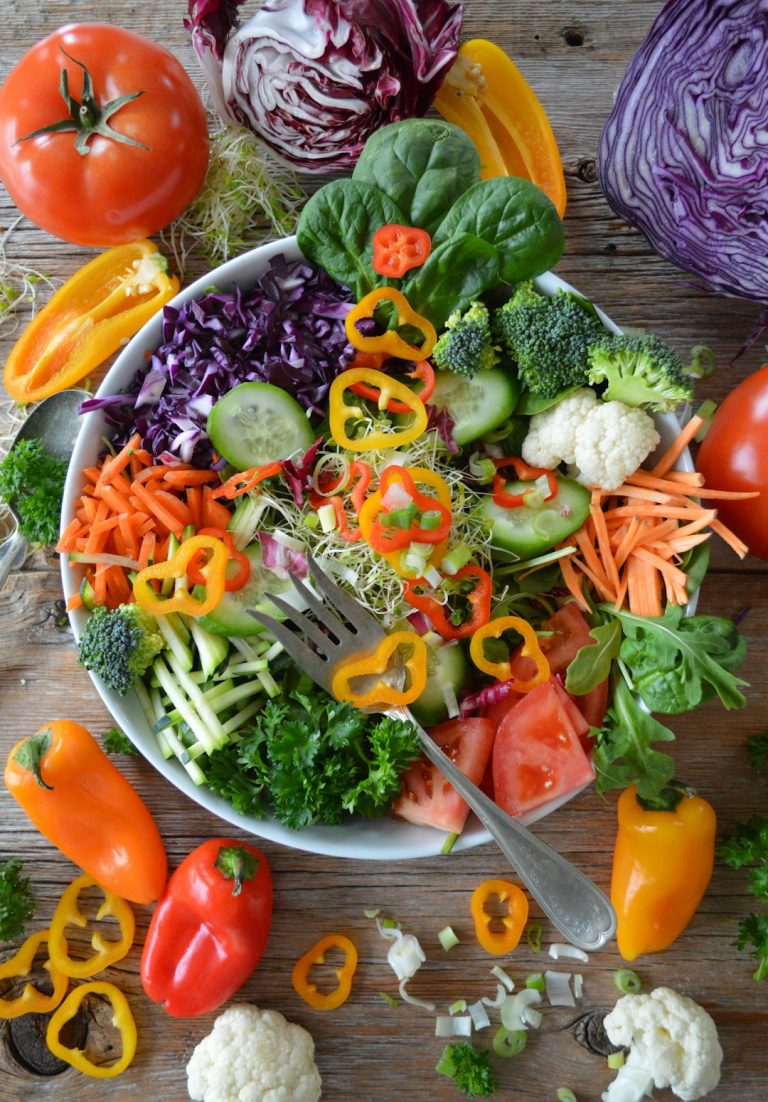
[IMAGE: organic vegetables]
1. Leafy greens and salad foundations
Leafy greens are one of the smartest places to start because they are low in calories and high in volume. Organic spinach, arugula, kale, romaine, and mixed greens can anchor lunches and dinners without making the meal feel too heavy. They add texture, color, and a long list of micronutrients that support overall nutrition.
- Spinach blends easily into smoothies or sautés.
- Arugula adds a peppery flavor that makes salads more interesting.
- Kale holds up well in grain bowls and meal prep containers.
- Romaine offers crunch and freshness for lighter lunches.
Leafy greens are especially useful if you are trying to eat more without adding a lot of calories. That makes them a simple ally for weight loss, especially when you use them as a base for lean protein and colorful vegetables.
2. Cruciferous vegetables for fullness and support
Broccoli, cauliflower, Brussels sprouts, cabbage, and bok choy are excellent organic food choices for a healthy diet. They have a strong nutrient profile and can make meals feel hearty without becoming calorie-dense. Their natural fiber content supports digestion and helps you stay fuller for longer, which can reduce between-meal cravings.
These vegetables are also versatile. You can roast them, steam them, add them to stir-fries, or blend cauliflower into soups and mashed dishes. If you have ever needed comfort food without the usual heaviness, cruciferous vegetables are a great bridge between satisfaction and clean eating.
3. Berries that satisfy a sweet craving
Organic berries are one of the most practical fruits for weight loss because they offer sweetness without the sugar load of many desserts. Blueberries, raspberries, blackberries, and strawberries are easy to use in breakfast bowls, snacks, smoothies, and salads. They bring flavor, color, and antioxidants to your routine, and they can help you stay away from overly processed sweets.
When a sugar craving hits, try pairing berries with protein instead of reaching for a pastry. Greek yogurt with berries, chia pudding with raspberries, or cottage cheese with strawberries can satisfy the desire for something sweet while keeping your meal more balanced. This is where clean eating becomes realistic instead of rigid.
4. Apples, pears, and other high-fiber fruits
Whole fruit works better than juice when you are trying to lose weight. Apples and pears are especially useful because they are portable, filling, and easy to pair with nut butter or yogurt. Organic fruit can also fit neatly into a detox diet approach that focuses on hydration, fiber, and gentle support instead of harsh restrictions.
The trick is to eat fruit as part of a meal or snack that contains protein or fat. That keeps your blood sugar more stable and makes the fruit more satisfying. A pear with walnuts, an apple with almond butter, or a sliced apple added to oatmeal can turn a simple snack into a lasting source of energy.
5. Legumes for plant-based protein and fiber
Beans, lentils, and chickpeas are among the most cost-effective organic foods for weight loss. They provide protein, fiber, and slow-digesting carbohydrates that support a healthy lifestyle without making meals complicated. For people who want to eat less meat or follow a more plant-forward plan, legumes are one of the best ingredients to master.
- Black beans work well in salads, soups, and grain bowls.
- Lentils cook quickly and make excellent meal-prep bases.
- Chickpeas can be roasted for a crunchy snack or blended into hummus.
- White beans create creamy soups and dips with a neutral flavor.
Legumes are a strong example of how nutrition and satisfaction can work together. They help fill you up, and they make it easier to build meals that feel complete without relying on excess calories.
6. Organic eggs, yogurt, and other quality proteins
Protein is one of the most important parts of a weight-loss diet, and organic versions of eggs, plain yogurt, and cottage cheese can be excellent choices if they fit your preferences. These foods are easy to prepare, quick to pair with fruit or vegetables, and useful for people who need meals that are both fast and nourishing.
Organic eggs can become omelets with greens and mushrooms. Plain Greek yogurt can become a high-protein breakfast with berries and seeds. Cottage cheese can support savory lunches or sweet snacks. The more flexible your protein choices are, the easier it becomes to stay on track with clean eating.
7. Oats, quinoa, and other smart carbs
Carbohydrates do not need to be avoided for weight loss. In fact, the right carbs can improve energy, support exercise, and prevent the kind of fatigue that leads to overeating. Organic oats, quinoa, brown rice, and buckwheat are smart choices because they digest more slowly and give your meals more staying power.
A bowl of oats topped with nuts and berries is very different from a sugar-heavy breakfast pastry. The first supports nutrition and balance; the second usually creates a blood sugar spike and a crash. If you are building a healthy diet you can live with, smart carbohydrates deserve a place on the plate.
8. Healthy fats that help control appetite
Healthy fats are not the enemy of weight loss. They are part of a balanced plan that keeps meals satisfying. Avocados, olives, seeds, nuts, and cold-pressed oils can all help create more complete meals when used in the right amounts. They also improve flavor, which makes healthy eating feel less like a chore.
The key is portion awareness. A small amount of fat goes a long way in a salad, grain bowl, or breakfast dish. When organic food is combined with thoughtful portions, it becomes much easier to enjoy your meals without overdoing calories.
How to build meals that support clean eating without feeling deprived
People often assume clean eating means tiny portions and endless restrictions. In reality, the most effective clean-eating meals are the ones that feel generous, colorful, and satisfying. They include protein, fiber, healthy fats, and enough flavor to make you look forward to eating them again tomorrow. That is what turns a short-term effort into a lasting habit.
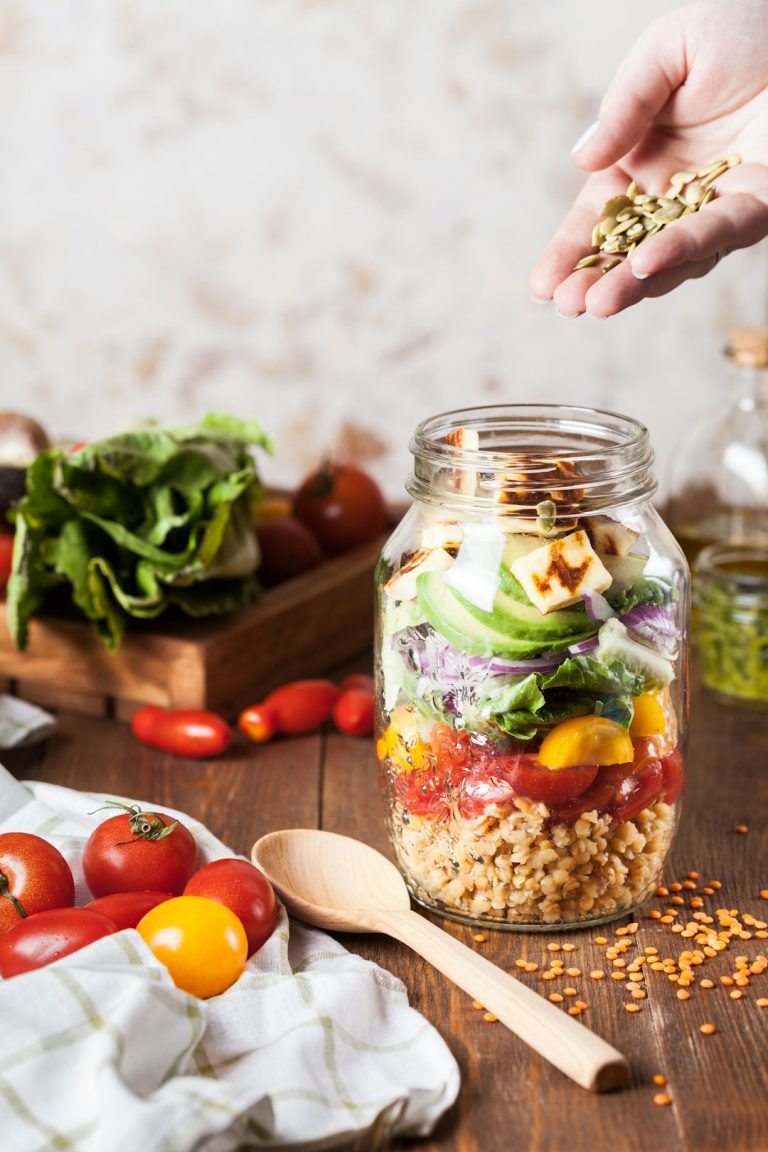
[IMAGE: healthy meal]
Try to think in layers rather than rules. Start with a base of greens or grains, add a protein source, add a few vegetables, include a healthy fat, and finish with herbs or a light sauce. This structure keeps your meals interesting while also making weight loss more manageable. What would happen if every meal you ate felt this balanced?
Breakfast ideas that keep energy steady
Breakfast can set the tone for the entire day. A sugary start often leads to cravings, while a balanced start can stabilize appetite and energy. Organic overnight oats with chia seeds and berries, a vegetable omelet with avocado, or Greek yogurt with nuts and fruit are all excellent ways to begin the day.
- Choose protein first if mornings are busy.
- Add fiber from oats, fruit, seeds, or vegetables.
- Keep added sugar low so your energy stays stable.
- Prepare breakfast the night before when possible.
Breakfast does not have to be large, but it should be intentional. One strong meal can help you avoid random snacking and make your nutrition more predictable.
Lunch ideas for focus and fullness
Lunch is where many people lose momentum. A rushed sandwich or a heavy takeout meal can derail the afternoon. Instead, try organic grain bowls, hearty salads, vegetable soups with beans, or wraps filled with greens and lean protein. These meals are practical, portable, and better aligned with a weight-loss goal.
A good lunch should leave you energized, not sleepy. If you feel sluggish after eating, your meal may be too heavy or too refined. Clean eating works best when lunch helps you stay productive and clear-headed for the rest of the day.
Dinner that feels comforting but still light
Dinner is often the meal people are most likely to overeat. That is why it helps to keep the structure simple. A plate built from roasted vegetables, a lean protein, and a moderate portion of smart carbs can feel comforting without becoming excessive. Think salmon with asparagus and quinoa, tofu stir-fry with broccoli, or chicken with roasted cauliflower and sweet potato.
Dinner should support rest and recovery, not leave you too full to sleep. When it is balanced, you finish the day feeling nourished rather than stuffed.
Snack choices that prevent overeating later
Strategic snacking can be helpful, especially if you have a long gap between meals or exercise regularly. The best snacks are small, balanced, and easy to portion. They should prevent extreme hunger, not replace proper meals.
- Apple slices with almond butter
- Greek yogurt with berries
- Carrots with hummus
- Handful of nuts and a piece of fruit
- Cucumber slices with cottage cheese
Snacking becomes a problem when it happens without intention. If you plan for it, snack foods can support your nutrition instead of sabotaging it.
A sample day of organic eating for weight loss
Sometimes the easiest way to understand clean eating is to see it in action. A practical day of organic food does not need to be fancy. It needs to be balanced, realistic, and satisfying enough that you can repeat it. This is not a strict detox diet or a one-day reset. It is a simple model you can adapt to your schedule and appetite.
- Breakfast: Organic oats with chia seeds, blueberries, and plain Greek yogurt
- Mid-morning: Green tea and an apple with a small handful of almonds
- Lunch: Mixed greens, quinoa, roasted broccoli, chickpeas, cucumber, and olive oil dressing
- Afternoon snack: Carrot sticks with hummus
- Dinner: Baked salmon, cauliflower, and sweet potato with herbs
This kind of day keeps your nutrition steady and avoids the extremes that cause burnout. It also shows how organic food can support weight loss without making meals feel bland or repetitive. The more you practice this style of eating, the more natural it becomes.
The role of organic protein in a healthier diet
Protein deserves special attention because it influences satiety, recovery, and body composition. If weight loss is your goal, protein helps you preserve lean tissue while losing fat, which is one reason it is so important in a healthy lifestyle. Organic protein sources can also feel cleaner and more aligned with clean eating goals when they fit your budget and preferences.
Many people under-eat protein at breakfast and lunch, then overeat later in the day. That pattern can be corrected by making protein a visible priority. Ask yourself: does each meal include a real source of protein, or is it mostly just carbs and fat? That single question can improve your nutrition quickly.
Animal and plant proteins both have a place
There is no universal rule that says everyone must eat the same way. Organic eggs, poultry, fish, yogurt, tofu, tempeh, beans, and lentils can all be part of a weight-loss plan. The best choice depends on your goals, digestion, lifestyle, and food preferences. What matters most is that the protein source supports your overall pattern rather than disrupting it.
If you prefer plant-based meals, combine legumes with grains and seeds to create a more complete amino acid profile. If you eat animal products, focus on lean, minimally processed options that pair well with vegetables. Either way, protein can make clean eating more satisfying and sustainable.
Organic food and the truth about a real detox diet
Detox is one of the most overused words in nutrition, and it often gets attached to dramatic claims. The body already has sophisticated systems for processing and removing waste, especially through the liver, kidneys, digestive tract, and skin. That means the goal of a detox diet should not be starvation or extreme cleansing. Instead, the goal should be support.
Organic food can support that process by reducing reliance on highly processed items and increasing the amount of fiber, hydration, and micronutrients in your day. Leafy greens, berries, cucumbers, herbs, citrus, oats, and legumes all fit naturally into a gentle, sustainable approach. This is far more useful than short-term gimmicks.
What detox support really looks like
A realistic detox diet is simply a cleaner pattern of eating. It includes enough water, enough fiber, enough protein, and enough whole foods to help your body function well. It also means getting enough sleep, moving regularly, and reducing stress when possible. No single food can do all of that alone.
If you want to feel lighter and less bloated, start with these habits:
- Eat more fresh produce and fewer ultra-processed foods.
- Drink water consistently throughout the day.
- Include fermented foods if your body tolerates them.
- Get regular movement instead of relying on extreme restriction.
- Avoid the cycle of overeating and crash dieting.
This is where nutrition becomes empowering. You are not trying to force your body into a cleanse. You are giving it the materials it needs to function at a higher level.
Common organic diet mistakes that slow progress
Even the best organic food choices can backfire if the overall plan is unbalanced. Weight loss is not only about what you eat, but also about how much, how often, and why you are eating. Many people assume that because a food is organic, it can be eaten without limits. That is not how nutrition works, and it is one of the biggest mistakes in clean eating.
Another common issue is replacing meals with snacks. Organic nut bars, dried fruit, trail mix, and specialty treats can be healthy in small portions, but they can also become calorie-dense quickly. Organic does not automatically mean low-calorie, and it certainly does not mean unlimited.
Watch for these traps
- Overeating organic packaged snacks because they seem healthier.
- Skipping protein and relying too heavily on fruit or grains.
- Not measuring fats such as oils, nuts, and nut butters.
- Using clean eating as a reason to eat too little during the day.
- Expecting a detox diet to replace consistent habits.
Progress is usually slower when meals are not balanced. The more clearly you understand portions and meal structure, the more effective your efforts become.
Why perfection is the wrong goal
Trying to eat perfectly often creates the very stress that leads to overeating. A sustainable healthy lifestyle leaves room for flexibility. You can eat mostly organic, mostly whole, mostly balanced, and still allow for real-life situations. That is not failure; that is maturity in your approach to nutrition.
Remember that consistency beats intensity. A modest routine you can repeat for months will do more for weight loss than a strict plan you abandon after a week.
Shopping and prep strategies that save time during the week
One reason people stop eating well is that their kitchen setup does not support the habit. If healthy food is hard to find, hard to prepare, or too time-consuming, convenience will win. That is why the smartest approach is to make organic food easier to access at home. Preparation is not just a cooking task; it is a strategy for success.
Start with a weekly list that includes produce, protein, grains, snacks, and a few flavor boosters. Organic frozen vegetables, canned beans, and pre-washed greens can reduce prep time without lowering the quality of your meals. If you are busy, frozen organic options are often one of the most practical tools you can use.
Simple prep steps that make the week easier
- Wash and store salad greens as soon as you get home.
- Roast a tray of vegetables for several meals.
- Cook one grain and one protein in advance.
- Keep fruit visible so it is the first snack you reach for.
- Portion nuts and seeds into small containers.
These small actions save energy later. They also reduce the temptation to order food when you are tired, hungry, and short on time. Good nutrition should make life easier, not more complicated.
How to shop like a clean-eating pro
When shopping, move around the perimeter of the store first and fill your cart with whole foods. Then look for a few pantry items that will make quick meals possible. If you keep organic vegetables, berries, oats, legumes, eggs, yogurt, and healthy fats on hand, you can build meals with very little effort.
Ask yourself before checkout: do I have the ingredients for at least three breakfasts, three lunches, and three dinners? If the answer is yes, your week will already feel more manageable. If not, you may be setting yourself up for takeout and rushed decisions.
How organic food supports a healthy lifestyle beyond the scale
It is easy to focus only on the number on the scale, but healthy eating does much more than that. The right food choices can improve concentration, digestion, mood, sleep quality, and exercise recovery. That is why organic food can feel so valuable even before visible weight loss shows up. It changes how you function day to day.
For example, someone who eats a cleaner breakfast may notice fewer mid-morning cravings. Someone who chooses more vegetables and legumes may notice better digestion. Someone who combines nutrition with consistent movement may feel more energetic during workouts. These small improvements often become the foundation of larger progress.
[IMAGE: fitness lifestyle]
Movement makes the plan stronger
Food is only one part of the equation. Walking, strength training, cycling, yoga, and other forms of movement all support a healthier body composition. You do not need punishing exercise to make weight loss happen, but regular movement can improve insulin sensitivity, appetite regulation, and overall mood. It also helps your clean eating routine feel connected to a bigger lifestyle rather than a temporary diet.
That connection matters because people are more likely to stay consistent when they see themselves as active, capable, and invested in their health. If your meals and your movement support each other, your results often become more noticeable and more sustainable.
Sleep, stress, and hydration still matter
No organic food plan can fully compensate for poor sleep and chronic stress. Both can influence appetite, cravings, and recovery. Hydration matters too, especially if you are increasing your fiber intake or exercising more often. Sometimes the simplest improvements make the biggest difference.
Try to think of weight loss as a system. Food is central, but sleep, stress, and hydration shape how that food works in your body. When these pieces line up, your healthy diet becomes much more effective.
How to keep the plan enjoyable instead of restrictive
The most successful organic diet plans are the ones people enjoy enough to continue. That means food should still taste good, meals should feel satisfying, and your routine should leave room for variety. Bland food is rarely sustainable, and overly strict rules usually create backlash. If your meals feel like a punishment, what are the odds that you will keep them going?
Use herbs, spices, citrus, vinegars, garlic, ginger, and quality oils to make simple ingredients more exciting. Rotate vegetables and proteins so your plate does not become repetitive. A healthy lifestyle should feel rich and alive, not dull and monotonous.
Flavor ideas that keep clean eating interesting
- Roasted vegetables with lemon and thyme
- Salads with pumpkin seeds and balsamic dressing
- Grain bowls with tahini and fresh herbs
- Yogurt with cinnamon, berries, and chopped nuts
- Soups finished with parsley and olive oil
When food tastes good, healthy choices become easier to repeat. That is one of the most overlooked truths in nutrition. Pleasure is not the enemy of progress; it is often what keeps the progress alive.
If you are serious about weight loss, start by making your next grocery trip more intentional. Choose organic food that gives you fiber, protein, healthy fats, and flavor. Build meals that feel satisfying instead of severe. Keep your approach flexible enough to survive busy weeks, social events, and imperfect days. And if you want more practical ideas for clean eating, detox diet support, and a healthier lifestyle, keep exploring DietOrganic for articles that make good nutrition feel realistic, elegant, and worth repeating.
About the Author