
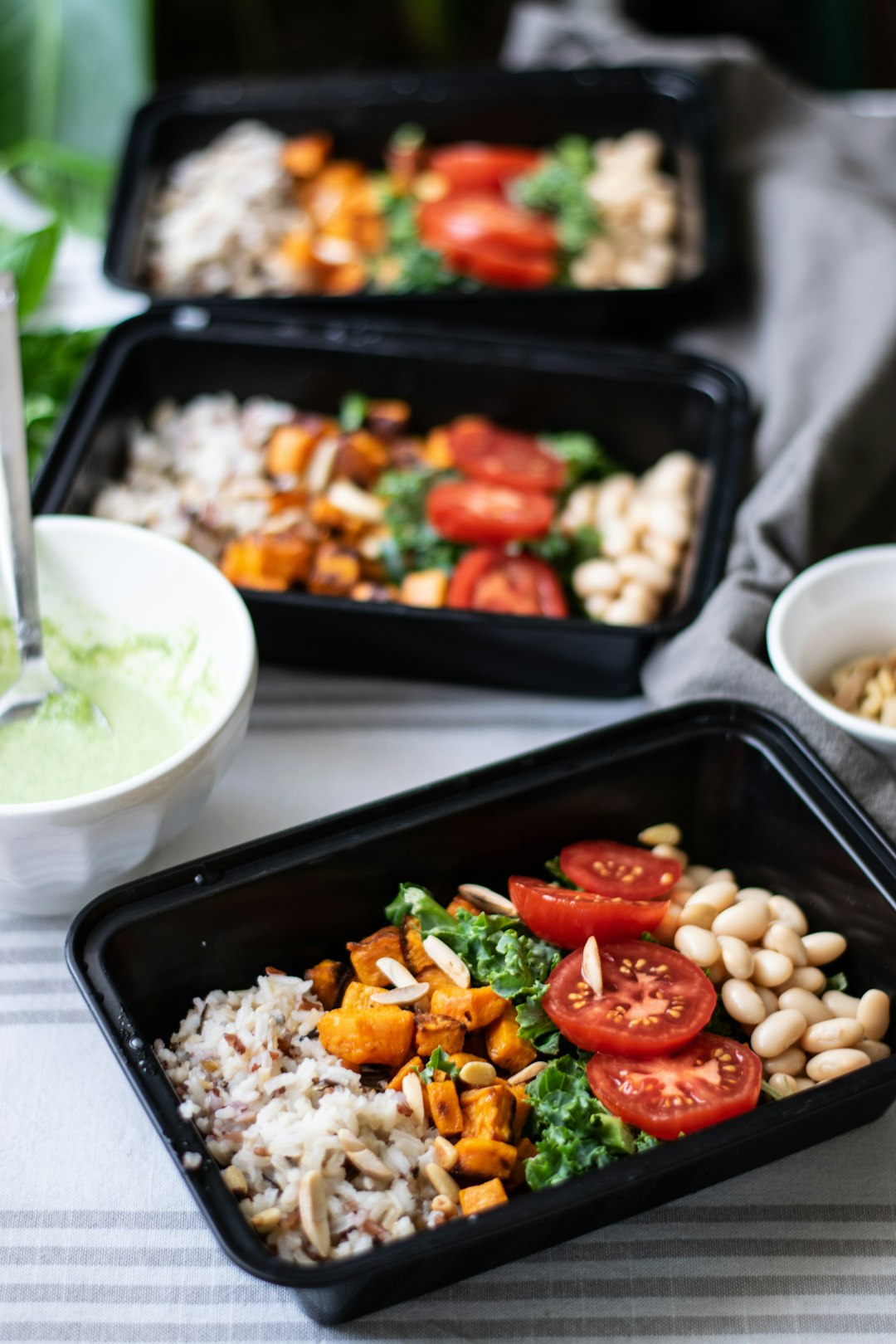
Photo by Leanna Myers on Unsplash
There is a reason organic food has moved from a niche preference to a mainstream strategy for people who want a healthier lifestyle. When the goal is weight loss, the conversation often becomes obsessed with calories alone, yet the real story is usually more practical: what foods keep you full, what foods quiet cravings, and what foods make clean eating feel realistic every day? Organic food will not perform magic on its own, but it can create a cleaner food environment that makes better choices easier to repeat.
If you have ever started a healthy diet with enthusiasm only to feel hungry, tired, and bored by day four, you already understand the problem. Sustainable weight loss is rarely about extreme restriction. It is about nutrition, satiety, and consistency. That is where an organic approach can help. By centering meals on whole, minimally processed ingredients, you lower the chances of unnecessary additives, you often increase fiber and micronutrients, and you build plates that feel satisfying rather than punishing.
This article is not about chasing perfection. It is about learning which organic foods earn their place on a weight-loss plate, how to assemble meals that support fat loss without leaving you drained, and how to use clean eating as a practical system instead of a short-lived detox diet. Ask yourself this: what would change if your groceries worked with your goals instead of against them?
Why Organic Food Can Support Weight Loss
Organic food is often discussed as a purity choice, but for weight loss it may be more useful to think of it as a structure choice. When your kitchen is filled with simple ingredients instead of heavily processed options, your meals naturally become more intentional. You do not have to fight as many hidden sugars, artificial flavor boosts, or ultra-refined snacks that push appetite higher than expected.
Of course, organic does not automatically mean low-calorie, and that distinction matters. An organic cookie is still a cookie. An organic granola bowl can still become a calorie bomb if portion sizes drift. Yet a mostly organic pattern built around vegetables, fruit, legumes, eggs, fish, yogurt, seeds, and smart whole grains can support a healthy diet in a way that feels stable and satisfying.
Fewer ultra-processed ingredients, fewer cravings
Many people do not struggle because they lack discipline. They struggle because highly processed foods are designed to be easy to overeat. If your breakfast is loaded with sweeteners and refined starches, you may feel hungry again within a short time. That makes the rest of the day harder. By contrast, organic whole foods tend to be less engineered, which means they are more likely to support stable appetite and better energy.
- Organic vegetables and fruit offer volume without unnecessary additives.
- Organic proteins help meals feel more complete and keep hunger in check.
- Organic nuts, seeds, and whole grains provide fiber and slow-release energy.
- Simple ingredients make it easier to notice when you are full.
Nutrient density matters more than trends
When people look for weight-loss foods, they often search for something dramatic. In reality, the most effective foods are usually the most ordinary. Leafy greens, berries, beans, plain yogurt, eggs, and fresh herbs are not flashy, but they create meals with strong nutrition and good satiety. That combination helps you stay on track without feeling deprived.
Think of it this way: if your body is underfed in key nutrients, it will often ask for more food, more caffeine, more sugar, or more late-night snacking. When meals are built around nutrient-dense organic food, the body tends to feel more settled. That can make weight loss feel less like a battle and more like a rhythm.
What organic food cannot do
It is important to be honest. Organic food is not a license to ignore portion sizes, sleep, movement, or stress. It is not a detox diet that erases a weekend of overeating. It does not override a habit of grazing all day. What it can do is support a cleaner baseline so your healthy lifestyle choices are easier to maintain.
- Organic food does not cancel extra calories.
- Organic food does not replace protein, fiber, or movement.
- Organic food does not make emotional eating disappear.
- Organic food works best as part of a larger clean eating plan.
If you want weight loss that lasts, you need a method that helps you eat well on ordinary days, not just on motivated ones. That is where the organic approach shines.
The Best Organic Foods for a Weight-Loss Plate
The most useful organic foods for weight loss are not obscure superfoods or expensive powders. They are the ingredients that help you build meals with volume, protein, fiber, and flavor. If you stock the right basics, your kitchen becomes a tool instead of a temptation.
1. Organic leafy greens and cruciferous vegetables
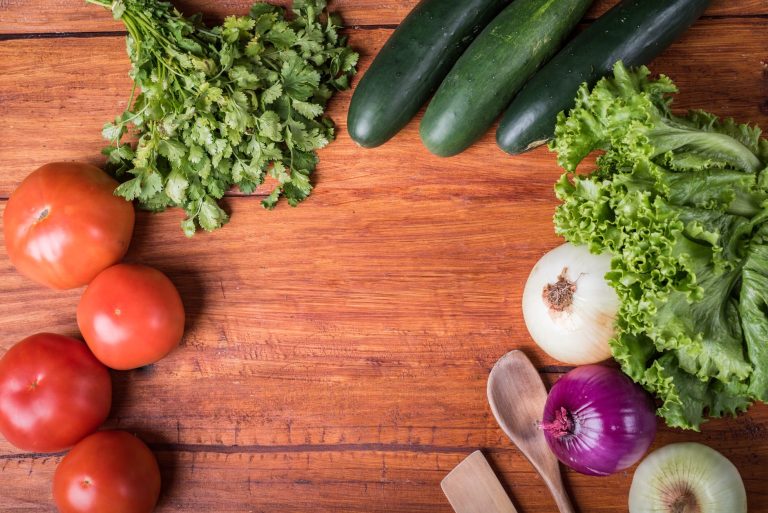
Spinach, kale, arugula, romaine, cabbage, broccoli, cauliflower, Brussels sprouts, and zucchini all deserve regular space in a weight-loss plan. They are low in calories, rich in water and fiber, and easy to pair with protein. A large serving can make a plate feel generous without derailing your goals.
[IMAGE: organic vegetables]
These vegetables also bring texture and volume, two things that matter more than most people realize. A colorful bowl of greens and roasted vegetables can calm the urge to snack because it gives the eyes and stomach the sense of abundance. Have you noticed how a tiny meal leaves you searching the pantry, while a large salad with protein feels complete?
- Use spinach in omelets and smoothies.
- Roast broccoli and cauliflower with olive oil and herbs.
- Shred cabbage into slaws or soup bases.
- Add arugula or romaine to grain bowls for freshness.
2. Organic berries and lower-sugar fruit
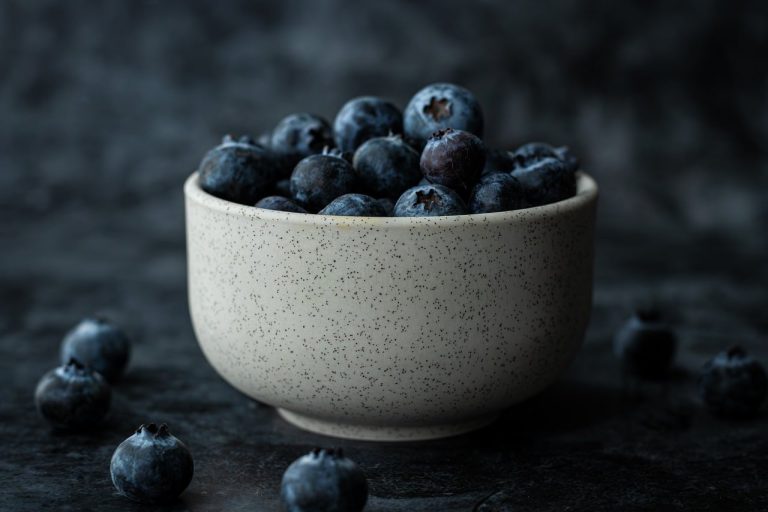
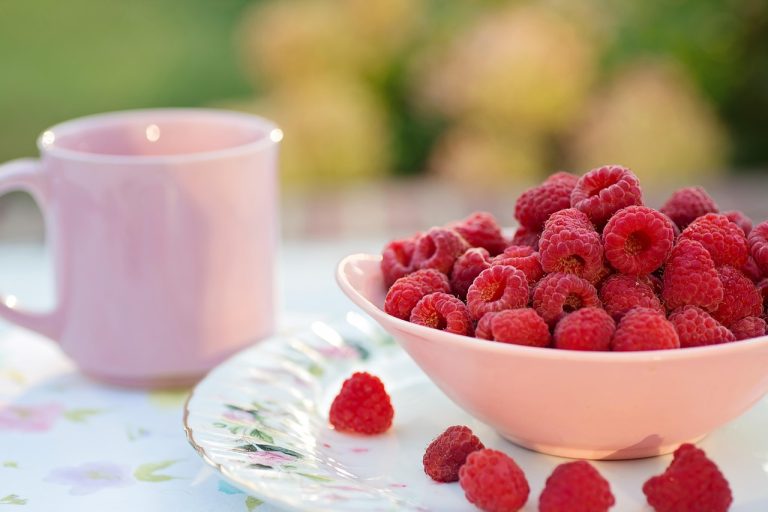
Berries are one of the best fruit choices for anyone focused on clean eating and weight loss. Strawberries, blueberries, raspberries, and blackberries deliver sweetness, antioxidants, and fiber without the sugar load of many other fruits. Apples, pears, kiwi, and citrus are also smart options because they are satisfying and easy to portion.
Fruit can absolutely fit into a healthy diet. The key is to use it intentionally rather than treating it like free food. Pairing fruit with protein or fat can keep blood sugar steadier and make snacks last longer.
- Berries with plain Greek yogurt and chia seeds.
- An apple with almond butter.
- Kiwi or orange slices after a protein-rich lunch.
- Pears with cottage cheese or seeds.
3. Organic protein sources that keep you full
Weight loss becomes far easier when every meal includes enough protein. Organic eggs, plain Greek yogurt, cottage cheese, tofu, tempeh, lentils, chickpeas, salmon, tuna, chicken, and turkey can all support a more satisfying plate. Protein helps preserve lean mass, slows digestion, and reduces the feeling that you need to eat again an hour later.
For plant-based eaters, organic beans, lentils, edamame, tofu, and hemp seeds can create a strong foundation. For omnivores, eggs, poultry, fish, and yogurt are especially convenient because they are versatile and quick to prepare.
- Breakfast: eggs with vegetables or yogurt with berries.
- Lunch: chicken, tuna, tofu, or lentils over greens.
- Dinner: salmon, turkey, tempeh, or beans with vegetables.
- Snacks: yogurt, hard-boiled eggs, roasted chickpeas, or edamame.
4. Organic smart carbs for energy and control
Low-carb trends can be useful for some people, but many people lose momentum when they cut carbs too hard. The better approach is to choose slow-digesting, fiber-rich organic carbohydrates that support energy without creating a sugar surge. Oats, quinoa, sweet potatoes, brown rice, buckwheat, and beans are all excellent choices when portions are sensible.
These foods matter because a plan that feels too restrictive is hard to repeat. A healthy diet should stabilize your day, not make you fantasize about bread by midafternoon. The right carbohydrate portions can make your meals feel grounded and your workouts feel stronger.
- Oats for breakfast with seeds and berries.
- Quinoa in lunch bowls with vegetables and herbs.
- Sweet potato alongside fish, tofu, or chicken.
- Beans mixed into salads and soups for fiber and protein.
5. Organic fats that improve satisfaction
Fat does not cause weight gain by itself. Overeating does. A small amount of healthy fat can improve flavor, support hormones, and make a meal much more satisfying. Avocados, olive oil, walnuts, chia seeds, flaxseed, and pumpkin seeds are all valuable in a clean eating routine.
The key is to treat them as accent ingredients rather than the entire meal. A handful of nuts or a spoonful of seeds can transform a salad or bowl, but the same foods in large amounts can quietly push calories higher than expected.
- Drizzle olive oil over vegetables instead of using heavy dressings.
- Add avocado to bowls for creaminess and staying power.
- Use seeds for crunch on salads, yogurt, and oatmeal.
- Keep nuts portioned so they remain a benefit, not a binge food.
How to Build a Weight-Loss Plate with Organic Food
Once you know which foods help most, the next step is creating a repeatable formula. The most successful weight-loss plans are often the simplest. If every plate follows a clear pattern, you do not need to make endless decisions or guess whether a meal will keep you satisfied.
A practical organic plate usually works best when it includes three parts: protein, fiber-rich vegetables, and a smart carbohydrate or fat source. This combination supports energy, prevents overeating later, and makes clean eating feel generous rather than limited.
The simple plate method
Imagine your plate divided into sections. Half the plate is vegetables, one quarter is protein, and one quarter is smart carbohydrates. Add a small amount of healthy fat and herbs for flavor. That one habit can change the feel of your meals dramatically.
- Half the plate: leafy greens, broccoli, cauliflower, peppers, cucumbers, asparagus, cabbage, or zucchini.
- One quarter: eggs, fish, chicken, tofu, legumes, yogurt, or cottage cheese.
- One quarter: oats, quinoa, brown rice, sweet potato, or beans.
- Flavor layer: olive oil, seeds, herbs, lemon, garlic, ginger, or vinegar.
This is not a rigid law. It is a visual guide. If you are more active, you may need a little more carbohydrate. If you are looking for a sharper calorie deficit, you may lean more heavily into vegetables and protein. The point is balance, not punishment.
Sample meal builds that work
When organic food is used well, it can feel restaurant-level satisfying. Here are some combinations that support a healthy lifestyle and weight loss without making you feel like you are on a diet.
- Breakfast: organic oats with berries, chia seeds, and Greek yogurt.
- Lunch: quinoa bowl with chickpeas, spinach, cucumber, herbs, and lemon-tahini dressing.
- Dinner: baked salmon with roasted broccoli and sweet potato.
- Snack: apple slices with almond butter and cinnamon.
[IMAGE: healthy meal]
The visual appeal matters more than many people expect. A beautiful plate can influence how satisfied you feel. Color, texture, and aroma are not decorative extras. They are part of appetite regulation. When meals look fresh and abundant, your brain reads them as complete.
Easy upgrades for common meals
If you are not ready to overhaul your whole routine, start by improving one meal at a time. Small wins are often easier to maintain than dramatic transformations.
- Upgrade toast by adding avocado and organic eggs.
- Upgrade salads by adding beans, seeds, and a real protein source.
- Upgrade soup by adding lentils or chicken for staying power.
- Upgrade smoothies by adding plain yogurt or protein and avoiding excess sweeteners.
Organic Food, Hunger, and Cravings: The Hidden Weight-Loss Advantage
Many people think weight loss is mostly about willpower, but hunger management is often the real issue. If your body feels deprived, cravings become louder. If your blood sugar swings wildly, the afternoon slump can lead to impulsive snacks. If your meals are too small or too light on protein, the night-time pantry raid becomes almost inevitable.
Organic food can help because it often nudges people toward simpler, more satisfying meals. But the true advantage comes from building habits that keep hunger predictable.
Start the day with protein and fiber
A breakfast made only of fruit or refined carbs can leave you hungry very quickly. A more balanced breakfast, such as eggs with vegetables or yogurt with oats and berries, tends to keep energy smoother. When the first meal of the day is stable, the rest of the day is easier to manage.
Need a quick rule? If breakfast does not contain protein, fiber, and some fat, it may not be enough to support your goals.
Do not let yourself get too hungry
Extreme hunger almost always leads to poorer choices. Waiting too long between meals can make even the healthiest person lose perspective. A clean eating plan should prevent the kind of hunger that feels desperate, not create it.
- Keep planned snacks on hand.
- Eat lunch before you become ravenous.
- Make dinner rich in vegetables and protein.
- Use water, tea, and fiber-rich foods to stay ahead of cravings.
What to do when a craving hits
Cravings do not always mean you need more food. Sometimes they mean you need rest, water, salt, movement, or a more satisfying meal earlier in the day. The goal is to respond thoughtfully rather than automatically.
A true detox diet is not a juice cleanse or a punishment plan. Your body already has natural detoxification systems. The real support comes from organic food that is rich in fiber, water, vitamins, minerals, and antioxidants, plus enough protein to keep you grounded. If you want to feel lighter and less bloated, build your routine around whole foods instead of gimmicks.
Questions worth asking yourself include: Did I sleep enough? Have I eaten enough protein today? Did I drink enough water? Am I craving food, or am I seeking relief from stress or boredom?
Clean Eating Habits That Make Weight Loss Easier
Clean eating becomes powerful when it extends beyond the plate. The way you shop, prep, and store food can determine whether healthy choices are convenient or complicated. If your kitchen is unprepared, even the best intentions can disappear by Wednesday night.
Create a smart organic grocery list
A strong grocery list reduces decision fatigue. Instead of buying random healthy products, build from categories. That makes it easier to prepare balanced meals and reduces waste.
- Greens: spinach, romaine, arugula, kale.
- Vegetables: broccoli, zucchini, peppers, carrots, cucumbers.
- Protein: eggs, Greek yogurt, tofu, salmon, chicken, lentils.
- Carbs: oats, quinoa, sweet potatoes, beans.
- Fats and flavor: olive oil, avocado, chia seeds, nuts, herbs, lemon.
If you shop this way, your fridge starts to reflect your goals. That matters more than most people admit. A healthy lifestyle is easier to follow when your environment quietly supports it.
Read labels like an editor, not a marketer
Organic packaging can look highly persuasive, but labels still deserve scrutiny. A product can be organic and still contain too much sugar, too much sodium, or too little protein to be useful for weight loss. The front of the package sells the image. The ingredient list tells the truth.
- Check sugar content, especially in sauces, granola, and yogurt.
- Look for protein and fiber, not just health claims.
- Watch serving sizes on nut butters, trail mixes, and snacks.
- Be skeptical of organic versions of ultra-processed treats.
Batch prep a few anchor foods
You do not need to cook every meal from scratch. In fact, that level of effort can make clean eating feel unsustainable. Instead, prepare a few anchor foods once or twice a week so you can mix and match quickly.
- Wash and chop vegetables.
- Cook a pot of quinoa or brown rice.
- Roast a tray of sweet potatoes and broccoli.
- Boil eggs or prepare lentils.
- Mix a simple dressing or sauce.
These steps save time, but they also reduce stress. When dinner is only ten minutes away from being assembled, the drive to order takeout becomes much weaker.
A Practical One-Day Organic Weight-Loss Menu
Sometimes the easiest way to make healthy changes is to see them in action. A one-day menu can show you how organic food, weight loss, and real-life convenience fit together. This is not about eating the same thing forever. It is about understanding the structure of a day that supports appetite control and clean eating.
Breakfast
Organic oats cooked with cinnamon, topped with blueberries, chia seeds, and a spoonful of plain Greek yogurt. If you prefer savory food, swap this for two organic eggs with spinach, tomatoes, and a slice of whole-grain toast.
Mid-morning option
An apple or pear with a small handful of walnuts. If you are not hungry, you do not need to force the snack. The point is flexibility, not rigid clock-watching.
Lunch
A large bowl built from mixed greens, quinoa, chickpeas, cucumber, shredded carrots, avocado, herbs, and a lemon-olive oil dressing. This kind of meal offers fiber, texture, protein, and healthy fats in one clean eating format.
Afternoon snack
Carrot sticks and hummus, or plain yogurt with raspberries. If the afternoon is when your cravings get loud, make sure this snack contains enough protein to matter.
Dinner
Baked salmon or tofu with roasted broccoli and sweet potato, finished with olive oil, garlic, and herbs. This is a simple meal, but it checks every box: protein, fiber, smart carbs, and flavor.
Evening option
Herbal tea and a few berries if you want something light. Sometimes the best weight-loss strategy at night is not another snack but a small routine that tells your body the kitchen is closed.
The beauty of this menu is that it does not feel like a detox diet or a punishment plan. It feels like food that respects your hunger, your time, and your goals.
Common Mistakes People Make on an Organic Diet
Organic food can absolutely support weight loss, but only when it is used wisely. Some people accidentally turn a good idea into a confusing one by assuming anything organic is automatically ideal. That is how progress stalls. Knowing the common mistakes ahead of time can save you from frustration.
Overeating calorie-dense healthy foods
Avocados, nuts, nut butters, granola, oils, seeds, and cheese can be part of a healthy diet, but they are easy to overdo. A tablespoon becomes three. A handful becomes a bowl. Suddenly your clean eating plan is rich in nutrition but too high in calories for weight loss.
That does not mean these foods are the enemy. It means they need portion awareness.
Buying organic junk food
Organic cookies, chips, candy, and pastries still count as processed treats. They may be better than conventional versions in some respects, but they are not the same as whole foods. If weight loss is your goal, make sure most of your cart is built from ingredients, not products.
Forgetting protein
A plant-heavy or fruit-heavy routine can be nutritious, but if protein is too low, hunger often returns quickly. Protein is not just for athletes. It is one of the most useful tools for appetite control and muscle preservation during weight loss.
Ignoring practical pleasure
Healthy food should taste good enough to keep repeating. If every meal feels like a sacrifice, the plan is too hard to sustain. Use herbs, spices, citrus, garlic, vinegar, and simple sauces to bring meals alive without relying on heavy ingredients.
Chasing a detox diet instead of a stable routine
Many people look for a dramatic reset when what they really need is a repeatable system. A true detox diet is not about starving the body. It is about giving it the fiber, hydration, and whole foods it needs to function well. The more stable your routine, the less you will feel tempted by quick fixes.
How to Make an Organic Weight-Loss Plan Affordable and Sustainable
One of the biggest objections to organic food is cost, and that concern is valid. But a healthy lifestyle does not require buying everything organic all the time. It requires thoughtful choices. The goal is not to impress anyone. The goal is to create a plan you can actually maintain.
Prioritize the foods you eat most often
If you buy organic food, focus first on the items you consume regularly and the produce you tend to eat raw or with the skin on. That strategy often delivers the most value for your money.
For many households, this means prioritizing leafy greens, berries, apples, grapes, peppers, and staple proteins, while choosing conventional versions of produce that you peel or cook thoroughly when budget matters more.
Use frozen organic produce strategically
Frozen organic vegetables and berries can be excellent. They are often picked at peak ripeness, easy to store, and less likely to spoil before you use them. That means less waste and more consistency.
- Frozen berries for oats and smoothies.
- Frozen spinach for eggs and soups.
- Frozen broccoli for quick dinners.
- Frozen cauliflower rice for lighter bowls.
Build meals around value, not novelty
A clean eating plan becomes more affordable when you rely on a few dependable staples. Lentils, oats, eggs, cabbage, carrots, yogurt, and sweet potatoes are all budget-friendly in many markets and highly useful for weight loss.
Instead of buying ten new health products, buy six ingredients you know how to use well. Simplicity is often the real luxury because it reduces waste and decision fatigue.
Pair food strategy with movement
Food does most of the daily work in weight loss, but movement gives the plan momentum. You do not need extreme exercise. You need enough movement to support energy, mood, and muscle. A brisk walk, strength training, stretching, or a short workout all help anchor the healthy lifestyle you are building.
[IMAGE: fitness lifestyle]
Think of organic food and movement as partners, not rivals. Better meals make it easier to exercise. Regular movement makes it easier to regulate appetite and maintain a healthy metabolism. Together, they create a more realistic rhythm than either one alone.
When organic food, clean eating, and simple daily movement start working together, the whole process feels less like a challenge and more like a form of self-respect. You are not only trying to lose weight. You are designing a way of eating that helps you feel clear, steady, and in control. If that is the kind of healthy lifestyle you want to keep building, keep exploring more articles on DietOrganic and use each one as another practical step toward meals that truly support you.
About the Author