
Photo by AndyRobertsPhotos on Openverse
Your gut is more than a digestion center. It influences how you absorb nutrients, how steady your energy feels, how often you crave sugar, and even how confident you feel in your own body. That is why so many people who start focusing on organic food and clean eating notice changes that go far beyond the bathroom scale. Bloating eases, meals feel more satisfying, and weight loss can become less of a struggle because the body is finally getting the kind of nutrition it can actually use.
If you have been trying to build a healthier lifestyle, it is worth asking a simple question: what if the real shift begins in your digestive system? A gut-friendly approach to organic food does not rely on extremes, harsh detox diet trends, or complicated rules. It is built on ingredients that are close to nature, rich in fiber, free from unnecessary additives, and easy for your body to recognize. In many cases, that is exactly what the gut is asking for.
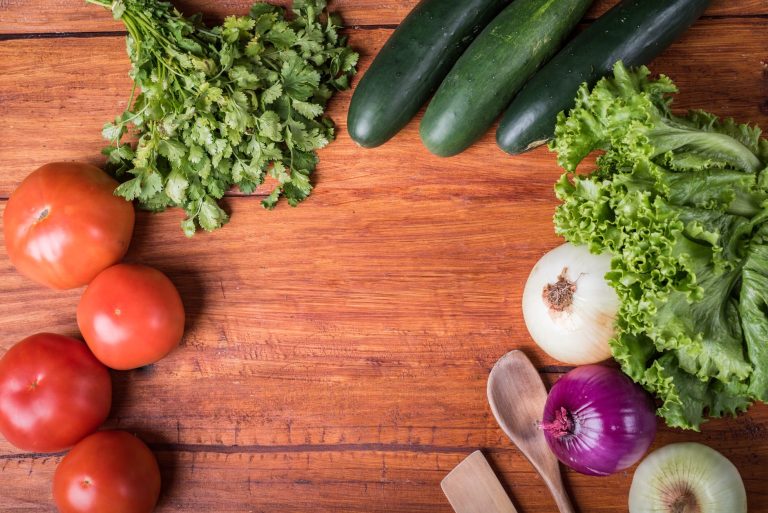
[IMAGE: organic vegetables]
Organic food has become a major part of the modern nutrition conversation, but not just because it sounds cleaner or more premium. It connects directly to the way people feel every day. When meals are made from produce, grains, proteins, and fermented foods that support the microbiome, digestion often becomes smoother and more predictable. That is good news if your goals include better energy, calmer cravings, clearer skin, or sustainable weight loss. A healthy diet should help you live well, not leave you constantly counting calories and wondering why you still feel off.
Why Gut Health Shapes Everything Else
The digestive system does far more than break down food. Inside the gut lives a dense community of microbes that help process fiber, produce helpful compounds, support immunity, and communicate with the brain. When that ecosystem is balanced, the body usually responds with better regularity, stronger metabolism, and fewer dramatic energy crashes. When it is out of balance, the signs can show up everywhere: bloating after meals, irregular digestion, brain fog, sluggish mornings, stubborn weight gain, and cravings that seem impossible to control.
That is why nutrition experts keep returning to the same point: a healthy lifestyle begins with the foundation of digestion. If the gut is irritated by low-quality ingredients, excess sugar, artificial additives, or an overly processed diet, the rest of the body has to work harder. On the other hand, when you choose organic food and build meals around plants, fiber, and quality protein, you are creating conditions that make wellness easier to sustain. Who does not want that kind of support from the food on their plate?
The gut-brain connection matters more than people realize
The gut and brain are in constant conversation through nerves, hormones, and chemical messengers. That is why stress can trigger stomach discomfort and why a heavy, processed meal can make you feel mentally dull. It is also why a clean eating pattern often feels emotionally stabilizing after only a few days. A calmer digestive system can mean a calmer mind, and that can make healthy habits far easier to maintain.
Think about how often people reach for snacks when they are tired, anxious, or frustrated. Sometimes the issue is not willpower at all. Sometimes the gut is sending signals that something is off, and the brain interprets that as hunger or a craving for quick sugar. A better nutrition plan can help interrupt that cycle before it becomes a habit.
Digestion affects weight loss in surprisingly direct ways
When digestion is sluggish, satiety signals can become less reliable. You may eat enough but still feel unsatisfied. You may also hold on to bloating and water retention that make progress seem slower than it is. Organic food does not magically cause weight loss, but it can make healthy routines more effective by supporting fullness, reducing the likelihood of overconsuming ultra-processed snacks, and improving the overall quality of your meals.
That is the real advantage of a gut-friendly healthy diet. It is not about punishment or restriction. It is about giving the body the raw materials it needs to function at a higher level. The result is often less snacking, steadier energy, and a body that feels more responsive to movement and recovery.
What Makes Organic Food Different for the Gut?
Not every organic product is automatically healthier than every conventional one, but organic food does offer several advantages that matter when the goal is better digestion. Organic farming typically limits synthetic pesticides and avoids many artificial inputs that are common in industrial agriculture. For people trying to support gut health, that can be meaningful because the digestive system is especially sensitive to what it encounters over time.
Just as important, organic choices often encourage a cleaner style of eating. When you are buying organic vegetables, fruits, legumes, grains, and dairy, you are more likely to cook from scratch and less likely to rely on packaged foods with long ingredient lists. That naturally supports clean eating, which is one of the most consistent ways to protect the gut from unnecessary stress.
Cleaner ingredient profiles support a calmer digestive system
Many packaged foods marketed as healthy still contain emulsifiers, flavor enhancers, sweeteners, preservatives, and refined starches that can make digestion less comfortable for sensitive people. By contrast, a simple organic meal often contains just a few recognizable ingredients. That simplicity matters. The gut generally responds well when food is easy to identify, easy to digest, and free from the kind of chemical clutter that can make symptoms harder to manage.
This does not mean every person needs to eliminate every non-organic item overnight. The more practical approach is to start with the foods you eat most often. Apples, leafy greens, oats, berries, eggs, yogurt, and staples used every week are excellent places to begin. Over time, those choices can reshape your entire nutrition pattern.
Organic food makes clean eating more natural
Clean eating works best when it feels realistic. Organic produce, grains, and proteins make it easier to build meals that are fresh, colorful, and satisfying. Instead of chasing the next diet trend, you are building a pantry around foods that nourish the gut, support energy, and fit into real life. That kind of consistency is what turns healthy intentions into results.
It is also easier to notice how different foods affect you when the ingredient list is short. If you eat a bowl made with organic vegetables, quinoa, olive oil, and herbs, it becomes much simpler to track how you feel afterward. Was your digestion comfortable? Did your energy stay steady? Did you avoid the afternoon crash? These questions matter because they help you make smarter choices without relying on guesswork.
Best Organic Foods for Gut Health
If you want to support digestion in a real, sustainable way, focus on categories of organic food that feed beneficial microbes, help the gut lining, and reduce irritation. The best gut-friendly foods are not exotic or expensive in every case. Many are simple staples that can be found in a good grocery store or local market.
1. Fermented foods that bring beneficial bacteria
Fermented foods are among the most valuable additions to a gut health routine because they contain live cultures or natural compounds created during fermentation. These foods can help diversify the microbial environment in the digestive tract and make a clean eating plan feel more satisfying.
- Organic yogurt with live cultures
- Organic kefir
- Sauerkraut made with simple ingredients
- Kimchi with no unnecessary additives
- Miso in soups and dressings
- Tempeh as a protein-rich plant option
These foods work best when used consistently and in moderation. You do not need a huge serving every day to benefit. Even a few spoonfuls or a small side portion can help support a more balanced nutrition pattern.
2. Fiber-rich organic produce that feeds good bacteria
Fiber is one of the gut’s favorite foods, especially when it comes from a varied mix of organic vegetables, fruits, beans, and whole grains. Certain fibers act like fuel for beneficial microbes, helping them produce short-chain fatty acids that support the gut lining and overall digestive comfort.
- Leafy greens such as spinach, kale, and arugula
- Cruciferous vegetables like broccoli, cauliflower, and Brussels sprouts
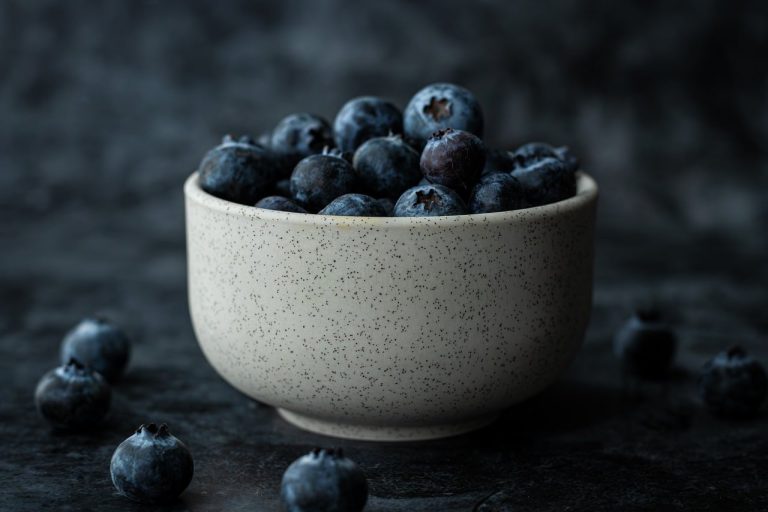
- Berries, especially blueberries, raspberries, and blackberries
- Apples and pears with the skin on
- Carrots, beets, and sweet potatoes
- Beans, lentils, and chickpeas
- Organic oats and brown rice
Fiber also helps with satiety, which makes it a powerful ally for weight loss. When your meals contain enough fiber, you are less likely to overeat later in the day, and your blood sugar tends to feel more stable.
3. Prebiotic foods that help good bacteria thrive
Prebiotics are the fibers and compounds that feed the beneficial bacteria already living in your gut. Think of them as fertilizer for your internal garden. Without prebiotics, even the best probiotic foods may not have the same effect.
- Organic garlic
- Organic onions
- Leeks and shallots
- Asparagus
- Bananas, especially slightly green ones
- Oats
- Chicory root and Jerusalem artichokes
These ingredients are easy to add to soups, stir-fries, breakfast bowls, and roasted vegetable dishes. The key is consistency. A healthy diet built around prebiotic foods is one of the most underrated ways to improve digestion naturally.
4. Healthy fats and proteins that reduce mealtime chaos
Gut health is not only about bacteria and fiber. The body also needs steady protein and healthy fats to maintain energy, repair tissue, and keep blood sugar from swinging too wildly. Organic eggs, wild-caught fish, grass-fed dairy, nuts, seeds, avocado, olive oil, and organic poultry can all be part of a digestion-friendly plan.
When meals contain enough protein and fat, you are less likely to reach for sugar an hour later. That matters because erratic eating often creates the exact digestive discomfort people are trying to fix. Stable meals support stable habits.
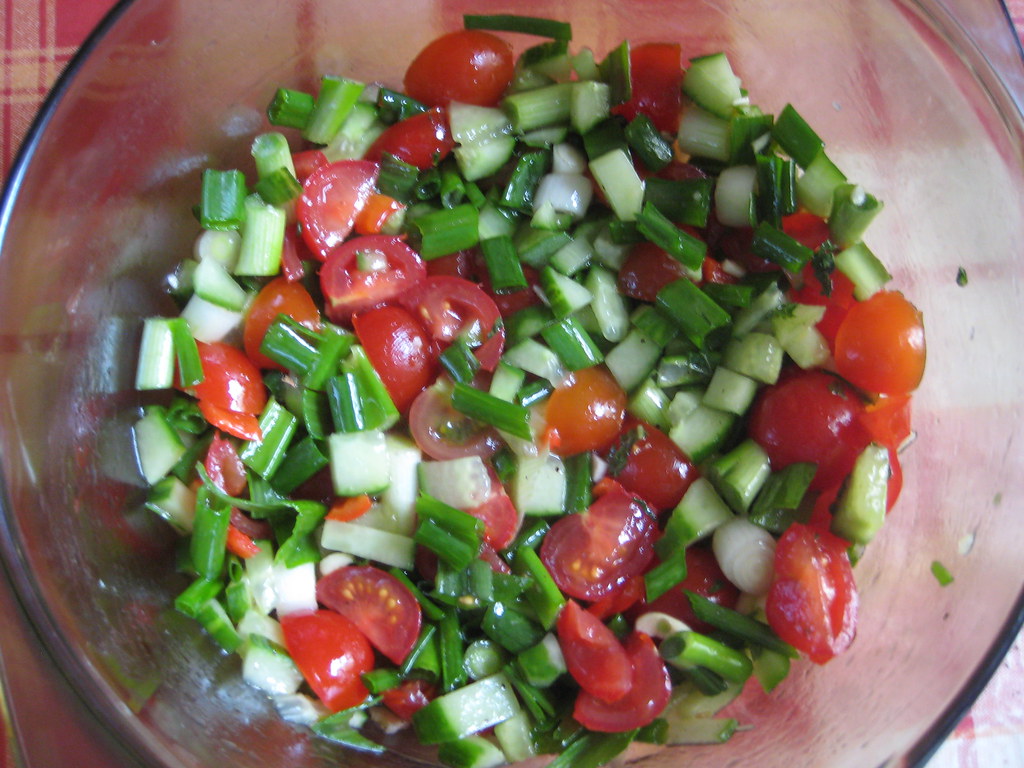
[IMAGE: healthy meal]
What a Gut-Friendly Organic Grocery List Looks Like
Shopping with intention can transform your nutrition before you even cook a meal. A gut-friendly grocery list keeps you focused on foods that are flexible, nourishing, and easy to combine into balanced plates. When your kitchen is stocked well, clean eating feels effortless rather than restrictive.
- Organic spinach, kale, lettuce, cucumbers, zucchini, broccoli, and carrots
- Organic berries, apples, lemons, avocados, bananas, and pears
- Organic oats, quinoa, brown rice, and whole-grain bread with minimal ingredients
- Organic Greek yogurt, kefir, cottage cheese, or plant-based cultured alternatives
- Organic eggs, tofu, tempeh, lentils, chickpeas, salmon, and chicken
- Seeds such as chia, flax, pumpkin, and hemp
- Fermented vegetables, miso, apple cider vinegar, and olive oil
- Herbs and spices such as ginger, turmeric, cinnamon, fennel, and peppermint
Consider building your grocery cart around meals rather than random items. For example, if you buy salmon, spinach, quinoa, and lemons, you can prepare several gut-friendly dinners from the same core ingredients. If you buy oats, berries, yogurt, and chia seeds, breakfast becomes simple for several days in a row. That is how healthy lifestyle habits become practical.
How to Build Meals That Support Digestion
A well-constructed meal is one of the easiest forms of digestive support. You do not need a strict detox diet to feel better. You need a repeatable formula that keeps meals balanced, colorful, and satisfying. The best organic food plans make digestion easier by reducing decision fatigue and helping you rely on structure instead of impulse.
The easiest plate formula to remember
- Half the plate: organic vegetables or a mix of vegetables and fruit
- One quarter of the plate: protein from eggs, fish, poultry, tofu, beans, or yogurt
- One quarter of the plate: whole grains or starchy vegetables like sweet potatoes
- Add healthy fats: olive oil, avocado, nuts, seeds, or tahini
- Include flavor support: herbs, lemon, ginger, garlic, turmeric, or fresh greens
This formula keeps meals satisfying enough to prevent constant grazing, which is often a hidden obstacle to digestion and weight loss. It also creates meals that look beautiful, and when healthy food looks good, people are more likely to enjoy it consistently.
Simple meal ideas that feel like real food
For breakfast, try organic oats with chia seeds, blueberries, walnuts, and plain yogurt. For lunch, build a bowl with quinoa, roasted vegetables, chickpeas, greens, and a lemon-olive oil dressing. For dinner, serve baked salmon with asparagus and sweet potato, or tempeh with brown rice and sautéed cabbage. These meals are not complicated, but they deliver the kind of nutrition that supports the gut without making you feel deprived.
[IMAGE: fitness lifestyle]
Breakfast ideas
Breakfast is often where gut health either starts strong or falls apart. A pastry and coffee combination may be convenient, but it rarely offers enough fiber, protein, or micronutrients to stabilize digestion. A better option is a breakfast that is warm, easy to digest, and rooted in organic food. Try a vegetable omelet with herbs, chia pudding with berries, or yogurt topped with flaxseed and sliced pear. These choices help create the calm, steady feeling you want from the first meal of the day.
Lunch ideas
Lunch should replenish you without leaving you sleepy. That means less reliance on heavy sauces, refined carbs, and ultra-processed convenience food. A nourishing lunch might include a salad with organic greens, avocado, pumpkin seeds, chickpeas, and grilled chicken. Another option is a soup made with lentils, carrots, celery, garlic, and turmeric. Meals like these make a clean eating routine feel sustainable at work or at home.
Dinner ideas
Dinner can be the most restorative meal of the day when it is built well. A baked vegetable tray with olive oil, a simple protein, and a side of fermented vegetables can support digestion through the evening and into the next morning. If you tend to crave snacks late at night, your dinner may not be balanced enough. More protein, more fiber, and more satisfying fats can often solve that problem better than willpower ever could.
Foods and Habits That Quietly Damage Gut Health
It is just as important to know what undermines digestion as it is to know what supports it. Many people spend money on supplements or fancy detox diet products while continuing the habits that irritate the gut every day. The better strategy is to reduce the common triggers first.
- Ultra-processed snacks with long ingredient lists
- Too much added sugar, especially on an empty stomach
- Alcohol used as a nightly stress reliever
- Artificial sweeteners that can upset digestion for some people
- Eating too quickly and not chewing properly
- Skipping meals and then overeating later
- Low-fiber diets that starve beneficial microbes
- Constant grazing that gives the digestive system no real pause
Another common mistake is treating detox as something extreme. The body already has detoxification systems, and the goal of nutrition should be to support them, not overwhelm them. A smart detox diet is really just a cleaner, simpler way of eating that reduces the burden on the gut, liver, and bloodstream. That means more organic food, fewer additives, more hydration, and less chaos.
Organic Food and Weight Loss: Why the Link Is Real
People often ask whether organic food helps with weight loss. The honest answer is that no single food causes fat loss on its own, but the overall pattern absolutely can help. When you build meals from high-quality ingredients, your appetite often becomes easier to manage. You feel satisfied longer, you snack less impulsively, and your body is less likely to get stuck in blood sugar highs and lows.
That is one reason clean eating is so closely tied to sustainable weight loss. It simplifies the food environment. When the pantry contains mostly organic food, whole grains, fruit, vegetables, nuts, seeds, and quality proteins, there is less room for the accidental overeating that happens when highly processed foods are always available. The process becomes more intentional, and intention is powerful.
There is also a psychological benefit. Choosing a healthy diet that feels supportive rather than punishing can make people more consistent. And consistency beats intensity every time. If a meal leaves you comfortable, energized, and focused, you are more likely to repeat it. Repeated over weeks and months, that matters far more than a perfect day or a dramatic short-term plan.
Why gut-friendly meals help control cravings
Cravings often increase when meals are too low in protein or fiber. If breakfast is mostly refined carbs, hunger returns fast and the body begins looking for quick energy again. Organic food based on fiber, healthy fats, and clean protein can reduce that cycle. The result is not just better digestion, but a more predictable appetite throughout the day.
Ask yourself this: when was the last time a meal made you feel calm instead of restless? That feeling is a sign that your body is getting what it needs. Over time, this can change how you approach weight loss. Instead of fighting your appetite, you are working with it.
A Gentle Three-Day Organic Reset
If your digestion feels heavy or your eating habits have drifted, a three-day reset can help you reconnect with simple, nourishing routines. This is not a crash plan and not a severe detox diet. It is a short, realistic return to cleaner meals, better hydration, and more regular eating. The purpose is to calm the gut, reduce the noise, and help you notice what your body responds to best.
Day 1: Simplify
Focus on meals with fewer ingredients and more whole foods. Start with oatmeal, berries, and chia seeds or eggs with greens. For lunch, choose a vegetable soup with lentils or chicken. For dinner, keep it basic with roasted vegetables and a clean protein. Avoid snacking mindlessly and drink water throughout the day.
The goal on day one is to reduce digestive stress. You are not trying to be perfect; you are trying to create breathing room.
Day 2: Add more fiber
On the second day, lean into organic vegetables, beans, seeds, and fruit. Add a side salad to lunch, include sautéed greens with dinner, and use flaxseed or chia in breakfast. This day is especially useful if your typical routine has been low in produce. Fiber can change the way the gut feels surprisingly fast.
Pay attention to fullness. Do you feel satisfied longer? Do you notice less sugar craving in the afternoon? Small observations like these can tell you a lot about your nutrition needs.
Day 3: Rebuild balance
By day three, focus on balanced plates that combine protein, fiber, and healthy fats. Add fermented foods if you tolerate them well. Include yogurt with berries, a grain bowl with vegetables and tahini, or salmon with leafy greens and sweet potato. The point is not to eat less; it is to eat better.
At the end of a reset like this, many people realize they do not need more restriction. They need more rhythm. And rhythm is what turns clean eating into a way of life rather than a temporary challenge.
How to Know Your Gut Is Responding Well
One of the best things about a nutrition change is that your body usually tells you whether it is working. You just have to know what to look for. Improvements are not always dramatic, but they are often steady.
- Bloating becomes less frequent or less intense
- Bathroom habits become more regular
- You feel satisfied after meals instead of immediately hungry again
- Energy stays steadier through the afternoon
- Cravings become less urgent
- Your mood feels more stable
- You recover from meals more comfortably
It helps to keep a simple food-and-feeling note for a week or two. Write down what you eat, how your stomach feels, and whether your energy changes. This is not about obsession. It is about learning your own body instead of following generic advice that may not fit you.
Common Mistakes to Avoid on a Clean Eating Journey
Clean eating can be powerful, but only if it stays grounded and flexible. Too many people turn a healthy diet into a rigid rulebook and end up stressed, hungry, or socially isolated. That kind of pressure can backfire on the gut just as much as poor food choices do.
- Trying to be perfect instead of consistent
- Cutting too many foods too quickly
- Ignoring protein and focusing only on produce
- Using a detox diet as an excuse to under-eat
- Buying expensive specialty products but skipping basics
- Forgetting hydration, which matters deeply for digestion
- Eating healthy food but in portions that never feel satisfying
The most successful approach is the one you can repeat. Organic food should simplify life, not make it feel like a performance. When meals are approachable, satisfying, and enjoyable, they become part of a healthy lifestyle instead of a temporary project.
Putting It All Together Without Making It Complicated
A gut-friendly organic food plan does not require a total lifestyle overhaul. Start by upgrading the meals you already eat most often. Replace one processed breakfast with a fiber-rich organic version. Add one fermented food to your week. Make one lunch more colorful. Choose one dinner that balances vegetables, protein, and healthy fats. These small changes accumulate quickly, and your body tends to notice them faster than you expect.
The most compelling part of this approach is that it supports several goals at once. Better digestion, stronger nutrition, more stable energy, and easier weight loss are not separate objectives. They are connected. When the gut is supported, the whole system tends to work more smoothly. And when your meals are built around clean, organic ingredients, you are far more likely to stay on track without feeling deprived.
If you want a healthy diet that feels elegant instead of exhausting, start with the food that makes your body feel settled. Pay attention to how you feel after a bowl of oats, a salad with seeds, a serving of fermented vegetables, or a simple plate of roasted produce and protein. Those small moments are where real change begins. Keep exploring practical nutrition ideas and fresh clean eating inspiration, because the more you learn, the easier it becomes to build a healthy lifestyle that actually fits your life.
About the Author