

Photo by Blue Bird on Pexels
When people talk about transforming their health, they often focus on calories, workouts, or the latest detox diet. But what if the real starting point is much simpler? What if your digestion, energy, and even your ability to manage weight begin with the quality of the food on your plate? A thoughtful approach to organic food and clean eating can do far more than support a flatter stomach. It can help create a healthier gut environment, improve nutrient absorption, and make everyday nutrition feel more satisfying and sustainable.
The gut is more than a place where food is processed. It is an active center of your overall wellness, influencing metabolism, immunity, mood, and cravings. When your digestive system is supported by fiber-rich vegetables, probiotic foods, and cleaner ingredient choices, your body can respond with better regularity, steadier energy, and fewer uncomfortable symptoms. Isn’t it interesting that one of the most powerful health upgrades often begins with something as ordinary as breakfast, lunch, and dinner?
This guide explores how organic foods can support gut health in a practical, realistic way. You will learn which foods deserve a place on your plate, what habits may be undermining your progress, and how to build a clean eating routine that feels nourishing rather than restrictive. If your goal is a healthier lifestyle, easier digestion, and natural support for weight loss, the gut-friendly approach may be the missing piece.
Why Gut Health Matters for a Healthy Diet and Weight Loss
Gut health has become a major topic in modern nutrition, and for good reason. The digestive tract houses trillions of microorganisms that help break down food, produce beneficial compounds, and communicate with the rest of the body. When this microbial balance is supported, digestion tends to feel smoother, cravings may become more manageable, and energy can feel more consistent throughout the day.
For anyone focused on weight loss, gut health is especially important. The body does not handle all foods the same way, and digestion affects everything from hunger signals to how well you use the nutrients you eat. A gut-friendly eating pattern can help reduce bloating, improve satiety, and create a more stable relationship with food. That is not a miracle claim; it is simply the result of giving your body ingredients it can recognize and use efficiently.
The gut microbiome in simple terms
The gut microbiome is the community of bacteria, fungi, and other microorganisms living in your digestive tract. Some of these microbes are beneficial, some are neutral, and some can become problematic when the balance is thrown off. A diverse microbiome is generally associated with stronger digestive resilience and better overall health.
Think of it like a garden. If you feed the soil well, water it consistently, and remove the weeds, the garden thrives. The same principle applies to the gut. A varied, nutrient-dense organic food pattern can help feed beneficial bacteria while reducing the burden of highly processed foods that often work against digestive comfort.
Signs your gut may need more support
People often ignore the early signs of digestive imbalance because they seem normal at first. But if any of the following feel familiar, your gut may be asking for more care:
- Frequent bloating after meals
- Irregular bowel movements or sluggish digestion
- Cravings for sugar or refined snacks
- Low energy, especially after eating
- Skin issues that seem connected to food
- A heavy feeling after meals instead of light satisfaction
- Increased sensitivity to certain foods
These symptoms do not automatically mean something serious is wrong, but they do suggest that your daily nutrition may need a reset. That is where clean eating with organic food can become a practical, supportive strategy.
Why Organic Food Can Be a Smarter Choice for Digestion
Choosing organic food is not about perfection or following a rigid wellness identity. It is about reducing unnecessary variables and prioritizing ingredient quality. When your goal is digestive health, what you leave out can matter almost as much as what you put in. Many people find that organic produce, dairy, grains, and proteins feel gentler and more aligned with a clean eating routine.
Organic farming standards also typically avoid synthetic pesticides, many artificial additives, and routine antibiotic use in animal production. While no food is automatically magical, the overall quality of organic ingredients can fit naturally into a healthy lifestyle that values balance, transparency, and nutrition.
Fewer unwanted residues, fewer questions
One of the major reasons people choose organic food is the desire for cleaner ingredient profiles. If you are eating fruits and vegetables every day to support your gut, you may prefer produce grown with fewer synthetic chemicals. For some people, that choice brings peace of mind. For others, it is simply a practical way to simplify their clean eating habits.
Does this mean non-organic foods are always harmful? Not necessarily. But if you have the option to prioritize organic foods for the items you eat most often, the habit can support a more intentional nutrition strategy. Apples, berries, spinach, leafy greens, and peppers are common examples of produce people often choose organically when possible.
Food quality can influence how food feels in your body
Digestive comfort is highly personal. One person may feel great on a plant-forward diet, while another needs more protein or cooked foods to avoid bloating. Still, many people notice that cleaner, less processed meals are easier to digest. Organic food often encourages that pattern because it naturally leads you toward simpler ingredients and more home-prepared meals.
That does not require an extreme detox diet or an expensive pantry makeover. It simply means choosing foods that are closer to their natural form and preparing them in ways that support digestion. Steamed vegetables instead of fried sides, plain yogurt instead of sugar-heavy dessert cups, and oats instead of refined pastries can all make a noticeable difference over time.
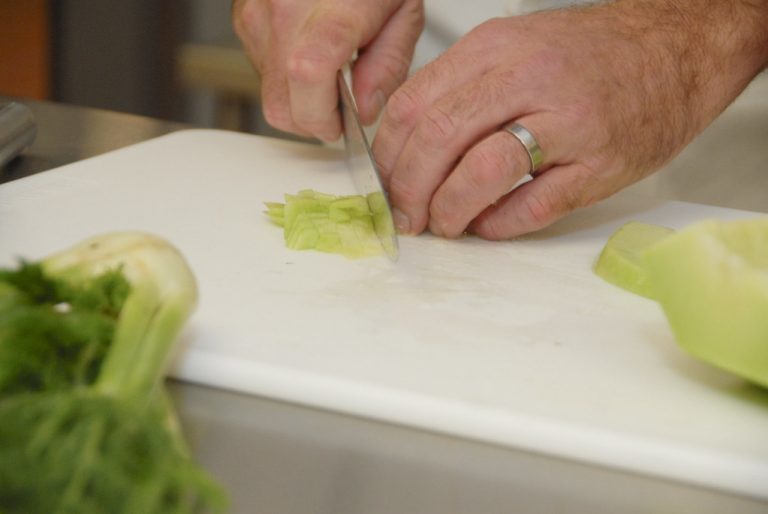
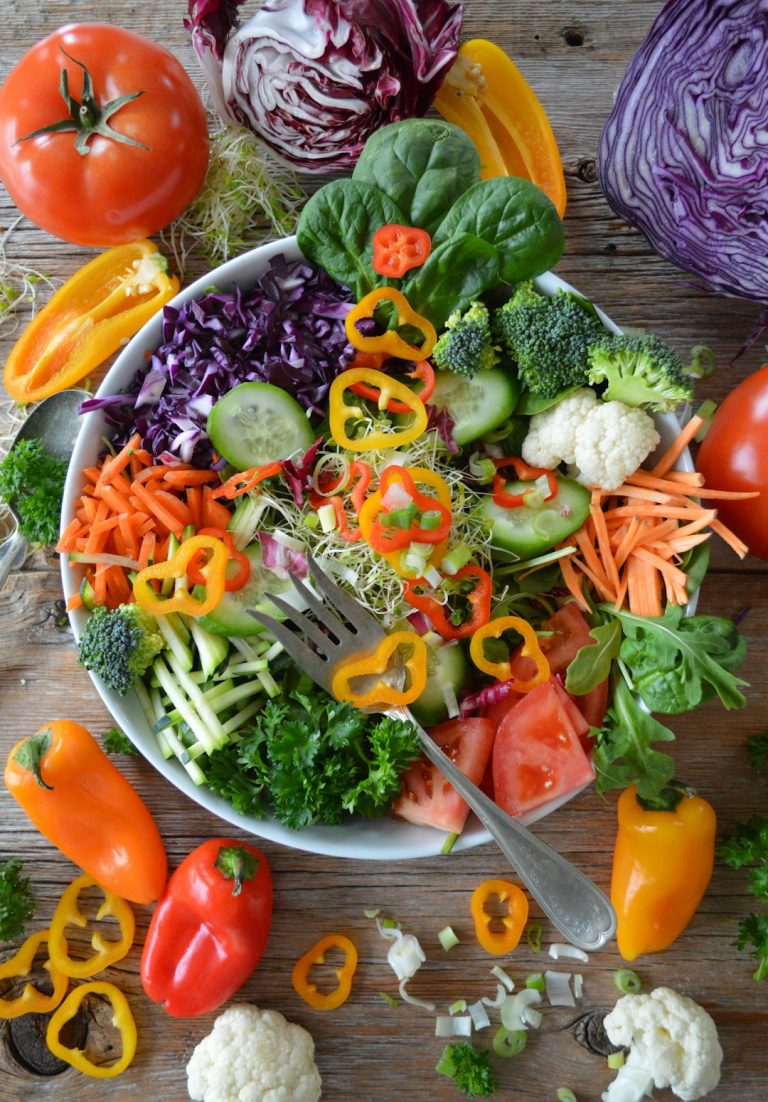
[IMAGE: organic vegetables]
The Best Organic Foods for a Gut-Friendly Clean Eating Plan
If you want to improve digestion through nutrition, the most effective strategy is to build meals around ingredients that feed beneficial bacteria, support regularity, and reduce inflammatory triggers. The following organic foods deserve special attention because they are both nourishing and easy to incorporate into everyday life.
Fiber-rich organic vegetables and fruits
Fiber is one of the most valuable nutrients for gut health. It helps move food through the digestive tract, supports regular bowel movements, and feeds friendly bacteria in the colon. Organic vegetables and fruits are often the backbone of a healthy diet because they provide fiber, water, antioxidants, and essential vitamins in a naturally balanced form.
- Leafy greens such as kale, spinach, and arugula
- Cruciferous vegetables like broccoli, cauliflower, and Brussels sprouts
- Root vegetables such as carrots, beets, and sweet potatoes
- Berries, especially blueberries, raspberries, and strawberries
- Apples, pears, and citrus fruits
If bloating is a concern, start with cooked vegetables rather than large raw salads. Cooking can make fiber easier to tolerate while still supporting a clean eating approach.
Fermented foods that support microbial diversity
Fermented foods can be a powerful addition to an organic food routine because they contain live cultures that may support the microbiome. Not everyone tolerates them equally well, so small portions are usually the best place to begin.
- Organic plain yogurt or kefir
- Sauerkraut made with minimal ingredients
- Kimchi with low added sugar
- Miso in soups or dressings
- Tempeh for plant-based meals
These foods are especially useful if your typical diet has been heavy in processed snacks, refined sugar, or takeout meals. A few spoonfuls or a small serving can make a difference without overwhelming the digestive system.
Prebiotic foods that feed beneficial bacteria
Prebiotics are a type of fiber that acts like fuel for good bacteria. They are an essential part of a gut-supportive nutrition strategy because they help beneficial microbes thrive. Organic foods rich in prebiotics can make your meals more satisfying while also contributing to digestive balance.
- Garlic and onions
- Leeks and asparagus
- Bananas, especially slightly green ones
- Oats and barley
- Cooked and cooled potatoes or rice in moderate portions
When combined with probiotic foods, prebiotics can create a more supportive environment for your digestive system. This pairing is one of the most practical ways to improve nutrition without relying on supplements.
Gentle proteins and healthy fats
Protein and fat are not just for satiety. They help stabilize energy, keep cravings under control, and make meals feel complete. For gut health, the key is to choose sources that are clean, minimally processed, and easy on digestion.
- Organic eggs
- Wild-caught fish
- Organic chicken or turkey
- Tofu and tempeh
- Avocados, olive oil, chia seeds, and flaxseeds
- Raw nuts and seeds in moderate portions
These foods can help build a balanced clean eating plate, especially when paired with vegetables and whole grains. They also make a healthy diet more sustainable because you are less likely to feel deprived.
What a Gut-Friendly Plate Looks Like in Real Life
One reason people struggle with healthy eating is that advice often sounds impressive but feels impractical. The good news is that a gut-friendly plate does not need to be complicated. In fact, the simplest meals are often the easiest to digest and the easiest to repeat.
Imagine building each meal around three core elements: fiber, protein, and healthy fat. Add a fermented food when it fits, and you have a strong foundation for both gut support and weight loss.
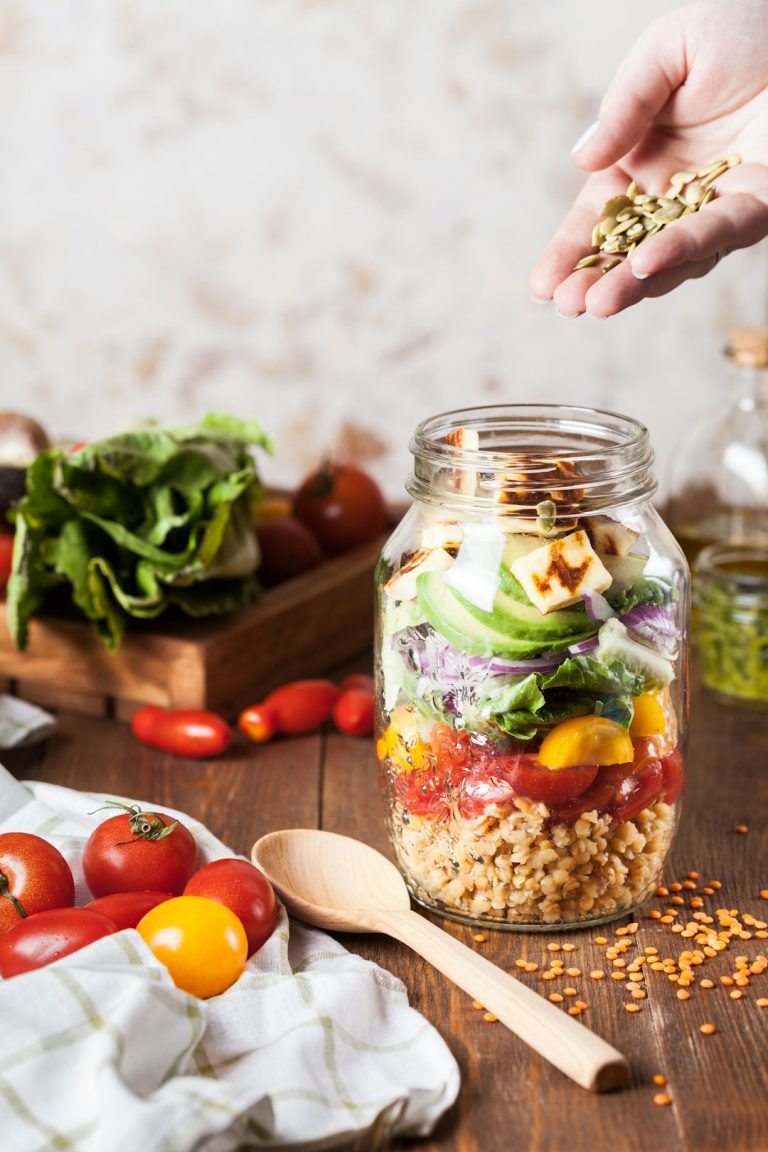
[IMAGE: healthy meal]
Breakfast ideas that support digestion
- Organic oats topped with berries, chia seeds, and plain yogurt
- Scrambled eggs with spinach, avocado, and a slice of whole-grain toast
- Green smoothie with kale, banana, kefir, and ground flaxseed
- Warm quinoa bowl with cinnamon, walnuts, and apple slices
A gut-friendly breakfast should feel steady, not sugary. If your first meal sends your blood sugar on a roller coaster, the rest of the day often becomes harder to manage.
Lunch ideas that keep energy stable
- Grilled organic chicken with roasted vegetables and brown rice
- Lentil soup with carrots, celery, garlic, and herbs
- Salmon salad with cucumber, greens, pumpkin seeds, and olive oil dressing
- Tofu bowl with broccoli, sweet potato, and sauerkraut
Lunch is a great place to use leftovers from dinner. That approach saves time, reduces food waste, and makes clean eating more realistic during a busy week.
Dinner ideas that are gentle and satisfying
- Baked fish with asparagus and mashed cauliflower
- Turkey meatballs with zucchini noodles and tomato sauce
- Chickpea and vegetable stew with herbs and olive oil
- Stir-fried tofu with bok choy, mushrooms, and ginger
Evening meals work best when they are comforting without being heavy. If you often go to bed feeling overly full, reducing fried foods and oversized portions can make a meaningful difference in digestion and sleep quality.
Foods and Habits That Can Undermine Gut Health
Supportive foods matter, but so does reducing the habits that create digestive stress. Many people think they need a strict detox diet when what they really need is a more thoughtful daily routine. The goal is not punishment. The goal is to remove obstacles that interfere with the body’s natural balance.
Highly processed foods and excess sugar
Ultra-processed foods are often low in fiber and high in refined oils, added sugars, and chemical additives. Over time, they can crowd out the more nourishing foods your gut needs. Excess sugar may also encourage less favorable microbial patterns and leave you feeling hungrier sooner.
That does not mean you can never enjoy dessert or convenience foods. It does mean your routine should not revolve around them. The more often you choose organic food in its natural state, the more your body has a chance to thrive.
Common digestion disruptors to watch
- Eating too quickly and not chewing well
- Skipping meals and then overeating later
- Drinking too little water throughout the day
- Using food to cope with stress instead of hunger
- Large late-night meals that sit heavy in the stomach
- Too much alcohol or caffeine for your personal tolerance
Which of these feels most familiar to you? Often, progress comes not from a radical diet overhaul but from making a few consistent corrections.
Why a gentle detox approach works better than extreme restriction
When people hear the phrase detox diet, they sometimes imagine juice-only plans or dramatic cleanses. In reality, your liver, kidneys, and digestive system already do a remarkable job of detoxification. The smarter approach is to support those systems with hydration, fiber, sleep, movement, and cleaner food choices.
Organic vegetables, fresh fruit, herbal teas, fermented foods, and whole grains can be part of a gentle reset. Instead of starving your body, you are giving it tools to function well. That is a much more sustainable path to improved nutrition and long-term weight loss.
A Simple Organic Food Reset for Better Digestion
If you feel out of sync with your eating habits, a short reset can help you return to structure without becoming overly restrictive. This is not a crash diet. It is a practical way to re-center your meals around foods that are easier to digest and more satisfying to eat.
Day 1: Simplify and hydrate
- Start the morning with warm water or herbal tea
- Choose an organic breakfast with protein and fiber, such as oats with yogurt and berries
- Build lunch around vegetables, lean protein, and a whole grain
- Keep snacks simple: apple slices, nuts, or plain kefir
- Eat dinner earlier and keep portions moderate
The purpose of day one is not to be perfect. It is to reduce digestive noise and create a calmer rhythm.
Day 2: Add fermentation and prebiotic support
- Include sauerkraut, yogurt, kefir, or miso in one meal
- Add garlic, onions, oats, or asparagus for prebiotic fiber
- Choose cooked vegetables if your stomach feels sensitive
- Continue drinking water consistently throughout the day
Notice how your body responds. Do you feel lighter, more energized, or less bloated after meals?
Day 3: Build a repeatable rhythm
- Create a grocery list based on the meals that felt best
- Prep proteins and vegetables in advance
- Choose one breakfast, one lunch, and one dinner you can repeat next week
- Remove or reduce the foods that made you feel sluggish
The point of a reset is not short-term discipline. It is discovering what makes your body feel best so you can turn that insight into a sustainable healthy lifestyle.
How to Shop for Organic Foods Without Overcomplicating It
One of the biggest barriers to clean eating is decision fatigue. The grocery store can feel overwhelming when every package makes a health claim. A focused shopping strategy keeps you on track and prevents impulse purchases that do not support your goals.
Start with the foods you eat most often
If your budget is limited, prioritize organic versions of the items you buy regularly and eat with the skin on, such as berries, leafy greens, apples, peppers, and cucumbers. This is a practical way to make organic food work for your real life without forcing an all-or-nothing mindset.
Choose fewer products with shorter ingredient lists
When comparing packaged items, scan for simple ingredient lists. You do not need a pantry full of specialty products. A few versatile staples can support a full week of nutritious meals:
- Organic oats
- Brown rice or quinoa
- Olive oil
- Eggs or tofu
- Frozen organic vegetables
- Plain yogurt or kefir
- Nuts, seeds, and herbs
This kind of shopping pattern also makes meal prep faster, which is one of the most reliable ways to stay consistent with a healthy diet.
Frozen organic foods are a smart option
Fresh produce is wonderful, but frozen organic vegetables and fruits can be just as valuable. They are often picked at peak ripeness and stored in a way that preserves nutrients. For busy people, frozen options reduce waste and make it easier to cook a healthy meal in minutes.
Meal Prep Ideas That Make Clean Eating Easier
Meal prep is not about spending your entire Sunday cooking. It is about making the healthiest choice the easiest choice. When your fridge contains ready-to-use organic ingredients, you are far less likely to reach for ultra-processed convenience foods when you are tired or hungry.
Prep once, build multiple meals
- Roast a tray of vegetables: carrots, broccoli, and sweet potatoes
- Cook a grain: quinoa, brown rice, or oats
- Prepare a protein: eggs, chicken, tofu, or lentils
- Mix a dressing: olive oil, lemon, herbs, and mustard
- Wash and store berries, greens, and cucumbers for quick use
With these components ready, you can make bowls, salads, wraps, soups, and breakfast plates without starting from scratch each time.
Examples of a one-hour prep session
In just one hour, you could roast vegetables, cook a pot of lentil soup, boil eggs, prepare a fruit-and-yogurt snack box, and chop salad ingredients for two days. That is enough structure to support weight loss, reduce stress, and keep your nutrition on track even during a packed week.
Think of meal prep as a form of self-respect. You are not just feeding the moment in front of you; you are caring for tomorrow’s energy, mood, and digestion too.
Gut-Friendly Habits Beyond Food
It is tempting to believe that the right food alone can solve every health concern. But digestion is influenced by more than meals. Sleep, movement, hydration, and stress all affect how well your gut functions. If you want meaningful results, support your nutrition with habits that create a calmer internal environment.
Sleep is part of digestion
Poor sleep can affect hunger hormones, cravings, and digestive comfort. When you are sleep-deprived, you are also more likely to reach for sugary, salty, or highly processed foods. A consistent sleep schedule helps regulate appetite and gives the body time to repair.
Movement improves circulation and regularity
You do not need intense training every day to support your gut. Walking after meals, stretching, yoga, and light strength training can all help the digestive system work more smoothly. This is one reason a fitness lifestyle and clean eating often complement each other so well.
[IMAGE: fitness lifestyle]
Stress management matters more than people think
Stress does not just live in the mind. It shows up in the body as tightness, poor sleep, emotional eating, and digestive discomfort. Even a few minutes of breathing, journaling, or stepping away from screens before meals can make your eating experience calmer and more mindful.
- Take three slow breaths before eating
- Eat without distractions when possible
- Pause halfway through the meal and check your fullness
- Go for a short walk after dinner
These habits may look small, but they can create a noticeable shift in how your body processes food and how you feel after meals.
Common Questions About Organic Foods and Gut Health
People often wonder whether they need an extreme approach to see results. The truth is usually more encouraging than that. Better digestion often comes from consistent, manageable habits rather than perfect compliance.
Can organic food alone fix bloating?
Organic food can support digestion, but bloating can have many causes, including food intolerances, eating too quickly, stress, or imbalanced meal patterns. The best results usually come from combining organic food with hydration, regular meals, and attention to how specific foods affect your body.
Do you need supplements for gut health?
Not always. Many people can improve digestion simply by eating more fiber-rich plants, fermented foods, and whole ingredients. Supplements may help in specific cases, but food should remain the foundation of nutrition whenever possible.
Is a detox diet necessary for better digestion?
Not in the extreme sense. Your body already has detoxification systems in place. What it needs is support: clean eating, enough water, quality sleep, and a steady intake of organic foods that are rich in fiber and nutrients. That approach is more sustainable and often more effective than a restrictive cleanse.
What if you want weight loss without feeling deprived?
That is exactly where a gut-friendly organic eating pattern can shine. When meals are balanced and satisfying, you are less likely to overeat later. You also tend to feel better in your body, which makes healthy habits easier to maintain. Who wants a diet that feels miserable when a nourishing routine can be both effective and enjoyable?
How to Make This Lifestyle Stick Long Term
The best nutrition plan is the one you can actually live with. A healthy diet built around organic food should feel supportive, not exhausting. Start with the foods that feel good in your body, repeat your favorite meals, and keep your routine flexible enough to survive busy weeks.
Consistency matters more than dramatic change. If you can create a pattern of organic breakfasts, fiber-rich lunches, lighter dinners, and a few gut-supportive habits, you are already doing something powerful for your health. Over time, those choices can influence energy, digestion, and even your approach to weight loss in a way that feels natural rather than forced.
The most important step is to stay curious about your body. Notice what helps you feel light, satisfied, and energized. Notice which foods leave you bloated, sluggish, or craving more. The answers are often already there, waiting for you to pay attention. And once you do, clean eating becomes less of a trend and more of a personal system for living well.
If you are ready to keep building a healthier routine, explore more expert articles on DietOrganic and use them as a guide for your next meal, your next grocery run, and your next step toward a stronger, calmer, more energized body.
About the Author