

Photo by Calvin Shelwell on Unsplash
Digestive comfort is one of the clearest signs that your eating habits are working with your body, not against it. When people think about organic food, they often picture fresher produce or fewer pesticide residues, but the bigger story is more meaningful: an organic diet built around clean eating can support smoother digestion, calmer bloating, steadier energy, and even healthy weight loss. If you have ever wondered why some meals leave you light and focused while others leave you sluggish, the answer often begins in the gut.
A healthy digestive system does more than process food. It influences how you absorb nutrition, how stable your appetite feels, how often cravings hit, and how confident you feel in your own healthy lifestyle. That is why gut health has become such a central topic in modern nutrition. The better you care for your microbiome, the easier it becomes to enjoy food without discomfort, to follow a detox diet that actually feels nourishing, and to maintain the kind of daily rhythm that makes weight loss more realistic and less frustrating.
This guide explores the best organic foods for gut health, how clean eating supports digestion, and what practical changes can make a noticeable difference in a matter of days. You do not need a restrictive plan or a cupboard full of supplements. You need a few smart choices, the right food combinations, and a realistic approach that fits your life. So ask yourself: are your current meals feeding your energy, or are they slowly draining it?
Why Gut Health Matters More Than Most Diets Admit
The gut is often called the body’s second brain for a reason. It helps regulate digestion, immune response, mood, and even how satisfied you feel after a meal. When your gut environment is balanced, you usually notice better regularity, fewer digestive surprises, and a more stable appetite. When it is not balanced, even wholesome meals can feel heavy, and healthy eating can start to seem harder than it should be.
For anyone interested in organic food and clean eating, this matters because food quality influences how comfortably you digest what you eat. Highly processed foods often lack the fibre, natural enzymes, and nutrient density that support the microbiome. By contrast, a diet built on organic vegetables, whole grains, fermented foods, and minimally processed proteins gives your digestive system the raw materials it needs to do its job well.
How the microbiome shapes daily energy
Your microbiome is the community of bacteria and other microbes living in your digestive tract. Some of these organisms support digestion, help break down fibre, and assist with vitamin production. Others become more active when your diet is high in sugar, low in fibre, or overloaded with ultra-processed ingredients. That imbalance can influence bloating, irregularity, sugar cravings, and that familiar afternoon slump many people blame on stress alone.
What is encouraging is that the microbiome responds quickly to change. When you increase your intake of organic food that is rich in fibre and natural plant compounds, your gut can start shifting toward a healthier balance. This is one reason people often feel better within a short time after moving to clean eating. It is not magic. It is nutrition in action.
Why organic food can feel gentler
Organic food is not automatically perfect, but it often comes with fewer synthetic pesticides, fewer additives, and a stronger focus on whole, minimally processed ingredients. For sensitive digestive systems, that can make a real difference. Some people notice less irritation when they reduce their exposure to heavily processed snacks, artificial sweeteners, and overly refined foods. Others simply feel more satisfied because organic meals usually contain more real nutrition per bite.
If you are trying to improve digestion while supporting weight loss, this gentler approach matters. When your food is easier to process, your body may be less likely to respond with sluggishness, bloating, or random cravings. That does not mean every organic product is healthy, but it does mean the overall pattern of a well-designed organic diet can support a calmer gut.
The Best Organic Foods That Support Digestion
Not all organic food plays the same role in gut health. Some foods nourish beneficial bacteria, some help move waste through the digestive tract, and others calm inflammation or make meals feel more balanced. The goal is not to eat everything at once. The goal is to build a varied routine that gives your gut several kinds of support throughout the week.
A strong gut-friendly plate usually includes a mix of fibre, water, prebiotics, probiotics, and quality protein. That combination helps your digestion work more efficiently and can make clean eating feel more satisfying. Think of it as feeding both yourself and the ecosystem inside you.
Fermented foods that deliver friendly bacteria
Fermented organic foods are among the most valuable options for digestive support. They contain live cultures that can contribute to a healthier microbial balance, especially when eaten regularly. These foods are also easy to use in meals, which makes them ideal for busy people who want practical nutrition rather than complicated rules.
- Organic plain yogurt
- Kefir made with simple ingredients
- Sauerkraut with no unnecessary additives
- Kimchi made from real vegetables and spices
- Miso added to soups and broths
- Tempeh as a plant-based protein choice
Fermented foods are especially useful if you are trying to support a gentle detox diet. They do not cleanse your body in the dramatic way some marketing claims suggest, but they can help you build a more balanced and resilient digestive environment. When combined with fibre-rich produce, they create a strong foundation for better nutrition and daily comfort.
Fiber-rich produce that keeps things moving
Fibre is one of the most important nutrients for gut health, yet many people fall short of getting enough. Organic vegetables and fruits are a simple way to raise fibre intake without making meals feel heavy or artificial. Fibre supports regularity, helps feed beneficial gut bacteria, and can make weight loss easier by improving fullness after meals.
- Leafy greens such as spinach, kale, and romaine
- Apples, pears, and berries
- Carrots, beets, and sweet potatoes
- Broccoli, cauliflower, and Brussels sprouts
- Avocados for fibre and healthy fats
- Artichokes and asparagus for extra prebiotic support
The key is variety. Different plants feed different microbes, which is why an organic diet built around colourful produce tends to work better than repeating the same salad every day. If your digestion feels sluggish, ask yourself whether your meals have enough colour, texture, and plant diversity to truly support your body.
Prebiotic staples that feed your microbiome
Prebiotics are the non-digestible fibres that feed the beneficial bacteria already living in your gut. They are not as famous as probiotics, but they are just as important. Without prebiotics, your good bacteria do not have enough fuel to thrive. That is why the most effective clean eating routines pair fermented foods with prebiotic-rich ingredients.
Good organic prebiotic foods include onions, garlic, leeks, bananas, oats, flaxseeds, chia seeds, and cooked-and-cooled potatoes or rice. These foods are simple, inexpensive, and easy to add to breakfast, lunch, or dinner. A bowl of oats with berries and chia seeds in the morning can do more for your gut than many expensive packaged products.
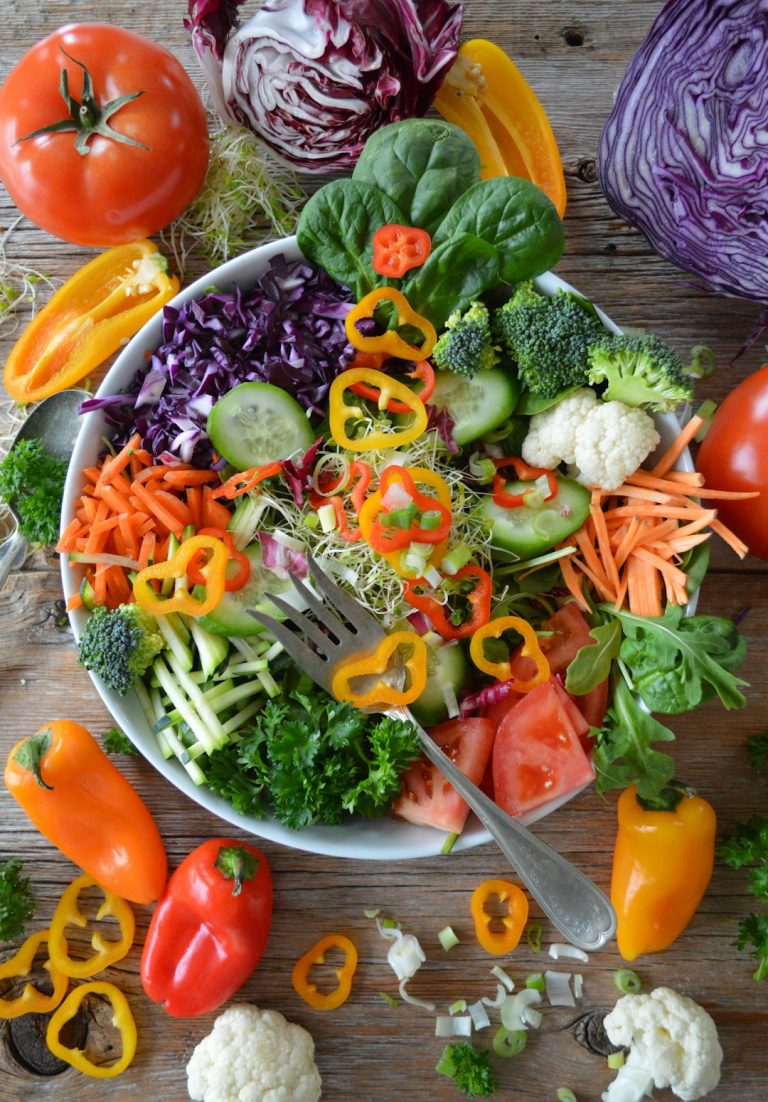
[IMAGE: organic vegetables]
Organic protein and fats that reduce digestive strain
Protein matters because it helps stabilise appetite and supports healthy muscle maintenance, which is important for long-term weight loss and metabolic health. The right fats also help you absorb fat-soluble vitamins and make meals feel more complete. But the quality of protein and fats matters. Meals that are too greasy, overly processed, or packed with heavy sauces can slow digestion and leave you feeling uncomfortable.
Choose organic eggs, wild fish when possible, organic poultry, lentils, chickpeas, tofu, tempeh, walnuts, pumpkin seeds, olive oil, and avocado. These foods are usually easier to fit into a healthy lifestyle because they work in simple meals without requiring much preparation. When combined with vegetables and fibre, they create balanced plates that support digestion instead of overwhelming it.
How Clean Eating Builds a More Predictable Gut
Clean eating is often misunderstood as a strict set of rules, but in practice it is simply a pattern of eating that puts real food first. For gut health, this approach is powerful because it removes many of the common triggers that leave people feeling bloated, heavy, or inconsistent. The fewer highly processed ingredients you rely on, the easier it becomes to notice what your body actually needs.
That clarity matters. When you eat clean for long enough, you begin to recognise which foods energise you, which combinations sit well, and which habits leave your digestion unsettled. This self-awareness is one of the most underrated tools in nutrition. It gives you more control without making you obsessive.
The balanced plate formula
If you want a practical way to build gut-friendly meals, use a simple formula: fill half the plate with organic vegetables, one quarter with quality protein, and one quarter with smart carbohydrates such as quinoa, brown rice, oats, or sweet potatoes. Add a modest amount of healthy fat, and you have a meal that is likely to digest more smoothly than a large portion of refined food.
- Half the plate: colourful vegetables and leafy greens
- One quarter: protein such as eggs, fish, beans, or tempeh
- One quarter: fibre-rich carbohydrates
- Small amount: olive oil, avocado, seeds, or nuts
This method is especially helpful for weight loss because it naturally controls portions while keeping you full. It also reduces the urge to snack mindlessly later in the day. When meals are balanced, blood sugar tends to stay steadier, and that means fewer cravings and less digestive stress.
Foods to ease back on when your gut feels off
Most people do not need to eliminate entire food groups to improve digestion. They simply need to reduce the foods that create the most irritation. Common culprits include fried foods, heavy cream-based dishes, refined sugar, artificial sweeteners, and oversized portions of ultra-processed snacks. Alcohol can also make bloating and irritation worse for some people, especially when combined with low-fibre eating habits.
If you are trying to support a gentle detox diet, think in terms of subtraction, not punishment. What can you remove for a few days so your gut has more space to recover? Often the answer is less sugar, fewer packaged snacks, and more whole organic food that comes from plants or minimally processed sources. That kind of reset is usually more effective than a dramatic cleanse.
A simple check-in question
Before every meal, ask yourself: will this food make me feel nourished, or just temporarily full? That one question can improve decision-making more than any complicated plan. It shifts your focus from impulse to intention, which is exactly what a sustainable healthy lifestyle requires.
Does a Detox Diet Help or Hurt the Gut?
The word detox is everywhere, but not all detox diets are created equal. Some are extreme, low in calories, and difficult to sustain. Others are simply a short period of cleaner eating that helps you reduce irritants and return to better habits. For gut health, the second version is far more useful. Your body already has built-in detoxification systems through the liver, kidneys, skin, and digestive tract. Food should support those systems, not overwhelm them.
A gut-friendly detox diet does not mean drinking nothing but juices or cutting out entire food groups for no reason. It means stepping back from processed foods, adding hydration, and filling your plate with nutrient-dense organic food. It is a reset, not a punishment.
What a gentle detox really means
A gentle detox is best understood as a clean eating phase that gives your body a break from the most disruptive foods. It may include more vegetables, more water, more herbal tea, and fewer ingredients that trigger digestive discomfort. The goal is to reduce inflammation and simplify digestion so your system can settle.
This is where organic food is especially useful. When you build meals from whole ingredients, you are less likely to consume hidden sugars, artificial additives, and excess sodium. Those ingredients can make digestion feel harder, increase water retention, and leave you feeling mentally foggy. A cleaner pattern often leads to a lighter, more organised feeling overall.
Hydration and herbal support
Digestion depends on water. If you are underhydrated, fibre cannot do its job properly, and your gut may feel sluggish. Start the day with water, and keep a bottle nearby. Herbal teas such as peppermint, ginger, fennel, and chamomile can also be comforting, especially after meals.
- Warm water with lemon in the morning
- Peppermint tea after a heavy meal
- Ginger tea for a calmer stomach
- Fennel tea if bloating is a recurring issue
- Chamomile tea before bed for relaxation
These drinks are simple, but simplicity is often the point. If you are trying to improve nutrition and digestion at the same time, start with habits you can repeat consistently. The best detox diet is the one you can actually live with.
A one-day reset menu
Breakfast could be oats with chia seeds, berries, and a spoonful of yogurt. Lunch might be a bowl of leafy greens, avocado, cucumber, quinoa, and grilled chicken or tofu. Dinner could include roasted vegetables, salmon or tempeh, and a side of sweet potato. Add one or two herbal teas, and you have a gentle reset that feels satisfying rather than restrictive.
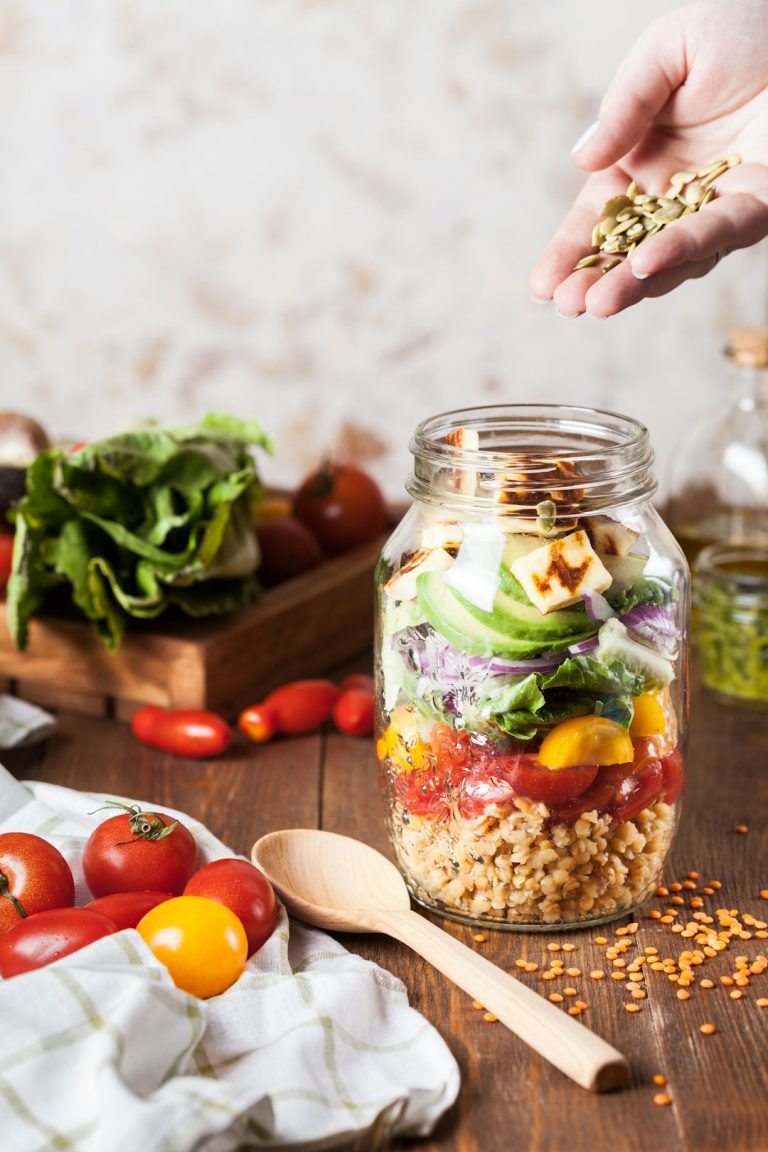
[IMAGE: healthy meal]
Organic Meal Ideas for Busy Days
One reason people give up on healthy eating is that they imagine it will take too long. In reality, many of the best gut-friendly meals are simple. A smart organic diet depends less on elaborate recipes and more on repeatable combinations that fit your schedule. If a meal can be prepared quickly and still leaves you energised, it deserves a place in your routine.
Busy people especially benefit from having a few go-to options ready. When you do not have to think too hard, you are less likely to fall back on processed convenience foods. That alone can improve digestion and support weight loss over time.
Breakfast ideas that wake up digestion
Breakfast is an easy place to support your gut because you can combine fibre, protein, and live cultures in one meal. A nourishing start can also reduce cravings later in the day. If mornings are hectic, prepare ingredients the night before so your best choice is also the easiest choice.
- Organic yogurt with berries, flaxseed, and oats
- Overnight oats with chia seeds and sliced banana
- Veggie omelette with spinach, onions, and tomatoes
- Smoothie with kefir, greens, berries, and avocado
- Whole-grain toast with nut butter and fruit
These meals work because they are balanced. They do not overload the stomach with sugar, and they give your digestive system a steady, manageable workload early in the day. That can translate into better concentration, more stable energy, and less urgency around snacking.
Lunch and dinner ideas for steady energy
For lunch and dinner, think in terms of bowls, salads, soups, and simple plates built around whole ingredients. Organic vegetables can be roasted, steamed, sauteed, or eaten raw depending on what your gut tolerates best. Cooked vegetables are often easier to digest, especially when your system feels sensitive.
- Quinoa bowl with roasted vegetables, chickpeas, and tahini
- Salmon with broccoli, brown rice, and olive oil
- Chicken or tofu stir-fry with ginger and garlic
- Lentil soup with carrots, celery, and leafy greens
- Turkey lettuce wraps with avocado and salsa
Notice how these meals are built around basic nutrition rather than complicated rules. They are satisfying enough for weight loss without feeling like diet food. That balance is what makes clean eating sustainable.
Snacks that support your gut, not your cravings
Smart snacks can prevent overeating later, but only if they actually satisfy you. A packet of crackers or a sugar-heavy bar may quiet hunger for a moment, yet it often leaves you wanting more. Better options combine fibre, protein, or healthy fat in a simple format that does not disrupt digestion.
- Apple slices with almond butter
- Carrot sticks with hummus
- A small bowl of kefir with cinnamon
- Handful of walnuts and pumpkin seeds
- Cucumber slices with guacamole
These snacks are useful because they keep the day steady. They also make a healthy lifestyle feel realistic instead of rigid. If you are building better habits, a snack should help you stay calm, not trigger another craving loop.
[IMAGE: fitness lifestyle]
A sample afternoon reset
If your energy dips every afternoon, try a short reset: drink water, take a five-minute walk, and choose a protein-rich snack with fibre. This small routine can reduce stress eating and improve digestion at the same time. It is one of the simplest ways to stay on track without needing willpower every hour.
Lifestyle Habits That Make Organic Nutrition Work Better
Food matters, but the rest of your routine matters too. The way you sleep, move, breathe, and handle stress can change how your gut responds to even the healthiest meal. This is why some people eat clean and still feel uncomfortable: their digestive system is under constant pressure from poor sleep, rushed meals, or chronic stress.
The good news is that small daily habits can improve results faster than many people expect. You do not need a dramatic transformation. You need enough consistency to give your body a pattern it can trust.
Stress, sleep, and chewing slowly
Your body digests food more efficiently when it is not in a constant state of tension. Stress can affect stomach acid, bowel habits, and appetite regulation. Poor sleep can intensify cravings and make digestion less predictable. Even the simple act of eating too quickly can cause air swallowing, discomfort, and bloating.
Try these habits for better digestion:
- Eat without screens when possible
- Chew each bite thoroughly
- Pause halfway through meals and check your fullness
- Protect your bedtime routine
- Use deep breathing before eating if you feel rushed
These changes may seem small, but they are powerful. A healthy gut is not just about what you eat. It is about how you eat it.
Movement as digestion support
Regular movement helps support bowel motility, blood flow, and overall metabolic health. You do not need intense exercise to help your digestion. A walk after meals, a light yoga session, or a short stretch break can make a difference. Movement also supports weight loss by improving energy expenditure and helping you stay in tune with hunger and fullness signals.
The key is to treat movement as part of your nutrition strategy, not something separate from it. Together, they create a healthy lifestyle that is easier to maintain. When food and movement work in the same direction, the results usually feel more natural.
What a simple active day looks like
Imagine a day with a balanced breakfast, a lunch built from organic vegetables and protein, a short walk after work, a properly hydrated afternoon, and a calm dinner that is light but satisfying. That rhythm supports the gut in a way that no quick fix can match. It also feels human, which is important if you want long-term change.
Common Mistakes to Avoid When Choosing Organic Food
Organic food can be a smart part of a healthy diet, but there are still mistakes to avoid. People sometimes assume that anything labelled organic is automatically beneficial, or they accidentally replace one processed habit with another. If your goal is better digestion, the details matter.
Understanding these mistakes can save you from frustration and help you get more from your nutrition choices. The point is not perfection. The point is to avoid habits that quietly undermine your progress.
Thinking organic is automatically healthy
Organic cookies are still cookies. Organic chips are still chips. Organic sugar is still sugar. The organic label says something useful about how ingredients were grown or produced, but it does not turn a low-nutrient product into a gut-friendly one. For digestive health and weight loss, the broader food pattern still matters most.
A better question to ask is: does this food support my energy, my digestion, and my goals? If the answer is no, the organic label alone is not enough.
Piling on too much fibre too quickly
Fibre is excellent for the gut, but suddenly increasing it can lead to gas, bloating, and discomfort. If your current diet is low in plant foods, increase fibre gradually. Add one extra serving of vegetables, a spoonful of chia or flaxseed, or a new fruit each day. Let your digestive system adapt.
This step is especially important if you are starting a detox diet or moving into cleaner eating after a period of processed food. Gentleness usually works better than sudden restriction.
Chasing extremes instead of consistency
Some people try to overhaul everything in one week, then burn out. Others follow a perfect plan on Monday and abandon it by Friday. Neither approach helps much. A healthier strategy is to build a few repeatable habits that you can sustain without drama. That is how organic food becomes part of your life instead of a temporary experiment.
Consistency beats intensity when it comes to nutrition. The gut responds to patterns, not short bursts of effort.
A Simple 7-Day Organic Gut Reset
If you want to put everything together without feeling overwhelmed, use a short reset as a starting point. The goal is not to diet aggressively. The goal is to create seven days of cleaner eating, better hydration, and better digestion so you can notice what changes when your meals become more intentional.
Days 1 and 2: simplify the plate
Begin by removing the most processed snacks, sugary drinks, and heavy takeout meals from your routine. Replace them with simple organic food such as yogurt, vegetables, fruit, eggs, oats, soup, and lean protein. Keep portions moderate, and drink more water than usual.
You may notice less bloating very quickly simply because your meals are easier to digest. That early win can build momentum.
Days 3 and 4: add fermented and prebiotic foods
Now bring in kefir, sauerkraut, kimchi, onions, garlic, bananas, oats, and flaxseed. These foods feed the microbiome from different angles. Pair them with vegetables and proteins so you stay full and satisfied. Ask yourself whether your meals look more colourful than they did on day one.
Colour is a useful clue. A plate full of colour usually means a wider range of plant nutrients and better nutrition overall.
Days 5 through 7: lock in the rhythm
By now your body should have a clearer pattern to work with. Keep meals consistent, continue hydrating well, and move your body daily. A walk after dinner, a light workout, or a few stretches before bed can help your digestion settle and improve sleep quality.
If you want to make this reset more effective, use it to pay attention. Which meals made you feel calm? Which ingredients worked best? Which snack satisfied you without triggering more cravings? Those observations are the beginning of a personalized healthy lifestyle.
When you understand your own digestion, organic food becomes more than a trend. It becomes a practical tool for feeling lighter, eating with confidence, and building a way of living that supports your body instead of fighting it. Keep exploring the recipes, meal plans, and clean eating strategies on DietOrganic, and let each new article give you another simple way to make nutrition work in real life.
About the Author