

Photo by https://kaboompics.com/ on Pexels
If you have ever tried to clean up your eating habits and still felt bloated, sluggish, or constantly hungry, your gut may be asking for more attention than your calorie count. The good news is that a smarter organic food routine can do more than make your plate look beautiful. It can support digestion, improve nutrition, reduce your exposure to unnecessary additives, and help you build a healthy lifestyle that feels sustainable instead of restrictive. When your meals are centered on clean eating and quality ingredients, your body often responds with more energy, fewer cravings, and a calmer digestive system. Isn’t that the kind of progress people really want when they think about weight loss?
Organic food is not a miracle cure, and it is not meant to be wrapped in hype. But when you choose thoughtfully grown produce, minimally processed proteins, and gut-friendly foods that your body can actually use well, you create a strong foundation for lasting wellness. In this guide, we will look at how organic choices can support better digestion, which foods deserve a place on your plate, and how to build a practical routine that blends nutrition, clean eating, and weight loss in a realistic way.
Why Gut Health Shapes Weight Loss and Everyday Energy
Your digestive system does far more than process meals. It helps regulate immunity, influences mood, affects blood sugar control, and plays a major role in how satisfied you feel after eating. When the gut is out of balance, even the most disciplined diet can feel frustrating. You may be eating enough, yet still feel tired. You may be trying to lose weight, yet you stay stuck in a cycle of cravings. You may be committed to a healthy diet, yet discomfort keeps getting in the way.
So what does a balanced gut actually change?
- It helps your body absorb key nutrients more efficiently.
- It can support steadier energy throughout the day.
- It may reduce the urge to snack mindlessly between meals.
- It contributes to a more comfortable digestive rhythm.
- It supports better progress when you are focused on weight loss.
This is why clean eating is about much more than avoiding junk food. It is about choosing organic food and simple meals that work with your biology instead of against it. The moment you start thinking of food as fuel for digestion, not just fuel for calories, the entire experience changes.
What Makes Organic Food a Smart Choice for Clean Eating
Organic food appeals to many people because it offers a more intentional approach to what goes on the plate. Organic farming standards vary by region, but the general idea is simple: fewer synthetic pesticides, fewer artificial ingredients, and more focus on natural growing practices. For someone building a healthy diet, that can matter more than they realize.
Less unnecessary exposure, more focus on real food
When you build meals around organic produce, organic eggs, organic dairy, or organic grains, you often end up avoiding heavily processed items by default. That shift alone can improve nutrition. Fresh organic vegetables, legumes, berries, nuts, and whole grains bring fiber, vitamins, minerals, and antioxidants to the table without the clutter of excess sugar and refined additives.
Cleaner choices can make healthy habits easier to maintain
Many people find that once they start buying organic food, they become more aware of labels, ingredients, and cooking methods. That awareness often leads to better decisions across the board. You may begin preparing your own meals more often, drinking more water, and reducing packaged snacks that do little for your digestion or weight loss goals. In that sense, organic eating can become the starting point for a broader healthy lifestyle.
Organic is not a magic shield
It is important to stay realistic. Organic cookies are still cookies. Organic soda is still soda. A bag of organic chips may still be highly processed. The real advantage comes when organic food is paired with clean eating principles, balanced portions, and a diet built from whole ingredients. That is where the benefits start to show up in how you feel, not just in what you buy.
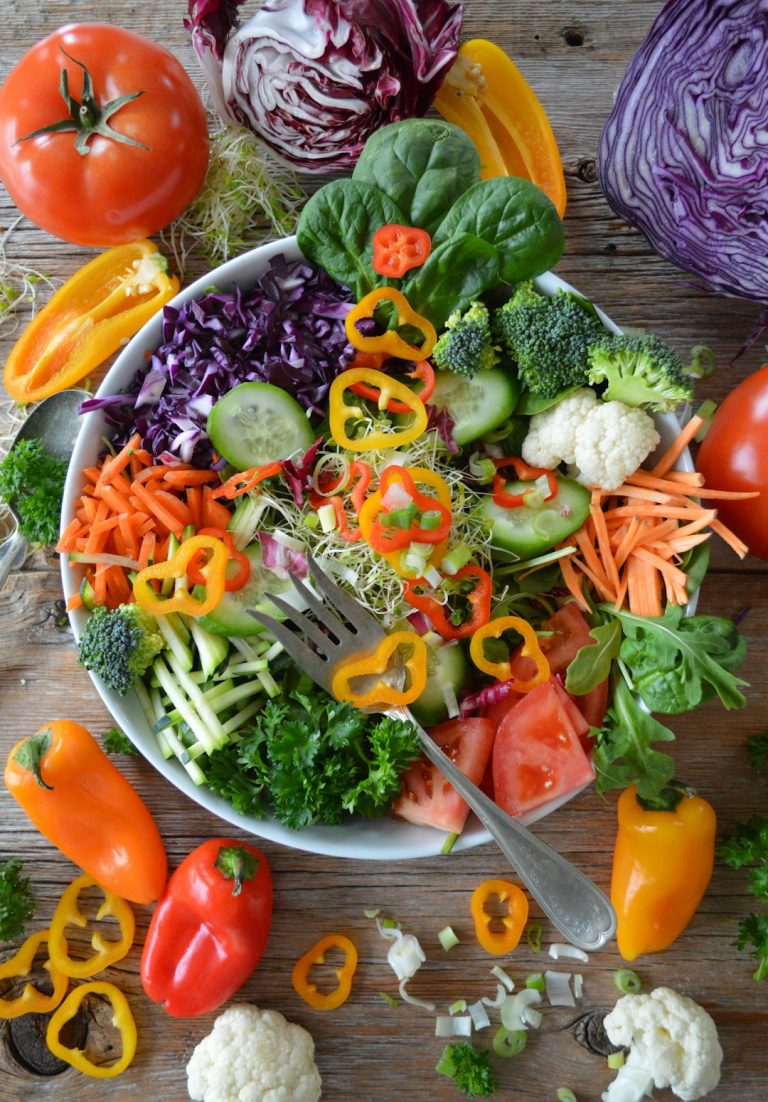
[IMAGE: organic vegetables]
The Best Organic Foods for Gut Health
Not every organic item has the same impact on digestion. Some foods are especially useful because they feed beneficial bacteria, calm inflammation, or support regular bowel movements. If you want to make your healthy diet more strategic, start with the categories below.
1. Fermented organic foods
Fermented foods can be a powerful part of a gut-friendly routine because they naturally contain beneficial bacteria or support microbial diversity. When purchased in organic form and chosen without excess sugar, they can fit beautifully into clean eating.
- Plain organic yogurt with live cultures
- Organic kefir
- Sauerkraut made with simple ingredients
- Kimchi with minimal additives
- Miso for soups and marinades
If you are new to fermented foods, start slowly. A small serving is often enough at first. Have you noticed how your body reacts when you introduce something new too quickly? Digestive health often improves when changes are gradual and consistent.
2. Fiber-rich organic produce
Fiber is one of the most important nutrients for digestion and weight loss. It supports regularity, helps you feel full after meals, and feeds the good bacteria that live in your gut. Organic produce is an easy way to increase your intake without overcomplicating your meals.
- Leafy greens such as spinach, kale, and arugula
- Berries, especially raspberries and blueberries
- Apples and pears with the skin on
- Carrots, beets, and sweet potatoes
- Artichokes and asparagus
- Oats, flaxseed, and chia seeds
These foods do not just improve nutrition on paper. They can make your meals more satisfying, which matters if you are trying to maintain a healthy diet without constant hunger.
3. Prebiotic staples that feed beneficial bacteria
Prebiotics are the fibers and compounds that nourish the microbes already living in your digestive tract. Think of them as the fertilizer that helps a healthy internal garden grow. Organic food choices can make it easier to include prebiotic staples regularly.
- Garlic
- Onions
- Leeks
- Asparagus
- Bananas that are slightly underripe
- Oats and barley
- Legumes such as lentils and chickpeas, if tolerated
Prebiotic foods work best when they appear often, not just once in a while. Add them to soups, salads, stir-fries, breakfasts, and grain bowls so your body receives steady support rather than a temporary boost.
4. Healthy fats that soothe and satisfy
Many people underestimate the role of fat in digestion. The right fats can help your meals feel more complete and may support a calmer inflammatory response. Organic food choices that include healthy fats can also improve satisfaction, making it easier to stick to clean eating and avoid random snacking.
- Avocados
- Extra virgin olive oil
- Walnuts
- Chia seeds
- Ground flaxseed
- Organic nut butters without added sugar
These ingredients are especially helpful if you need a meal to hold you longer between lunch and dinner. A little fat can go a long way in supporting weight loss by reducing overeating later in the day.
5. Gentle protein sources for a balanced plate
Protein supports muscle maintenance, stable energy, and satiety. If you are trying to create a healthy diet that feels natural instead of forced, choose protein sources that sit well with your body.
- Organic eggs
- Organic chicken or turkey
- Wild-caught fish
- Plain organic Greek yogurt
- Tofu and tempeh for plant-based eaters
- Lentils and beans, if your gut tolerates them well
Protein does not need to be heavy or complicated. Sometimes the easiest foods are the ones that help you stay consistent with nutrition long enough to see real results.
How to Build an Organic Gut-Friendly Plate
One of the easiest ways to avoid overthinking meals is to follow a simple plate method. Instead of chasing perfection, aim for balance. A good plate gives your body protein, fiber, healthy fat, and hydration all at once. This is where clean eating starts to feel practical.
Picture a lunch or dinner plate divided into a few simple sections:
- Half the plate: organic vegetables, raw or cooked
- One quarter: a quality protein source
- One quarter: a smart carbohydrate like quinoa, brown rice, or sweet potato
- Small addition: healthy fat from avocado, olive oil, seeds, or nuts
That formula is flexible enough for weight loss, energetic enough for active days, and gentle enough for most people who are trying to protect their digestion. If you are wondering whether your meals are balanced, ask yourself this: does this plate give me sustained energy, or does it leave me searching for a snack an hour later?
Sample meal ideas that support digestion
- Salmon with roasted organic vegetables and quinoa
- Egg scramble with spinach, onions, and avocado
- Chicken bowl with brown rice, cucumber, carrots, and olive oil
- Lentil soup with a side of fermented sauerkraut
- Plain yogurt with berries, chia seeds, and walnuts
These meals are simple enough for real life and balanced enough to support nutrition goals. They also help reduce decision fatigue, which is often one of the biggest hidden obstacles to healthy eating.
[IMAGE: healthy meal]
Clean Eating Habits That Strengthen Digestion
Organic ingredients matter, but habits matter just as much. A person can buy the best organic food in the store and still struggle with digestion if they eat too quickly, sleep poorly, or live on caffeine and stress. The body is a system, and your gut responds to the whole picture.
Eat slowly and chew more thoroughly
Digestion begins before food reaches the stomach. When you rush through meals, you make your gut work harder than it needs to. Slowing down can reduce bloating and help you notice fullness earlier, which is useful if your weight loss goals depend on better portion awareness.
Stay hydrated throughout the day
Water supports digestion, bowel regularity, and energy. Many people think they are hungry when they are actually underhydrated. If you are eating more fiber through organic food, hydration becomes even more important. A high-fiber diet without enough fluids can leave you feeling the opposite of how you hoped.
Reduce ultra-processed foods
Clean eating is easier when your pantry is not filled with highly refined snacks and packaged foods. These items often contain low-quality oils, excess sugar, and ingredients that do little for nutrition. If your goal is better gut health, the less you rely on heavily processed foods, the better your digestion may respond.
Respect portion size, even with healthy foods
Organic food can still be easy to overeat. Nuts, nut butters, dried fruit, granola, and even healthy oils add up quickly. A clean eating routine is not about eating as much as possible of the right foods. It is about eating the right amount in a way that leaves you comfortable and energized.
Be consistent, not extreme
Extreme rules tend to fail because they are hard to live with. A gentle routine is often more effective for long-term weight loss and digestive balance. Would you rather follow a plan for three stressed-out days, or a practical routine that you can actually enjoy for months? The answer is usually obvious once you shift your mindset.
Does a Detox Diet Help the Gut?
The phrase detox diet gets used so often that it can mean almost anything. In reality, your body already has built-in detox systems, including the liver, kidneys, lungs, and digestive tract. The smartest way to support those systems is not a crash cleanse. It is a steady pattern of organic food, hydration, sleep, and nutrient-dense meals.
If you want the benefits people often associate with a detox diet, focus on the habits below instead of shortcuts:
- Eat more fiber from organic vegetables, fruit, and whole grains
- Drink enough water to support regular elimination
- Limit alcohol and excess added sugar
- Include herbs, citrus, and bitter greens in meals
- Choose clean eating patterns over severe restriction
This approach is gentler on the body and much more likely to support weight loss in a sustainable way. It also reduces the chance of the rebound eating that often follows extreme detox plans. If the goal is better digestion, why punish the gut with deprivation?
Better than a cleanse
A diet built around organic food can naturally support the body’s normal cleansing pathways. A breakfast of oats, berries, and yogurt. A lunch of leafy greens, grilled protein, and olive oil. A dinner with vegetables, legumes, or fish. These meals may not sound flashy, but they are the kind of nourishment that quietly improves nutrition and consistency.
Organic Foods to Limit If You Have a Sensitive Gut
Even the best organic food can be challenging for some people if their digestive system is sensitive. The key is to notice patterns instead of assuming that every healthy food is automatically right for you. Gut health is personal.
- Large amounts of raw cruciferous vegetables
- Very spicy fermented foods if you are not used to them
- High-FODMAP foods such as onions, garlic, or beans if they trigger symptoms
- Too much caffeine on an empty stomach
- Heavy servings of nuts and seeds in one sitting
- Sweetened organic snacks that seem healthy but still contain a lot of sugar
Being careful does not mean being fearful. It means respecting your body’s signals and adjusting with intelligence. Clean eating should make life easier, not more stressful.
How to tell what works for you
Try keeping a simple food and symptom journal for two weeks. Note what you ate, how you felt after meals, your energy, your digestion, and any bloating or discomfort. Patterns often become clear much faster than people expect. That information is far more valuable than guesswork.
A Simple One-Day Organic Menu for Better Digestion
If you are ready to make your healthy diet more practical, use this simple sample day as a starting point. It is not a rigid plan, and it is not designed to be perfect. It is designed to be realistic, nourishing, and supportive of both nutrition and weight loss.
Breakfast
- Organic plain yogurt with blueberries, chia seeds, and a spoonful of flaxseed
- Or oatmeal made with unsweetened organic milk, topped with sliced banana and walnuts
Lunch
- Salad with mixed greens, cucumber, carrots, avocado, grilled chicken, and olive oil dressing
- A side of sauerkraut or a small serving of fermented vegetables
Snack
- An apple with almond butter
- Or carrot sticks with hummus
Dinner
- Baked salmon, roasted sweet potatoes, and steamed asparagus
- Or tofu stir-fry with organic vegetables and brown rice
Evening support
- Herbal tea such as peppermint or ginger
- A glass of water if you have not met your hydration needs
This kind of menu supports clean eating without feeling sterile or repetitive. It also gives your gut a break from the constant ups and downs of highly processed food.
Smart Shopping and Meal Prep Tips for a Healthy Lifestyle
The best organic food routine is the one you can repeat. Shopping and meal prep are where healthy intentions become daily habits. When your fridge is stocked with real ingredients, it is much easier to make a better decision at 7 p.m. than when you are tired, hungry, and staring into an empty pantry.
What to buy first
- Leafy greens
- Berries
- Apples, pears, and bananas
- Carrots, cucumbers, and sweet potatoes
- Organic eggs or a protein of choice
- Plain yogurt or kefir
- Oats, quinoa, and brown rice
- Avocados, olive oil, chia, and flaxseed
How to prep without burnout
- Wash and chop vegetables as soon as you get home.
- Cook one grain and one protein in advance.
- Keep a fermented food ready to add to meals.
- Prepare one breakfast option for several days.
- Use clear containers so healthy options stay visible.
Meal prep is not about becoming a robot in the kitchen. It is about reducing friction so that clean eating feels easy enough to continue on busy days. That matters if your healthy lifestyle must survive work, family, travel, and the occasional lack of motivation.
Healthy Lifestyle Habits That Support the Microbiome
Organic food can support gut health, but your microbiome also responds to how you live. Movement, sleep, stress management, and even time outdoors can influence digestion and weight loss outcomes. This is why the most successful nutrition plans rarely focus on food alone.
Move regularly, but do not overtrain
Gentle movement such as walking after meals can support blood sugar balance and digestion. Strength training and moderate cardio can also be helpful. What tends to cause problems is chronic overtraining combined with under-eating. That kind of stress can disrupt hunger cues, recovery, and digestive comfort.
A realistic weekly movement rhythm
- Daily walking
- Two to four strength sessions per week
- Light stretching or yoga on rest days
- Short post-meal walks whenever possible
Protect your sleep
Poor sleep can increase cravings, lower energy, and affect gut function. If you are trying to improve nutrition and lose weight, sleep is not optional. It is part of the strategy. Even the best organic food choices are harder to benefit from when your body is running on empty.
Manage stress in practical ways
The gut and the brain communicate constantly. High stress can change how digestion feels, how food is processed, and how often you reach for comfort eating. Deep breathing, journaling, time in nature, and structured routines can all help. You do not need to eliminate stress completely. You just need to stop letting it run the entire show.
[IMAGE: fitness lifestyle]
Common Myths About Organic Food and Digestion
There is a lot of confusion around organic food, clean eating, and gut health. Clearing up a few myths can help you build a healthier routine without wasting time or money.
Myth 1: Organic food automatically improves digestion
Not always. Organic food is often a better foundation, but digestion also depends on fiber intake, hydration, portion size, chewing, and individual tolerance. The food quality matters, but so do the habits surrounding it.
Myth 2: The cleaner the diet, the better the results
There is a point where clean eating becomes too restrictive. That can backfire and lead to stress, social isolation, or overeating later. A healthy diet should be flexible enough to support real life, not only ideal conditions.
Myth 3: More raw food is always healthier
Some people thrive on raw salads and fresh produce. Others feel better with more cooked vegetables, soups, and softer foods. If your gut is sensitive, cooked organic food may actually be easier to digest and more nourishing overall.
Myth 4: Gut health is only about supplements
Supplements can be useful in some cases, but food remains the foundation. Organic vegetables, whole grains, legumes, fermented foods, healthy fats, and quality protein do more for everyday nutrition than any trendy capsule ever could.
How Organic Eating Can Support Weight Loss Without Obsession
Many people approach weight loss with pressure, guilt, and constant self-monitoring. That mindset rarely lasts. A better approach is to make each meal a supportive choice for your body. When organic food and clean eating are part of the picture, you may naturally reduce excess calories without feeling deprived.
Here is why this works so well:
- Fiber helps you feel full longer.
- Protein supports satiety and muscle maintenance.
- Healthy fats reduce the urge to snack mindlessly.
- Real food tends to be less hyper-palatable than packaged food.
- Better digestion can make it easier to stay consistent.
Instead of asking, How can I force faster weight loss? ask, What habits will I still be able to maintain six months from now? That question usually leads to a far better nutrition plan.
Small Daily Choices That Create Big Results
Improving digestion is rarely about one dramatic change. It is about many small ones repeated with care. One extra serving of vegetables. One better breakfast. One walk after dinner. One less ultra-processed snack. One glass more water. Over time, these ordinary choices create an extraordinary shift in how your body feels.
That is the real strength of organic food and clean eating. They help you build a pattern that supports a healthy lifestyle without needing to chase extremes. They bring more natural food, more balance, and more trust in your own body back into the picture. And when your gut feels calmer, your energy steadier, and your meals more satisfying, everything else becomes easier to manage.
If you want to keep building a routine that supports nutrition, weight loss, and lasting wellness, keep exploring more articles on DietOrganic. The right ideas, used consistently, can transform the way you eat, move, and feel day after day.
About the Author