

Photo by congerdesign on Pixabay
Your gut influences far more than digestion. It affects how energetic you feel, how easily you manage cravings, how well your body absorbs nutrition, and even how steady your mood can be throughout the day. That is why a smart organic food strategy is not just another wellness trend; it is a practical way to support a healthier lifestyle from the inside out. When your meals are built around clean eating, whole ingredients, and a balanced detox diet approach, the result can be surprisingly powerful: less bloating, steadier appetite, better regularity, and a more natural path toward weight loss.
Many people think gut health is complicated, but the basics are refreshingly simple. Feed your microbiome with fiber-rich organic food, reduce the processed items that irritate your system, and create meals that are nourishing instead of heavy. Isn’t it interesting how often the body responds well to less chaos and more consistency? In this guide, you will learn which organic foods are especially supportive for digestion, how to build meals that feel light yet satisfying, and how this style of eating can fit into a real-life healthy diet without feeling restrictive.
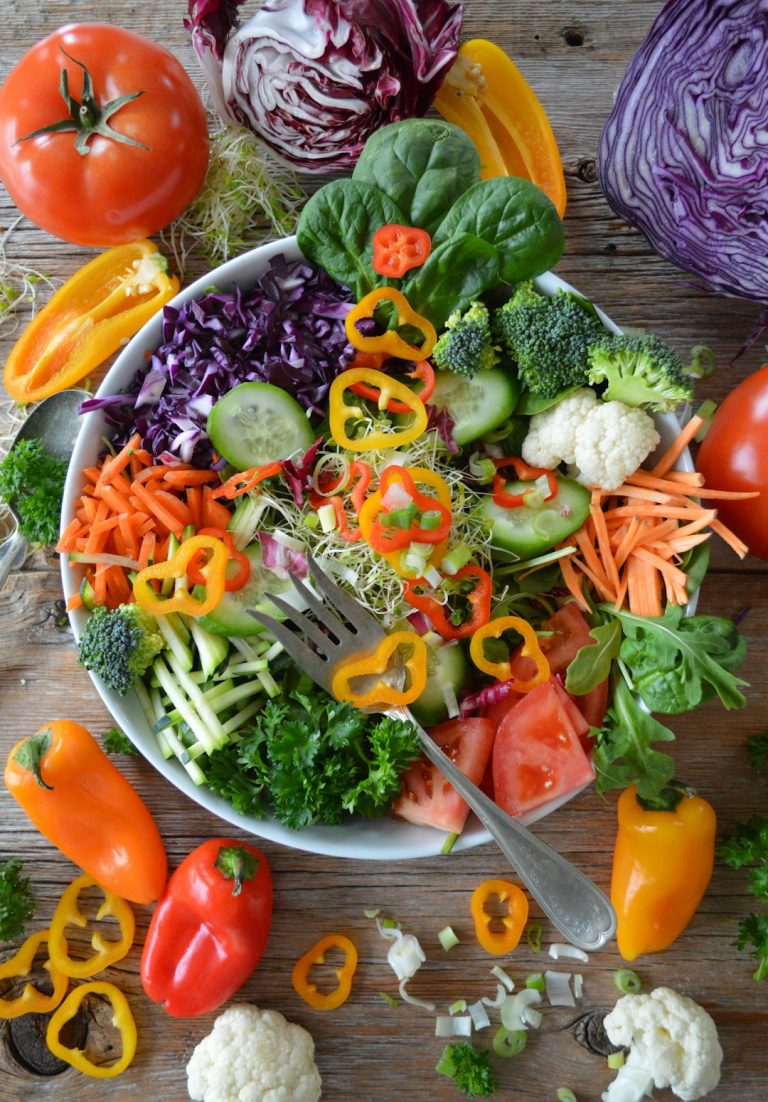
[IMAGE: organic vegetables]
Why gut health matters more than most people realize
Your digestive system does much more than break down food. It helps regulate immunity, influences energy levels, and plays a key role in appetite control. When your gut is balanced, your body is better able to extract nutrients from the food you eat. When it is irritated or overloaded, even healthy meals can leave you feeling sluggish or bloated. That is one reason a thoughtful organic diet often feels so different from a typical modern diet.
A healthy gut microbiome thrives on variety, fiber, and fermented foods. It also prefers a lower intake of refined sugar, artificial additives, and heavily processed oils. These patterns matter if your goals include better digestion, improved nutrition, or sustainable weight loss. If you have ever asked yourself why you feel tired after eating certain meals, the answer may not be calories alone. It may be the quality of the ingredients and how they interact with your digestive system.
How the gut affects digestion, cravings, and energy
The gut is closely linked to the signals that determine hunger and fullness. It also helps regulate inflammation, which can influence how bloated, heavy, or energized you feel after meals. When your digestion is working smoothly, you are more likely to experience steady energy and fewer intense cravings.
Consider these common signs that your gut may need more support:
- Bloating after meals
- Irregular bowel movements
- Frequent sugar cravings
- Low energy even after eating
- Feeling uncomfortably full from small portions
- Digestive discomfort after rich or processed foods
If several of these sound familiar, your body may benefit from a cleaner, gentler approach to nutrition. That does not mean eating less. It means eating better.
Why organic food can make a difference
Organic food is often favored in a gut health plan because it typically comes with fewer pesticide residues and fewer synthetic additives. While no single food automatically creates perfect digestion, choosing organic produce and minimally processed staples can make clean eating easier to maintain. For many people, that simplicity matters.
Organic fruits, vegetables, grains, dairy, and fermented foods can support a more consistent and mindful eating pattern. They also encourage a kitchen environment built around real food rather than packaged products. That shift alone can improve nutrition quality and help you move naturally toward a healthier lifestyle.
The best organic foods for gut health
The best gut-friendly foods do not need to be exotic or expensive. In fact, some of the most effective options are everyday ingredients you can find in most organic grocery aisles. The goal is to combine fiber, hydration, natural enzymes, and beneficial bacteria in a way that feels sustainable.
Fermented foods that bring beneficial bacteria
Fermented foods are valuable because they contain live cultures that can help support a healthy microbiome. If you are building an organic food routine for digestion, these are some of the most useful options:
- Organic plain yogurt with live cultures
- Organic kefir
- Sauerkraut
- Kimchi
- Miso
- Tempeh
A small serving is usually enough to begin. You do not need to overwhelm your diet with fermented foods overnight. Start slowly and notice how your body responds. For some people, even a few spoonfuls of sauerkraut added to a meal can make a meaningful difference over time.
Fiber-rich organic vegetables
Fiber acts like fuel for the beneficial bacteria in your gut. It also helps keep bowel movements regular and supports satiety, which is useful if weight loss is one of your goals. Organic vegetables are especially helpful because they are easy to season, mix, and prepare in a variety of ways.
Excellent options include:
- Spinach
- Kale
- Arugula
- Carrots
- Beets
- Broccoli
- Cauliflower
- Zucchini
- Asparagus
- Sweet potatoes
Cruciferous vegetables such as broccoli and cauliflower are especially useful, but they can feel heavy for some people when eaten raw. Light steaming, roasting, or sautéing often makes them easier to digest while preserving their nutrition.
Fruits that support gentle digestion
Organic fruit can satisfy a sweet craving while offering fiber, antioxidants, and hydration. Instead of reaching for ultra-processed snacks, try fruit that works with your digestive system rather than against it.
Some of the most gut-friendly choices include:
- Bananas
- Apples
- Blueberries
- Raspberries
- Pears
- Papaya
- Kiwi
Papaya and kiwi are often appreciated in a detox diet style of eating because they feel light and refreshing. Apples and berries provide fiber that helps support fullness and digestive balance. Bananas are especially useful when you want a soft, easy-to-digest option.
Seeds, grains, and legumes that keep the gut fed
Whole plant foods are foundational to clean eating. Organic oats, chia seeds, flax seeds, lentils, and beans offer fiber and steady energy. They also help create meals that feel complete, not skimpy.
Try including these foods regularly:
- Organic rolled oats
- Chia seeds
- Ground flaxseed
- Lentils
- Black beans
- Quinoa
- Brown rice
If beans cause discomfort, soak them well, rinse them thoroughly, and start with small portions. A gradual approach helps your digestive system adapt without unnecessary stress.
A simple meal-building rule that works
When you are unsure how to combine foods, use this easy formula:
- One fiber-rich vegetable
- One source of protein
- One healthy fat
- One optional fermented food or fruit
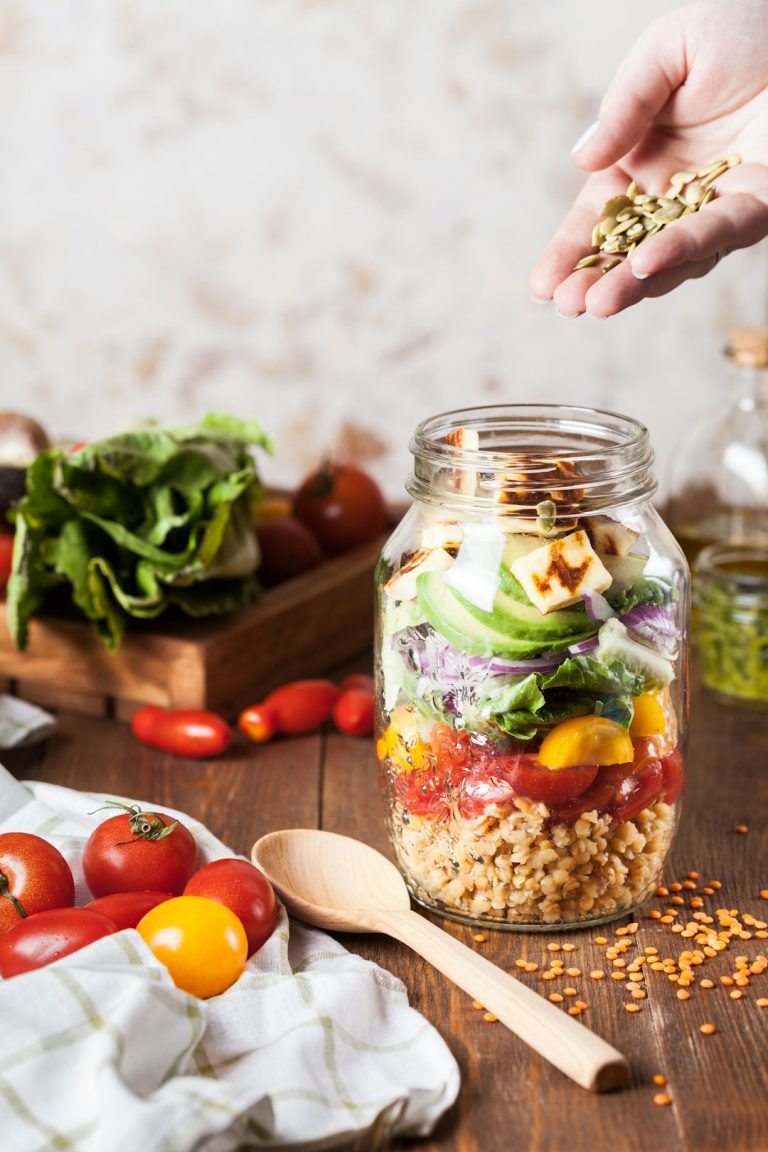
This pattern creates balance. It also keeps blood sugar more stable, which can reduce energy crashes and unnecessary snacking. For example, a bowl of quinoa with roasted vegetables, avocado, and sauerkraut is more than a meal. It is a smart nutrition strategy disguised as something delicious.
[IMAGE: healthy meal]
Organic foods that may calm common digestive discomfort
Not every gut-friendly food is exciting, but many of the most effective ones are comforting and simple. If you often experience bloating, heaviness, or occasional irregularity, these organic staples may help you feel more at ease.
Ginger and turmeric
Ginger is one of the most respected natural digestion allies. It is often used in teas, smoothies, and light broths because it can feel warming and soothing. Turmeric is another valuable ingredient, especially when paired with black pepper and a healthy fat source. Together, they can be part of a gentle detox diet that focuses on nourishment rather than deprivation.
Try them in:
- Warm lemon ginger tea
- Roasted vegetable bowls
- Golden milk with unsweetened plant milk
- Soup broths
Peppermint and fennel
Peppermint tea is a classic after-meal choice for a reason. It can help you feel more comfortable when digestion feels sluggish. Fennel seeds are another traditional option, often chewed after meals or brewed into tea. These are not magic fixes, but they can support a more comfortable routine when used consistently.
Oats and chia for a gentle start
Breakfast can set the tone for the entire day. If you start with highly processed cereal or pastries, you may feel hungry again within an hour. Organic oats or chia pudding, on the other hand, tend to provide steady fuel. That stability is one reason they are so useful in a healthy diet focused on gut health and weight loss.
Simple breakfast ideas include:
- Overnight oats with blueberries and flaxseed
- Chia pudding with raspberries and coconut yogurt
- Warm oats with cinnamon and sliced banana
Yogurt and kefir for probiotic support
If you tolerate dairy, organic yogurt and kefir can be excellent choices. Look for plain versions with minimal ingredients and no added sugar. The fewer unnecessary additives, the better. The point is to nourish your gut, not to confuse it with hidden syrups and artificial flavor systems.
If dairy does not agree with you, choose plant-based fermented alternatives made with live cultures. The best option is the one your body can digest comfortably and regularly.
Clean eating habits that make organic food work better
Even the best organic food will not feel as effective if your habits work against digestion. Clean eating is about more than food choices. It is also about timing, pace, hydration, and stress management. Could your digestion improve simply by changing how you eat, not just what you eat?
Eat more slowly than you think you need to
Rushed meals often lead to swallowed air, poor chewing, and a feeling of discomfort afterward. Slow down. Put the fork down between bites. Give your body a chance to register fullness. This one habit can reduce bloating and help with natural portion control, which supports weight loss without forcing restriction.
Chew thoroughly
Digestion begins in the mouth. Chewing breaks food into smaller pieces and helps enzymes begin their work. If you often finish meals quickly, your stomach has to work harder. Try to chew until the texture is nearly liquid before swallowing. It sounds simple, but it is one of the most underrated nutrition habits available.
Hydrate wisely
Water supports every part of digestion, but huge amounts during meals can make some people feel uncomfortable. Instead of overthinking it, sip water steadily throughout the day. Herbal teas and water-rich foods like cucumbers, oranges, and soups also help support hydration in a natural way.
Keep meal timing consistent
Your gut often appreciates rhythm. If you eat at random times every day, your body may struggle to find a steady pattern. A predictable routine can improve appetite regulation and reduce late-night overeating. You do not need strict rules. You need a structure that feels realistic.
Reduce ultra-processed foods where possible
Highly processed snacks, refined sugars, and packaged meals can crowd out the nutrients your gut needs. They often contain ingredients that do little for fullness and may trigger cravings soon after eating. Clean eating does not require perfection, but it does ask for awareness.
Ask yourself:
- Is this food making me feel nourished or sluggish?
- Am I eating this because I am hungry or because it is convenient?
- Can I replace one processed item with a more natural option today?
[IMAGE: fitness lifestyle]
How an organic gut-friendly approach can support weight loss
Weight loss becomes more manageable when your body feels satisfied, not deprived. That is one of the biggest advantages of using organic food as the foundation of a healthy lifestyle. Instead of chasing dramatic restrictions, you focus on meals that are naturally filling, nutrient-dense, and easier to digest.
Why digestion and weight management are connected
When your digestion is steady, cravings often become easier to manage. Fiber helps you feel full longer. Protein supports satiety. Healthy fats slow digestion in a beneficial way. Fermented foods may help improve the overall environment in the gut. All of this creates a more stable internal system, which can make weight loss feel less chaotic.
It is also easier to stay consistent when meals taste good and leave you energized. That is the hidden advantage of clean eating. You are not relying on discipline alone. You are choosing foods that make good behavior easier.
What a supportive meal pattern looks like
A gut-friendly plan does not have to be complicated. In fact, simplicity often wins. A balanced plate might include leafy greens, roasted vegetables, lentils, avocado, and a spoonful of fermented food. This combination offers fiber, micronutrients, and enough substance to keep hunger under control.
For weight loss, the focus should not be on starving yourself. It should be on creating meals that make overeating less tempting. That is a far more sustainable path.
Helpful habits for a healthier body composition
- Prioritize vegetables at most meals
- Choose organic fruit instead of sugary desserts when possible
- Include protein in breakfast, not only dinner
- Use fermented foods in small daily portions
- Keep healthy snacks ready so you are not forced into last-minute choices
- Walk after meals when possible to support digestion and blood sugar control
When paired with consistent movement, good sleep, and reasonable portions, this style of eating can support weight loss without making you feel like you are constantly fighting your own appetite.
A practical organic food day for gut health
Sometimes the easiest way to make a change is to see it in action. The following sample day is not meant to be rigid. It is simply a model of how organic foods can come together in a way that feels nourishing, satisfying, and easy to digest.
Breakfast
Organic oats cooked with cinnamon, topped with blueberries, chia seeds, and a spoonful of plain yogurt or a dairy-free probiotic alternative. Add a cup of ginger tea if you like something warm.
Mid-morning option
An apple with almond butter or a small banana with a sprinkle of flaxseed. This keeps energy stable without a sugar spike.
Lunch
A bowl of quinoa with roasted carrots, zucchini, spinach, avocado, and a serving of sauerkraut. Add grilled organic chicken, tofu, or lentils depending on your preference.
Afternoon support
Peppermint tea and a handful of walnuts, or cucumber slices with hummus. Keep it simple and light.
Dinner
Steamed or roasted vegetables, sweet potatoes, and salmon or tempeh, finished with olive oil and herbs. If your appetite is smaller at night, a lighter soup with organic vegetables may feel better.
Evening habit
Step away from heavy snacking and give your gut time to rest. A calm evening routine supports digestion just as much as food choices do.
Smart shopping tips for a cleaner organic kitchen
A gut-friendly lifestyle becomes much easier when your kitchen supports your goals. You do not need a gourmet pantry. You need reliable staples, a few go-to combinations, and enough planning to avoid impulse choices. What you buy matters because convenience often decides what you eat.
Build around a few core categories
- Organic leafy greens
- Seasonal vegetables
- Fermented foods
- Whole grains
- Legumes
- Fresh herbs
- Healthy fats like avocado, olive oil, and nuts
- Herbal teas and simple spices
Read labels carefully
When buying packaged items, choose the shortest ingredient list possible. If a product claims to be healthy but includes added sugar, artificial flavors, or a long list of unfamiliar ingredients, it may not support your nutrition goals as well as it appears.
Look for products that feel close to their original form. That is often the easiest way to maintain clean eating with less confusion.
Prep once, benefit all week
Meal prep does not need to be elaborate. Roast a tray of vegetables. Cook a pot of quinoa or brown rice. Wash and store greens. Make a jar of chia pudding. Keep fermented foods in the fridge. These small actions reduce friction and help your healthy diet survive busy days.
Common organic diet mistakes that can slow progress
Even a nutritious plan can backfire if it is built on bad assumptions. Many people buy organic food but still struggle with bloating, low energy, or inconsistent eating because of avoidable mistakes. Recognizing them early can save time and frustration.
Eating too little fiber
Organic does not automatically mean gut-friendly. If your meals are mostly fruit, juice, and light snacks, you may miss the fiber that supports regular digestion. Build every day around vegetables, seeds, legumes, and whole grains when possible.
Overdoing raw vegetables
Raw salads are healthy, but too many raw cruciferous vegetables can feel harsh for some people. If your stomach tends to bloat, cook part of your produce instead of eating everything cold. Warm foods are often gentler and more satisfying.
Using fermented foods in huge portions
Fermented foods are powerful, but more is not always better. Introduce them gradually. A small amount can be enough to start. If you rush, your digestion may protest rather than thank you.
Confusing clean eating with perfection
Clean eating is a tool, not a test. You do not need to eat flawlessly to improve your health. What matters is consistency over time. A mostly organic, balanced, nutrient-rich routine will likely do far more for your body than an all-or-nothing approach.
Ignoring stress and sleep
Your gut is sensitive to your lifestyle, not just your menu. Poor sleep, chronic stress, and nonstop multitasking can all interfere with digestion. If you are eating well but still feel off, it may be time to examine how you rest, breathe, and recover.
Organic foods and the detox diet myth
The word detox is often used in misleading ways. Your body already has built-in detoxification systems, especially through the liver, kidneys, skin, and digestive tract. No juice cleanse can replace that. However, a thoughtful detox diet based on organic food can reduce the burden on your system by removing excess processed ingredients and increasing nutrient-dense meals.
This is where realistic wellness becomes important. Instead of chasing extreme resets, focus on daily practices that support your body’s natural functions. That includes fiber for elimination, water for transport, antioxidant-rich produce for cellular support, and sufficient protein for tissue repair. The best detox diet is not dramatic. It is consistent.
Organic vegetables, herbs, citrus, berries, ginger, and plenty of hydration can help you feel lighter and more energized without resorting to deprivation. If you want a reset, begin by improving the quality of your regular meals rather than cutting everything down to a short-lived cleanse.
Simple answers to common questions about gut-friendly organic eating
People often ask whether organic food is worth the cost, whether fermented foods should be eaten daily, and whether gut health really affects weight loss. The honest answer is yes, these choices can matter, but not because they are magical. They matter because they help create a repeatable pattern of better nutrition, fewer triggers, and more stable energy.
So what should you focus on first? Start with the habits that create the biggest difference for the least effort. Add one fermented food. Replace one processed snack. Cook one extra serving of vegetables. Drink more water. Walk after dinner. Those small wins can reshape how your body feels in a surprisingly short time.
If you are still wondering whether clean eating has to be difficult, the answer is no. It only has to be practical enough that you can keep doing it next week, and the week after that. That is the difference between a temporary plan and a healthy lifestyle.
When organic food becomes the foundation of your routine, gut health stops being a vague goal and starts becoming a lived experience. Meals feel more satisfying, digestion becomes more predictable, and weight loss can happen through steadier habits rather than harsh rules. If you are ready to keep refining your nutrition and building a cleaner, calmer, more energetic way of eating, explore more articles on DietOrganic and keep shaping a kitchen that works beautifully for your body.
About the Author