

Photo by WebTechExperts on Pixabay
If you have ever wondered why some people seem to enjoy steady energy, comfortable digestion, and a naturally leaner body without extreme dieting, the answer may begin in the gut. More specifically, it may begin with the quality of the food they eat every day. An organic food approach can be one of the most practical ways to support digestion, reduce unnecessary irritation, and create a cleaner foundation for long-term wellness. When your meals are built around fresh produce, minimally processed ingredients, and balanced nutrition, your body often responds with better regularity, fewer cravings, and more stable energy.
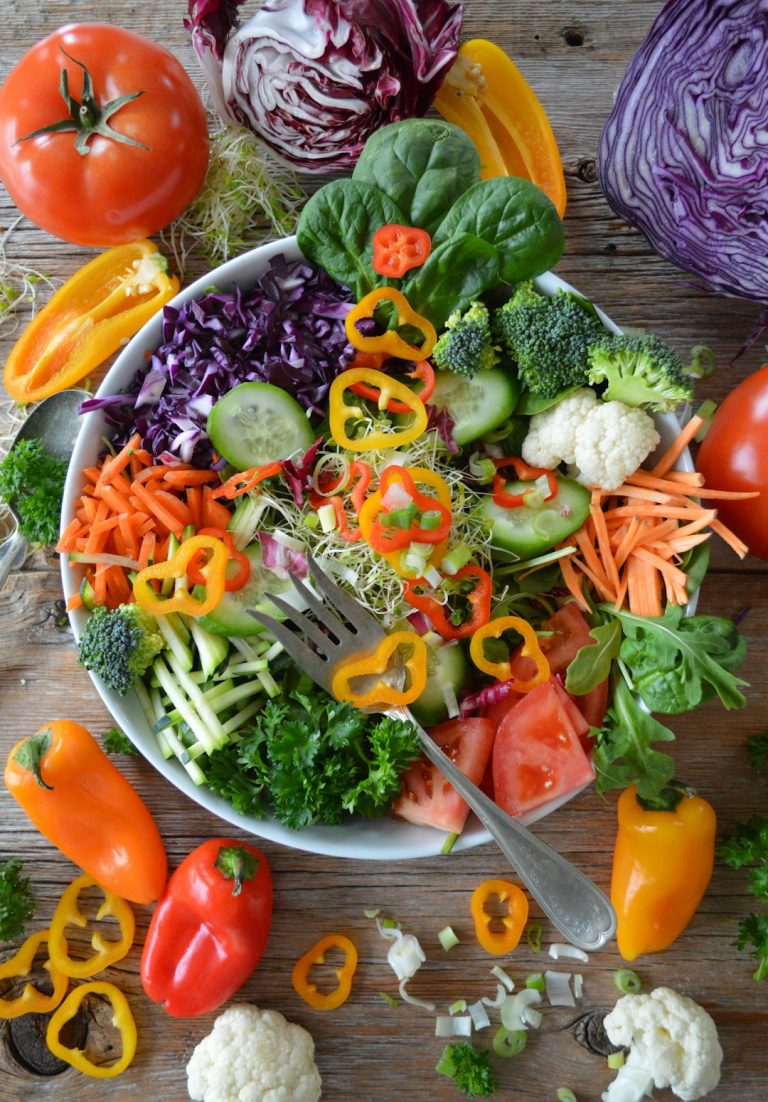
[IMAGE: organic vegetables]
This is not about chasing a quick fix or adopting a restrictive detox diet for a week and then returning to old habits. It is about clean eating in a way that feels sustainable, satisfying, and realistic. Could your gut be asking for more fiber, fewer additives, and a little less stress at mealtime? Are you eating foods that support the delicate ecosystem inside your digestive tract, or are you unknowingly overwhelming it with heavily processed choices?
In this guide, we will explore how organic food can support gut health, which foods deserve a regular place on your plate, and how to build a healthy lifestyle that helps digestion work more smoothly. You will also learn how gut health connects to weight loss, why certain ingredients are easier on the digestive system, and how to create meals that are both nourishing and deeply satisfying.
Why Gut Health Deserves a Central Place in Your Healthy Diet
Your gut is much more than a place where food is broken down. It is where nutrients are absorbed, where your immune system interacts with the outside world, and where your body makes countless decisions about energy, inflammation, and repair. A healthy gut can support better skin, more predictable energy, stronger immunity, and improved mood. When digestion is off, the effects often show up everywhere.
Many people think of gut health only when they experience bloating, constipation, or discomfort, but the signs can be more subtle. A sluggish digestive system may show up as cravings, brain fog, unpredictable energy, or difficulty managing weight. If you are trying to improve your nutrition, eating more organic food can be a smart place to begin because it often reduces exposure to pesticides, artificial additives, and overly processed ingredients that may irritate sensitive digestive systems.
A strong digestive foundation also matters for weight loss. When your body is digesting efficiently, absorbing nutrients properly, and receiving enough fiber, it is easier to feel full, stay consistent, and avoid the cycle of overeating followed by guilt. The goal is not only to lose weight, but to create a way of eating that supports the body from the inside out.
Common Signs Your Gut May Need Support
Not every digestive issue is dramatic. Sometimes the body speaks in small but persistent signals. If several of these sound familiar, your gut may be asking for a cleaner, more supportive routine:
- Bloating after meals, even when portions are moderate
- Constipation or irregular bowel movements
- Loose stools that seem to come and go without explanation
- Frequent cravings for sugar or refined carbohydrates
- Low energy, especially after eating
- Brain fog or trouble concentrating
- Skin flare-ups that seem linked to diet
- A heavy, sluggish feeling after rich or processed meals
These signs do not always mean something is wrong, but they do suggest that your nutrition may benefit from more fiber, cleaner ingredients, and a more mindful eating rhythm. The good news is that changes do not need to be dramatic to matter.
What Makes Organic Food Different for Digestion?
Organic food is often associated with better farming practices and fewer synthetic chemicals, but the digestive benefits go beyond that simple description. Organic produce is typically grown without most synthetic pesticides and fertilizers, while organic packaged foods must meet stricter ingredient standards. For many people, that means fewer unnecessary additives, fewer artificial preservatives, and fewer ingredients that can confuse or irritate the gut.
Why does this matter? Because the digestive system tends to function best when it is not constantly processing a long list of unfamiliar or highly refined substances. A diet built around organic vegetables, fruit, grains, legumes, nuts, seeds, and responsibly sourced proteins often feels naturally lighter and more balanced than one built around highly processed convenience food.
This is especially relevant for people who feel sensitive after eating conventional packaged products. While not everyone reacts the same way, some individuals notice that organic food choices help them feel less bloated, less inflamed, and more in tune with hunger and fullness cues. That matters when your larger goal is clean eating, better nutrition, and long-term weight loss.
The Cleaner the Food, the Easier It May Feel
When people say a meal feels “clean,” they usually mean it leaves them energized rather than heavy. They mean it supports the body instead of weighing it down. Organic food can contribute to this feeling because it often comes closer to its natural form. A crisp apple, a bowl of oats, a pile of leafy greens, or a simple lentil soup can feel more satisfying than a highly processed snack that delivers quick calories but little nourishment.
Of course, organic does not automatically mean healthy. A sugar-laden organic cookie is still a cookie. But in a well-planned healthy diet, organic ingredients often make it easier to choose whole foods and keep meals more nutrient-dense. The quality of ingredients matters, and so does the balance of the plate.
Think of organic food as a supportive base for a larger nutrition strategy. It is not magic, but it can make healthy eating simpler, more enjoyable, and more consistent.
The Best Organic Foods for Gut Health
Some foods stand out because they offer a combination of fiber, antioxidants, healthy fats, and naturally occurring compounds that support digestion. When these foods are chosen organically, they can fit beautifully into a clean eating routine. Below are some of the strongest options to prioritize.
1. Organic Leafy Greens
Spinach, kale, arugula, Swiss chard, and romaine are rich in fiber, folate, magnesium, and plant compounds that support overall wellness. They help add volume to meals without adding excess calories, which is useful for weight loss and appetite control. Leafy greens also provide prebiotic fibers that feed beneficial gut bacteria.
Add them to salads, smoothies, sautés, omelets, and soups. If raw greens feel too intense for your digestive system, lightly cooking them can make them easier to tolerate.
2. Organic Fermented Foods
Fermented foods are some of the most valuable additions to an organic diet focused on gut health. Options like plain organic yogurt, kefir, sauerkraut, kimchi, miso, and tempeh can provide beneficial bacteria and enzymes that support digestion. Not everyone tolerates fermented foods in the same way, so start slowly and observe how your body responds.
For many people, a small serving at lunch or dinner can be enough to make a difference. The key is consistency, not excess.
3. Organic Prebiotic Foods
Prebiotics are fibers that feed good bacteria in the gut. These foods do not contain probiotics themselves, but they help the probiotic organisms already in your digestive system thrive. Excellent organic prebiotic choices include onions, garlic, leeks, asparagus, bananas, oats, apples, and flaxseeds.
When you combine prebiotic foods with fermented foods, you create a more supportive environment for gut balance. That is one reason a diverse, plant-rich organic food pattern is so effective over time.
4. Organic Berries
Blueberries, raspberries, strawberries, and blackberries are small but powerful. They are rich in antioxidants and fiber, and they satisfy the desire for something sweet without the spike-and-crash effect of refined desserts. Berries are also one of the easiest foods to use in a clean eating lifestyle because they work at breakfast, in snacks, and even in simple desserts.
They pair especially well with plain yogurt, chia pudding, oatmeal, and nuts. If you are focusing on weight loss, berries offer sweetness without the calorie density of many other treats.
5. Organic Oats and Whole Grains
Whole grains such as oats, quinoa, brown rice, buckwheat, and barley can be excellent for digestion when tolerated well. Oats in particular are rich in soluble fiber, which helps support regular bowel movements and may contribute to a feeling of fullness that lasts longer. That can be helpful if your goal is to control appetite naturally.
Choose minimally processed versions whenever possible, and pay attention to how your body responds. Some people thrive on whole grains, while others do better with smaller portions or more variety across the week.
6. Organic Healthy Fats
Healthy fats help the body absorb fat-soluble vitamins and create satisfying meals. Avocados, olives, olive oil, chia seeds, hemp seeds, flaxseeds, walnuts, and almonds are all excellent choices. These foods also support smooth digestion when eaten in moderation as part of balanced meals.
Fat is not the enemy of weight loss. In the right amount, it can make clean eating easier by reducing cravings and helping you feel nourished. The challenge is choosing fats that support your nutrition goals rather than adding them mindlessly to already heavy meals.
7. Organic Herbs and Spices
Herbs and spices may seem small, but they can have an outsized impact on flavor and wellness. Ginger, turmeric, cinnamon, mint, fennel, cumin, and rosemary are all worth keeping on hand. Some of them may support digestion, while others add flavor that helps reduce the need for excess salt, sugar, or heavy sauces.
A simple tea made with ginger or peppermint can feel soothing after meals. A sprinkle of cinnamon on oats or fruit can add warmth and depth without relying on refined sweeteners.
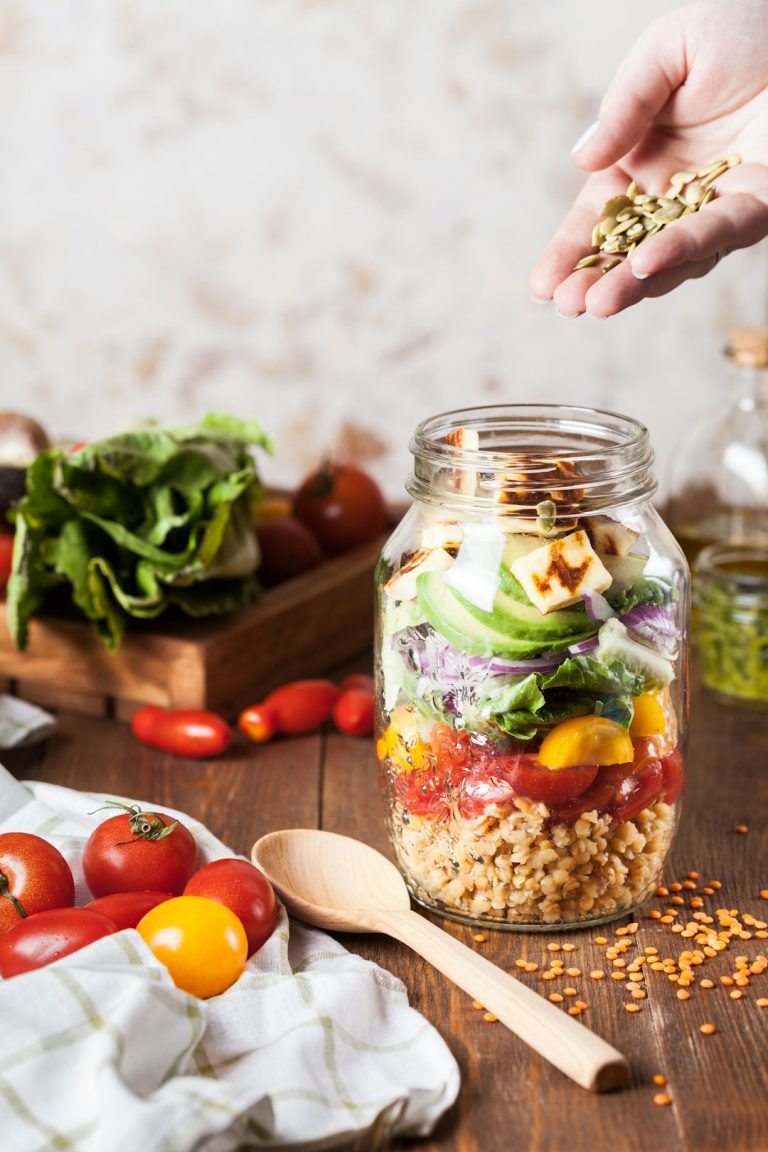
[IMAGE: healthy meal]
How to Build a Clean Eating Plate That Supports Digestion
One of the easiest ways to improve nutrition is to stop thinking only in terms of calories and start thinking in terms of balance. A gut-friendly meal does not need to be complicated. It simply needs to include enough fiber, enough protein, enough healthy fat, and a variety of colors and textures. That variety helps keep meals interesting while also supplying a broader range of nutrients.
A balanced organic food plate can help regulate hunger, reduce energy crashes, and create a calmer digestive experience. It also makes a healthy lifestyle feel more natural because you are not constantly reaching for snacks or second-guessing what to eat next.
A Simple Formula for Meals
- Half the plate: organic vegetables, especially leafy greens and non-starchy varieties
- One quarter: a quality protein source such as beans, lentils, tofu, eggs, fish, or poultry
- One quarter: a whole grain or starchy vegetable if it fits your goals
- One small portion: healthy fats such as avocado, seeds, or olive oil
- Optional addition: fermented food or fresh herbs for extra digestive support
This format can be adjusted depending on your needs. Someone trying to support weight loss may choose a slightly larger portion of vegetables and protein, while someone needing more energy may benefit from a larger portion of whole grains or starchy vegetables.
What a Gut-Friendly Breakfast Might Look Like
Breakfast sets the tone for the day. A meal that is high in sugar and low in fiber may leave you hungry again too soon. A better choice might be organic oats with berries and chia seeds, scrambled eggs with spinach and avocado, or a yogurt bowl with flaxseed, walnuts, and fruit.
These meals are practical, filling, and aligned with clean eating principles. They also support steady energy, which matters more than many people realize when they are trying to build momentum in a healthy diet.
What a Balanced Lunch Could Include
Lunch can be a salad with protein, a grain bowl, a soup with beans and vegetables, or a wrap built on whole-food ingredients. The important thing is to avoid meals that are too light to satisfy you or too heavy to keep you alert. If lunch leaves you sleepy every day, it may be worth adjusting the balance of fiber, protein, and fat.
For example, a bowl of quinoa with roasted vegetables, grilled chicken, pumpkin seeds, and sauerkraut can be both satisfying and supportive of digestion.
What Dinner Should Aim to Do
Dinner should leave you nourished without making sleep or digestion difficult. Some people feel best with a warm meal like vegetable soup and roasted salmon. Others prefer a lighter plate of steamed greens, sweet potato, and tempeh. The best choice is one that supports both comfort and recovery.
If you often feel bloated at night, it may help to reduce portion size, eat more slowly, and avoid very late meals. Small changes can create a surprisingly large difference in how you feel the next morning.
The Connection Between Gut Health and Weight Loss
Weight loss is often framed as a matter of calories alone, but that misses a major part of the story. Digestion, hunger hormones, inflammation, sleep, and stress all influence how the body stores and uses energy. A gut-friendly organic food pattern can support weight loss by making it easier to regulate appetite and maintain healthy habits.
When you eat foods that keep your blood sugar more stable, you are less likely to experience sharp cravings. When you eat enough fiber, you feel fuller for longer. When meals are built on real nutrition instead of empty calories, your body becomes less likely to ask for constant snacks.
This does not mean organic food automatically causes fat loss. Rather, it creates conditions that make healthy choices easier. And that is often the difference between a plan that works for two weeks and a way of eating that works for years.
How Better Digestion Can Help with Fat Loss
Better digestion may help weight loss in several practical ways:
- It reduces bloating, making progress feel more visible and encouraging
- It improves fullness cues so you are less likely to overeat
- It supports better nutrient absorption, which can improve energy and consistency
- It helps stabilize the appetite patterns that often lead to late-night snacking
- It encourages a cleaner, more intentional eating rhythm
If you have ever tried to lose weight while constantly feeling tired, hungry, or uncomfortable, you know how hard it is to stay on track. A healthier gut can make the entire process feel more manageable.
Daily Habits That Support Digestion and a Healthy Lifestyle
Food matters, but daily habits matter too. Even the best organic food plan can be undermined by rushed meals, poor hydration, and constant stress. The following habits are simple, but they can make a meaningful difference in how your body handles nutrition.
1. Eat More Slowly
Digestion begins before the food even reaches the stomach. When you eat too fast, you are more likely to swallow air, miss fullness cues, and feel uncomfortable afterward. Slowing down gives your brain time to register satisfaction.
2. Drink Enough Water
Hydration supports every part of digestion, especially fiber-rich diets. If you increase your intake of vegetables, fruit, and whole grains, you also need enough water to help move everything through the system comfortably.
3. Include Fiber Gradually
Fiber is essential, but increasing it too quickly can cause bloating. Add more beans, seeds, vegetables, and whole grains in stages so your gut has time to adjust.
4. Move Your Body Daily
Movement supports circulation, stress management, and digestive regularity. You do not need intense exercise to benefit. A walk after meals, gentle stretching, or a regular fitness routine can all help.
[IMAGE: fitness lifestyle]
5. Keep Stress in Check
Stress affects digestion more than many people realize. Eating in a rushed, anxious state can make even healthy meals feel heavy. Create a calmer eating environment when possible. Turn off screens, sit down, and give meals your full attention.
6. Get Consistent Sleep
Sleep supports appetite regulation, recovery, and overall metabolic health. If you are sleeping poorly, your cravings may rise and your digestion may feel less predictable. A healthy lifestyle is never just about food; it is a system.
7. Notice Patterns Without Obsessing
What foods help you feel light, energized, and comfortable? Which ones leave you sluggish or bloated? Tracking these patterns for a short period can reveal valuable information without turning eating into a constant source of stress.
Foods and Habits to Limit for Better Digestive Comfort
An organic diet is most effective when it replaces foods that tend to create problems rather than simply adding more items to an already overloaded menu. While everyone tolerates ingredients differently, some habits often make digestion and weight control harder.
- Highly processed snacks with long ingredient lists
- Refined sugar-heavy desserts and drinks
- Large portions eaten very late at night
- Frequent fried foods that are difficult to digest
- Excess alcohol, which can irritate the gut lining
- Meals that are very low in fiber and protein
- Constant grazing without clear meal structure
You do not have to eliminate every indulgence to live well. But if your goal is a cleaner, healthier relationship with food, these are the habits most worth revisiting. Sometimes the most powerful nutrition changes are the quietest ones.
A One-Day Organic Meal Plan for Gut Support
If you prefer practical structure, a sample day can help you visualize what clean eating looks like in real life. The goal here is not perfection. It is to show how balanced, organic food can fit into a day without feeling complicated or restrictive.
Breakfast
Organic oats cooked with cinnamon, chia seeds, and almond butter, topped with blueberries and sliced banana. A cup of ginger tea or warm water can be a soothing addition.
Mid-Morning Option
Plain organic yogurt or kefir with flaxseed and a few raspberries. If you do not tolerate dairy well, try a coconut-based unsweetened version or skip the snack if you are not hungry.
Lunch
A large bowl with leafy greens, cucumber, roasted carrots, quinoa, grilled chicken or tofu, avocado, and a spoonful of sauerkraut. Dress lightly with olive oil and lemon.
Afternoon Snack
An apple with walnut butter, or a small handful of almonds and a few berries. This keeps energy stable without feeling too heavy.
Dinner
Salmon, baked sweet potato, and steamed broccoli with a side of fermented vegetables or a simple herb salad. If you prefer plant-based meals, swap salmon for lentils or tempeh.
Evening Wind-Down
Peppermint or chamomile tea, a short walk, and enough time before bed to allow digestion to settle. Simple habits like this can help transform the way you wake up the next morning.
Common Clean Eating Mistakes That Can Undermine Gut Health
Many people start an organic food journey with excellent intentions, only to become frustrated because they are not seeing the results they expected. Often, the issue is not the idea of clean eating itself, but the way it is being applied.
Trying to Be Too Restrictive
When healthy eating becomes overly rigid, stress levels can rise and satisfaction can fall. A sustainable healthy diet should nourish you, not make you anxious. If you are constantly worried about perfect ingredients, your relationship with food may need more flexibility.
Not Eating Enough Total Food
Some people unintentionally undereat when they switch to organic food because they focus on “eating clean” without eating enough. This can lead to low energy, cravings, and a slower metabolism over time. A supportive diet must include enough calories, protein, and satisfaction.
Ignoring Fiber Balance
Fiber is essential, but more is not always better if it arrives too quickly. The digestive system needs time to adapt. Balance fiber with hydration and gradual changes.
Relying on Packaged Organic Foods
Organic cookies, chips, and bars may have cleaner labels, but they are still processed foods. They can fit occasionally, but they should not crowd out whole foods. A true clean eating plan is built around ingredients that look close to their natural state.
Skipping Protein
Protein helps with fullness, recovery, and stable energy. If your meals are mostly fruit and vegetables, you may feel hungry soon after eating. Add eggs, fish, beans, lentils, tofu, poultry, or yogurt if they fit your preferences.
Expecting Overnight Results
A detox diet may promise quick changes, but real digestive improvement usually happens through consistent habits. The body appreciates rhythm, quality, and patience. Are you willing to give your system the time it needs to respond?
How to Transition Into an Organic Gut-Friendly Routine
You do not need to overhaul your pantry in one weekend. In fact, gradual change is often easier to maintain and easier on the digestive system. Start with the meals you eat most often and upgrade the ingredients one by one.
- Replace one processed breakfast with an organic whole-food breakfast
- Add one extra serving of vegetables to lunch or dinner
- Choose organic berries, apples, or leafy greens when possible
- Keep one fermented food in the fridge and use it consistently
- Plan a few simple meals rather than relying on last-minute convenience
Small changes compound. A better breakfast leads to a better morning. A better morning often leads to better choices later in the day. That is how a healthy lifestyle builds momentum.
What to Look for When Buying Organic Foods
Not all organic food shopping is equally smart. Some products offer excellent value, while others are more marketing than nourishment. Being selective helps you protect your budget and your nutrition goals at the same time.
Prioritize the Foods You Eat Most Often
If you regularly eat berries, spinach, apples, or oats, those are strong candidates for organic buying. Focus first on the items that appear repeatedly in your diet. That is where the biggest long-term benefit often lies.
Choose Whole Foods Over Trendy Claims
Terms like natural, wholesome, and plant-based can sound healthy, but they do not always mean much. Look at the actual ingredient list. The simplest foods are often the best ones for digestion and weight loss.
Consider Local and Seasonal Options
Organic food does not need to be exotic to be valuable. Seasonal produce is often fresher, more flavorful, and easier to incorporate into meals. A clean eating routine is much more enjoyable when it is aligned with what is available and affordable.
Questions to Ask Yourself Before Your Next Meal
Mindful eating becomes easier when you know what to look for. Before your next meal, ask yourself a few honest questions:
- Will this meal leave me energized or drained?
- Does it contain enough fiber, protein, and healthy fat?
- Am I eating because I am hungry, or because I am stressed?
- Could I add one more vegetable or a more nourishing side?
- Would this meal support my digestion if I ate it regularly?
These questions are not meant to create pressure. They are meant to help you become a more informed, confident eater. That confidence is one of the most valuable parts of a healthy diet.
Why This Approach Is More Sustainable Than Fad Diets
Many wellness trends promise dramatic results through restriction, elimination, or detoxification. But the most effective nutrition strategy is usually the one you can maintain without resentment. A realistic organic food plan is sustainable because it is based on ordinary meals, accessible ingredients, and repeatable habits.
That sustainability matters for digestion, too. Your gut responds best when it is not constantly being shocked by extreme changes. Regular meal timing, adequate nutrition, and a wide variety of whole foods create a more stable internal environment. That stability can make everything from appetite to energy feel more predictable.
If weight loss is one of your goals, sustainability is non-negotiable. Fast progress means little if the plan is impossible to live with. Clean eating works best when it becomes part of a normal, enjoyable lifestyle instead of a temporary experiment.
How to Make Organic Eating More Affordable
One of the biggest misconceptions about organic food is that it must be expensive. While some products can be costly, careful planning can make a significant difference. The key is to buy strategically, cook more often, and waste less food.
- Buy frozen organic vegetables and berries when fresh options are costly
- Choose store-brand organic staples such as oats, beans, and rice
- Shop seasonal produce for better pricing
- Use leftovers for soups, bowls, and salads
- Plan meals around what is already in your kitchen
Affordable clean eating is absolutely possible. It may take a bit more planning, but it often pays off in better energy, less waste, and a healthier routine overall.
When to Seek Extra Support
Food can do a great deal, but it cannot solve everything. If you have ongoing digestive symptoms, severe discomfort, unexplained weight changes, or food reactions that feel difficult to manage, it is wise to speak with a qualified healthcare professional. Nutrition is powerful, but personalized support can help identify what your body truly needs.
That said, most people can still benefit from a more thoughtful approach to organic food, clean eating, and everyday nutrition. Even without dramatic changes, many people notice that they feel better when meals are less processed and more balanced.
When you build your meals around organic vegetables, satisfying proteins, healthy fats, and fiber-rich whole foods, you are doing more than following a trend. You are creating a daily rhythm that supports digestion, steadier energy, and a more confident relationship with food. That kind of clean eating does not have to be complicated or extreme to be effective; it simply has to be consistent. If you are ready to keep improving your healthy lifestyle, explore more articles on DietOrganic and continue building the kind of nutrition habits that help your body feel calm, strong, and well-fed.
About the Author