

Photo by thebittenword.com on Openverse
Your gut does far more than process meals. It helps shape your energy, mood, immunity, metabolism, and even the way your body responds to a healthy diet. That is why more people are turning to organic food and clean eating as a simple, sustainable way to support digestion from the inside out. If you have ever wondered why some people seem to thrive on a lighter, more natural style of eating, the answer often begins in the gut.
A well-designed organic diet is not about perfection or rigid rules. It is about choosing foods that work with your body instead of against it. When you prioritize nutrient-dense vegetables, fiber-rich grains, fermented foods, and minimally processed ingredients, you give your digestive system a better environment to function. The result can be easier digestion, fewer energy crashes, a calmer stomach, and, for many people, more steady weight loss over time.
What does gut-friendly eating actually look like in real life? How do you build meals that nourish your microbiome without spending hours in the kitchen? And which organic foods deserve a permanent place in your pantry if you want better nutrition, better digestion, and a more sustainable healthy lifestyle? Let’s explore the answer in a practical, expert-backed way.
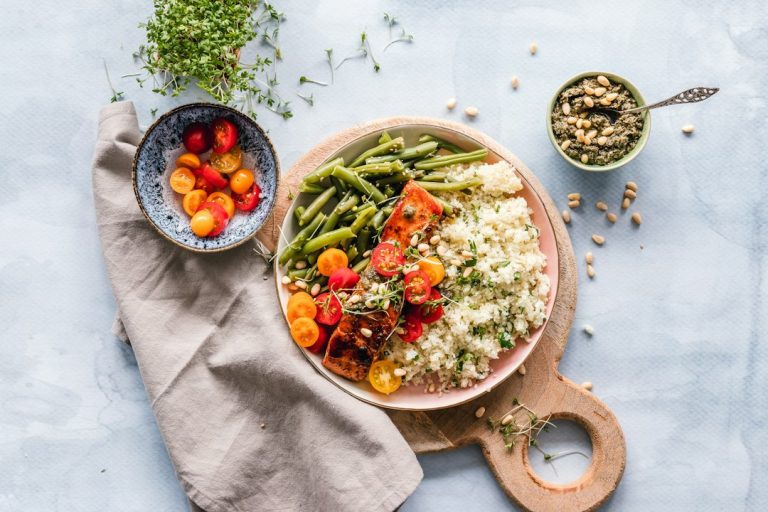
[IMAGE: organic vegetables]
Why Gut Health Matters More Than Most People Realize
The digestive system is often described as the body’s command center for wellness, and that is not an exaggeration. Inside the gut lives a diverse community of bacteria, fungi, and other microorganisms known as the microbiome. These organisms interact with the food you eat, the stress you carry, the sleep you get, and the overall quality of your nutrition.
When the gut is balanced, many people notice smoother digestion, less bloating, more regularity, and even better mental clarity. When it is out of balance, symptoms can include fatigue, digestive discomfort, cravings, low mood, skin irritation, and sluggish metabolism. That is why a gut-supportive detox diet or clean eating approach is not about starvation or extreme restriction. It is about feeding your system the right way.
Think of your gut like a garden. If you nourish it with high-quality, organic food, it tends to flourish. If you flood it with highly processed ingredients, artificial additives, and low-fiber meals, it can become stressed and less resilient. Which version would you rather support every day?
What Makes Organic Food So Valuable for Digestion?
Organic food is grown and produced with a focus on fewer synthetic pesticides, no genetically modified ingredients in certified organic products, and stricter standards around farming inputs. While organic does not automatically mean
About the Author