

Photo by AndyRobertsPhotos on Openverse
If you have ever tried to lose weight by eating less but still felt hungry, tired, and frustrated, you are not alone. The real challenge is not simply eating fewer calories; it is eating better calories. That is where organic food can make a meaningful difference. When your meals are built around fresh produce, whole grains, clean protein, and minimally processed ingredients, weight loss becomes less about restriction and more about balance.
For many people, the phrase healthy diet sounds strict or complicated, but it does not have to be. A clean eating approach built on organic foods can help you feel satisfied, support better nutrition, and create a lifestyle you can actually maintain. Could the answer to smarter weight loss be less about chasing trends and more about returning to real food? In many cases, yes.
This guide explores the best organic foods for weight loss, why they work, how to combine them into practical meals, and how to avoid common mistakes that slow progress. If you want a more sustainable detox diet, better energy, and a simpler path to a healthy lifestyle, this is a good place to begin. [IMAGE: organic vegetables]
Why Organic Food Can Support Weight Loss
Organic food is not a magic solution, and it is not required for every healthy diet. But it can support weight loss in subtle, practical ways. Organic produce and organic staples are often chosen because they are fresher, less processed, and easier to build into clean eating habits. When your kitchen is stocked with foods that are naturally nutrient-dense, you are more likely to prepare meals that satisfy hunger without excess sugar, refined starches, or unnecessary additives.
Weight loss depends on energy balance, yes, but nutrition quality strongly influences how easy or difficult that balance feels. High-quality foods can help regulate appetite, stabilize blood sugar, improve digestion, and reduce mindless snacking. If you have ever wondered why some diets feel miserable while others feel manageable, the answer is often food quality.
How organic food supports a healthier eating pattern
Choosing organic food may encourage a more intentional way of eating. People who buy organic ingredients often spend more time reading labels, planning meals, and cooking at home. That alone can improve nutrition and reduce reliance on processed takeout meals. Instead of chasing calories, you start focusing on ingredients, texture, flavor, and fullness.
- Organic foods are often fresher and less likely to contain artificial additives.
- Whole organic ingredients make it easier to prepare balanced meals at home.
- Fruits, vegetables, legumes, and grains provide fiber that supports satiety.
- Cleaner ingredient lists can reduce overeating triggered by highly processed foods.
Is organic always better? Not in every situation, but for people who want a clean eating lifestyle centered on quality nutrition, it is a powerful framework. The goal is not perfection. The goal is making the healthier choice the easier choice.
The Best Organic Foods for Weight Loss
Not all organic foods are equally helpful for weight loss. Organic cookies are still cookies, and organic chips are still chips. What makes the biggest difference is choosing whole or lightly processed foods that provide fiber, protein, and healthy fats while keeping you full. Below are the organic foods that deserve space in a smart weight loss plan.
Leafy greens and cruciferous vegetables
Spinach, kale, arugula, romaine, broccoli, cauliflower, cabbage, and Brussels sprouts are among the most weight-loss-friendly foods you can buy. They are low in calories, high in fiber, and rich in vitamins and minerals that support metabolism and overall health. They also add volume to meals, which helps you feel full with fewer calories.
Think about the difference between a plate filled with pasta and a plate filled with roasted broccoli, cauliflower rice, and grilled chicken. Both can be satisfying, but the second plate gives your body more nutrients for fewer calories. That is the kind of nutritional advantage clean eating aims to create.
How to use them
- Add spinach to smoothies, omelets, and soups.
- Roast broccoli and cauliflower with olive oil and herbs.
- Use cabbage as a base for slaws, stir-fries, or wraps.
- Build salads with mixed greens, cucumber, tomatoes, and seeds.
Organic berries
Blueberries, raspberries, blackberries, and strawberries are naturally sweet but relatively low in sugar compared with many other fruits. They are also packed with antioxidants and fiber, which makes them a smart choice for a healthy diet focused on weight loss. If you want something satisfying without the crash that comes from dessert-heavy snacking, berries are a great option.
Have you noticed how a small bowl of berries can feel more satisfying than a sugary snack bar? That happens because fiber and water content help slow digestion and increase fullness. Berries also pair beautifully with plain yogurt, chia pudding, or oatmeal, making them easy to include in breakfast or snacks.
Organic apples and pears
Apples and pears are simple, portable, and excellent for clean eating. They provide fiber, especially in the skin, which supports digestion and helps reduce the urge to snack too soon after meals. When you want something sweet but balanced, a whole apple often works better than a processed snack.
For people following a detox diet or trying to reduce added sugar, fruit can be a helpful bridge. It satisfies sweetness while still delivering nutrition. Pair an apple with almond butter or a pear with a few walnuts, and you have a snack that feels complete rather than empty.
Organic eggs
Eggs are one of the most efficient protein sources in a weight loss plan. Organic eggs, in particular, are popular among people who want a cleaner food source and a more intentional approach to breakfast. Protein helps you stay full longer, preserve lean muscle, and reduce cravings later in the day.
Why does this matter? Because when breakfast lacks protein, many people feel hungrier by midmorning and reach for convenience foods. A few eggs with vegetables can anchor your appetite and set a steadier tone for the rest of the day.
Easy egg-based ideas
- Scrambled eggs with spinach and tomatoes
- Vegetable omelet with herbs and a side of berries
- Hard-boiled eggs for grab-and-go snacking
- Egg muffins baked with peppers, mushrooms, and kale
Organic Greek yogurt and plain kefir
Unsweetened Greek yogurt and kefir provide protein and probiotics, which can support digestive comfort and help you feel more balanced. If you are building a clean eating plan that supports weight loss, these foods can be especially useful because they are versatile and satisfying without being heavy.
Look for plain, unsweetened options. Flavored yogurts often contain added sugar, which can undermine your nutrition goals. Instead, sweeten your bowl naturally with berries, cinnamon, or a few chopped nuts. When you control the toppings, you control the meal.
Organic legumes
Lentils, chickpeas, black beans, and kidney beans are underrated weight loss foods. They provide fiber and plant-based protein, which makes them highly filling. They also support steady energy, making them ideal for lunches and dinners when you do not want to feel sluggish afterward.
People often worry that legumes are too starchy, but the reality is that their fiber content changes the way the body processes them. They digest more slowly than refined carbohydrates, helping to reduce blood sugar spikes and keep hunger more manageable.
Best ways to eat them
- Add lentils to vegetable soups and stews.
- Make chickpea salads with cucumber, parsley, lemon, and olive oil.
- Use black beans in bowls with brown rice and avocado.
- Blend white beans into creamy dips or sauces.
What if your next high-protein meal did not need meat at all? Legumes make that possible while keeping the meal budget-friendly and nutritionally dense.
Organic oats and whole grains
Organic oats, quinoa, brown rice, barley, and buckwheat can support healthy weight loss when portions are sensible. These foods are not the enemy; in fact, many people do better when they include the right amount of whole grains. They provide energy, fiber, and satiety, especially when paired with protein and vegetables.
The key is to avoid overloading your plate. Whole grains should complement the meal, not dominate it. For example, a small serving of quinoa with roasted vegetables and grilled tofu is far more balanced than a giant bowl of grain with little else.
Organic nuts and seeds
Almonds, walnuts, chia seeds, flaxseeds, pumpkin seeds, and sunflower seeds add healthy fats, minerals, and texture. They are calorie-dense, so portion control matters, but they can be incredibly useful for curbing hunger. Just a small handful can make breakfast or a salad more satisfying.
Seeds also bring variety to a clean eating plan. Chia seeds work well in puddings, flaxseed can be added to smoothies, and pumpkin seeds can top salads or soups. These tiny foods bring outsized nutrition when used consistently.
Organic avocados and olive oil
Healthy fats are essential in a sustainable healthy lifestyle. Avocados and extra-virgin olive oil do not directly burn fat, but they help with satiety, flavor, and nutrient absorption. Meals that include some fat tend to feel more complete and satisfying, which can reduce the urge to snack later.
Do not fear fat; focus on quality and quantity. A few slices of avocado or a drizzle of olive oil can transform a bowl of vegetables into a meal you actually enjoy. That enjoyment matters because consistency depends on it.
Organic lean proteins
Chicken breast, turkey, wild-caught fish, tofu, tempeh, and organic cottage cheese can all support weight loss when prepared simply. Protein is one of the most important nutrients for body composition because it supports muscle maintenance, recovery, and fullness. If you want a cleaner, more effective nutrition strategy, protein should be part of every main meal.
Instead of relying on oversized portions of carbohydrate-heavy foods, create meals around a protein anchor and build outward with vegetables and healthy fats. That approach is practical, flexible, and easy to repeat.
How to Build a Weight Loss Plate with Organic Food
If you want clean eating to feel simple rather than restrictive, use a plate method. This keeps nutrition balanced without requiring complicated tracking. The best plates for weight loss are structured, colorful, and easy to repeat.
A simple plate formula
- Half the plate: non-starchy vegetables
- One quarter: protein
- One quarter: whole grains or starchy vegetables
- Add a small portion of healthy fat
This formula supports better nutrition because it naturally emphasizes volume and fiber. It also makes your meals more satisfying, which can reduce overeating later. If you eat this way most of the time, you are more likely to stay on track without feeling deprived.
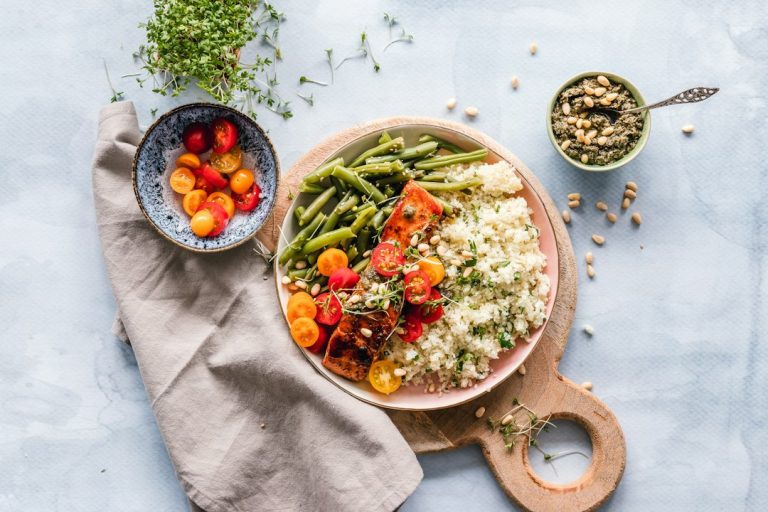
[IMAGE: healthy meal] A plate of grilled chicken, roasted vegetables, quinoa, and avocado is not only photogenic; it is functional. It provides protein, fiber, and healthy fats in a combination that supports appetite control and stable energy. That is exactly the kind of meal that makes a weight loss plan feel realistic.
Example meal combinations
Here are a few meal ideas that fit a clean eating approach and can be adjusted to your needs:
- Breakfast: Greek yogurt, berries, chia seeds, and cinnamon
- Lunch: Lentil soup with side salad and olive oil dressing
- Dinner: Salmon, broccoli, and a small serving of brown rice
- Snack: Apple slices with almond butter
These meals are not extreme, and that is the point. Lasting weight loss is usually built on meals you can repeat when life gets busy. If a plan only works on your best day, it probably will not survive your busiest one.
Organic Foods That Help Curb Cravings
Cravings are one of the biggest reasons people give up on a healthy diet. The problem is rarely willpower alone. Often, it is about under-eating protein, skipping fiber, or relying too heavily on refined carbs that leave you hungry again an hour later. The right organic foods can help interrupt that pattern.
Foods that help you stay full longer
- Eggs
- Plain Greek yogurt
- Lentils
- Chia seeds
- Apples
- Leafy greens
- Avocado
When a meal contains protein, fiber, and healthy fat, the body tends to respond with steadier hunger signals. That means fewer snack attacks, fewer energy crashes, and a much better chance of sticking to your nutrition goals. Have you ever noticed how one balanced meal can change the rest of your day? That is no accident.
Smart snack strategies
Snacking is not the problem; unplanned snacking is. A good snack should support energy, not derail it. Organic food makes this easier when you choose whole foods over packaged alternatives.
- Celery with hummus
- Hard-boiled eggs and cherry tomatoes
- Plain yogurt with berries
- A small handful of walnuts and an orange
- Cucumber slices with guacamole
If you keep ready-to-eat organic snacks available, you are less likely to grab something ultra-processed in a moment of hunger. Convenience is powerful, so set up your environment to make the healthier choice the easier choice.
A Clean Eating Grocery List for Weight Loss
Grocery shopping can either support your goals or sabotage them. If your cart is filled with highly processed foods, you will need more self-control at home. If your kitchen is stocked with nutrient-dense organic staples, healthy eating becomes much more natural.
Produce
- Spinach
- Kale
- Broccoli
- Cauliflower
- Apples
- Berries
- Avocados
- Cucumbers
- Bell peppers
- Zucchini
Protein
- Organic eggs
- Greek yogurt
- Chicken breast
- Wild-caught salmon
- Tofu
- Tempeh
- Lentils
- Chickpeas
Pantry staples
- Oats
- Quinoa
- Brown rice
- Chia seeds
- Flaxseed
- Almond butter
- Extra-virgin olive oil
- Herbs and spices
One helpful question to ask yourself before each shopping trip is this: will these ingredients help me prepare real meals? If the answer is yes, you are building a kitchen that supports your healthy lifestyle. If the answer is no, the item may be better left on the shelf.
Organic Meal Prep Ideas That Make Weight Loss Easier
Meal prep is not just for fitness enthusiasts. It is one of the most practical tools for clean eating because it removes decision fatigue. When your food is ready, you are much more likely to eat well even on a stressful day. That is why meal prep matters so much for sustainable weight loss.
Batch-cook building blocks
Rather than cooking full meals in advance, prepare versatile ingredients you can combine in different ways throughout the week. This keeps meals interesting and reduces boredom.
- Roast a tray of mixed vegetables
- Cook a pot of quinoa or brown rice
- Grill or bake several portions of protein
- Wash and chop salad greens
- Make a simple dressing or dip
Three-day prep rhythm
If a full week of prep feels overwhelming, start with three days. This is often enough to build momentum without burnout.
Day 1
Prepare breakfast options such as overnight oats, boiled eggs, or yogurt bowls. Chop vegetables for lunches and snacks.
Day 2
Cook your protein and grains, then assemble a few lunch bowls or salads. Keep fruit washed and visible in the fridge.
Day 3
Restock produce and prep another round of easy meals. Keep portions moderate and keep flavors varied with herbs, lemon, garlic, and spices.
Meal prep also gives you a better sense of portion sizes. Many people overeat simply because they are hungry and improvising. A prepared meal removes guesswork and makes nutrition feel calmer.
How Organic Food Fits into a Detox Diet
The word detox is often misunderstood. Your body already has organs that detoxify naturally, including the liver and kidneys. Still, a detox diet can be a useful phrase when it means reducing ultra-processed foods, excess sugar, alcohol, and heavy meals while increasing hydration, fiber, and whole organic ingredients.
If you approach detox as a reset rather than a drastic cleanse, it becomes more practical and less extreme. Organic food fits beautifully into that style of eating because it emphasizes plants, hydration, and nourishment rather than deprivation.
Foods that support a natural reset
- Cucumber
- Leafy greens
- Lemon
- Celery
- Berry smoothies
- Herbal teas
- Vegetable soups
- Water-rich fruit
This kind of reset can help reduce bloating and improve your relationship with food. But the key is sustainability. If your detox diet leaves you exhausted, it is too aggressive. The best detox-inspired plan should leave you feeling lighter, clearer, and more in control.
Common Organic Diet Mistakes to Avoid
Even a smart clean eating plan can stall if you make a few common mistakes. Organic food is a strong foundation, but how you use it matters. Weight loss is often less about the ingredients themselves and more about the pattern they create.
1. Assuming organic automatically means healthy
Organic sugar is still sugar. Organic snack bars can still be highly processed. Organic food helps when it improves quality, not when it is used as a marketing label. Always look at the whole picture: ingredients, portions, and frequency.
2. Not eating enough protein
Many people fill their plate with salad and fruit but forget protein. That may feel virtuous, but it often leads to hunger and overeating later. A healthy diet needs enough protein to support fullness, muscle maintenance, and stable energy.
3. Cutting carbohydrates too aggressively
Not all carbs are the problem. Oats, quinoa, legumes, and fruit can be part of an excellent weight loss plan. If you remove too many carbohydrates, your energy may drop and cravings may increase. Balance usually works better than extremes.
4. Ignoring portion size
Even healthy foods can contribute to weight gain if portions are too large. Nuts, seeds, oils, and grains are nutritious, but they are also calorie-dense. Mindful portions keep your nutrition strategy effective.
5. Drinking calories without noticing
Sweet coffee drinks, juices, and smoothies can quietly add a lot of calories. A better approach is to keep beverages simple: water, sparkling water, unsweetened tea, black coffee, or lightly flavored infused water.
When you correct these mistakes, clean eating becomes much easier to sustain. You do not need a perfect plan; you need a workable one.
Practical Tips to Make Organic Weight Loss Affordable
One of the biggest myths about organic food is that it is always too expensive. While some items cost more, many strategies can make organic eating more accessible. With a little planning, you can support your nutrition goals without overspending.
Spend strategically
- Buy organic for the produce you eat most often.
- Choose frozen organic vegetables and berries when fresh is costly.
- Focus on bulk legumes, oats, and grains.
- Compare store brands instead of assuming premium packaging means better value.
- Plan meals before shopping to avoid waste.
It is also smart to think about where organic food saves money indirectly. When you cook at home more often, waste less produce, and rely less on takeout, your overall food budget may stay surprisingly balanced. The true cost of eating well is not just what you buy; it is also what bad habits cost you over time.
A Sample Organic Clean Eating Day for Weight Loss
If you prefer a practical example, here is a simple day of eating that balances nutrition, satiety, and convenience. It is not overly strict, and it is not designed to feel punishing. Instead, it shows how organic food can support weight loss in real life.
Breakfast
Plain Greek yogurt with blueberries, chia seeds, and cinnamon, plus a boiled egg on the side.
Midmorning snack
One apple with a tablespoon of almond butter.
Lunch
Mixed green salad with grilled chicken, cucumber, cherry tomatoes, chickpeas, avocado, and olive oil-lemon dressing.
Afternoon snack
Carrot sticks with hummus or a small handful of walnuts.
Dinner
Baked salmon with roasted broccoli and cauliflower, plus a small serving of quinoa.
Optional evening tea
Unsweetened herbal tea to create a calm end to the day.
[IMAGE: fitness lifestyle] This style of eating works because it supports both nutrition and routine. You are not chasing a perfect cleanse or an extreme restriction plan. You are practicing a healthy lifestyle that feels achievable on ordinary days, which is usually where real progress happens.
How to Stay Consistent Without Burning Out
Consistency is the true secret behind weight loss. Not intensity. Not perfection. Consistency. The most effective organic diet is the one you can maintain when work gets busy, when your motivation drops, and when your schedule changes. How do you stay steady without getting overwhelmed?
Start with one or two habits
Maybe you begin by adding vegetables to lunch and eating protein at breakfast. Maybe you swap one processed snack for fruit and nuts. Small shifts create momentum. Once those habits feel easy, you can layer in more.
Use the 80/20 mindset
A clean eating plan does not have to be all or nothing. If most of your meals are built from organic, whole-food ingredients, occasional flexibility will not derail your progress. That mindset helps you stay social, sane, and realistic.
Track how you feel, not only the scale
Weight loss is important, but so is energy, digestion, sleep, mood, and focus. A nutrition plan that improves how you feel is more likely to last. If your clothes fit better and your energy is steadier, those are meaningful wins even before the scale changes dramatically.
Keep your kitchen stocked
A well-stocked kitchen is one of the best forms of self-support. When organic staples are visible and ready, healthy eating becomes the default. And when healthy eating is the default, weight loss becomes more natural.
Why This Approach Works Long Term
The best nutrition plan is one that respects your body and your real life. Organic foods can help with that because they encourage better ingredients, more home cooking, and a simpler relationship with food. Instead of constantly fighting cravings, you begin to build meals that satisfy them in smarter ways.
This matters because long-term weight loss is rarely about dramatic short-term tactics. It is usually about routines that support health week after week. Fresh vegetables, whole fruits, clean proteins, and balanced portions may not sound flashy, but they are the foundation of real change. Do you want a plan that feels exciting for two weeks, or one that quietly improves your health for years?
Organic food is not a cure-all, but it can be the anchor for a smarter, calmer, more nourishing approach to weight loss. When combined with movement, hydration, and good sleep, it creates a complete healthy lifestyle rather than a temporary fix. That is why so many people return to clean eating after trying more extreme methods. It simply makes more sense.
For readers who want to keep building momentum, continue exploring DietOrganic for more articles on organic food, nutrition, detox diet strategies, and clean eating ideas that fit a modern healthy lifestyle. The more you learn, the easier it becomes to turn good intentions into everyday habits that truly last.
About the Author