
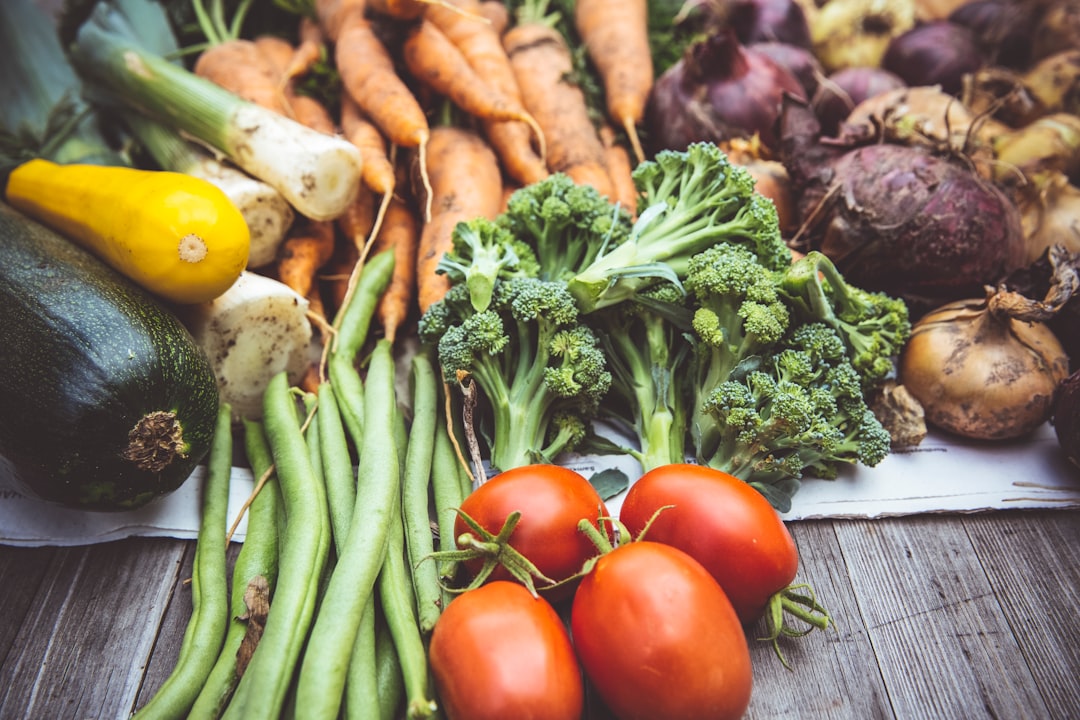
Photo by Markus Spiske on Unsplash
When people think about weight loss, they often focus on calories first and forget about something just as important: food quality. A plate built from organic food can do more than fill you up. It can support steadier energy, smarter cravings, better digestion, and a cleaner relationship with eating overall. Have you ever noticed how some meals leave you satisfied for hours while others seem to trigger constant snacking? That difference is often about nutrient density, fiber, protein, and the way a meal fits into a healthy lifestyle.
This is where clean eating becomes more than a trend. In its best form, clean eating is not about harsh rules or fear around food. It is about choosing ingredients that are close to their natural state, rich in nutrition, and easier for the body to use. For many people, that shift creates a more sustainable path to weight loss than chasing quick fixes or restrictive detox diet plans that are impossible to maintain. The goal is not to eat perfectly. The goal is to eat in a way that makes healthy habits feel natural.
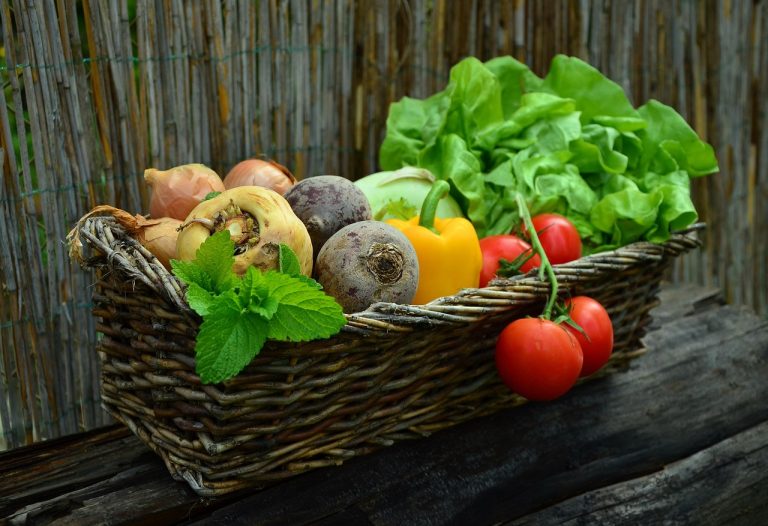
[IMAGE: organic vegetables]
Organic food can play a valuable role in this process because it often pushes your meals toward fresher produce, fewer artificial additives, and more mindful shopping. But not every organic product is automatically useful for fat loss, and not every diet labeled healthy actually supports your goals. What matters most is how you build your plate, how you balance meals, and how consistently you follow habits that work in real life. If you are trying to lose weight without feeling deprived, this approach can help you do exactly that.
Why Organic Food Can Support Weight Loss
Organic food is not a magic solution, but it can make healthy eating easier to sustain. Many organic foods are sold in forms that encourage whole-food meals: fresh vegetables, fruit, eggs, yogurt, beans, nuts, seeds, grains, and lean proteins. These foods are naturally rich in fiber, water, protein, and micronutrients, which means they help you feel full with fewer empty calories. That is a major advantage when your goal is weight loss.
One reason people struggle with dieting is that their meals are too refined. Highly processed foods are often engineered to be easy to overeat because they combine sugar, salt, and fat in ways that are hard to resist. Organic food does not automatically eliminate this issue, but it often shifts attention toward simpler ingredients. When you buy organic vegetables instead of packaged snacks, or organic plain yogurt instead of sugary dessert-style yogurt, you are more likely to build a meal that supports your nutrition goals.
There is also the psychological effect of eating well. When your food choices feel intentional and high quality, you may become more aware of portion sizes, mealtime habits, and hunger cues. That awareness is powerful. Weight loss becomes less about punishment and more about consistency. And consistency is what changes body composition over time.
The Real Value of Clean Eating
Clean eating is often misunderstood. Some people think it means eating only a tiny list of foods or cutting out entire food groups. In reality, clean eating is simply a practical framework for choosing wholesome meals and minimizing unnecessary additives. It favors vegetables, fruit, whole grains, legumes, nuts, seeds, herbs, spices, and minimally processed proteins. It also encourages cooking more often at home, which gives you control over ingredients and portions.
Why does that matter for weight loss? Because when you cook more, you usually eat more deliberately. You are less likely to consume hidden sugars, oversized portions, or highly processed ingredients that do not support your health. Clean eating is especially helpful for people who feel lost in the noise of diet trends. It is simple, flexible, and surprisingly effective when applied with patience.
Organic Food and Nutrient Density
Nutrient density refers to the amount of vitamins, minerals, antioxidants, protein, and fiber you get per calorie. Foods that are nutrient-dense are ideal for healthy weight management because they nourish the body without overloading it with excess energy. Organic food is often associated with fresh produce and minimally processed items, which are usually high in nutrient density.
Think about spinach, berries, kale, broccoli, lentils, chia seeds, and eggs. These foods provide a wide range of nutrients in relatively modest calorie portions. They can support metabolism, digestion, and recovery from exercise. They also help stabilize blood sugar, which matters because unstable blood sugar can lead to energy crashes and cravings. For anyone trying to lose weight in a sustainable way, these are the kinds of foods that make daily discipline much easier.
Best Organic Foods for Steady Fat Loss
Not all organic foods work equally well for weight loss. Some are excellent staples, while others are still best enjoyed in moderation. The key is to focus on foods that increase fullness, improve nutrition, and fit naturally into a balanced meal pattern. Below are some of the most effective organic food choices for a healthier, leaner routine.
1. Organic Leafy Greens
Leafy greens are among the most valuable foods in any clean eating plan. Organic spinach, kale, arugula, romaine, Swiss chard, and spring mix provide volume without many calories. That means you can create larger, more satisfying meals without dramatically increasing energy intake. They are also rich in folate, potassium, vitamin K, magnesium, and antioxidants that support overall health.
Try adding leafy greens to omelets, soups, grain bowls, smoothies, and wraps. When your meals include a generous base of greens, you naturally crowd out less helpful foods. This small habit can make a big difference over time.
2. Organic Cruciferous Vegetables
Broccoli, cauliflower, Brussels sprouts, cabbage, and bok choy are nutritional powerhouses. They are high in fiber and water, which helps you feel full while keeping calorie intake reasonable. Their texture also makes meals more satisfying, especially when roasted, sautéed, or lightly steamed with olive oil and herbs.
Cruciferous vegetables are especially useful for people looking to improve digestion and support a more balanced detox diet approach. While the body already has its own detoxification systems, nutrient-rich vegetables help those systems do their job efficiently. Why rely on ultra-processed foods when simple organic vegetables can do so much?
3. Organic Berries
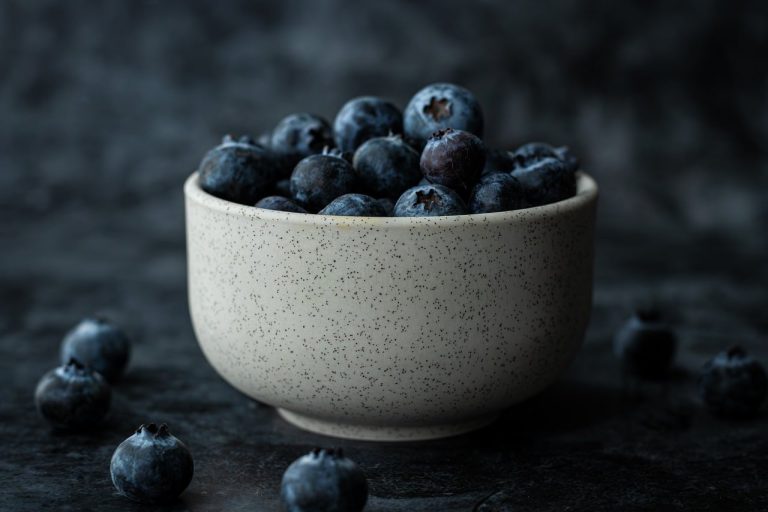
Berries are a sweet but smart choice for weight loss. Organic strawberries, blueberries, raspberries, and blackberries provide antioxidants, fiber, and natural flavor without the heavy sugar load of many desserts. They can satisfy a craving for something sweet while keeping your healthy lifestyle intact.
Use berries in Greek yogurt, oatmeal, chia pudding, salads, and smoothies. Because they are naturally flavorful, they can reduce the need for added sugar. If you are trying to transition away from high-sugar snacks, berries are one of the easiest foods to keep on hand.
4. Organic Eggs
Eggs are one of the best organic protein sources for weight loss. They are filling, versatile, and easy to prepare. Protein is important because it helps preserve lean muscle while you lose fat, and muscle tissue supports a healthy metabolism. Eating enough protein can also reduce cravings and help you stay satisfied between meals.
Organic eggs make an excellent breakfast, but they are not limited to the morning. You can add them to salads, grain bowls, vegetable scrambles, and simple protein plates. A meal built around eggs, greens, and avocado can be both satisfying and supportive of a healthy diet.
5. Organic Greek Yogurt
Plain organic Greek yogurt is a smart option if you want a high-protein food that feels creamy and indulgent. It can replace sweeter, less nourishing snacks while still giving you a rich texture. Choose unsweetened versions when possible and add your own fruit, seeds, or cinnamon for flavor.
Greek yogurt supports satiety and can be part of breakfast, snacks, or even savory meals. It is also an excellent base for dips and dressings, which makes it useful for anyone trying to simplify meal prep without sacrificing taste.
6. Organic Oats
Organic oats are a classic clean eating staple. They contain soluble fiber, which helps support fullness and may contribute to better appetite control. When prepared with protein and healthy fats, oats can become a balanced meal rather than a carb-heavy breakfast that leaves you hungry an hour later.
To make oats more weight-loss friendly, pair them with chia seeds, almond butter, berries, or Greek yogurt. That combination slows digestion and improves satisfaction. If your mornings often feel rushed, oats are one of the easiest foods to prep ahead of time.
7. Organic Beans and Lentils
Beans and lentils are underrated heroes of the healthy diet world. They are affordable, filling, rich in fiber, and packed with plant protein. For weight loss, they are especially helpful because they create a strong sense of fullness without requiring large portions. They also fit easily into soups, salads, wraps, and grain bowls.
Many people worry that beans are too heavy, but when prepared well they are one of the most practical foods for long-term nutrition. They support stable energy and can help reduce the urge to snack between meals. If you have not relied on them much in the past, they are worth revisiting.
8. Organic Salmon and Other Clean Proteins
While the term organic does not apply to all seafood in the same way it applies to produce, choosing high-quality, responsibly sourced protein is still essential. Salmon, sardines, chicken, turkey, tofu, tempeh, and grass-fed options can all be part of a weight-loss-focused organic food plan. The key is to choose lean, satisfying protein that fits your preferences and digestion.
Protein-rich meals reduce hunger and support muscle maintenance, especially if you are exercising regularly. They also make it easier to avoid the mid-afternoon slump that often triggers impulsive snacking. When was the last time you felt truly satisfied after a meal? Protein may be the missing piece.
9. Organic Nuts and Seeds
Almonds, walnuts, chia seeds, flaxseeds, and pumpkin seeds offer healthy fats, fiber, and minerals. They are calorie-dense, so portion control matters, but in the right amounts they can be extremely beneficial. A small handful of nuts or a tablespoon of seeds can increase satiety and make meals feel more complete.
Seeds are especially useful in a clean eating routine because they can be added to yogurt, salads, smoothies, oatmeal, and roasted vegetables. They also bring valuable omega-3 fats and a satisfying crunch that helps meals feel less monotonous.
10. Organic Avocados
Avocados are often feared in weight loss plans because they are higher in calories than many fruits, but that is exactly what makes them useful in moderation. Their healthy fats help slow digestion and keep you full. They also pair beautifully with eggs, salads, toast, and grain bowls.
For many people, a quarter or half of an avocado adds enough richness to make a meal feel complete. Instead of avoiding fats altogether, focus on the right fats in the right amount. That is how a healthy lifestyle becomes sustainable.
How These Foods Help Control Appetite
One of the biggest barriers to weight loss is appetite that feels unpredictable. You may start the day with good intentions, only to find yourself reaching for snacks in the afternoon or overeating at dinner. Organic food can help by giving you meals that are more satisfying and less likely to trigger cravings.
Fiber Makes Meals Stay With You
Foods high in fiber digest more slowly, helping you stay full longer. Fiber also supports digestive health, which can reduce bloating and improve overall comfort. The more fiber-rich foods you include, the easier it becomes to feel satisfied on fewer calories.
Examples of high-fiber organic foods include:
- Leafy greens
- Cruciferous vegetables
- Beans and lentils
- Berries
- Oats
- Chia seeds
- Flaxseeds
This combination is especially powerful when paired with protein. Together, fiber and protein create meals that stabilize energy and reduce the temptation to graze constantly.
Protein Reduces Cravings
Protein has a strong effect on satiety. It supports muscle repair, helps regulate hunger hormones, and keeps your body from feeling as though it needs quick fuel all the time. If breakfast is low in protein, you may feel hungrier by midmorning. If lunch is just a salad without enough protein, dinner may become an overeating risk.
Organic food choices that support protein intake include eggs, Greek yogurt, legumes, tofu, tempeh, fish, poultry, and nuts. Each meal does not need to be extremely high in protein, but every meal should include a meaningful source of it.
Healthy Fats Improve Satisfaction
Many people trying to lose weight make the mistake of fearing all fats. In reality, healthy fats are essential for hormone production, nutrient absorption, and satisfaction. Avocado, seeds, nuts, olive oil, and fatty fish can make meals feel complete and prevent the rebound hunger that often comes after very low-fat eating.
The secret is balance. A spoonful of almond butter, a few slices of avocado, or a drizzle of olive oil can transform a simple salad or bowl into a meal you actually enjoy. And enjoyment matters, because the best healthy diet is one you can follow without feeling miserable.
Building a Clean Eating Plate That Supports Weight Loss
If you want organic food to support weight loss, structure matters. A plate with random healthy items can still leave you unsatisfied if it lacks balance. The easiest approach is to think in terms of proportions rather than strict rules.
The Simple Plate Formula
A practical plate for healthy eating usually includes:
- Half the plate: non-starchy vegetables
- One quarter: protein
- One quarter: smart carbohydrates
- One small portion: healthy fat
This formula helps manage calories while keeping meals nourishing. For example, you might build a plate with roasted broccoli, grilled salmon, quinoa, and a small avocado wedge. Or you might choose a breakfast of eggs, sautéed greens, berries, and oats. The key is balance, not perfection.
Why Balanced Meals Beat Restrictive Dieting
Very low-calorie plans often backfire because they are hard to sustain. People feel deprived, lose energy, and then overeat later. Balanced meals built around organic food are different. They give your body enough fuel to function well while still supporting fat loss.
This is one reason clean eating works so well. It creates a structure that encourages moderation without making life feel too complicated. You are not trying to survive on willpower alone. You are creating meals that work with your body rather than against it.
Smart Ways to Shop for Organic Food on a Weight Loss Budget
Some people assume organic food is always too expensive for regular use, but a strategic approach can make it much more accessible. You do not need every item in your pantry to be organic. In fact, the most practical strategy is to focus on the foods you eat most often and the foods that matter most to your routine.
Prioritize the Basics
Start with the items that make the biggest difference in your daily diet:
- Leafy greens
- Berries
- Apples
- Eggs
- Oats
- Yogurt
- Beans
- Frozen vegetables
These foods create the foundation of a healthy lifestyle. Once you have a reliable base, you can expand into more specialty items when your budget allows.
Use Frozen and Seasonal Options
Frozen organic vegetables and berries are often more affordable than fresh versions and can be just as nutritious. Seasonal produce is another smart way to save money while keeping your meals varied. A simple stir-fry with frozen broccoli, carrots, and organic tofu can be just as valuable as a more elaborate recipe.
Weight loss becomes easier when your kitchen is stocked with ingredients that are both convenient and affordable. Convenience matters because the best food is the food you actually use.
Buy Whole Ingredients Instead of Packaged Health Foods
Many packaged products marketed as healthy are expensive, calorie-dense, and not very satisfying. A better approach is to buy whole ingredients and build meals yourself. A bag of oats, a container of yogurt, a tray of eggs, and a bundle of organic vegetables can provide many meals at a lower cost than heavily marketed snack bars or frozen diet meals.
When you cook from whole ingredients, you also gain more control over salt, sugar, oil, and portion size. That is essential for anyone trying to create a clean eating rhythm that supports weight loss.
Sample Organic Meal Ideas for the Day
It is one thing to understand the theory of healthy eating and another to apply it during a busy week. Here are practical meal ideas that show how organic food can fit into a realistic routine without feeling repetitive or restrictive.
[IMAGE: healthy meal]
Breakfast Ideas
- Organic Greek yogurt with berries, chia seeds, and cinnamon
- Vegetable omelet with spinach, mushrooms, and tomatoes
- Overnight oats with flaxseed, almond butter, and blueberries
Each of these breakfasts includes protein, fiber, and enough flavor to keep you satisfied. They also help prevent the blood sugar swings that can lead to morning cravings.
Lunch Ideas
- Big salad with mixed greens, chickpeas, avocado, cucumber, and grilled chicken
- Quinoa bowl with roasted vegetables, lentils, and tahini dressing
- Turkey or tofu wrap with hummus and shredded cabbage
Lunch should be filling enough to carry you through the afternoon without making you sluggish. A high-protein, high-fiber meal is often the best way to avoid the snack trap.
Dinner Ideas
- Salmon with roasted Brussels sprouts and cauliflower
- Stir-fried vegetables with tofu and brown rice
- Chicken soup with kale, carrots, and beans
Dinner is an opportunity to end the day on a nourishing note. If your evening meals are too light, you may find yourself reaching for sweets later. If they are too heavy, you may feel sluggish. Balance is the sweet spot.
Snack Ideas
- Apple slices with almond butter
- Carrots with hummus
- Hard-boiled eggs
- Plain yogurt with berries
- Pumpkin seeds and a small piece of fruit
Smart snacks are not about eating constantly. They are about preventing extreme hunger that can sabotage your next meal. Used strategically, snacks can support a healthier pattern of eating throughout the day.
Organic Foods That Help You Avoid Common Weight Loss Pitfalls
Many people start a healthy diet with enthusiasm, then quietly fall into patterns that make weight loss harder than it needs to be. The good news is that a few simple food choices can help you avoid the most common mistakes.
Overeating Hidden Sugars
Even organic foods can contain added sugars, especially in granola, flavored yogurt, drinks, and snack bars. Reading labels is essential if you want to stay aligned with your goals. Just because something is organic does not mean it is ideal for weight loss.
Look for short ingredient lists, modest sugar content, and foods that look like real food rather than ultra-processed products. If a label reads more like dessert than nourishment, it may be time to rethink the purchase.
Skipping Protein
A meal centered only on vegetables can be healthy but still leave you hungry. That is why protein matters so much. It helps you feel anchored after eating and protects against constant snacking. Organic food planning should always include a protein source, whether animal-based or plant-based.
Eating Too Little During the Day
Some people try to lose weight by eating too little early on, then end up overeating at night. That pattern is common and frustrating. A better strategy is to eat enough during the day so you remain steady, calm, and in control. Weight loss should feel disciplined, not desperate.
Relying on Products Instead of Meals
Meal replacement shakes, diet bars, and packaged low-calorie products may seem convenient, but they rarely create the same satisfaction as a real meal. Whole organic foods are more effective because they nourish the body and train your appetite in a healthier direction. This is one reason clean eating has such staying power.
Organic Food, Nutrition, and the Role of Movement
Food quality matters, but so does movement. A healthy lifestyle works best when nutrition and physical activity support one another. You do not need an extreme workout plan to benefit from this. Even regular walking, strength training, yoga, or light cardio can improve how your body uses the food you eat.
[IMAGE: fitness lifestyle]
Why Exercise Complements Clean Eating
Exercise helps preserve lean muscle, which can make a weight loss plan more effective. It also improves mood, supports insulin sensitivity, and gives you more flexibility in your diet over time. When paired with organic food and smart meal planning, movement becomes a powerful ally rather than a punishment for eating.
A brisk walk after dinner, a strength session in the morning, or a few active breaks during the workday can all support your results. The purpose is not to burn every calorie you eat. The purpose is to build a body that feels energetic, capable, and resilient.
Hydration Matters More Than You Think
Sometimes hunger is really thirst in disguise. If you are not drinking enough water, your appetite can feel louder than it needs to be. Hydration also supports digestion, energy, and recovery. Pair your organic food plan with plenty of water, herbal tea, or infused water if that helps you stay consistent.
For people exploring a detox diet approach, hydration is especially important. While your liver and kidneys do the real detoxifying work, water helps your body perform that process efficiently. The simplest habits are often the most effective.
How to Make Organic Weight Loss Sustainable
Any diet can work for a week. The real challenge is making it last long enough to change your health. Sustainable weight loss depends on routines that are realistic, enjoyable, and flexible enough to survive busy days. Organic food supports this because it invites a simpler style of eating based on whole ingredients and repeatable meals.
Plan for Real Life, Not Perfection
Life will not always be organized. You will have travel days, late meetings, social events, and moments when cooking feels impossible. That is why your plan needs to include backup options. Keep frozen vegetables, eggs, yogurt, canned beans, and pre-washed greens in your kitchen so you always have something healthy within reach.
Ask yourself: what meals can you make in ten minutes that still support your goals? The answer might be a vegetable scramble, a grain bowl, a smoothie, or a quick soup. Simplicity is not a compromise. It is a strategy.
Keep Meals Interesting
Healthy eating becomes boring when every plate looks the same. Use spices, herbs, citrus, vinegars, garlic, ginger, mustard, tahini, and olive oil to create variety without relying on sugar-heavy sauces. Organic food often tastes better when it is prepared simply because the ingredients themselves are strong enough to stand on their own.
Try changing one element of a meal at a time. Switch the grain, the protein, the sauce, or the vegetable mix. That keeps the routine fresh and prevents the burnout that often leads people back to processed convenience food.
Track Progress Beyond the Scale
Weight loss is important, but it is not the only sign of success. Better digestion, improved energy, fewer cravings, steadier moods, and more consistent habits all matter. The scale may fluctuate from day to day, but your long-term patterns reveal the real story. Are your clothes fitting differently? Do you feel lighter after meals? Is your mind less consumed by food?
Those are meaningful wins. And they are often the signs that your organic food and clean eating routine is doing exactly what it should.
Practical Checklist for Starting Today
If you want to begin without feeling overwhelmed, keep the first steps very simple. You do not need a dramatic reset. You need a smart one.
- Choose three organic vegetables you enjoy
- Add one reliable protein source to each meal
- Stock one fruit, one grain, and one healthy fat
- Prepare at least one meal at home each day
- Replace one sugary snack with a whole-food option
- Drink water consistently throughout the day
- Walk or move your body regularly
These habits may seem basic, but basic habits repeated often are what create visible change. That is the part most people overlook when they chase complicated weight loss strategies.
When you build your meals around organic food, your choices begin to support each other. Better breakfasts reduce cravings later. Better lunches prevent afternoon crashes. Better dinners improve overnight recovery. Over time, clean eating stops feeling like a temporary plan and starts feeling like a healthier way of living. That shift is what makes results last.
If you are ready to keep learning how organic food can shape a healthier body and a calmer relationship with eating, explore more articles on DietOrganic and keep building a routine that feels nourishing, practical, and truly yours.
About the Author