
Photo by stux on Pixabay
Your gut is doing far more than digesting breakfast. It helps regulate immunity, energy, mood, cravings, and even how your body responds to weight loss efforts. That is why so many people who begin a clean eating journey eventually ask the same question: which organic food choices actually make a difference for gut health?
If you have ever felt bloated after meals, sluggish in the afternoon, or stuck in a cycle of unhealthy snacking, your digestive system may be asking for a reset. The good news is that you do not need an extreme detox diet or a complicated nutrition plan to support it. With the right organic foods, you can build a healthy lifestyle that feels realistic, satisfying, and sustainable.
This guide explores the best organic foods for gut health, how they support digestion, and how to turn them into practical meals that fit busy days. You will also find simple habits, shopping tips, and meal ideas that make clean eating feel less like a chore and more like a natural part of daily life. Ready to give your gut the support it deserves?
Why Gut Health Should Be a Priority in Any Healthy Diet
The gut is often called the body’s second brain, and for good reason. It houses trillions of microbes that influence digestion, nutrient absorption, inflammation, and even the signals tied to hunger and fullness. When your gut is balanced, food tends to feel easier on your system, energy becomes steadier, and weight loss efforts often feel more manageable.
When your gut is out of balance, the signs are easy to ignore at first. You may notice more bloating, irregular digestion, gas, sugar cravings, or a feeling that your meals are not really satisfying you. Have you ever eaten a full lunch and still felt hungry an hour later? That can happen when your meals are low in fiber, low in quality nutrients, or overly processed.
Organic food matters here because it often helps people reduce exposure to unnecessary additives, synthetic pesticides, and highly processed ingredients that can make clean eating harder to maintain. While organic labels are not a magic solution, they can be a valuable part of a nutrition-focused approach that supports long-term wellness.
What a balanced gut can help with
People usually think of digestion as the only job of the gut, but it is connected to many other parts of health. A calmer digestive system may contribute to:
- More comfortable digestion after meals
- Better regularity and less bloating
- More stable appetite and fewer intense cravings
- Improved nutrient absorption from healthy foods
- A stronger foundation for weight loss and energy
- Support for an overall healthy lifestyle
That is why gut health is not just a niche topic for nutrition enthusiasts. It is a practical starting point for almost anyone who wants to feel better every day.
The Best Organic Foods for Gut Health
If you want your meals to support digestion, not just fill you up, choose foods that feed beneficial bacteria, soothe the digestive tract, and provide the fiber your body needs to process meals smoothly. The best part is that many of these foods are simple, affordable, and easy to include in a clean eating routine.
Fermented organic foods
Fermented foods are a cornerstone of gut-friendly nutrition because they can introduce live cultures that support microbial balance. When you choose organic versions, you can keep your diet aligned with a cleaner ingredient profile.
Look for options such as:
- Organic plain yogurt with live cultures
- Organic kefir
- Organic sauerkraut
- Organic kimchi
- Organic miso
- Organic tempeh
These foods work well in small daily portions. You do not need a huge serving to get benefits. A spoonful of sauerkraut beside lunch or a bowl of kefir with berries can be enough to make a difference over time.
For people who are new to fermented foods, start slowly. The gut may need time to adapt, especially if your diet has been low in natural probiotics. A gentle approach is often better than forcing too much too quickly.
Fiber-rich organic vegetables
Fiber is one of the most important nutrients for digestion, and organic vegetables make it easy to build meals that truly support the gut. Fiber helps move food through the digestive tract, nourishes beneficial bacteria, and contributes to the fullness that supports weight loss.
Some of the best options include:
- Organic broccoli
- Organic spinach
- Organic kale
- Organic carrots
- Organic Brussels sprouts
- Organic sweet potatoes
- Organic asparagus
These vegetables are easy to roast, steam, blend into soups, or add to grain bowls. If your meals often leave you feeling heavy, try increasing vegetables before reaching for supplements or trendy detox diet products. A plate filled with real food is still one of the most reliable ways to support digestion.
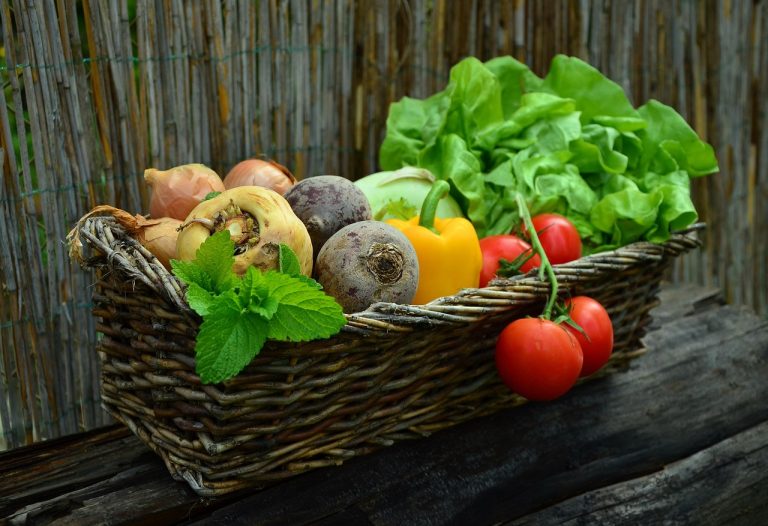
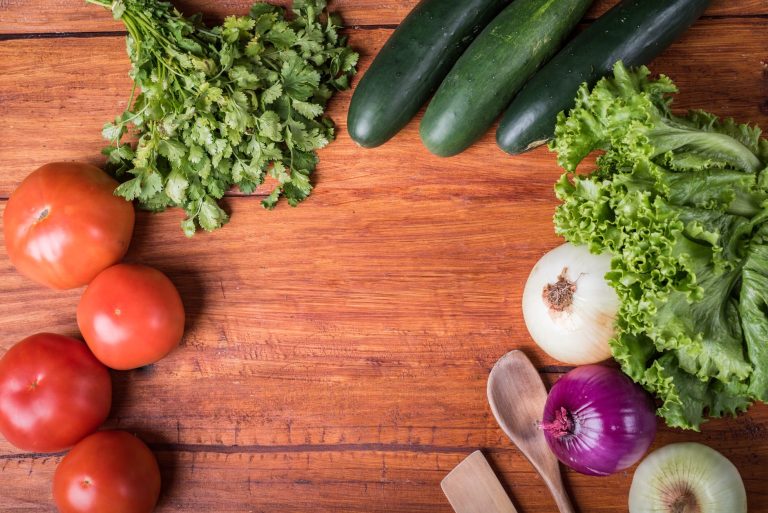
[IMAGE: organic vegetables]
Prebiotic fruits and plant foods
Prebiotics are the fibers that feed the beneficial bacteria in your gut. Without them, probiotics have less fuel to work with. Organic fruits and plant foods are especially useful because they offer flavor, vitamins, and natural sweetness without relying on processed sugar.
Great choices include:
- Organic bananas
- Organic apples
- Organic berries
- Organic onions
- Organic garlic
- Organic leeks
- Organic oats
Bananas, apples, onions, garlic, and oats are especially helpful in a gut-friendly eating plan because they support bacteria that help maintain digestive balance. Could your breakfast use a little more fiber and a little less sugar? Swapping a pastry for oats with fruit may be a small change, but those small changes add up.
Organic healthy fats
Many people focus only on fiber when talking about digestion, but healthy fats also matter. They help the body absorb fat-soluble vitamins and contribute to satisfaction after meals. That satisfaction can be a major advantage when your goal is weight loss without feeling deprived.
Try adding:
- Organic avocado
- Organic olive oil
- Organic walnuts
- Organic chia seeds
- Organic flaxseeds
A drizzle of olive oil over vegetables, a spoonful of chia in yogurt, or a handful of walnuts with fruit can make a meal more balanced and easier to stick with. Clean eating should never feel like eating less. It should feel like eating better.
How Organic Food Supports Digestion and Weight Loss at the Same Time
One of the biggest mistakes people make in nutrition is treating gut health and weight loss as separate goals. In reality, they are closely connected. When digestion improves, people often feel less bloated, more satisfied, and less driven by cravings that lead to unnecessary snacking.
Organic food can support this process in several ways. First, many organic whole foods are naturally rich in fiber and water, which helps with fullness. Second, by emphasizing clean eating, you often reduce your intake of ultra-processed foods that can disrupt appetite signals. Third, a more nutrient-dense diet can help stabilize energy, making it easier to stay active and committed to a healthy lifestyle.
That does not mean every organic food automatically causes weight loss. Organic cookies are still cookies. Organic chips are still chips. The real benefit comes from choosing organic foods in their whole or minimally processed form most of the time.
Why digestion affects appetite
When your gut is struggling, your body can send mixed signals. You may feel hungry soon after eating, or you may confuse fatigue and dehydration with cravings. A better-balanced digestive system often makes these signals easier to interpret.
Here is what improved digestion can support:
- More predictable meal timing
- Less emotional or reactive eating
- Better control of portions without counting every bite
- More energy for exercise and daily movement
This is one reason why a gut-friendly organic food plan can feel so empowering. It is not just about cutting calories. It is about creating conditions where your body can function more smoothly.
A healthier path than a harsh detox diet
The word detox diet is often used in ways that are misleading. Your body already has natural detoxification systems, especially through the liver, kidneys, and digestive tract. Rather than chasing quick fixes, a better strategy is to support those systems with nutritious food, hydration, and rest.
Organic vegetables, berries, legumes, seeds, and fermented foods can help keep that process moving in a gentle, realistic way. Think of it as nourishing your body rather than punishing it. That approach is more sustainable and usually more effective in the long run.
What a Gut-Friendly Organic Plate Looks Like
Creating a gut-supportive meal does not have to be complicated. A balanced plate can be built with a few smart components that work together. This method is easy to repeat for lunch or dinner, and it keeps clean eating from becoming overwhelming.
The simple plate formula
Try to include these four elements:
- Fiber-rich vegetables: broccoli, greens, peppers, carrots, or squash
- Quality protein: organic eggs, lentils, Greek yogurt, tofu, tempeh, or chicken
- Healthy fats: avocado, olive oil, seeds, or nuts
- Complex carbohydrates: oats, quinoa, sweet potatoes, or brown rice
When these pieces come together, your meal is more likely to support steady energy, better digestion, and greater satisfaction. That combination is especially valuable if you are trying to manage weight without constant hunger.
Sample gut-friendly meal ideas
Here are a few easy ways to build a healthy meal around organic food:
- Organic quinoa bowl with roasted broccoli, chickpeas, avocado, and sauerkraut
- Greek yogurt with berries, chia seeds, and oats
- Vegetable soup with lentils, garlic, kale, and olive oil
- Scrambled organic eggs with spinach, tomatoes, and roasted sweet potatoes
- Tempeh stir-fry with brown rice, carrots, ginger, and sesame seeds
[IMAGE: healthy meal]
Notice how none of these meals rely on complicated ingredients or strict rules. They are simply built around real food, balance, and repetition. That is the kind of structure that supports both digestion and consistency.
Breakfast Choices That Set the Tone for the Day
Breakfast is often the first opportunity to either support or strain the digestive system. A sugary, highly refined breakfast can lead to an energy crash and a strong desire to snack before lunch. A balanced breakfast, on the other hand, can help you feel grounded and focused.
Organic breakfast options for gut health
- Overnight oats with organic berries, chia seeds, and plain yogurt
- Vegetable omelet with spinach and mushrooms
- Smoothie made with kefir, banana, flaxseed, and cucumber
- Chia pudding topped with kiwi and walnuts
- Avocado toast on whole-grain bread with hemp seeds
These meals provide fiber, protein, and healthy fats, which help the digestive system work at a steady pace. They also support nutrition goals without making you feel restricted. If mornings are busy, prepare ingredients the night before so breakfast becomes easy instead of rushed.
What to avoid first thing in the morning
Many people unknowingly start the day with choices that can upset digestion. You do not need to be perfect, but reducing these habits can help:
- Sweetened coffee drinks with little to no food
- Highly processed pastries
- Sugary cereals with minimal fiber
- Breakfasts that contain mostly refined flour and syrup
Ask yourself: does your morning meal set you up for stable energy, or does it create a blood sugar roller coaster? That simple question can help guide better choices.
Smart Grocery Shopping for a Cleaner, Healthier Kitchen
The easiest way to support a healthy lifestyle is to make better choices before hunger strikes. If your kitchen is filled with processed convenience foods, it becomes much harder to stay on track. A well-planned grocery trip can change that quickly.
What to prioritize at the store
Use this list as a foundation for a gut-friendly organic food routine:
- Organic leafy greens
- Seasonal organic vegetables
- Organic berries and apples
- Plain yogurt or kefir with live cultures
- Beans, lentils, and chickpeas
- Organic oats and quinoa
- Seeds, nuts, and olive oil
- Fermented foods like sauerkraut or kimchi
How to read labels with confidence
Organic packaging can still be misleading if the product is heavily processed. Always check the ingredient list and look for simple formulations. The shorter and more recognizable the list, the better.
Try to avoid products that are packed with:
- Excess added sugar
- Artificial flavors
- Long lists of additives
- Refined oils in large amounts
Clean eating is not about fear. It is about clarity. When you know what you are buying, you can make confident choices that support nutrition and long-term wellbeing.
Everyday Habits That Make Organic Food Work Better
Even the best organic foods will not do their best work if the rest of your routine is chaotic. Digestion responds to more than ingredients. It also responds to how, when, and where you eat.
Eat without rushing
When you eat too fast, you are more likely to swallow air, overlook fullness signals, and feel uncomfortable afterward. Slowing down gives your body time to register that food is arriving. Put the fork down between bites. Take a breath. Notice the texture and taste of the meal. These small moments matter more than most people realize.
Stay hydrated throughout the day
Water helps move fiber through the digestive tract, and hydration supports nearly every process tied to nutrition and energy. A lot of people think they are hungry when they are actually thirsty. Start your day with a glass of water, and keep a bottle nearby so hydration becomes automatic.
Move your body regularly
Physical activity helps digestion more than people often expect. A short walk after meals can be especially helpful. Gentle movement may reduce bloating, support metabolism, and make you feel more connected to your healthy lifestyle goals.
[IMAGE: fitness lifestyle]
You do not need an intense workout every day to see benefits. A few minutes of walking, stretching, or light strength training can support the gut and the rest of the body at the same time.
Common Organic Diet Mistakes That Can Disrupt Gut Health
People sometimes assume that once they switch to organic food, everything automatically improves. In reality, there are a few common mistakes that can slow progress or create new digestive issues. Knowing these in advance can save you time and frustration.
1. Eating too little fiber
Some people focus so much on protein that they forget vegetables, fruit, legumes, and whole grains. Without enough fiber, digestion can become sluggish. Aim to build each meal around plants, not just around protein alone.
2. Overdoing raw foods
Raw vegetables are healthy, but too many raw foods can be hard on sensitive digestion. If you feel bloated after salads, try roasted vegetables, soups, or steamed greens instead. Sometimes cooked food is the more gut-friendly choice.
3. Assuming all organic packaged foods are healthy
Organic junk food is still junk food in many cases. A snack bar may be organic but still loaded with syrup and low in fiber. Read labels carefully and choose whole ingredients whenever possible.
4. Ignoring stress and sleep
Nutrition is important, but stress and sleep have a huge influence on gut health. If you are eating well yet still feel off, consider whether your body is getting enough rest. Deep sleep and lower stress levels can make clean eating more effective.
5. Changing everything overnight
A sudden shift to a radically different diet can overwhelm the digestive system. Transition gradually. Add one new organic food at a time. Replace one processed meal with a balanced one. Sustainable change is usually the most powerful kind.
A Gentle One-Day Organic Routine for Better Digestion
If you want to make this practical, start with a simple daily rhythm. You do not need to follow a strict diet plan to benefit from gut-friendly foods. You only need consistency.
Morning
Begin with water, then choose a breakfast with protein, fiber, and healthy fat. A bowl of oats with yogurt and berries, or eggs with vegetables and avocado, can help stabilize energy and appetite.
Midday
For lunch, build a balanced plate with organic vegetables, a protein source, and a smart carbohydrate. Add a fermented side such as sauerkraut or a spoonful of kefir-based dressing if you enjoy it.
Afternoon
If you need a snack, choose something that supports fullness rather than triggering a spike and crash. Good options include an apple with almond butter, plain yogurt with seeds, or carrots with hummus.
Evening
Dinner should be satisfying but not overwhelming. Try roasted vegetables, grains, and a clean protein source. Keep portions comfortable and avoid eating too close to bedtime if that tends to affect your digestion.
Ask yourself at the end of the day: did my meals help me feel supported, or did I leave my body doing extra work? That reflection can guide better choices tomorrow.
How to Make Clean Eating Feel Sustainable
The best nutrition plan is the one you can actually maintain. A healthy diet built around organic food should feel supportive, not stressful. If your routine is too strict, it may be hard to stay with it long enough to see real results.
Use the 80/20 mindset
Most meals should be built around whole, nourishing foods, but there is room for flexibility. A sustainable healthy lifestyle allows for real life. You do not need perfection to make progress. You need direction, repetition, and a plan that fits your schedule.
Keep a few go-to meals on rotation
Decision fatigue can derail clean eating quickly. Choose three or four breakfasts, lunches, and dinners you genuinely like. Repetition is not boring when it saves time and supports nutrition.
Make your environment work for you
Keep washed vegetables visible. Put fermented foods in front of the fridge. Store healthy snacks where you can reach them easily. Small changes in your environment can make healthy choices more automatic.
When Organic Food Supports More Than Digestion
One of the most interesting parts of focusing on gut health is that the benefits often spill into other areas of life. People frequently report fewer cravings, better energy, improved focus, and a stronger sense of control around food. That can make weight loss feel more achievable without becoming the only goal.
Organic food also fits beautifully into a broader wellness mindset. It supports clean eating, encourages more mindful shopping, and often leads to a deeper connection with what you put on your plate. In a world full of quick fixes, that kind of grounded approach can feel refreshing.
And perhaps that is the real power of a gut-friendly organic diet: it helps you stop chasing extremes and start building daily habits that actually work. What would happen if your meals consistently gave you more energy, less bloating, and greater satisfaction? For many people, that is the change that makes everything else easier.
The next time you plan a grocery list or prepare a healthy meal, think beyond calories and focus on support. Choose foods that nourish your digestion, fit your routine, and make your body feel more at ease. If you want more practical ideas for organic food, nutrition, clean eating, and weight loss, keep exploring the latest articles on DietOrganic and let each meal move you one step closer to a healthier life.
About the Author