

Photo by Kampus Production on Pexels
If you have ever tried to lose weight and felt frustrated by the process, you are not alone. Many people begin with motivation and end up overwhelmed by conflicting advice, restrictive rules, and foods that leave them hungry an hour later. That is where organic food can make a meaningful difference. Not because it is magical, but because it often fits naturally into a cleaner, more satisfying way of eating that supports weight loss, better nutrition, and a healthier lifestyle.
The truth is simple: when your meals are built around organic vegetables, quality protein, healthy fats, and minimally processed ingredients, your body usually responds with more stable energy, fewer cravings, and better appetite control. That is the real power of clean eating. It is not about punishment, starvation, or obsessing over every calorie. It is about creating a way of eating that feels sustainable enough to live with, even when life gets busy. And if you have ever wondered whether an organic diet can actually help you lose weight, the answer is yes, especially when it is approached with balance and intention.
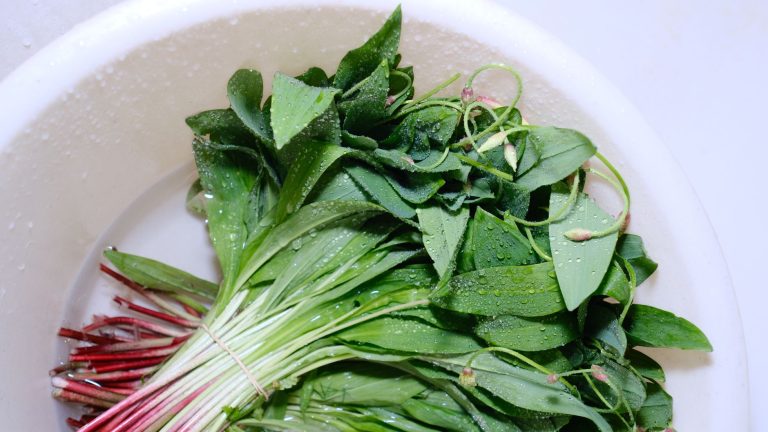
[IMAGE: organic vegetables]
Why organic food can support weight loss
Organic food is not automatically lower in calories, and that is an important point to understand from the start. The benefit comes from the overall quality of the diet. When people shift toward organic produce, organic protein sources, and cleaner pantry staples, they often eat fewer ultra-processed foods and more nutrient-dense meals. That combination can make weight loss far easier to maintain.
One of the biggest reasons organic food supports a healthy diet is satiety. A bowl of organic vegetables with olive oil and salmon will usually keep you fuller than a packaged snack with a long ingredient list. Why? Because whole foods naturally provide fiber, water, protein, and healthy fats in forms the body recognizes and digests more efficiently. They do not trigger the same blood sugar spikes that lead to energy crashes and sudden hunger.
There is also the psychological effect. When people commit to clean eating, they tend to become more aware of what they are putting on their plate. That awareness often leads to more consistent choices, and consistency matters far more than perfection. You do not need to eat perfectly to lose weight. You need to build a routine that makes it easier to choose better food most of the time.
The clean eating advantage
Clean eating is often misunderstood as a strict diet, but in practice it is simply a pattern of choosing foods that are as close to their natural form as possible. Organic food fits beautifully into that pattern. It encourages meals based on vegetables, fruit, eggs, legumes, fish, poultry, seeds, nuts, and whole grains rather than refined starches and sugary convenience foods.
That matters because many weight-loss struggles are not about willpower. They are about environment. If your kitchen is full of quick, highly processed foods, your choices will reflect that reality. If your kitchen is stocked with organic produce, protein, and simple ingredients, healthy decisions become easier. What would you rather reach for when you are tired: a bag of chips or a container of sliced cucumbers, hummus, and boiled eggs?
- Whole foods make portion control easier because they are more filling.
- Organic ingredients can reduce the temptation to rely on packaged convenience meals.
- More fiber from vegetables, seeds, and legumes supports digestion and appetite control.
- Better nutrition helps energy levels, which can improve workout consistency.
- A cleaner plate often means fewer cravings for sugar-heavy snacks later in the day.
Does organic automatically mean healthy?
No, and that is where many people get confused. Organic cookies are still cookies. Organic chips are still chips. The label matters, but the overall food quality matters more. If your goal is weight loss, the smartest approach is to use organic food as the foundation of a whole-food eating style rather than as permission to buy every organic product on the shelf.
The best organic foods to build a fat-loss plate
When people ask which organic foods are best for weight loss, the answer is not one secret ingredient. It is a smart combination of foods that help you stay satisfied while keeping calories in a manageable range. The best choices are usually high in fiber, rich in protein, and full of flavor, so you do not feel like you are missing out.
Think in terms of meals, not isolated foods. A plate that includes organic vegetables, a quality protein source, and a moderate serving of healthy fat is far more effective than a random snack that claims to be clean but leaves you hungry. This is where nutrition and practicality meet.
Leafy greens and cruciferous vegetables
Organic leafy greens such as spinach, kale, arugula, and romaine are excellent for anyone focused on weight loss. They are low in calories and high in volume, which means you can eat a generous portion without overdoing it. Add cruciferous vegetables like broccoli, cauliflower, cabbage, and Brussels sprouts, and you get even more fiber, texture, and nutrients that support a healthy lifestyle.
These vegetables do more than fill the plate. They also help crowd out less helpful foods. A large salad with protein and seeds is much harder to overeat than a bowl of refined pasta. If you want an easy starting point, make vegetables the largest part of your lunch and dinner. That one habit alone can shift your results over time.
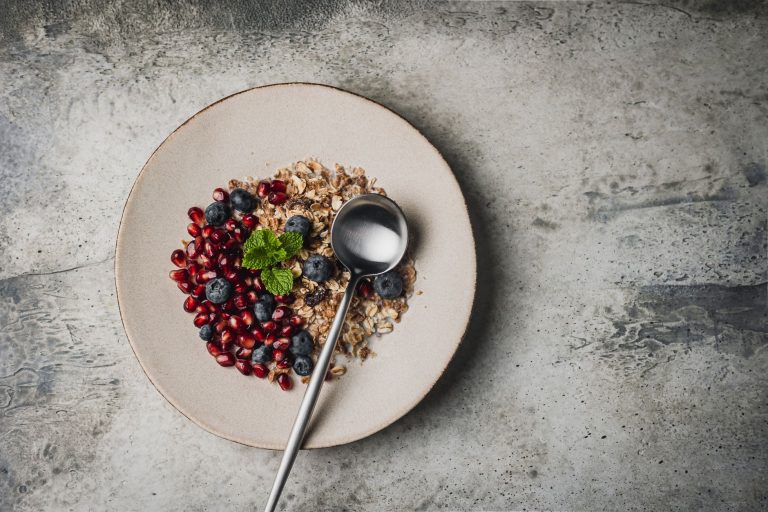
[IMAGE: healthy meal]
Organic berries and low-sugar fruit
Berries are one of the smartest organic foods for clean eating and weight loss. Blueberries, raspberries, strawberries, and blackberries deliver fiber, antioxidants, and natural sweetness without the sugar load of many desserts. They are ideal for breakfast bowls, snacks, and post-workout meals when you want something refreshing but still nourishing.
Other fruits can fit too, especially apples, pears, kiwi, and citrus. The key is portion awareness. Fruit is healthy, but it is still best enjoyed as part of a balanced meal or snack rather than in large amounts on its own. Ask yourself: are you eating fruit to satisfy hunger, or to replace a dessert habit? That small question can help you stay aligned with your goal.
Organic protein sources that keep hunger under control
Protein is one of the most important nutrients for weight loss because it helps preserve lean muscle while supporting fullness. Organic eggs, plain Greek yogurt, cottage cheese, chicken breast, turkey, tofu, tempeh, lentils, and wild-caught fish can all play a role in a healthy diet. If you do not eat animal products, plant-based proteins become especially valuable because they can stabilize appetite and support a more balanced day.
A common mistake is underestimating how much protein you really need. Many people start the morning with toast and fruit, then wonder why they are starving by mid-morning. Try building each meal around a strong protein anchor. For example, organic eggs with greens for breakfast, chicken salad with beans for lunch, and salmon with roasted vegetables for dinner.
Healthy fats that improve satisfaction
Healthy fats are not the enemy of weight loss. In fact, when used wisely, they can make clean eating much easier to maintain. Avocados, olives, chia seeds, flaxseed, walnuts, almonds, and extra-virgin olive oil can help you feel satisfied and reduce the urge to snack constantly. The key is moderation, because fats are calorie-dense even when they are nutritious.
Think of healthy fats as a finishing touch rather than the entire meal. A salad with avocado slices, a vegetable bowl with olive oil, or yogurt topped with chia seeds can feel more satisfying than the same meal without fat. That satisfaction is not trivial. It can be the difference between staying on track and reaching for something less helpful an hour later.
Smart carbohydrates for steady energy
Low-carb extremes are not necessary for everyone. Many people do better with smart carbohydrates that provide energy and help support exercise. Organic oats, quinoa, sweet potatoes, brown rice, beans, and lentils can all fit into a weight-loss plan when portions are sensible. These foods provide fiber and long-lasting fuel, which matters if you are trying to stay active and avoid energy crashes.
The real problem is not carbohydrates themselves. It is the type and amount. Refined bread, pastries, and sugary cereals can make it easy to overeat. Whole-food carbohydrates are different. They support a more stable appetite and can make your healthy diet feel more livable.
How to structure a clean eating day without feeling deprived
The best organic diet for weight loss is not the one that sounds the strictest. It is the one you can repeat on a normal Tuesday when work is busy, you are tired, and dinner needs to be simple. Structure helps because it removes guesswork. When you know what a balanced day looks like, you are less likely to drift into random snacking or last-minute takeout.
A practical clean eating day usually includes a protein-rich breakfast, a satisfying lunch with plenty of vegetables, a balanced dinner, and one or two planned snacks if needed. There is no need to force yourself into long gaps if that only leads to overeating later. Listen to your body, but also be honest about routine hunger versus habit eating.
A simple day of organic meals
Here is an example of how an organic food-based day might look when your goal is weight loss and better nutrition:
- Breakfast: Organic eggs scrambled with spinach, tomatoes, and herbs, plus berries on the side.
- Lunch: Mixed greens with grilled chicken, cucumber, avocado, lentils, and a light olive oil dressing.
- Snack: Plain Greek yogurt with chia seeds and a few raspberries.
- Dinner: Baked salmon, roasted broccoli, and a small serving of quinoa.
- Optional evening tea: Herbal tea with no added sugar.
This type of structure keeps food satisfying without being heavy. It also creates a rhythm that is easier to maintain than a random, restrictive plan. And because the meals are built around real organic ingredients, you are less likely to feel deprived, which is one of the biggest advantages of clean eating.
Build your plate using the 3-part method
If you want a faster decision-making tool, use the 3-part method:
- 1. Protein: Fill a quarter of the plate with organic protein.
- 2. Vegetables: Fill at least half the plate with organic vegetables.
- 3. Smart carbs or healthy fats: Use the remaining space for a measured portion of whole grains, beans, avocado, nuts, or olive oil.
This method is simple, flexible, and powerful. It works whether you are eating at home, packing lunch, or ordering a healthier meal out. The point is not to measure everything forever. The point is to train your eye so your portions naturally move in the right direction.
Detox diet: what it really means when organic food is involved
The phrase detox diet is often used in exaggerated ways, but the real goal of a detox-focused organic eating plan is not to chase a miracle cleanse. It is to reduce the burden on your body by cutting back on ultra-processed foods, excess sugar, and empty calories while increasing foods that support digestion, hydration, and regular elimination. In other words, the best detox diet is usually a clean eating plan built on organic food.
Your body already has a sophisticated detoxification system. The liver, kidneys, digestive tract, skin, and lungs all work together every day. What you can do is support those systems with better nutrition. That means more fiber, more water, more nutrient-dense plants, and fewer things that leave you sluggish. Does that sound more realistic than an expensive juice cleanse? It should, because it is.
Foods that support natural detoxification
Instead of starving yourself, focus on foods that help your body function well:
- Organic leafy greens for fiber and micronutrients
- Broccoli, cauliflower, and cabbage for cruciferous support
- Fresh lemon water to encourage hydration habits
- Cucumber and celery for refreshing, low-calorie snacks
- Herbs like parsley, cilantro, ginger, and mint for flavor and variety
- Fermented foods such as plain yogurt, kefir, or sauerkraut for digestive support
- Chia seeds and ground flaxseed for regularity and fullness
When these foods appear consistently in your meals, your system usually feels lighter, more stable, and less inflamed. That does not happen overnight, but it does happen with consistency.
What to avoid on a detox-style clean eating plan
A detox diet should not become an excuse to eat too little. That is a common mistake. If you drastically cut calories, you may lose water weight fast, but you can also end up tired, irritable, and more likely to binge later. Clean eating works best when it is nourishing, not punishing.
- Very low-calorie cleanse plans that leave you weak
- Packaged detox teas that promise unrealistic results
- Skipping protein in favor of juice-only routines
- Artificial sweeteners that trigger more cravings for some people
- Over-reliance on organic snack foods instead of real meals
A smarter detox approach is to eat more, not less, of the right foods. That means vegetables, protein, healthy fats, and water-rich produce that help your body do its job naturally.
[IMAGE: fitness lifestyle]
Common organic diet mistakes that slow down weight loss
People are often surprised when they switch to organic food and still do not see results. The reason is usually not the organic label itself. It is the overall structure of the diet. A healthy diet can still be too high in calories, too low in protein, or too dependent on convenience foods. If you want weight loss to happen in a steady, sustainable way, it helps to recognize the traps early.
1. Assuming organic means unlimited
Organic peanut butter, organic granola, organic crackers, and organic dark chocolate can all fit into a healthy lifestyle. But if you eat them in large amounts, the calories add up quickly. The label does not change energy balance. Moderation still matters.
2. Skipping meals and then overeating later
Some people try to
About the Author