
Photo by Geoff Peters 604 on Openverse
When people talk about healthy living, they often focus on calories, workouts, or the latest detox diet trend. But if you want lasting results, the conversation has to go deeper—right into your digestive system. The gut influences energy, appetite, immunity, mood, and even how easily your body manages weight. That is why choosing the right organic food can do more than make a meal look wholesome; it can help create a cleaner, calmer environment for digestion and support a healthier relationship with food.
Clean eating is not about perfection, and it is certainly not about eating less for the sake of it. It is about choosing foods that are as close to their natural state as possible, with fewer additives, more nutrients, and better balance for your body. Organic food fits naturally into that approach because it often means fewer pesticide residues, less unnecessary processing, and a stronger connection to whole, nutrient-dense ingredients. If your goal is better digestion, steady energy, and sustainable weight loss, the gut should be one of the first places you start looking.
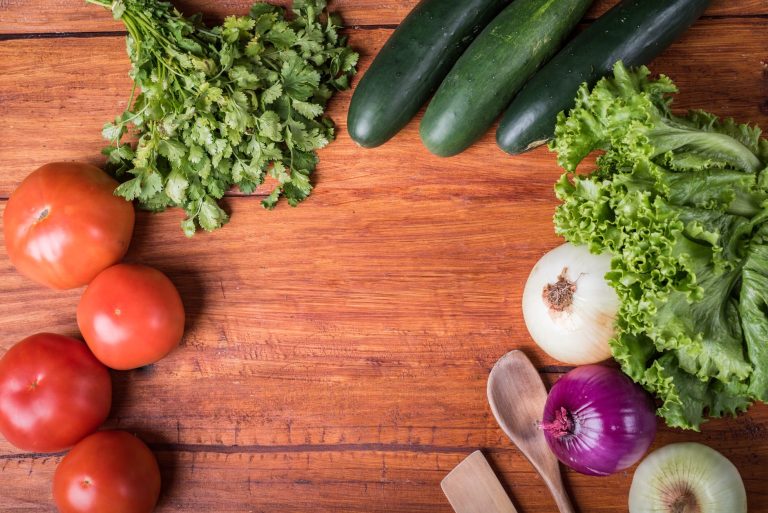
[IMAGE: organic vegetables]
Why Gut Health Should Be Part of Every Clean Eating Plan
Your gut is doing far more than breaking down lunch. It is the center of a complex ecosystem made up of trillions of microbes, enzymes, and gut-lining cells that work together every day. When this system is balanced, food tends to digest more comfortably, cravings become easier to manage, and you may feel lighter, more energized, and more resilient overall. When it is out of balance, bloating, irregularity, low energy, and intense hunger can quickly become part of daily life.
Ask yourself this: when was the last time you felt truly comfortable after eating? Did your meal leave you energized, or heavy and sluggish? These everyday signals matter. They are often the body’s way of telling you that digestion needs more support, not more restriction. A healthy diet that centers on organic food can help by reducing exposure to highly processed ingredients and by increasing the variety of fibers, antioxidants, and natural compounds your microbes thrive on.
The microbiome responds to what you eat every day
The gut microbiome is not fixed. It changes in response to the foods you choose, the way you cook, the stress you carry, and the sleep you get. That means every breakfast, snack, and dinner is either helping your digestion or making it work harder. A plate built around organic vegetables, fruits, legumes, whole grains, and quality proteins gives your microbiome a richer supply of fuel than a diet based on refined carbs and heavy additives.
Variety matters as much as quality. A narrow diet, even if it is organic, may not provide enough different fibers or plant compounds to keep gut bacteria diverse and resilient. Think of your digestive system like a garden. Healthy soil needs different seeds, different textures, and regular care. Would you plant only one crop and expect a thriving harvest? Your gut works in a similar way.
Clean eating supports more than digestion
Many people approach clean eating as a short-term reset, but the benefits become much more meaningful when the habit is repeated consistently. Less ultra-processed food usually means fewer artificial flavors, less added sugar, and a more stable blood sugar response. That can translate into fewer energy crashes and a more natural appetite rhythm, which is especially important for weight loss goals.
This is where the connection between organic food and healthy lifestyle becomes clear. When your meals feel lighter and more nutrient-dense, you are more likely to move comfortably, stay focused, and recover well from exercise. A good diet does not just reduce symptoms. It helps you live better in the ordinary moments—at your desk, on a walk, after a workout, and even when your schedule gets busy.
What Makes Organic Food Different for the Digestive System
Organic food is not a magic solution, but it can be a smart upgrade for people who want a cleaner eating pattern. Organic produce is grown without many synthetic pesticides and fertilizers used in conventional farming, and organic animal products follow different standards for feed and care. For some people, this means peace of mind. For others, it creates a more intentional way to build a nutrition plan that feels less processed and more aligned with wellness goals.
For gut health specifically, the main advantage is that organic eating often leads to a more whole-food-centered lifestyle. If you buy organic spinach, organic berries, organic oats, and organic yogurt, you are naturally choosing ingredients that tend to be less processed and more nutrient-dense. That shift alone can improve the quality of your meals in a powerful way.
Why fewer additives can matter
Many digestive complaints are not caused by a single food but by the cumulative effect of a highly processed diet. Emulsifiers, excess sugar, artificial sweeteners, and refined oils may contribute to discomfort in some people, especially when they are consumed often. By focusing on organic food that is closer to its natural form, you reduce the chance of crowding your diet with ingredients your body has to work harder to handle.
This does not mean every non-organic food is harmful. It simply means a cleaner food environment can make it easier to notice what helps you feel your best. If you have ever wondered why one meal feels satisfying and another leaves you bloated, the answer may be less about calories and more about ingredient quality.
Organic choices can improve meal quality
People often think of organic food as a label, but in practice it is more of a pattern. Choosing organic carrots, apples, leafy greens, eggs, and dairy can encourage you to shop the perimeter of the store, cook at home more often, and build meals around whole ingredients. That shift naturally supports nutrition, satiety, and digestion.
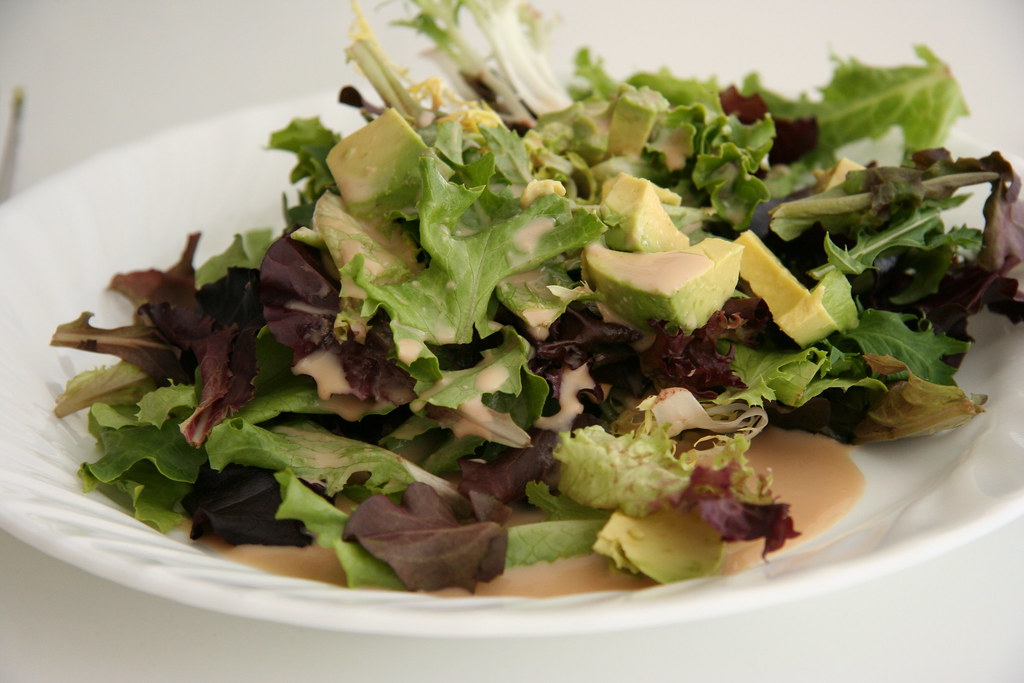
[IMAGE: healthy meal]
The Best Organic Foods for a Happier Gut
If you want to build a gut-friendly clean eating routine, start with foods that offer fiber, hydration, beneficial bacteria, and easy-to-digest nutrients. The goal is not to create a restrictive menu. It is to make your plate work harder for your body. Which foods should you prioritize first?
1. Fermented foods that support microbial diversity
Fermented organic foods are some of the most valuable additions to a gut-friendly diet. They can supply live cultures and help create variety in the intestinal environment. Organic yogurt, kefir, sauerkraut, kimchi, miso, and tempeh are excellent choices if they are minimally processed and free from excess sugar or artificial flavoring.
Here is the important part: fermented foods are best used consistently and in moderation. You do not need huge portions. A spoonful of sauerkraut with lunch, a small bowl of yogurt at breakfast, or a few bites of kimchi with dinner can be enough to support balance. The real benefit comes from repetition.
- Choose unsweetened organic yogurt or kefir whenever possible
- Look for live and active cultures on the label
- Start with small servings if your digestion is sensitive
- Pair fermented foods with fiber-rich meals for better results
2. Fiber-rich fruits and vegetables
Fiber is one of the most important nutrients for gut health, yet many people do not get enough. Organic vegetables like broccoli, carrots, spinach, kale, zucchini, beets, and sweet potatoes deliver both soluble and insoluble fiber, which support regularity and help feed beneficial bacteria. Organic fruits such as berries, pears, apples, kiwi, and oranges add hydration and polyphenols, which also contribute to a healthier microbiome.
If you are trying to improve digestion and support weight loss, fiber is your friend. It helps meals feel more satisfying, slows the release of sugar into the bloodstream, and supports a more stable appetite. That does not mean you need to force giant salads into every meal. You can build fiber gradually by adding vegetables to omelets, soups, grain bowls, smoothies, and stir-fries.
Easy ways to add more fiber without overthinking it
Try adding a handful of spinach to your eggs, a side of roasted broccoli to dinner, or berries to your morning oats. Small upgrades matter. When your plate becomes more plant-rich over time, your gut receives a steady stream of nourishment instead of a sporadic surge.
3. Prebiotic foods that feed healthy bacteria
Prebiotics are the fibers and plant compounds that help beneficial bacteria grow. Organic onions, garlic, leeks, asparagus, bananas, oats, flaxseed, and cooked-and-cooled potatoes are all useful examples. These foods may not get as much attention as probiotics, but they are just as important because they help the good bacteria already in your gut thrive.
Have you noticed that some meals leave you satisfied for hours while others make you hungry again too quickly? Prebiotic-rich meals often provide better staying power. They help create the kind of balanced digestion that supports a healthy lifestyle rather than a cycle of energy spikes and cravings.
4. Gentle proteins and healthy fats
Protein and fat are often overlooked in gut health discussions, but they matter for repair, satiety, and blood sugar balance. Organic eggs, wild fish, organic poultry, tofu, tempeh, seeds, nuts, avocado, and extra-virgin olive oil can all support a clean eating plan when used wisely. The key is balance. Heavy, greasy meals can feel difficult to digest, while a thoughtful combination of protein, fiber, and healthy fat can feel nourishing and steady.
For example, a meal of organic salmon, roasted vegetables, and quinoa with olive oil is very different from a meal that relies on fried foods and refined starches. Both may have similar calories, but they create very different experiences in the body. One supports wellness; the other can leave you sluggish and searching for something else an hour later.
How to Build a Clean Eating Routine That Supports Digestion
Clean eating does not have to be complicated. In fact, the more complicated it becomes, the less sustainable it usually is. A strong routine is built on a few dependable habits that you can repeat even on busy days. If you can make your default meals simpler, fresher, and more organic, your gut usually benefits without much extra effort.
Start with a balanced plate
Instead of obsessing over rules, build meals using a simple structure: one source of protein, one or two servings of vegetables, one quality carbohydrate, and one source of healthy fat. That kind of balance helps digestion feel smooth and creates a more stable energy curve across the day.
A balanced organic plate might look like this:
- Organic eggs with spinach and avocado for breakfast
- A lunch bowl with organic quinoa, roasted vegetables, chickpeas, and sauerkraut
- Grilled organic chicken or tofu with sweet potato and salad for dinner
- Fresh fruit, nuts, or yogurt as a snack
This is the kind of clean eating that feels normal, not punishing. It also leaves room for flexibility, which is essential if you want your healthy lifestyle to last beyond a few weeks.
Hydration is part of digestion, too
Water is not glamorous, but it is essential. Digestion depends on adequate fluids, and fiber works better when your body is hydrated. Herbal teas, water with lemon, and mineral-rich broths can all be supportive additions to a gut-friendly routine. If you are eating more fiber but not drinking enough, you may actually make bloating and constipation worse, so remember to pair the two.
A simple daily habit can make a noticeable difference: drink a glass of water before meals and keep a bottle nearby during the day. That small step often improves energy, reduces false hunger signals, and supports your body’s natural detox processes without the extremes of a trendy detox diet.
Cook more meals at home
Home cooking gives you control over ingredients, portions, and cooking methods. It also makes it easier to avoid hidden sugars, excess sodium, and heavily processed additives that can disrupt the feeling of balance you want from clean eating. Even if you do not cook elaborate meals, preparing simple organic dishes at home can dramatically improve your nutrition.
Try this mindset: aim for practical, not perfect. A bowl of organic oats with berries and seeds is a meaningful win. So is a stir-fry of organic vegetables with rice and tofu. You do not need restaurant-level presentation to nourish your gut.
A Sample Day of Organic Eating for Better Digestion
If you want a realistic example, here is what a gut-supportive day of organic food might look like. Notice how the meals are simple, satisfying, and built around whole ingredients rather than strict rules.
Breakfast
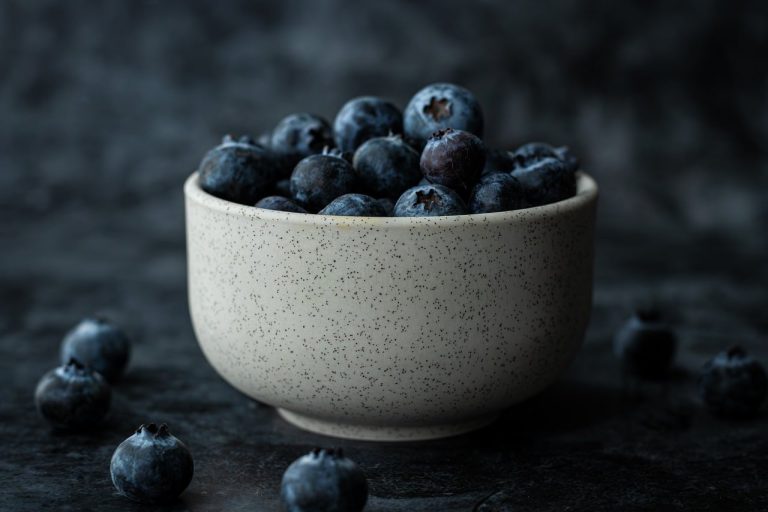
Organic oatmeal topped with blueberries, ground flaxseed, cinnamon, and a spoonful of plain yogurt. This meal offers fiber, probiotics, and a gentle start to the day. If you prefer savory food, scrambled eggs with spinach, tomatoes, and avocado on the side works beautifully too.
Lunch
A grain bowl with organic brown rice, chickpeas, cucumber, carrots, roasted broccoli, olive oil, and a small serving of sauerkraut. This kind of lunch supports fullness and steady energy while giving your microbes a diverse mix of fibers.
Snack
An organic apple with almond butter, or a handful of walnuts with herbal tea. Snacks do not need to be dramatic; they just need to be smart. The best ones help you stay satisfied without creating a sugar roller coaster.
Dinner
Organic salmon, lentils, and roasted vegetables with lemon and herbs. If you follow a plant-based pattern, tempeh or tofu with steamed greens and quinoa works equally well. Dinner should leave you comfortably full, not stuffed, so your digestion can rest overnight.
This kind of day is not a detox diet in the extreme sense. It is more of a supportive reset—one that feeds the body, respects digestion, and makes healthy habits easy to repeat.
Why Gut Health Can Support Healthy Weight Loss
Weight loss is often discussed as if it comes down to willpower alone, but the reality is more nuanced. Appetite, cravings, energy expenditure, stress, sleep, and digestion all play a role. A healthy gut can help create the internal conditions that make weight management feel more natural and less forced.
When digestion improves, people often report fewer cravings and less impulsive snacking. That may be because meals are more satisfying, blood sugar is steadier, and the body is getting the nutrients it actually needs. Organic food helps here by making it easier to build meals around whole ingredients that are rich in fiber and protein rather than empty calories.
Better digestion can mean better appetite control
When you eat low-quality food, the body often keeps asking for more because it has not received enough usable nutrition. That is one reason highly processed food can be so easy to overeat. In contrast, meals based on organic vegetables, fruits, legumes, and quality proteins often create longer-lasting satiety. You feel nourished sooner, and you stay satisfied longer.
This is especially helpful if you are trying to lose weight without constantly counting. The goal is not to fight your hunger. It is to feed it properly so it becomes calmer and easier to understand.
Inflammation and water retention can affect how you feel
Some people mistake bloating and water retention for fat gain. A diet that is heavy in sodium, sugar, and processed additives can make the body feel puffy and sluggish. A cleaner routine built around organic food may help reduce that burden. While no single food will transform your body overnight, consistent eating habits can influence how comfortable, light, and energized you feel day to day.
And here is the deeper question: are you chasing rapid change, or are you building a body that feels good to live in? That distinction changes everything.
Healthy weight loss is a side effect of balance
When a healthy diet supports your gut, the body usually becomes easier to manage. Meals feel more satisfying, energy becomes steadier, and emotional eating often becomes less frequent. That is why the best weight loss strategies are rarely the most aggressive ones. They are the ones that make healthy habits sustainable.
[IMAGE: fitness lifestyle]
Common Organic Diet Mistakes That Can Hurt Digestion
It is possible to eat organic food and still feel bloated, tired, or frustrated. Organic does not automatically mean balanced. If your meals are missing key nutrients or if you are eating too much of even the healthiest foods at once, your digestion may still struggle. Here are some common mistakes to watch for.
Eating too little variety
Many clean eating plans repeat the same few foods every day. While that may feel convenient, it can limit the variety of fibers and nutrients your gut needs. Try rotating your produce, grains, proteins, and fermented foods so your body gets more than one pattern of nourishment.
Relying on processed organic products
An organic cookie is still a cookie. An organic snack bar can still be high in sugar or low in fiber. Organic labels are helpful, but they do not replace common sense. Always look at the full picture: ingredient list, portion size, sugar content, and how the food actually makes you feel.
Going too hard on detox plans
Many people search for a detox diet because they want to feel lighter fast. But extreme cleanses often cut calories too aggressively and leave the body underfed. That can backfire by slowing energy, increasing cravings, and making digestion more sensitive. A better approach is steady nourishment with plenty of organic vegetables, adequate protein, and supportive hydration.
Ignoring stress and sleep
No matter how clean your meals are, chronic stress can disrupt digestion. Poor sleep can also affect appetite and blood sugar regulation. If you are eating well but still feel off, look beyond the plate. Are you sleeping enough? Are you rushing through meals? Are you giving your body time to rest and recover?
How to Shop for Organic Foods Without Overspending
One reason people hesitate to embrace organic food is cost. The good news is that you do not need to buy everything organic to improve your diet. A strategic approach is more realistic and often more effective. Focus on the foods you eat most often and the ingredients that matter most to your routine.
Prioritize the foods you use daily
If you eat apples, berries, spinach, oats, milk, eggs, and yogurt every week, those are strong candidates for organic versions. You do not need to fill your cart with every organic item on the shelf. Start where the impact is highest for your household and budget.
Buy seasonal and local when possible
Seasonal organic produce often tastes better and may be more affordable. Farmers markets, community-supported agriculture programs, and local co-ops can also provide excellent options for fresh vegetables and fruit. The fresher the food, the more inspiring your clean eating habits tend to become.
Use frozen organic produce
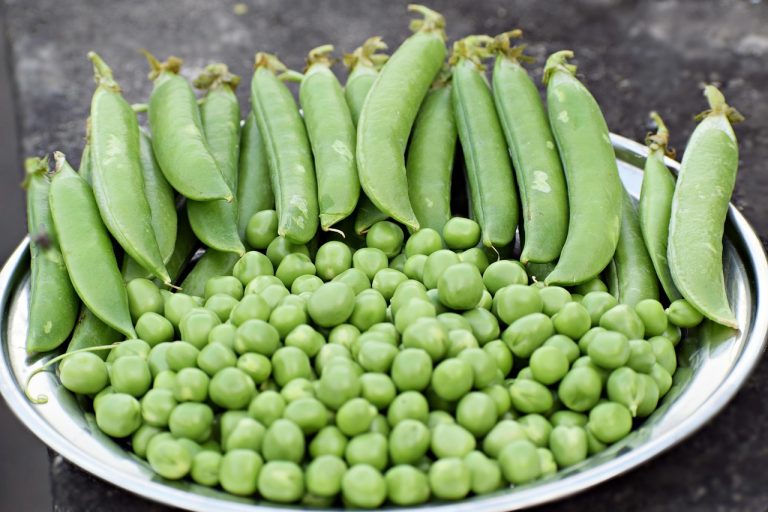
Frozen organic vegetables and fruits are often picked at peak ripeness and can be very cost-effective. They are excellent for smoothies, soups, stir-fries, and quick side dishes. Keeping frozen spinach, blueberries, peas, and cauliflower rice on hand makes healthy meals easier on busy days.
- Choose organic frozen vegetables for convenience
- Stock pantry staples like oats, beans, lentils, and seeds
- Plan two or three repeatable meals each week
- Shop with a list to reduce impulse buying
What a Sustainable Organic Lifestyle Really Looks Like
The best healthy lifestyle is one you can maintain without constant stress. That means your organic food routine should fit your schedule, your budget, and your preferences. You do not need to eat the same things every day, and you do not need to be rigid about every ingredient. You simply need a system that supports your body more often than it works against it.
A sustainable plan has room for flexibility. It includes nutrient-rich breakfasts during the week, simple lunches that travel well, comforting dinners that feel satisfying, and a few thoughtful treats that do not derail your progress. It also makes room for real life—meetings, family dinners, travel, and the occasional day when the plan changes.
Look for progress, not perfection
If your digestion improves, your energy stabilizes, and your meals become more enjoyable, you are moving in the right direction. That is the kind of change worth protecting. Clean eating is most powerful when it feels like support rather than punishment.
Make the healthy choice the easy choice
Keep washed greens in the fridge, fermented foods in the door, fruit on the counter, and a few reliable proteins ready to go. When your environment supports your goals, good decisions require less effort. That is how healthy habits become automatic.
And if you ever feel unsure, return to a simple question: does this meal help my body feel calm, nourished, and satisfied? That one question can guide many better decisions than a stack of diet rules.
Choosing organic food for gut health is not about chasing a trend; it is about giving your body a cleaner, more supportive environment to function well. When you build meals around fiber, hydration, quality protein, healthy fats, and ferment-rich foods, you create a foundation that can support digestion, nutrition, and healthy weight loss in a way that feels human and sustainable. If you want more practical ideas for clean eating, organic recipes, and everyday nutrition strategies, keep exploring DietOrganic and keep building the kind of routine your body can thank you for every day.
About the Author