
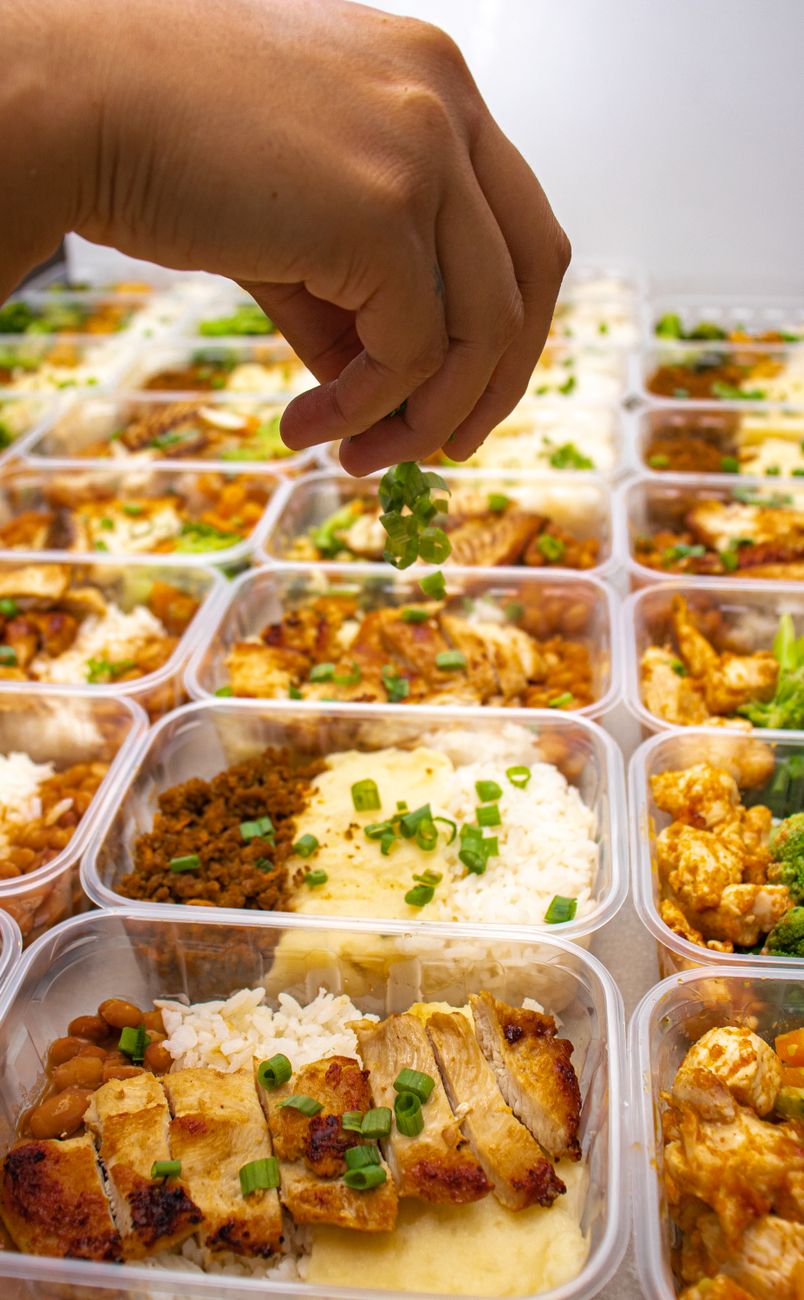
Photo by IARA MELO on Pexels
There is a reason organic food keeps showing up in the conversations people have about healthy diet success, sustainable weight loss, and clean eating. When meals are built from ingredients that feel fresh, nourishing, and close to their natural form, the entire rhythm of eating changes. You stop chasing quick fixes and start building habits that support energy, digestion, and a more balanced relationship with food. For many people, that is the real secret behind visible results. It is not about eating less in a punishing way. It is about eating smarter in a way you can actually live with.
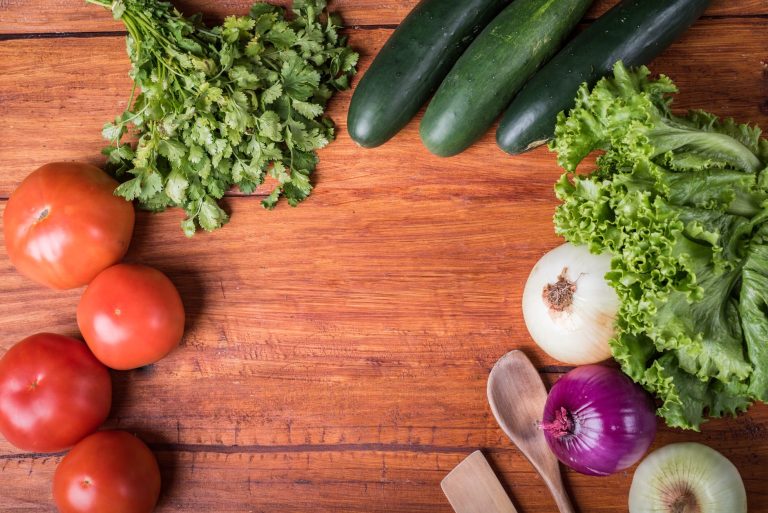
What if your next grocery cart could help you feel lighter, more satisfied, and more in control of cravings at the same time? That is the promise of an organic food approach to weight loss. Instead of centering your plate around highly processed options, you create meals with produce, protein, fiber, and healthy fats that work together to support satiety and steady nutrition. The result is a clean eating routine that feels more like a lifestyle and less like a restriction. [IMAGE: organic vegetables]
In this article, we will look at the best organic foods for weight loss, how to build meals that keep you full, and how a gentle detox diet can fit into a realistic healthy lifestyle. You will also discover why some of the simplest foods in the organic aisle may be the most powerful tools in your nutrition strategy. If you have ever wondered whether organic food really makes a difference, or how to turn healthy intentions into a practical plan, this guide is for you.
Why Organic Food Can Support Weight Loss Without Feeling Restrictive
Weight loss is often framed as a numbers game, but in real life it is much more about appetite, consistency, and how a meal makes you feel two or three hours later. Organic food can help because it often encourages a return to whole ingredients and away from the hyper-palatable, ultra-processed products that make overeating easier. The point is not that organic automatically burns fat. The point is that organic eating usually creates a cleaner food environment, and that can be a powerful advantage when you are trying to improve nutrition and reduce mindless snacking.
Less ultra-processed noise, more real nourishment
Many people begin a healthy diet with good intentions, only to get derailed by convenient foods that are low in fiber and high in refined starch, added sugar, or engineered fats. Organic food is not a magic shield against those issues, but it often nudges you toward ingredients that are simpler and more transparent. When your meals contain vegetables, fruit, legumes, lean proteins, and healthy fats, your body receives the kind of nutrition that supports stable energy. That means fewer dramatic crashes, fewer impulsive snack attacks, and a much better chance of staying consistent.
Ask yourself this: if you were hungry between meals, would you rather reach for something that lasts ten minutes or a meal that keeps you satisfied for hours? That question matters, because sustainable weight loss is built on satiety. Organic foods that are naturally high in fiber and water content can make a big difference here. A bowl of berries, a salad with seeds, or roasted vegetables with a protein source can support fullness in a way that packaged diet products rarely do.
Satiety is your secret advantage
One of the most overlooked parts of clean eating is how food affects appetite later in the day. When a breakfast is built around sugar and refined flour, it may create a quick sense of satisfaction followed by a sharp drop in energy. That pattern often leads to more snacking, bigger portions at lunch, and a general feeling that dieting is harder than it should be. By contrast, an organic breakfast with eggs, greens, avocado, oats, or yogurt can offer a more reliable start to the day. The same idea applies to lunch and dinner. The more satisfied you feel, the less likely you are to chase extra calories out of boredom or fatigue.
Organic food can also make portion control feel more natural. This is partly because whole foods tend to have more volume for fewer calories. A plate filled with vegetables, for example, looks generous and feels abundant, even when it supports a calorie-conscious plan. That visual satisfaction matters. People often eat better when meals look colorful and complete, not when they feel sparse and clinical.
Cleaner habits often lead to cleaner choices
There is also a psychological side to organic eating. When people choose better ingredients at the store, they are more likely to cook at home, prepare meals in advance, and pay attention to what is actually on the plate. That awareness can lead to smarter decisions throughout the week. One better breakfast can lead to a better lunch. One better lunch can lead to a better dinner. Over time, those choices compound into visible changes in energy, body composition, and confidence.
This is why organic food is often associated with a healthy lifestyle rather than just a diet. It creates a framework. And a framework is more useful than a strict rulebook when life gets busy, stressful, or unpredictable. If your goal is weight loss that does not collapse the moment your schedule gets complicated, clean eating with organic foods may be one of the most practical ways to stay on track.
The Best Organic Foods for Weight Loss
Not every organic food has the same effect on appetite, metabolism, or meal satisfaction. Some foods are especially useful because they combine low energy density with high nutritional value. Others help stabilize blood sugar, support digestion, or make meals more enjoyable so that you do not feel deprived. Below are some of the most effective organic foods to keep in rotation if your goal is healthy weight loss.
Leafy greens that add volume without excess calories
Organic leafy greens like spinach, arugula, romaine, kale, and Swiss chard are some of the best foods you can eat when weight loss is a priority. They are naturally low in calories but packed with vitamins, minerals, and fiber. That combination makes them ideal for building larger meals without overloading your daily intake. A generous salad or a sautéed green side can turn a modest protein portion into a complete, satisfying meal.
Leafy greens also work well in smoothies, omelets, wraps, and soups. If you often struggle with portion control, greens can help you feel like you are eating more than you actually are. That is a useful trick for anyone trying to create a calorie deficit without feeling hungry all the time.
Cruciferous vegetables that support fullness and detox pathways
Broccoli, cauliflower, Brussels sprouts, cabbage, and bok choy deserve a regular place in a clean eating plan. These organic vegetables are rich in fiber and naturally filling, which can make them especially helpful during a weight loss phase. They also fit beautifully into a detox diet approach because they support the body with nutrients that are associated with normal liver function and healthy elimination. You do not need extreme cleanses when your meals already contain foods that help your body do its job.
Roasted cauliflower with olive oil and herbs, steamed broccoli with lemon, or shredded cabbage slaw with seeds and herbs can be simple but powerful additions to lunch or dinner. Have you noticed how some vegetables feel like they make a meal complete? Cruciferous vegetables often do exactly that.
Organic berries that satisfy a sweet craving
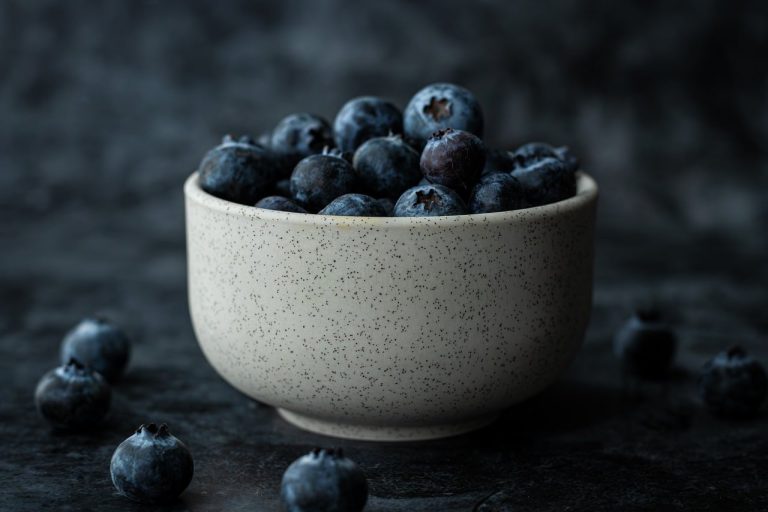
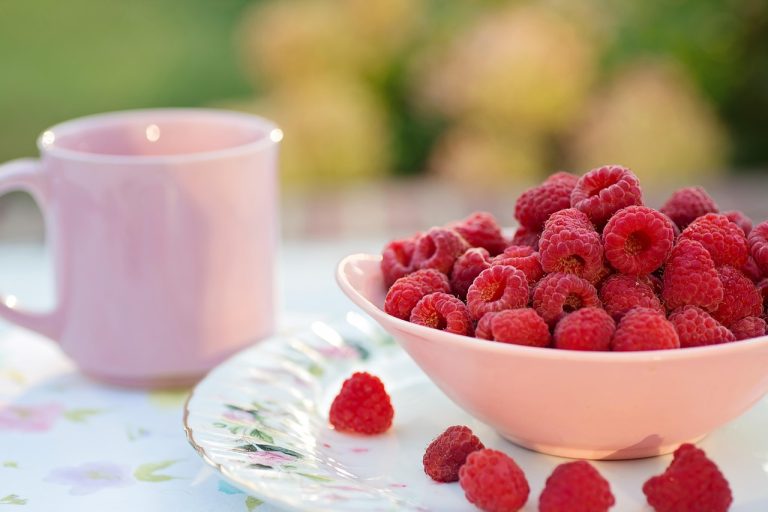
When cravings hit, organic berries can be a smarter choice than many processed snacks. Blueberries, raspberries, blackberries, and strawberries provide natural sweetness along with fiber and antioxidants. They can satisfy a dessert-like craving while still supporting a healthy diet. Add them to yogurt, oats, chia pudding, or a simple snack bowl, and you have a satisfying option that does not hijack your entire afternoon.
Berries are also easy to portion. A small bowl can feel indulgent without becoming excessive. For anyone who struggles with emotional eating or late-night snacking, this is a helpful feature. The goal is not to eliminate pleasure from your food. The goal is to make pleasure work for your goals instead of against them.
Organic apples and pears for portable fiber
Apples and pears are classic weight loss foods for a reason. They are convenient, hydrating, and naturally high in fiber, which can help slow digestion and support fullness. Eating a whole organic apple before a meal, for example, may help you feel calmer and more satisfied at the table. That does not mean fruit is a fat-burning miracle. It means fruit can be a practical part of a plan that emphasizes portion control and stable appetite.
If you need a snack that travels well, an organic apple or pear paired with a little nut butter or a few nuts can be incredibly effective. It is simple, portable, and far more supportive than a vending machine grab.
Legumes that make clean eating more filling
Organic lentils, chickpeas, black beans, and kidney beans offer a rare combination of protein, fiber, and steady energy. For many people, legumes are the missing piece in a healthy diet because they make meals feel complete. A salad without protein may leave you hungry. A salad with chickpeas or lentils becomes a real meal. A bowl of vegetable soup becomes lunch instead of a starter.
Legumes are especially valuable for people who want affordable organic food options. They are economical, versatile, and easy to batch cook. Add them to grain bowls, soups, stews, wraps, or tacos, and you will notice how much longer you stay satisfied. That can make a meaningful difference in overall calorie control.
High-quality organic protein sources
Protein is one of the most important nutrients for weight loss because it helps preserve lean mass, supports satiety, and can reduce the urge to snack between meals. Organic eggs, plain Greek yogurt, cottage cheese, tofu, tempeh, wild fish, and pasture-raised poultry are all strong options depending on your preferences. If you follow a plant-based routine, organic tofu, tempeh, lentils, and edamame can provide structure and balance to your meals.
It helps to think of protein as the anchor of your plate. Without enough protein, even a very healthy meal can leave you reaching for more food soon after. With enough protein, the same meal can feel steady and complete. That is a subtle but important distinction for anyone trying to lose weight without feeling deprived.
Healthy fats that support satisfaction in smart portions
Organic avocado, extra virgin olive oil, walnuts, almonds, chia seeds, flaxseeds, and pumpkin seeds can make clean eating more satisfying. Healthy fats help meals taste rich and feel complete, which can reduce the urge to overeat later. The key is portion awareness. Fat is nutritious and valuable, but it is also energy dense. A little goes a long way.
Try adding avocado to a salad, walnuts to oatmeal, or chia seeds to a pudding. You are not trying to drown the plate in fat. You are trying to use it strategically so that the meal supports energy, flavor, and appetite control. That is a much more sustainable approach than eliminating fat altogether.
Fermented organic foods for digestion support
Some people overlook fermented foods, yet they can be useful in a healthy lifestyle plan that focuses on digestion. Organic plain yogurt, kefir, sauerkraut, kimchi, and miso may support a balanced gut environment when they are part of an overall varied diet. Good digestion matters because it influences how comfortable you feel after eating. If meals sit heavily or leave you bloated, it becomes harder to stay consistent.
Fermented foods are not a cure-all, and they are not necessary for everyone, but they can be a helpful addition. A spoonful of sauerkraut with lunch, a kefir smoothie after a workout, or yogurt topped with berries can add both flavor and function.
Smart beverages that keep calories low
Sometimes the fastest way to support weight loss is to look at what you drink. Organic green tea, herbal teas, sparkling water, and lemon water can all fit into a clean eating plan without adding many calories. Drinks may seem minor, but they often influence cravings and meal timing. A warm tea in the afternoon can feel like a reset. A glass of water before dinner can help you slow down and notice actual hunger rather than habit.
Could a better beverage routine really change your results? In many cases, yes. Simple hydration habits often improve energy, support digestion, and reduce the urge to snack for reasons that are not related to hunger.
How to Build a Clean Eating Plate with Organic Foods
One of the easiest ways to make organic food work for weight loss is to stop thinking in terms of individual ingredients and start thinking in terms of plates. A good plate gives your body what it needs while keeping calories in a sensible range. It also removes guesswork, which is helpful when you are busy or tired and do not want to calculate every bite. Clean eating becomes much easier when your meals follow a repeatable pattern.
The simple plate formula
Use this as your starting point for lunch and dinner:
- Half the plate: organic vegetables, especially leafy greens, cruciferous vegetables, or colorful non-starchy vegetables
- One quarter of the plate: a lean organic protein source such as eggs, tofu, fish, chicken, Greek yogurt, or legumes
- One quarter of the plate: a smart carbohydrate such as quinoa, brown rice, sweet potato, or beans
- A small amount of healthy fat: avocado, olive oil, nuts, or seeds
This pattern works because it naturally emphasizes volume, fiber, and protein. You are not banning carbs or fats. You are simply arranging them in a way that supports satiety and nutrition. That balance matters. Most people do not need extreme rules; they need a structure that keeps meals satisfying and portions reasonable.
Build meals that you would actually repeat
A healthy diet only works if it is livable. That means your meals should be simple enough to repeat and enjoyable enough to look forward to. A roasted vegetable bowl with lentils, a salmon salad with avocado, or a tofu stir-fry with broccoli and brown rice can become reliable staples. The more often you repeat good meals, the less mental energy you spend deciding what to eat. And when decisions get easier, consistency usually improves.
Think about the meals you already enjoy. Can they be adjusted with better ingredients? Can the pasta be paired with more vegetables and protein? Can the breakfast wrap be made with eggs and greens instead of processed fillings? Small changes often create bigger long-term results than dramatic overhauls.
[IMAGE: healthy meal]
Sample organic day for weight loss
If you want to see how a clean eating organic food plan can look in real life, here is a simple one-day example. It is not a rigid prescription, but it can help you visualize how to create balanced meals without obsessing over every detail.
- Breakfast: Organic Greek yogurt with berries, chia seeds, and a small handful of walnuts
- Lunch: Big salad with leafy greens, grilled chicken or tofu, cucumber, tomato, avocado, and a lemon-olive oil dressing
- Snack: An organic apple with almond butter or a cup of herbal tea and roasted chickpeas
- Dinner: Roasted broccoli and cauliflower with quinoa and baked salmon, tempeh, or lentils
The beauty of this structure is that it leaves room for flexibility. You can swap proteins, change vegetables, and adjust portions based on hunger and activity. The overall pattern stays the same: real food, satisfying texture, and enough nutrition to prevent energy crashes.
How a Gentle Detox Diet Fits Into a Healthy Lifestyle
The word detox is often used in exaggerated ways, but a realistic detox diet does not require juice fasts or extreme restrictions. Your body already has natural systems that process and eliminate waste. What you can do is support those systems with food and habits that reduce strain. Organic food is especially helpful here because it often keeps the focus on water-rich produce, fiber, and nutrient-dense meals rather than heavily processed options.
Support the body, do not punish it
A healthy detox approach should feel steady, not punishing. That means eating enough, drinking enough water, and choosing meals that help you feel clear-headed rather than drained. Cucumbers, leafy greens, herbs, citrus, beets, asparagus, berries, and cruciferous vegetables are all useful in this context because they fit naturally into a nourishing pattern. They do not force your body to compensate for starvation; they simply make it easier to function well.
If you have ever tried a restrictive cleanse and ended up exhausted, you already know why a gentler approach matters. Sustainable detox support comes from consistency, not extremes. Can you imagine how different your week would feel if every meal left you energized instead of depleted?
Hydration is part of clean eating
Water intake is one of the simplest ways to support digestion, appetite awareness, and overall well-being. Many people think they are hungry when they are actually under-hydrated or mentally fatigued. Starting the day with water, sipping throughout the afternoon, and pairing meals with herbal tea or sparkling water can be surprisingly effective. If plain water feels boring, add lemon, cucumber, mint, or berries for a more refreshing experience.
Hydration also matters because it works with fiber. If you increase vegetables, fruit, and legumes without drinking enough, digestion can feel sluggish. So if your goal is a smoother detox diet and better weight loss results, keep water at the center of your plan.
Foods that make a reset feel easier
When people want to reset after a period of overeating or travel, the most helpful foods are often the least dramatic. Soups made with organic vegetables and lentils, smoothies with greens and berries, salads with protein, and roasted vegetable trays can help you return to a normal rhythm quickly. These meals are not flashy, but they are effective. They reduce decision fatigue and make it easier to stop relying on processed convenience foods.
A one-day reset built on organic food might include a vegetable omelet, a lentil salad, a fruit-and-yogurt snack, and a simple dinner of roasted vegetables with a lean protein. That is enough to feel a difference without turning your day into a punishment ritual.
Healthy Lifestyle Habits That Make Organic Weight Loss Work Better
No food works in isolation. A truly effective healthy lifestyle plan connects food with movement, sleep, stress management, and routine. If you eat beautifully but sleep poorly, your cravings may still feel intense. If you eat well but sit all day and never recover from stress, your progress may feel slower than expected. The good news is that small habits can improve how organic food performs in your real life.
[IMAGE: fitness lifestyle]
Move in a way that supports appetite control
You do not need a punishing workout schedule to support weight loss. You need enough movement to keep your body active, your mood steady, and your metabolism engaged. Walking after meals, strength training a few times per week, and adding light mobility work can all help. Physical activity also improves how your body uses nutrients, which is one reason clean eating often pairs so well with an active routine.
Think of movement as part of nutrition. A short walk after lunch can improve digestion and reduce the temptation to snack out of boredom. A strength workout can increase confidence and help preserve muscle while you lose fat. Even ten minutes matters if it becomes a daily habit.
Protect your sleep like it is part of your meal plan
Sleep influences hunger hormones, energy, and decision-making. When you are sleep deprived, even the best organic food plan can feel harder to maintain because cravings grow louder and self-control gets thinner. A regular sleep schedule, less screen exposure late at night, and a calmer evening routine can all support better results. If your evenings are chaotic, start with one small change rather than redesigning your entire life.
What would happen if you treated sleep as seriously as calories? For many people, better rest creates an immediate improvement in appetite, mood, and resilience. That is not a side benefit. It is central to healthy weight loss.
Manage stress before it manages your plate
Stress eating is one of the main reasons people feel stuck even when they know what to eat. Organic food can help by making meals more satisfying, but stress still needs to be addressed directly. Breathing exercises, journaling, stretching, time outdoors, or a quick walk between meetings can help break the pattern of eating for relief rather than nourishment.
It is worth noticing your triggers. Are you reaching for snacks after hard conversations? Do you crave sugar when work gets overwhelming? Are you skipping meals, then overeating at night? Once you identify the pattern, you can respond with a more strategic food plan. That is how clean eating becomes a real tool instead of an idealized concept.
Organic Meal Prep Ideas That Keep You on Track
Meal prep is one of the smartest strategies for turning healthy intentions into actual results. If your fridge already contains organic vegetables, protein, and cooked grains, it becomes much easier to assemble a weight loss-friendly meal in minutes. That convenience matters because the most dangerous time for your nutrition plan is often the moment you are tired, rushed, and tempted to order something fast.
Prep the building blocks, not just full recipes
You do not have to spend an entire Sunday cooking identical meals in containers. Instead, prep versatile ingredients that can be mixed and matched. Roast a tray of vegetables, cook a pot of lentils or quinoa, wash greens, hard-boil eggs, and make one or two sauces. With those basics on hand, you can create different bowls, salads, wraps, and plates throughout the week.
- Washed spinach, arugula, or romaine
- Roasted broccoli, cauliflower, and carrots
- Cooked quinoa, brown rice, or sweet potatoes
- Lean protein such as eggs, tofu, chicken, or fish
- Healthy extras like seeds, herbs, lemon, and olive oil
This approach keeps your food interesting without requiring constant effort. It also helps reduce waste because ingredients are used across multiple meals instead of going forgotten in the back of the refrigerator.
Make breakfast easy
Breakfast is where many healthy routines either gain momentum or fall apart. Having a ready-to-go option can be incredibly helpful. Overnight oats with berries and chia seeds, egg muffins with vegetables, yogurt bowls, or green smoothies can all work well. The best organic breakfast is one you can assemble quickly and eat calmly before your day gets complicated.
A steady breakfast can reduce the likelihood of grazing all morning. It can also improve your lunch choices because you are not walking into midday ravenous. Small wins in the morning often create bigger wins later in the day.
Keep emergency snacks in the house and bag
Good meal prep includes backup plans. Keep a few organic snacks ready so that hunger does not push you toward the nearest convenience food. Great options include nuts, fruit, hummus with vegetables, roasted chickpeas, yogurt, and seed bars with minimal added sugar. These choices are simple, but they can protect your plan when schedules change unexpectedly.
The goal is not to snack constantly. The goal is to avoid getting so hungry that you abandon your healthy habits. That distinction matters more than many people realize.
Organic Diet Mistakes to Avoid When Trying to Lose Weight
Even the best organic food strategy can be undermined by a few common mistakes. These pitfalls are easy to make because they often sound healthy on the surface. Recognizing them early can save you frustration and help you get better results without making the process harder than it needs to be.
Assuming organic automatically means low calorie
Organic snacks, desserts, oils, and packaged foods can still be calorie dense. An organic cookie is still a cookie. An organic granola can still be high in sugar. This is why label reading matters. Clean eating is about the quality of the food, but it is also about quantity and context. If a product is organic but highly processed, it may not support weight loss the way you expect.
Skipping protein and relying only on produce
Some people build a very produce-heavy plan and then wonder why they are hungry an hour later. Vegetables are essential, but they usually need protein and healthy fat to create true satisfaction. If you are always hungry after meals, add more protein before you start blaming willpower. Your body may simply be asking for a more balanced plate.
Trying to detox too aggressively
Extreme detox diet plans often create rebound hunger, fatigue, and a sense of deprivation. If a cleanse leaves you weaker than when you started, it is not helping your healthy lifestyle. A better strategy is to reduce processed foods, increase hydration, and lean into organic foods that support digestion and energy. Steady progress beats dramatic suffering every time.
Overcomplicating your routine
If your plan requires too many recipes, specialty ingredients, or daily calculations, it will become difficult to maintain. Simplicity is a strength, not a weakness. A repeatable organic meal plan can be both elegant and effective. In fact, the more refined your system becomes, the less effort you need to sustain it.
A Weekly Rhythm That Makes Weight Loss Feel More Natural
One of the easiest ways to succeed with organic food is to create a weekly rhythm. This does not mean eating the same exact meals forever. It means establishing a predictable pattern that keeps you from making food decisions from scratch every day. When your routine is clear, healthy choices become automatic instead of stressful.
Start with one anchor meal per day
If doing everything at once feels overwhelming, begin with one anchor meal. Maybe breakfast is the easiest place to start. Maybe lunch is where you need the most structure. Maybe dinner is the moment you want to keep clean and calm. By improving one meal consistently, you create a stable base that often leads to better choices elsewhere.
Plan your grocery list around repeatable categories
Rather than shopping randomly, build your cart around categories: greens, colorful vegetables, proteins, fruit, smart carbs, healthy fats, and a few herbs or seasonings. This makes organic food shopping more efficient and helps prevent impulse buys. It also ensures you always have the pieces needed for a complete meal.
Try to leave the store with food for at least three breakfasts, three lunches, and three dinners. That small amount of planning can dramatically reduce the chance that a busy evening turns into takeout by default.
Keep your plan flexible enough to survive real life
Healthy eating is not impressive because it looks perfect on paper. It is impressive because it survives ordinary life. There will be birthdays, travel days, late meetings, and low-energy evenings. If your routine only works on ideal days, it is too fragile. Build a plan that can bend without breaking. A flexible clean eating approach will always outperform a rigid one that collapses under pressure.
That flexibility is one reason organic food is so appealing to people who want a healthier lifestyle rather than a temporary diet. It can be adapted, repeated, and enjoyed in many forms. It gives you structure without forcing you into a box.
If you want a weight loss strategy that supports energy, digestion, and confidence at the same time, organic food is worth taking seriously. The best results rarely come from chasing extremes. They come from building meals that are simple, nourishing, and satisfying enough to repeat week after week. When clean eating becomes a natural part of your routine, healthy habits stop feeling like a sacrifice and start feeling like self-respect. Keep exploring more articles on DietOrganic to discover new ideas, practical meal inspiration, and smarter ways to make nutrition work beautifully in everyday life.
About the Author