
Photo by Calvin Shelwell on Unsplash
When people talk about changing their health, they often focus on calories, workouts, or the latest detox diet trend. But if your digestion feels off, your energy is inconsistent, or your cravings seem to control your day, the real starting point may be your gut. A well-fed gut can influence everything from nutrition absorption to mood, immunity, and even how easily your body manages weight. That is why organic food has become such an important part of a modern healthy lifestyle: it supports clean eating in a way that feels practical, nourishing, and sustainable.
What you eat does not just fill your stomach; it shapes the ecosystem inside you. The foods that support the gut microbiome can help reduce bloating, improve digestion, and create steadier energy throughout the day. Have you ever noticed how some meals leave you light and focused while others make you sluggish and uncomfortable? That difference is often tied to food quality, ingredient choices, and how much your body has to work to process what you ate. Choosing organic food can make a meaningful difference because it often means fewer synthetic pesticides, fewer ultra-processed ingredients, and more whole, naturally nutrient-dense options.
This guide takes a premium, real-world approach to gut health. Instead of extreme restrictions or complicated rules, you will learn how to build a clean eating routine centered on organic food, why certain foods are especially supportive for digestion, and how to use nutrition strategically if your goals include weight loss, better energy, and a calmer stomach. If you are ready to feel better from the inside out, let’s look at what actually works.
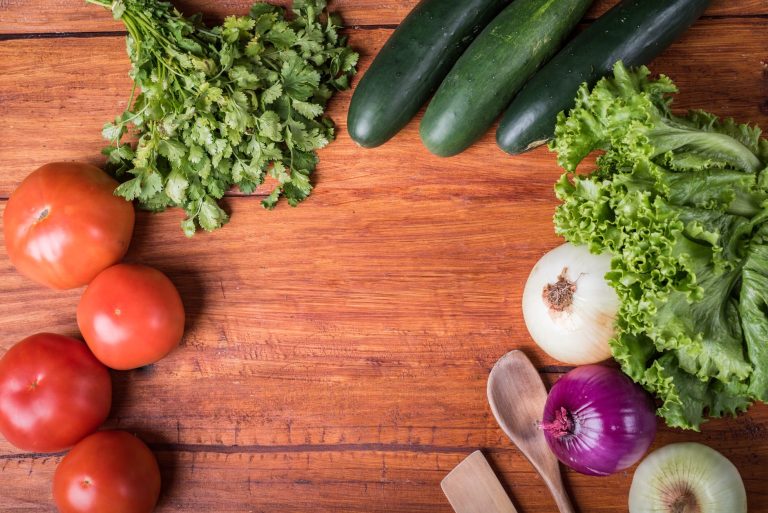
[IMAGE: organic vegetables]
Why Gut Health Is the Hidden Engine of a Healthy Lifestyle
Your gut does far more than digest dinner. It helps break down food, absorb key nutrients, support your immune system, and communicate with your brain through the gut-brain axis. In other words, a healthy gut can influence how you feel physically and mentally. When digestion is smooth, your body can make better use of the vitamins, minerals, and antioxidants in your meals. When the gut is irritated or overburdened, even a healthy diet may not feel as effective as it should.
That is one reason clean eating has gained so much attention. It removes much of the noise created by highly refined foods, excess sugar, artificial additives, and nutrient-poor snacks that can disrupt digestion. Organic food fits naturally into this approach because it tends to emphasize fresh produce, minimally processed staples, and ingredient transparency. For many people, this makes it easier to eat in a way that feels satisfying rather than restrictive.
The microbiome and why it matters
Inside your intestines lives a community of bacteria known as the gut microbiome. Some bacteria help digest fiber, produce beneficial compounds, and crowd out less helpful microbes. Others, when they become dominant, may contribute to bloating, irregularity, cravings, and poor nutrient absorption. A balanced microbiome supports a healthier metabolism and can even help with appetite regulation, which is why gut-friendly eating is often discussed in weight loss conversations.
Supporting the microbiome is not about one miracle food. It is about daily patterns. Are you feeding your gut the ingredients it thrives on? Are you including enough fiber, prebiotics, and fermented foods? Are you choosing organic food whenever possible so your meals are closer to their natural form?
Why organic food can be a smarter choice
Organic food is not automatically magical, but it can be a valuable part of a health-focused plan. Many organic fruits, vegetables, grains, and proteins are grown or produced with practices that avoid most synthetic pesticides, genetically modified ingredients, and routine antibiotics in animal products. For people who want a cleaner, more intentional way of eating, that matters.
When your plate is built on organic food, you often end up eating more whole foods, more vegetables, and more seasonal produce. That alone can improve nutrition quality. And because organic foods are frequently chosen by people practicing clean eating, the overall pattern tends to include fewer packaged snacks and more meals that support digestion and steady energy.
Best Organic Foods for Gut Health and Digestion
If you want your gut to work with you instead of against you, the best strategy is to combine fiber-rich foods, fermented options, hydration, and a thoughtful reduction in irritants. Below are some of the strongest organic food choices for digestive support.
1. Organic leafy greens
Spinach, kale, arugula, Swiss chard, and romaine are classics for a reason. They are rich in fiber, magnesium, folate, and antioxidants that support the digestive tract. Organic leafy greens are especially useful in clean eating because they are versatile and easy to add to smoothies, salads, omelets, and soups.
Leafy greens also help your body move waste through the system more efficiently. That does not mean they are a detox diet cure-all, but they do support the natural processes your liver and digestive system already perform. A simple habit like adding a handful of organic spinach to breakfast can make a surprisingly big difference over time.
2. Organic fermented foods
Fermented foods are one of the most powerful ways to nurture the gut microbiome. Organic yogurt, kefir, sauerkraut, kimchi, miso, and tempeh provide beneficial bacteria and helpful compounds that may improve digestion. If your stomach tends to feel heavy after meals, small daily portions of fermented foods can be a smart addition.
Start slowly if you are new to them. Your gut may need time to adjust. A few spoonfuls of organic sauerkraut or a small serving of kefir can be enough at first. What matters is consistency, not quantity. When people ask how to improve digestion naturally, fermented foods are often near the top of the list for a reason.
3. Organic high-fiber fruits
Berries, apples, pears, kiwi, and citrus fruits deliver fiber and antioxidants that nourish the gut. Berries are especially valuable because they are lower in sugar than many other fruits while still offering vibrant flavor and strong nutrition. Organic berries can be a beautiful fit for a healthy diet, especially when paired with protein or yogurt for a balanced snack.
Apples and pears are also excellent sources of soluble fiber, which helps soften stools and support regularity. If your goal includes weight loss, these fruits can be useful because they are filling without being heavy. Fiber supports fullness, which can help reduce the urge to snack impulsively later in the day.
4. Organic root vegetables
Carrots, beets, sweet potatoes, radishes, and turnips provide a grounding, satisfying base for meals. They are naturally rich in fiber and many are easy to digest when cooked. Roasted organic vegetables can be a cornerstone of both a detox diet and a long-term healthy lifestyle because they feel comforting, not punishing.
Beets deserve special attention. They contain unique plant compounds and fiber that support circulation and digestive function. Sweet potatoes offer gentle, slow-burning carbohydrates that can stabilize energy and prevent the kind of blood sugar swings that often trigger cravings.
5. Organic oats and whole grains
Organic oats, quinoa, brown rice, millet, and buckwheat can help feed beneficial gut bacteria, especially when prepared simply and paired with fiber-rich toppings. Oats contain beta-glucan, a type of soluble fiber known for supporting digestive regularity and satiety. That makes them especially useful for clean eating and weight loss goals.
Whole grains should not be feared if your digestion is generally tolerant of them. The key is quality and portion balance. Choose organic food in its least processed form and combine it with protein, healthy fats, and vegetables for a meal that steadies your energy instead of spiking it.
6. Organic seeds and nuts
Chia seeds, flaxseeds, pumpkin seeds, almonds, walnuts, and hemp seeds are compact nutrition powerhouses. They provide fiber, healthy fats, and minerals such as magnesium and zinc, which support digestive and metabolic function. A spoonful of ground flaxseed in oatmeal or a handful of walnuts with fruit can improve satiety and help keep digestion moving.
Seeds are especially useful if you are building an organic breakfast that supports energy for the morning. They help slow digestion just enough to keep blood sugar steadier, which may reduce sudden hunger and support a more balanced appetite throughout the day.
7. Organic herbs and digestive teas
Fresh herbs like parsley, cilantro, dill, mint, and ginger can be more than flavor enhancers. They support digestion and can make healthy meals far more enjoyable. Herbal teas, especially ginger, peppermint, and fennel, are another gentle way to support the gut after meals. In a clean eating routine, herbs often play a bigger role than people expect.
Do not underestimate small habits. A warm cup of peppermint tea after dinner or fresh ginger in a smoothie can be part of a subtle but meaningful gut-friendly rhythm.
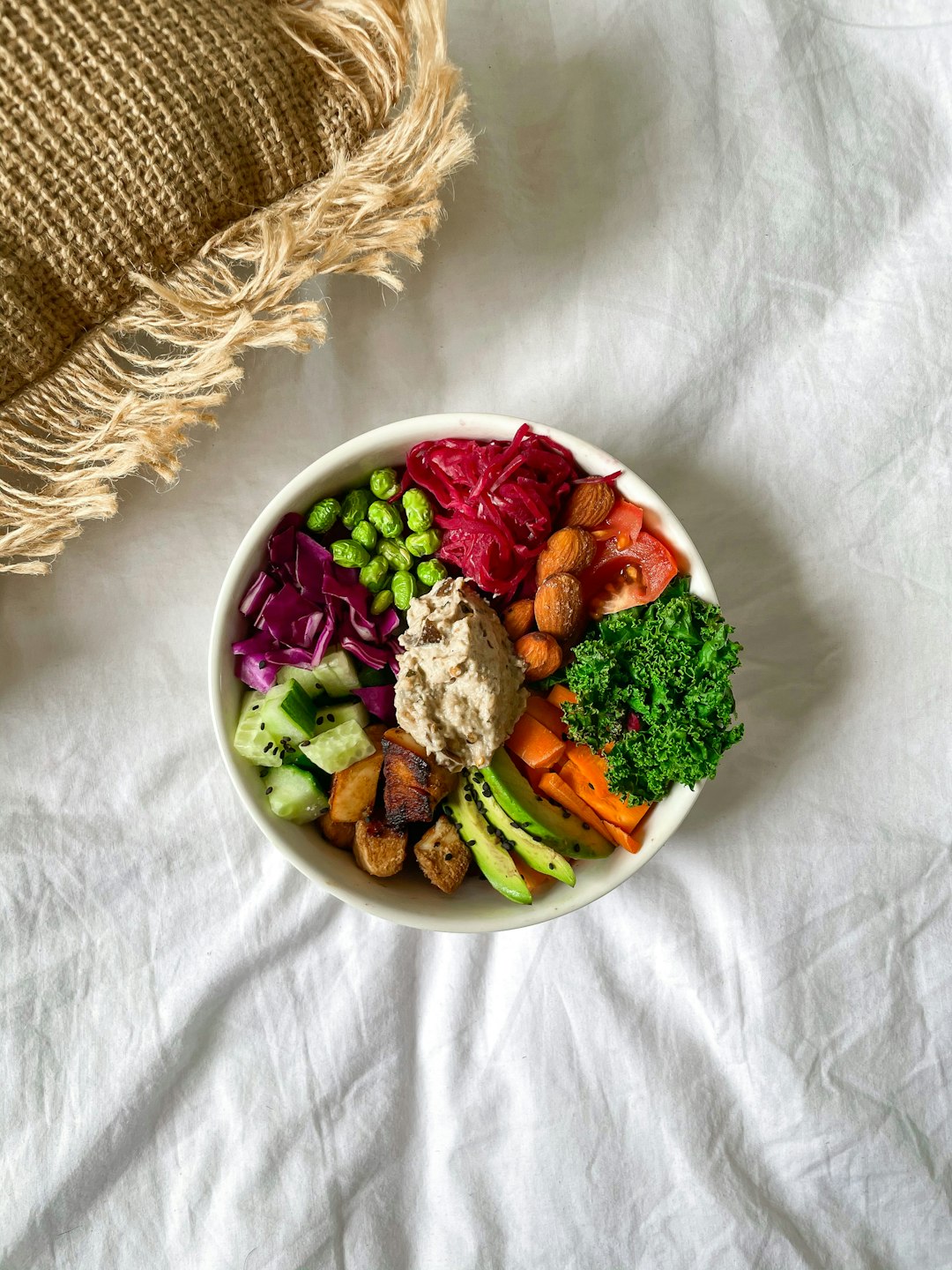
[IMAGE: healthy meal]
How Clean Eating Supports a Happier Gut
Clean eating is often misunderstood as strict, bland, or extreme. In reality, it simply means choosing foods that are closer to their natural form and fewer ingredients that create stress for the body. When you emphasize organic food, your meals often become more stable in terms of energy, digestion, and nutrient quality.
The benefits are practical. Meals become easier to plan. Snacks become more intentional. You stop relying so heavily on ultra-processed products that may contain refined oils, artificial sweeteners, and preservatives that do not always sit well with the gut. Over time, this style of eating can support a healthier metabolism and make weight loss feel more natural.
Signs your gut may need a cleaner routine
You do not need a diagnosis to notice that something is off. If several of the following sound familiar, your digestion may benefit from a cleaner, more organic approach:
- Frequent bloating after meals
- Irregular bowel movements
- Heavy fatigue after eating
- Cravings that seem difficult to control
- Feeling hungry shortly after meals
- Skin changes that appear linked to diet
- Discomfort when eating highly processed food
These signs do not automatically mean something is wrong, but they may signal that your current nutrition pattern is not ideal for your digestive system. A cleaner, more organic food routine often helps reduce some of that friction.
What to remove before you try to add more
Many people want to fix digestion by buying a supplement or chasing a detox diet. But it is often more effective to reduce the most disruptive foods first. Consider limiting the following if they are common in your day-to-day eating:
- Excess sugar and sugary drinks
- Ultra-processed packaged snacks
- Refined white bread and pastries
- Heavy fried foods
- Artificially sweetened drinks if they upset your stomach
- Alcohol in excess
By making room for organic food and whole ingredients, you give your gut less work to do. That does not mean you must be perfect. It means your baseline becomes more supportive of digestion and overall nutrition.
Organic Meal Ideas That Support Digestion and Weight Loss
A gut-friendly diet should not feel like punishment. It should feel generous, flavorful, and realistic. If you want weight loss support without losing energy or enjoyment, the best meals combine fiber, protein, and healthy fats in a way that keeps you satisfied. Here is where organic food shines: it makes it easier to build meals that are both clean and deeply nourishing.
Breakfast ideas
Breakfast can set the tone for digestion and appetite all day. Instead of a sugar-heavy start that leaves you hungry in an hour, choose a balanced plate with protein and fiber.
- Organic oats topped with chia seeds, berries, and walnuts
- Greek yogurt with ground flaxseed, sliced kiwi, and pumpkin seeds
- Vegetable omelet with organic spinach, herbs, and avocado
- Overnight oats made with kefir and cinnamon
These options provide slow-release energy and help support a more stable digestive rhythm. If you often rush in the morning, prepare overnight oats or yogurt jars the night before so clean eating feels easy rather than demanding.
Lunch ideas
Lunch should be filling enough to prevent mindless snacking later. A nourishing organic food lunch often includes cooked or raw vegetables, lean protein, and a source of fiber-rich carbohydrate.
- Quinoa salad with roasted vegetables, chickpeas, and lemon-tahini dressing
- Organic chicken bowl with brown rice, cucumber, avocado, and sauerkraut
- Lentil soup with carrots, celery, and fresh parsley
- Salmon over mixed greens with beets and pumpkin seeds
These meals support both gut health and weight loss because they are structured to satisfy rather than spike appetite. You can still enjoy bold flavors through herbs, citrus, and healthy sauces.
Dinner ideas
Dinner is often where digestion feels the most visible. Heavy, late meals can affect sleep and bloating, while simpler, balanced dinners may help the body relax.
- Roasted organic vegetables with baked salmon and steamed greens
- Tempeh stir-fry with broccoli, ginger, and brown rice
- Turkey lettuce wraps with avocado, shredded carrots, and cilantro
- Vegetable soup with lentils and a slice of sprouted grain toast
These meals are ideal for people pursuing a healthy lifestyle that supports both digestion and sustainable weight management. Instead of asking,
About the Author