
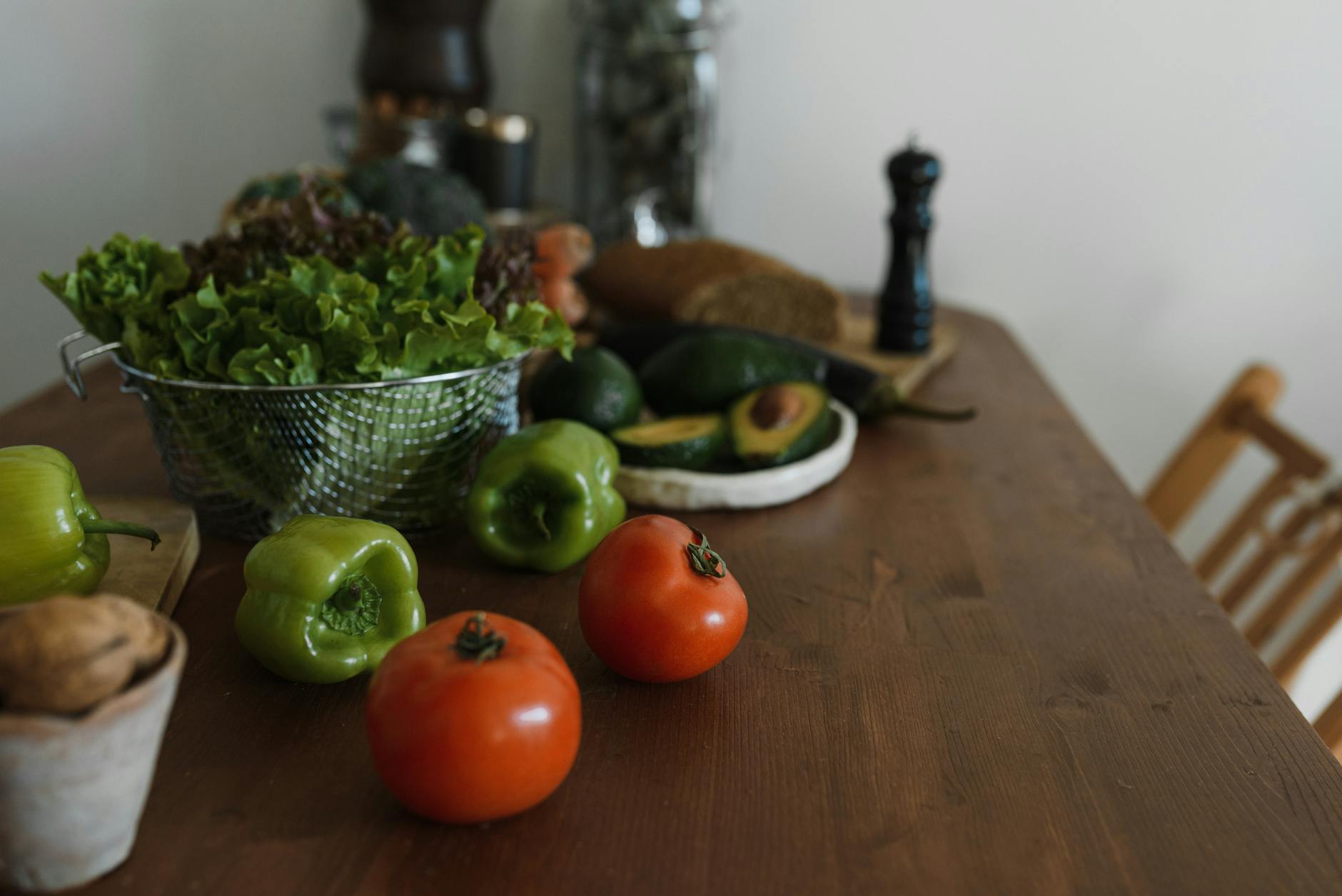
Photo by Arina Krasnikova on Pexels
If you have been trying to improve digestion, reduce bloating, or support weight loss without falling into extremes, organic food can be a surprisingly practical place to begin. The modern conversation around nutrition often focuses on calories alone, yet the real story is usually happening deeper in the body, inside the gut. When your digestive system is well nourished, clean eating feels easier, energy becomes steadier, cravings calm down, and a healthy lifestyle starts to feel natural instead of forced.
What you put on your plate can influence the balance of bacteria in your gut, the way you absorb nutrients, and even how satisfied you feel after a meal. That is why an organic diet is about more than avoiding synthetic pesticides. It is also about choosing food that supports your body’s internal ecosystem. Could a simple shift toward organic vegetables, fermented foods, fiber-rich fruit, and minimally processed ingredients make a real difference in your day? For many people, the answer is yes.
In this guide, we will explore how organic food can support gut health, why that matters for clean eating and weight loss, and how to build practical meals that are both nourishing and realistic. You will find science-backed ideas, kitchen-friendly tips, and a gentle approach to a detox diet that supports the body instead of stressing it. If your goal is better digestion, stronger nutrition, and a more balanced healthy lifestyle, this is a smart place to start.
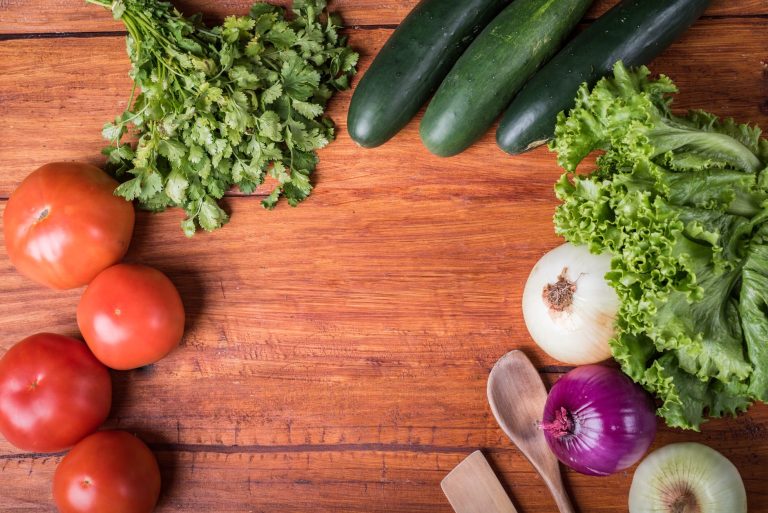
[IMAGE: organic vegetables]
Why Gut Health Matters More Than Most Diets Admit
The gut is often treated as an afterthought in diet conversations, but it should be one of the first things you consider when trying to improve your health. Your digestive tract does much more than break down food. It helps regulate immunity, mood, inflammation, and the way your body uses energy. When the gut is out of balance, even a technically healthy diet can feel unsatisfying or hard to sustain.
Think about the last time you felt bloated, sluggish, or uncomfortably hungry an hour after eating. Was it because you lacked willpower, or because your meals were missing the right mix of fiber, protein, and gut-friendly nutrients? This is where organic food choices can become useful. A clean eating routine built around whole ingredients may help you feel full longer, digest food more efficiently, and maintain more stable energy throughout the day.
The gut-brain connection is real
Your gut and brain communicate constantly through nerves, hormones, and chemical messengers. This is one reason digestive discomfort can affect mood, focus, and even sleep quality. When your meals are heavy in highly processed foods, excess sugar, and low-quality fats, that communication can become less efficient. On the other hand, a diet based on nutrient-dense organic food may help create a calmer internal environment.
Have you ever noticed that stress can affect your appetite or digestion almost immediately? That is not in your head. It is one of the reasons why nutrition advice should go beyond macros and include the quality of the food, the timing of meals, and the overall lifestyle surrounding them.
The microbiome and weight management
The gut microbiome is the community of microorganisms living in your digestive system. These microbes help break down fiber, produce beneficial compounds, and influence how your body responds to food. A more diverse microbiome is often associated with better digestion and stronger metabolic health. While there is no single food that guarantees weight loss, a gut-friendly organic diet can make healthy habits easier to follow.
Here is the important part: when your gut is supported, you may feel fewer spikes and crashes in hunger. That means less random snacking, fewer intense sugar cravings, and more control over portion sizes. In a practical sense, this can support weight loss without the misery of a restrictive detox diet or a crash plan that you cannot maintain.
- Better fiber intake may improve fullness after meals.
- Stable blood sugar can help reduce cravings.
- Less digestive discomfort can make clean eating feel easier.
- More nutrient absorption may support energy and motivation.
The Best Organic Foods for Gut Health
Not every food labeled organic automatically supports digestion, but many organic foods are ideal for a gut-friendly eating pattern. The key is to look for whole, minimally processed ingredients that offer fiber, live cultures, prebiotics, and anti-inflammatory nutrients. These foods work together to create a healthier internal environment and a more satisfying healthy lifestyle.
Below are some of the most useful options to include regularly if you want to improve digestion and make your clean eating plan more effective.
Fermented foods with live cultures
Fermented foods are among the most valuable choices for gut health because they contain beneficial bacteria or compounds that help support the microbiome. Organic versions are especially appealing when you want to avoid unnecessary additives and keep your nutrition as clean as possible.
- Organic yogurt with live active cultures
- Organic kefir
- Sauerkraut made with simple ingredients
- Kimchi without excess sugar
- Miso, tempeh, and fermented tofu
Start slowly if you are new to fermented foods. A spoonful of sauerkraut or a small serving of kefir can be enough at first. Your goal is consistency, not overload. What matters is adding these foods regularly, not turning every meal into a fermentation experiment.
Prebiotic vegetables that feed good bacteria
Prebiotics are types of fiber that feed the good bacteria in your gut. Many organic vegetables are naturally rich in prebiotic compounds, which makes them a cornerstone of any clean eating plan. Unlike trendy supplements, these foods also give you vitamins, minerals, and antioxidants that support overall nutrition.
- Garlic
- Onions
- Leeks
- Asparagus
- Artichokes
- Broccoli
- Brussels sprouts
Roasting, steaming, or lightly sautéing these vegetables can make them easier to digest while preserving their benefits. If raw vegetables leave you bloated, do not assume you must force them down. A smarter organic food strategy adapts to your body instead of fighting it.
Fiber-rich fruit for steady digestion
Fruit can be a wonderful part of a healthy diet when chosen wisely. Organic fruit often appeals to people who want to reduce exposure to pesticides, and it is especially useful when you are building meals that support gut health. Fiber helps move food through the digestive tract, while natural plant compounds can support microbial diversity.
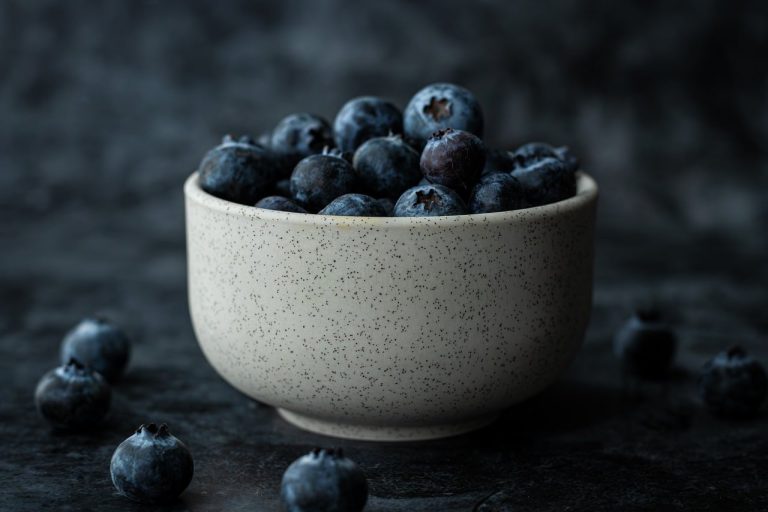
- Berries, especially blueberries, raspberries, and blackberries
- Apples with the skin on
- Pears
- Kiwi
- Bananas that are slightly green
Need a simple rule? Pair fruit with protein or healthy fat when possible. That helps prevent a quick blood sugar rise and keeps you satisfied longer. For example, apple slices with almond butter or berries with organic yogurt can be a great clean eating snack.
Healthy fats and seeds for a calmer digestive rhythm
Healthy fats do not just support hormones and satiety; they also help your body absorb fat-soluble nutrients. In a gut-friendly organic diet, the right fats can make meals more balanced and satisfying. Seeds add fiber, minerals, and texture, which can be surprisingly helpful for anyone trying to stay consistent with healthy food choices.
- Organic avocado
- Extra-virgin olive oil
- Chia seeds
- Ground flaxseed
- Pumpkin seeds
- Walnuts
Chia and flax are especially useful because they support regularity and can be added to smoothies, oatmeal, or yogurt. When people think of a detox diet, they often imagine restriction. But real support for the body usually looks more like nourishment, hydration, fiber, and steady meals.
Herbs, spices, and gentle digestive support
Small additions can have a big impact. Herbs and spices are a quiet advantage of clean eating because they add flavor without relying on heavy sauces or processed seasonings. Many also have a long history of use in digestive wellness traditions.
- Ginger for nausea and digestive comfort
- Turmeric for anti-inflammatory support
- Mint for a refreshing digestive feel
- Fennel for bloating-prone meals
- Cinnamon for a warmer, blood-sugar-friendly flavor profile
A meal that tastes satisfying is far easier to sustain. That is one reason a healthy lifestyle should never feel bland. If your food is enjoyable, you are much more likely to stay consistent.
How to Build a Clean-Eating Plate That Supports Digestion
A gut-friendly plate does not need to be complicated. In fact, the simpler it is, the easier it is to repeat. The best organic food routine usually follows a few clear principles: plenty of plants, enough protein, smart fats, and minimal ultra-processed ingredients. If your meals leave you bloated or hungry, the problem may not be the food itself but the balance of the plate.
A practical structure can look like this:
- Half the plate: colorful vegetables
- One quarter: quality protein
- One quarter: smart carbohydrates or extra vegetables
- Small amount: healthy fat and digestive-friendly herbs
This approach works for breakfast, lunch, and dinner. It also supports weight loss in a gradual, sustainable way because it encourages fullness without excess calories from low-quality ingredients.
Breakfast ideas that support clean eating
Breakfast is where many people accidentally derail their nutrition goals. A pastry, sugary cereal, or sweetened coffee drink may taste satisfying for ten minutes, but it often leaves you hungry soon after. A gut-friendly breakfast built on organic food can keep your energy steadier and reduce the odds of mid-morning snacking.
- Organic yogurt with chia seeds, berries, and walnuts
- Oatmeal topped with flaxseed, cinnamon, and sliced apple
- Vegetable omelet with spinach, onions, and herbs
- Smoothie with kefir, greens, frozen berries, and ginger
If you are not hungry first thing in the morning, do not force a huge meal. Start with something light and nourishing, then build from there. A healthy diet should fit your life, not punish you for having a different appetite rhythm.
Lunch ideas that keep digestion calm
Lunch should be satisfying without making you sluggish. The best organic lunch plates often combine vegetables, protein, and fiber-rich carbohydrates in a way that feels clean but not restrictive. This is where meal prep can make a major difference. When you have good ingredients ready to go, you are less likely to choose convenience food that leaves you feeling heavy.
- Quinoa bowl with roasted vegetables, chickpeas, and tahini
- Big salad with organic greens, avocado, pumpkin seeds, and grilled chicken or tofu
- Lentil soup with a side of fermented vegetables
- Brown rice with salmon, broccoli, and olive oil
Ask yourself: does this meal help me feel clear, energized, and comfortably full? If the answer is yes, you are probably on the right track.
Dinner ideas that support recovery
Dinner should calm the system rather than overwhelm it. Late-night overeating or heavy processed meals can leave digestion working overtime when your body should be winding down. A lighter organic dinner can support sleep, recovery, and a smoother next morning.
- Roasted salmon, asparagus, and sweet potato
- Tofu stir-fry with broccoli, mushrooms, and garlic
- Turkey or bean lettuce wraps with avocado
- Vegetable soup with side salad and olive oil dressing
[IMAGE: healthy meal]
If you are trying to support weight loss, dinner is a good place to keep portions satisfying but not excessive. This is not about eating less for the sake of it. It is about eating smartly so your gut can do its job without unnecessary strain.
Organic Foods That May Upset Digestion If You Overdo Them
Organic does not automatically mean limitless. Even foods with excellent nutrition can become problematic when portion sizes, timing, or preparation methods are off. A realistic healthy lifestyle is built on awareness, not perfection. If something seems healthy but makes you feel worse, your body is giving you useful feedback.
Too much fiber too quickly
Fiber is important, but increasing it overnight can lead to gas, cramping, or bloating. If you are coming from a low-fiber diet, give your digestive system time to adjust. Gradual changes are more effective than dramatic overhauls, especially if your goal is long-term weight loss and better digestion.
Organic snacks that are still sugar-heavy
Organic cookies, granola bars, fruit gummies, and sweetened yogurts may look wholesome, but they can still create the same blood sugar roller coaster as conventional sweets. Clean eating means looking beyond the label. Does the ingredient list support nutrition, or does it simply sound healthier?
Carbonated drinks and too much alcohol
Even when you are eating organic food most of the time, a steady habit of sodas, sparkling sweet drinks, or alcohol can interfere with digestion and recovery. Many people trying a detox diet forget that beverages count too. Hydration with water, herbal tea, or infused water can make a noticeable difference in how your stomach feels.
Foods that do not suit your unique body
Some people thrive on certain foods that bother others. Lactose, gluten, legumes, or cruciferous vegetables can be challenging for specific individuals. That does not mean these foods are bad. It means your healthy diet should be personalized. If a food repeatedly causes discomfort, work with a professional to identify the cause instead of guessing.
A Gentle 7-Day Organic Gut Reset
If you want to begin with a focused plan, a short reset can help you notice patterns and build momentum. This is not a harsh detox diet. It is a simple, food-first approach to clean eating that gives your gut a break from excess sugar, ultra-processed meals, and random snacking. The goal is to make the body feel supported, not deprived.
Day 1: Hydration and simplicity
Start by drinking more water and reducing processed snacks. Build meals around organic vegetables, a quality protein, and a fiber-rich carbohydrate. The objective is not to be perfect. It is to begin noticing how your body feels when food is simpler and cleaner.
Day 2: Add fermented foods
Include a small serving of kefir, yogurt, sauerkraut, or kimchi. Keep the rest of the day balanced and easy to digest. You may find that a small probiotic boost makes your meals feel more satisfying.
Day 3: Focus on prebiotics
Build meals around onions, garlic, asparagus, oats, bananas, and apples. These foods help feed beneficial bacteria and support regularity. If you have been relying on low-fiber meals, this day may already feel different.
Day 4: Prioritize colorful plants
Choose at least three colors of vegetables and fruit. The more plant variety you eat, the more diverse your nutrition tends to be. Think green spinach, orange carrots, deep purple berries, and red peppers. Color is not just attractive; it is a useful nutrition cue.
Day 5: Build balanced meals for satiety
Pay attention to protein and healthy fats. Many people think they have a digestion issue when they are actually under-eating protein or skipping enough fat. A balanced plate often reduces cravings and helps weight loss feel more manageable.
Day 6: Keep the evening light
Choose a gentle dinner such as soup, roasted vegetables, fish, tofu, or eggs. Avoid a large late-night meal and notice how your sleep and morning energy respond. Sometimes the simplest improvements come from changing dinner rather than breakfast.
Day 7: Reflect and repeat
Look back at the week and ask yourself: which meals made me feel the clearest, calmest, and most satisfied? Which foods seemed to work best for my body? The most effective nutrition plan is not the one with the strictest rules. It is the one you can repeat with confidence.
Why Organic Food Can Support Weight Loss Without Extreme Rules
Weight loss is often framed as a battle of discipline, but that perspective misses a huge part of the story. Hunger, cravings, and energy levels are influenced by the quality of your food. When your meals are built around organic food, the odds improve that you will get more nutrients per bite and fewer empty calories that do not satisfy you.
Organic food alone does not cause weight loss, but it can help create the conditions for it. The combination of fiber, protein, hydration, and reduced ultra-processed intake can make your body feel less inflamed and more regulated. That matters because when your system feels stable, healthy habits are easier to maintain.
Here is how gut-friendly eating may help with weight loss
- Fiber supports fullness and reduces mindless snacking.
- Protein helps preserve lean mass while losing fat.
- Stable blood sugar can reduce cravings for sweet foods.
- Better digestion can improve how meals feel physically.
- More nutrient density can support energy for movement and exercise.
[IMAGE: fitness lifestyle]
That last point matters more than many people realize. If your food supports your energy, you are more likely to walk, train, stretch, and stay active. And when movement becomes part of your healthy lifestyle, weight loss usually becomes less about forcing results and more about creating a rhythm your body can trust.
Meal Prep Ideas for Busy People Who Want Better Digestion
One of the biggest barriers to clean eating is not knowledge. It is time. The best nutrition strategy is the one you can actually carry into a busy week. Meal prep does not have to mean cooking every item in advance or spending all Sunday in the kitchen. It can be as simple as preparing a few flexible components that make gut-friendly meals easy to assemble.
Build a smart organic shopping list
- Organic leafy greens
- Broccoli, zucchini, carrots, and sweet potatoes
- Apples, berries, bananas, and kiwi
- Greek yogurt or kefir
- Chickpeas, lentils, and quinoa
- Eggs, salmon, chicken, tofu, or tempeh
- Avocado, olive oil, nuts, and seeds
- Ginger, garlic, turmeric, mint, and cinnamon
Prep a few core ingredients
Instead of making full meals for the week, prep building blocks. Roast a tray of vegetables, cook a pot of grains, wash greens, and prepare one or two proteins. You can then mix and match depending on your schedule and appetite. This approach keeps clean eating interesting and reduces the temptation to abandon your plan when you get busy.
- Roast vegetables for bowls and side dishes
- Cook quinoa or brown rice
- Wash and dry greens for salads and wraps
- Prepare a fermented side dish for easy digestion support
- Make a simple dressing with olive oil, lemon, and herbs
Use a three-part formula for quick meals
When time is short, combine one protein, one fiber-rich carbohydrate, and one or two vegetables. Add a healthy fat or dressing and you have a meal that feels complete without being heavy. This formula can work for lunch boxes, quick dinners, or post-workout meals.
Examples include roasted chicken with sweet potato and greens, tofu with brown rice and broccoli, or lentils with avocado and cucumber salad. Easy does not have to mean boring.
Common Mistakes to Avoid When Starting an Organic Gut-Friendly Diet
Many people begin with enthusiasm and then feel discouraged when the results are not immediate. That is often because they made the shift too complicated or focused only on what to remove. A better approach is to focus on what to add: fiber, hydration, balance, and patience.
1. Changing everything at once
Swapping every food in your kitchen overnight can make a healthy lifestyle feel overwhelming. Begin with one or two habits, such as adding breakfast protein or increasing vegetable intake. Small wins create more consistency than big dramatic changes that collapse by Friday.
2. Chasing the idea of a perfect detox diet
Your body already has detoxification systems built in. The point of a detox diet should be to support those systems with good nutrition, not to starve yourself on juices or extreme rules. Real support comes from balanced meals, enough water, and less processed food.
3. Ignoring food quality but obsessing over calories
Calories matter, but quality matters too. A 300-calorie snack made from organic food and real nutrients will usually affect your body differently than a 300-calorie snack made from refined sugar and low-quality oils. Good nutrition is about the full picture.
4. Expecting immediate digestive perfection
Your gut may need time to adapt to a higher-fiber or more plant-rich diet. Some temporary bloating can happen when you make positive changes too quickly. That does not mean the plan is wrong. It may simply mean your body needs a slower transition and more water.
5. Forgetting variety
Eating the same healthy meal repeatedly can seem efficient, but variety helps nourish a more diverse microbiome. Rotate your vegetables, fruit, grains, and protein sources so your nutrition stays broad and interesting. A rich, colorful plate is usually a sign of a smarter clean eating approach.
When to Seek Professional Guidance
While organic food and clean eating can support gut health for many people, persistent symptoms should not be ignored. If you experience ongoing bloating, pain, diarrhea, constipation, reflux, unexplained weight loss, or severe food reactions, it is wise to speak with a qualified healthcare professional. Nutrition can be powerful, but it is not a substitute for medical care when something deeper may be going on.
A registered dietitian or digestive health specialist can help you identify triggers, tailor a healthy diet to your needs, and avoid unnecessary food rules. If you have a medical condition, are pregnant, or take medication, personalization becomes even more important. Good nutrition should support your body safely, not create stress.
What a Sustainable Gut-Friendly Lifestyle Really Looks Like
The best organic food strategy is not flashy. It is steady. It gives you better digestion without demanding perfection, supports weight loss without obsessive restriction, and makes clean eating feel like a normal part of life rather than a temporary challenge. Over time, those quiet daily decisions add up in ways that are easy to overlook at first and impossible to ignore later.
Maybe that means starting your morning with yogurt, berries, and flax. Maybe it means replacing one processed snack with fruit and nuts. Maybe it means cooking with more garlic, onions, and greens, or choosing a lighter dinner so your body can rest well. These small choices may seem ordinary, but they are exactly what a healthy lifestyle is built on. If you are ready to keep refining your nutrition and discover more practical ways to enjoy clean eating, explore the other DietOrganic articles for fresh ideas on organic food, weight loss, detox diet support, and everyday wellness.
About the Author