
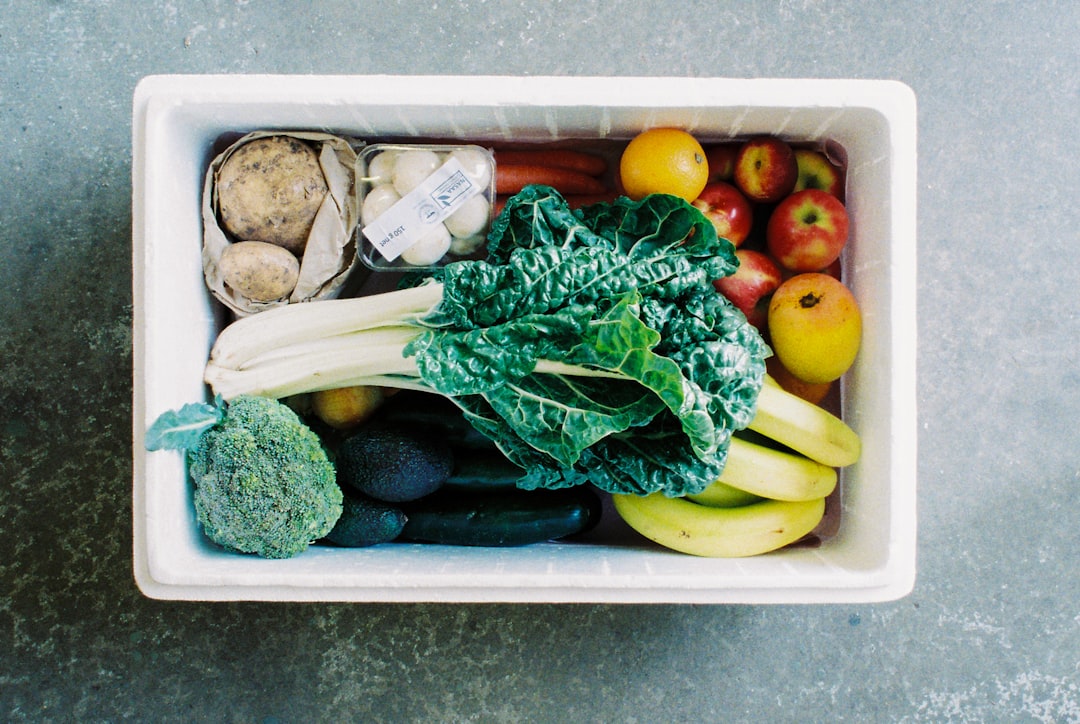
Photo by simon peel on Unsplash
There is something quietly transformative about opening your refrigerator and seeing a week of nourishing meals already waiting for you. No scrambling. No last-minute takeout. No wondering whether today will be a healthy day or a chaotic one. When your kitchen is organized around organic food, smart nutrition, and simple routines, clean eating stops feeling like a rulebook and starts feeling like a lifestyle you can actually maintain.
That is the real power of organic meal prep. It is not just about saving time, although it absolutely does that. It is about shaping your environment so that better choices become easier choices. If your lunch is already packed, your breakfast is ready, and your snacks are portioned, how likely are you to drift toward ultra-processed convenience foods? And if your meals are built from organic vegetables, clean proteins, fiber-rich grains, and healthy fats, how much more support are you giving your body every single day?
This guide is designed for anyone who wants practical organic meal prep ideas for weight loss, clean eating, and a healthier rhythm at home. Whether you are trying to simplify your weekday nutrition, support a detox diet, or build a more sustainable healthy lifestyle, the goal is the same: make good food easy, delicious, and repeatable.
Why Organic Meal Prep Supports Weight Loss Without the Burnout
Weight loss does not happen because meals are perfect. It happens when your daily pattern becomes consistent enough to create momentum. Organic meal prep can help you get there because it removes guesswork and replaces impulsive eating with structure. When meals are prepared ahead of time, portions become more predictable, ingredients are more intentional, and nutrition becomes more balanced.
Organic food also tends to push you toward a cleaner plate overall. Once you start buying fresh produce, whole grains, lean proteins, nuts, seeds, and minimally processed ingredients, your meals naturally become more satisfying and less dependent on added sugar or refined oils. That matters for appetite control. It also matters for energy. Have you ever noticed how a meal based on whole ingredients keeps you steady longer than one built around quick refined carbs?
Here is why this approach works so well for healthy weight loss:
- It reduces decision fatigue, which often leads to overeating or fast-food choices.
- It makes portion control visible instead of vague.
- It helps balance protein, fiber, and healthy fats for better satiety.
- It supports cleaner nutrition with fewer hidden additives.
- It keeps your healthy diet realistic on busy days.
Meal prep is especially useful if you have struggled with all-or-nothing thinking. You do not need a perfect detox diet or a dramatic reset. You need a reliable system that keeps your body fed with the right foods at the right time.
What Clean Eating Really Means in Daily Life
Clean eating is often overcomplicated, but the concept is actually simple. It means building your meals around real food, ingredients you recognize, and combinations that support your health instead of working against it. In practice, that means more vegetables, more fiber, more protein, more water-rich foods, and fewer highly processed items that crowd out nutrition.
Clean eating is not about fear. It is not about avoiding every ingredient that sounds technical. It is about choosing foods that make you feel clear, nourished, and energized. An organic food routine fits beautifully into that mindset because it often encourages you to eat more fresh produce, cook more often, and rely less on packaged convenience foods.
Ask yourself: does your current routine make healthy eating easier, or does it invite constant compromise? If the answer is the second, meal prep might be the simplest fix you have not fully used yet.
Build a Weekly Organic Meal Prep System That Actually Fits Your Schedule
The best meal prep system is not the one that looks the most impressive on social media. It is the one you can repeat without dreading it. If your prep plan requires five hours, thirty specialty ingredients, and a level of motivation you rarely have, it will probably collapse by Wednesday. A better strategy is to create a simple, flexible routine that works with your real life.
Start with a weekly rhythm. Most people do best when they choose one main prep day and one short reset day. For example, Sunday can be your batch-cooking day and Wednesday can be your restock day. That second touchpoint matters because fresh vegetables, fruit, and cooked grains are easier to keep appealing when you refresh them midweek.
Choose a Prep Framework You Can Repeat
Instead of planning an entirely different menu for every meal, think in building blocks. You can mix and match those blocks to create variety without extra work. A strong framework may include:
- Two to three organic protein sources
- Three to four vegetables in different colors
- One or two smart carbs such as quinoa, brown rice, oats, or sweet potatoes
- One or two healthy fats such as avocado, olive oil, walnuts, or seeds
- One or two sauces or dressings to keep flavor interesting
This approach protects nutrition while keeping your healthy diet practical. It also gives you enough flexibility to create breakfast, lunch, dinner, and snack options from the same prep session.
The Simple Plate Formula
If you want an easy visual guide, use this plate formula:
- Half the plate: organic vegetables or leafy greens
- One quarter: lean protein
- One quarter: high-quality carbohydrates
- Small amount: healthy fat for satiety and flavor
This ratio supports balanced energy, better digestion, and more stable appetite. It is also one of the easiest ways to avoid the common mistake of building meals that are too carb-heavy or too light to keep you satisfied.
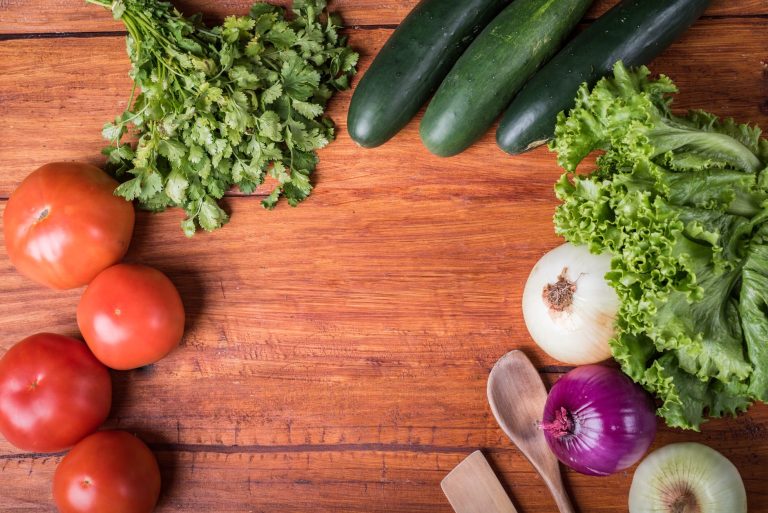
[IMAGE: organic vegetables]
Best Organic Foods to Keep in Rotation for Weight Loss and Clean Eating
A smart prep routine starts with the right ingredients. When your refrigerator and pantry are stocked with versatile organic staples, your meal prep becomes faster and more creative. The goal is not to buy everything. The goal is to buy a manageable set of foods that can be combined in different ways throughout the week.
Organic Vegetables That Work in Almost Everything
Vegetables should be the foundation of your prep because they add volume, fiber, micronutrients, and freshness without making meals feel heavy. They also support a detox diet approach by helping the body eliminate waste naturally through digestion and regularity.
- Spinach
- Romaine lettuce
- Arugula
- Broccoli
- Cauliflower
- Zucchini
- Bell peppers
- Carrots
- Cucumbers
- Brussels sprouts
- Asparagus
- Sweet potatoes
These vegetables can be roasted, steamed, shredded, sautéed, or eaten raw. The trick is to prepare them in more than one texture. Roasted broccoli has a very different feel from crisp cucumber slices, and that contrast helps keep clean eating enjoyable.
Organic Proteins That Keep You Full
Protein plays a major role in weight loss because it helps preserve lean tissue, supports fullness, and can reduce the urge to snack impulsively. If you want a meal prep routine that truly works, give protein the attention it deserves.
- Organic chicken breast or thighs
- Wild salmon
- Eggs
- Greek yogurt
- Turkey
- Tofu
- Tempeh
- Lentils
- Chickpeas
- Black beans
Choosing a mix of animal and plant proteins makes your healthy diet more flexible. It also lets you adapt to different appetite levels. On lighter days, a yogurt bowl or lentil salad may be enough. On more active days, a salmon bowl or chicken plate may feel more satisfying.
Organic Carbohydrates That Support Energy
Clean eating does not mean avoiding carbs. It means choosing the right ones and using them in the right amounts. Carbohydrates are especially important if you exercise regularly, have a demanding workday, or simply want stable energy without crashes.
- Quinoa
- Brown rice
- Rolled oats
- Farro
- Sweet potatoes
- Butternut squash
- Berries
- Apples
- Bananas
These foods fit beautifully into organic food meal prep because they are easy to portion and pair well with proteins and vegetables. A small serving can make a meal feel complete without derailing weight loss goals.
Healthy Fats That Add Flavor and Satisfaction
Healthy fats are not the enemy of weight loss. In fact, they can make your meal prep more satisfying and help you stay full longer. The key is to use them intentionally.
- Avocado
- Extra virgin olive oil
- Almonds
- Walnuts
- Pumpkin seeds
- Chia seeds
- Hemp seeds
- Natural nut butters
These fats improve texture, taste, and staying power. A spoonful of seeds over a salad or a drizzle of olive oil on roasted vegetables can transform a simple container into something you actually look forward to eating.
Flavor Builders That Make Clean Eating Feel Gourmet
Meal prep should never taste like punishment. The difference between boring and brilliant often comes down to seasonings, herbs, and sauces.
- Fresh lemon juice
- Garlic
- Ginger
- Turmeric
- Basil
- Parsley
- Cilantro
- Sea salt
- Black pepper
- Apple cider vinegar
- Tahini
These ingredients support a more vibrant flavor profile without relying on heavy sugar or overly processed dressings. They are especially useful if you want your healthy lifestyle to feel elevated rather than restrictive.
Organic Meal Prep Ideas You Can Rotate All Week
Variety is one of the biggest reasons people abandon meal prep. They get tired of repeating the same bowl or the same salad three days in a row. The solution is not to cook ten different recipes. The solution is to create a few strong combinations that can be repeated in slightly different ways.
Breakfast: Overnight Oats With Berries and Seeds
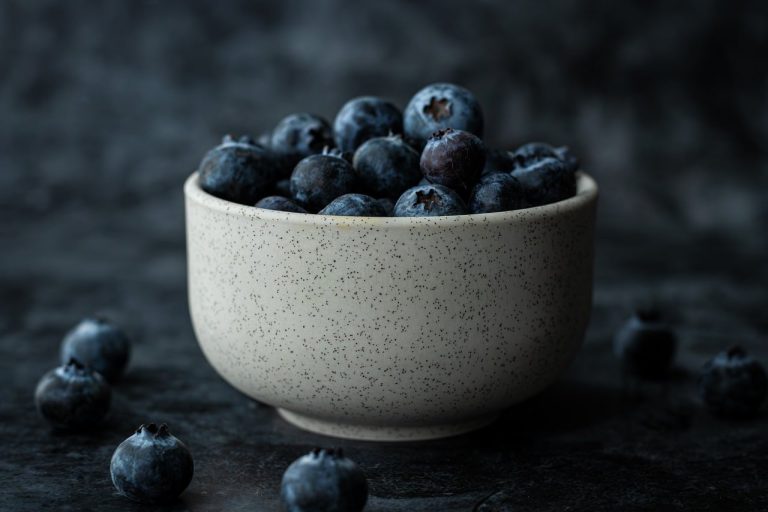
For a fast breakfast that supports weight loss and clean eating, prep jars of overnight oats using organic rolled oats, unsweetened milk or yogurt, chia seeds, cinnamon, berries, and a small handful of walnuts. This meal is portable, balanced, and easy to customize.
Why it works:
- Fiber helps you feel full longer.
- Seeds and nuts add healthy fats.
- Berries bring sweetness without refined sugar.
- You can prepare several jars at once in under fifteen minutes.
If you prefer higher protein, add Greek yogurt or a scoop of clean protein powder. If you want a lighter version, reduce the oats and increase the berries.
Lunch: Chicken Quinoa Power Bowl
One of the most reliable organic meal prep ideas is a bowl built from cooked quinoa, grilled organic chicken, roasted broccoli, shredded carrots, avocado, and a lemon-tahini dressing. It checks all the boxes: protein, fiber, color, and flavor.
You can switch it up by using salmon one week and tofu the next. You can also change the grain base from quinoa to brown rice or farro. The point is to build a repeatable structure that feels fresh because the details change.
Dinner: Salmon, Sweet Potato, and Greens
Dinner should be simple enough to assemble even when your energy is low. Salmon is a wonderful meal prep protein because it reheats well and gives you omega-3 fats that support a healthy lifestyle. Pair it with roasted sweet potato cubes and steamed green vegetables such as asparagus or green beans.
This meal is a strong choice when you want something satisfying without being overly heavy. It is also a beautiful example of how organic food can feel indulgent and practical at the same time.
Vegetarian Option: Lentil and Roasted Vegetable Bowl
If you follow a plant-based routine or simply want a meatless day, lentils are an excellent base. Combine them with roasted zucchini, peppers, cauliflower, leafy greens, and a bright dressing made from olive oil, lemon, garlic, and herbs.
Lentils are especially useful for clean eating because they are filling, affordable, and easy to batch cook. They also work well in both warm bowls and chilled salads.
Snack: Yogurt Parfait or Apple and Almond Butter Box
Snacks can either support weight loss or quietly undo your progress. Pre-portioning them is one of the easiest ways to stay in control.
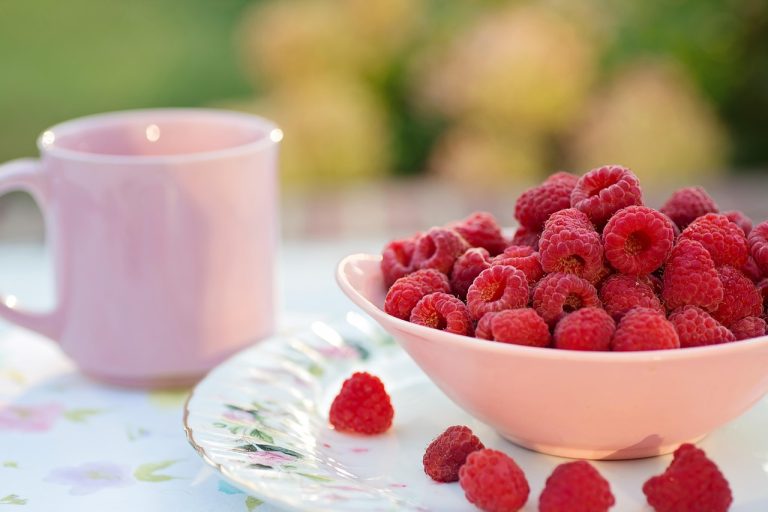
- Greek yogurt with berries and chia seeds
- Apple slices with almond butter
- Cucumber sticks with hummus
- Hard-boiled eggs with sea salt and pepper
- Celery with tahini or nut butter
These small containers can prevent energy crashes and reduce the urge to raid the pantry for ultra-processed foods.
[IMAGE: healthy meal]
How to Prep Organic Meals in 90 Minutes or Less
Many people imagine meal prep as a long, exhausting Sunday project. It does not have to be that way. If you work efficiently, you can prep a meaningful amount of food in about ninety minutes. The key is to break the process into stages and avoid overthinking every container.
Step 1: Set Up Before You Cook
Before you turn on the stove, wash your produce, line up your containers, and decide what needs to cook first. Starting organized saves more time than rushing through a messy kitchen later.
- Preheat the oven.
- Rinse grains.
- Chop vegetables.
- Season proteins.
- Place storage containers on the counter.
This is the point where your week begins to feel easier. Why? Because every small task you handle now is one less decision to make when you are tired and hungry.
Step 2: Batch Cook the Foods That Take the Longest
Roasted vegetables, grains, and proteins usually take the longest, so start there. Put sweet potatoes and broccoli in the oven, simmer quinoa or brown rice on the stove, and cook chicken, salmon, tofu, or lentils as needed. While those items are cooking, make your dressing or snack boxes.
Step 3: Portion with Purpose
Once the food is ready, divide it into containers while it is still easy to portion. This is where weight loss goals become more practical. You are no longer guessing what a serving looks like because you have already decided.
A Smart Container Strategy
- Use clear glass containers so food stays visible and appetizing.
- Keep salads separate from dressing until serving time.
- Use smaller containers for snacks to avoid mindless grazing.
- Store sauces in small jars to protect texture.
If you want your healthy diet to last beyond the first enthusiastic week, make the food easy to identify and easy to grab.
Step 4: Create a Visual Mix of Colors
A meal that looks beautiful is more likely to be eaten enthusiastically. That is not superficial. Visual variety often signals freshness and quality. A container full of beige food may technically be nutritious, but a container with greens, orange vegetables, purple cabbage, and golden grains tends to feel much more appealing.
[IMAGE: fitness lifestyle]
How to Keep Clean Eating Interesting All Week Long
The biggest threat to clean eating is not hunger. It is boredom. When meals start to feel repetitive, people often drift toward convenience food or start overeating because they are unsatisfied. The solution is to keep the core ingredients consistent while changing the flavor, texture, and serving style.
Use Different Textures
Texture matters more than many people realize. A meal with only soft foods can feel flat, even if the nutrition is excellent. Add crunch where you can.
- Top salads with seeds or crushed nuts.
- Add raw cucumbers to roasted bowls.
- Include crisp greens with warm proteins.
- Use toasted pumpkin seeds on soups.
Rotate Flavor Profiles
One of the easiest ways to make organic food feel new is to change the seasoning direction.
- Mediterranean: olive oil, lemon, garlic, oregano
- Earthy and warm: cumin, turmeric, paprika, ginger
- Fresh and bright: cilantro, lime, parsley, mint
- Rich and savory: tahini, tamari, sesame seeds
Each profile creates a different mood, even when the base ingredients are similar. That flexibility keeps your healthy lifestyle enjoyable instead of repetitive.
Keep a Few Fast Sauces on Hand
A clean sauce can completely change the experience of a meal prep container. Try making two or three at the beginning of the week:
- Lemon tahini dressing
- Greek yogurt herb sauce
- Apple cider vinaigrette
- Avocado lime mash
These sauces let you personalize your meals without spending extra time cooking every day.
Support a Detox Diet the Smart Way With Organic Food
The word detox has been overused, but the basic idea still matters. Your body naturally processes and removes waste through the liver, kidneys, digestive system, skin, and lungs. A smart detox diet does not mean starving, juicing all day, or surviving on lemon water. It means giving your body the nutrients it needs to do its job well.
That is where organic food and clean eating become especially valuable. When your meals are rich in fiber, water, antioxidants, and anti-inflammatory ingredients, your digestion and energy often improve. If you have ever felt sluggish after a string of processed meals, you already understand how much the body appreciates a lighter, cleaner pattern.
Detox-Friendly Foods to Include
- Leafy greens such as spinach and arugula
- Cruciferous vegetables such as broccoli and cauliflower
- Citrus fruits such as lemon and grapefruit
- Cucumbers and celery for hydration
- Berries for antioxidants
- Ginger and turmeric for flavor and warmth
- Chia seeds for fiber
Detox-Friendly Habits That Actually Help
- Drink water consistently throughout the day.
- Keep your meals lightly seasoned rather than heavily processed.
- Choose fiber-rich foods so digestion stays regular.
- Limit excess sugar and alcohol if you want more energy.
- Sleep well, because recovery is part of nutrition too.
A detox diet should feel supportive, not punishing. The best version is simple: eat clean, hydrate well, move your body, and stay consistent.
Common Organic Meal Prep Mistakes That Can Slow Weight Loss
Even with the best intentions, a few common mistakes can make meal prep less effective. The good news is that once you know them, they are easy to fix.
- Too much variety. Preparing too many recipes at once creates stress and wastes time.
- Not enough protein. Meals that are light on protein often leave you hungry too soon.
- Overdoing calorie-dense extras. Healthy fats are important, but large amounts of nuts, oils, and dressings can add up quickly.
- Forgetting snack prep. Without snacks ready, you may end up reaching for packaged foods.
- Letting food get boring. Repetition without flavor variety makes people quit.
- Buying ingredients you will not use. A smaller, realistic shopping list usually performs better than an ambitious one.
Ask yourself before every prep session: am I building a sustainable system, or am I trying to prove something? Sustainable systems win every time.
How to Turn One Prep Session Into a Full Week of Momentum
The beauty of organic meal prep is that it affects more than your food. Once your kitchen becomes organized, other parts of your life often begin to feel calmer too. You may notice better concentration during the workday, fewer energy crashes in the afternoon, and less temptation to abandon your healthy lifestyle when things get busy.
That is why meal prep is so powerful for people trying to lose weight. It removes friction. It replaces uncertainty with clarity. It helps you stay aligned with your goals without needing to think about them every hour of the day. And perhaps most importantly, it creates a daily environment that supports the version of you who wants to feel stronger, lighter, and more in control.
If you are starting from zero, do not try to prepare every meal for seven days. Start with three lunches, two breakfasts, and a handful of snacks. Then build from there. Clean eating works best when it feels manageable enough to repeat.
The most successful healthy diet is rarely the most dramatic one. It is the one that makes your life simpler, your food better, and your choices more intentional. When you fill your kitchen with organic vegetables, nourishing protein, smart carbs, and a few well-chosen sauces, you create the kind of routine that supports weight loss without sacrificing pleasure. And if you are ready to keep building that momentum, there is always more to explore in DietOrganic for fresh ideas, practical nutrition guidance, and clean eating inspiration that fits real life.
About the Author