
Photo by Nicola Barts on Pexels
What if the most effective clean eating strategy was not about cutting more, but choosing better? For many people, the shift to organic food is less about chasing a trend and more about building a healthy diet that feels sustainable, satisfying, and genuinely nourishing. When meals are centered on fresh produce, simple proteins, fiber-rich plants, and minimally processed ingredients, the body often responds with steadier energy, calmer digestion, and fewer cravings. That is why organic food can play such a powerful role in clean eating, weight loss, and long-term wellness.
There is also something beautifully practical about this approach. You do not need a complicated detox diet, a long list of rules, or a cabinet full of supplements to support your health. You need a plan that makes nutrition easier, not harder. You need food that tastes good, digests well, and fits into real life. And if your goal is to improve your healthy lifestyle without feeling deprived, the combination of organic food and clean eating may be exactly the reset your body has been asking for.
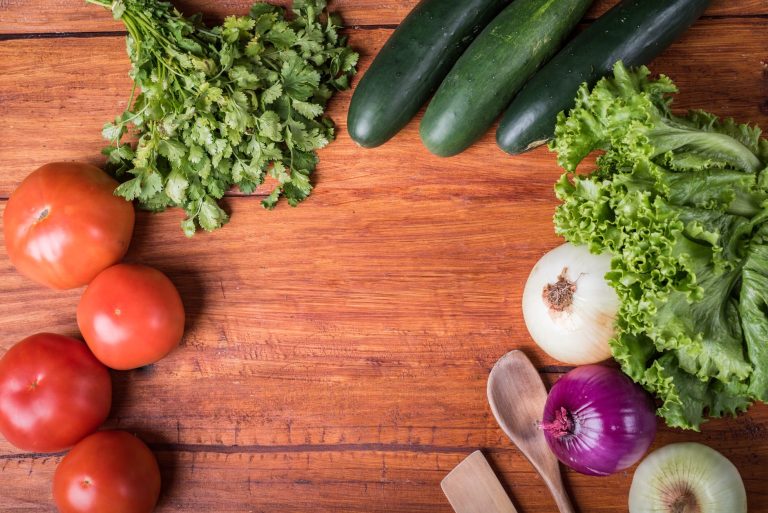
[IMAGE: organic vegetables]
In this guide, we will look at why gut health matters so much, which organic foods deserve a place on your plate, and how to use them in a way that supports weight loss without turning meals into a project. Have you ever noticed that some foods leave you energized while others make you feel sluggish or bloated? That difference is not random. It often comes down to quality, balance, and how well your meals support digestion from the very first bite.
Why Gut Health Belongs at the Center of a Healthy Diet
Gut health is no longer a niche topic reserved for nutrition experts. It is now one of the most important foundations of overall wellness. The digestive tract influences how you absorb nutrients, how comfortable you feel after meals, how stable your appetite stays, and even how your immune system performs. When the gut is well supported, clean eating becomes easier because your body is more likely to respond positively to the food you give it.
The gut microbiome, which is the community of bacteria and other microorganisms living in your digestive system, is especially important. These microbes help break down food, produce certain compounds your body needs, and interact with many other systems in the body. A diverse and balanced microbiome is often associated with better digestion and stronger resilience. The good news? A healthy diet built around organic food can help create the kind of environment those beneficial microbes prefer.
Your microbiome does more than digest food
People often think of digestion as a mechanical process, but it is much more dynamic than that. Your gut microbes respond to what you eat on a daily basis. They thrive on fiber, plant variety, fermented foods, hydration, and consistency. They tend to struggle when the diet is dominated by refined sugar, ultra-processed foods, and frequent overeating. That is why a thoughtful shift toward clean eating can be so effective: it gives your digestive system a calmer, more predictable rhythm.
When that rhythm improves, many people notice changes beyond the bathroom scale. Bloating may ease. Cravings may become less intense. Meals may feel more satisfying. Isn’t that the kind of weight loss progress most people actually want? Not dramatic restriction, but a body that feels lighter, more energetic, and less at war with itself.
Why organic food can make a difference
Organic food is not magic, but it can be a smart choice for people who want to prioritize clean eating. Organic produce is grown without most synthetic pesticides and fertilizers, and many shoppers choose it because it aligns with a more natural, less processed way of eating. In practical terms, this often means your meals are built from ingredients that are closer to their original form, which can make healthy cooking simpler and more appealing.
There is also a behavioral benefit. When people invest in better-quality food, they are often more motivated to prepare meals at home, eat more vegetables, and pay closer attention to nutrition. That alone can improve a healthy lifestyle. The point is not perfection. The point is to create a food environment that makes good choices feel normal.
Some people also find that organic foods taste fresher and more vibrant, especially when they are seasonal and locally sourced. If a carrot tastes like it actually came from the earth and a tomato tastes like summer, you are much more likely to eat it regularly. And regularity matters more than occasional intensity.
The Best Organic Foods for Gut Health and Weight Loss
If your goal is to support digestion while moving toward weight loss, the best organic food choices are usually the simplest ones. Think in terms of fiber, probiotics, prebiotics, hydration, and balanced meals. You do not need a long list of exotic ingredients. You need foods that help you feel satisfied, support gut health, and fit into a clean eating routine you can repeat.
Fermented foods that feed a healthy gut
Fermented foods are often the first category nutrition professionals mention when discussing gut support. These foods contain naturally occurring compounds and, in some cases, beneficial live cultures that can help support a diverse digestive environment. They also bring bold flavor, which can make healthy eating feel far less bland.
Useful organic options include:
- Organic plain yogurt
- Organic kefir
- Sauerkraut
- Kimchi
- Miso
- Tempeh
>
Start with small portions if fermented foods are new to you. A tablespoon of sauerkraut or a half cup of yogurt can be enough to begin. More is not always better, especially if your digestive system is sensitive. The goal is gentle support, not overwhelm.
Fiber-rich vegetables and fruit
Fiber is one of the most important nutrients for gut health and weight loss because it helps regulate digestion and increases fullness after meals. A diet that includes plenty of organic vegetables and fruit tends to feel naturally more satisfying. Fiber also works as food for beneficial gut microbes, which is one reason plant diversity matters so much in clean eating.
Prioritize these organic choices:
- Leafy greens such as spinach, arugula, and kale
- Broccoli, cauliflower, and Brussels sprouts
- Carrots, beets, and sweet potatoes
- Apples, pears, berries, and oranges
- Artichokes and asparagus
[IMAGE: healthy meal]
A useful rule of thumb is to include at least two colors on your plate at every meal. Even better, aim for three or four. Variety matters because different plant foods feed different beneficial microbes. That is one reason a colorful organic food routine can feel better than a repetitive one.
Prebiotic foods that support good bacteria
Prebiotics are a type of fiber that nourishes the good bacteria in your gut. Unlike probiotics, which introduce live cultures, prebiotics help the existing beneficial microbes flourish. This is an important distinction, because a healthy diet is not just about adding more of one thing. It is about creating the right conditions for balance.
Organic prebiotic-friendly foods include:
- Garlic
- Onions
- Leeks
- Asparagus
- Oats
- Green bananas
- Chia seeds
- Flaxseed
These foods are easy to use in breakfast bowls, soups, roasted vegetables, and grain dishes. They also support satiety, which can make weight loss feel more natural. If you have been looking for a clean eating habit that pays off quickly, adding one prebiotic food to each meal is a smart place to begin.
Healthy fats and proteins that keep meals satisfying
One of the biggest mistakes people make when trying to eat more cleanly is focusing only on produce and neglecting protein and fat. The result is often hunger, energy crashes, and rebound snacking. A better approach is to build meals that are balanced from the start. That is especially helpful when weight loss is a goal.
Choose organic or minimally processed sources such as:
- Organic eggs
- Plain Greek yogurt
- Lentils and chickpeas
- Tofu and tempeh
- Avocados
- Walnuts, almonds, and pumpkin seeds
- Extra-virgin olive oil
Protein helps preserve lean tissue and support satiety. Healthy fats help meals feel complete and satisfying. Together, they make clean eating much more sustainable. If you have ever asked yourself why one salad leaves you hungry and another keeps you energized for hours, the answer is usually balance.
Start with a plate, not a supplement
It can be tempting to look for shortcuts, especially when the internet is full of promises around detox diet products and quick fixes. But the most effective strategy is often beautifully simple: build meals with real organic food first. Supplements may have a place for specific needs, but they cannot replace a varied healthy diet. Your gut tends to respond best to daily habits, not occasional extremes.
How Clean Eating Supports Weight Loss Without Feeling Extreme
Weight loss is often treated like a battle of willpower, but in real life it is usually a matter of environment, appetite, and consistency. Clean eating helps because it reduces exposure to the foods most likely to trigger overeating: highly processed snacks, added sugars, and energy-dense meals that do not satisfy for long. Organic food can make that process more enjoyable because it encourages you to eat in a more mindful, ingredient-focused way.
When meals are built around vegetables, fruit, lean protein, and healthy fats, blood sugar tends to be easier to manage, hunger becomes less chaotic, and cravings often feel more predictable. That does not mean you need to fear every carb or cut out entire food groups. It means your healthy lifestyle works better when your body is nourished instead of constantly chasing the next quick hit of flavor.
The clean eating plate method
One of the easiest ways to create a healthy diet that supports both gut health and weight loss is to use a simple plate formula. It keeps decision-making easy and helps you stay grounded when you are busy.
- Half the plate: non-starchy vegetables
- One quarter: protein
- One quarter: smart carbohydrates such as quinoa, brown rice, oats, or sweet potato
- One small serving: healthy fat such as olive oil, avocado, seeds, or nuts
This formula works because it naturally emphasizes volume from vegetables and satisfaction from protein and fat. It also keeps meals visually appealing, which matters more than people think. When food looks good, you are more likely to enjoy it and less likely to feel the urge to keep searching for something better.
Where a detox diet fits, and where it does not
The phrase detox diet is often overused, and sometimes it is attached to unrealistic promises. Your body already has sophisticated systems for detoxification, especially the liver, kidneys, and digestive tract. You do not need a crash cleanse to become healthier. What you do need is a pattern of eating that supports these natural processes.
An organic food reset can function like a gentle detox diet when it focuses on real meals, hydration, fiber, and less processed food. That means no starvation, no extreme juice-only plans, and no guilt if you eat a normal meal. It means making it easier for your body to do what it already knows how to do.
Ask yourself this: if a plan makes you feel exhausted, hungry, and obsessed with food, is it really improving your nutrition? Or is it simply another form of stress?
A Simple Organic Day of Eating for Better Digestion
If you have ever wondered what clean eating actually looks like in real life, this section is for you. A healthy diet does not need to be elaborate. It just needs to be consistent, enjoyable, and built from food that supports your body rather than fighting against it. The sample day below shows how organic food can work from morning to night without feeling restrictive.
Breakfast: gentle energy with fiber and protein
Start the day with something that supports steady energy instead of a sugar spike. A good organic breakfast for gut health might include chia pudding made with unsweetened yogurt, berries, cinnamon, and a sprinkle of walnuts. Another option is oats cooked with flaxseed, apple slices, and almond butter.
- Organic oats or chia seeds
- Plain yogurt or a plant-based alternative
- Fresh berries or apple
- Ground flaxseed or walnuts
This kind of breakfast is simple, filling, and rich in the nutrients that support both digestion and weight loss. If mornings are hectic, make it the night before. Clean eating gets easier when breakfast is already waiting for you.
Lunch: a colorful bowl that keeps cravings in check
For lunch, think of a grain bowl or hearty salad built around organic vegetables, protein, and flavor. Try quinoa with roasted carrots, leafy greens, chickpeas, cucumber, sauerkraut, and a lemon-olive oil dressing. If you prefer something warm, a lentil and vegetable soup with a side of whole grain toast can be just as effective.
The beauty of this meal style is that it is flexible. You can adjust it to your taste, budget, and schedule without losing the core benefits. That is what makes clean eating practical. It should support your life, not dominate it.
Snack: intentional, not impulsive
Smart snacks are important if long gaps between meals tend to leave you overly hungry. The best organic snack ideas are usually simple and satisfying:
- Apple slices with almond butter
- Carrot sticks with hummus
- Plain yogurt with berries
- Hard-boiled organic eggs
- Pumpkin seeds and a piece of fruit
These snacks keep you from arriving at dinner ravenous, which often leads to overeating. That alone can support weight loss more effectively than strict dieting ever does.
Dinner: calm, nourishing, and easy to digest
At dinner, choose a meal that feels grounding rather than heavy. Roasted organic chicken with sweet potatoes and steamed broccoli is a classic option. If you prefer plant-based meals, tofu with sautéed garlic greens, brown rice, and sesame seeds works beautifully. Another good choice is salmon with asparagus and a baked potato, if fish is part of your routine.
[IMAGE: fitness lifestyle]
This is the kind of meal pattern that fits a fitness lifestyle because it nourishes recovery without overcomplicating the evening. When dinner is balanced, you are less likely to raid the pantry later. And that is one of the quiet secrets of sustainable healthy eating: the right meal at the right time can save you from a lot of unnecessary snacking.
Smart Shopping and Meal Prep for an Organic Lifestyle
Many people assume organic food is only for those with ample time and a generous grocery budget. In reality, a well-planned organic lifestyle can be surprisingly affordable. The key is to shop strategically, prep consistently, and focus on a few versatile ingredients rather than a cart full of specialty items.
What to buy first
If you are trying to simplify clean eating, start with the foods you will actually use in multiple meals. These items create the foundation of a flexible healthy diet.
- Leafy greens
- Broccoli and cauliflower
- Carrots and sweet potatoes
- Berries, apples, and bananas
- Oats, quinoa, and brown rice
- Organic eggs or plain yogurt
- Lentils, chickpeas, and beans
- Olive oil, seeds, and nuts
- Garlic, onions, and herbs
These foods can be combined in dozens of ways, which makes meal prep much easier. When your pantry and fridge are stocked with basics, healthy choices become less effortful and more automatic.
How to save money without compromising quality
Clean eating does not have to mean expensive eating. In fact, one of the smartest ways to buy organic food is to focus on produce that tends to be used most often or eaten with the skin on. Seasonal shopping also helps, as does choosing frozen organic vegetables and fruits when fresh options are costly or out of season.
Another helpful strategy is to keep a short staple list and rotate it. Too many choices can lead to wasted food. A smaller, repeatable grocery list makes nutrition less stressful and more consistent. Isn’t consistency the real goal?
Meal prep strategy for busy weeks
Try batch-prepping just a few components instead of cooking full meals in advance. You can roast vegetables, cook a grain, wash greens, and prepare one protein on Sunday. That gives you the building blocks for lunches, dinners, and quick bowls all week long. If you have ever abandoned a healthy lifestyle because it felt too time-consuming, this is the fix that often changes everything.
- Wash and dry greens so salads are instantly ready
- Roast two trays of vegetables for easy mixing
- Cook one grain such as quinoa or brown rice
- Prepare a protein like lentils, chicken, or tofu
- Mix one simple dressing for the week
The result is less decision fatigue and more momentum. That is a major advantage of clean eating: the more you repeat it, the easier it becomes.
Common Clean Eating Mistakes to Avoid
Even the best intentions can backfire if you approach healthy eating in an overly rigid way. Organic food is only part of the picture. The rest is how you use it. If your routine feels exhausting, overly restrictive, or impossible to maintain, it may be time to simplify.
- Eating too little: Severe calorie cuts often lead to rebound hunger and low energy.
- Over-relying on packaged health foods: Organic snack bars, chips, or desserts can still be highly processed.
- Forgetting protein: Meals built only on produce may leave you hungry soon after eating.
- Going too raw too fast: Large amounts of raw cruciferous vegetables can be tough on some digestive systems.
- Turning a detox diet into a punishment: Gentle reset habits work better than extreme restriction.
- Ignoring pleasure: If your food is all discipline and no enjoyment, you are less likely to stick with it.
One of the biggest myths in nutrition is that clean eating has to be ascetic. In truth, the most successful healthy diet is one that feels satisfying enough to become routine. Ask yourself regularly: do these meals make me feel nourished, or merely controlled?
A Gentle 7-Day Organic Reset for Better Digestion
If you want a short, practical way to test how organic food affects your energy, digestion, and appetite, try a gentle seven-day reset. This is not a crash detox diet. It is a structured but flexible week of clean eating designed to reduce overwhelm and increase awareness. The point is to pay attention to how your body feels when it is fed more simply and more consistently.
Days 1 and 2: simplify the basics
Begin by removing the most obvious energy drains. Cut back on sugary drinks, fast food, and mindless snacking. Replace them with water, organic vegetables, fruit, simple protein, and whole grains. Keep meals easy. Repeat a breakfast you enjoy, and do not try to reinvent every plate.
Days 3 and 4: add fermented and fiber-rich foods
Introduce a fermented food once a day and make sure at least half your plate comes from vegetables. This is also a good time to notice what happens when you include prebiotic foods such as onions, garlic, oats, and asparagus. Many people feel lighter and more regular by this stage, but the benefits can also be subtle. Pay attention to digestion, energy, and cravings.
Days 5 and 6: keep meals balanced
Now focus on consistency. Build each meal around the same clean eating structure: protein, plants, smart carbs, and healthy fat. If you feel tempted to overcomplicate things, resist the urge. Simplicity is a feature, not a flaw.
Day 7: reflect and repeat
On the final day, write down what changed. Did you feel less bloated? Did you snack less? Did your energy stay steadier? Did you enjoy the meals enough to repeat them? These questions matter because they turn healthy living into a feedback loop rather than a guessing game.
A successful reset does not end when the seven days are over. It ends when you identify a few habits worth keeping. That is how a short experiment becomes a long-term healthy lifestyle.
How Organic Food Supports a Lifestyle You Can Actually Maintain
At its best, organic food is not a rule. It is a tool. It can help you create a kitchen that feels supportive, meals that feel satisfying, and a rhythm of eating that fits the life you actually live. That matters because health is not built during the rare perfect week. It is built during the ordinary weeks when you choose to prepare something nourishing instead of settling for whatever is easiest.
Think about the broader impact of a cleaner food routine. When digestion is smoother, your attention is clearer. When meals are more balanced, your appetite is more stable. When you feel better after eating, you are more likely to keep eating in a way that supports your goals. That is where nutrition, weight loss, and healthy lifestyle habits begin to support one another instead of competing.
Perhaps that is why clean eating resonates so deeply with people who are tired of complicated diets. It restores trust. It reminds you that food can be simple, vibrant, and enjoyable while still moving you toward the results you want.
When you focus on organic food, gut-friendly ingredients, and meals that satisfy without excess, you create a quieter kind of progress. The scale may move, but so might your energy, your digestion, and your confidence. That is the real promise of this approach, and it is worth exploring one meal at a time. If you are ready for more ideas, keep reading the latest articles on DietOrganic for more organic food inspiration, practical nutrition tips, and clean eating strategies that support weight loss and a healthier everyday rhythm.
About the Author