
Photo by catceeq on Pixabay
Gut health has moved from a niche wellness topic to the center of modern nutrition, and for good reason. If your digestion feels sluggish, your energy drops after meals, or cravings seem to control your day, the problem may not be willpower at all. It may be the quality of the food on your plate. A clean eating approach built around organic food can support a healthier digestive system, a calmer appetite, and a more sustainable path to weight loss without harsh rules or extreme restriction.
This is where a thoughtful organic diet stands apart. Instead of chasing quick fixes, it focuses on whole ingredients that nourish the body, support the microbiome, and reduce the burden of unnecessary additives. When your meals are built from organic vegetables, fruit, legumes, seeds, and quality proteins, you are not just eating for the day. You are feeding the internal systems that influence digestion, immunity, skin, mood, and metabolism. Isn’t that the real foundation of a healthy lifestyle?
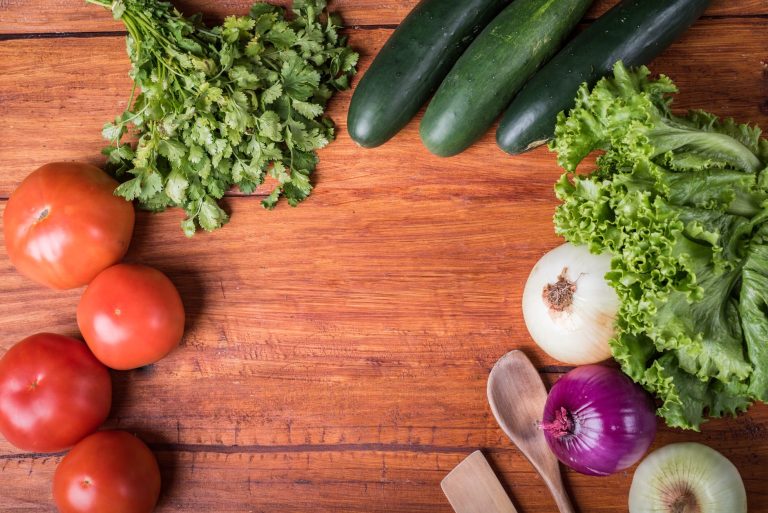
[IMAGE: organic vegetables]
What Gut Health Really Means
Gut health is more than avoiding discomfort after a meal. It refers to the balance and function of the digestive tract, including the stomach, small intestine, and large intestine, along with the trillions of microbes that live there. These microbes help break down food, produce certain vitamins, interact with the immune system, and influence how hungry or full you feel. When the gut is balanced, digestion tends to be smoother, energy is steadier, and the body usually responds more efficiently to nutrition.
When the gut is under strain, the signs can show up in unexpected ways. Bloating after a simple meal. Frequent constipation or loose stools. Excess gas. Sugar cravings that feel stronger than they should. Brain fog in the afternoon. Skin flare-ups. Even stubborn weight gain can sometimes be connected to poor digestion, low-grade inflammation, or a diet that does not supply enough fiber and beneficial compounds.
That is why a healthy diet for gut support is not only about what to remove. It is also about what to add. The right organic food choices can encourage diversity in the microbiome, help digestion move at a natural pace, and create the conditions for long-term balance. If your body is already asking for change, why not begin with meals that work with your system rather than against it?
Common signs your gut may need support
- Frequent bloating after meals
- Irregular bowel movements
- Cravings for sugar or refined snacks
- Low energy after eating
- Skin irritation or breakouts
- Feeling overly full after modest portions
- Digestive discomfort when stressed
These symptoms do not automatically mean something serious is wrong, but they are worth noticing. A better nutrition strategy often starts with awareness. Once you understand the signals, you can make smarter choices and build momentum without confusion.
Why Organic Food Matters for a Healthy Diet
Organic food is often discussed in terms of pesticide exposure, but the story goes further than that. Organic farming standards aim to limit synthetic pesticides, avoid genetically modified ingredients in many cases, and support soil health through more natural growing methods. When the soil is healthier, the plants grown in it may contain a wider range of beneficial compounds. That matters because nutrition is not just about calories and protein. It is also about the quality of the food matrix itself.
For people focused on clean eating, choosing organic can be a practical way to reduce exposure to unnecessary chemicals in everyday meals. This does not mean every non-organic food is harmful, and it certainly does not mean you need to overhaul your kitchen overnight. But if you are building an organic diet for digestion, a few strategic swaps can make a real difference. Leafy greens, berries, apples, cucumbers, peppers, and delicate herbs are often excellent places to start.
Organic animal products can also matter. When you choose organic eggs, dairy, or meat, you are often getting products raised under standards that avoid routine use of certain antibiotics and synthetic hormones. For some people, this feels important for both health and peace of mind. More importantly, it helps align your food choices with the larger goal of a healthy lifestyle that values quality, integrity, and simplicity.
How organic food supports cleaner eating habits
- Encourages more whole foods and fewer ultra-processed items
- Helps reduce unnecessary additives in daily meals
- Often leads to greater awareness of ingredient quality
- Supports a more nutrient-dense plate
- Can make healthy eating feel more intentional and satisfying
Clean eating becomes easier when the ingredients are recognizable. A bowl of organic oats, berries, seeds, and yogurt is simple, filling, and nourishing. A plate of organic vegetables with lentils and olive oil is not only balanced, but also gentle on the digestive system. The goal is not perfection. The goal is to make better food the default choice more often.
The Best Organic Foods for Gut Health
Some foods do more than provide fuel. They actively shape the digestive environment in a positive way. The best organic foods for gut health tend to share a few traits: they supply fiber, water, antioxidants, prebiotics, or beneficial microbes. They also fit naturally into a clean eating pattern that supports weight loss without making mealtimes feel restrictive.
Organic leafy greens and cruciferous vegetables
Spinach, kale, arugula, Swiss chard, broccoli, cabbage, and Brussels sprouts deserve a regular place on the plate. These foods are rich in fiber and plant compounds that can support digestion and help your body manage inflammation. They also add volume to meals, which helps you feel satisfied without excessive calories. If you are trying to lose weight, this is a powerful combination.
Leafy greens are especially useful because they are light on the stomach yet nutrient-dense. Try adding them to omelets, soups, grain bowls, or smoothies. Cruciferous vegetables can be lightly steamed, roasted, or sautéed with garlic and olive oil for a simple side that supports both flavor and nutrition.
Organic berries and apples
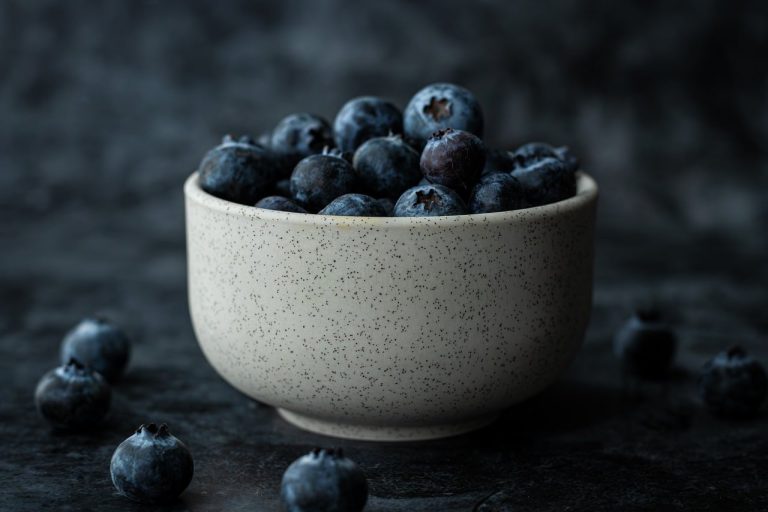
Berries are some of the best fruit choices for a healthy diet because they are naturally lower in sugar than many other fruits while still offering fiber and antioxidants. Blueberries, raspberries, blackberries, and strawberries can help satisfy a sweet taste without causing the same blood sugar swings as refined snacks. Apples are also valuable, especially when eaten with the skin on, because they provide both pectin and crunch.
Need a clean eating dessert that still feels indulgent? Serve berries with organic yogurt or chia pudding. Want a quick desk snack? Pair an apple with nut butter. These simple combinations can prevent the afternoon crash that often drives people toward processed foods.
Organic fermented foods
Fermented foods are some of the most interesting additions to a gut-friendly organic diet because they can introduce beneficial bacteria and fermentation byproducts that support digestion. Think yogurt with live cultures, kefir, sauerkraut, kimchi, miso, tempeh, and some varieties of pickles. The key is to choose products that are minimally processed and low in added sugar.
Fermented foods are not magic, but they can be powerful when used consistently. A tablespoon of sauerkraut beside dinner, a small glass of kefir in the morning, or a spoonful of miso in soup can help diversify the microbial ecosystem of the gut. Start with small servings if you are sensitive to fermented foods, and pay attention to how your body responds.
[IMAGE: healthy meal]
Organic legumes, oats, chia, and flax
Fiber is one of the most important nutrients for digestive function, and these foods make it easier to reach your daily target. Lentils, chickpeas, black beans, rolled oats, chia seeds, and ground flaxseed provide a combination of soluble and insoluble fiber that supports regularity, satiety, and a healthier blood sugar response. They also help feed beneficial gut bacteria, which is one reason they belong in any serious nutrition plan.
If you are new to high-fiber eating, increase these foods gradually and drink enough water. A sudden jump in fiber can cause temporary bloating, especially if your body is not used to it. The solution is not to avoid fiber. The solution is to build tolerance with patience.
Organic herbs, spices, and aromatics
People often think of gut health as being about big food categories, but herbs and spices can be incredibly useful. Ginger may help with nausea and digestion. Turmeric is valued for its anti-inflammatory properties. Fennel, peppermint, cumin, cinnamon, and garlic all bring unique benefits and make healthy meals more enjoyable. This matters because a sustainable healthy lifestyle depends on food you actually want to eat.
Fresh herbs like parsley, cilantro, dill, basil, and mint can brighten meals while adding phytonutrients. Garlic and onions also contain prebiotic fibers that may support beneficial gut bacteria. If flavor has been the missing piece in your clean eating routine, this is where to start.
Organic proteins that are easy to digest
Protein matters for satiety, muscle maintenance, and stable energy, but not all protein sources feel the same in the digestive system. Organic eggs, yogurt, kefir, tofu, tempeh, fish, chicken, turkey, and well-prepared legumes are often easier for many people to tolerate than heavy, highly processed alternatives. The best choice depends on your preferences and sensitivities.
A balanced plate usually works better than a protein-only mindset. Add vegetables, healthy fats, and a gentle starch source such as sweet potato or quinoa. When meals are balanced, digestion tends to feel smoother and cravings usually become easier to manage.
How Clean Eating Supports Digestion and Weight Loss
Clean eating is not a trend when it is done correctly. It is a practical way of choosing foods that work with the body instead of overwhelming it. For weight loss, this approach is especially useful because it naturally lowers the intake of ultra-processed food, added sugars, and empty calories while increasing satiety and nutrient density.
Think about how full you feel after a bowl of organic vegetables, salmon, and quinoa compared with a pastry and a sweetened drink. The first meal gives fiber, protein, fat, and micronutrients. The second may deliver quick pleasure, but it usually fades fast and triggers more hunger later. This is one of the simplest reasons a clean eating plan can support healthier body composition over time.
The satiety effect
Organic food is not inherently low-calorie, but many organic whole foods are more filling because they contain fiber, water, and natural structure. That fullness matters. When you feel satisfied, you are less likely to graze mindlessly or search for snacks that do not truly nourish you. This is a major advantage for anyone interested in weight loss without obsession.
- Fiber slows digestion and helps you stay full longer
- Protein helps reduce hunger between meals
- Healthy fats support satisfaction and flavor
- Whole foods are naturally harder to overeat than processed snacks
Many people ask why they can eat more and weigh less after switching to a healthy diet. The answer is often simple: the food is doing more work. It supports fullness rather than fighting it.
Blood sugar balance and cravings
Steady blood sugar can make a huge difference in appetite control. Meals built from organic food such as vegetables, legumes, berries, oats, nuts, and quality proteins tend to cause gentler rises in blood sugar than refined carbohydrates alone. That can reduce the spike-and-crash cycle that drives cravings for sugary snacks and late-night overeating.
If you have ever wondered why clean eating feels easier after a few days, this may be part of the explanation. Once your meals are more balanced, your body often stops demanding constant rescue snacks. The result is a calmer relationship with food, better focus, and a more stable mood throughout the day.
A healthier approach to detox diet thinking
The phrase detox diet is often associated with extremes, but a real detox-friendly approach is more grounded than that. Your liver, kidneys, lungs, skin, and digestive system already work to process and remove waste. Your job is not to force dramatic cleansing. Your job is to support those systems with nutrient-dense organic food, hydration, fiber, and rest.
That means fewer gimmicks and more consistency. Bitter greens, cruciferous vegetables, berries, citrus, herbs, and plenty of water all fit naturally into this model. So do sleep, movement, and stress management. A true detox diet is really a healthy lifestyle pattern that helps your body do what it was designed to do.
A Simple Organic Plate That Works in Real Life
Good nutrition does not need to be complicated. If you can build one balanced plate, you can repeat the idea in many ways. A useful structure is this: half the plate vegetables, one quarter protein, one quarter smart carbs, plus a small amount of healthy fat. This formula works whether you are cooking at home, packing lunch, or eating after the gym.
A realistic rhythm for busy people
Busy schedules are one of the biggest reasons people drift away from healthy eating. The solution is not more rules. It is better routines. Start with a few meals you can make without stress and repeat them often enough to become second nature. If breakfast is your weak spot, make it simple. If lunch is the meal that leads to fast food, plan it in advance. Small wins create real momentum.
- Breakfast: Organic oats with chia, berries, and yogurt
- Lunch: Quinoa bowl with greens, chickpeas, cucumber, and olive oil
- Dinner: Salmon or tofu with roasted broccoli and sweet potato
- Snack: Apple with almond butter or kefir with cinnamon
These meals are not fancy, but they are effective. They supply fiber, protein, and flavor without unnecessary ingredients. That balance is what makes a diet sustainable long enough to change how you feel.
[IMAGE: fitness lifestyle]
Organic Foods That May Help With Bloating and Comfort
Bloating is one of the most frustrating digestive issues because it can make you feel uncomfortable, heavy, and less confident even when you are eating relatively well. The right organic food choices may not eliminate every cause of bloating, but they can reduce common triggers and make digestion feel calmer.
Foods that are often easier to tolerate
- Cooked carrots, zucchini, and spinach
- Rice, quinoa, and oats
- Bananas and berries in moderate portions
- Plain yogurt or kefir if dairy is tolerated
- Ginger tea or warm water with lemon
- Well-cooked legumes in moderate servings
Warm, cooked foods are often easier on the digestive tract than heavy, greasy, or ultra-processed meals. If raw salads leave you bloated, try steamed vegetables or soups for a few weeks and notice the difference. Your body may prefer gentler textures more than you realize.
What to notice after eating
Paying attention after meals can teach you a lot. Do you feel alert or sluggish? Light or heavy? Calm or uncomfortable? The more you observe, the easier it becomes to identify which foods help and which ones may need to be reduced. This is one of the most underrated parts of nutrition. Food journals are not only for athletes; they can help anyone build a more personal and effective healthy diet.
Organic Meal Prep Ideas for a Better Week
Meal prep is not just for bodybuilders or busy professionals. It is one of the easiest ways to stay on track with clean eating when life becomes chaotic. By preparing a few organic ingredients in advance, you remove decision fatigue and make it easier to choose foods that support digestion and weight loss.
Prep the building blocks
Instead of cooking full meals for seven days, focus on versatile ingredients. Roast a tray of organic vegetables. Cook a pot of quinoa or brown rice. Prepare lentils or chickpeas. Wash greens. Mix a simple dressing with olive oil, lemon, and herbs. These steps take less time than scrolling for takeout and give you more flexibility during the week.
- Roasted broccoli, carrots, and cauliflower
- Cooked quinoa or oats
- Washed spinach, romaine, or arugula
- Hard-boiled eggs or baked tofu
- Chia pudding jars
- Sauerkraut or fermented vegetables in small portions
With these ingredients ready, breakfast can become a bowl of oats and berries, lunch can become a grain salad, and dinner can be a simple plate of vegetables and protein. That kind of structure supports consistency without making you feel trapped by a rigid plan.
Common Organic Diet Mistakes to Avoid
Buying organic food is a strong step, but organic alone does not automatically equal healthy. Plenty of organic snacks are still loaded with sugar, refined flour, or oils that do not support digestion. A high-end health approach should be thoughtful, not just label-driven.
What can go wrong
- Replacing processed food with organic processed food
- Skipping fiber while focusing only on organic protein
- Eating too little and triggering rebound cravings
- Ignoring hydration while increasing fiber
- Assuming every organic treat is automatically clean eating
- Forgetting that stress and sleep strongly affect digestion
It is easy to get distracted by labels. But a healthy lifestyle is about patterns, not just packaging. A box of organic cookies is still a cookie. A real nutrition upgrade happens when the majority of your meals are built from whole foods that your body can recognize and use efficiently.
How to keep your approach balanced
Use the 80/20 mindset if it helps. Aim for most meals to be centered on organic vegetables, fruit, legumes, whole grains, quality proteins, and healthy fats. Leave room for enjoyment, because satisfaction is part of sustainability. A rigid plan may look impressive for a week, but a balanced one can last for years.
The Connection Between Gut Health, Energy, and Fitness
Digestion and movement are more connected than many people realize. When your gut is working well, you often have more stable energy to move, train, and live actively. When you move regularly, circulation improves, stress can decrease, and digestion often becomes more efficient. This is why a food-first strategy pairs so well with a fitness lifestyle.
You do not need intense workouts to support digestion. Walking after meals, gentle stretching, yoga, and resistance training can all be helpful. Even a ten-minute walk can make a meal feel lighter and improve the rhythm of the day. The goal is not to burn off food. The goal is to create a body environment where healthy habits reinforce each other.
When clean eating and movement work together, weight loss often becomes less frustrating. You are no longer relying on discipline alone. You are building a system where better nutrition supports better energy, and better energy makes it easier to keep choosing healthy food. That is the kind of loop that leads to lasting change.
What a Day of Gut-Friendly Organic Eating Can Look Like
A practical day is often the most helpful thing to visualize, so imagine a menu that feels satisfying rather than restrictive. It begins with a simple breakfast, includes a balanced lunch, and ends with a dinner that leaves you comfortable instead of stuffed. This is what clean eating looks like when it is built for real life.
- Morning: Warm water, then oats with berries, chia, cinnamon, and kefir
- Midday: Large salad with organic greens, chickpeas, avocado, cucumber, and pumpkin seeds
- Afternoon: Apple with nut butter or a small handful of walnuts
- Evening: Salmon, roasted Brussels sprouts, and sweet potato with olive oil
Does this sound bland? It should not. Flavor comes from herbs, spices, textures, and good cooking. Add lemon zest, toasted seeds, fresh dill, or a spoonful of fermented vegetables. The point is to make the meal satisfying enough that you do not feel deprived and simple enough that you can repeat it.
How to Shop for Organic Food Without Overthinking It
One reason people give up on a healthy diet is that grocery shopping feels overwhelming. There are too many labels, too many promises, and too many chances to make the wrong choice. A better strategy is to shop by category and keep your pantry focused on a handful of reliable staples.
A practical shopping list
- Produce: spinach, kale, broccoli, carrots, cucumbers, berries, apples, lemons, garlic, ginger
- Protein: organic eggs, yogurt, kefir, tofu, tempeh, chicken, salmon, lentils
- Pantry: oats, quinoa, chickpeas, black beans, chia seeds, flaxseed, olive oil, nuts, seeds
- Flavor: turmeric, cinnamon, cumin, dill, basil, parsley, apple cider vinegar
- Fermented foods: sauerkraut, kimchi, miso, plain cultured yogurt
If you keep these foods on hand, it becomes much easier to build meals quickly. You will not need a complicated recipe for every plate. Sometimes the most effective nutrition strategy is simply having the right ingredients visible and ready.
When Organic Food Is Worth the Extra Effort
Not every food needs to be organic, and guilt should never become part of your eating plan. Still, some foods are especially smart to buy organic when possible because they are more likely to be eaten with the peel, have delicate surfaces, or be consumed frequently in your household. Berries, leafy greens, apples, and herbs are common examples. If your budget is limited, prioritizing the foods you eat most often is usually the best move.
What matters most is consistency. A flexible healthy lifestyle built around some organic choices is better than an all-or-nothing plan that collapses under pressure. Start where you are. Improve what you can. Your body responds to habits over time, not to perfection in a single trip to the store.
How to Know Your Plan Is Working
Results do not always show up first on the scale. In fact, some of the best signs of progress are subtle. You may notice less bloating, more stable energy, fewer cravings, better sleep, or more regular digestion. These shifts matter because they tell you your body is responding well to the nutrition you are giving it.
Positive signs to look for
- More comfortable digestion after meals
- Less interest in sugary snacks
- Steadier energy during the day
- Better hydration and less puffiness
- Improved meal satisfaction
- More confidence around food choices
Weight loss may follow, especially if your previous routine was high in processed food or low in fiber. But even before the scale changes, the quality of your day may improve. That is a meaningful win, and it is often the sign of a better long-term nutrition path.
The strongest health routines are the ones you can repeat without resentment. When organic food, clean eating, and smart nutrition come together, they stop feeling like separate rules and start becoming one practical way of living well. If you are ready to keep building that momentum, explore more DietOrganic articles for more ideas that make a healthy diet feel clear, rewarding, and easy to sustain.
About the Author