

Photo by Ahmet Koç on Unsplash
When people talk about healthy eating, they often focus on calories, protein, or the latest detox diet trend. But if you want lasting results, the real conversation should start deeper: with your gut. A balanced gut influences digestion, energy, immunity, cravings, mood, and even how efficiently your body manages weight loss. That is why organic food has become such a powerful part of the modern clean eating conversation. It is not just about avoiding pesticides or choosing prettier produce. It is about giving your body ingredients that are richer in nutrients, easier to digest, and better aligned with a healthy lifestyle.
Have you ever noticed that some meals leave you light, energized, and satisfied, while others seem to trigger bloating, fatigue, or nonstop snacking? Those differences often trace back to how your gut responds to food. Organic foods for gut health can support a more comfortable digestive rhythm and help create a foundation for long-term nutrition. In this article, we will explore the best organic foods to add to your diet, how they support digestion, and how to build a simple clean eating routine that feels realistic instead of restrictive.
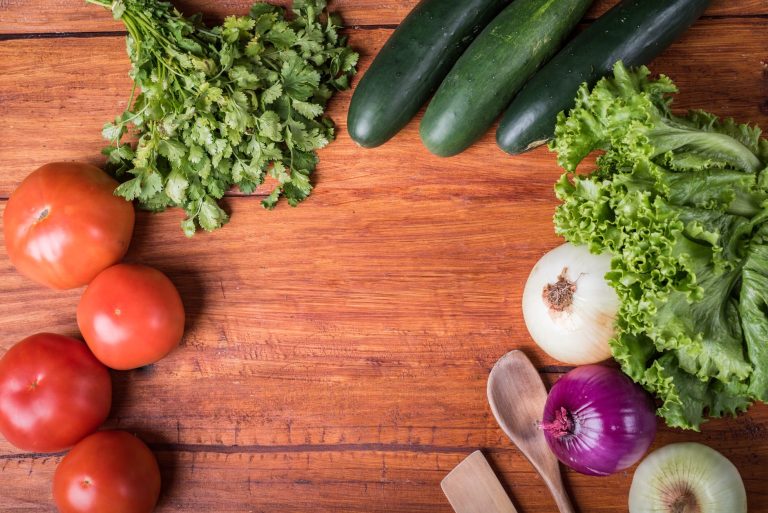
[IMAGE: organic vegetables]
Why Gut Health Matters More Than Most People Realize
Your gut is home to trillions of bacteria, often called the gut microbiome. This ecosystem helps break down food, synthesize certain vitamins, regulate inflammation, and communicate with the immune system. When your microbiome is in balance, digestion tends to feel smoother and your energy can stay steadier throughout the day. When it is out of balance, you may experience bloating, irregular bowel movements, cravings, skin issues, or a general sense that your body is not functioning at its best.
Many people look for quick fixes, but gut health rarely improves through shortcuts alone. A sustainable approach is built on consistent nutrition choices, whole ingredients, and fewer processed foods. That is where organic food can make a meaningful difference. By choosing organic vegetables, fruits, grains, and fermented foods, you can support a cleaner eating pattern and reduce your exposure to unnecessary additives that may interfere with digestion.
So ask yourself: are you feeding your gut in a way that supports resilience, or are you relying on random meals and hoping for the best? The answer can influence far more than digestion. It can shape your appetite, your confidence, and how easily you maintain weight loss progress over time.
What Makes Organic Food a Smart Choice for Digestive Wellness
Organic food is grown or produced without many synthetic pesticides, herbicides, and genetically modified ingredients. For many people, that matters because the digestive system is sensitive to the quality of what you eat. A clean eating approach built around organic foods often includes fewer artificial preservatives and less ultra-processed packaging, which can make the overall diet easier on the gut.
There is another advantage as well: organic produce is often fresher in appearance, more flavorful, and easier to include in everyday meals. When food tastes better, you are more likely to stick with healthy habits. That consistency is what drives real results in nutrition, detox diet routines, and weight loss strategies.
Organic does not automatically mean perfect, and it is not a magic solution. But for someone who wants to support healthy lifestyle habits with fewer chemicals and more whole foods, it is a practical and purposeful choice. Think of organic eating as a way to reduce friction between your body and your meals.
The Gut-Friendly Benefits of Cleaner Ingredients
Cleaner ingredients may help in several ways:
- They reduce reliance on highly processed foods that can irritate digestion.
- They support a higher intake of fiber, antioxidants, and plant compounds.
- They can make meal planning feel more intentional and less chaotic.
- They encourage better satiety, which can support weight loss without extreme restriction.
These benefits matter because the gut thrives on routine and quality. If your meals are constantly swinging between sugary snacks, processed convenience foods, and skipped meals, your digestion may struggle to find balance. Organic food offers a more stable path.
The Best Organic Foods for Gut Health
Not every organic food is equally beneficial for digestion. Some ingredients are especially valuable because they supply fiber, hydration, healthy bacteria, or soothing nutrients. Below are some of the strongest choices for gut support, clean eating, and natural nutrition.
1. Organic leafy greens
Spinach, kale, arugula, Swiss chard, and romaine are staples of a gut-friendly diet. They are rich in fiber, magnesium, folate, and plant compounds that support regular digestion. Leafy greens also help increase meal volume without adding many calories, which can be useful for weight loss.
Try adding organic leafy greens to:
- Morning smoothies
- Simple omelets
- Salads with olive oil and seeds
- Soups and grain bowls
If you struggle with bloating, start with lightly cooked greens rather than large raw salads. Gentle preparation can make digestion easier while still delivering excellent nutrition.
2. Organic fermented foods
Fermented foods are among the most powerful additions to a healthy lifestyle because they can introduce beneficial bacteria into the gut. Organic yogurt, kefir, sauerkraut, kimchi, miso, and tempeh can support microbiome diversity when chosen carefully and eaten regularly.
Look for products with live cultures and minimal added sugar. The goal is to choose foods that work with your body, not against it. If you are new to fermented foods, begin with small servings. Your gut often responds best when changes are gradual rather than dramatic.
Easy ways to use fermented organic foods
- Add a spoonful of sauerkraut to lunch bowls.
- Blend plain kefir with berries and chia seeds.
- Use miso in warm broth-based soups.
- Choose unsweetened organic yogurt with nuts and cinnamon.
3. Organic berries
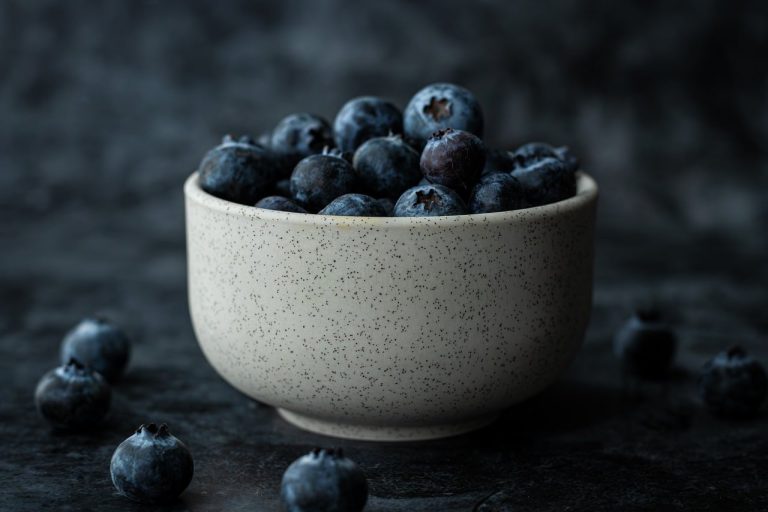
Blueberries, raspberries, blackberries, and strawberries are excellent for gut health because they are high in fiber and antioxidants. They also satisfy a sweet craving without relying on refined sugar. That makes them a valuable part of a clean eating plan, especially if you are trying to reduce processed desserts while still enjoying food.
Why are berries so helpful? Their fiber feeds beneficial bacteria in the gut, while their polyphenols may help reduce inflammation. Add them to oatmeal, chia pudding, smoothies, or simply enjoy them with a handful of nuts. For many people, berries become a turning point in a weight loss plan because they replace less nourishing sweet snacks with something fresh and vibrant.
4. Organic oats
Organic oats are a gentle, satisfying source of soluble fiber, especially beta-glucan, which supports digestion and can help you feel full longer. They are one of the simplest breakfast foods for a healthy lifestyle because they are easy to prepare, budget-friendly, and highly adaptable.
Oats can help stabilize blood sugar and reduce the need for mindless snacking. That makes them a helpful food for weight loss without the emotional drain that often comes from overly strict diets. Consider overnight oats with chia seeds, oat porridge with cinnamon, or baked oats with fruit and nuts.
5. Organic apples and pears
Apples and pears contain both fiber and water, two elements that support digestive comfort. Their natural sweetness can also help curb cravings for packaged sweets. Because the peel contains much of the fiber, organic versions are especially appealing if you want to enjoy the whole fruit with confidence.
These fruits are a smart snack choice between meals. Pair them with nut butter for balanced nutrition and better satiety. If you are trying to build a cleaner routine, this kind of snack can prevent the spiral of reaching for chips, cookies, or candy when energy dips.
6. Organic root vegetables
Carrots, beets, sweet potatoes, turnips, and parsnips offer fiber, antioxidants, and satisfying texture. They are grounding, warming, and easy to digest when cooked properly. Roasted root vegetables can be a central part of meal prep ideas for busy people who want healthy food without spending hours in the kitchen.
Roasting root vegetables with olive oil, garlic, and herbs creates a simple dish that complements proteins and grains. They also work well in detox diet-inspired meal plans because they help you feel nourished rather than deprived.
7. Organic seeds and nuts
Chia seeds, flaxseeds, pumpkin seeds, almonds, and walnuts provide healthy fats, minerals, and fiber. They are compact but powerful, especially for gut health. Chia and flax in particular can support bowel regularity thanks to their fiber content and gel-like texture when hydrated.
Sprinkle seeds on salads, yogurt, and oatmeal. Use nuts as a snack or as a topping for vegetable dishes. Just remember that portion size matters. These foods are nutrient-dense, which means a little can go a long way.
8. Organic bone broth and vegetable broth
Warm broths are often overlooked, but they can be comforting when digestion feels sensitive. Organic bone broth may provide collagen-related compounds and amino acids, while vegetable broth can help hydrate and soothe the stomach. They are useful during periods of lighter eating or after a stressful week when your digestive system needs gentler meals.
Broth-based soups can be part of a detox diet or a reset plan, but they should not become the only thing you eat. The best approach is balance: soothing foods, adequate protein, fiber-rich vegetables, and enough calories to support real energy.
[IMAGE: healthy meal]
How Organic Foods Support Weight Loss Without Extreme Restriction
Weight loss is often framed as a matter of willpower, but in reality it is much more complex. Hunger signals, stress, sleep, cravings, and gut health all play a role. Organic food can support weight loss by making it easier to choose satisfying, nutrient-rich meals that keep you full longer.
When your plate contains vegetables, fiber, healthy fats, and adequate protein, you are less likely to chase constant snacks. That is important because true clean eating should not feel like punishment. It should feel like a structured way to nourish your body while gradually moving toward your goals.
Organic foods for gut health can also help reduce bloating for some people, which may make you feel leaner and more comfortable as you work toward changes in body composition. The point is not just to lose weight, but to build a body that feels supported from the inside out.
Smart principles for organic weight loss meals
- Build each meal around fiber-rich vegetables.
- Add a satisfying protein source such as eggs, beans, fish, or tofu.
- Include healthy fats like olive oil, avocado, seeds, or nuts.
- Choose whole grains or starchy vegetables in moderate portions.
- Limit ultra-processed snacks that trigger overeating.
This approach is far more sustainable than chasing a temporary detox diet or eliminating entire food groups without a plan. What happens when the initial motivation fades? If your routine depends on intensity rather than structure, it will likely collapse. But if you build meals around organic food and digestive balance, you create habits that can last.
Building a Clean Eating Routine That Actually Works
Clean eating is often misunderstood as perfection. In truth, it is about choosing less processed, more nourishing foods most of the time. That flexibility makes it easier to sustain. You do not need to live on salads or follow a rigid detox diet to see benefits. You need a rhythm that supports both your gut and your real life.
Start by looking at your typical day. Where do you rely on convenience? Where do you feel tired, hungry, or tempted by quick fixes? The answer may guide you toward one or two high-impact changes rather than a complete overhaul.
Begin with these simple clean eating shifts
- Swap one packaged snack per day for fruit, nuts, or yogurt.
- Add one serving of vegetables to lunch and dinner.
- Choose organic food for the produce you eat most often.
- Drink more water before meals to support digestion.
- Prepare breakfast in advance so the morning feels calmer.
These small changes may seem modest, but they can add up quickly. One better breakfast can lead to better snack choices. Better snack choices can reduce evening cravings. Better dinners can improve sleep. And better sleep can influence hunger hormones and weight loss outcomes. That is the quiet power of consistency.
Foods and Habits That Can Disrupt Gut Health
To support the gut, it helps to know what tends to disrupt it. The modern diet often includes too much sugar, too many refined carbohydrates, and too many additives that can throw digestion off balance. You do not need to fear every convenience food, but you should be honest about patterns that leave you feeling worse.
Common gut irritants to limit
- Highly processed snack foods
- Sugary drinks and desserts
- Frequent fried foods
- Large portions eaten too quickly
- Alcohol excess
Stress and poor sleep are also major factors. Even the most nutritious organic food can only do so much if your lifestyle is keeping your digestive system in a constant state of tension. That is why a healthy lifestyle involves more than food alone. Gentle movement, breathing, and rest all play a role.
Think of gut health as a conversation between your meals and your habits. Are you giving your body enough recovery time? Are you rushing every meal? Are you eating while distracted, or are you paying attention to how food makes you feel?
A Sample Organic Food Day for Gut Health and Weight Loss
Sometimes the easiest way to understand a plan is to see it in action. Here is a sample day built around organic food, clean eating, and digestion-friendly choices. It is not meant to be a strict template, but a flexible example you can adapt.
Breakfast
Organic overnight oats with chia seeds, blueberries, cinnamon, and plain yogurt. This meal offers fiber, protein, and probiotics in one bowl. It is filling without being heavy, which makes it ideal for steady morning energy.
Mid-morning option
An organic apple with almond butter. Simple, portable, and balanced. If you often feel drained before lunch, this kind of snack can keep cravings in check without derailing weight loss goals.
Lunch
A grain bowl with organic leafy greens, roasted sweet potatoes, cucumber, chickpeas, sauerkraut, avocado, and a lemon-olive oil dressing. This meal combines fiber, fermented food, healthy fats, and plant protein. It is colorful, satisfying, and deeply supportive of nutrition.
Afternoon boost
Plain kefir or unsweetened yogurt with pumpkin seeds. This is especially helpful if you need a light, gut-friendly snack that does not cause a blood sugar crash.
Dinner
Roasted salmon or baked tofu with organic broccoli, carrots, and quinoa, followed by a small serving of berries. The combination of protein, fiber, and antioxidants supports both digestion and recovery. If you train regularly, you may also notice that meals like this help you feel more balanced after exercise.
This type of day works because it avoids extremes. There is enough food to keep you energized, enough fiber to support digestion, and enough variety to make clean eating enjoyable. Is that not what a healthy lifestyle should feel like?
[IMAGE: fitness lifestyle]
How to Use Meal Prep to Stay Consistent
Meal prep is one of the most practical tools for staying aligned with your health goals. Without preparation, even the best intentions can disappear when you are tired, busy, or hungry. Organic meal prep does not need to be complicated. In fact, the best systems are often the simplest ones.
Meal prep basics for gut-friendly eating
- Wash and store vegetables as soon as you get home.
- Roast a tray of root vegetables at the start of the week.
- Cook a grain such as quinoa, brown rice, or oats in advance.
- Keep fermented foods and leafy greens visible in the fridge.
- Portion out snacks before the week becomes hectic.
The goal is not to spend Sunday building a picture-perfect refrigerator. The goal is to remove decision fatigue. When healthy choices are ready to eat, you are more likely to follow through. That is a major advantage for anyone trying to improve nutrition, support digestion, and maintain weight loss momentum.
What to Look for When Buying Organic Foods
Not all organic products are equally useful. Labels can be confusing, and marketing can make a product seem healthier than it really is. A thoughtful shopper looks beyond the label and checks the actual ingredients, sugar content, and overall quality.
Helpful shopping questions
- Is this truly a whole food, or is it a processed product with an organic label?
- Does the ingredient list support clean eating, or is it packed with added sugar?
- Will I actually use this food in my week, or is it a novelty purchase?
- Does this item align with my gut health goals and healthy lifestyle?
Buying organic food wisely can help you stay within budget while still prioritizing quality. If your grocery list is focused, you can get more value from every purchase. Many people benefit from choosing organic versions of the foods they eat most often, especially produce with thinner skins or foods they use daily.
Organic Foods, Detox Diets, and the Truth About Resetting the Body
The word detox gets used constantly in wellness marketing, but the body already has its own detoxification systems. The liver, kidneys, intestines, skin, and lymphatic system all work continuously to process and remove waste. What you can do is support those systems by eating a cleaner, more nutrient-dense diet.
This is where organic food fits beautifully into a detox diet framework. Instead of extreme restriction, focus on foods that nourish your natural cleansing processes: leafy greens, fiber-rich vegetables, water-rich fruit, fermented foods, and enough protein. That approach is more sustainable and usually more effective than short-term cleanses.
Ask yourself: are you trying to force a reset, or are you building a body that can function well every day? The second option is the one that leads to lasting results. Organic eating can support that goal by encouraging fewer chemicals, more whole foods, and better digestion.
Common Mistakes People Make with Organic and Clean Eating
Clean eating can go wrong when people become overly rigid, overly focused on labels, or disconnected from actual hunger. The most successful approach is balanced, not obsessive. Organic foods are beneficial, but they still need to be part of a sensible pattern.
Watch out for these mistakes
- Assuming organic automatically means low-calorie or weight-loss friendly.
- Skipping protein while eating mostly produce.
- Drinking calories from sugary organic juices and smoothies all day.
- Using clean eating as an excuse to under-eat.
- Buying expensive organic snacks that are still highly processed.
Healthy digestion needs balance, not perfection. If you are too restrictive, your body may respond with fatigue, cravings, and rebound eating. If you are too permissive with processed foods, your gut may feel sluggish and inflamed. The sweet spot is a routine that is nourishing, flexible, and enjoyable enough to repeat.
How to Make Organic Eating Affordable
One reason people hesitate to try organic food is cost. While some products are more expensive, a smart strategy can make organic eating much more accessible. You do not need every item in your cart to be organic. You just need a thoughtful plan.
Budget-friendly tips
- Prioritize the produce you eat most often.
- Buy frozen organic vegetables and berries.
- Choose seasonal produce whenever possible.
- Build meals around oats, beans, lentils, and whole grains.
- Use herbs and spices to make simple foods taste better.
Frozen organic foods are especially useful because they retain nutritional value and often cost less than fresh items. They also reduce waste, which is practical for busy households. If you want a healthy lifestyle that lasts, convenience should support your goals rather than derail them.
Simple Habits That Strengthen Digestion Every Day
The best nutrition plan is not just a list of foods. It is a set of habits that help your body use those foods well. Even the most carefully chosen organic meals work better when paired with supportive routines.
Daily digestive support habits
- Eat slowly and chew thoroughly.
- Drink enough water throughout the day.
- Move after meals with a short walk.
- Keep meal timing relatively consistent.
- Sleep enough to support hormone balance and recovery.
These habits may seem basic, but they are powerful. A 10-minute walk after dinner can improve comfort. Better sleep can reduce cravings the next day. Slower eating can lower bloating. In other words, the way you live matters just as much as what you eat.
Turning Organic Food into a Long-Term Lifestyle
The strongest healthy lifestyle is one you can actually maintain. That means organic food should not feel like a temporary phase or a punishment for previous habits. It should feel like a practical upgrade to the way you live and eat.
Start with the foods that create the most impact. Maybe that means switching your breakfast to oats and berries. Maybe it means adding fermented vegetables to lunch. Maybe it means replacing one processed snack with fruit and nuts. Small upgrades matter because they build momentum. And momentum is what turns a diet into a lifestyle.
The more you notice how your body responds, the more empowered your choices become. Do certain foods make you feel lighter? Does a cleaner dinner improve sleep? Does a consistent breakfast reduce cravings? These observations can guide you better than any trendy plan ever could.
Organic food is not just about purity or prestige. It is about choosing ingredients that help your body do what it is designed to do: digest well, recover well, and function with more ease. When your meals support gut health, weight loss becomes less chaotic, clean eating becomes more enjoyable, and nutrition becomes something you can sustain rather than survive. Keep reading more articles on DietOrganic to discover new ways to make healthy food, better habits, and a more vibrant life part of your everyday routine.
About the Author