
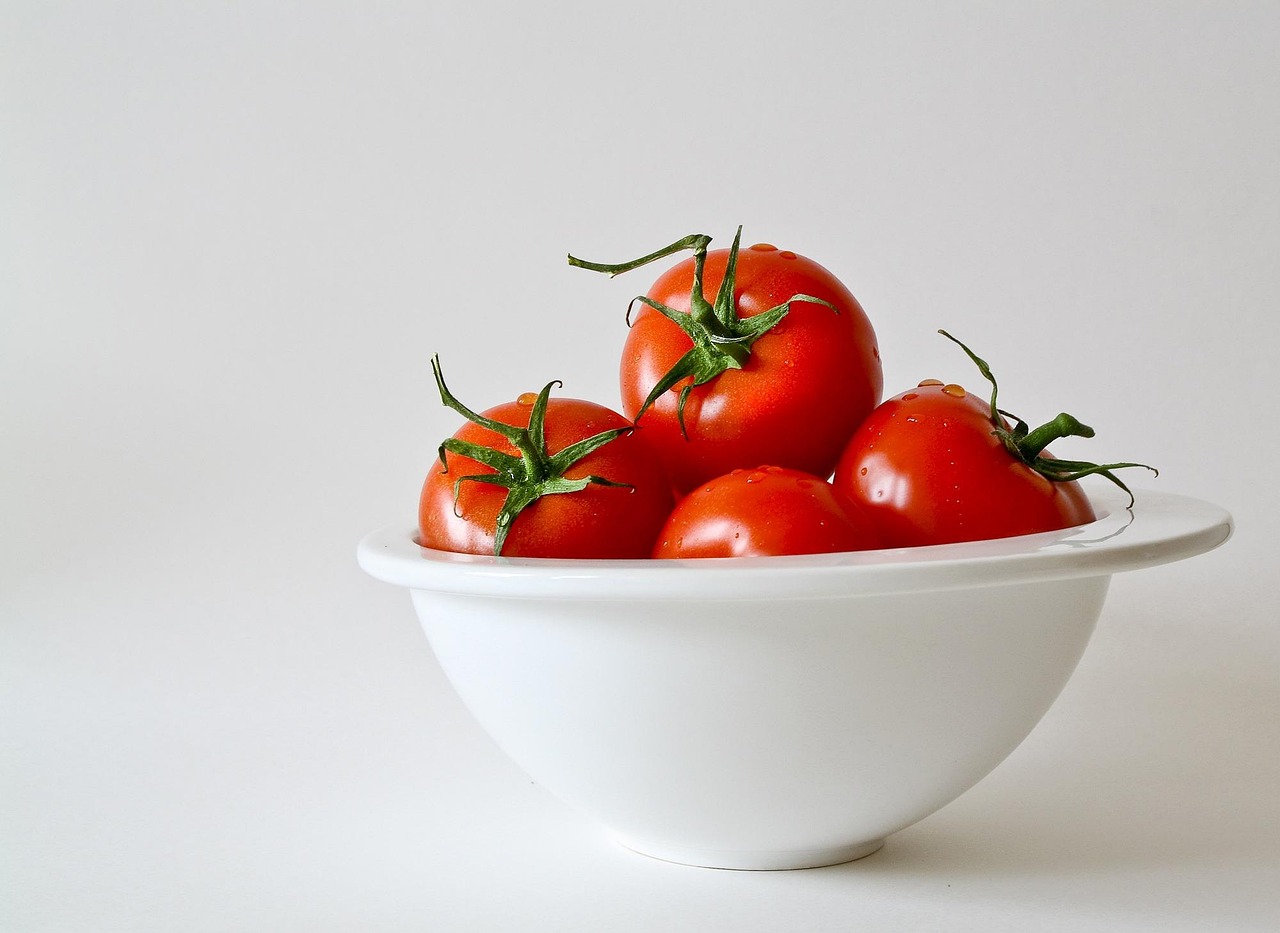
Photo by Anelka on Pixabay
When people think about improving digestion, they often imagine complicated supplements, restrictive detox diet plans, or expensive wellness trends. In reality, the foundation is usually much simpler: better organic food, smarter clean eating habits, and a daily routine that supports the gut instead of overwhelming it. If you have been dealing with bloating, sluggish energy, unpredictable cravings, or slow progress with weight loss, your digestive system may be asking for more attention than you realize. What you eat can influence everything from regularity and inflammation to mood, appetite, and how efficiently your body uses nutrition.
Organic food has become a major part of the modern healthy lifestyle conversation for good reason. It is not a magic fix, but it can make clean eating easier by reducing exposure to certain pesticide residues and encouraging a more intentional, less processed way of eating. Pair that with fiber-rich vegetables, fermented foods, stable meal timing, and enough hydration, and you create the kind of environment where the gut can thrive. Could a few small changes in your grocery cart really transform the way you feel each day? For many people, the answer is yes.
Why Gut Health Shapes So Much More Than Digestion
Your gut is not just a place where food gets broken down. It is home to a vast community of microbes that help influence digestion, immunity, inflammation, and even how full or hungry you feel. When that environment is balanced, food moves through the body more comfortably and nutrition is absorbed more efficiently. When it is off balance, you may notice discomfort that seems unrelated to meals at first glance, such as foggy thinking, skin flare-ups, or a constant desire to snack.
What the Gut Does Every Day
The digestive system performs several jobs at once. It breaks food into usable nutrients, helps regulate bowel movements, and communicates with the brain through the gut-brain axis. That connection is one reason a poor diet can affect not only physical wellness but also stress levels and emotional eating patterns. A healthy gut supports a healthy lifestyle because it allows your body to process food calmly and consistently.
- Breaks down proteins, fats, and carbohydrates into usable fuel
- Helps regulate regular elimination and reduce constipation
- Supports immune function through the microbiome
- Influences cravings, satiety, and energy stability
- Can affect mood, focus, and stress response
Signs Your Gut May Need More Support
If your digestion has felt unpredictable, your body may be giving you clues that it needs a cleaner, more nourishing routine. These signals are not always dramatic, but they are worth noticing. Are you feeling bloated after meals even when portions are moderate? Do you struggle with irregular bowel movements, unexplained fatigue, or a sense that your healthy diet is not delivering the results you expected?
- Frequent bloating or gas
- Constipation or inconsistent bowel habits
- Cravings for sugar and processed snacks
- Low energy after meals
- Skin issues that seem tied to food choices
- Feeling heavy or sluggish despite eating less
These signs do not mean something is seriously wrong, but they do suggest that your digestion may benefit from more fiber, more hydration, and better food quality. That is where organic food and clean eating become especially useful.
Why Organic Food Can Be a Smart Choice for Gut Health
Organic food is often associated with freshness and quality, but its biggest value for gut health may be how it supports a more thoughtful approach to eating. Choosing organic produce can make it easier to fill your plate with vegetables, fruit, grains, and proteins that fit into a clean eating pattern. For some people, that shift alone helps reduce dependency on packaged foods and supports more consistent nutrition throughout the day.
Cleaner Ingredients, Better Habits
One of the strongest reasons to buy organic food is that it often nudges you toward more whole, recognizable ingredients. A cart filled with organic vegetables, beans, berries, and whole grains looks very different from a cart built around ultra-processed convenience foods. That difference matters because the gut responds well to routine, fiber, and natural food structure.
Organic choices can also be helpful when you want to create a cleaner detox diet style of eating without going to extremes. Instead of thinking in terms of restriction, think in terms of replacement: What would happen if you swapped heavily processed foods for organic vegetables, fermented foods, and simple proteins for just one week?
When Organic Makes the Most Sense
If your budget does not allow you to buy everything organic, focus on the foods you eat most often and the produce you are likely to consume with the skin on. That strategy makes clean eating more practical without becoming overwhelming.
High-priority organic foods to consider
- Leafy greens such as spinach, kale, and romaine
- Berries, especially strawberries and blueberries
- Apples, pears, and grapes
- Bell peppers and celery
- Root vegetables used frequently in soups and meal prep
- Dairy and eggs if you prefer to keep your routine as natural as possible
Choosing organic food does not guarantee perfect digestion, but it can remove one more layer of uncertainty. For many people, that small sense of clarity supports long-term healthy lifestyle habits better than a rigid plan ever could.
The Best Organic Foods for Gut Health
Some foods naturally stand out when your goal is better digestion, reduced bloating, and steady weight loss. The good news is that many of them are affordable, versatile, and easy to incorporate into everyday meals. The secret is not eating every superfood at once; it is learning how to build meals around a few reliable options that your body tolerates well.
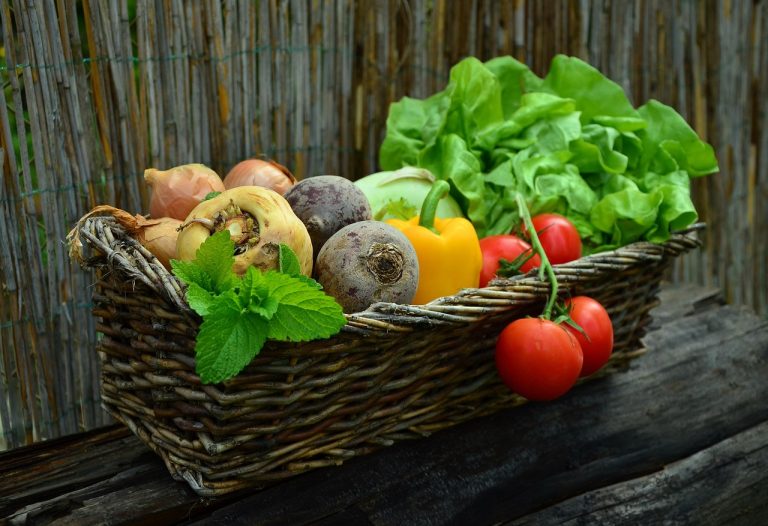
[IMAGE: organic vegetables]
1. Leafy Greens
Leafy greens are a cornerstone of clean eating because they offer fiber, water, and a wide range of nutrients while remaining light on digestion for most people. Spinach, arugula, chard, and lettuce help add volume to meals without making you feel heavy. They also support regularity, which is one reason they show up so often in gut-friendly meal plans.
- Add organic spinach to omelets, smoothies, and soups
- Use arugula as a peppery base for lunch bowls
- Stir chopped greens into pasta, rice, or lentil dishes
2. Cruciferous Vegetables
Broccoli, cauliflower, cabbage, Brussels sprouts, and kale can be excellent for nutrition, but they are most helpful when introduced gradually. Their fiber content supports the gut microbiome, yet too much too soon can create gas or bloating in sensitive people. The key is preparation and portion control.
- Roast cauliflower and broccoli for easier digestion
- Try shredded cabbage in slaws with lemon and olive oil
- Pair cruciferous vegetables with healthy fats to soften their impact
3. Fermented Foods
Fermented foods bring live cultures and tangy flavor to a healthy diet. They can support digestive balance when tolerated well and used consistently. For some people, these foods are the missing link between a decent diet and a noticeably calmer gut.
- Unsweetened yogurt or kefir
- Sauerkraut and kimchi
- Miso and tempeh
- Fermented pickles without excess sugar
Start with small servings. A spoonful of sauerkraut at lunch may be enough in the beginning. If your body responds well, you can gradually increase the amount. This is one of the most practical ways to support the microbiome without turning your meals into a science experiment.
4. Berries
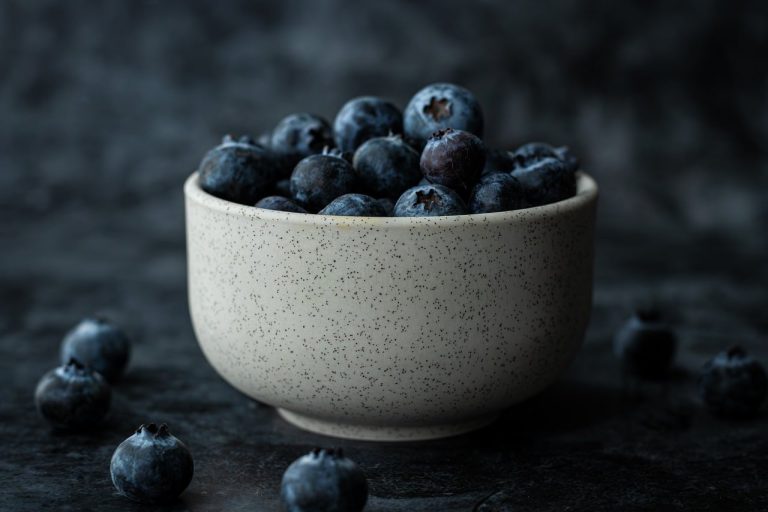
Berries are one of the best organic food choices for people who want sweetness without a sharp blood sugar swing. They are rich in antioxidants, and their fiber helps slow digestion in a way that can support appetite control. This matters for weight loss because more stable blood sugar often means fewer cravings later in the day.
- Top oatmeal or yogurt with blueberries and raspberries
- Blend berries into smoothies with chia seeds
- Snack on them instead of processed desserts
5. Kiwi, Apples, and Pears
These fruits are especially useful if you want to improve regularity. Their fiber content, natural moisture, and gentle sweetness make them ideal for a clean eating plan that still feels satisfying. Apples and pears are also easy to pack for work or school, making them one of the best foods for healthy lifestyle routines on the go.
6. Seeds and Nuts
Chia seeds, flaxseeds, pumpkin seeds, almonds, and walnuts contribute fiber, healthy fats, and minerals that support steady energy. They are small, but their impact on satiety can be significant. If you are trying to lose weight without feeling deprived, these foods can help bridge the gap between meals.
- Chia seeds for overnight pudding or smoothies
- Ground flaxseed in yogurt or oatmeal
- Pumpkin seeds as a crunchy salad topping
- Walnuts for a satisfying afternoon snack
7. Legumes and Whole Grains
Lentils, chickpeas, black beans, quinoa, oats, and brown rice offer a strong balance of fiber and slow-burning energy. They keep meals more filling and support the beneficial bacteria that thrive on fermentable fibers. If you are building a healthier relationship with food, these ingredients can make clean eating feel complete rather than restrictive.
Cook them well, season them simply, and pair them with vegetables and herbs. That combination is both comforting and practical, especially when you need meal prep ideas that actually fit into a busy schedule.
8. Herbs, Spices, and Fresh Flavor
Ginger, turmeric, mint, fennel, cinnamon, and parsley may seem like small additions, but they can have a surprisingly big role in digestive comfort. Fresh herbs and warming spices make healthy food more enjoyable, and enjoyment is one of the most underrated parts of long-term nutrition success.
- Ginger tea for queasy mornings or post-meal comfort
- Turmeric in soups, dressings, and rice dishes
- Mint in water or fruit bowls
- Fennel with roasted vegetables or fish
How to Build a Gut-Friendly Organic Plate
One of the easiest ways to make healthy eating sustainable is to stop thinking in terms of perfect recipes and start thinking in terms of a repeatable plate structure. You do not need a new menu every day. You need a system that balances fiber, protein, and fat while keeping digestion comfortable.
[IMAGE: healthy meal]
The Simple Plate Formula
A gut-friendly plate often works best when it includes three things: a fiber-rich base, a clean source of protein, and a moderate amount of healthy fat. This balance helps you feel satisfied while avoiding the blood sugar spikes that can trigger cravings and energy crashes.
- Half the plate: organic vegetables or salad greens
- One quarter: protein such as eggs, fish, tofu, yogurt, beans, or chicken
- One quarter: whole grains or starchy vegetables
- Small portion: healthy fats like avocado, olive oil, seeds, or nuts
Breakfast Ideas That Support Digestion
Breakfast does not have to be complicated to be effective. In fact, simple meals often digest better because they are less likely to be loaded with sugar, artificial ingredients, or excess dairy. A clean eating breakfast should leave you energized, not heavy.
- Organic Greek yogurt with berries, chia seeds, and cinnamon
- Oatmeal with flaxseed, walnuts, and sliced kiwi
- Egg scramble with spinach and sautéed mushrooms
- Smoothie with kefir, banana, spinach, and berries
Lunch and Dinner Ideas for Steady Energy
At lunch and dinner, focus on meals that feel nourishing rather than overly complicated. Think roasted vegetables, soups, grain bowls, and one-pan meals that are easy to digest and simple to repeat.
- Quinoa bowl with roasted broccoli, chickpeas, avocado, and lemon dressing
- Salmon with sautéed greens and sweet potato
- Lentil soup with carrots, celery, garlic, and parsley
- Chicken or tofu salad with mixed greens, cucumber, pumpkin seeds, and olive oil
How to Make Meals More Digestive-Friendly
Cooking method matters. Steamed, roasted, and lightly sautéed vegetables are often easier on the stomach than huge portions of raw produce. If you are sensitive to fiber, start with smaller servings and build up gradually. The healthiest food plan is the one your body can comfortably tolerate long enough for you to benefit from it.
Helpful kitchen habits
- Chew slowly and eat without rushing
- Use lemon juice, herbs, and olive oil for flavor instead of heavy sauces
- Keep meal portions moderate until digestion improves
- Rotate foods so your body does not rely on the same meal every day
Clean Eating Habits That Support Weight Loss Without Extreme Restriction
If your goal includes weight loss, your gut health strategy should make life easier, not harder. Extreme restriction often backfires because it raises stress, increases cravings, and makes healthy eating feel temporary. A more sustainable approach is to use organic food and simple meal patterns to create steadier appetite control and better daily energy.
Why Better Digestion Helps with Weight Loss
When your meals digest well, you are less likely to feel trapped in a cycle of bloating, snacking, and fatigue. That can make it easier to recognize true hunger and fullness. Better digestion also tends to support more consistent energy, which may reduce the likelihood of reaching for sugar or ultra-processed food when stress hits.
- More fiber can increase satiety
- Stable meals can reduce impulsive snacking
- Fermented foods may support overall metabolic health
- Whole foods help you stay fuller with fewer empty calories
What a Healthy Deficit Looks Like
A useful weight loss approach is not about starving yourself. It is about creating meals that are satisfying enough to prevent overeating while being light enough to support progress. That often means prioritizing vegetables, proteins, and minimally processed carbohydrates from organic sources whenever possible.
If you are tempted to try a detox diet that removes too many foods at once, pause and ask: will I still be able to follow this plan next week, next month, or next season? Sustainable change usually works better than intensity.
Organic Meal Prep Ideas for a Calmer Gut
Meal prep is where good intentions become real life results. When healthy options are already prepared, you are less likely to choose convenience foods that work against your nutrition goals. The best meal prep for gut health is simple, repeatable, and flexible enough to avoid boredom.
Prep Once, Mix and Match All Week
Instead of cooking entirely new recipes every day, prepare a few building blocks that can be combined in different ways. This saves time and reduces decision fatigue, which can be surprisingly helpful for people trying to maintain a healthy lifestyle.
- Roast a tray of organic vegetables
- Cook a grain such as quinoa or brown rice
- Make a protein like baked salmon, tofu, turkey, or chickpeas
- Wash greens and store them in a container
- Prepare one or two simple dressings
Flavor Kits That Keep Clean Eating Exciting
Many people give up on healthy eating because they think it has to taste bland. It does not. Flavor is what keeps a plan alive, and using a few ingredient combinations can make your meals feel restaurant-worthy without adding processed sauces.
- Lemon, olive oil, garlic, and parsley
- Ginger, sesame, and tamari
- Turmeric, cumin, and black pepper
- Mint, cucumber, and yogurt
Gut-Friendly Snacks for Busy Days
Snacking can work for or against digestion depending on what you choose. The goal is to keep snacks simple enough to avoid sugar spikes while still providing enough satisfaction to prevent overeating later.
- Apple slices with almond butter
- Plain yogurt with berries
- Pumpkin seeds and cucumber
- Carrot sticks with hummus
- A small handful of walnuts and a kiwi
Foods and Habits That Can Make Digestion Worse
Sometimes better gut health is less about adding more and more superfoods and more about removing the things that keep irritating the digestive system. Are there foods in your routine that leave you bloated, thirsty, or craving more food an hour later? Paying attention to patterns can reveal more than any trendy wellness test.
Common Triggers to Watch
- Ultra-processed snacks with refined oils and additives
- Large amounts of added sugar
- Eating too quickly and swallowing air
- Very large portions of raw vegetables before your gut is ready
- Skipping meals and then overeating at night
- Drinking too little water during the day
The Fiber Mistake Many People Make
Fiber is essential, but more is not always better immediately. Jumping from a low-fiber diet to a very high-fiber clean eating plan can create gas and discomfort. If your body is not used to that amount of roughage, increase it step by step. This is especially important if you are trying to create a long-term detox diet through food rather than a short burst of restriction.
Listen to your body after meals. A little fullness is normal. Persistent bloating, cramping, or discomfort is a sign to slow down, not to force more fiber in the name of wellness.
Lifestyle Habits That Amplify the Benefits of Organic Food
Food is central, but it is not the whole story. Digestion and metabolism are also influenced by sleep, movement, stress, and hydration. If you want your healthy diet to truly work, think of these habits as supportive pillars that make nutrition easier to absorb and use.
[IMAGE: fitness lifestyle]
Hydration and Digestion
Water helps move food through the digestive system and supports regular elimination. Many people confuse thirst with hunger, especially in the afternoon or evening. A steady water habit can make a surprisingly big difference in energy, appetite, and comfort after meals.
- Start the day with a glass of water
- Drink water between meals rather than chugging during meals
- Add cucumber, mint, or lemon for a fresh taste
Movement That Supports the Gut
You do not need intense exercise to help digestion. Light movement after meals, daily walking, yoga, and simple stretching can all encourage better circulation and less sluggishness. Movement also supports weight loss in a way that feels less punishing than constant restriction.
- Take a 10-15 minute walk after lunch or dinner
- Try gentle twisting stretches to support abdominal comfort
- Choose strength training or brisk walking if fat loss is a goal
Stress and the Gut-Brain Connection
Stress can change how your digestive system feels and functions. If you eat while distracted, anxious, or rushed, your body may not respond as well as it does when you are calm. A healthy lifestyle includes small pauses before meals, slower bites, and regular recovery time.
- Take three slow breaths before eating
- Keep one meal per day screen-free if possible
- Build a short evening routine that lowers stress
Sleep Matters More Than Most People Realize
Sleep affects hunger hormones, cravings, energy, and digestion. When sleep is poor, even the cleanest meal plan can feel harder to follow. Prioritizing sleep is one of the most underrated nutrition strategies because it helps the body manage stress and recover.
A Simple 3-Day Organic Gut Reset
If you want to start gently, a short reset can help you shift into cleaner habits without feeling deprived. This is not a harsh detox diet. It is a practical reset built on organic food, hydration, and balanced meals so your digestion can settle into a rhythm.
Day One: Light and Nourishing
- Breakfast: yogurt with berries and chia seeds
- Lunch: salad with greens, cucumber, avocado, and grilled chicken or tofu
- Dinner: vegetable soup with quinoa
- Snacks: apple slices, walnuts, or herbal tea
Day Two: Add More Fiber Carefully
- Breakfast: oatmeal with flaxseed and cinnamon
- Lunch: lentil bowl with roasted carrots and spinach
- Dinner: salmon with broccoli and sweet potato
- Snacks: kiwi, carrots with hummus, or fermented yogurt if tolerated
Day Three: Focus on Simplicity and Routine
- Breakfast: smoothie with kefir, berries, and greens
- Lunch: quinoa, chickpeas, parsley, and olive oil
- Dinner: stir-fried vegetables with tofu or chicken
- Snacks: pumpkin seeds, pear slices, or herbal tea
After three days, notice what changed. Did your stomach feel calmer? Did your cravings ease? Did your energy become more even? The goal is not perfection; it is awareness. Once you know how your body responds, you can build a smarter long-term routine.
What to Look for on Your Next Grocery Trip
Shopping with purpose is one of the easiest ways to maintain momentum. If your kitchen is filled with good options, healthy choices become almost effortless. Use this list as a guide when planning your next market visit.
- Organic leafy greens
- Colorful vegetables for roasting and soups
- Fresh or frozen berries
- Plain yogurt or kefir
- Oats, quinoa, brown rice, or lentils
- Seeds, nuts, and healthy oils
- Fresh herbs, ginger, and lemons
- Lean proteins or plant-based proteins you enjoy
A good shopping list is not about buying more food than you need. It is about making sure the food you do buy supports your nutrition goals, your digestive comfort, and your daily life.
How to Stay Consistent Without Burning Out
The best healthy diet is the one you can actually sustain. That means allowing flexibility, listening to your body, and making room for real life. Some days you will have time to cook from scratch; other days you will need to assemble a simple bowl, soup, or salad. Both count.
Small Habits That Create Real Change
- Add one more vegetable serving per day
- Replace one processed snack with a whole food option
- Drink more water before reaching for a second cup of coffee
- Include fermented foods a few times a week
- Build meals around protein and fiber
These habits may seem modest, but that is exactly why they work. They fit into normal life, and normal life is where healthy lifestyle success has to happen.
When your digestion improves, food stops feeling like a constant source of frustration and starts becoming a reliable tool for energy, comfort, and confidence. That is the deeper promise of organic food and clean eating: not a perfect body or a flawless routine, but a calmer, more resilient system that helps you feel at home in your own day. If you are ready to keep building that foundation, explore more nutrition and healthy lifestyle articles on DietOrganic and continue shaping a routine that supports your gut, your goals, and the way you want to live.
About the Author