

Photo by nenadstojkovicart on Openverse
If you have been trying to improve your digestion, support a healthy lifestyle, or make weight loss feel less complicated, the answer may be simpler than you think: start with your gut. Your digestive system influences everything from energy and appetite to inflammation, cravings, mood, and how well your body absorbs nutrition. That is why an organic food approach to gut health has become one of the most practical and sustainable ways to reset your habits without relying on extreme restrictions or trendy detox diet promises.
Instead of focusing on what to cut out, this approach emphasizes what to add in: fiber-rich organic vegetables, naturally fermented foods, clean proteins, and anti-inflammatory ingredients that nourish your microbiome. The result is not just better digestion, but a more balanced way of eating that can support healthy metabolism, fewer bloating episodes, and steadier energy throughout the day. [IMAGE: healthy meal]
What makes organic food especially valuable for gut health? Many people prefer organic produce and organic meal choices because they want fewer synthetic pesticide residues, less processing, and ingredients that feel closer to their natural form. When your diet becomes more aligned with clean eating, your digestive system often has an easier time doing what it is designed to do: break down food efficiently, absorb nutrients properly, and maintain a healthier internal balance. Have you ever noticed how much lighter you feel after a meal built from real, simple ingredients?
Why Gut Health Should Be the Center of Your Healthy Diet
Gut health is not a niche wellness trend. It is one of the most important foundations of nutrition, immunity, and long-term well-being. The gut houses trillions of bacteria, often called the gut microbiome, and these microorganisms help regulate digestion, vitamin production, immune defense, inflammation, and even aspects of appetite control. When the gut is out of balance, people often experience bloating, constipation, irregular bowel movements, sugar cravings, sluggishness, or uncomfortable food sensitivity patterns.
A healthy diet built around organic food can support the microbiome by supplying the fiber, polyphenols, antioxidants, and phytonutrients beneficial bacteria need to thrive. In contrast, a diet heavy in ultra-processed foods can leave the gut undernourished and irritated. That does not mean you need perfection. It means you need a better structure. What if the path to weight loss and better digestion was less about willpower and more about feeding your body the right ingredients consistently?
The gut-weight loss connection
Many people think of weight loss as a simple calories-in, calories-out equation, but digestion and gut balance have a major influence on how easy or difficult fat loss can feel. When the gut is inflamed or slow-moving, you may experience more cravings, poor satiety, blood sugar swings, and trouble breaking down meals effectively. That can make even a careful healthy diet feel frustrating.
Organic food supports weight loss in a more sustainable way by helping you build meals that are filling, nutrient-dense, and easier to digest. Fiber from organic vegetables, legumes, seeds, and whole grains increases fullness. Fermented foods may support microbial diversity. And when meals are more nourishing, it becomes easier to avoid impulsive snacking that derails clean eating goals.
What to Eat: The Best Organic Foods for Better Digestion
The most effective gut-supportive diet does not rely on one superfood. It is a pattern. A daily rhythm of organic food choices can gradually improve digestion and help you feel more comfortable after meals. The following foods are especially useful if your goals include clean eating, a gentle detox diet approach, and better digestive function.
1. Organic vegetables with natural fiber
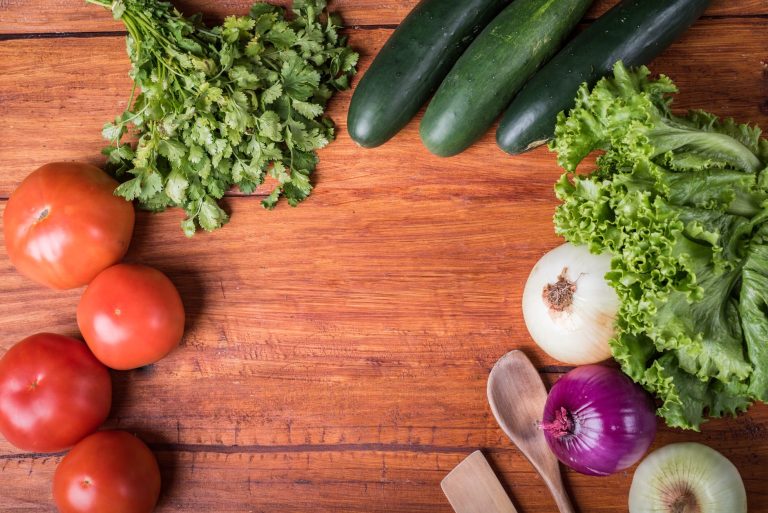
Vegetables are the backbone of a gut-friendly healthy diet. They provide fiber that helps move food through the digestive tract, supports bowel regularity, and feeds beneficial microbes. Organic vegetables also offer a simple way to reduce exposure to pesticides if that matters to your wellness priorities.
Some of the best options include:
- Leafy greens such as spinach, kale, arugula, and romaine
- Cruciferous vegetables like broccoli, cauliflower, Brussels sprouts, and cabbage
- Root vegetables such as carrots, beets, and sweet potatoes
- Digestive-friendly squash, zucchini, cucumbers, and asparagus
[IMAGE: organic vegetables]
If your digestion is sensitive, start with cooked vegetables instead of large raw salads. Roasting, steaming, and sautéing can make fiber easier to tolerate while still supporting nutrition and clean eating.
2. Fermented foods that support the microbiome
Fermented organic foods can be a powerful addition to a gut-health routine because they bring beneficial bacteria and organic acids into your diet. These foods may support microbial diversity, help with digestion, and add flavor without requiring excess sugar or heavy sauces.
Look for:
- Organic plain yogurt or kefir
- Sauerkraut
- Kimchi
- Miso
- Tempeh
Start slowly, especially if you are new to fermented foods. A spoonful of sauerkraut or a small serving of yogurt can be enough at first. The goal is not to overwhelm your gut; it is to support it gradually and consistently.
3. Prebiotic-rich foods to feed good bacteria
Prebiotics are the fibers and plant compounds that nourish beneficial gut bacteria. Without them, even a probiotic-rich diet can fall short. Organic food naturally lends itself to prebiotic intake because many fruits, vegetables, legumes, and grains contain these compounds in their unprocessed form.
Strong prebiotic choices include:
- Garlic and onions
- Leeks
- Asparagus
- Bananas, especially slightly green ones
- Oats
- Chia seeds
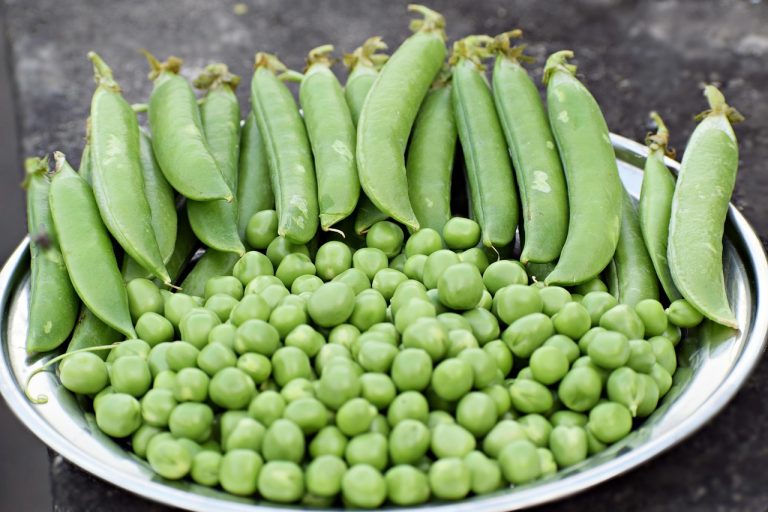
- Lentils and chickpeas
If you are aiming for a detox diet style reset, these foods help your system do the work naturally. They are not a quick fix, but they are deeply useful for long-term digestive resilience.
4. Clean protein sources that are easier to digest
Protein is essential for satiety, muscle maintenance, and stable blood sugar, all of which matter during weight loss. However, heavy or overly processed protein foods can be hard on digestion. Choosing clean, organic protein sources can make a noticeable difference in how you feel after meals.
Examples include:
- Organic eggs
- Organic Greek yogurt
- Wild-caught fish
- Organic chicken or turkey
- Tempeh and tofu
- Beans and lentils if tolerated well
For many people, the best healthy diet for gut comfort includes protein in moderate portions paired with vegetables and healthy fats. This helps prevent blood sugar dips that often lead to cravings and snacking later in the day.
Foods and Habits That May Be Working Against Your Gut
Improving digestion is not only about what you add. It is also about recognizing what may be causing stress in the system. Many people trying to lose weight or clean up their eating habits focus on reducing calories, but the bigger issue is often food quality and meal structure. Are you unintentionally irritating your gut with foods that look convenient but are difficult to process?
Common gut disruptors
These are not forbidden foods forever, but they can be worth limiting if you are pursuing better digestion and a more balanced organic food routine:
- Ultra-processed snacks with refined oils and additives
- Excess sugar, especially in liquid form
- Alcohol in frequent or high amounts
- Large portions of fried foods
- Highly refined grains with little fiber
- Artificial sweeteners that may trigger bloating in some people
Many of these foods can also make clean eating feel impossible because they promote cravings and quick hunger. A gentle reset often begins by replacing them with more nourishing options rather than trying to rely on constant restraint.
Why eating too fast matters
Even the best organic meal can cause discomfort if you rush through it. Digestion begins in the mouth, with chewing and the release of enzymes. When you eat too quickly, you may swallow air, miss satiety cues, and overload the digestive tract before it is ready. Slower eating is one of the most underrated tools for both digestion and weight loss.
Try this simple check-in at meals: put your fork down between bites, chew until the texture is soft, and pause halfway through to ask yourself whether you are still hungry or just eating on autopilot. That one habit can improve your relationship with food more than many complicated detox diet plans.
A Practical Organic Food Routine for Gut Health
A gut-friendly healthy diet works best when it feels realistic. You do not need a perfect meal prep system or a complicated supplement stack. You need a structure that helps you repeat good choices with less friction. The following routine can be adapted to different schedules, budgets, and goals.
Morning: start with hydration and easy-to-digest nutrition
Many people wake up dehydrated, which can slow digestion and make cravings worse later in the day. Begin with water, then build a breakfast that combines fiber, protein, and healthy fat. A balanced first meal supports blood sugar and can help set a steady tone for the rest of the day.
Examples of organic breakfast ideas for gut support include:
- Organic oats with chia seeds, berries, and plain yogurt
- Vegetable omelet with spinach, mushrooms, and avocado
- Smoothie with kefir, banana, flaxseed, and greens
If you want more energy and fewer cravings, avoid starting the day with sugary pastries or highly refined cereals. Those choices may be convenient, but they rarely support stable digestion or lasting satiety.
Midday: build a colorful, balanced plate
Lunch is an ideal time to anchor your organic food plan with vegetables, protein, and complex carbohydrates. A colorful plate provides a broader range of plant compounds that can support the microbiome and reduce boredom with healthy eating.
A smart lunch formula might look like this:
- Half the plate: organic vegetables, cooked or raw
- One quarter: clean protein such as chicken, fish, tofu, or beans
- One quarter: whole grains or starchy vegetables
- One serving of healthy fat from olive oil, avocado, or seeds
For example, a bowl of quinoa, roasted broccoli, chickpeas, cucumbers, and tahini dressing can be both satisfying and digestion-friendly. It is the kind of meal that supports a healthy lifestyle without feeling restrictive.
Evening: focus on lighter, calming meals
Dinner does not need to be tiny, but for many people, lighter evening meals reduce bloating and improve sleep. Since sleep and gut health are closely linked, your evening routine matters as much as your daytime nutrition. Think warm vegetables, simple proteins, and manageable portions.
Some examples include:
- Roasted salmon with asparagus and carrots
- Vegetable soup with lentils and herbs
- Stir-fried tofu with bok choy, mushrooms, and brown rice
If you tend to overeat at night, ask yourself why. Are you under-eating earlier in the day? Are you stressed? Are you reaching for comfort rather than nourishment? These questions matter because the best weight loss strategy is one you can actually maintain.
Sample 1-Day Organic Gut-Friendly Meal Structure
People often ask for a plan because structure makes healthy eating easier. Here is a simple one-day template that follows clean eating principles while supporting digestion and steady energy.
Breakfast
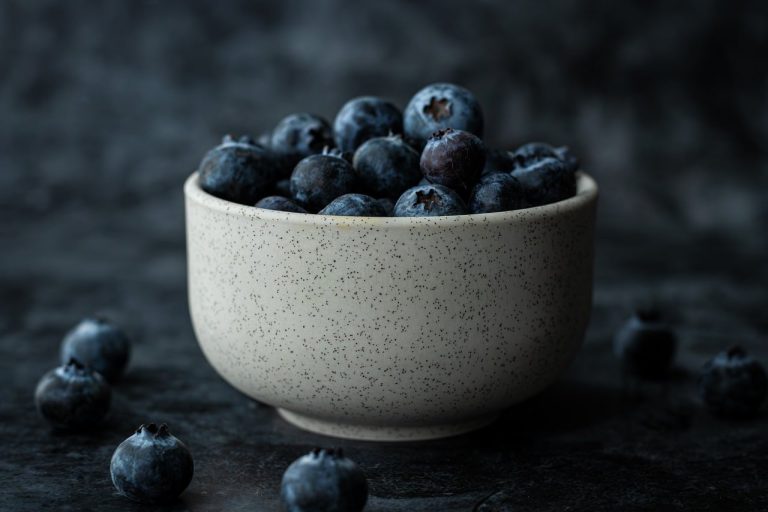
Organic oats cooked with cinnamon, chia seeds, blueberries, and a spoonful of plain Greek yogurt.
Snack
A small apple with almond butter or a few carrot sticks with hummus.
Lunch
Mixed greens topped with grilled organic chicken, roasted sweet potato, cucumber, pumpkin seeds, and olive oil dressing.
Snack
Kefir, a handful of walnuts, or a small bowl of sliced kiwi and berries.
Dinner
Baked salmon with steamed broccoli and quinoa, finished with lemon and herbs.
This type of day is not dramatic, and that is exactly why it works. A sustainable healthy diet does not need to be flashy. It needs to be nourishing enough that your body feels supported meal after meal.
How Organic Food Can Support Weight Loss Without Extreme Rules
Weight loss tends to work best when the process is quiet, repeatable, and nutritionally satisfying. Organic food can help because it often leads people toward whole ingredients, fewer additives, more home cooking, and greater awareness of what they are eating. That awareness alone can change outcomes.
Why this approach is more sustainable
Traditional dieting can create a cycle of restriction and rebound overeating. Clean eating with organic food feels different because the focus shifts to quality, satiety, and digestive comfort. When meals are balanced, cravings often become less intense. When digestion improves, people may feel less bloated and more motivated. When energy rises, movement becomes easier too.
Here are a few reasons this matters:
- Higher fiber intake can promote fullness
- Better blood sugar stability can reduce snacking
- Less processed food can reduce mindless overeating
- Improved digestion can make healthy habits feel rewarding
That is why so many people succeed with a healthy lifestyle approach rather than an all-or-nothing diet. It is not just about losing weight. It is about changing the way your body feels day to day.
What about calories?
Calories still matter, but they are not the whole story. A bowl of vegetables, lean protein, and healthy fats may have similar calories to a processed snack, yet the body responds very differently. One supports stable hunger and nutrition; the other may trigger a rapid spike and crash. If your goal is weight loss, ask not only how much you are eating, but what your food is doing for you.
The Role of Clean Eating in a Detox Diet Approach
The word detox is often overused, but the body does have its own natural detoxification systems, especially the liver, kidneys, gut, lungs, and skin. A sensible detox diet does not involve starvation or juice-only plans. It involves reducing the burden on your body and supporting the organs that already help process waste.
An organic food-based detox diet can include:
- More water-rich vegetables
- Fiber to help regular elimination
- Less alcohol and added sugar
- More herbs, citrus, and bitter greens
- Consistent meals that keep blood sugar stable
Clean eating is powerful because it removes excess noise. When you are not constantly dealing with artificial ingredients, highly processed snacks, and erratic meals, your body has a better chance to function smoothly. That is the real promise of an effective detox diet: not dramatic deprivation, but better internal balance.
Easy Grocery List for a Gut-Friendly Organic Kitchen
Shopping is where healthy habits become real. If your kitchen is stocked with the right ingredients, meal decisions become easier, faster, and less stressful. Try building your week around a core set of gut-friendly organic food staples.
Produce
- Spinach, kale, lettuce, and arugula
- Broccoli, cauliflower, cabbage, and Brussels sprouts
- Carrots, beets, sweet potatoes, and squash
- Bananas, berries, apples, kiwi, and lemons
Protein
- Organic eggs
- Plain yogurt or kefir
- Organic chicken or turkey
- Salmon, sardines, or other fatty fish
- Tempeh, tofu, lentils, and chickpeas
Pantry staples
- Oats, quinoa, and brown rice
- Chia seeds, flaxseeds, pumpkin seeds
- Olive oil, tahini, and nut butters
- Herbs, cinnamon, ginger, turmeric, and garlic
With these basics on hand, you can assemble meals quickly without falling back on processed convenience foods. That is one of the strongest habits in any healthy lifestyle plan: making the healthy choice the easy choice.
Common Mistakes to Avoid When Using Organic Food for Gut Health
Even a good plan can fall short if it is applied without strategy. If your goal is better digestion, weight loss, and clean eating, watch out for these common mistakes.
1. Assuming organic automatically means healthy
Organic food is not a magic shield. Organic cookies, sweets, and packaged snacks can still be high in sugar and low in fiber. The goal is not simply to buy organic versions of everything; it is to choose foods that are actually nourishing.
2. Increasing fiber too quickly
Fiber is valuable, but a sudden jump can cause gas and bloating. Build up gradually and drink enough water. If your gut is sensitive, begin with cooked vegetables and small servings of legumes before increasing portions.
3. Neglecting protein
Some people focus so much on vegetables that meals become too light and unsatisfying. A balanced healthy diet needs protein for fullness, muscle support, and blood sugar control. Without it, your clean eating plan may lead to hunger and rebound eating later.
4. Overusing detox language
It is tempting to look for a shortcut, but the best detox diet is one that is realistic and repeatable. Your body does not need punishment; it needs support. Choose routines that you can maintain for weeks and months, not just three dramatic days.
5. Ignoring stress and sleep
Gut health is not only about food. Stress and poor sleep can alter digestion, increase cravings, and affect the microbiome. If your meals are excellent but you are constantly exhausted, your results may still feel limited. Nutrition works best when combined with restorative habits.
Lifestyle Habits That Strengthen Digestion Beyond the Plate
A truly effective organic food strategy extends beyond recipes. Lifestyle habits can either enhance or undermine the progress you make with food. If you want better digestion, more energy, and a smoother path toward weight loss, these habits deserve attention.
Stay hydrated consistently
Water helps move fiber through the digestive tract and supports normal bowel function. Add lemon, cucumber, or mint if you enjoy flavor, but keep the focus on regular intake throughout the day.
Move your body daily
Gentle movement supports gut motility and can reduce the sluggish feeling that often follows a heavy meal. A walk after lunch or dinner is a simple habit that can have noticeable benefits. [IMAGE: fitness lifestyle]
Practice relaxed meals
Eating in a rushed, stressed state can interfere with digestion. Whenever possible, sit down, breathe, and allow your body to enter a more rested state before you eat. It may sound simple, but your digestion notices.
Prioritize sleep
Sleep influences appetite hormones, inflammation, and glucose control. If you are trying to lose weight and eat more cleanly, protecting sleep may be one of the smartest decisions you make. A calmer body is often a more balanced body.
Who Benefits Most from a Gut-Focused Organic Diet?
This style of eating can be especially helpful for people who want to feel less bloated, more energized, and more in control of their eating habits. It may also be useful for those who are tired of rigid diets and want a more humane, nourishing way to support weight loss.
You may benefit if you:
- Frequently feel heavy or sluggish after meals
- Want to improve digestion naturally
- Are trying to clean up your eating without extreme rules
- Need a more sustainable approach to weight loss
- Prefer organic food and simple ingredients
- Want to build a healthier relationship with nutrition
Of course, persistent digestive symptoms should always be discussed with a qualified healthcare professional. Food can support health, but it is not a replacement for medical care when needed.
Putting It All Together in a Real-Life Healthy Lifestyle
The most powerful change is usually not dramatic. It is the shift from random eating to intentional eating. A breakfast that stabilizes energy. A lunch that supports fullness. A dinner that feels calm and easy to digest. A grocery list based on organic food instead of packaged convenience. A few minutes of walking after meals. A better night of sleep. These small choices add up to a different kind of healthy lifestyle.
You do not need to master every principle at once. Start with one habit: add more organic vegetables, include a fermented food a few times a week, or replace one processed snack with a piece of fruit and nuts. Then build from there. Clean eating becomes far more realistic when it is designed around the way you actually live, not the way a perfect plan says you should live.
And if you have been searching for a way to make digestion feel less complicated while still supporting weight loss and better nutrition, this is the kind of plan that can work quietly in the background of your life. Keep it simple, keep it organic where it matters most, and keep choosing meals that leave you feeling clear, comfortable, and satisfied. If you want more expert-backed ideas for organic food, clean eating, and a healthier lifestyle, explore more articles on DietOrganic and keep building the habits that help your body thrive.
About the Author