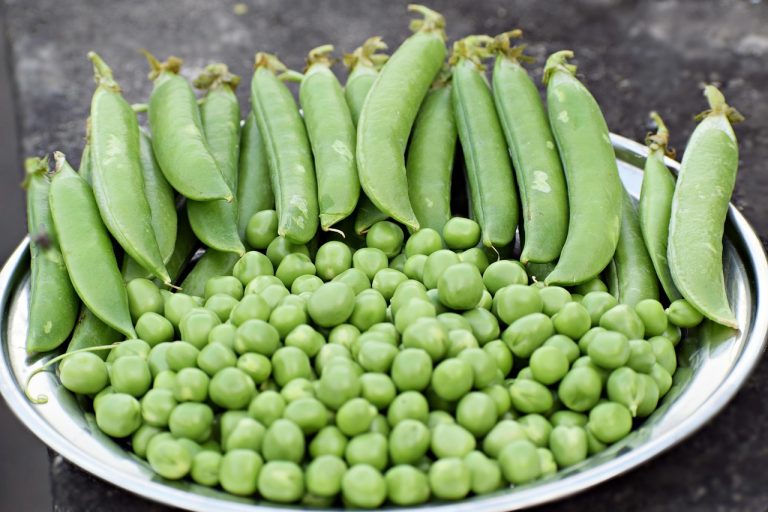

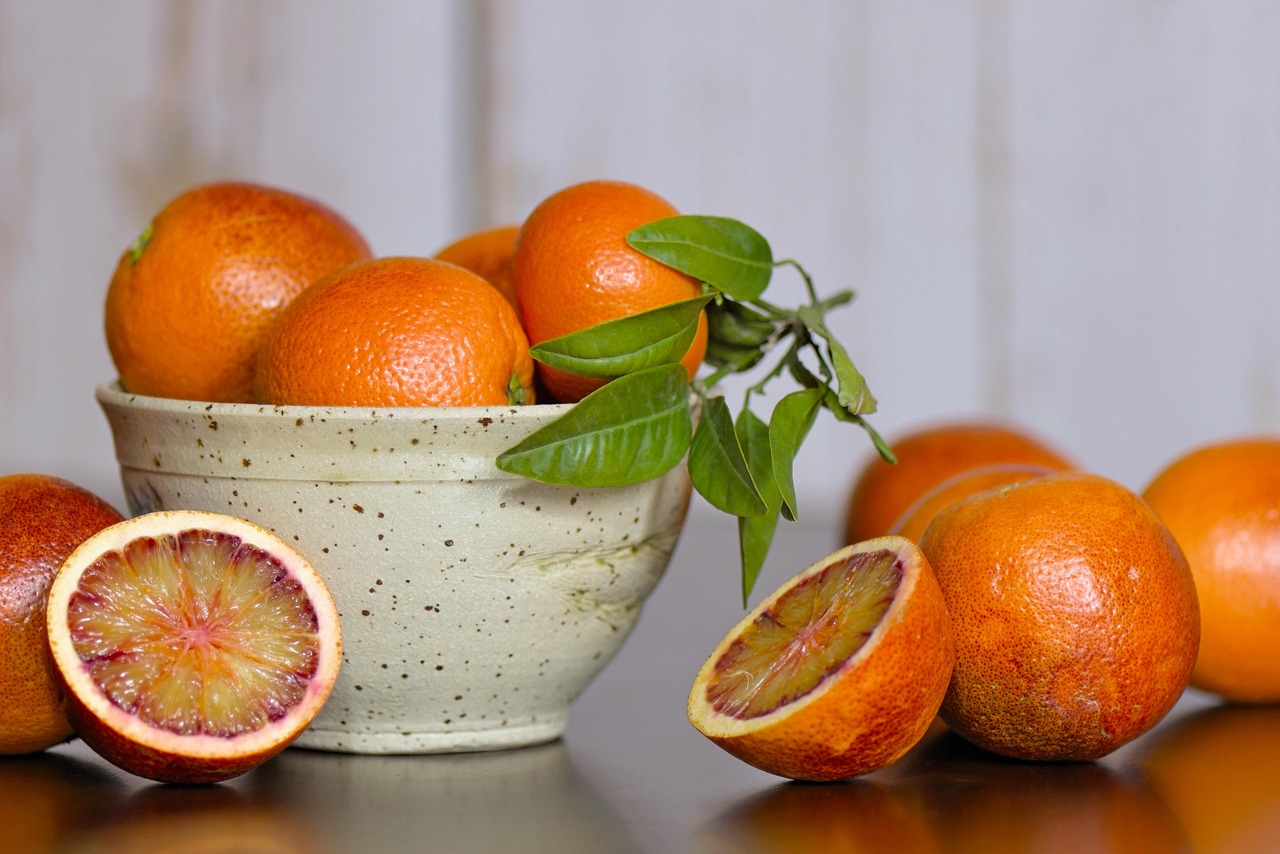
Photo by Peggychoucair on Pixabay
If you are trying to lose weight without falling into the trap of restrictive dieting, the answer may be closer to your grocery basket than your calorie tracker. Choosing organic food can make clean eating feel easier, more satisfying, and more sustainable, especially when your goal is steady weight loss and better nutrition. Instead of chasing quick fixes, this approach focuses on foods that are naturally nourishing, minimally processed, and simple to build into everyday meals. Isn’t that the kind of healthy lifestyle most people actually want?
Weight loss is not just about eating less. It is about eating in a way that supports energy, digestion, cravings, and long-term consistency. Organic foods can help because they often encourage more whole-food meals: fresh vegetables, fruit, lean proteins, whole grains, nuts, seeds, and healthy fats. When your plate is built around these foods, you are more likely to feel full, satisfied, and in control of your appetite. That is the heart of clean eating, and it is one of the reasons organic food continues to stand out in nutrition-focused conversations.
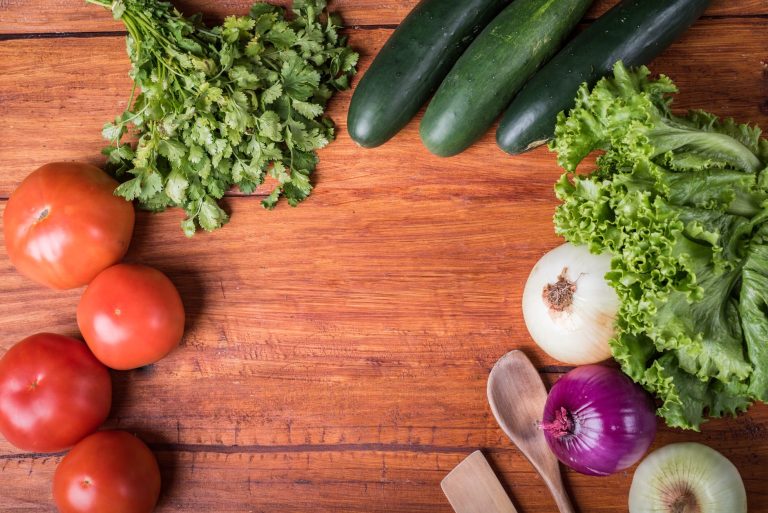
This guide takes a practical look at the best organic foods for weight loss, how to combine them into balanced meals, and which habits can quietly slow your progress. You will also find meal-building tips, a smarter way to think about detox diet trends, and a simple framework that works for busy people who still want real results. [IMAGE: organic vegetables]
Why Organic Food Fits So Well Into a Weight Loss Plan
Organic food is not a magic formula for fat loss, and it should never be treated like one. But it can support a healthy diet in important ways. Organic produce tends to be purchased more intentionally, prepared more often at home, and paired with less ultra-processed food. That matters because most sustainable weight loss comes from habits, not gimmicks.
When people shift to organic food, they often start reading labels more closely, cooking more at home, and choosing ingredients with fewer additives. Those small changes can improve nutrition without making meals feel boring or bland. Have you ever noticed that when you cook with fresh ingredients, you naturally eat slower and stop when you are full? That simple rhythm can make a meaningful difference.
Organic eating supports cleaner choices
Clean eating is easier when the foods in your kitchen already look and taste like food, not a chemistry project. Organic vegetables, fruit, eggs, dairy, grains, and legumes are often used in recipes that are lighter, fresher, and more nutrient-dense. That makes it simpler to create meals that fit a healthy lifestyle and a realistic weight loss plan.
- Fewer highly processed ingredients in the diet
- More fiber-rich meals that support fullness
- Better awareness of portion sizes and quality
- More cooking at home and fewer impulsive choices
These benefits do not come from the organic label alone. They come from the way organic food encourages a cleaner pattern of eating overall. That is why so many people find it easier to stay consistent when they build meals around whole ingredients instead of packaged snacks.
Does organic automatically mean weight loss?
No, and this is an important point. Organic cookies are still cookies. Organic chips are still chips. Organic food supports weight loss when it is part of a balanced eating pattern that respects energy needs, hunger signals, and meal quality. The real goal is not just buying organic ingredients; it is using them to make better food choices every day.
If you are looking for an approach that feels less like punishment and more like nourishment, organic food can help you create that shift. It is not about eating perfectly. It is about building a system where healthy meals become the easy default.
The Best Organic Foods for Weight Loss
The most effective weight loss foods are usually the most filling, flexible, and nutrient-rich. That is good news, because many of the best choices are also widely available as organic options. The following foods can help you create meals that support fat loss without leaving you hungry or unsatisfied.
Leafy greens and cruciferous vegetables
Spinach, kale, arugula, romaine, broccoli, cauliflower, cabbage, and Brussels sprouts are among the most useful organic foods for clean eating. They are low in calories, high in volume, and packed with fiber and micronutrients. In practical terms, that means you can eat a generous portion without overloading on calories.
Why do these foods work so well for weight loss? They help you feel full while keeping meals light. Add them to salads, soups, stir-fries, omelets, and grain bowls. A larger plate of vegetables often reduces the urge to snack later in the day.
For a simple strategy, try adding one extra vegetable to every meal. Even a small change like tossing spinach into scrambled eggs or roasting cauliflower with olive oil can improve nutrition and support clean eating habits.
Organic berries, apples, and citrus fruit
Fruit sometimes gets unfairly blamed in weight loss conversations, but whole fruit can be a smart part of a healthy diet. Berries, apples, oranges, grapefruit, kiwi, and pears are especially useful because they provide fiber, hydration, and natural sweetness with relatively modest calories.
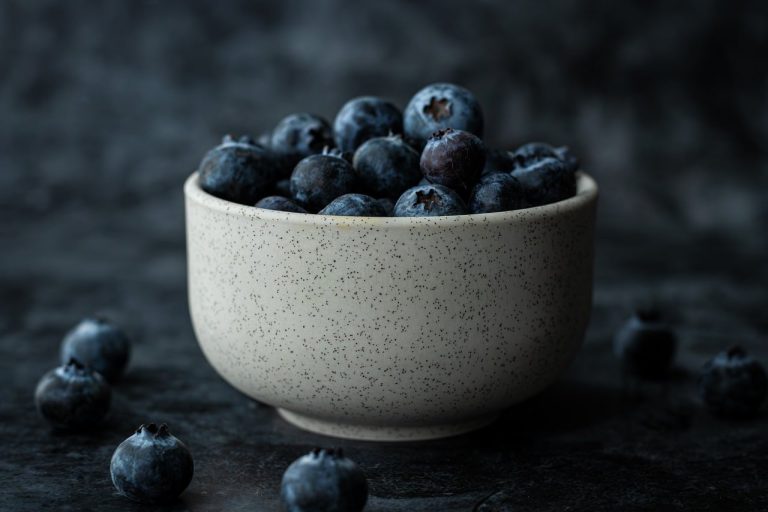
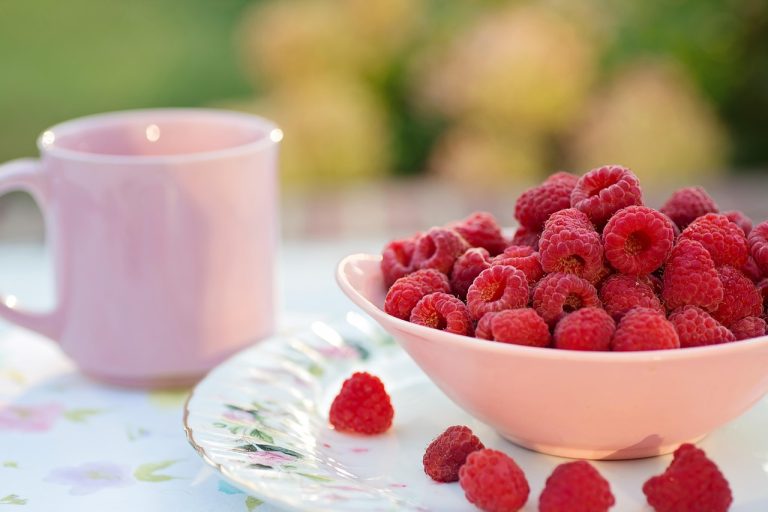
Berries are particularly versatile. They can be added to yogurt, oats, chia pudding, or eaten on their own as a snack. Apples are another excellent option because they are portable and satisfying. If you need a sweet taste after a meal, a bowl of berries or sliced apple can reduce the temptation to reach for dessert.
Ask yourself: do you want a snack that disappears in two bites, or one that actually keeps you full for an hour or more? Whole fruit often wins that comparison.
Organic protein foods that keep hunger under control
Protein is one of the most important nutrients for weight loss because it supports satiety, muscle maintenance, and stable energy. Organic eggs, Greek yogurt, cottage cheese, tofu, tempeh, edamame, lentils, beans, chicken, turkey, and fish can all play a role in a balanced plan depending on your preferences.
Protein helps reduce the urge to overeat later in the day. It also works well with fiber-rich produce, making meals feel more complete. For example, a lunch of organic grilled chicken, mixed greens, cucumbers, tomatoes, and avocado provides both protein and healthy fats, which is much more satisfying than a light salad with no staying power.
- Organic eggs for quick breakfasts
- Greek yogurt for snacks and breakfast bowls
- Lentils and beans for budget-friendly meals
- Tofu and tempeh for plant-based clean eating
- Organic chicken or fish for high-protein dinners
Protein does not need to be complicated. If every meal includes a clear protein source, weight loss usually becomes easier to manage.
Healthy fats that support satisfaction
Many people try to cut out fat completely when they want to lose weight, but that approach often backfires. Healthy fats help you feel satisfied and can make clean eating much more enjoyable. Organic avocados, olives, extra-virgin olive oil, walnuts, almonds, chia seeds, flaxseed, hemp seeds, and pumpkin seeds are all excellent additions.
Because fats are calorie-dense, portion awareness matters. A small handful of nuts, a quarter of an avocado, or one tablespoon of seeds is often enough to add texture and flavor without overcrowding the meal. That balance is what makes healthy lifestyle habits stick.
When used wisely, healthy fats can make vegetables, grains, and lean proteins taste better, which matters more than many people realize. If a food plan feels satisfying, you are more likely to follow it.
Whole grains and smart carbohydrates
Carbohydrates are not the enemy of weight loss. In fact, the right carbohydrates can help you stay energized, manage cravings, and avoid the extremes that lead to binge eating. Organic oats, quinoa, brown rice, buckwheat, barley, and sweet potatoes are all strong choices for a clean eating approach.
These foods provide fiber and steady energy, especially when paired with protein or healthy fats. A breakfast of organic oats with berries and seeds can keep you full for hours. A lunch bowl with quinoa, vegetables, and chicken or tofu can serve as a balanced midday meal. Even sweet potatoes can fit beautifully into a weight loss plan when portions are thoughtful.
The trick is not to fear carbs but to choose them intentionally. Would you rather get energy from a bowl of oats or from a sugary snack that leaves you hungry again in an hour?
Herbs, spices, and flavor boosters
One reason clean eating fails is that people think healthy food must be bland. That is simply not true. Fresh herbs, garlic, ginger, turmeric, cinnamon, rosemary, basil, parsley, cumin, chili flakes, and black pepper can transform a simple meal into something memorable.
Flavor matters because satisfaction matters. When your meals taste good, you are less likely to drift toward processed snacks. Many of these ingredients also support a detox diet style of eating by helping you season food without relying on heavy sauces or excessive sodium. A little creativity in the kitchen can turn a basic dish into something you genuinely look forward to eating.
How to Build a Clean Eating Plate for Weight Loss
The easiest way to make organic food work for you is to stop thinking in terms of strict rules and start thinking in terms of meal structure. A good clean eating plate balances protein, fiber, healthy fats, and smart carbohydrates. This gives your body the fuel it needs while keeping calories in a reasonable range.
If your meals are too small, you will feel deprived. If your meals are too heavy on refined foods, you may feel sluggish and hungry again too soon. The sweet spot is a plate that is filling, colorful, and simple.
The 1-2-3 plate method
Try this easy framework:
- 1/2 plate: organic non-starchy vegetables
- 1/4 plate: lean protein
- 1/4 plate: whole grains or starchy vegetables
- + a small amount: healthy fat for flavor and satiety
This method works because it naturally controls portions without making you count every bite. It also supports nutrition by keeping the plate varied. A meal that looks colorful is usually a meal that delivers more vitamins, minerals, and fiber.
[IMAGE: healthy meal]
Examples of balanced organic meals
Here are a few combinations that fit a weight loss plan while still feeling satisfying:
- Organic scrambled eggs, sautéed spinach, mushrooms, and avocado
- Quinoa bowl with roasted broccoli, chickpeas, cucumber, and olive oil dressing
- Grilled organic chicken with cauliflower rice and mixed greens
- Greek yogurt topped with berries, chia seeds, and crushed walnuts
- Sweet potato with tofu, cabbage slaw, and sesame dressing
Notice the pattern? These meals are simple, colorful, and easy to repeat. That repeatability is important because healthy lifestyle changes should reduce stress, not increase it.
How to keep portions realistic
Even healthy foods can stall progress if portions are too large. A few practical habits can help:
- Use smaller plates when eating at home
- Serve protein first, then add vegetables
- Measure calorie-dense foods like nuts, oil, and cheese
- Eat slowly and pause halfway through the meal
- Stop eating when you are satisfied, not stuffed
Weight loss is much easier when you can recognize true hunger and true fullness. Clean eating should improve that awareness, not mask it.
A Simple Organic Meal Framework for Busy Days
One of the biggest barriers to healthy eating is time. People often know what to eat, but they do not have the energy to make it happen after a long day. That is why a practical framework matters more than a perfect recipe collection.
Here is a simple way to organize your day around organic food and weight loss without feeling overwhelmed:
Breakfast: start with protein and fiber
Breakfast should keep you steady, not send you on a blood sugar roller coaster. A breakfast built around protein and fiber can reduce cravings later in the day. Great options include eggs with vegetables, Greek yogurt with fruit and seeds, or oatmeal with nut butter and berries.
If mornings are rushed, prep overnight oats or hard-boiled eggs in advance. That way, clean eating becomes a habit rather than a morning decision.
Lunch: make vegetables the center of the plate
Lunch often determines how the rest of the day feels. If you eat something too light, you may end up snacking constantly. If you eat something too heavy, you may feel sluggish. A well-built lunch should include vegetables, protein, and a moderate serving of whole grains or starchy vegetables.
Think salad bowls, grain bowls, wraps with organic greens, or hearty soups paired with a side of fruit. This style of eating is friendly to weight loss because it is filling without being excessive.
Dinner: keep it simple and calming
At dinner, many people overcomplicate things or rely on convenience foods. Instead, choose one protein, two vegetables, and one smart carbohydrate if needed. A baked salmon fillet with asparagus and sweet potato, or tofu stir-fry with broccoli and brown rice, can feel both comforting and clean.
Dinner is also a good place to practice portion awareness. You do not need a massive plate to feel nourished. Sometimes a modest, well-prepared meal is exactly what the body needs.
Snacks: choose foods that work for you, not against you
Smart snacks are especially helpful if you have long gaps between meals. Good organic snack ideas include:
- Apple slices with almond butter
- Carrot sticks with hummus
- Greek yogurt with berries
- Hard-boiled eggs with sea salt
- Handful of almonds and a piece of fruit
Snacking should not feel like damage control. It should be a planned part of your nutrition strategy.
One-Day Organic Weight Loss Menu
To make the idea even more practical, here is a sample day that uses organic food to support clean eating and healthy weight loss:
- Breakfast: Organic oats with blueberries, chia seeds, cinnamon, and Greek yogurt
- Lunch: Mixed greens with grilled chicken, cucumber, tomatoes, avocado, and olive oil dressing
- Snack: Apple slices with a small serving of almond butter
- Dinner: Roasted broccoli, quinoa, and baked salmon with lemon and herbs
- Optional evening tea: Ginger or peppermint tea
This kind of menu is balanced enough to prevent cravings while still being structured for weight loss. It also reflects a healthy lifestyle that does not depend on expensive supplements or extreme rules.
What a Detox Diet Really Means in a Healthy Plan
The word detox gets used in so many different ways that it can be confusing. In a realistic nutrition context, a detox diet should not mean starvation, juice-only days, or dramatic cleanses. Instead, it should mean reducing the load of ultra-processed foods and increasing the intake of hydrating, fiber-rich organic foods that support normal digestive function.
Fresh vegetables, herbs, citrus, berries, water-rich produce, and simple meals can help you feel lighter and more energized. That does not mean your body is being magically purified by a specific ingredient. It means you are giving your system fewer irritants and more useful nutrients.
For many people, that shift alone improves bloating, energy, and appetite control. The best detox diet is the one you can sustain without feeling deprived.
Foods that support a lighter, fresher routine
- Cucumber, celery, and leafy greens for hydration
- Lemon, lime, and berries for bright flavor
- Ginger and mint for simple herbal teas
- Broccoli, cabbage, and cauliflower for fiber
- Water, mineral-rich broths, and unsweetened herbal drinks
These foods are not a cure-all, but they can help you feel refreshed and less weighed down by heavily processed eating patterns.
Common Clean Eating Mistakes That Slow Weight Loss
Sometimes the biggest obstacle is not a lack of effort but a few habits that quietly undermine progress. Are you making any of these mistakes without realizing it?
Relying too heavily on organic processed foods
Organic chips, crackers, sweets, and frozen meals can still be high in calories and low in satiety. They may fit occasionally, but they should not dominate your plan if weight loss is the goal.
Not eating enough protein
When meals are too light on protein, hunger tends to show up fast. Many people think they are failing at self-control when they are actually just underfed.
Using too much oil, nuts, and nut butter
Healthy fats are useful, but they are easy to overdo. A few extra spoonfuls here and there can add up quickly. Measure when needed, especially during the early stages of your plan.
Skipping meals and overeating later
Some people believe that skipping meals will accelerate fat loss, but it often creates the opposite effect. Long gaps without food can lead to intense hunger, impulsive choices, and larger portions later.
Thinking every healthy meal must be huge
Big salads and giant bowls can be wonderful, but not if they are overloaded with calorie-dense toppings. Keep the base large, but keep the extras controlled.
Expecting instant results
Organic food and clean eating work best when they become a pattern, not a temporary experiment. If you are not seeing dramatic changes in a few days, stay patient. Consistency matters more than speed.
How to Shop Smarter for Organic Weight Loss Foods
A well-planned grocery list makes healthy eating easier before you ever step into the kitchen. If your cart is stocked with the right ingredients, your decisions at home become much simpler.
Focus on the perimeter first
In many grocery stores, the freshest foods are found around the perimeter: produce, dairy, eggs, meats, and refrigerated whole foods. Start there, then move into the center aisles for pantry staples like oats, canned beans, quinoa, and olive oil.
Choose a few reliable staples
Instead of trying to buy everything organic at once, begin with the foods you eat most often and the produce you use daily. This keeps the transition manageable and budget-friendly.
- Leafy greens
- Berries
- Eggs
- Greek yogurt
- Oats
- Quinoa
- Broccoli
- Sweet potatoes
- Apples
- Almonds or walnuts
These basics can be mixed into many meals, which means less waste and more consistency.
Buy what you will actually use
One of the easiest ways to waste money on organic food is to shop aspirationally instead of realistically. Do you truly cook lentils, or do they sit untouched? Are you really going to make a smoothie every morning, or would overnight oats be a better fit? Build your list around habits you already have, then improve them one step at a time.
Meal Prep Ideas That Save Time and Support Weight Loss
Meal prep does not have to mean spending your entire Sunday in the kitchen. A few small prep tasks can remove a lot of friction during the week and help you stay on track with clean eating.
Prep your vegetables first
Wash leafy greens, chop cucumbers, roast broccoli, and slice carrots ahead of time. When vegetables are ready to use, you are far more likely to eat them. This single habit can improve the quality of your meals without much effort.
Cook one or two proteins in advance
Prepare organic chicken, boiled eggs, tofu, beans, or lentils at the start of the week. Having a protein source ready makes it easier to assemble lunch and dinner in minutes.
Batch-cook a grain or starch
Quinoa, brown rice, and sweet potatoes can be cooked in advance and stored for later use. These ingredients make it easy to build balanced plates without depending on takeout.
Keep snack boxes ready
Create small containers with fruit, nuts, sliced vegetables, or yogurt so you have grab-and-go options when hunger shows up between meals. This is especially useful if you work long hours or travel frequently.
[IMAGE: fitness lifestyle]
How Organic Food Supports a Healthy Lifestyle Beyond Weight Loss
Although weight loss may be your immediate goal, the benefits of organic food often reach far beyond the scale. Many people notice better food awareness, more consistent energy, and a calmer relationship with eating. That is a big deal, because health is not only about body weight.
When you choose organic ingredients more often, you may cook more frequently, eat more vegetables, and cut back on packaged foods. Those changes can improve digestion, support a balanced mood, and help you feel more connected to your body’s needs.
This is why clean eating becomes more valuable over time. It is not just a method for losing weight. It is a way to create a healthier routine that feels nourishing rather than exhausting.
Better food awareness
Organic food often encourages you to look at ingredients more carefully. That habit alone can transform your relationship with meals. You start noticing how certain foods make you feel, how portions affect hunger, and which combinations keep you energized.
More satisfaction with fewer cravings
When meals are built on fiber, protein, and healthy fats, cravings often become more manageable. You may still enjoy dessert or a treat now and then, but you will probably feel less driven by impulse.
More confidence in daily choices
There is real confidence in knowing what to eat and why you are eating it. That sense of clarity reduces decision fatigue and helps you stay consistent even on busy days.
Practical Tips to Make Organic Weight Loss Sustainable
Long-term success is usually the result of ordinary choices repeated often. If you want your clean eating plan to last, keep these strategies in mind:
- Start with a few organic staples instead of overhauling everything
- Plan meals around protein and vegetables first
- Use herbs and spices to keep food interesting
- Allow flexible meals so the plan feels realistic
- Track progress by energy, digestion, and consistency, not just scale changes
Most importantly, be patient. Weight loss that comes from better nutrition and smart habits is usually slower than fad diets, but it is far more likely to last.
Build momentum, not perfection
One great breakfast will not transform your body, just as one imperfect dinner will not ruin your progress. The real goal is momentum. Choose the next meal well, then the next one, and keep going.
That mindset is far more powerful than rigid rules. It allows clean eating to fit real life, which is exactly where healthy lifestyle changes need to work.
Listen to your body
Your body gives feedback every day. Are you energized after meals or sluggish? Are you satisfied or still hunting for snacks an hour later? Do certain organic foods help you feel light and clear, while others leave you heavy? These signals matter. They guide you toward a plan that works for your body, not just for a checklist.
Organic food can be a powerful ally in weight loss when it is used as part of a bigger strategy: eat more whole ingredients, build balanced meals, and create a routine that you can actually keep. If you focus on clean eating, smart portions, and consistent nutrition, the results tend to follow naturally. And if you are ready to keep building a healthier routine, explore more DietOrganic articles for fresh ideas on organic food, healthy lifestyle habits, and practical ways to make every meal work harder for your goals.
About the Author