

Photo by RDNE Stock project on Pexels
Your digestive system does far more than process meals. It helps shape your energy, your mood, your immune defenses, and even how easily your body manages weight. When your gut feels balanced, clean eating becomes easier to sustain, cravings often become more manageable, and your healthy lifestyle starts to feel less like a strict routine and more like a natural rhythm. So what if the foods on your plate could support that balance in a simple, realistic way?
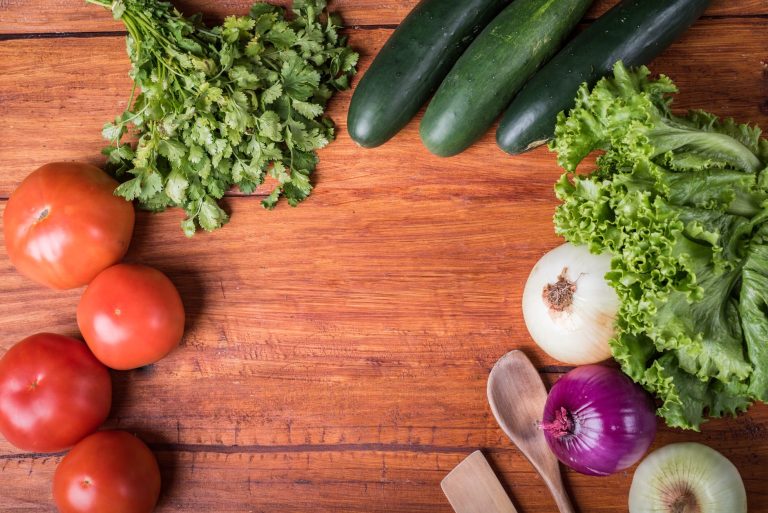
That is where organic food can make a meaningful difference. Choosing organic ingredients is not a magic fix, but it can be a smart part of a thoughtful detox diet, a more mindful nutrition plan, and a long-term approach to wellness. By focusing on organic foods that nourish the microbiome, reduce exposure to unnecessary additives, and support smoother digestion, you can create meals that feel satisfying, clean, and genuinely restorative. [IMAGE: organic vegetables]
In this guide, we will explore how organic foods can support gut health, which ingredients are worth prioritizing, and how to build a clean eating routine that feels practical instead of overwhelming. If you have ever wondered why some meals leave you energized while others leave you bloated, sluggish, or uncomfortable, this article will help you connect the dots.
Why Gut Health Deserves a Bigger Place in Your Nutrition Plan
Most people think of the gut as a place where food is simply broken down, but that view is far too limited. The digestive system is closely linked to the microbiome, a living community of bacteria and other microorganisms that interact with almost every aspect of health. When the balance of that community is supported, digestion tends to be smoother, nutrient absorption can improve, and the body may be better equipped to handle stress, inflammation, and daily dietary changes.
Have you ever noticed that one week of processed meals can leave you feeling foggy, puffy, or off track, while a few days of fresh, whole foods seem to bring your body back into alignment? That difference is not imaginary. Food quality affects the environment inside the gut, and that environment influences everything from bowel regularity to appetite cues. A gut-friendly clean eating plan is not about obsession; it is about giving your body the materials it needs to function well.
Good digestion also matters for weight loss. If your meals are easy to digest and rich in fiber, healthy fats, and quality protein, you are more likely to feel full without overeating. Stable digestion can reduce the emotional rollercoaster that often leads to snacking, sugar cravings, or energy crashes. In that sense, gut health is not separate from weight management; it is one of the foundations underneath it.
- Better digestion can help support steadier energy throughout the day.
- A balanced gut may improve the way your body absorbs vitamins and minerals.
- Whole organic food can reduce exposure to highly processed ingredients.
- Cleaner meals often make it easier to stay consistent with healthy habits.
How Organic Food Supports a Healthier Gut Environment
Organic food is often associated with freshness, purity, and quality, but its role in gut health goes deeper than that. While no single food will transform digestion overnight, organic choices can support a more balanced eating pattern by limiting common irritants and increasing the likelihood that your meals are nutrient dense. This matters because the gut responds not just to one ingredient, but to the overall pattern of what you eat day after day.
One of the most practical advantages of organic ingredients is the reduced exposure to certain pesticide residues. For some people, especially those working to calm a sensitive digestive system, keeping the food supply as clean as possible feels like a worthwhile step. Organic produce also tends to align naturally with clean eating because it often encourages more cooking at home, more whole foods, and less dependence on packaged meals.
But organic foods can also be beneficial for another reason: they often come in forms that are closer to their natural state. That means more fiber, more texture, more color, and more room for the beneficial plant compounds that support a healthy gut. When you build your meals around whole organic vegetables, legumes, fruits, seeds, and fermented foods, you are feeding the microbiome with the kind of nutrition it tends to thrive on.
Fewer Unnecessary Additives, More Real Food
A lot of modern digestive discomfort comes from what food has been changed into rather than from the food itself. Artificial sweeteners, emulsifiers, refined oils, excess sodium, and long ingredient lists can all make meals harder to digest for some people. Organic food does not automatically eliminate every problem, but it does make it easier to choose simpler products with fewer surprises.
That simplicity is one reason many people turn to a detox diet as a reset after weeks or months of convenience eating. The goal is not extreme restriction. The goal is to remove the clutter and return to foods that feel grounding, nourishing, and easy to recognize on the plate.
More Fiber, More Microbial Diversity
If the gut microbiome loves anything, it is variety. Fiber from fruits, vegetables, seeds, and whole grains acts like fuel for beneficial microbes. Organic food often makes it easier to eat a broader range of colorful produce because the focus shifts from convenience to quality. Think of fiber as the raw material that helps the gut ecosystem stay active and resilient.
The more variety you include, the better. A healthy lifestyle built around organic vegetables, berries, legumes, and whole grains can create a richer mix of plant compounds that support digestive balance. Why settle for a narrow, repetitive menu when your gut thrives on diversity?
Cleaner Protein Choices Can Feel Gentler
Protein is essential for repair, satiety, and muscle maintenance, especially if you are active or pursuing weight loss. Choosing organic protein sources such as eggs, Greek yogurt, cottage cheese, poultry, tofu, tempeh, or sustainably raised meats can help you keep meals simple and nourishing. For many people, a clean eating plan that includes well-sourced protein feels less heavy and more satisfying than relying on processed protein bars or heavily seasoned convenience foods.
When protein is balanced with fiber and healthy fat, digestion often becomes more stable. That balance can help reduce the wild hunger swings that lead to overeating later in the day.
The Best Organic Foods for Gut Health
Not every organic food supports digestion in the same way. Some foods feed beneficial microbes, some soothe the digestive tract, and others help your body absorb nutrients more efficiently. The best approach is to combine them strategically instead of chasing a single miracle ingredient. Here are the categories that deserve a regular place in your kitchen.
Fermented Foods That Bring Living Cultures to the Table
Fermented foods are some of the most valuable additions to a gut-friendly menu. They contain beneficial bacteria or yeast that can help diversify the microbiome, especially when eaten consistently as part of a balanced diet.
- Organic kefir
- Plain organic yogurt with live cultures
- Sauerkraut
- Kimchi
- Miso
- Tempeh
Start small if you are not used to fermented foods. A spoonful of sauerkraut with lunch or a small serving of kefir at breakfast may be enough to begin. For some digestive systems, too much too fast can be uncomfortable, so let your body guide the pace. The key is consistency rather than excess.
Fiber-Rich Produce That Feeds Good Bacteria
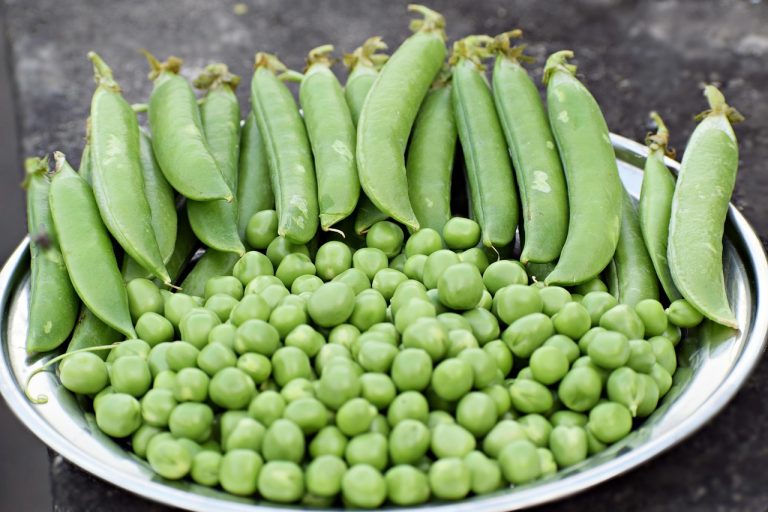
Fiber is a cornerstone of any clean eating plan, and organic produce makes it easier to keep your kitchen full of naturally nourishing choices. Some of the best options include leafy greens, carrots, broccoli, artichokes, apples, pears, berries, sweet potatoes, and avocados. These foods support regularity and give the microbiome the nutrients it needs to stay active.
If weight loss is one of your goals, fiber is especially important because it helps meals feel filling without being overly calorie dense. A large salad with organic vegetables, seeds, and a quality protein source can provide far more satiety than a refined meal with similar calories. Have you ever noticed how long a bowl of vegetables keeps you satisfied compared with a sweet snack? That is the practical power of fiber.
Prebiotic Foods That Feed the Beneficial Strains
Prebiotics are a type of fiber that serve as food for the bacteria already living in your gut. Think of them as the preferred fuel for the microbes you want to support. Organic prebiotic-rich foods include onions, garlic, leeks, asparagus, bananas, oats, flaxseeds, and Jerusalem artichokes.
These foods do not need to be eaten in massive amounts to be effective. A little onion in a soup, garlic in roasted vegetables, or flaxseed stirred into yogurt can contribute to a gut-friendly routine. Small habits build a stronger nutrition pattern than dramatic changes that are impossible to keep up with.
Polyphenol-Rich Foods That Add Protective Plant Power
Polyphenols are plant compounds that support overall wellness and may also help create a more favorable gut environment. Organic berries, extra-virgin olive oil, green tea, cacao, red cabbage, herbs, and spices all bring these compounds to the table. Their vibrant colors are not just attractive; they often signal protective plant chemistry.
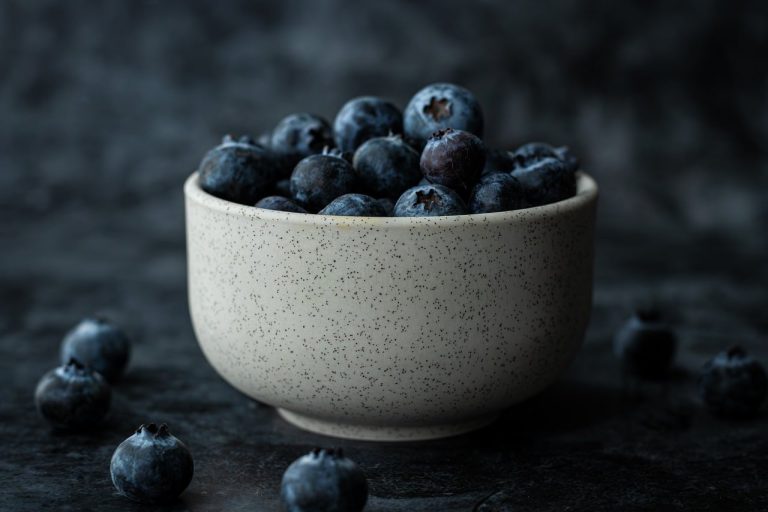
Try adding a handful of blueberries to breakfast, drizzling olive oil over vegetables, or using turmeric and ginger in soups and marinades. These are not dramatic gestures. They are the kind of daily choices that quietly improve nutrition over time.
Healthy Fats That Support Satiety and Absorption
Some vitamins need fat to be absorbed properly, and the gut often benefits when meals include moderate amounts of healthy fats. Organic avocados, chia seeds, walnuts, almonds, olive oil, and flaxseed are excellent choices. They can also help stabilize appetite, which matters if you are trying to reduce sugar-driven snacking.
A diet that is too low in fat can feel unsatisfying and may push you toward constant grazing. By contrast, a balanced plate with vegetables, protein, and healthy fat can keep you calmer and more focused between meals.
Clean Eating Habits That Make Digestion Easier
Choosing the right foods is important, but the way you eat them matters too. Digestion is influenced by meal timing, hydration, chewing, stress, and consistency. If you want your organic food plan to truly support gut health, think beyond the grocery list.
Eat Slower Than You Usually Do
Rushed eating is one of the most common yet overlooked causes of digestive discomfort. When food is eaten too quickly, the body has less time to signal fullness, and the digestive process begins in a more chaotic state. Slow down, chew thoroughly, and pay attention to flavor and texture. These simple habits support better digestion without requiring special supplements or complicated rules.
Ask yourself: when was the last time you ate a meal without checking your phone or watching a screen? Mindful eating is not just a wellness trend. It is a practical tool that can make clean eating feel more satisfying and less mechanical.
Stay Hydrated, But Be Smart About Timing
Water matters for the gut because it helps move food through the digestive tract and supports regular bowel movements. That said, gulping large amounts during a meal can sometimes feel uncomfortable for sensitive stomachs. A better approach is to stay hydrated throughout the day and sip gently with meals rather than overloading your system all at once.
Herbal teas can also be part of a detox diet or digestive support plan. Ginger, peppermint, and fennel teas are widely appreciated for their soothing qualities. If your mornings feel sluggish, a warm cup of herbal tea before breakfast can be a comforting ritual that sets a calmer tone for the day.
Keep Meal Timing Predictable
The digestive system likes rhythm. When meals happen at wildly different times every day, digestion can feel less predictable too. That does not mean you need a rigid schedule, but it does help to establish a loose structure. For example, breakfast within an hour or two of waking, lunch around midday, and dinner at a regular evening time can make a noticeable difference.
Predictable timing is also useful if your goal is weight loss. Consistency can reduce impulsive snacking and create a more stable appetite pattern. A healthy lifestyle often begins with routine, not restriction.
Do Not Ignore Stress
The gut and the nervous system are closely connected. Stress can alter digestion, appetite, and even the way the body responds to food. That is why a clean eating plan works best when it is paired with habits that calm the mind. Breathing exercises, light walking, journaling, stretching, and quality sleep can all support digestive health in ways that food alone cannot.
If you are eating organic food but living in a constant state of stress, your results may feel limited. Wellness is not only about ingredients; it is about the environment in which those ingredients are used.
A Sample Organic Day for Gut Health
If you are wondering how this looks in real life, here is a simple day of eating that blends organic food, clean eating, and digestive support without feeling restrictive. The goal is to build meals that feel nourishing, realistic, and satisfying.
Breakfast
- Organic Greek yogurt with blueberries, chia seeds, and a spoonful of ground flaxseed
- Warm herbal tea or water with lemon
This type of breakfast delivers protein, probiotics, fiber, and antioxidants in one meal. It is a strong choice if you want steady energy rather than a sugar crash by mid-morning.
Lunch
- Large salad with organic greens, cucumber, carrots, avocado, pumpkin seeds, and grilled chicken or tofu
- Olive oil and lemon dressing
- Small serving of sauerkraut on the side
This lunch supports digestion with fiber and healthy fats while keeping the meal light enough to avoid that heavy afternoon slump. It is also a good example of how a detox diet can be practical rather than extreme.
Snack
- Organic apple slices with almond butter
- Or a small kefir smoothie with cinnamon
When snacks include both fiber and fat, they are more likely to keep you satisfied. That can help reduce mindless grazing and make weight loss feel less effortful.
Dinner
- Baked salmon or tempeh
- Roasted organic vegetables such as zucchini, broccoli, and sweet potato
- Small serving of brown rice or quinoa
A balanced dinner like this supports repair, replenishes energy, and gives your digestive system a gentle end to the day. [IMAGE: fitness lifestyle]
Organic Foods and Weight Loss: Why the Connection Makes Sense
Many people look for a weight loss plan that feels sustainable rather than punishing. That is one reason organic food and clean eating can be such a useful combination. When meals are based on whole ingredients, the body often responds with better satiety, fewer cravings, and more stable energy. Those factors matter more than chasing a single low-calorie trick.
Organic produce, whole grains, legumes, and clean protein sources tend to be naturally filling. They also make it easier to build balanced plates instead of chaotic snacking patterns. If you have ever tried to lose weight while relying on highly processed foods, you already know how difficult that can be. Hunger returns quickly, cravings intensify, and the plan becomes emotionally exhausting.
By contrast, a gut-friendly organic diet can make weight management feel more like a side effect of good habits than a constant struggle. Better digestion may help the body regulate hunger signals more effectively, and more fiber can help you feel satisfied with less volume over time. That is why the connection between gut health and weight loss is so important. It is not just about calories; it is about how food behaves inside your body.
Why Satiety Matters More Than Extreme Restriction
Strict diets often fail because they ignore human appetite. If your meals are not satisfying, your body will eventually push back. Organic foods that are high in fiber, water, and nutrients help you work with your appetite rather than against it. That is a far more realistic path to long-term weight loss.
Ask yourself whether your current meals leave you calmly satisfied or constantly looking for the next snack. The answer often reveals more than any scale ever could.
Foods and Habits That Can Throw Gut Health Off Balance
Knowing what to emphasize is useful, but it is just as important to understand what can interfere with digestive balance. You do not need to be perfect, but awareness helps you make smarter choices most of the time.
- Highly processed snacks with long ingredient lists
- Excess added sugar
- Frequent sugary drinks
- Too much alcohol
- Artificial sweeteners that may upset sensitive digestion
- Skipping meals and then overeating late at night
- Not drinking enough water
- Eating in a constant rush or under stress
None of these habits will ruin your health overnight, but repeated exposure can make your gut feel less cooperative. A clean eating strategy works best when it is built around crowding out the things that do not serve you, not obsessing over every bite.
How to Shop for Organic Foods Without Getting Overwhelmed
Shopping for organic food can feel intimidating at first, especially if you are trying to manage a budget. The good news is that you do not need to buy every item organic immediately. A smart strategy is to prioritize the foods you eat most often and the produce you usually consume with the skin on.
Instead of trying to overhaul your entire pantry in one trip, start with a few categories. That approach is more affordable, more sustainable, and easier to maintain alongside a busy healthy lifestyle.
What to Prioritize First
- Leafy greens and salad vegetables
- Berries
- Apples and pears
- Dairy or yogurt if you consume them
- Eggs
- Oats, flax, and seeds
- Fermented staples such as kefir or sauerkraut
If your budget allows, build outward from there. Frozen organic vegetables can also be a smart choice because they are convenient, often more affordable, and still support clean eating with minimal prep.
How to Read Labels With More Confidence
Not all products that look healthy are actually helpful for digestion. Read labels carefully and pay attention to sugar content, fiber content, sodium, and the length of the ingredient list. A product marketed as healthy may still contain ingredients that do little for your gut or weight loss goals.
The best products often have short lists, recognizable ingredients, and a clear role in your meals. Ask yourself: would I be able to make this at home, or does it only exist in a package?
Meal Prep Ideas That Keep Gut-Friendly Eating Realistic
Consistency is easier when you have a plan. Meal prep does not have to be laborious or bland. It can be as simple as washing produce, roasting a tray of vegetables, cooking a grain, and preparing one or two protein sources in advance. That small amount of work can transform the way your week feels.
In the context of organic food and gut health, preparation is especially valuable because it helps you rely less on convenience foods that are often lower in fiber and higher in additives. If you are serious about clean eating, a little preparation goes a long way.
A Simple Weekly Prep Formula
- Wash and chop salad vegetables
- Roast two trays of organic vegetables
- Cook one grain such as quinoa, brown rice, or oats
- Prepare one protein such as chicken, tofu, eggs, or salmon
- Stock fermented foods like yogurt, kefir, or sauerkraut
- Make one simple dressing using olive oil, lemon, and herbs
With those basics in place, you can assemble breakfasts, lunches, and dinners without starting from zero each time. That makes clean eating more sustainable and reduces the temptation to skip meals or order takeout when you are tired.
Flavor Ideas That Support Digestion
A gut-friendly menu does not have to be bland. In fact, herbs and spices can make organic meals more enjoyable while contributing valuable plant compounds. Ginger, turmeric, cumin, fennel, peppermint, basil, parsley, and cinnamon all bring warmth and depth to simple recipes.
Flavor matters because food that tastes good is easier to repeat. A healthy lifestyle should feel appealing, not punitive.
Signs Your Gut-Friendly Routine Is Working
You do not need to wait months to notice changes. Many people begin to see improvements in digestion and energy within a short time after shifting toward more organic food and cleaner meals. The body often gives subtle clues that it appreciates the change.
- More regular bowel movements
- Less bloating after meals
- Improved energy between meals
- Fewer intense sugar cravings
- Less heaviness after eating
- Better satiety from balanced meals
- A greater sense of control around food choices
These signs do not appear perfectly every day, but they can offer helpful feedback. The goal is not perfection. The goal is progress you can actually feel.
When to Pay Attention More Closely
If your digestive symptoms are persistent or severe, food changes alone may not be enough. Ongoing pain, unexplained weight loss, frequent diarrhea or constipation, blood in the stool, or recurring discomfort should be evaluated by a qualified healthcare professional. Clean eating is powerful, but it should never replace medical guidance when something feels off.
Common Mistakes People Make With Organic Diets
There is a difference between eating organic food and eating in a way that truly supports gut health. Some people assume that if a product is organic, it is automatically ideal. That is not always true. Organic cookies are still cookies, and organic sweetened drinks are still sweetened drinks. The quality of ingredients matters, but so does the overall structure of the diet.
Another common mistake is forgetting fiber. A plate of organic protein without vegetables, seeds, or whole grains may be clean in one sense, but it may not be especially supportive for digestion. Your gut wants balance, not just purity.
- Choosing organic packaged treats too often
- Neglecting fermented foods and fiber-rich produce
- Drinking smoothies that contain too much sugar and too little protein
- Using a detox diet as an excuse for extreme restriction
- Expecting instant results after one healthy day
The best results come from a steady rhythm. Organic food works best when it is part of a realistic eating style that you can maintain during ordinary workdays, social events, and busy evenings. That is how nutrition becomes a lifestyle instead of a temporary fix.
Putting It All Together: A Gut-Healthy Mindset That Lasts
At its best, a gut-friendly organic diet does more than support digestion. It teaches you to pay attention to your body, simplify your meals, and choose foods that make you feel good now and later. That shift can influence every part of your healthy lifestyle, from how you plan your grocery list to how you approach weight loss and energy management.
You do not need a perfect pantry, a rigid schedule, or a complicated detox diet to begin. You need a few dependable habits: choose more organic vegetables, include fermented foods, eat enough fiber, keep meals balanced, and pay attention to how your body responds. When those pieces come together, clean eating becomes less of a challenge and more of a pattern that supports you automatically.
The most effective nutrition strategy is usually the one you can repeat without resentment. If organic food helps you feel lighter, calmer, and more energized, it is doing its job. Keep building from there, and let your plate become a practical expression of the healthy lifestyle you want to maintain. If you are ready to keep exploring smarter ways to eat well, stay curious and read more of our articles for fresh ideas that make wellness feel both elevated and achievable.
About the Author