

Photo by Daniel on Unsplash
When people think about improving digestion, they often focus on one quick fix at a time: a probiotic capsule, a short detox diet, or cutting out one ingredient they believe is causing trouble. In reality, gut health is usually shaped by the daily pattern of what you eat, how you eat, and how consistently you support your body with nutrient-rich food. That is where organic food can make a meaningful difference. A diet built around fresh produce, whole grains, fermented foods, and simple recipes is not only easier on digestion, but it can also support energy, reduce bloating, and create a healthier relationship with food.
For many people, the path to better digestion starts with clean eating. But what does that actually look like in a real life routine? Is it possible to enjoy a healthy diet that feels satisfying, practical, and realistic for busy days? The answer is yes. By focusing on organic ingredients, smart food combinations, and habits that calm the digestive system, you can build a healthy lifestyle that supports gut balance without feeling restrictive or complicated.
This guide explores how organic food can support gut health, which foods are worth prioritizing, and how to create a daily routine that helps your body feel lighter, more energized, and more comfortable. Whether your goal is better digestion, sustainable weight loss, or simply a cleaner way of eating, this article will help you connect the dots between nutrition and everyday wellness.
Why Gut Health Should Be the Starting Point of a Healthy Diet
Your digestive system does much more than break down food. It helps absorb nutrients, supports immune function, influences inflammation, and even affects mood and energy. When your gut is working well, you usually feel it: meals sit comfortably, energy stays steady, cravings are easier to manage, and your body feels less reactive. When digestion is off, the signals can be harder to ignore. Bloating, irregularity, sluggishness, skin flare-ups, and low energy often start showing up together.
That is why a healthy diet should not be built only around calories or trends. Nutrition needs to work with your body, not against it. Organic food can be especially helpful because it often comes from a cleaner supply chain and is typically less exposed to synthetic pesticides and heavily processed additives. While organic food is not a magic cure, it can be part of a more mindful, gut-supportive approach to eating.
Ask yourself: when was the last time a meal made you feel truly nourished, not just full? That difference matters. A meal that supports your gut is usually rich in fiber, balanced in protein, lower in unnecessary additives, and prepared in a way that your body can easily recognize and use.
What the gut microbiome actually does
Your gut microbiome is the community of bacteria, fungi, and other microbes living in your digestive tract. Some of these microbes help break down fiber, some support immune signaling, and others contribute to the production of compounds that keep the gut lining healthy. A diverse microbiome is generally a sign of resilience, and dietary variety is one of the best ways to support it.
That is where clean eating becomes powerful. The more your meals are built around whole, natural ingredients, the more likely you are to feed beneficial bacteria with the fiber and plant compounds they need. Organic food can support this pattern because it often encourages a shift away from highly processed convenience foods and toward fresher produce, legumes, grains, and herbs.
Why organic ingredients can be easier to trust
Choosing organic food is often about more than personal preference. Many people want to reduce exposure to synthetic pesticides and additives, and they like knowing their fruits and vegetables were grown with stricter farming standards. For gut health, this sense of simplicity can matter. When you know your ingredients are clean and minimally processed, it becomes easier to build meals that support digestion without guessing what is hiding in the package.
Organic produce also tends to be chosen more intentionally. That often means more cooking at home, more color on the plate, and more nutrient density in the overall routine. Those small decisions can help create a healthy lifestyle that feels consistent rather than forced.
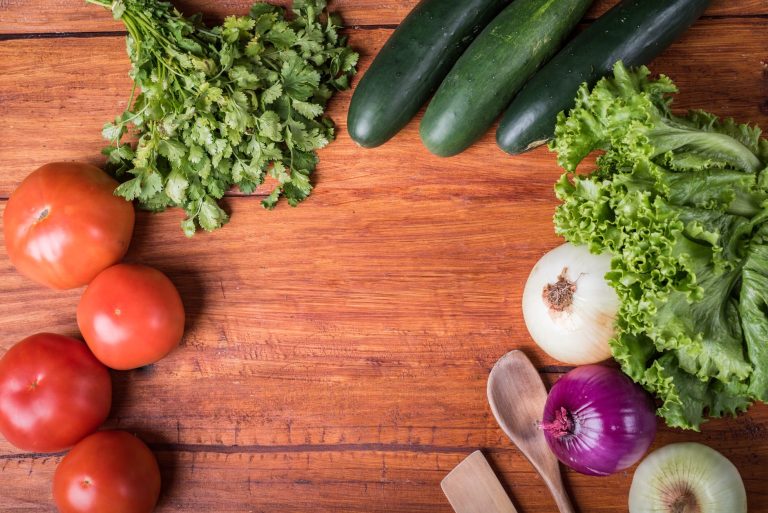
[IMAGE: organic vegetables]
The Best Organic Foods for a Gut-Friendly Clean Eating Plan
Not all organic foods play the same role in digestion. Some are especially helpful because they feed beneficial bacteria, add bulk to stool, reduce inflammation, or make meals easier to digest. If your goal is better gut health, the smartest approach is to build a rotation of foods that work together instead of chasing one miracle ingredient.
Think in layers: fiber for regularity, fermented foods for microbial support, antioxidants for inflammation balance, and healthy fats for satisfaction. This is how a healthy diet becomes sustainable. It is not about perfection. It is about giving your digestive system the tools it needs every day.
Leafy greens and cruciferous vegetables
Organic spinach, kale, arugula, Swiss chard, broccoli, Brussels sprouts, cabbage, and cauliflower should be regular guests on a gut-friendly plate. These vegetables are rich in fiber and plant compounds that support digestion while also feeding beneficial microbes. They are also versatile, which makes clean eating much easier to maintain.
Try them lightly sautéed in olive oil, blended into soups, folded into omelets, or tossed raw into salads. If raw vegetables feel too heavy at first, start with cooked versions. The goal is not to force a dramatic change overnight. The goal is to create meals your body actually enjoys.
Fermented foods with live cultures
Fermented foods are one of the most valuable additions to a gut-supportive organic food plan. Organic yogurt, kefir, sauerkraut, kimchi, miso, and tempeh all offer different benefits depending on how they are made and tolerated. These foods can introduce live cultures and help diversify the microbial environment in your digestive tract.
Start small if you are new to fermented foods. A spoonful of sauerkraut or a small serving of kefir is often enough in the beginning. Too much too fast can cause discomfort in sensitive people, so the smartest strategy is gradual exposure. Could a simple side of fermented vegetables become a daily habit? Absolutely.
Prebiotic-rich fruits and vegetables
Prebiotics are the food source that feeds beneficial bacteria. Without them, even the best probiotic-rich foods cannot do as much. Organic bananas, apples, onions, garlic, asparagus, leeks, oats, and slightly green bananas are excellent choices. These ingredients help create the environment good bacteria need to thrive.
One of the easiest ways to use prebiotic foods is to pair them with breakfast and lunch. Add sliced banana to oats, sauté onions and garlic into soups, or include apples with nut butter for a balanced snack. These small choices can make a big difference over time.
Whole grains and seeds
Whole grains are an essential part of clean eating because they provide slow-release energy and digestive support. Organic oats, quinoa, brown rice, buckwheat, and whole grain sourdough can be easier on the digestive system than heavily refined alternatives. They add texture, satiety, and a steady stream of fiber.
Seeds also deserve attention. Chia seeds, flax seeds, hemp seeds, and pumpkin seeds contribute fiber, minerals, and healthy fats that support a balanced gut environment. A spoonful of ground flax in oatmeal or chia in yogurt is a simple upgrade that improves both nutrition and texture.
Lean organic proteins
Protein matters for gut health because it helps stabilize appetite and supports tissue repair. When your meals are too low in protein, cravings can rise, and digestion may feel less steady because you are reaching for quick energy more often. Organic eggs, organic poultry, tofu, tempeh, lentils, chickpeas, and beans are excellent options.
Some people also include wild fish as part of a gut-friendly eating pattern because omega-3 fats may help support a healthy inflammatory response. The key is balance. A meal built around organic protein, cooked vegetables, and a satisfying starch can keep blood sugar steadier and make weight loss feel less like a struggle.
Healthy fats that calm inflammation
Healthy fats help meals feel satisfying, and that matters for digestion. Avocado, extra virgin olive oil, walnuts, chia seeds, flax seeds, and almonds can all support satiety while contributing anti-inflammatory nutrients. When eaten in sensible portions, these foods help a healthy diet feel more complete.
Fat is also useful for absorbing fat-soluble vitamins from vegetables. A salad with olive oil, pumpkin seeds, and avocado is more than a trendy plate. It is a practical nutrition strategy that helps the body use what you eat more effectively.
Foods and Habits That Can Sabotage Digestion
Gut health is not only about what you add. It is also about what you reduce. Some habits quietly disrupt digestion every day, even when the overall diet appears healthy on the surface. The point is not to create fear around food. The point is to notice what consistently leaves you feeling bloated, tired, or uncomfortable.
Have you ever eaten something that looked convenient but left your stomach heavy for hours? That reaction is worth paying attention to. Your body often gives clear feedback if you are willing to listen.
Ultra-processed foods
Ultra-processed foods tend to be low in fiber and high in refined starches, added sugar, seed oils, and emulsifiers. They can crowd out nutrient-dense organic food and make it harder to recognize true hunger and fullness. When these foods become the base of the diet, the gut microbiome often has less to work with.
This does not mean every packaged food is harmful. It means the foundation of your meals should come from real ingredients. A healthy diet is built from foods that still look like food.
Too much sugar and too many sweet drinks
Excess sugar can disrupt blood sugar balance, increase cravings, and sometimes contribute to digestive discomfort. Sweet drinks are especially tricky because they can deliver a lot of sugar without making you feel satisfied. Over time, this pattern can work against both weight loss and gut balance.
If you enjoy sweetness, try shifting toward fruit, cinnamon, vanilla, or unsweetened yogurt with berries. These options feel more nourishing while still offering flavor and comfort.
Rushed meals and distracted eating
Digestion starts in the mouth, not the stomach. Chewing well, eating more slowly, and giving your body time to register fullness can improve comfort and reduce bloating. In a busy world, many people eat while scrolling, driving, or working. That habit makes it easier to miss fullness cues and harder for the digestive system to catch up.
Try one simple rule: one meal a day without a screen. Just that one habit can improve awareness, reduce overeating, and make clean eating feel more mindful.
Alcohol, excess caffeine, and poor sleep
Alcohol and too much caffeine can both irritate the gut in some people, especially when sleep is lacking. Poor sleep itself can affect digestion, cravings, and stress hormones. The lesson here is clear: gut health is not only a food issue. It is part of a broader healthy lifestyle.
If your digestion feels off, ask whether the issue is really the last meal or the last week of stress, sleep loss, and irregular routines. Often it is a combination.
[IMAGE: healthy meal]
How to Build a Gut-Friendly Organic Plate Every Day
The easiest way to make a healthy diet sustainable is to use a simple formula. Instead of overthinking every meal, build each plate around a few core elements: fiber-rich plants, a quality protein source, a healthy fat, and if needed, a steadying carbohydrate. This keeps nutrition balanced and lowers the chance of late-day cravings.
A good plate should leave you nourished, not overly stuffed. It should support your energy, not drain it. When meals are built this way, weight loss often becomes more natural because your body is not fighting you after every meal.
Breakfast ideas that support digestion
Breakfast is a great place to add organic food that feeds the gut without overwhelming it. If you wake up hungry, choose a meal that includes fiber, protein, and gentle fats.
- Organic oats cooked with chia seeds, cinnamon, walnuts, and berries
- Plain organic yogurt with flax, sliced banana, and a handful of pumpkin seeds
- Vegetable omelet with spinach, mushrooms, and avocado
- Green smoothie with organic kale, pear, ginger, yogurt, and a spoon of hemp seeds
These meals support steady energy and help prevent the blood sugar spikes that can lead to mid-morning crashes. Which breakfast would your body feel best with right now?
Lunch ideas that keep the gut calm
Lunch should be satisfying enough to carry you through the afternoon without leaving you sleepy. Aim for a mix of colors, textures, and flavors so your meal feels complete.
- Big salad with organic greens, quinoa, roasted vegetables, chickpeas, and olive oil dressing
- Brown rice bowl with tempeh, cabbage, carrots, cucumber, and sesame seeds
- Soup made with lentils, onion, garlic, celery, carrots, and herbs
- Turkey or tofu lettuce wraps with avocado and fermented vegetables on the side
A lunch like this supports digestion while also keeping your appetite stable. That stability matters if your goal includes sustainable weight loss rather than short-term restriction.
Dinner ideas that promote restful digestion
Dinner should feel comforting without being heavy. The best evening meals are usually simple, warm, and easy to digest.
- Roasted salmon or tofu with broccoli, carrots, and sweet potato
- Stir-fry with organic vegetables, ginger, garlic, and brown rice
- Vegetable stew with beans, herbs, and olive oil
- Baked chicken with cauliflower mash and a side of sauerkraut
Keeping dinner balanced can help reduce nighttime snacking and improve sleep quality. Both of those outcomes are helpful for gut health and body composition.
Snacks that support clean eating
Snacking is not a problem when it is intentional. The best snacks do not just fill a gap; they support nutrition and prevent energy crashes.
- Apple slices with almond butter
- Carrot sticks with hummus
- Kefir smoothie with berries
- Handful of walnuts and a kiwi
- Hard-boiled organic eggs with cucumber slices
When snacks are built with whole ingredients, they become part of a healthy lifestyle rather than a source of mindless eating.
A Simple Organic Food Day That Supports Gut Health
If you are wondering how all of this looks in real life, here is a straightforward example of a gut-friendly day. This is not meant to be perfect. It is meant to show how clean eating can feel practical and satisfying.
- Morning: Warm oats with chia, blueberries, walnuts, and cinnamon
- Mid-morning: Green tea and a pear
- Lunch: Quinoa salad with greens, chickpeas, roasted beets, cucumber, and olive oil dressing
- Afternoon: Organic yogurt with flax and berries
- Dinner: Baked salmon, broccoli, and sweet potato with a side of sauerkraut
This structure gives you fiber, protein, healthy fats, and fermented foods without making the day feel restrictive. It is also a good reminder that a healthy diet does not have to be expensive or complicated when the pantry is stocked well.
Lifestyle Habits That Strengthen the Gut Beyond Food
Food is the foundation, but other habits matter too. If you want better digestion, you need a routine that respects the way your body processes stress, movement, rest, and hydration. These habits often make the difference between knowing what to eat and actually feeling the benefits of eating well.
Many people are surprised to discover that the gut responds to lifestyle stress as strongly as it responds to ingredients. That is why a truly healthy lifestyle looks broader than the plate.
Hydration with intention
Water helps move food through the digestive system and supports regular bowel function. If you are not drinking enough, fiber may not work as well as it should. Start your day with water, and continue sipping throughout the day, especially if you are eating more vegetables, grains, and seeds.
Herbal teas can also be helpful. Ginger, peppermint, and fennel tea are often used to support digestion, although individual responses vary. The best option is the one that leaves you feeling calm and comfortable.
Movement after meals
You do not need an intense workout after every meal. Even a gentle walk can help support digestion, blood sugar balance, and overall comfort. This is one reason a fitness lifestyle and gut health go so well together. Movement does not have to be punishing to be useful.
Try a 10 to 15 minute walk after lunch or dinner. It is simple, realistic, and surprisingly effective.
Stress management and sleep
Stress can change the way the gut behaves. It may affect appetite, sensitivity, motility, and food choices. Sleep deprivation can do the same. If your digestion feels unpredictable, it is worth checking your stress load and sleep habits before blaming the food alone.
Practical steps include keeping a regular bedtime, reducing late-night screens, and building small pauses into the day. Your digestive system appreciates predictability more than perfection.
[IMAGE: fitness lifestyle]
Eating at a steady pace
Slowing down is not a luxury. It is a digestive tool. When you eat too quickly, you may swallow more air, miss fullness cues, and overload the stomach before it has time to register what is happening. Chewing thoroughly and setting the fork down between bites may sound basic, but basic habits often create the best results.
Try this at one meal today: take three full breaths before you begin eating. Notice how it changes the pace of the meal. Small rituals can shift your whole relationship with food.
How Better Digestion Supports Weight Loss and Energy
Gut health is not a shortcut to instant weight loss, but it can make weight management feel more natural. When digestion is more stable, cravings often become less intense, meals feel more satisfying, and energy remains steadier throughout the day. That makes it easier to choose foods that support your goals instead of reacting to fatigue or discomfort.
Many people discover that when they switch to organic food and cleaner meals, they are not just reducing calories. They are increasing nutrient density, which means the body gets more from each bite. That is a big difference. Would you rather be counting every bite or feeling nourished enough that overeating becomes less tempting?
Digestion also influences bloating and water retention. When food choices are balanced and regular, the body often feels lighter and less inflamed. This can be motivating, especially for people who have tried extreme detox diet plans and felt worse instead of better. A gentler path based on nutrition and consistency usually works better in the long run.
Signs your gut-friendly approach is working
- You feel fuller on smaller portions
- Cravings are less dramatic between meals
- Bloating happens less often or feels milder
- Your energy is more stable after eating
- Bowel movements become more regular
- You feel clearer mentally and less foggy after meals
These changes can happen gradually. The point is not to expect dramatic overnight transformation. The point is to notice that your body often responds when you give it better tools.
Common Mistakes People Make When Switching to Organic Clean Eating
Moving toward a healthier routine is exciting, but many people stumble in the same places. The good news is that these mistakes are easy to avoid once you know what to look for.
Buying organic but still relying on packaged convenience foods
Organic snacks can still be highly processed. A label that says organic does not automatically mean the food is supportive of gut health. Always check the bigger picture. Does the food contain fiber, protein, and ingredients you recognize? If not, it may not be doing much for your digestion.
Forgetting to eat enough fiber
Some people focus so heavily on protein that they forget the fiber that feeds the microbiome. Without enough vegetables, fruit, legumes, and whole grains, the gut does not have the fuel it needs to stay diverse and resilient. Fiber is not a side note. It is one of the foundations of nutrition.
Changing too much at once
If you suddenly switch from a low-fiber diet to a very high-fiber one, you may feel more bloated before you feel better. That does not mean the plan is wrong. It means your gut needs time to adapt. Increase fiber gradually, drink more water, and introduce fermented foods slowly.
Ignoring the budget
Clean eating needs to be sustainable, and sustainability includes finances. Organic food can be affordable when you focus on the most useful items first. Frozen organic vegetables, bulk oats, dried beans, and seasonal produce are often budget-friendly. Planning a few meals in advance can also save money and reduce waste.
Smart first purchases
If you are just starting, prioritize the foods you will use most often: leafy greens, berries, oats, eggs, yogurt, legumes, carrots, onions, garlic, olive oil, and seeds. This keeps your meals flexible while still supporting your healthy diet goals.
A Practical Grocery List for Gut Health
If you want your kitchen to support your goals automatically, stock it with foods that make good choices easier. A well-planned grocery list can save time, money, and mental energy during the week.
- Organic spinach, kale, arugula, broccoli, cauliflower, carrots, cabbage
- Apples, pears, blueberries, bananas, kiwi, lemons
- Organic oats, quinoa, brown rice, buckwheat, whole grain bread
- Organic yogurt, kefir, sauerkraut, kimchi, miso
- Chia seeds, flax seeds, pumpkin seeds, walnuts, almonds
- Organic eggs, tofu, tempeh, beans, lentils, chickpeas
- Olive oil, avocado, herbal teas, ginger, cinnamon, turmeric
With this list in your kitchen, it becomes much easier to create meals that support digestion without depending on processed shortcuts.
What a Gut-Friendly Detox Diet Really Looks Like
The word detox is often used in ways that confuse people. Your body already has natural detoxification systems in the liver, kidneys, and digestive tract. What many people actually need is not a harsh cleanse, but a supportive food pattern that reduces the burden on the system and provides the nutrients it needs to function well.
That is why a gentle detox diet built around organic food can be useful when done responsibly. Instead of starving the body, it focuses on hydration, fiber, antioxidants, and simple meals that are easy to digest. Think of it as a reset in habits, not a punishment.
Some of the best detox-supportive choices include leafy greens, citrus fruit, beets, cucumber, herbs, ginger, garlic, green tea, berries, and plenty of water. Combined with clean eating and regular movement, these foods may help you feel lighter and more energized without chasing extremes.
Why This Approach Works Long Term
The reason this style of eating works is that it fits real life. It does not require constant counting, severe restriction, or rigid rules. Instead, it gives you a structure that can adapt to your schedule, budget, and taste preferences. That flexibility is what makes a healthy lifestyle durable.
Over time, the body tends to respond to consistency. Digestive discomfort may ease, energy may stabilize, and weight loss may feel less forced because your meals are finally aligned with your needs. This is the deeper promise of clean eating: not just looking better for a short season, but feeling better in a way that supports the life you actually want to live.
If you are trying to improve your health through organic food, remember that the goal is not to be flawless. The goal is to eat in a way that supports your gut, your energy, and your confidence from one meal to the next. Start with the simplest upgrade you can maintain today, then build from there. If you want more practical ideas for organic food, clean eating, healthy diet planning, and weight loss support, keep exploring the latest articles on DietOrganic and use each one as a step toward a stronger, lighter, more balanced way of living.
About the Author