
If you have ever wondered why some people seem to lose weight, feel lighter, and enjoy more steady energy simply by changing how they eat, the answer often starts in the gut. Digestive health is not a trendy bonus of a healthy diet; it is the center of how your body processes nutrition, manages cravings, absorbs minerals, and even responds to stress. When your meals are built around organic food, clean eating becomes easier to sustain, and your body gets a better chance to work the way it was designed to work. Could a few smart food choices really make that much of a difference? In many cases, yes.
This guide explores how organic foods can support gut health while also helping with weight loss, better digestion, and a more balanced healthy lifestyle. Rather than chasing extreme rules or complicated detox diet promises, you will learn how to build meals that feel satisfying, nourish the microbiome, and support your natural energy throughout the day. The goal is not restriction. The goal is food that works with your body instead of against it.
Why Gut Health Matters More Than Most Diet Trends
The gut does far more than break down food. It helps determine how efficiently you use nutrients, how often you feel hungry, how stable your mood is, and how your immune system responds to everyday stress. Inside the digestive tract lives a community of bacteria known as the microbiome. When that community is balanced, digestion tends to feel smoother, bloating may decrease, and the body can better regulate appetite and inflammation. When it is out of balance, even a seemingly healthy diet can leave you tired, uncomfortable, or constantly craving sugar.
That is why organic food can play such a useful role. Fresh organic produce often becomes the foundation of cleaner meals, and cleaner meals usually mean fewer additives, fewer refined ingredients, and more real nutrition. If your current routine includes a lot of packaged food, heavy sauces, or snack foods disguised as health products, the shift to clean eating may feel dramatic at first. But gut health improves when meals become simpler, more colorful, and more nutrient-dense.
How the gut influences weight loss
People often think weight loss is only about calories, but digestion and metabolism are deeply connected. A healthier gut may help your body handle blood sugar more steadily, which can reduce the roller coaster of energy crashes and cravings. It can also improve how efficiently you break down protein, fiber, and healthy fats. That matters because these nutrients keep you full. When meals are balanced, you are less likely to overeat later, and your relationship with food becomes less reactive.
Ask yourself this: are you truly hungry, or are you dealing with bloating, fatigue, or a sugar dip that feels like hunger? The difference matters. Once you begin eating more organic food and less ultra-processed food, you may notice that your appetite becomes more predictable. That is one of the quietest but most powerful changes in any healthy lifestyle plan.
Signs your gut needs more support
Digestive issues do not always appear as obvious pain. Sometimes the signals are subtle. You may feel sluggish in the morning, experience frequent bloating after meals, or notice that your energy drops sharply after lunch. Skin flare-ups, irregular bowel movements, and intense cravings can also point to a gut that needs more support. None of these signs mean something is wrong beyond repair. They simply suggest that your current eating pattern may not be giving your digestive system enough of the right foods.
- Frequent bloating or heaviness after meals
- Irregular digestion or inconsistent bowel habits
- Cravings for sugar, refined flour, or salty snacks
- Low energy even after a full meal
- Feeling hungry soon after eating
- Skin changes that seem linked to diet
If several of these sound familiar, the answer is not a harsh cleanse or an impossible detox diet. It is usually a better daily pattern. That begins with food quality, consistency, and the kind of nutrition your gut can actually use.
The Organic Foods That Feed Your Microbiome Best
Not all organic food is automatically better for digestion, but some categories have a clear advantage when your goal is gut health. The best choices are usually foods that supply fiber, natural plant compounds, hydration, and beneficial bacteria. Think of these foods as fuel for both your digestive system and the trillions of microbes living inside it. The more variety you provide, the more resilient that ecosystem becomes.
Organic leafy greens and cruciferous vegetables
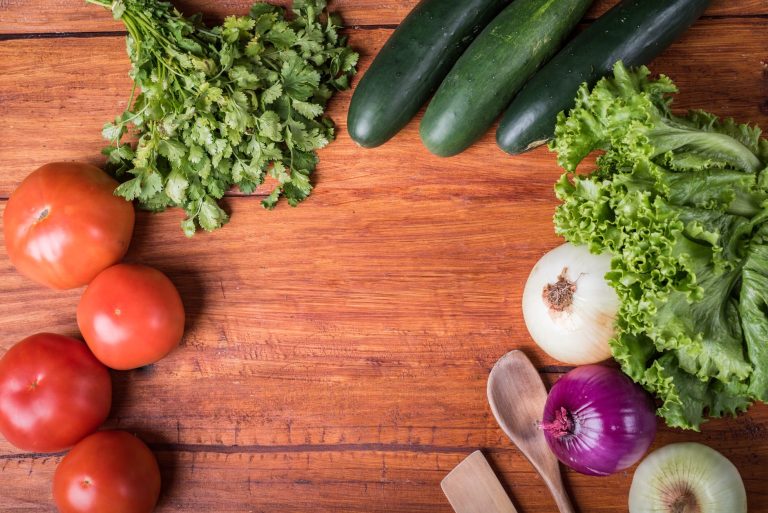
Leafy greens like spinach, kale, arugula, and Swiss chard are rich in fiber, magnesium, and protective plant compounds. Cruciferous vegetables such as broccoli, cauliflower, cabbage, and Brussels sprouts support the body in multiple ways, including digestion and natural elimination. When they are organic, you also reduce exposure to synthetic pesticides, which many people prefer when building a clean eating routine.
These vegetables are especially helpful because they can be added almost anywhere. Toss spinach into eggs, roast broccoli with olive oil, or build a salad around chopped kale and cucumber. If a vegetable tastes too bitter or plain on its own, think in terms of texture and balance. A little lemon, garlic, herbs, or avocado can turn a simple bowl into a meal you actually enjoy.
[IMAGE: organic vegetables]
Organic berries and lower-sugar fruits
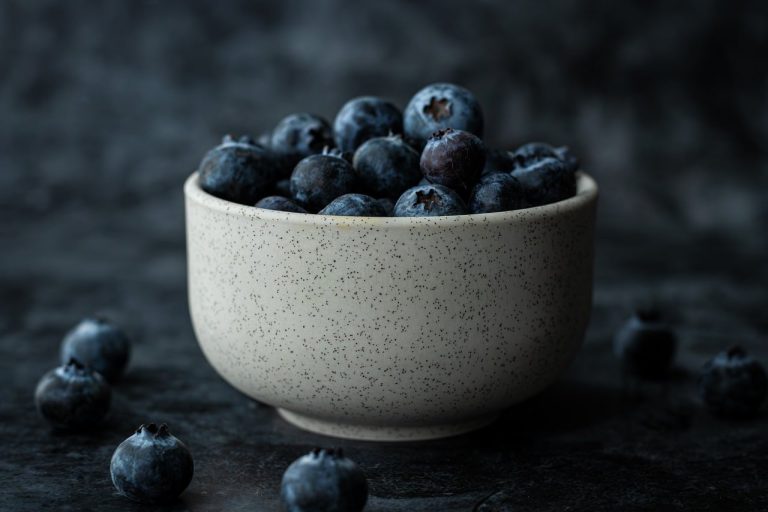
Berries are among the most gut-friendly fruits because they offer fiber and antioxidants without overwhelming your system with sugar. Blueberries, raspberries, strawberries, and blackberries are all excellent choices for a healthy diet focused on weight loss and steady energy. Apples, pears, and kiwi can also support digestion thanks to their fiber content and natural enzymes.
When you are trying to reduce bloating and support a more stable mood, fruit quality matters. Organic fruit can be a smart option if you eat it often, especially when you want to avoid unnecessary pesticide residue. Instead of reaching for fruit juice or sweetened yogurt, pair whole fruit with protein or fat. That small habit can make a big difference in satiety and blood sugar control.
Organic fermented foods
Fermented foods are some of the most valuable additions to a gut-friendly plan because they can introduce beneficial microorganisms while also supporting digestion. Organic yogurt, kefir, sauerkraut, kimchi, miso, and tempeh are all worth considering if they fit your preferences and tolerance. These foods bring depth and complexity to a clean eating approach, and they often help meals feel more satisfying without relying on heavy sauces or excess salt.
Not everyone tolerates fermented foods equally, and that is perfectly normal. Start small. A spoonful of sauerkraut beside lunch or a small serving of plain kefir at breakfast can be enough to gauge how your body responds. Are you feeling lighter and more energized, or does your stomach feel irritated? Gut health is personal, and the best plan is one you can sustain comfortably.
How to choose fermented foods wisely
Look for products with short ingredient lists, no added sugar, and live cultures when relevant. Organic options can be especially helpful if you want to keep your healthy lifestyle aligned with a cleaner pantry. Avoid turning fermented foods into a wellness performance. You do not need every trendy bottle or jar in the store. You need the versions that fit your digestion, taste good, and support consistency.
Organic legumes, oats, and resistant starches
Many people avoid starches when they think about weight loss, but the right carbohydrates can be a gift to your microbiome. Organic lentils, chickpeas, black beans, oats, and cooled potatoes or rice provide resistant starch and soluble fiber that feed beneficial gut bacteria. They also support fullness, which matters if you are trying to stay on track without constant snacking.
These foods are especially useful for anyone following a clean eating approach on a budget. A bowl of organic oats with berries, or a lentil salad with cucumber and herbs, can be more satisfying than a packaged bar that looks healthy but leaves you hungry an hour later. Real nutrition is often simpler than people expect.
How Organic Food Supports Natural Detox Diet Goals
The phrase detox diet is often misunderstood. Your body already has highly intelligent detoxification systems in the liver, kidneys, lungs, skin, and digestive tract. What healthy eating can do is support those systems so they function efficiently. Organic food can fit beautifully into that picture because it reduces the burden of ultra-processed ingredients while increasing the intake of water-rich produce, fiber, and antioxidants.
If you like the idea of a detox diet, think about it less as a crash cleanse and more as a daily pattern that makes elimination easier. Regular bowel movements, proper hydration, and a diet rich in vegetables all support natural detoxification. That does not require deprivation. It requires better choices repeated over time.
The liver, the gut, and the food you choose
The liver processes many of the compounds your body needs to handle every day, from metabolism byproducts to environmental exposures. The gut then plays its part by helping to eliminate what the body no longer needs. Fiber is crucial here because it binds with waste products and helps move them out efficiently. Without enough fiber, digestion can slow down, and you may feel heavier, more sluggish, or more bloated than usual.
Organic vegetables, fruits, seeds, and legumes make this process smoother. They bring bulk, hydration, and nutrients that help the digestive system stay active. If your current meals are low in plants, increasing fiber gradually can improve how light and energetic you feel. The key word is gradually. A sudden jump from low-fiber eating to huge salads at every meal may backfire and leave you uncomfortable.
Foods that help the body do its job
Rather than forcing a cleanse, choose foods that reduce digestive stress. Cucumber, zucchini, celery, beets, asparagus, lemon, parsley, apples, chia seeds, flaxseeds, and leafy greens can all be part of a gentle, supportive routine. Combine them with enough protein and healthy fats so your meals feel grounded rather than extreme. The best detox diet is often the one that looks like balanced clean eating.
- Hydrating produce such as cucumber, celery, and melon
- Fiber-rich vegetables like broccoli, kale, and carrots
- Seeds such as chia and flax for regularity
- Clean proteins like eggs, fish, tofu, and plain yogurt
- Herbs and citrus for flavor without excess sodium
When meals are built this way, your body can focus on function instead of fighting against heavy, highly refined foods. That is what makes the approach feel restorative rather than restrictive.
Building a Clean Eating Plate That Supports Digestion
One reason people struggle with healthy eating is that they try to follow too many rules at once. You do not need perfection; you need a repeatable structure. A simple plate model can help you build meals that support digestion, weight loss, and satiety without requiring constant decision-making. This is especially useful when you are busy and need your healthy lifestyle to feel practical.
The ideal balance for most meals
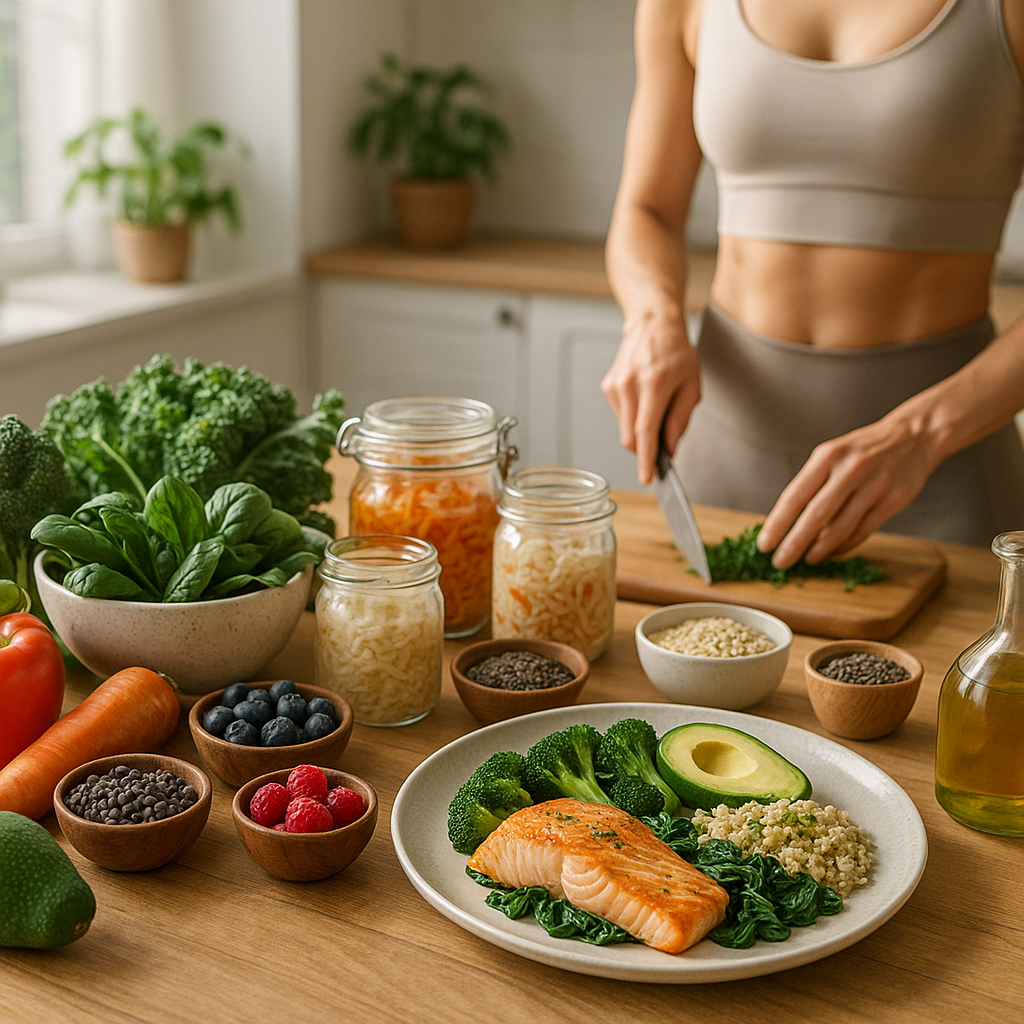
Start with plenty of vegetables, add a moderate portion of protein, include a source of healthy fat, and choose a smart carbohydrate if needed. This structure helps stabilize blood sugar and keeps digestion comfortable. It also makes it easier to avoid the common pattern of eating lightly during the day and then overeating at night.
For example, a lunch of organic greens, grilled salmon, quinoa, avocado, and pumpkin seeds offers fiber, protein, and healthy fat in one meal. A dinner of roasted vegetables, lentils, and olive oil can do something similar. Clean eating does not have to be boring. It simply needs to be intentional.
What to do if your digestion is sensitive
If you often feel bloated, especially after raw salads or large portions, try shifting some vegetables to cooked form. Steamed zucchini, roasted carrots, sautéed spinach, and soups can be easier to digest than very cold or very fibrous meals. You can also pay attention to how much fat you use. Healthy fats are beneficial, but too much at once may feel heavy for some people.
Ask yourself a useful question: does this meal leave me energized, or does it leave me bloated and tired? Your body will usually tell you which direction to adjust. That kind of awareness is one of the most underrated tools in nutrition.
[IMAGE: healthy meal]
Helpful meal-building tips
- Choose one or two vegetables at every meal
- Include a protein source to support fullness
- Use herbs, lemon, vinegar, and spices for flavor
- Keep portions of refined carbs small or occasional
- Drink water consistently instead of waiting until you are thirsty
- Eat slowly enough to notice when you feel satisfied
The beauty of this approach is that it makes healthy eating flexible. You do not need to obsess over macros or count every bite. You simply need to build meals that are kind to your digestive system and supportive of your goals.
A One-Day Organic Gut-Friendly Menu
Sometimes the easiest way to understand a concept is to see it in action. Below is a sample day of eating that blends organic food, clean eating principles, and gentle support for digestion. This is not a rigid plan, just an example of how balanced nutrition can look in real life.
Breakfast
Organic plain yogurt topped with blueberries, chia seeds, and crushed walnuts, plus a side of cooked oats with cinnamon. This breakfast offers protein, fiber, and healthy fats while staying relatively gentle on the stomach. If dairy does not suit you, swap in an unsweetened plant-based yogurt with live cultures.
Lunch
A large salad bowl with organic spinach, cucumber, shredded carrots, grilled chicken or tofu, avocado, pumpkin seeds, and olive oil with lemon. Add a small serving of quinoa or chickpeas if you need more staying power. This meal supports satiety and keeps the flavor bright and simple.
Snack
An apple with almond butter, or a small serving of sauerkraut with rice crackers and hummus. This is the moment when many people reach for processed snacks, but a more thoughtful option can protect energy and reduce afternoon cravings. Would you rather be energized or stuck in a snack cycle?
Dinner
Roasted organic vegetables such as broccoli, zucchini, and carrots served with baked salmon, lentils, or tempeh. Finish with a drizzle of olive oil and fresh herbs. The result is deeply satisfying without being overly heavy.
Evening habit
Warm herbal tea and a pause before bedtime. Good digestion often depends on the hours outside the kitchen as much as the food itself. Sleep, hydration, and stress relief all shape how your body processes the day.
Common Clean Eating Mistakes That Can Slow Progress
Many people start with the right intentions but accidentally make their gut health worse. The problem is rarely the idea of healthy eating; it is usually the way the plan is executed. Some of the most common mistakes are surprisingly easy to avoid once you know what to look for.
Overdoing sugar, even in
About the Author