
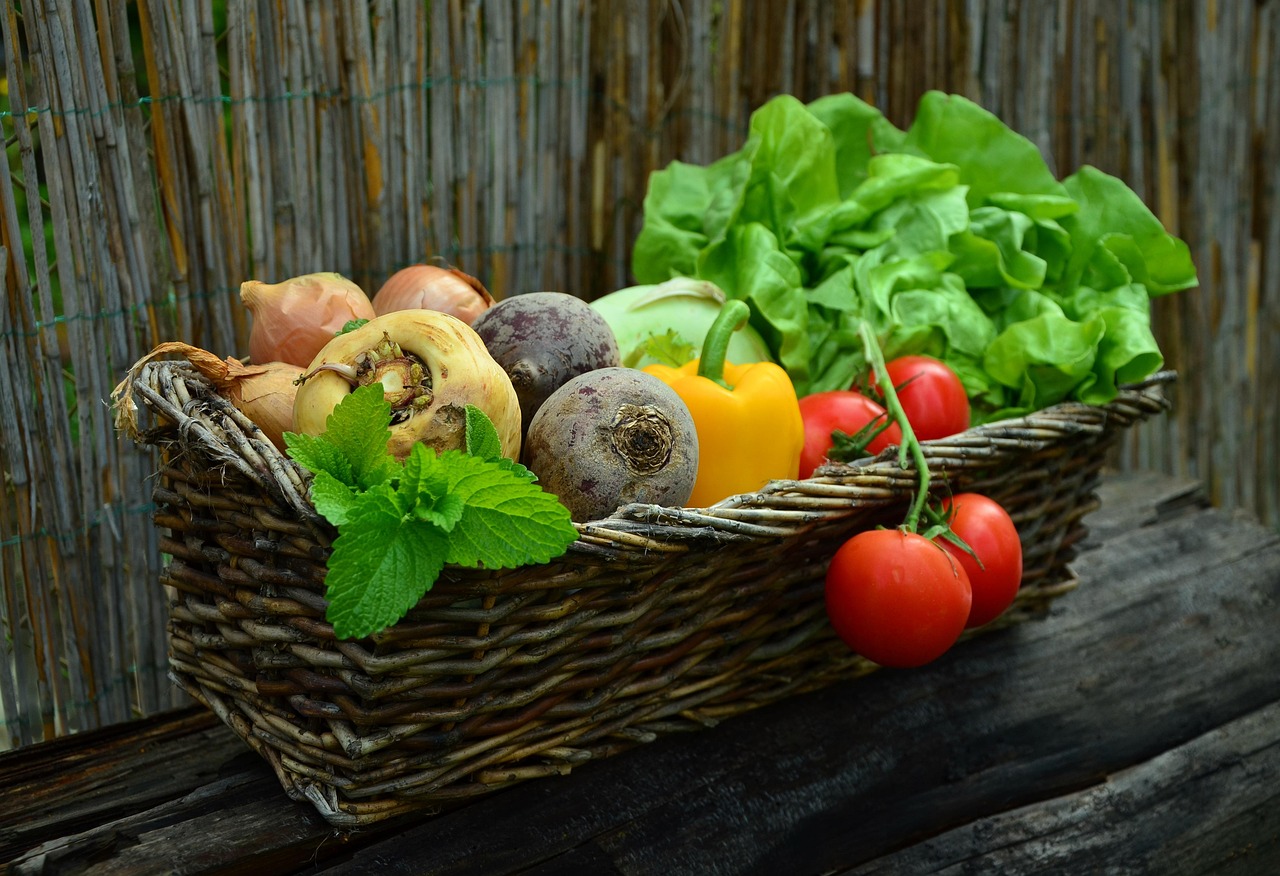
Photo by congerdesign on Pixabay
Your gut does far more than process what you eat. It helps shape your energy, appetite, mood, immunity, and even the way your body stores or burns fuel. That is why so many people who start paying closer attention to organic food, clean eating, and daily nutrition notice changes that go well beyond digestion. When your meals are built around whole, organic ingredients, you are not just feeding yourself well for one afternoon; you are creating a friendlier environment inside your body for long-term health, easier weight loss, and a calmer relationship with food.
If you have ever wondered why some diets feel restrictive and others feel naturally sustainable, the answer often begins in the gut. The best organic foods for gut health are not complicated or trendy. They are familiar foods prepared with more intention: crisp vegetables, fiber-rich fruit, fermented staples, whole grains, legumes, herbs, seeds, and plenty of water-rich produce. Together, these foods can support a cleaner digestive rhythm, reduce the feeling of heaviness after meals, and help you build a healthy lifestyle that feels rewarding instead of punishing. What if a better digestion plan did not require extreme rules at all?
Why Gut Health Shapes the Way You Feel and Look
The digestive system is home to trillions of microbes that influence how your body breaks down food, absorbs nutrients, and manages inflammation. When the gut is balanced, meals tend to feel lighter, energy becomes more stable, and cravings are often easier to understand. When the gut is irritated or overloaded, even healthy meals can feel uncomfortable. Bloating, sluggishness, irregular bowel movements, brain fog, and sugar cravings are all common signs that your digestive system may need more support. That is why a gut-friendly approach is such a powerful foundation for clean eating and weight loss.
There is also a visible side to gut health that many people overlook. Clearer skin, better hydration, steadier energy, and improved posture can all be indirect results of eating in a way that supports digestion. A balanced gut helps your body use nutrients more efficiently, which means the vitamins, minerals, and antioxidants in organic food can do their job more effectively. When your body is nourished instead of stressed, healthy choices start to feel easier. You may find yourself asking a useful question at mealtime: is this food helping me feel better after I eat it, or just full in the moment?
How Organic Food Supports a Healthier Microbiome
Organic food can be especially useful in a gut health plan because it tends to emphasize whole ingredients and limit unnecessary exposure to synthetic pesticides, antibiotics, and heavily processed additives. While no single food can transform your microbiome overnight, the pattern matters. Organic fruits, vegetables, grains, and proteins often fit more naturally into a clean eating routine because they encourage simpler ingredient lists and more nutrient-dense plates. That simplicity can make a real difference when your goal is better digestion, less inflammation, and a smoother path toward weight loss.
Fewer additives, fewer interruptions
Many packaged foods rely on emulsifiers, artificial flavors, excess sugar, and refined oils to create texture and taste. These ingredients are not inherently the villain in every situation, but frequent exposure can make it harder to maintain a calm digestive rhythm. Choosing organic food often pushes your plate in a cleaner direction because you are more likely to cook from scratch and choose recognizable ingredients. When your food looks like food, rather than a list of additives, your gut usually has less to contend with.
Fresh produce, stronger nutrition
Organic produce is often selected because people want the richest possible flavor and the most dependable ingredient profile. Whether or not the nutrient differences are dramatic in every case, fresh organic vegetables and fruits still offer one big advantage: they make it easier to eat more plants. That matters because plant diversity feeds a diverse microbiome. A wider range of fibers and polyphenols can help nourish beneficial bacteria, support regularity, and strengthen your clean eating routine. In other words, the best organic diet is often the one you can enjoy consistently.
The Best Organic Foods for Gut Health
When people think of gut-friendly food, they often focus on yogurt or supplements. Those can help, but a more complete approach comes from building meals around several categories of organic foods. The goal is not to obsess over one miracle ingredient. It is to give your digestive system the fiber, hydration, and natural compounds it needs to function smoothly. If your current meals feel flat, repetitive, or hard to digest, this is where a more thoughtful organic diet can make a noticeable difference.
Organic fermented foods
Fermented foods are famous for a reason. They bring beneficial bacteria and helpful compounds that can support microbial balance and digestive comfort. Organic yogurt, kefir, sauerkraut, kimchi, miso, and tempeh are all strong options if they fit your preferences and tolerance. Some people do best starting with small portions and slowly building up, especially if their system is sensitive. Why start small? Because the gut often responds better to steady consistency than to a sudden flood of anything new.
- Choose plain organic yogurt or kefir without added sugar.
- Add a forkful of sauerkraut or kimchi to lunches and dinners.
- Use miso in soups for a savory, nourishing boost.
- Try tempeh as a protein source in bowls and stir-fries.
Fermented foods are especially helpful when your goal is a gentle detox diet that does not feel extreme. Instead of forcing the body into a harsh reset, you are supporting natural elimination pathways with nourishment. That is a much more sustainable approach for a healthy lifestyle.
Organic fiber-rich fruits and vegetables
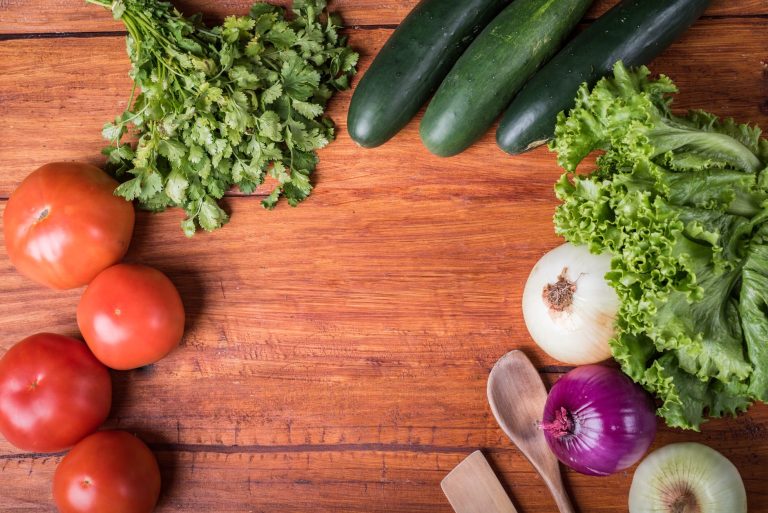
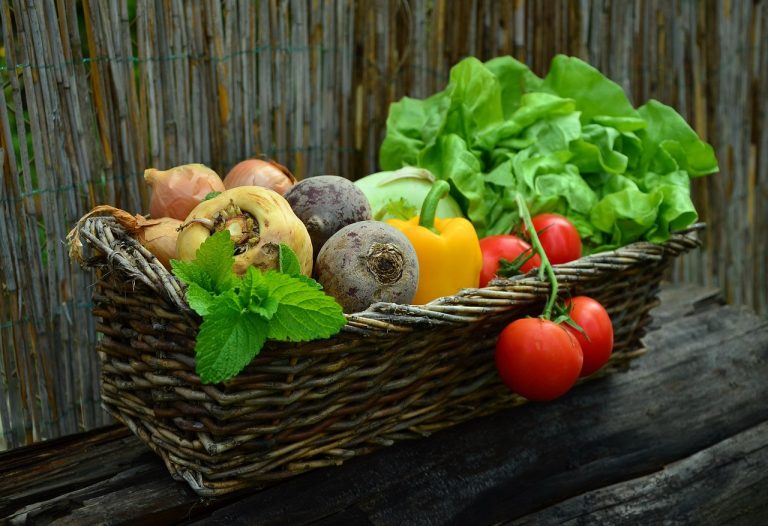
Fiber is the backbone of gut health. It helps move waste through the digestive tract, feeds beneficial bacteria, and can make meals more satisfying. Organic vegetables like broccoli, spinach, carrots, zucchini, beets, fennel, and leafy greens are especially useful because they can be eaten raw, roasted, steamed, or blended. Organic fruits such as berries, apples, pears, kiwi, and citrus add sweetness along with soluble fiber and antioxidants. These foods are also central to healthy weight loss because they help you feel fuller without relying on heavy calories.
[IMAGE: organic vegetables]
- Build one large salad or vegetable bowl every day.
- Keep berries, apples, and pears ready for quick snacks.
- Steam or roast vegetables to make them easier to digest.
- Mix leafy greens into smoothies for extra fiber and micronutrients.
The more colors you include, the better. Each color tends to bring a different combination of plant compounds, and your gut thrives on variety. If you want a practical clean eating shortcut, try to make half your plate vegetables at least once a day. That one habit alone can change the way digestion feels.
Organic whole grains and legumes
Whole grains and legumes are excellent sources of fiber, resistant starch, and slow-digesting carbohydrates. Organic oats, quinoa, brown rice, lentils, chickpeas, and black beans can help stabilize appetite and keep the digestive system moving. They also pair beautifully with vegetables and healthy fats, creating meals that are balanced rather than heavy. For anyone trying to lose weight while staying nourished, these foods offer something crucial: satisfaction. You are less likely to chase snacks all afternoon when lunch actually contains enough fiber and protein.
- Use organic oats for breakfast instead of refined cereal.
- Swap white rice for quinoa or brown rice in grain bowls.
- Add lentils to soups for a filling, gut-friendly boost.
- Blend chickpeas into hummus for a snack that supports clean eating.
Some people worry that legumes will always cause bloating. In reality, that reaction often improves when portions are introduced gradually, beans are rinsed well, and meals are balanced with herbs and vegetables. A thoughtful organic meal plan can make these foods easier to enjoy while still respecting your digestion.
Organic prebiotic foods
Prebiotics are the food source for beneficial gut bacteria. Without them, probiotic foods have less support. Organic garlic, onions, leeks, asparagus, bananas, and Jerusalem artichokes are all examples of prebiotic-rich foods that can nourish the microbiome from another angle. They may not sound glamorous, but they are the quiet workhorses of digestive health. A healthy gut often depends on these unsung ingredients more than on any expensive supplement.
- Add garlic and onions to soups, stews, and roasted vegetables.
- Use bananas in smoothies or oatmeal for natural sweetness.
- Try asparagus with salmon, eggs, or tofu for a balanced meal.
- Rotate prebiotic foods through the week to keep meals interesting.
If you are building a detox diet around organic food, prebiotics are essential. They help create the internal conditions that support regular elimination and better microbial diversity. The result is not a dramatic cleanse, but something more useful: steady, intelligent support for your body’s own systems.
Organic herbs, seeds, and hydrating foods
Fresh herbs and seeds may seem small, but they bring a lot to the table. Chia seeds, flaxseeds, pumpkin seeds, mint, ginger, parsley, and fennel can support digestion in practical ways. Seeds add fiber and healthy fats, while herbs contribute freshness and plant compounds that make meals feel lighter. Hydrating foods such as cucumber, celery, watermelon, citrus, and leafy greens also help digestion by supporting fluid balance. When you think about nutrition as a full system, these details begin to matter more.
- Stir chia or flax into yogurt, oatmeal, or smoothies.
- Finish salads with fresh herbs instead of heavy dressings.
- Drink cucumber- or mint-infused water throughout the day.
- Use ginger in teas, dressings, and stir-fries to add warmth and comfort.
These ingredients are useful because they make healthy eating feel livelier. Clean eating should not taste dull, and a gut-friendly plate does not need to be bland. The right herbs and seeds add texture, aroma, and depth while keeping your meal aligned with your wellness goals.
How a Gut-Friendly Organic Diet Can Support Weight Loss
Weight loss is rarely about willpower alone. More often, it is about creating a body environment where hunger is easier to interpret, blood sugar is more stable, and meals are satisfying enough that overeating becomes less tempting. Organic food can support that process because it naturally leans toward whole ingredients, more fiber, and fewer empty calories. If you have struggled with diets that leave you tired and obsessed with food, a gut-centered approach may feel refreshingly different.
Here is the key idea: when digestion improves, so does consistency. A calmer gut can mean less bloating, fewer cravings, and a more predictable appetite. That makes it easier to choose nutritious meals without feeling deprived. Instead of chasing rapid fixes, you build a way of eating that supports fat loss in the background. Have you noticed how some meals leave you satisfied for hours while others send you searching for snacks soon after? That difference often comes down to fiber, protein, and the quality of your ingredients.
- Choose meals with at least one source of fiber, protein, and healthy fat.
- Avoid skipping meals if it leads to later overeating.
- Keep portions balanced instead of relying on very low-calorie plates.
- Use organic food to make simple meals feel fresher and more enjoyable.
The best part is that this approach does not feel like punishment. You can still enjoy flavorful food, generous portions of vegetables, and satisfying meals that work with your body instead of against it. That is what makes clean eating more than a trend; it becomes a realistic lifestyle.
A Simple One-Day Clean Eating Plan with Organic Foods
You do not need an elaborate menu to support gut health. In fact, the simplest plans are often the easiest to maintain. The goal of this one-day example is to show how organic food, steady nutrition, and digestive comfort can fit into a normal routine. Think of it as a flexible template, not a rigid rulebook. If your schedule is busy, this kind of structure can be a powerful way to stay on track without feeling overwhelmed.
[IMAGE: healthy meal]
Breakfast
Start with organic oats cooked in water or unsweetened milk, then top them with blueberries, ground flaxseed, and a spoonful of plain organic yogurt. Add cinnamon for warmth and flavor. This meal delivers soluble fiber, protein, and slow energy, which makes it a strong foundation for a healthy morning. If you prefer savory breakfast, try organic eggs with spinach, tomatoes, and avocado on whole grain toast.
Lunch
Build a grain bowl with quinoa, roasted broccoli, carrots, chickpeas, leafy greens, olive oil, lemon, and a tablespoon of sauerkraut on the side. This lunch is balanced, colorful, and easy on digestion. It gives your gut multiple types of fiber while keeping energy steady. If you are working on weight loss, this is the kind of meal that supports fullness without the crash that often follows refined lunches.
Snack
Choose an apple with almond butter, a kiwi with pumpkin seeds, or cucumber slices with hummus. The point is not to snack endlessly; it is to choose something that actually supports your body between meals. Smart snacking can prevent the late-afternoon hunger spiral that leads many people off track.
Dinner
For dinner, try baked salmon or tofu with sweet potatoes, steamed asparagus, and a side salad of mixed greens, herbs, and olive oil. End the meal with a cup of peppermint or ginger tea if that feels good for your digestion. This is a calm, nourishing dinner that supports recovery, satiety, and gut comfort without being heavy before bed.
One useful habit is to prepare ingredients ahead of time so your best intention is not lost to convenience. Wash the greens, roast the vegetables, cook the grains, and store everything in clear containers. When healthy food is ready to eat, clean eating becomes much easier to maintain.
Smart Shopping and Storage Tips for Better Nutrition
Buying better ingredients is only part of the story. Storing them well and using them before they spoil matters just as much. Organic produce can be an investment, so it is worth planning your grocery trip with care. A good shopping routine reduces waste, keeps your fridge organized, and makes it easier to reach for nutritious foods when you are hungry. That practical side of nutrition is often overlooked, yet it plays a huge role in staying consistent.
- Shop with a list organized by meal type: breakfast, lunch, dinner, and snacks.
- Buy a mix of fresh and frozen organic vegetables so you always have backup options.
- Choose produce with versatile uses, such as greens, carrots, berries, and cucumbers.
- Store washed greens with a paper towel to help them stay crisp longer.
- Keep fermented foods at eye level in the fridge so you remember to use them.
It is also smart to remember that organic food does not have to be exotic or expensive to be effective. Cabbage, carrots, apples, oats, lentils, and onions are all affordable choices that can support gut health beautifully. The most powerful meal plans are often built from simple staples that are repeated with creativity, not from rare ingredients that show up once and disappear.
Organic Diet Mistakes That Can Slow Digestion
Even people with the best intentions can make choices that work against their digestive goals. The most common mistake is assuming that anything labeled organic is automatically healthy in every form. Organic cookies are still cookies. Organic soda is still soda. If weight loss and gut health are your priorities, the larger pattern matters more than the label alone. A truly supportive organic diet is built around whole ingredients, balanced meals, and portion awareness.
- Eating too much raw fiber too quickly instead of increasing it gradually.
- Skipping protein and healthy fats, which can leave meals unsatisfying.
- Relying too heavily on juice instead of whole fruits and vegetables.
- Ignoring hydration, even though water supports fiber movement and digestion.
- Using a detox diet as a short-term fix instead of a steady habit.
Another mistake is expecting a single food to solve everything. The gut responds to routine. A few organic salads will not erase months of stress, erratic eating, and poor sleep. But consistent support can make a real difference. The goal is to create a system that works most days, not a perfect menu that collapses under real life.
And yes, food timing can matter too. If you eat late at night, rush through meals, or stay underfed all day only to overeat at dinner, your digestion will feel it. Slowing down at mealtime, chewing properly, and eating in a calm setting can be surprisingly effective. Sometimes the most powerful nutrition strategy is not a new ingredient at all; it is a better rhythm.
Daily Habits That Make Results Stick
Gut health is not built in the kitchen alone. Sleep, movement, stress, and hydration all influence how your digestive system behaves. That is why the healthiest organic diet works best when it is part of a wider healthy lifestyle. A walk after meals, a calmer evening routine, and enough water throughout the day can all support better digestion. Small habits often outperform dramatic changes because they are easier to keep doing.
[IMAGE: fitness lifestyle]
Movement is especially helpful. You do not need extreme exercise to support digestion and weight loss. Even a brisk walk, gentle yoga, or a short strength session can help the body use food more efficiently. Think of fitness as part of your digestion strategy, not a separate category. What happens when you combine nourishing meals with regular movement, good sleep, and less stress? The results are usually more stable than people expect.
- Walk for 10 to 20 minutes after meals when possible.
- Keep a water bottle nearby so hydration becomes automatic.
- Make bedtime earlier and more consistent to support recovery.
- Practice slower, more mindful eating instead of eating on the go.
- Plan a weekly prep session so healthy food is easier to access.
The more repeatable your routine becomes, the less effort it takes to stay on track. This is where a thoughtful organic food approach shines. It is practical, flexible, and focused on long-term nutrition rather than temporary rules. When your habits support your body, your body tends to respond with more energy, better digestion, and a lighter feeling overall.
So if you are trying to improve gut health, lose weight in a sustainable way, or simply feel better after meals, begin with one plate, one shopping trip, and one small habit. Choose organic food that nourishes instead of distracts, build your meals around fiber and balance, and let clean eating become something you enjoy rather than something you endure. If you want more practical ideas for organic food, nutrition, and healthy lifestyle support, explore more articles on DietOrganic and keep building the version of wellness that actually fits your life.
About the Author