
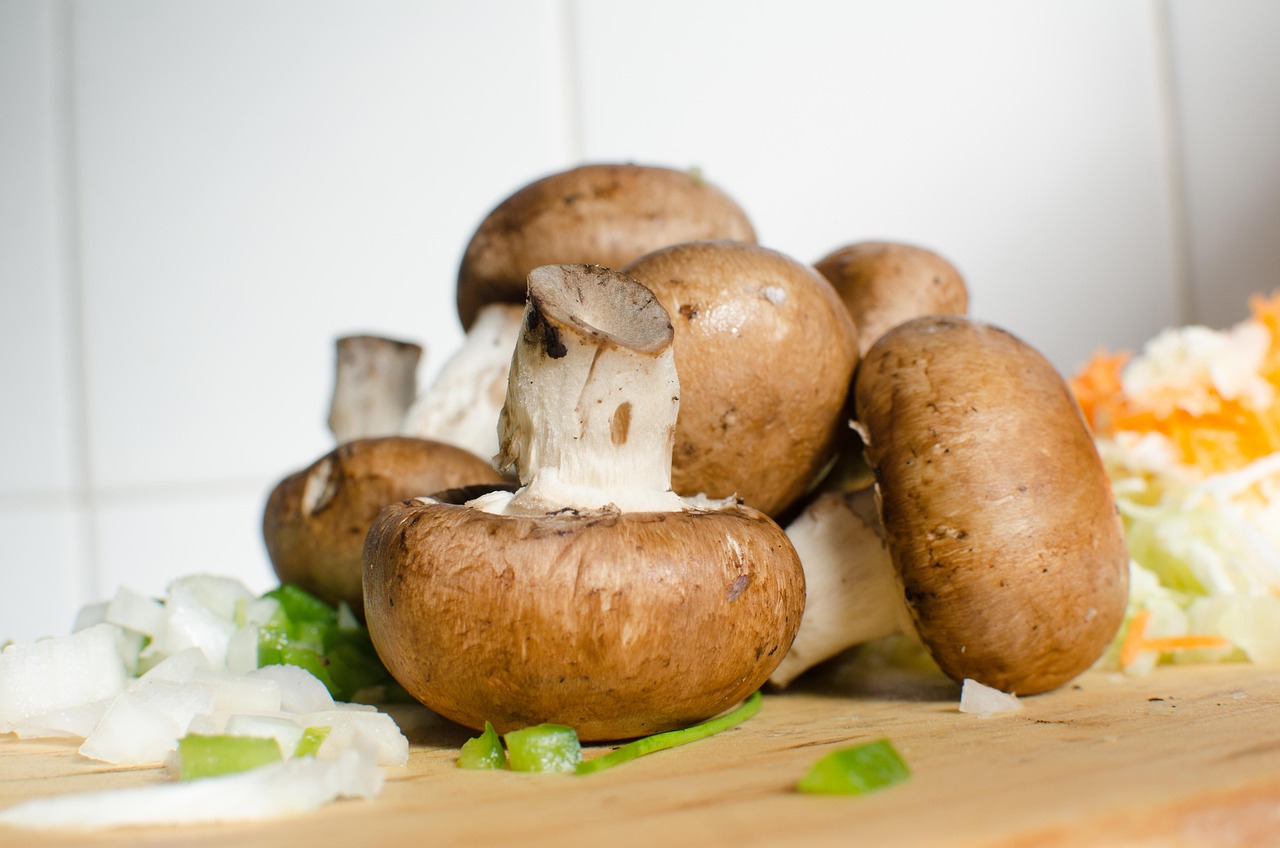
Photo by Bayhaus on Pixabay
A healthy gut changes the way you feel from the inside out. It influences digestion, energy, skin clarity, immunity, and even how easily you maintain a healthy weight. If you have ever felt sluggish after meals, struggled with bloating, or wondered why certain clean eating plans work for some people but not for others, your gut health may be the missing piece. The encouraging news is that the right organic food choices can support a more balanced digestive system without making your routine complicated or restrictive.
Organic eating is not about perfection. It is about choosing foods that are closer to their natural state, rich in nutrition, and less likely to be loaded with unnecessary additives. When that approach is paired with smart gut-friendly habits, it can become a powerful foundation for a healthier lifestyle. Could a few simple changes in your grocery basket improve your digestion, support weight loss, and help you feel lighter every day? For many people, the answer is yes.
This guide explores the best organic foods for gut health, how they work, and how to build meals that support digestion without sacrificing flavor. You will also find practical tips, meal ideas, and strategies that fit naturally into a clean eating routine. Whether your goal is to reduce bloating, improve regularity, or build a long-term healthy diet, the right combination of organic food and nutrition can make a meaningful difference.
Why Gut Health Deserves More Attention
The gut is far more than a place where food is broken down. It plays a major role in nutrient absorption, immune function, hormone balance, and inflammation regulation. A well-supported digestive system helps your body use the nutrients in your food more effectively, which can influence everything from energy levels to appetite control.
When gut health is out of balance, the signs are often easy to notice. You may experience gas, bloating, irregular bowel movements, fatigue, skin flare-ups, or cravings for sugar and ultra-processed foods. Over time, these symptoms can affect your relationship with food and make weight loss feel harder than it should be.
That is where a clean eating approach built around organic food can help. By choosing more whole, minimally processed ingredients, you give your digestive system a better chance to function smoothly. Add in fiber, fermentation, hydration, and balanced meals, and you create a daily routine that supports both comfort and long-term health.
The Gut-Body Connection
Your gut and brain are constantly communicating. This relationship, often called the gut-brain axis, helps explain why digestion, mood, and stress are so closely linked. When your digestive system is irritated, your body may respond with more than just stomach discomfort. You might notice low energy, poor focus, or changes in appetite.
Can a healthier gut really improve how you feel throughout the day? Many nutrition experts believe it can. A more diverse and well-fed gut microbiome is associated with better digestion and improved resilience to everyday stressors. Organic foods that are rich in fiber, antioxidants, and natural compounds can help support this internal ecosystem.
Why Organic Choices Matter
Organic food offers a cleaner base for a gut-supportive diet. While no single food guarantees perfect digestion, organic produce, grains, legumes, and dairy alternatives can reduce exposure to synthetic pesticides and unnecessary additives that may burden sensitive systems. Many people also prefer organic foods because they taste fresher and encourage more home cooking, which naturally supports better nutrition.
When you build meals from high-quality ingredients, you are more likely to eat slowly, feel satisfied, and avoid the digestive stress often triggered by heavily processed foods. That simple shift can have a surprising effect on your daily comfort and your weight loss efforts.
The Best Organic Foods for Gut Health
Not all organic foods affect digestion in the same way. Some provide prebiotic fiber that feeds beneficial bacteria, while others offer probiotics, enzymes, or soothing nutrients that help your digestive system work more efficiently. The goal is not to eat everything on the list at once. Instead, focus on building meals from a variety of gut-friendly ingredients that fit your preferences and lifestyle.
1. Organic leafy greens
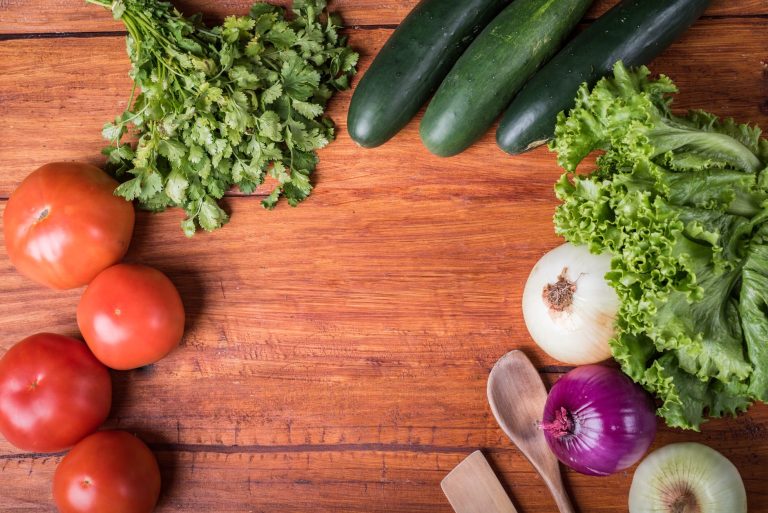
Spinach, kale, arugula, Swiss chard, and romaine lettuce are excellent everyday staples. These vegetables are naturally rich in fiber, folate, magnesium, and plant compounds that support overall nutrition. Their fiber helps keep digestion moving, while their low calorie content makes them ideal for anyone following a healthy diet or aiming for weight loss.
Leafy greens are incredibly versatile. Add them to smoothies, sauté them with garlic and olive oil, fold them into omelets, or build salads with a mix of bitter and tender leaves. If your meals often feel heavy, a generous serving of greens can bring balance and lightness.
2. Organic fermented foods
Fermented foods are among the most talked-about foods for gut health, and for good reason. They contain beneficial bacteria that may help support a more diverse microbiome. Organic yogurt, kefir, sauerkraut, kimchi, miso, and tempeh can all be valuable additions to a clean eating plan.
Start with small amounts if your digestive system is sensitive. A tablespoon of sauerkraut or a few spoonfuls of yogurt can be enough to begin. The key is consistency rather than excess. These foods work best when they become regular parts of meals instead of occasional afterthoughts.
3. Organic oats and whole grains
Organic oats, quinoa, brown rice, and buckwheat provide slow-digesting carbohydrates and soluble fiber. Oats in particular contain beta-glucan, a type of soluble fiber known for supporting digestive regularity and helping you feel full longer. That makes them useful for both gut comfort and weight management.
Whole grains are often overlooked in detox diet conversations, but they matter because they help your body eliminate waste efficiently. A gut-friendly diet should not be about restriction alone. It should include the kind of steady nourishment that keeps your digestive system working well over time.
4. Organic fruits with digestive benefits
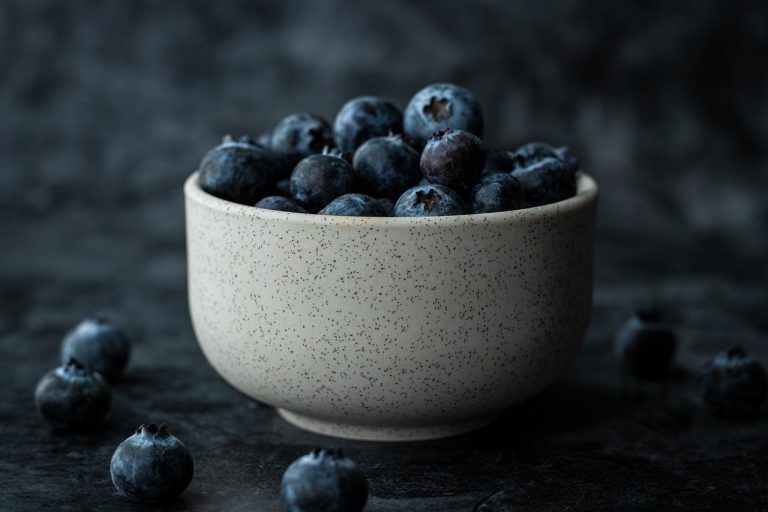
Berries, kiwi, apples, pears, papaya, and bananas can all support digestion in different ways. Berries are rich in antioxidants and fiber. Kiwi is often praised for promoting regularity. Apples and pears contain pectin, a type of fiber that can help feed beneficial gut bacteria. Papaya provides enzymes that may support smoother digestion.
Fruit is naturally sweet, which makes it a smart way to reduce cravings for ultra-processed desserts. If you are working toward weight loss, pair fruit with protein or healthy fats to keep blood sugar steadier and avoid energy crashes.
5. Organic legumes
Lentils, chickpeas, black beans, and white beans are excellent sources of fiber, plant protein, and complex carbohydrates. They are especially helpful for anyone following a healthy lifestyle centered on clean eating. Legumes nourish beneficial gut bacteria, support satiety, and can help you stay full between meals.
If you are new to legumes, introduce them gradually. Rinse canned beans well, cook dried beans thoroughly, and combine them with digestive-friendly herbs such as cumin, ginger, or fennel. This can help make them easier on the stomach while still delivering their nutritional benefits.
6. Organic seeds and nuts
Chia seeds, flaxseeds, pumpkin seeds, almonds, walnuts, and hemp seeds provide fiber, healthy fats, and key minerals. Flax and chia are especially useful because they absorb water and help create a gel-like texture that supports smoother digestion. Pumpkin seeds deliver magnesium and zinc, both of which contribute to overall wellness.
A small handful can go a long way. Sprinkle seeds on oatmeal, blend them into smoothies, or use nut butter on whole-grain toast. These foods also make excellent additions to healthy meal prep because they store well and require minimal effort.
7. Organic root vegetables
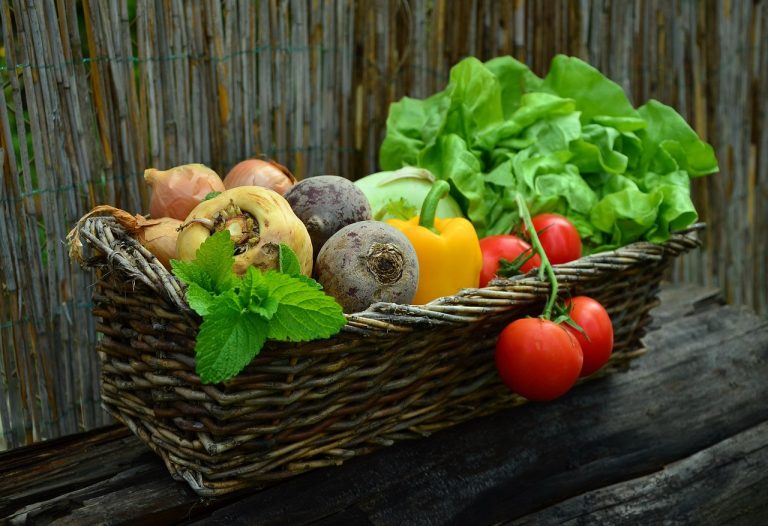
Carrots, beets, sweet potatoes, turnips, and parsnips are grounding foods that work beautifully in a gut-supportive organic diet. They provide fiber, antioxidants, and slow-burning energy. Roasting them brings out natural sweetness and makes them easy to digest for many people.
Root vegetables are especially useful if you want a detox diet that feels nourishing rather than extreme. They support fullness, help stabilize meals, and pair well with both proteins and greens.
8. Organic herbs and spices
Fresh herbs and warming spices are often underestimated, yet they can play a major role in digestive comfort. Ginger, turmeric, fennel, mint, parsley, cilantro, and cinnamon bring flavor while contributing supportive plant compounds. Ginger and mint are especially popular for soothing the stomach, while turmeric is commonly included in anti-inflammatory meal plans.
Do your meals sometimes feel bland without extra salt or sauce? Herbs and spices can transform a simple organic food dish into something deeply satisfying while still supporting your healthy diet goals.
How Organic Food Supports Weight Loss Without Extreme Restriction
Weight loss is often presented as a numbers game, but sustainable results usually come from habits that improve digestion, satiety, and energy. Organic food can support this process by making it easier to eat whole foods with fewer additives and more natural fiber. When digestion improves, cravings often become more manageable, and meals can feel more satisfying.
Instead of chasing a quick fix, think about creating a daily rhythm that keeps your body nourished. That means eating enough protein, choosing fiber-rich carbohydrates, and including healthy fats that keep you satisfied. It also means avoiding the common trap of undereating during the day and overeating at night.
When meals are balanced, your body does not have to work as hard to stabilize blood sugar or recover from processed snacks. The result is often better appetite control, fewer energy crashes, and a more natural path to weight loss.
Foods that help you feel full longer
- Organic oats with chia seeds and berries
- Lentil soup with leafy greens and herbs
- Greek yogurt with flaxseed and sliced kiwi
- Roasted vegetables with quinoa and avocado
- Apple slices with almond butter
These meals combine fiber, protein, and healthy fats, which is a helpful formula if your goal is steady energy and easier appetite control. Have you noticed that meals built around whole ingredients keep you satisfied longer than packaged options? That is one reason clean eating works so well for many people.
Why processed foods can disrupt progress
Ultra-processed foods are often low in fiber and high in refined oils, added sugar, and sodium. They can leave you feeling bloated or hungry soon after eating, which can interfere with both digestion and weight loss. Many people do not realize how much these foods affect their appetite until they remove them for a few weeks.
An organic food approach does not demand perfection, but it does encourage a shift away from the foods most likely to complicate your health goals. Even replacing one processed snack each day with a whole-food option can make your routine more supportive.
Building a Gut-Friendly Organic Plate
Knowing which foods help is useful, but putting them together in balanced meals is where the real progress happens. A gut-friendly plate should feel satisfying, colorful, and simple to prepare. It should also give your digestive system a mix of fiber, protein, hydration, and easy-to-digest nutrients.
The ideal formula
Use this simple structure when planning meals:
- Half the plate: organic vegetables, especially leafy greens and cooked vegetables
- One quarter of the plate: quality protein such as eggs, yogurt, tofu, legumes, fish, or chicken
- One quarter of the plate: whole grains or starchy vegetables
- Healthy fat: olive oil, avocado, seeds, or nuts
- Optional support: herbs, spices, fermented foods, and citrus
This formula works well whether your goal is a detox diet, better digestion, or weight loss. It also keeps meal planning from becoming overwhelming. Instead of counting every bite, you can focus on balance and quality.
Easy meal-building examples
Breakfast: Organic oats topped with chia seeds, blueberries, cinnamon, and a spoonful of yogurt.
Lunch: Quinoa bowl with roasted sweet potato, kale, chickpeas, avocado, and pumpkin seeds.
Dinner: Salmon or tofu with sautéed greens, brown rice, and fermented vegetables.
Snack: Apple slices with almond butter or kefir with berries.
These meals are not complicated, but they are strategically designed to support digestion and energy. They can also fit into a healthy lifestyle without requiring a complete kitchen overhaul.
Foods to Limit If You Want Better Digestion
Adding supportive foods is important, but reducing the foods that create digestive stress matters just as much. Some ingredients may not be a problem every day, but regular overconsumption can make gut symptoms worse over time.
Common culprits
- Highly processed snack foods
- Excess added sugar
- Deep-fried meals
- Artificial sweeteners that upset sensitive stomachs
- Large amounts of alcohol
- Meals with too little fiber and too much refined starch
You do not have to eliminate every one of these foods forever. The goal is to notice patterns. Which foods leave you feeling heavy, bloated, or tired? Once you identify them, you can make smarter choices most of the time without feeling deprived.
Listening to your body
Every digestive system is different. Some people tolerate dairy well, while others do better with plant-based options. Some people feel great with beans and cruciferous vegetables, while others need to introduce them slowly. Paying attention to how you feel after meals is one of the most valuable nutrition habits you can develop.
Ask yourself simple questions after eating: Do I feel energized or sluggish? Calm or bloated? Satisfied or still craving food? These clues can help you adjust your organic diet in a way that truly supports your body.
Hydration, Fiber, and the Hidden Details That Matter
Many people focus on the type of food they eat but forget about the conditions that help digestion work smoothly. Hydration, eating pace, sleep, and stress all influence the gut. If you are trying to improve digestion with organic food, these details matter more than you may think.
Why hydration is essential
Fiber needs water to function properly. Without adequate hydration, a high-fiber diet can actually feel uncomfortable instead of helpful. Drinking water throughout the day supports regular bowel movements, helps food move through the digestive tract, and can even reduce unnecessary cravings that come from dehydration.
Herbal teas, mineral-rich broths, and water infused with citrus or cucumber can also support daily hydration. If plain water feels boring, adding simple natural flavor can make it easier to drink consistently.
Eat more slowly
Digestion starts before food reaches the stomach. Chewing slowly and eating with less distraction gives your body a better chance to process food efficiently. It also helps you recognize fullness before you overeat.
This is one of the simplest clean eating habits you can adopt. It costs nothing, requires no special equipment, and can significantly improve how your meals feel.
Stress management supports digestion
Chronic stress can interfere with digestion and make even healthy foods feel harder to tolerate. That is why a true healthy lifestyle includes more than a list of groceries. Gentle walks, quality sleep, breathing exercises, and realistic meal planning all support the gut.
If you are using organic food as part of a weight loss or detox diet plan, remember that stress reduction is not optional. It is part of the process.
A Sample Day of Organic Eating for Gut Health
To make this practical, here is an example of what a gut-friendly day might look like. This is not a rigid meal plan, but a flexible template you can adapt to your preferences.
Breakfast
Warm organic oats cooked with almond milk, topped with chia seeds, blueberries, and cinnamon. Add a side of plain yogurt or kefir if you tolerate dairy.
Mid-morning snack
An apple with a tablespoon of almond butter and green tea.
Lunch
Quinoa bowl with roasted carrots, kale, chickpeas, cucumber, avocado, pumpkin seeds, olive oil, and lemon.
Afternoon snack
A small serving of sauerkraut with whole-grain crackers or a smoothie made with spinach, banana, ginger, and flaxseed.
Dinner
Grilled salmon, roasted sweet potatoes, and sautéed Swiss chard with garlic and olive oil. If you prefer plant-based meals, swap the salmon for tempeh or tofu.
Evening option
Chamomile tea or mint tea to support relaxation before bed.
This pattern balances fiber, protein, healthy fats, and fermented foods in a way that feels supportive rather than strict. The foods are satisfying, the portions are sensible, and the ingredients work together to promote digestion and energy.
Common Organic Diet Mistakes That Can Hurt Gut Health
Even the best intentioned healthy diet can fall short if it is built on a few unhelpful habits. Organic food is a strong foundation, but the overall pattern still matters.
1. Eating too little fiber
Some people switch to organic foods but still eat mostly refined grains, juices, and low-fiber snacks. This can leave the gut underfed. Make sure your meals include vegetables, legumes, seeds, fruits, and whole grains.
2. Relying too heavily on raw foods
Raw foods are healthy, but too many can be difficult for sensitive digestion. Lightly cooked vegetables are often easier to tolerate, especially if you are just starting a gut-supportive clean eating plan.
3. Overdoing fermented foods
Fermented foods are beneficial for many people, but more is not always better. A small amount may be enough. If you experience discomfort, scale back and increase gradually.
4. Ignoring protein
Protein is essential for stable energy and fullness. If meals are built only around salad or fruit, hunger may return quickly. Include eggs, yogurt, tofu, legumes, fish, poultry, or other quality protein sources.
5. Expecting immediate results
Gut health changes gradually. A healthier digestive rhythm may take days, weeks, or even longer to fully show up. The key is consistency. Keep going even if the first few days feel ordinary.
Organic Grocery List for Better Digestion
If you want to make gut-friendly eating easier, keep your kitchen stocked with ingredients that work in many recipes. This makes it easier to assemble meals quickly without resorting to processed convenience foods.
Produce
- Spinach
- Kale
- Romaine lettuce
- Carrots
- Beets
- Sweet potatoes
- Apples
- Pears
- Kiwi
- Berries
- Lemons
- Ginger
Pantry staples
- Organic oats
- Quinoa
- Brown rice
- Lentils
- Chickpeas
- Black beans
- Chia seeds
- Flaxseeds
- Pumpkin seeds
- Olive oil
- Cinnamon
- Turmeric
Refrigerated items
- Plain yogurt or kefir
- Fermented vegetables
- Tofu or tempeh
- Eggs
- Leafy greens for quick salads
With these basics on hand, it becomes easier to create healthy meals without overthinking every decision. That is one of the real advantages of a simple organic diet: it reduces decision fatigue and makes good nutrition more automatic.
How to Make Organic Eating Feel Sustainable
The best nutrition strategy is the one you can maintain. A gut-friendly organic lifestyle should feel supportive, not punishing. That means giving yourself room to adapt, enjoy food, and make progress without obsessing over perfection.
Start with one meal a day
If you are new to clean eating, begin with breakfast or lunch. Build one consistently balanced meal per day, then expand from there. Small wins often create the strongest habits.
Choose simple recipes
Delicious meals do not need to be complicated. Roasted vegetables, grain bowls, soups, smoothies, and one-pan dinners can all fit into an organic food routine. Simplicity helps you stay consistent.
Prepare ingredients in advance
Wash greens, roast vegetables, cook grains, and portion snacks ahead of time. When healthy food is ready to eat, you are far more likely to choose it. This is especially helpful for busy people who want to maintain a healthy lifestyle without spending hours in the kitchen.
Make room for enjoyment
Food should be nourishing, but it should also be enjoyable. Add herbs, texture, color, and flavor. When healthy meals taste good, you are more likely to repeat them. And repetition is where real change happens.
How Gut Health Connects to Energy, Skin, and Daily Confidence
Many people begin an organic diet for digestion, then discover benefits that go much further. Better gut health often shows up in the mirror and in your daily energy levels. Skin may appear clearer, meals may feel easier to process, and you may notice fewer crashes in the afternoon.
This is one reason the connection between organic food and healthy lifestyle habits is so powerful. You are not just choosing ingredients. You are influencing how your body feels, performs, and recovers each day. When digestion improves, it can become easier to focus at work, move your body, and stay consistent with your health goals.
[IMAGE: organic vegetables]
[IMAGE: healthy meal]
[IMAGE: fitness lifestyle]
Smart Pairings That Support Digestion
Sometimes the most effective nutrition strategy is not about a single superfood but about what you combine together. Smart pairings can improve satisfaction, support blood sugar balance, and make meals easier to digest.
Helpful combinations
- Leafy greens + olive oil + lemon for better flavor and nutrient absorption
- Oats + chia seeds + berries for fiber-rich breakfast support
- Lentils + cooked vegetables + herbs for a balanced lunch
- Fruit + nut butter for steady energy and reduced cravings
- Fermented foods + whole grains for a more complete gut-friendly meal
These combinations are practical, flexible, and easy to repeat. They also reflect the core principles of clean eating: simple ingredients, smart balance, and natural nutrition.
Who Benefits Most from a Gut-Friendly Organic Diet?
Almost anyone can benefit from eating more whole organic foods, but this approach is especially helpful for people who often feel bloated, low on energy, or dissatisfied after meals. It may also be useful for those who want to support weight loss without following an extreme program.
If you are trying to reduce processed food, increase fiber, or build a more consistent routine, this style of eating can be a strong match. It is also a good fit for people who want a detox diet approach that prioritizes nourishment over deprivation. Ask yourself: what would your day feel like if your meals left you energized instead of drained?
What to Remember When Starting
There is no need to overhaul your entire kitchen in one weekend. Start with a few organic food staples, build a handful of repeatable meals, and notice how your body responds. The most effective healthy diet is one that you can sustain with confidence.
Focus on vegetables, fiber-rich grains, legumes, fermented foods, seeds, fruit, and quality protein. Drink enough water, eat at a reasonable pace, and pay attention to how different foods affect you. Over time, these small habits can do more for digestion and weight loss than any trend-driven plan ever could.
When you treat gut health as part of a bigger healthy lifestyle, you begin to see that food is not just fuel. It is information, comfort, and daily support. A well-planned organic diet can help you feel lighter, clearer, and more in tune with your body, and that is the kind of change worth building one meal at a time. If you want more guidance like this, keep exploring the latest articles on DietOrganic and continue shaping a routine that feels both nourishing and sustainable.
About the Author