

Photo by Gustavo Fring on Pexels
Good digestion is rarely the result of one dramatic change. More often, it comes from a series of small, consistent choices: the organic food you buy, the way you combine ingredients, the timing of your meals, and the quality of the nutrients you put into your body every day. If you have ever felt bloated after a meal that was supposed to be healthy, or wondered why one clean eating plan makes you feel light and focused while another leaves you sluggish, your gut may be asking for a more thoughtful approach.
That is where organic food can make a meaningful difference. A well-planned organic diet is not only about avoiding pesticides. It is about choosing foods that support balance, reduce unnecessary irritation, and provide the nutrition your digestive system needs to do its job efficiently. When your gut is functioning well, the benefits can show up everywhere: steadier energy, better skin, fewer cravings, easier weight loss, and a healthier relationship with food overall. Isn’t that the kind of healthy lifestyle most people are hoping to build?
This guide takes a high-level but practical look at organic foods for gut health. You will learn which ingredients deserve a place in your kitchen, which habits can quietly undermine digestion, and how to create meals that feel satisfying without being heavy. If you are searching for a clean eating strategy that supports your body rather than fighting it, this is where to begin.
Why gut health is the foundation of clean eating
Clean eating is often described in terms of what you avoid, but a more sustainable approach focuses on what you consistently give your body. Your gut is more than a digestion machine. It is a complex system that helps break down food, absorb nutrients, regulate immunity, and communicate with the brain. When gut function is strong, the rest of your healthy lifestyle becomes easier to maintain because your body is getting more value from every meal.
Think about how often digestive discomfort changes your decisions. Bloating can make you skip movement. Constipation can make you feel tired and irritable. An imbalanced meal can trigger cravings later in the day. Over time, these small disruptions can influence weight loss, energy, mood, and even sleep. That is why nutrition experts increasingly talk about the gut as the center of long-term wellness rather than a narrow digestive concern.
An organic diet supports this foundation in two important ways. First, it reduces exposure to residues and additives that may not align with a gentle detox diet or a more natural eating pattern. Second, it often leads people toward whole foods with higher fiber, better freshness, and fewer artificial ingredients. The result is not magical, but it can be powerful: better digestion through better inputs.
What a healthy gut actually does
A healthy gut does far more than process your lunch. It helps extract vitamins and minerals, supports immune defenses, and influences the production of compounds that affect mood and appetite. It also depends on a diverse population of beneficial microbes that thrive when they are fed the right foods. Do you want your meals to work harder for you? Then think of the gut as an ecosystem worth feeding well.
Here are a few signs your digestion may be working in your favor:
- Regular, comfortable bowel movements
- Minimal bloating after balanced meals
- Steady energy rather than dramatic afternoon crashes
- Fewer sugar cravings between meals
- Better tolerance for fiber-rich foods over time
If those patterns sound familiar, you are likely giving your body enough support. If not, the good news is that the gut responds well to consistency. Small, thoughtful changes can produce noticeable improvements within days or weeks, especially when they are paired with proper hydration, sleep, and daily movement.
The best organic foods for digestion and balance
Not every organic food automatically improves gut health, but certain categories are especially useful. The goal is to choose ingredients that encourage microbial diversity, reduce digestive strain, and provide nutrients that support the lining of the digestive tract. When people ask what the best organic foods are for clean eating, this is where the answer becomes most practical.
Fermented foods that support beneficial bacteria
Fermented foods are one of the most valuable tools in an organic gut health plan because they naturally contain live cultures or fermentation byproducts that may support microbial balance. They also bring sharp, complex flavors that can make healthy eating more enjoyable. If plain meals have started to feel repetitive, fermented foods can restore both interest and function.
Smart organic choices include:
- Organic yogurt with live cultures
- Organic kefir
- Organic sauerkraut
- Organic kimchi
- Miso made from simple ingredients
These foods are not meant to be consumed in massive amounts. Even a few spoonfuls of sauerkraut or a small serving of kefir can be enough to complement your meals. If you are new to fermented foods, start slowly so your digestive system can adjust comfortably.
Fiber-rich vegetables and fruits
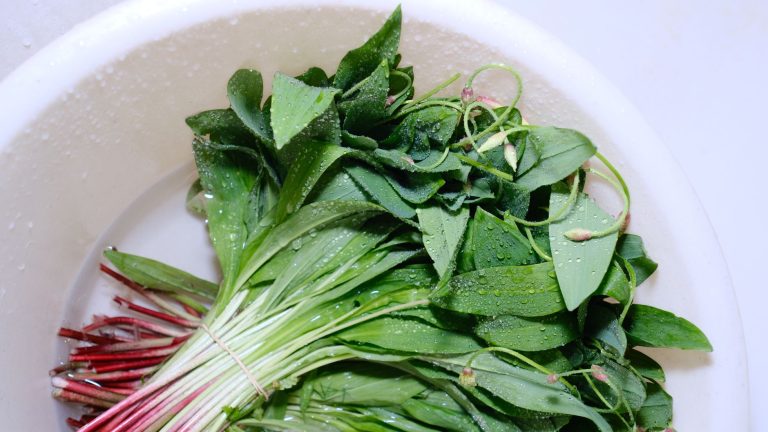
Fiber is one of the strongest allies in any healthy diet because it helps keep digestion regular and feeds beneficial gut bacteria. Organic produce is often the backbone of clean eating because it is easy to digest when prepared well and endlessly adaptable in the kitchen. The trick is to build meals around produce that offers both soluble and insoluble fiber, along with water and micronutrients.
[IMAGE: organic vegetables]
Examples of gut-friendly organic produce include:
- Leafy greens such as spinach, kale, and arugula
- Cruciferous vegetables like broccoli and cauliflower, preferably cooked if your digestion is sensitive
- Carrots, zucchini, cucumbers, and bell peppers
- Berries, apples, pears, and kiwi
- Sweet potatoes and winter squash for gentle starch and fiber
Have you noticed that some vegetables feel comforting while others leave you gassy? That is normal. The best organic food choices are not always the most glamorous ones. If raw vegetables irritate your stomach, switch to cooked versions, soups, and roasted dishes. Gut health is about personalization, not perfection.
Prebiotic foods that feed the microbiome
Prebiotics are the fibers and plant compounds that feed the beneficial bacteria in your colon. In other words, if probiotics are the guests, prebiotics are the food. A balanced organic diet should include both. Without prebiotic support, even the best fermented foods may not deliver their full potential.
Look for organic versions of these prebiotic-friendly foods:
- Onions and garlic
- Leeks and asparagus
- Bananas, especially slightly green bananas
- Oats and barley
- Chia seeds and flaxseeds
These ingredients are especially useful if you are trying to build a detox diet that feels realistic instead of extreme. A true reset is not about starvation; it is about giving your gut more of what supports function and less of what creates stress.
Gentle proteins and healthy fats
Protein and fat are often overlooked in gut health discussions, yet they are essential for stable blood sugar, satiety, and the repair of tissues throughout the digestive system. When meals are too low in protein or fat, you may feel hungry sooner, which can trigger overeating and make weight loss harder to sustain.
Choose organic protein sources such as:
- Eggs from pasture-raised or organic farms
- Organic chicken or turkey
- Wild-caught fish when available
- Organic tofu or tempeh
- Beans and lentils that are cooked thoroughly
For fats, focus on:
- Avocado
- Extra virgin olive oil
- Walnuts and almonds
- Seeds such as chia, hemp, and flax
These foods help round out meals so they feel complete, not sparse. That matters, because a healthy diet should be satisfying enough to repeat.
How to build a gut-friendly plate every day
The most effective nutrition strategy is usually the one you can maintain without stress. Instead of chasing complicated rules, build each meal from a few reliable components. This makes clean eating more intuitive and helps prevent the blood sugar swings that can undermine both digestion and weight loss.
[IMAGE: healthy meal]
A simple gut-friendly plate often looks like this:
- Half the plate filled with colorful vegetables
- One quarter with quality protein
- One quarter with smart carbohydrates such as oats, quinoa, or sweet potato
- A small portion of healthy fat for satiety and flavor
- A fermented side or topping when it fits the meal
This structure gives you flexibility without confusion. It also works across different goals, whether you are focused on a detox diet, stable energy, or weight loss. The beauty of organic food is that it can be simple and elegant at the same time.
Breakfast that calms rather than overwhelms
Breakfast sets the tone for the day. If you begin with sugar-heavy options, you may experience a quick spike in energy followed by a crash that makes you crave more food before lunch. A cleaner, more balanced breakfast supports digestion and concentration.
Try combinations like:
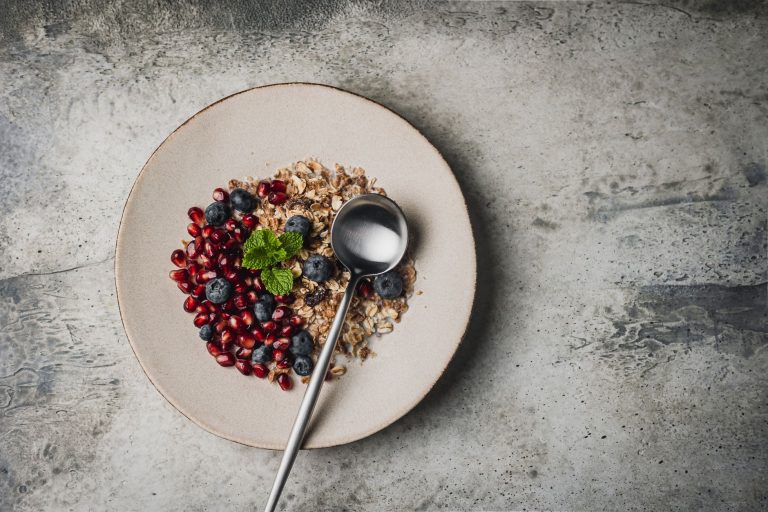
- Organic yogurt, berries, chia seeds, and walnuts
- Oatmeal with cinnamon, flaxseeds, and sliced pear
- Vegetable omelet with spinach, mushrooms, and avocado
- Green smoothie with cucumber, greens, banana, and kefir
Ask yourself: does your breakfast leave you calm and focused, or does it send you looking for another snack an hour later? The answer can tell you a great deal about your current nutrition habits.
Lunch that keeps energy steady
Lunch should not drain you. It should help you keep working, moving, and thinking clearly. A gut-friendly lunch usually includes cooked vegetables, fiber, protein, and a dressing or fat source that improves taste and absorption.
Examples include:
- Grilled organic chicken over mixed greens with cucumber, avocado, and olive oil
- Quinoa bowl with roasted vegetables, tempeh, and sauerkraut
- Lentil soup with carrots, celery, and a side salad
- Brown rice, baked salmon, and steamed broccoli
These meals are satisfying without being heavy. They support a healthy lifestyle because they fit into real schedules, not just idealized meal plans.
Dinner that supports overnight recovery
Dinner is a great opportunity to lower digestive stress before sleep. Large, greasy meals too close to bedtime can interfere with rest and leave you waking up tired. A simpler evening meal often helps the gut rest and recover.
Consider dinners like:
- Roasted vegetables with baked tofu and tahini
- Organic turkey meatballs with zucchini noodles and tomato sauce
- Steamed fish with sweet potatoes and sautéed greens
- Vegetable soup with beans and herbs
If you are following a clean eating plan for better digestion, dinner is often the easiest meal to simplify. It can be warm, comforting, and nutrient-rich without being complicated.
The habits that quietly sabotage digestion
Even the best organic food cannot fully compensate for habits that irritate the digestive system. That is why an honest look at daily patterns matters. If your gut feels off, the problem may not be one food alone. It may be a combination of eating too quickly, relying on packaged foods, or underestimating the role of stress.
Eating in a rushed state
Digestion starts before the first bite, not after it. If you sit down stressed, multitasking, or barely chewing, your body has a harder time processing food efficiently. Slow meals can improve comfort in a surprisingly short time. Could a few extra minutes at the table be one of the easiest nutrition upgrades you ever make?
Too many ultra-processed so-called healthy foods
Not every item labeled natural or high protein supports a healthy diet. Bars, flavored yogurts, diet snacks, and packaged products can contain sweeteners, gums, emulsifiers, and additives that upset sensitive digestion. Clean eating is not about being paranoid; it is about reading labels with care and choosing simpler ingredients whenever possible.
Not enough hydration
Fiber works best when paired with water. If your diet is rich in vegetables, oats, and seeds but your water intake is too low, digestion may slow down rather than improve. Herbal teas, mineral water, and broth-based meals can all support hydration in a gentle way.
Overdoing sugar and alcohol
High sugar intake can encourage cravings, disrupt energy, and leave you feeling puffy or sluggish. Alcohol can irritate the gut lining and interfere with sleep, which in turn affects digestion. You do not need to eliminate everything forever, but if you are building a detox diet or trying to reduce bloating, these are often the first places to look.
Can a detox diet help your gut?
The word detox can mean very different things. In the wellness world, it sometimes gets attached to extreme juice cleanses or restrictive plans that are difficult to maintain. But a smarter, more realistic detox diet is simply a short period of eating clean, hydrating well, reducing irritants, and giving your digestive system a break from excess. That approach can absolutely support gut health.
A gentle detox diet does not need to be dramatic. In fact, the best versions usually look almost boring on paper: vegetables, fruit, protein, water, fermented foods, and fewer processed items. The reason it works is not mystery. It works because it lowers the daily burden on digestion while increasing useful nutrients.
Here is what a gut-friendly detox period can include:
- Breakfast with oats or eggs instead of sugar-loaded pastries
- Lunch centered on vegetables, protein, and healthy fat
- Dinner with soup, steamed vegetables, or a simple protein bowl
- Snacks like apples, yogurt, nuts, or carrots
- Plenty of water and herbal tea throughout the day
The key question is not whether you can survive a restrictive plan. The key question is whether you can support your body in a way that feels calm, nourishing, and repeatable.
A simple 3-day organic reset for better digestion
If you want a practical starting point, a brief organic reset can help you notice what makes you feel better and what does not. This is not a crash diet. It is a short, structured way to prioritize nutrition and observe how your body responds. You might be surprised by how quickly digestion improves when meals become cleaner and more predictable.
Day 1: comfort and simplicity
- Breakfast: Organic yogurt with berries, chia seeds, and cinnamon
- Lunch: Vegetable soup with quinoa and a side salad
- Dinner: Baked salmon, roasted carrots, and steamed greens
- Snacks: Apple slices, walnuts, herbal tea
This first day focuses on gentle, familiar foods that are easy to digest and satisfying enough to prevent cravings.
Day 2: fiber and balance
- Breakfast: Oatmeal with flaxseed, pear, and almond butter
- Lunch: Quinoa bowl with roasted vegetables, avocado, and sauerkraut
- Dinner: Turkey or tofu stir-fry with broccoli and rice
- Snacks: Carrots, cucumber, kefir, or a handful of almonds
By the second day, the goal is to increase fiber gradually while keeping meals easy to process.
Day 3: steady energy and recovery
- Breakfast: Vegetable omelet with avocado
- Lunch: Lentil salad with greens, olive oil, and herbs
- Dinner: Fish or tempeh with sweet potato and zucchini
- Snacks: Berries, plain yogurt, or pumpkin seeds
On the third day, you are reinforcing the habits that help your digestive system feel stable rather than stressed. That stability is often what people are really looking for when they search for weight loss support.
Why gut health and weight loss are connected
Many people approach weight loss as though it only depends on calories, but digestion matters just as much. If meals leave you bloated, inflamed, hungry, or tired, it becomes harder to maintain healthy choices. A gut-friendly organic food plan can support weight loss by improving satiety, reducing cravings, and making it easier to stay consistent.
When your meals include fiber, protein, healthy fats, and enough micronutrients, you are less likely to overeat later. Stable blood sugar can also reduce the urge to snack constantly. That does not mean you need a perfect menu. It means you need a pattern that supports your body rather than confusing it.
[IMAGE: fitness lifestyle]
Weight loss that is built around nutrition and digestion tends to feel more sustainable than aggressive restriction. Instead of obsessing over what you cannot eat, focus on how your meals make you feel. Do you feel light enough to move? Focused enough to work? Comfortable enough to sleep? Those are signs that your plan is doing real work.
Meal prep ideas that make clean eating easier
One of the fastest ways to improve consistency is to prepare your environment before hunger takes over. Organic meal prep does not need to be elaborate. A few well-chosen ingredients can become multiple meals across the week, saving time and helping you stay aligned with your healthy lifestyle goals.
Start with these basic prep elements:
- Wash and chop vegetables for quick salads and snacks
- Roast a tray of mixed organic vegetables for lunch and dinner
- Cook a grain such as quinoa, brown rice, or oats in advance
- Prepare a protein source like eggs, chicken, tofu, or lentils
- Keep fermented foods ready to add flavor and support digestion
Once these are in place, meals become much easier to assemble. You are less likely to rely on takeout or processed snacks, and more likely to stick with the nutrition habits that support your goals.
Smart shopping strategies for an organic diet
The grocery store can either support your clean eating efforts or quietly pull you off track. A plan helps. Before you shop, make a list of meals you actually want to eat. Then build your cart from the outside aisles where fresh produce, proteins, and dairy alternatives usually live.
Helpful shopping habits include:
- Choosing seasonal produce for better flavor and value
- Reading ingredient labels and avoiding unnecessary additives
- Buying versatile items that work in multiple recipes
- Keeping a small inventory of pantry staples such as oats, seeds, beans, and olive oil
- Prioritizing organic versions of foods you eat often and raw foods with thin skins when possible
If budget is a concern, that is completely normal. You do not need every item in your kitchen to be organic on day one. Start with the foods that matter most to you and build gradually. Consistency is more valuable than attempting an unrealistic overhaul.
How to make this approach work in real life
The difference between a useful wellness strategy and a temporary trend is practicality. A gut-friendly organic food plan should fit your schedule, your appetite, and your preferences. If a diet feels too strict, you will not keep it. If it feels too vague, you will not know what to do with it. The best plan sits in the middle: structured enough to guide you, flexible enough to live with.
To make it sustainable, focus on a few repeatable habits:
- Eat at roughly consistent times
- Chew slowly and avoid rushing meals
- Include fiber at most meals, but increase it gradually
- Keep a few reliable go-to recipes on rotation
- Track how foods make you feel, not just how they taste
That last point matters more than many people realize. Your body gives feedback every day. When you pay attention, you can spot patterns more easily and adjust your nutrition with confidence.
When to get more support
Food can do a great deal, but it is not a substitute for medical care when something is seriously wrong. If you experience persistent pain, severe bloating, blood in the stool, unexplained weight changes, or digestive symptoms that continue despite dietary improvements, speak with a qualified professional. A healthy lifestyle includes knowing when to ask for help.
Even without major symptoms, it can be useful to work with a nutrition professional if you suspect food intolerances, are recovering from a restrictive eating pattern, or want a more personalized organic diet plan. Sometimes a few targeted changes produce better results than a long list of broad rules.
Gut health is one of the most rewarding places to invest your attention because the payoff reaches far beyond digestion. When you choose organic food with intention, combine it with clean eating habits, and keep your nutrition simple enough to repeat, you create the kind of daily rhythm that supports energy, weight loss, and a calmer relationship with food. If you are ready to keep refining your healthy lifestyle, explore more DietOrganic articles for practical recipes, detox diet inspiration, and expert guidance that makes wellness feel both elegant and achievable.
About the Author