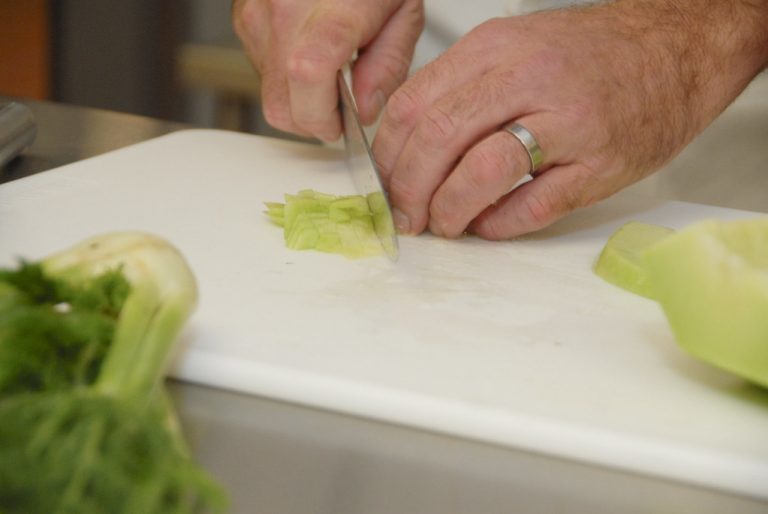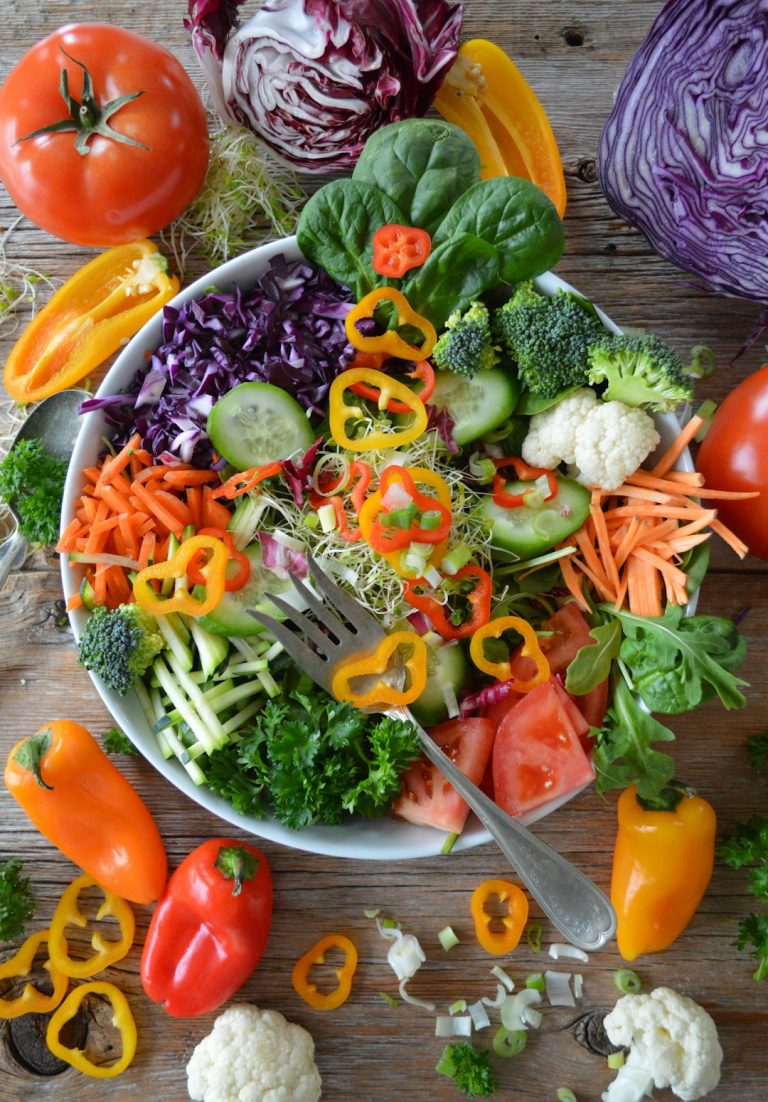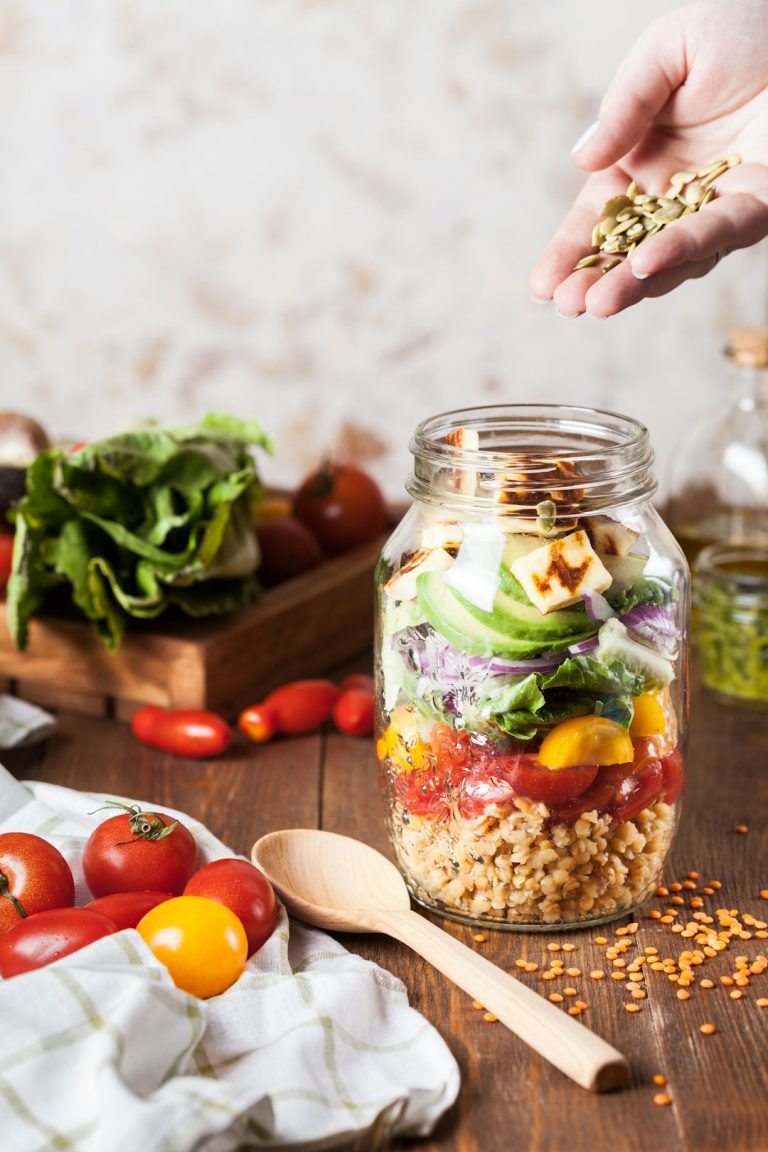


Photo by miniperde on Pexels
When people talk about a healthy diet, they often focus on calories, protein, or the latest trend in weight loss. But one of the most influential parts of nutrition is often overlooked: the gut. Your digestive system does far more than process food. It helps regulate energy, supports immunity, influences cravings, and even affects how satisfied you feel after a meal. That is why organic food can be such a smart choice for anyone serious about clean eating and long-term health.
An organic food approach to gut health is not about chasing perfection or following a restrictive detox diet. It is about choosing ingredients that are as close to their natural form as possible, reducing exposure to unnecessary additives, and feeding your body the nutrients and beneficial compounds it needs to function well. Have you ever noticed how some meals leave you energized and light, while others make you feel sluggish and bloated? The difference is often found in the quality of the ingredients, the balance of fiber, and the health of your microbiome.
This guide explores the best organic foods for gut health, why they matter, and how to build a clean eating routine that supports digestion and healthy weight loss without feeling deprived. Whether you are just starting to rethink your nutrition or you already enjoy a healthy lifestyle, this article will help you turn simple grocery choices into meaningful results.
Why gut health matters for weight loss and clean eating
Gut health is not just a wellness buzzword. It is the foundation of how your body absorbs nutrients, manages inflammation, and communicates hunger and fullness. A balanced digestive system can make it easier to stick with a healthy diet, while an irritated gut can trigger cravings, fatigue, and unpredictable digestion. If your goal is weight loss, it is worth asking: are you addressing the root cause, or only trying to control symptoms?
The gut microbiome is made up of trillions of microorganisms that live in your intestines. Some of these bacteria support digestion and help produce short-chain fatty acids that nourish the gut lining. Others can become problematic when the balance is disrupted by ultra-processed food, excess sugar, poor sleep, stress, or frequent exposure to pesticides and synthetic additives. Organic food does not solve everything, but it can reduce some of the dietary noise that makes digestive wellness harder to achieve.
When your gut is functioning well, you are more likely to experience:
- Smoother digestion and more regular bowel movements
- Better absorption of vitamins and minerals
- Reduced bloating and abdominal discomfort
- Improved appetite control and fewer intense cravings
- More stable energy throughout the day
- Better support for a healthy lifestyle and sustainable weight loss
That is why a clean eating plan centered on organic food can feel so different from a short-term detox diet. Rather than forcing the body into a temporary reset, it gives your digestive system the raw materials it needs to work well every day.
The best organic foods for gut health
To support digestion, you need more than a salad once in a while. You need a thoughtful pattern of foods that feed beneficial gut bacteria, soothe inflammation, and provide the fiber your digestive tract depends on. The good news is that organic food makes this easier because many of the most gut-friendly ingredients are simple, affordable, and versatile.
1. Fermented organic foods
Fermented foods are among the most powerful choices for gut health because they contain live cultures that may help support microbial diversity. They are not a magic cure, but they can be a valuable part of a clean eating routine when tolerated well.
Examples include:
- Organic plain yogurt
- Organic kefir
- Sauerkraut
- Kimchi
- Miso
- Tempeh
Choose versions with minimal ingredients and no added sugar. If you are new to fermented foods, begin with a small portion and pay attention to how your body responds. Some people thrive on them immediately, while others need time to adjust.
2. Prebiotic vegetables and fibers
Prebiotics are the fibers that feed beneficial bacteria in your gut. Think of them as nourishment for the helpful microbes that already live inside you. A healthy diet rich in prebiotic foods can improve stool regularity and help create a more balanced digestive environment.
Top organic sources include:
- Garlic
- Onions
- Leeks
- Asparagus
- Artichokes
- Green bananas
- Oats
- Chia seeds
These foods are especially useful in a detox diet that emphasizes real food over packaged supplements or juices. They support your body’s natural processes instead of trying to replace them.
[IMAGE: organic vegetables]
3. Leafy greens and cruciferous vegetables
Leafy greens such as spinach, kale, arugula, and Swiss chard are rich in fiber, magnesium, folate, and plant compounds that support overall nutrition. Cruciferous vegetables like broccoli, cauliflower, cabbage, and Brussels sprouts are equally important because they contain compounds linked to healthy detoxification pathways.
Organic versions are particularly appealing because these vegetables are often eaten frequently and sometimes raw. If you are building a clean eating habit, try including at least one leafy green and one cruciferous vegetable most days of the week. That simple pattern can dramatically improve your micronutrient intake.
4. Organic berries and low-sugar fruit
Not all fruit is equal when your goal is gut health and weight loss. Berries are especially useful because they provide fiber, antioxidants, and natural sweetness without a heavy sugar load. Blueberries, raspberries, blackberries, and strawberries can add flavor to yogurt, oatmeal, or smoothies without overwhelming your blood sugar.
Other helpful options include kiwis, apples, pears, and citrus fruits. The pectin in apples and pears supports digestive comfort, while kiwi has earned a reputation for helping with regularity. If you want a fruit that fits into a healthy diet without tipping into excess sweetness, berries are usually the first place to look.
5. Whole grains and resistant starches
Some people think a detox diet means removing all carbohydrates, but that approach is unnecessary for most people and can make digestion worse if fiber intake falls too low. Whole grains provide the slow-burning energy, minerals, and fiber needed for healthy elimination and steady appetite control.
Consider:
- Organic oats
- Brown rice
- Quinoa
- Barley
- Millet
Resistant starches, such as cooled potatoes or cooked-and-chilled rice, can also support the gut by feeding beneficial bacteria. They are especially useful in clean eating meals that need to feel satisfying without relying on heavy sauces or excess oil.
6. Healthy fats that calm inflammation
Fat is not the enemy. In fact, the right fats can support digestion by helping absorb fat-soluble vitamins and making meals more satisfying. For a healthy lifestyle, focus on fats that are minimally processed and naturally nutrient-dense.
Best organic options include avocado, extra-virgin olive oil, chia seeds, flaxseeds, walnuts, and almonds. These ingredients help round out meals and reduce the urge to snack constantly. If you often feel hungry shortly after eating, a lack of healthy fat may be part of the problem.
7. Gentle proteins that support balance
Protein is essential for weight loss because it helps preserve lean mass, stabilizes appetite, and supports repair throughout the body. For gut health, the key is choosing proteins that are not heavily processed or loaded with additives.
Good organic choices include:
- Organic eggs
- Plain organic Greek yogurt
- Organic chicken
- Wild fish
- Organic tofu
- Tempeh
- Legumes such as lentils and chickpeas
Protein becomes even more effective when paired with fiber-rich vegetables and grains. That combination supports satiety, blood sugar balance, and better digestion after meals.
How organic food supports digestion more effectively
Organic food is often chosen for its lower pesticide exposure and cleaner ingredient profiles, but its value goes beyond that. When a diet is built around organic ingredients, it often becomes naturally more whole-food focused. That shift alone can improve nutrition quality and reduce the digestive burden created by highly processed products.
For example, a packaged snack bar may appear healthy on the surface but contain emulsifiers, refined sweeteners, and flavor systems that do little for gut health. By contrast, a simple bowl of organic oats with berries, seeds, and yogurt gives your body fiber, probiotics, and minerals in one easy meal. Which one would your digestive system prefer?
Organic produce can also be especially appealing for people who are sensitive to conventionally grown foods or who want to reduce exposure to synthetic residues as part of a clean eating routine. While organic certification does not automatically make a food healthy, it often aligns with a broader commitment to smarter nutrition choices.
The most practical way to think about organic food is this: it helps remove distractions. When you are not dealing with artificial colors, excess preservatives, and overly refined ingredients, it becomes easier to see how your body responds to real meals. That awareness is one of the greatest tools for sustainable weight loss and long-term gut health.
Building a clean eating plate for a happier gut
If you want to make this approach sustainable, the best strategy is not to memorize endless rules. It is to learn a simple formula that works on busy days, at home, or even when you are eating out. A clean eating plate based on organic food should be balanced, colorful, and satisfying.
A simple plate formula
At most meals, try to include:
- One source of protein
- One or two high-fiber vegetables
- One serving of smart carbohydrates
- One serving of healthy fat
- Optional fermented or probiotic food
This approach supports nutrition without requiring you to count every bite. It also makes weight loss more manageable because balanced meals tend to reduce the urge to overeat later.
Breakfast ideas that support digestion
Breakfast can shape the rest of your day. A sugar-heavy meal often leads to a mid-morning energy dip, while a balanced one supports steady focus and fewer cravings. If your goal is a healthy diet, start the day with something that nourishes rather than spikes.
Try ideas such as:
- Organic Greek yogurt with berries, chia seeds, and walnuts
- Oatmeal with flaxseed, cinnamon, and sliced apple
- Vegetable omelet with spinach, mushrooms, and avocado
- Smoothie with kefir, spinach, berries, and hemp seeds
These meals fit beautifully into a healthy lifestyle because they are simple, satisfying, and rooted in whole ingredients.
Lunch and dinner combinations that feel light but filling
Many people sabotage gut health by eating very light during the day and then overeating in the evening. A better strategy is to build meals that are substantial enough to maintain energy but gentle enough for digestion.
Examples include:
- Grilled organic chicken with quinoa, roasted broccoli, and olive oil
- Salmon with brown rice, asparagus, and fermented vegetables
- Tempeh bowl with kale, carrots, avocado, and sesame dressing
- Lentil soup with leafy greens and a side of fermented sauerkraut
[IMAGE: healthy meal]
Notice how these meals combine protein, fiber, and healthy fats. That balance can make a major difference in your energy, digestion, and cravings.
Organic foods to prioritize in a gut-friendly grocery cart
Shopping well is one of the simplest ways to stay consistent. If your kitchen is stocked with the right ingredients, clean eating becomes much easier than relying on willpower alone. A thoughtful grocery cart can also help reduce impulse choices that interfere with weight loss.
What to buy first
Start with a few anchor foods that can be used in multiple meals:
- Organic spinach or mixed greens
- Broccoli, cauliflower, and cabbage
- Onions, garlic, and leeks
- Berries and apples
- Plain organic yogurt or kefir
- Eggs, tofu, lentils, or chicken
- Oats, quinoa, and brown rice
- Avocados, olives, and olive oil
- Chia seeds, flaxseeds, walnuts, and almonds
Once you have those basics, it becomes easy to mix and match meals throughout the week. That flexibility is important because a healthy lifestyle should feel realistic, not rigid.
What to limit or avoid
Gut health improves when you reduce foods that create digestive strain or push your diet off balance. You do not need to eliminate every indulgence, but it helps to be honest about which products make you feel worse.
Common triggers include:
- Ultra-processed snack foods
- Highly refined sugar
- Alcohol in excess
- Artificial sweeteners that upset digestion
- Fried foods heavy in refined oils
- Meals that are low in fiber and protein
Ask yourself: how often are you eating food because it is convenient rather than because it supports your body? That one question can transform the way you shop and cook.
Natural detox support without extreme diets
The word detox is often misunderstood. Your body already has systems designed to handle waste and process nutrients, especially through the liver, kidneys, digestive tract, and skin. A sensible detox diet does not mean starving yourself or replacing meals with juice. It means supporting those systems with food, hydration, rest, and movement.
Organic food can be a very effective part of this process because it tends to be closer to its natural state. When you eat plenty of vegetables, berries, legumes, seeds, and fermented foods, you support regular elimination and give your body more of what it needs to function smoothly.
Simple detox-supportive habits include:
- Drinking enough water throughout the day
- Adding fiber to each meal
- Eating a variety of colorful produce
- Limiting alcohol and added sugar
- Getting regular sleep
- Moving your body daily
That combination is far more effective than any extreme cleanse. A healthy diet should make your body feel supported, not punished.
How gut-friendly eating can make weight loss easier
Weight loss often fails when the plan is too restrictive, too complicated, or too dependent on short bursts of motivation. A gut-friendly organic food approach is different because it focuses on satiety, digestion, and consistency. When you feel better after meals, you are more likely to keep going.
Here is how that connection works:
- Fiber helps you feel full longer
- Protein supports appetite control
- Healthy fats reduce rebound hunger
- Fermented foods may support microbial balance
- Organic whole foods reduce reliance on empty calories
In other words, the path to weight loss is often not about eating less and less. It is about eating smarter. A cleaner, more nourishing plate makes it easier to maintain a calorie deficit naturally because you are not constantly fighting cravings or digestive discomfort.
[IMAGE: fitness lifestyle]
Common mistakes to avoid on an organic clean eating plan
Even people with good intentions can accidentally undermine their progress. If you want the benefits of organic food, healthy lifestyle habits, and better digestion, watch out for these common mistakes.
1. Assuming organic automatically means healthy
Organic cookies are still cookies. Organic sugar is still sugar. Organic labels matter, but they do not override the basic principles of nutrition. A healthy diet is built from balance, not branding.
2. Eating too little fiber
Some clean eating plans become too protein-heavy and lose the plant diversity needed for gut health. If your meals are missing vegetables, legumes, and whole grains, your digestive system may not get the support it needs.
3. Forgetting to hydrate
Fiber without water can lead to the opposite of comfort. If you increase your intake of seeds, greens, and whole grains, make sure your hydration rises too.
4. Repeating the same foods every day
Variety matters for the microbiome. Different plant foods provide different fibers and compounds, so diversity is a strength. A good goal is to rotate produce, grains, and proteins throughout the week rather than eating the same bowl on repeat.
5. Using a detox diet as a shortcut
Temporary restriction is rarely as powerful as consistent habits. If a detox diet promises dramatic change without long-term behavior shifts, it is probably not the answer. Sustainable health comes from meals you can actually maintain.
A practical 1-day organic gut health menu
If you are wondering what this looks like in real life, here is a simple day of eating that supports digestion, clean eating, and steady energy. It is not fancy, but it is effective.
Breakfast
Organic Greek yogurt topped with blueberries, chia seeds, flaxseeds, and a handful of walnuts.
Mid-morning option
A kiwi and a glass of water or herbal tea.
Lunch
Quinoa bowl with organic chicken, spinach, roasted broccoli, avocado, and olive oil dressing.
Afternoon option
Carrot sticks with hummus or a small handful of almonds.
Dinner
Salmon, brown rice, sautéed kale, and a spoonful of sauerkraut on the side.
Evening comfort
A warm cup of ginger or peppermint tea to support digestion and help you wind down.
This kind of menu is balanced, practical, and flexible. It gives you nutrition without unnecessary complexity, which is exactly what makes it sustainable for a healthy lifestyle.
How to make organic eating realistic on a budget
One reason people hesitate to switch to organic food is cost. But a gut-friendly clean eating plan does not require a cart full of luxury items. It requires strategy. If you focus on the right staples, you can create nourishing meals without overspending.
Smart budget tactics include:
- Buying organic produce that you eat most often
- Choosing frozen organic vegetables and berries
- Using oats, lentils, eggs, and brown rice as affordable staples
- Planning meals around seasonal produce
- Cooking larger batches and repurposing leftovers
- Limiting packaged snacks that drain your budget quickly
Frozen organic vegetables are especially underrated. They are convenient, often just as nutritious as fresh options, and ideal for fast meals when your schedule is full. That kind of practicality is what makes a healthy diet truly livable.
Questions to ask yourself when changing your eating habits
Health improves when you become more observant. Instead of following food trends blindly, it helps to check in with your own body and preferences. What foods leave you energized? Which meals trigger bloating? What habits support your weight loss goals, and which ones keep you stuck?
Try asking yourself these questions during the week:
- Do I feel satisfied after meals, or am I hungry again very quickly?
- Am I eating enough plant variety for good nutrition?
- Do my meals contain fiber, protein, and healthy fats?
- Which foods seem to irritate my digestion?
- Am I relying too heavily on packaged “health” foods?
- How can I make one meal today more organic and more balanced?
Those questions turn healthy eating from a vague goal into an ongoing conversation with your body. And that is where real progress happens.
Building a healthy lifestyle that lasts
The most effective wellness plans are not the most extreme ones. They are the ones you can continue without burnout. Organic food can support that journey by making your kitchen feel cleaner, your meals feel simpler, and your nutrition feel more intentional. Over time, those small choices can influence digestion, energy, and body composition in ways that are both visible and meaningful.
If you want to improve gut health, support weight loss, and create a clean eating routine that feels elegant rather than restrictive, start with one meal at a time. Add more fiber. Choose more organic vegetables. Make room for fermented foods. Replace one processed snack with something real. These small adjustments build momentum, and momentum is what turns a good idea into a lasting healthy lifestyle.
The path to better digestion is rarely dramatic. It is usually quiet, consistent, and rooted in everyday decisions that honor your body. If you are ready to keep refining your nutrition and discover more expert guidance on organic food, detox diet strategies, clean eating, and weight loss, explore the latest articles on DietOrganic and use them to make your next meal even better.
About the Author