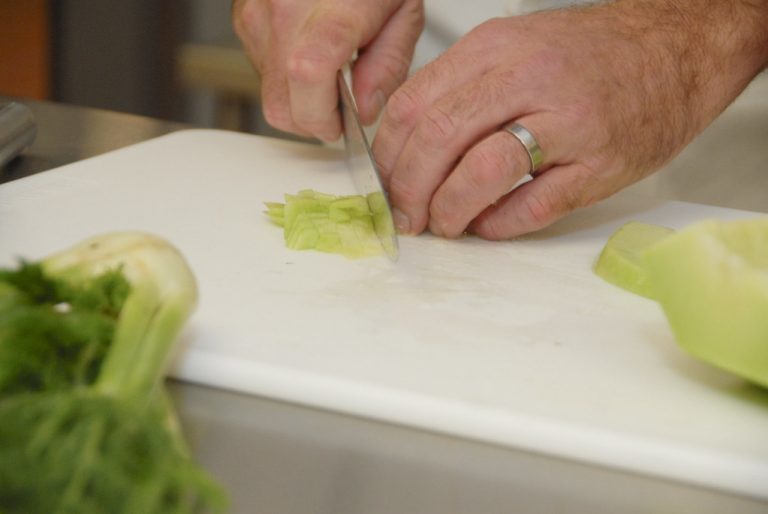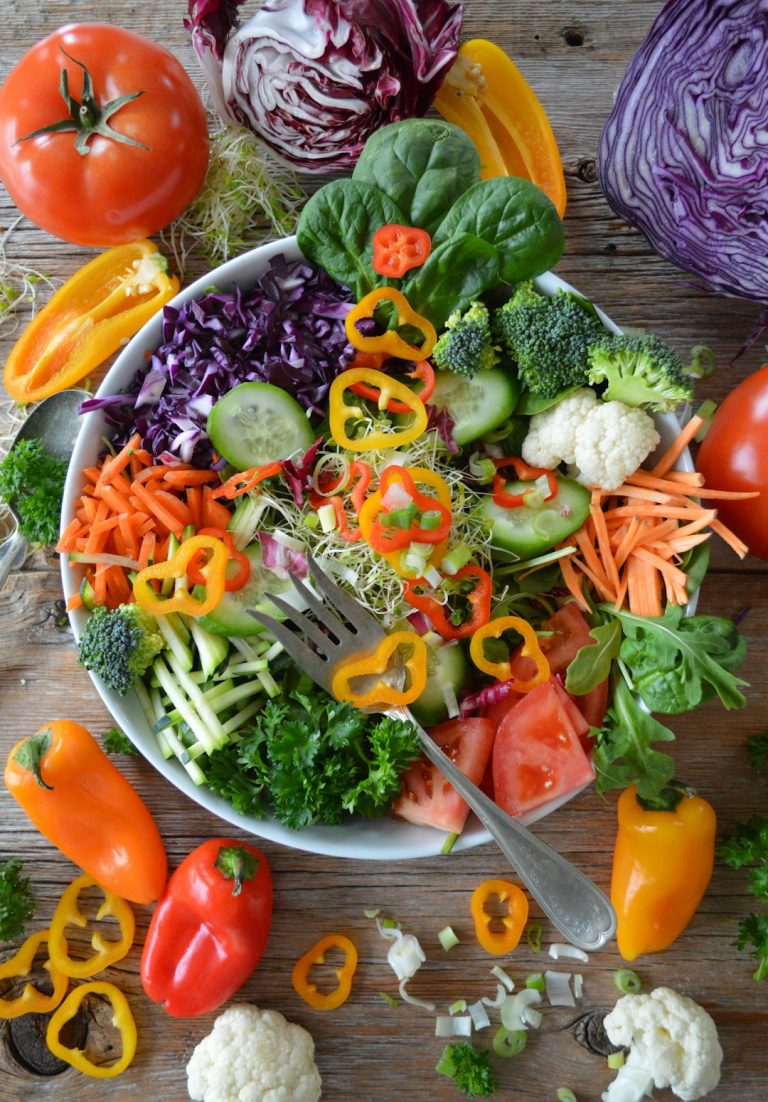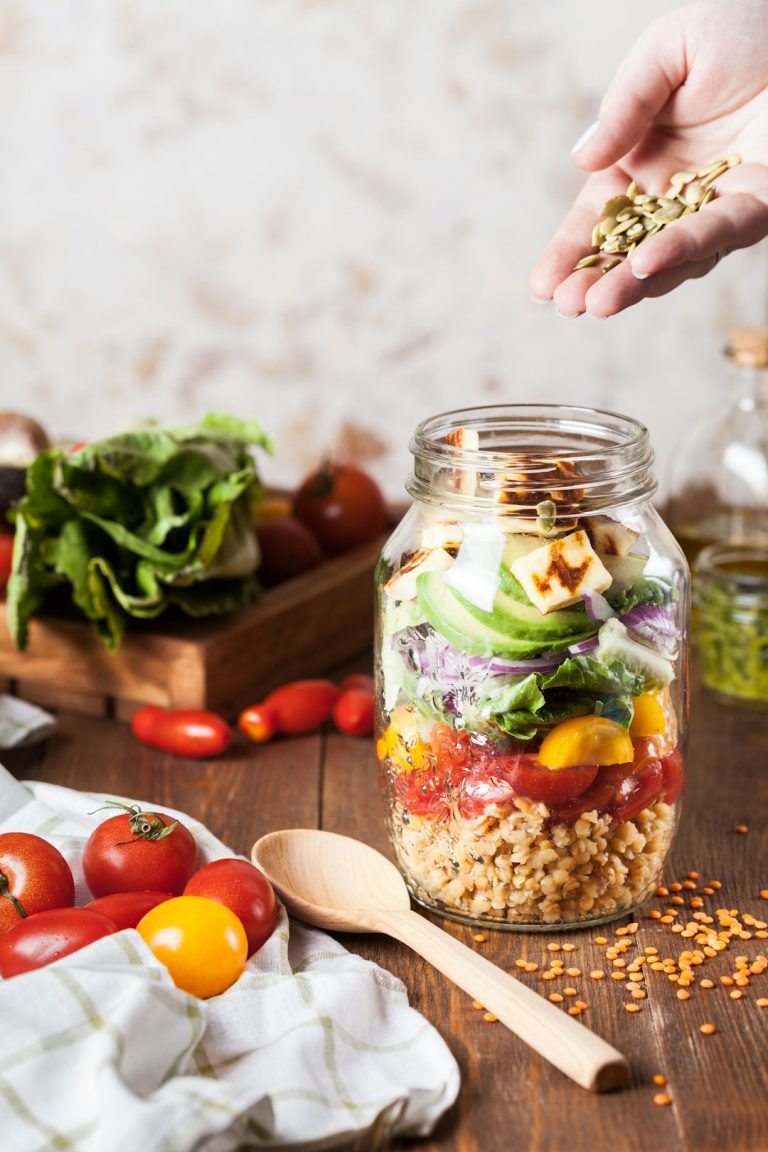


Photo by Charles de Mille-Isles on Openverse
Your digestion influences far more than how comfortably you feel after a meal. It shapes your energy, your appetite, your skin, your mood, and even how steadily you move toward weight loss goals. When the gut is under stress, everything feels harder: meals seem heavier, cravings become louder, and clean eating can start to feel like a chore instead of a lifestyle. That is why choosing organic food is not just a trend for health-conscious readers; it can be a practical, elegant way to support the body from the inside out.
For many people, the path to a healthier diet does not begin with restriction. It begins with better quality ingredients, more stable meals, and a calmer digestive system. Organic food often fits that picture beautifully because it encourages a return to whole, minimally processed ingredients. Think bright vegetables, fresh herbs, fermented foods, fiber-rich fruit, and nourishing meals that feel light without leaving you hungry. Have you ever noticed how some meals seem to energize you while others leave you sluggish and bloated? The difference is often not just portion size, but food quality and food combination.
[IMAGE: organic vegetables]
Why Gut Health Is the Quiet Foundation of a Healthy Lifestyle
The gut is often called the body’s second brain, but for everyday life it is also the engine behind comfort, metabolism, and consistency. If your digestion is off, even the best nutrition plan can feel like it is working against you. Bloating can make healthy meals feel unpleasant. Irregular digestion can affect appetite. And when the gut is irritated, many people find themselves reaching for sugary snacks, highly processed convenience foods, or oversized portions in an attempt to feel satisfied. Does that sound familiar?
A strong digestive system does not just process food more efficiently. It helps the body absorb the vitamins, minerals, and antioxidants found in organic food. That matters because clean eating is not only about removing certain ingredients. It is about making the nutrients you do eat more available to the body. A healthy gut supports better immune function, steadier energy, and a more relaxed relationship with food. For anyone looking at weight loss through a long-term lens, that is a major advantage.
The gut-brain connection and why it matters
The gut and brain communicate constantly through hormones, nerves, and the microbiome. When digestion is smooth, many people report fewer cravings, better mood stability, and less emotional eating. When digestion is impaired, stress can increase, sleep may suffer, and hunger cues can become confusing. This is one reason why a detox diet should never be treated as punishment. A sensible detox-style approach is really about reducing digestive burden and giving the body what it needs to restore balance.
Organic food can support this process because it tends to emphasize fresh produce, cleaner ingredient lists, and meals that are easier to build around whole foods. That does not mean every organic product is automatically healthy, but it does mean the category can help you make better choices with less effort. If clean eating has ever felt overwhelming, starting with a pantry and refrigerator full of simple organic staples may be the most practical upgrade you can make.
Why organic food can be easier on digestion
Many readers ask a simple question: why choose organic food if the goal is digestion, weight loss, or better nutrition? The answer is not mystical. Organic produce and ingredients often come with fewer synthetic pesticides, fewer artificial additives, and fewer highly refined components that can complicate a healthy diet. For sensitive eaters, that can translate into fewer digestive triggers and a more predictable response after meals.
Some people notice improvements when they switch to organic vegetables, organic dairy, or organic grains because they are no longer layering multiple irritants into the same meal. Others find that organic food helps them eat more mindfully, because meals feel fresher and more intentional. Either way, the result is often the same: food becomes nourishment again, not just fuel. And when that happens, clean eating becomes easier to sustain.
The Best Organic Foods for Better Digestion and Steadier Energy
If you want organic food to support a healthy lifestyle, the smartest move is to focus on foods that work with your gut instead of against it. That means looking for a balance of fiber, hydration, natural enzymes, beneficial bacteria, and soothing nutrients. The goal is not to build a perfect menu. The goal is to make every meal a little more digestion-friendly than the last.
Fermented foods that replenish beneficial bacteria
Fermented foods deserve a front-row seat in any clean eating plan. Organic yogurt, kefir, sauerkraut, kimchi, miso, and unsweetened coconut yogurt can help support a balanced microbiome. These foods introduce beneficial bacteria that may assist with digestion, regularity, and a healthier response to certain foods. If your meals often feel heavy or if you are trying to reduce bloating, small daily servings can make a meaningful difference.
Start with modest portions. A spoonful of sauerkraut on a grain bowl, a small glass of kefir at breakfast, or a few bites of kimchi alongside dinner may be enough. You do not need a dramatic overhaul. In fact, gentle consistency is usually more effective than trying to flood the gut with too much fermented food too quickly.
Fiber-rich organic produce for regularity
Fiber helps keep digestion moving, but it also plays a role in satiety, blood sugar control, and overall weight loss support. Organic vegetables and fruit are excellent sources, especially leafy greens, carrots, beets, zucchini, apples, pears, berries, and citrus. When people say they feel lighter after a clean eating reset, fiber-rich produce is often part of the reason.
Fiber works best when paired with enough water and enough time. If your diet has been low in produce, increase fiber gradually. Otherwise, you may feel more bloated before you feel better. That is a common mistake, and it is completely avoidable. A healthy diet should support digestion, not shock it.
Smart carbohydrates that nourish without weighing you down
Organic oats, quinoa, sweet potatoes, brown rice, and buckwheat can be excellent choices when you need steady energy without the crash that often follows refined carbohydrates. These foods are satisfying, easy to combine with protein, and gentle enough for many digestive systems. They also help keep clean eating realistic. After all, a healthy lifestyle should be sustainable, not painfully restrictive.
For readers focused on weight loss, smart carbohydrates can actually be helpful instead of harmful when portioned wisely. They reduce the likelihood of intense hunger later in the day, which often leads to overeating or late-night snacking. The key is to pair them with protein, healthy fats, and vegetables so the meal feels complete.
Herbs, spices, and soothing additions
Never underestimate the power of herbs and spices in a detox diet or organic meal plan. Ginger may ease queasiness and support digestion. Turmeric is often used in anti-inflammatory cooking. Peppermint, fennel, and chamomile can be calming after meals. Parsley, cilantro, and dill add freshness while also making food taste brighter, which encourages more vegetables and less reliance on heavy sauces.
Organic food does not have to be plain to be healthy. In fact, one of the easiest ways to make clean eating feel luxurious is by building flavor with natural ingredients. When meals are genuinely enjoyable, you are more likely to stay consistent. And consistency, not perfection, is what changes your body over time.
Healthy fats that reduce the feeling of deprivation
Avocado, extra-virgin olive oil, chia seeds, flaxseed, walnuts, almonds, and organic nut butters can help balance a meal and keep hunger in check. Healthy fats also support the absorption of fat-soluble vitamins, which is important if you are relying on vegetables for much of your nutrition. A salad without fat is not necessarily a better salad. A salad with olive oil, seeds, and avocado is often more useful to the body and more satisfying to eat.
For anyone exploring weight loss through organic food, healthy fats are a reminder that eating less does not have to mean feeling deprived. The real goal is to feel nourished enough that cravings quiet down naturally.
[IMAGE: healthy meal]
What a balanced gut-friendly plate looks like
- Half the plate: organic non-starchy vegetables such as leafy greens, broccoli, cucumber, or zucchini
- One quarter: clean protein such as organic eggs, fish, tofu, chicken, or lentils
- One quarter: smart carbohydrates such as quinoa, oats, brown rice, or sweet potato
- One to two teaspoons: healthy fats such as olive oil, seeds, avocado, or nuts
- Optional addition: a small serving of fermented food for microbiome support
Clean Eating Habits That Protect Your Digestive Rhythm
Clean eating works best when it is more than a list of approved foods. It should feel like a pattern of habits that protect your digestive rhythm throughout the day. That means eating at a pace your body can manage, choosing meals that are balanced rather than extreme, and recognizing which habits are quietly draining your energy.
Build meals that leave you satisfied, not stuffed
One of the biggest reasons people give up on a healthy diet is that they build meals that are too light to sustain them. They eat a salad, feel hungry an hour later, and conclude that clean eating does not work. In reality, the issue is usually balance. A salad with organic vegetables, protein, healthy fat, and a smart carbohydrate is very different from a bowl of lettuce with a few toppings.
- Include protein at every meal to support satiety
- Add fiber from vegetables, fruit, or whole grains for digestive support
- Use healthy fats to keep energy steady and enhance flavor
- Drink water consistently throughout the day rather than all at once
Have you noticed how much easier it is to stay on track when a meal truly satisfies you? That is the difference between a diet and a nourishing lifestyle.
Reduce the foods that commonly trigger bloating
Everyone’s digestion is individual, but some foods are frequent troublemakers. Highly processed snacks, large amounts of added sugar, fried foods, artificial sweeteners, and heavy restaurant meals can all create discomfort. For some people, conventional dairy or gluten may also be difficult to digest. The answer is not to fear food. The answer is to observe your body honestly and make informed choices.
If you are trying to improve nutrition and support weight loss, it can be useful to keep a simple food journal for a week. Note what you eat, how you feel afterward, and whether your energy crashes or your stomach feels unsettled. That kind of awareness is often more helpful than following a rigid plan.
Is a detox diet useful or just a marketing term?
The phrase detox diet is everywhere, but it deserves a more grounded interpretation. Your body already has natural detoxification systems, especially the liver, kidneys, and digestive tract. What you can do is reduce the load on those systems by eating organic food, staying hydrated, sleeping well, and avoiding unnecessary ultra-processed ingredients. That is not a miracle cleanse. It is simply smart nutrition.
A practical detox-style approach might include more vegetables, fewer packaged foods, enough protein, and plenty of fluids. It might also include a temporary pause on alcohol, excess sugar, and late-night snacking. When done sensibly, this type of reset can make you feel lighter and more focused without leaving you exhausted or obsessed with food.
A Gentle Organic Reset You Can Actually Follow
Instead of chasing a dramatic overhaul, think in terms of one calm, balanced day built around whole organic foods. This is the sort of approach that supports digestion without creating pressure. It is especially useful if you are tired, bloated, or simply ready to reconnect with clean eating in a more enjoyable way.
Breakfast that sets the tone
Start with something that is easy to digest and rich in nutrients. Organic oats cooked with water or unsweetened milk, topped with chia seeds, berries, and a spoonful of nut butter, can provide steady energy without a sugar spike. If you prefer savory food, try organic eggs with sautéed greens, avocado, and a slice of whole grain toast. The point is to begin the day with balance instead of a rush of refined sugar.
Ask yourself: does your breakfast actually carry you through the morning, or does it leave you searching for snacks by mid-morning?
Lunch that supports focus instead of fatigue
Lunch should feel fresh and substantial. A bowl made with organic greens, quinoa, roasted vegetables, cucumber, chickpeas, pumpkin seeds, and olive oil dressing can be both satisfying and light. Add a side of fermented vegetables if you enjoy them. If you need something warmer, a vegetable soup with organic lentils and herbs can be deeply comforting while still easy on digestion.
The best lunch for a healthy lifestyle is one that keeps your blood sugar stable and your mind clear. If your afternoon usually includes a crash, this is often the meal to improve first.
Dinner that helps the body unwind
At night, many people eat too quickly or too heavily, then wonder why sleep and digestion feel off. A better approach is to choose a dinner that is satisfying but not overwhelming. Organic salmon with roasted broccoli and sweet potato, a vegetable stir-fry with tofu and brown rice, or a simple soup with herbs and legumes can all be excellent options. Keep dinner flavorful, but not excessively rich.
When dinner is calm and balanced, your body has a better chance to move into repair mode. That matters not just for digestion, but also for energy, recovery, and long-term weight loss support.
Smart snacks when hunger truly shows up
Snacking is not a failure. It is often a sign that your body needs support between meals. The important part is choosing snacks that fit your goals. Organic apple slices with almond butter, cucumber with hummus, a boiled egg, a handful of walnuts, or plain yogurt with berries can all be helpful. These options are far more useful than reaching for crackers or candy when energy dips.
One of the keys to clean eating is learning the difference between hunger, habit, and stress. If you pause for a moment before snacking, you can often tell which one is driving the urge.
[IMAGE: fitness lifestyle]
Healthy Lifestyle Habits That Help Organic Food Work Better
Nutrition does not exist in a vacuum. You can eat the most beautiful organic food in the world, but if stress is high, sleep is poor, and movement is nonexistent, digestion will still struggle. This is why a healthy lifestyle matters so much. Food is the foundation, but daily habits determine how well that foundation holds up.
Eat slowly enough for the body to notice
Fast eating is one of the most overlooked causes of digestive discomfort. When you rush, you swallow more air, chew less thoroughly, and give your stomach less time to recognize fullness. Slowing down by even a few minutes can reduce bloating and help you feel satisfied with less food. Try placing your fork down between bites. Notice the taste, texture, and temperature of what you eat. Clean eating becomes more effective when you are present for it.
Use movement as digestion support, not punishment
Gentle movement after meals can support digestion and help blood sugar remain steadier. A short walk, light stretching, or a few minutes of mobility work often does more for the gut than an intense workout performed while stressed and underfed. This is where fitness lifestyle habits become part of the nutrition picture. You do not need to earn your meals. You need to support the body that receives them.
Movement also helps weight loss by improving insulin sensitivity and reducing the tendency to snack out of boredom or tension. That is one more reason to treat walking as a health tool, not just an afterthought.
Protect sleep and stress levels
Even the best organic diet can be undermined by poor sleep. When you are tired, cravings intensify, digestion slows, and decision-making weakens. Stress creates a similar effect by putting the nervous system into a state that is less than ideal for digestion. If you want your clean eating plan to work, treat sleep and stress management as essential parts of nutrition.
Simple rituals can help: an earlier dinner, reduced screen time before bed, deep breathing, journaling, or a short evening walk. These habits may seem small, but they often have a larger impact than people expect.
Common Organic Diet Mistakes That Slow Progress
Many people begin a healthy diet with strong intentions and then unintentionally make it harder than necessary. The problem is rarely a lack of motivation. More often, it is a mismatch between the goal and the strategy. Clean eating should make life easier, not more complicated.
Assuming organic automatically means healthy
Organic cookies are still cookies. Organic chips are still chips. Organic food can be a wonderful part of a healthy lifestyle, but it does not erase the need to check ingredients, watch portions, and think about balance. The real value of organic eating is in the quality of the whole diet, not in a single label.
Going too hard on fiber too quickly
Fiber is helpful, but it needs to be increased gradually if your current intake is low. Jumping from a processed diet to a very high-fiber menu overnight can cause gas, discomfort, and frustration. Build up slowly, drink more water, and allow your gut time to adapt. The most effective nutrition plan is the one your body can actually tolerate.
Ignoring hydration
Digestion depends on water. Without enough fluid, fiber can become sluggish instead of supportive. Many people think they are eating for gut health when they are actually under-hydrating. Make water, herbal tea, and hydrating foods part of the plan. This is especially important if you are using a detox diet approach or eating more vegetables than usual.
Forgetting that stress can mimic food issues
Sometimes the body reacts to pressure, not just ingredients. Have you ever felt bloated after a meal that seemed perfectly healthy? Stress can influence how food feels in the body. Eating in a rushed environment, multitasking, or sleeping poorly can all create symptoms that look like a food intolerance. Before assuming the meal is the problem, ask whether the overall rhythm of your day needs attention.
How to Build a Grocery List for Clean Eating Without Overwhelm
A grocery list is where healthy intentions become real. If your kitchen is stocked with the right ingredients, you are far more likely to stay consistent during busy weekdays. A practical list should not be complicated. It should simply make organic food the easiest choice available.
- Organic vegetables: spinach, kale, broccoli, carrots, cucumbers, zucchini, peppers, beets
- Organic fruit: berries, apples, pears, lemons, oranges, kiwi
- Protein: organic eggs, chicken, fish, tofu, tempeh, lentils, beans
- Whole grains: oats, quinoa, brown rice, buckwheat, whole grain bread
- Healthy fats: olive oil, avocado, walnuts, almonds, chia seeds, flaxseed
- Fermented foods: yogurt, kefir, sauerkraut, kimchi, miso
- Herbs and spices: ginger, turmeric, parsley, dill, cinnamon, peppermint tea
Once you have these staples, meal planning becomes much easier. You can assemble breakfast in minutes, throw together a lunch bowl without stress, and build a dinner that supports digestion instead of fighting it. The result is a cleaner kitchen, a steadier appetite, and fewer last-minute decisions that derail your goals.
How to shop with confidence
When you shop, focus on ingredient simplicity. Choose foods that look close to their natural form. Read labels on packaged items and look for short ingredient lists. Ask yourself whether the product supports your nutrition goals or simply wears a healthy label. The smartest shoppers are not the ones buying the most expensive items; they are the ones buying ingredients that fit their real lives.
If you are managing weight loss, remember that a pantry full of clean staples makes better choices effortless. You are not trying to rely on willpower at every meal. You are designing the environment so that the healthier choice is also the easier choice.
What Results Can You Expect From Consistent Organic Eating?
People often want fast proof that a new eating plan is working. But the most useful changes are usually the quiet ones. Less bloating after meals. More stable energy in the afternoon. Better appetite control in the evening. A lighter feeling after breakfast. More regular digestion. Fewer cravings that seem to appear out of nowhere. These are the signs that organic food and clean eating are doing their job.
If weight loss is one of your goals, you may notice that progress becomes more natural when your digestion is calmer. When meals are balanced and the gut is less irritated, it is easier to recognize true hunger and true fullness. You may also find that cravings lose some of their power because your body is better nourished. That is a very different experience from chasing diet rules all day and feeling defeated by night.
Just as importantly, a healthy diet built around organic food can make everyday life feel better. Food becomes more enjoyable. Energy becomes more reliable. Meals feel intentional. That is the real promise of clean eating: not perfection, but a rhythm you can live with.
Organic food works best when it becomes part of a complete healthy lifestyle, not an isolated project. Pair it with thoughtful nutrition, gentle movement, rest, and realistic habits, and you create a foundation that supports digestion, weight loss, and lasting wellness in a way that feels calm rather than extreme. If you want more ideas for clean eating, organic meal planning, and practical nutrition tips that fit into real life, keep exploring the latest articles on DietOrganic and build the kind of routine your body can trust every day.
About the Author