

Photo by ka_re on Pixabay
If you have ever wondered why one clean eating plan leaves you energized while another makes you feel bloated, tired, or strangely unsatisfied, the answer may be sitting much deeper than calories or macros. Your gut is not just a digestion system; it is a living ecosystem that influences immunity, energy, mood, and even the way your body manages weight. That is why choosing organic food can be so much more than a lifestyle preference. It can be a practical, elegant way to support your microbiome, reduce unnecessary chemical exposure, and build a healthier relationship with food.
In today’s world, gut health has become one of the most important foundations of nutrition. People are looking for a clean eating approach that feels sustainable, not extreme. They want a diet that supports healthy lifestyle goals, helps with weight loss naturally, and still feels enjoyable. Organic food fits beautifully into that conversation because it often emphasizes fresh produce, fewer processed ingredients, and a more mindful way of eating. But how exactly does it help your digestion? Which foods matter most? And what can you do today to start feeling better after meals?
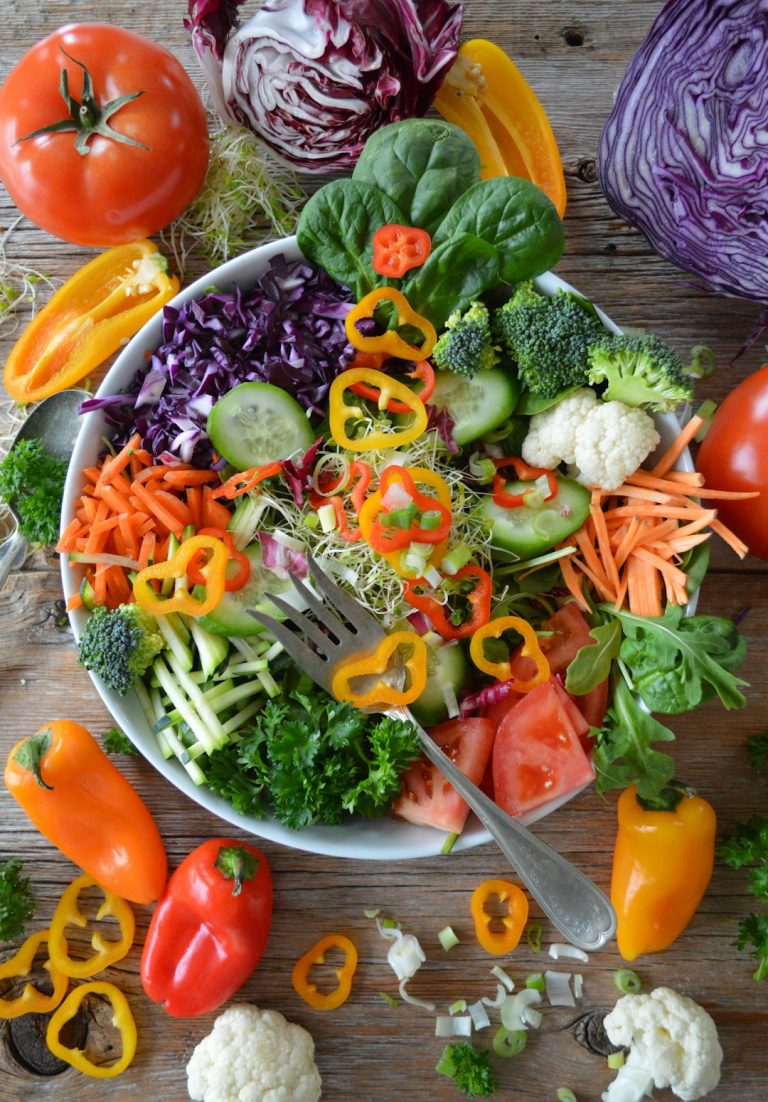
This guide explores how organic food can support gut health in a real, everyday way. You will discover which foods nourish your digestive system, which habits may quietly be undermining your progress, and how to build meals that feel light, satisfying, and deeply supportive. [IMAGE: organic vegetables]
Why Gut Health Deserves More Attention Than Ever
The gut does far more than process food. Inside your digestive tract lives a vast community of bacteria, fungi, and other microorganisms known as the gut microbiome. When this ecosystem is balanced, it helps break down food, supports nutrient absorption, and contributes to a healthy immune response. When it is disrupted, people often notice bloating, irregular bowel movements, food sensitivities, cravings, low energy, or a frustrating plateau in weight loss.
Have you ever felt hungry soon after eating a meal that should have been satisfying? Or noticed that a supposedly healthy diet still left you uncomfortable and sluggish? These can be signs that digestion needs support. The good news is that small dietary adjustments can make a meaningful difference. Choosing organic food, increasing fiber, and eating more whole foods can help create the internal environment your gut needs to thrive.
The connection between digestion and overall wellness
Your digestive system is directly connected to nearly every major system in the body. When it functions well, you tend to experience more stable energy, clearer skin, better nutrient utilization, and a stronger sense of well-being. When it struggles, the effects can ripple outward. That is why nutrition experts increasingly focus on the gut when designing plans for healthy lifestyle improvement and weight loss.
Supporting digestion is not just about avoiding discomfort after meals. It is about creating a foundation for long-term health. A gut-friendly approach may also improve how your body responds to a detox diet, how quickly you recover from stress, and how easily you maintain healthy habits over time.
Why organic food often supports better digestion
Organic food is grown with strict standards that limit many synthetic pesticides, herbicides, and genetically modified ingredients. While the goal of digestive health is not perfection, fewer chemical residues may be easier on a sensitive system. More importantly, organic eating tends to steer people toward minimally processed produce, pasture-raised proteins, and whole ingredients that are naturally rich in fiber and nutrients.
This matters because the gut responds well to consistency and quality. Fresh organic vegetables, fruits, legumes, seeds, and fermented foods can offer the building blocks your microbiome needs. The more your meals resemble real food, the more likely your digestion is to feel calm and efficient.
The Gut-Friendly Benefits of Organic Eating
Organic food is often discussed in terms of environmental impact or pesticide reduction, but its benefits extend into daily digestion and long-term nutrition. If you are working toward a cleaner, more balanced approach to eating, the organic route can help simplify your choices.
1. More fiber-rich whole foods
Many organic food plans naturally include more vegetables, fruits, legumes, nuts, seeds, and whole grains. These foods are rich in fiber, which acts like fuel for beneficial gut bacteria. Fiber also helps keep bowel movements regular and supports the feeling of fullness that can make weight loss easier to sustain.
- Leafy greens help move things through the digestive tract gently.
- Apples, pears, and berries offer soluble fiber that supports the microbiome.
- Oats, chia seeds, and flaxseed can encourage smoother digestion.
- Beans and lentils feed beneficial bacteria while improving satiety.
2. Fewer ultra-processed ingredients
A clean eating plan built around organic food often removes many of the additives found in highly processed products. Artificial flavors, excess sugar, and refined oils may not be the best companions for a delicate digestive system. When meals are simpler and more recognizable, digestion often becomes more predictable and comfortable.
3. Better nutrient density
Gut health depends on more than fiber alone. Your digestive tract also needs vitamins, minerals, antioxidants, and healthy fats to function optimally. Organic vegetables, herbs, seeds, and proteins can deliver those nutrients in a more concentrated, accessible way. For example, magnesium supports normal bowel function, zinc plays a role in intestinal repair, and vitamin C contributes to overall wellness.
4. A more mindful eating pattern
There is also a behavioral benefit to choosing organic food. Many people become more intentional when they shop for organic produce or cook from scratch. That intentionality can reduce mindless snacking, late-night overeating, and the constant reliance on convenience foods. Ask yourself: are you eating in a way that supports your body, or simply in a way that is fast and familiar?
Best Organic Foods for a Healthy Gut
If you want to improve digestion without turning your life upside down, start with a core group of organic foods that are especially gut-friendly. These ingredients are versatile, nourishing, and easy to combine into a healthy diet.
Organic leafy greens
Spinach, kale, arugula, Swiss chard, and romaine lettuce provide fiber, folate, magnesium, and antioxidants. They are light enough for sensitive digestion yet nutrient-dense enough to support daily wellness. A simple salad, green smoothie, or lightly sautéed side dish can go a long way.
Organic cruciferous vegetables
Broccoli, cauliflower, Brussels sprouts, and cabbage support detox pathways and provide prebiotic fibers that feed beneficial microbes. If you are new to these vegetables, start small and cook them well. Steaming or roasting often makes them easier to digest than eating them raw.
Organic berries
Blueberries, raspberries, blackberries, and strawberries are colorful sources of antioxidants and fiber. They satisfy sweet cravings in a way that aligns with clean eating and can be a better option than sugary snacks. A handful added to yogurt or oats makes a simple, gut-friendly choice.
Organic fermented foods
Fermented foods can be powerful allies for the microbiome. Think plain yogurt, kefir, sauerkraut, kimchi, and miso. These foods may provide beneficial bacteria and support digestive balance. Not everyone tolerates fermented foods equally, so introduce them gradually and pay attention to how you feel.
Organic oats and whole grains
Oats are gentle, filling, and naturally rich in soluble fiber. Brown rice, quinoa, barley, and millet are also strong choices for a healthy lifestyle. They provide steady energy and can support appetite control, which is important if your goal is sustainable weight loss.
Organic seeds and nuts
Chia seeds, flaxseed, pumpkin seeds, walnuts, almonds, and sunflower seeds contribute healthy fats, fiber, and minerals. Chia and flax in particular can support regularity and help create satisfying breakfasts or snacks. They are small foods with big nutritional value.
Organic root vegetables
Sweet potatoes, carrots, beets, and turnips are grounding, easy to prepare, and rich in fiber and plant compounds. They can be excellent choices for dinner because they feel comforting without being heavy.
Organic herbs and spices
Ginger, turmeric, fennel, peppermint, parsley, and cumin are more than flavor enhancers. They may support digestion and help your meals feel fresh and vibrant. A warm tea or simple seasoning blend can transform the way a meal sits in your stomach.
[IMAGE: healthy meal]
What to Limit if You Want a Happier Gut
A healthy gut is not only built by what you add. It is also shaped by what you reduce. That does not mean living in a state of restriction. It means being honest about the foods that may be working against your goals.
Excess sugar and refined carbohydrates
High amounts of sugar can feed an imbalanced microbiome and contribute to cravings that make clean eating harder to maintain. Refined carbohydrates, especially when paired with little fiber or protein, may cause rapid blood sugar spikes followed by a crash. If your energy rises and falls dramatically after meals, your gut and metabolism may both be asking for more stability.
Heavy reliance on ultra-processed snacks
Packaged foods often contain emulsifiers, preservatives, and flavor enhancers that can interfere with how your body processes meals. They are convenient, but convenience can come at a cost. Replacing even a few processed snacks each week with organic options can make your diet feel cleaner and more supportive.
Too much alcohol
Alcohol can irritate the digestive lining and disrupt the microbiome, especially when consumed frequently. If your goal is better digestion, consider how often you drink and whether reducing intake might help you feel lighter, sleep better, and recover more quickly.
Large portions eaten too quickly
Even the best food can feel difficult to digest when eaten in a rush. The digestive process begins before the first bite is swallowed. Slowing down, chewing more thoroughly, and noticing your meal can significantly improve comfort. Could one of the simplest gut health strategies be as ordinary as eating more slowly?
How Organic Food Supports Natural Weight Loss
Many people search for a weight loss plan that feels sensible and humane. They do not want extreme rules or endless hunger. Organic food can support that goal because it tends to center on high-volume, nutrient-dense meals that are naturally satisfying. When your gut is happier, you may also find it easier to make choices that support portion control and steady energy.
Satiety matters more than willpower
One reason people struggle with weight loss is that their meals are not filling enough. A breakfast low in fiber and protein may lead to snacking within hours. An organic breakfast built from oats, berries, seeds, and yogurt, on the other hand, can help you feel calm and steady until lunch. This is not about discipline; it is about physiology.
Blood sugar balance supports cravings
Meals that combine fiber, protein, and healthy fat tend to keep blood sugar more stable. That means fewer intense cravings and less impulsive eating. Organic food is often the easiest way to build these meals because the ingredients are simple, fresh, and whole.
Digestive comfort influences consistency
When you feel bloated or uncomfortable, it is much harder to stick to healthy habits. People often assume they need stronger motivation, but the real issue may be meal composition. If your food feels good in your body, you are more likely to continue eating well long enough to see results.
Less mindless eating, more intentional eating
Clean eating is not about perfection. It is about making better choices most of the time. Organic food encourages a rhythm of cooking, preparing, and enjoying meals that naturally slows down overeating. When your food tastes fresh and your plate is balanced, you may stop eating because you are satisfied, not because you are stuffed.
Build a Gut-Friendly Organic Plate
The simplest way to use organic food for gut health is to build each meal around a balanced plate. You do not need a complicated detox diet to get started. You need structure, consistency, and ingredients that work with your body.
The ideal formula
- Half the plate: organic vegetables, especially leafy greens, cruciferous vegetables, and colorful produce.
- One quarter of the plate: organic protein sources such as eggs, Greek yogurt, beans, lentils, tofu, tempeh, chicken, turkey, or fish.
- One quarter of the plate: slow-digesting carbohydrates like quinoa, oats, brown rice, sweet potatoes, or whole-grain bread.
- Healthy fats: olive oil, avocado, seeds, nuts, and fatty fish in moderate amounts.
This structure supports blood sugar balance, satiety, and better digestion. It also makes meal planning much easier because you are not starting from scratch every day. Instead, you are simply assembling combinations that nourish the gut and fit your healthy lifestyle goals.
Meal examples that feel clean and satisfying
Breakfast: Organic oats topped with chia seeds, blueberries, cinnamon, and plain yogurt.
Lunch: A bowl of quinoa, roasted broccoli, chickpeas, avocado, and a lemon-tahini dressing.
Dinner: Grilled salmon with sweet potatoes, sautéed greens, and a side of fermented vegetables.
Snack: An organic apple with almond butter or plain kefir with berries.
Organic Breakfast Ideas for Better Digestion
Breakfast sets the tone for the day. If your morning meal is heavy, sugary, or hard to digest, the rest of the day may follow that pattern. The right organic breakfast can do the opposite: it can help your body wake up gently and prepare for steady energy.
Why breakfast quality matters
People often underestimate the importance of a supportive breakfast. A meal that contains fiber and protein can reduce afternoon cravings, while a breakfast made mostly of refined flour or sweetened cereals may leave you hungry by mid-morning. If you have ever felt that your mornings were a cycle of quick hunger and poor focus, your breakfast may need a reset.
Easy organic breakfast combinations
- Overnight oats with flaxseed, berries, and unsweetened yogurt
- Vegetable omelet with spinach, mushrooms, and tomatoes
- Smoothie with kale, cucumber, avocado, chia, and protein
- Whole-grain toast with almond butter and sliced banana
- Kefir bowl with berries, pumpkin seeds, and cinnamon
These breakfasts are not flashy, but they are effective. They deliver the kind of nutrition that helps the gut function smoothly and helps you feel in control of your appetite. Isn’t that the kind of morning most people are actually looking for?
The Role of Hydration in Gut Health
Food matters, but hydration is equally important. Water helps move fiber through the digestive tract and supports every cell in the body. If you increase your intake of organic vegetables, legumes, and seeds, you also need to increase your fluid intake so digestion remains comfortable.
Smart hydration habits
- Start the day with a glass of water before coffee.
- Include herbal teas such as ginger, peppermint, or fennel.
- Drink water consistently throughout the day rather than all at once.
- Adjust intake upward when eating more fiber-rich foods.
A gentle detox diet is not about deprivation. It is about giving your system the basic resources it needs to process food efficiently. Hydration is one of those resources, and it is often overlooked.
Foods and Habits That Can Quietly Disrupt the Microbiome
Many people make healthy-sounding choices without realizing that a few habits are still undermining their progress. Gut health is sensitive to patterns, not just individual meals. If you want better digestion, it helps to look at the bigger picture.
Common disruptors
- Skipping meals and then overeating later
- Eating too many snacks instead of balanced meals
- Relying on artificial sweeteners every day
- Ignoring stress, which can affect digestion strongly
- Sleeping poorly, which can influence hunger and cravings
- Eating while distracted, rushed, or emotionally overwhelmed
The gut is responsive to lifestyle, which is why clean eating should be paired with rest, movement, and a calmer pace. This is where organic food becomes part of a larger healthy lifestyle rather than a stand-alone solution.
How to Start a Gut-Healthy Organic Routine Without Feeling Overwhelmed
Change works best when it feels manageable. You do not need to transform your entire pantry overnight. Begin with a few practical shifts and build from there.
Step 1: Upgrade the most common foods
Instead of replacing everything, choose the foods you eat most often and make them more supportive. If you eat apples daily, buy organic apples. If you make oatmeal every morning, switch to a cleaner version and add seeds or berries. Small changes repeated often are powerful.
Step 2: Add, don’t just remove
People often approach a healthy diet as a long list of things they can no longer eat. That mindset rarely lasts. A better strategy is to add more organic vegetables, more water, more fiber, and more simple home-cooked meals. As these foods become more present, less nourishing options naturally shrink.
Step 3: Keep easy staples on hand
Stock your kitchen with a few reliable ingredients so healthy eating does not depend on motivation. Good staples include organic oats, frozen berries, eggs, leafy greens, canned beans, brown rice, chia seeds, Greek yogurt, olive oil, and lemons. With these items, it becomes much easier to prepare nutritious meals quickly.
Step 4: Notice how foods make you feel
The best nutrition plan is one you can live with. Pay attention to bloating, energy, hunger, sleep, and mood after meals. Your body will give you clues. If a food consistently leaves you feeling heavy or uncomfortable, that information matters.
Meal Prep Ideas for a Gut-Friendly Week
Organic meal prep can make it much easier to stay on track with clean eating. When nutritious food is already prepared, you are less likely to rely on convenience snacks or takeout that do not support digestion.
What to prep on one afternoon
- Roast a tray of organic vegetables such as carrots, broccoli, and zucchini
- Cook a grain like quinoa, brown rice, or farro
- Prepare a protein source like eggs, lentils, salmon, tofu, or chicken
- Wash and dry greens for salads and bowls
- Mix a simple dressing using olive oil, lemon, and herbs
- Portion out fruit, nuts, and yogurt for quick snacks
With these building blocks ready, you can assemble meals in minutes. That makes a healthy diet feel less like a chore and more like a natural part of your routine. [IMAGE: fitness lifestyle]
Organic Foods That Support a Natural Detox Diet
The word detox is often overused, but the body does have built-in detoxification systems, especially the liver, kidneys, skin, and digestive tract. Your role is not to force detoxification through extremes. Your role is to support those systems with proper nutrition.
Best supportive foods
- Cruciferous vegetables like broccoli and cabbage
- Citrus fruits like lemons and oranges
- Leafy greens and fresh herbs
- Seeds, nuts, and omega-3-rich foods
- Fiber-rich fruits such as berries and apples
- Ginger, turmeric, and garlic
When these foods are part of your regular diet, your body gets the support it needs without harsh cleansing routines. That is a healthier, more realistic form of detox diet thinking: gentle, consistent, and sustainable.
Does Organic Food Help with Bloating?
For many people, yes, especially when the switch to organic eating also means eating fewer processed foods and more whole ingredients. Bloating has many possible causes, including food intolerances, stress, eating speed, and poor hydration. Organic food is not a cure-all, but it can help reduce one layer of complexity.
What may improve
- Less exposure to heavily processed ingredients
- Higher intake of natural fiber
- More regular meal patterns
- Better digestion from fresher foods
If bloating is a frequent issue, start by keeping a food-and-feeling journal for one or two weeks. What did you eat, how quickly did you eat it, and how did you feel afterward? These patterns often reveal more than guesswork ever could.
When Organic Eating Is Especially Worth It
Not every food has to be organic for your diet to be healthy. Still, some foods may be especially worthwhile to buy organic if they are part of your routine. The goal is smart prioritization, not pressure.
Common high-priority organic choices
- Leafy greens
- Berries
- Apples
- Grapes
- Peaches and nectarines
- Bell peppers
- Spinach
These foods are eaten frequently by many people, so choosing organic can be a practical way to align your habits with your health goals. If budget is a concern, buy organic for the items you eat most often and conventional for others. Progress matters more than perfection.
A Practical 3-Day Organic Gut Reset
If you want a simple place to begin, try a short reset built around whole organic foods. This is not a crash cleanse. It is a clean eating reset designed to help you reconnect with how balanced meals feel.
Day 1
Breakfast: Oats with chia seeds, berries, and cinnamon
Lunch: Big salad with greens, chickpeas, avocado, cucumber, and olive oil dressing
Dinner: Roasted salmon, broccoli, and sweet potato
Snack: Apple with almond butter
Day 2
Breakfast: Yogurt with flaxseed and blueberries
Lunch: Quinoa bowl with roasted vegetables and tahini
Dinner: Chicken or tofu stir-fry with cabbage, carrots, and brown rice
Snack: Carrot sticks and hummus
Day 3
Breakfast: Green smoothie with spinach, banana, kefir, and chia
Lunch: Lentil soup with side greens
Dinner: Turkey or tempeh lettuce wraps with avocado and herbs
Snack: A handful of walnuts and a pear
By the end of the third day, pay attention to your energy, cravings, and digestion. Do you feel lighter? More regular? Less dependent on constant snacking? Those signs can show you what your body responds to best.
How Movement and Rest Improve Digestive Health
Nutrition is the centerpiece, but movement and rest are part of the same picture. A healthy lifestyle is built on multiple supportive habits that work together.
Gentle movement
Walking after meals, practicing yoga, or doing light strength training can help digestion and circulation. You do not need an intense workout to support gut health. Even a 15-minute walk can help your body feel more settled after eating.
Quality sleep
Sleep affects hunger hormones, stress levels, and recovery. Poor sleep can lead to stronger cravings and a less resilient digestive system. If you are working on weight loss or a detox diet, sleep is not optional. It is essential.
Questions to Ask Yourself Before the Next Meal
Clean eating becomes more powerful when you pair it with reflection. Before you eat, ask:
- Will this meal leave me energized or weighed down?
- Does it contain fiber, protein, and healthy fat?
- Am I eating because I am hungry, or because I am stressed?
- Have I had enough water today?
- Could I add one more organic vegetable to this plate?
These questions are simple, but they help create awareness. And awareness is often the first step toward lasting change.
Why This Approach Works Long Term
The best nutrition plan is one that respects both science and real life. Organic food supports gut health because it encourages better ingredients, more thoughtful meals, and a gentler daily rhythm. It does not rely on dramatic restrictions or unrealistic promises. Instead, it helps you build a body-friendly routine that can last.
If your current diet leaves you feeling bloated, depleted, or stuck, a more organic, clean eating approach may be exactly what your system needs. It can support digestion, stabilize appetite, and create the kind of steady progress that feels calm rather than forced. That is often what people mean when they talk about true wellness: not just looking better, but feeling better from the inside out.
And perhaps that is the real secret of gut-friendly eating. It is not about chasing a perfect detox diet or obsessing over every bite. It is about returning to foods your body recognizes, meals your digestion can handle well, and habits that make you feel clear, nourished, and in control. If you are ready to explore more ways organic food can improve your health, keep reading the latest articles on DietOrganic and continue building a cleaner, stronger, more balanced lifestyle one meal at a time.
About the Author