

Photo by RDNE Stock project on Pexels
Your gut does far more than digest food. It influences how steady your energy feels, how comfortably you digest meals, how often you crave sugar, and even how easy or difficult it seems to manage weight. That is why so many people are turning to organic food and clean eating as a practical way to support a healthier digestive system. When your meals are built around whole ingredients, naturally rich in fiber, antioxidants, and beneficial plant compounds, your body has a better chance to thrive. Could a few thoughtful food choices really change how you feel every day? For many people, the answer is yes.
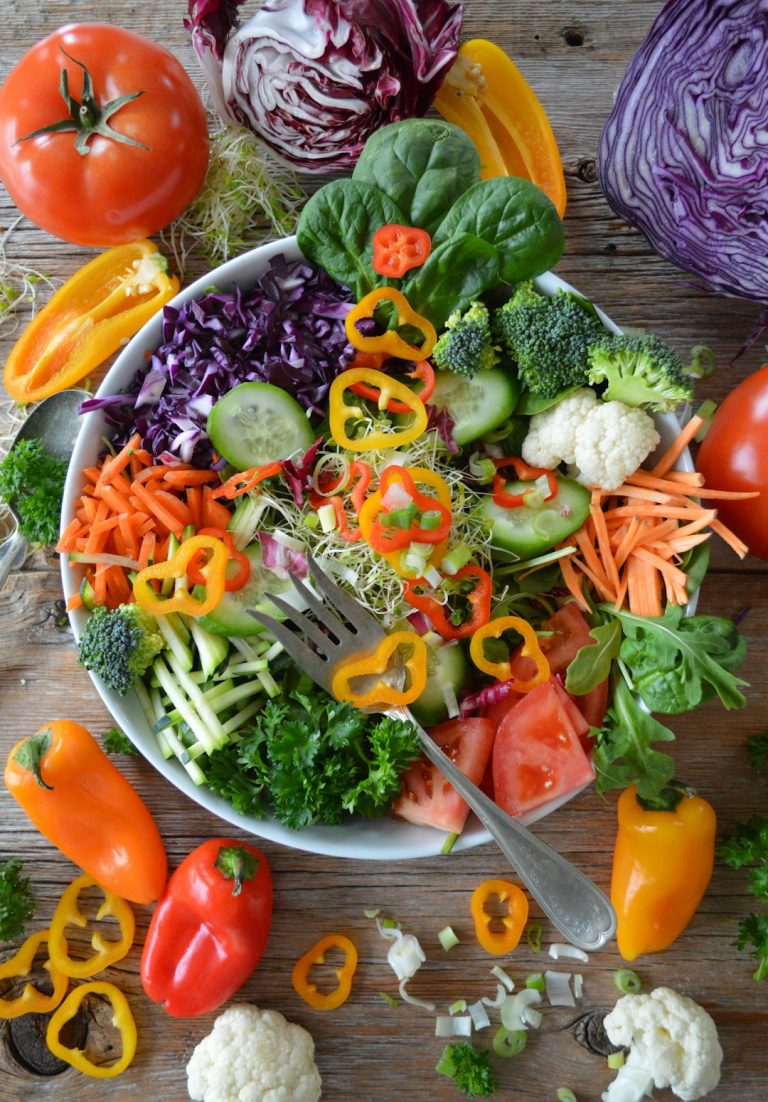
This guide explores how organic foods can support gut health in a way that feels realistic, satisfying, and sustainable. Instead of chasing extreme rules or a harsh detox diet, you will learn how to create a healthy diet that works with your body. We will look at the best organic foods for digestion, the connection between clean eating and weight loss, and the simple habits that make a long-term healthy lifestyle much easier to maintain. [IMAGE: organic vegetables]
Why Gut Health Deserves More Attention
The digestive system is often treated like it only matters when something goes wrong, but gut health affects far more than occasional bloating or discomfort. Your gut helps break down food, absorb nutrients, and support the trillions of microbes that live in your digestive tract. This internal ecosystem, often called the gut microbiome, is closely linked to immunity, metabolism, mood, and inflammation. If your digestion is struggling, many other parts of daily life can begin to feel out of balance too.
Think about the last time you ate a heavy, processed meal. Did you feel sluggish afterward? Did your stomach feel tight, or did your cravings spike later in the day? These reactions are not random. The foods you choose can either support smooth digestion or make your system work harder than it needs to. That is why a clean eating approach built on organic food can feel so refreshing. It gives your body ingredients it can process more easily while reducing the noise created by additives, excess sugar, and low-quality fats.
Common signs your gut may need more support
Gut problems do not always show up in dramatic ways. Sometimes the signs are subtle and easy to ignore until they become routine. A healthy diet can make a meaningful difference when you notice patterns like these:
- Frequent bloating after meals
- Irregular bowel movements
- Persistent sugar cravings
- Low energy after eating
- Skin flare-ups that seem connected to food
- Feeling uncomfortably full from small portions
- Digestive upset after greasy or highly processed meals
If several of these feel familiar, your gut may be asking for more fiber, more hydration, and less processed food. That is where organic foods can become a useful foundation rather than just a trendy label.
What Makes Organic Food Different for Digestion
Organic food is not a magic solution, and it is important to be honest about that. Still, it can be a smart part of a healthy lifestyle because it tends to emphasize fresher, less processed ingredients grown with restrictions on synthetic pesticides, herbicides, and artificial additives. When you focus on organic produce, organic grains, and organic proteins, you often end up eating a cleaner, more nutrient-dense diet by default.
For gut health, this matters because the digestive system responds well to simplicity. Fewer additives can mean fewer irritants. Whole foods can mean more fiber, more micronutrients, and less of the blood sugar instability that often comes with packaged snacks and refined carbohydrates. Organic food does not replace medical treatment or cure digestive conditions, but it can help create a calmer internal environment.
Lower exposure to unnecessary residues
Many people choose organic foods because they want to reduce their exposure to pesticide residues and other agricultural chemicals. While the research is nuanced, the practical benefit is easy to understand: when your food choices become cleaner and more intentional, your overall eating pattern often improves. You are more likely to buy fresh vegetables, seasonal fruit, and simple pantry staples instead of ultra-processed products.
More plant diversity, more gut support
The gut microbiome thrives on variety. Different fibers feed different strains of beneficial bacteria, which is why a diet built around a wide range of organic vegetables, fruits, legumes, seeds, and whole grains is so helpful. A monotonous diet can make digestion feel flat and uninspired, while a colorful plate gives your gut a broader set of nutrients to work with.
Better habits often follow better ingredients
There is also a behavioral benefit to choosing organic food. When people make a deliberate decision to eat more whole ingredients, they often become more mindful about portions, meal timing, hydration, and food quality. That mindset shift can matter as much as the food itself. Clean eating encourages consistency, and consistency is what transforms a healthy diet from an idea into a lifestyle.
The Best Organic Foods for Gut Health
If your goal is better digestion, the smartest strategy is not to overcomplicate things. Start with foods that are naturally rich in fiber, water, and protective plant compounds. Then add fermented and minimally processed items that support microbial diversity. A strong gut-friendly diet does not need to be fancy. It needs to be steady, colorful, and easy to repeat.
Organic vegetables that keep digestion moving
Vegetables are the backbone of a gut-supportive healthy diet. They provide fiber, volume, and a wide range of micronutrients without overwhelming the digestive system. Organic vegetables are especially valuable when you want freshness and flavor to be the center of the plate. If you are asking yourself, what should I eat more of this week, vegetables are almost always a good answer.
Excellent choices include:
- Leafy greens such as spinach, kale, and arugula
- Cruciferous vegetables such as broccoli, cauliflower, and Brussels sprouts
- Root vegetables such as carrots, beets, and sweet potatoes
- Hydrating vegetables such as cucumber, zucchini, and celery
- Alliums such as garlic, onion, and leeks, which can help feed beneficial bacteria
These vegetables are versatile enough for soups, salads, grain bowls, and roasted dishes. They also pair well with healthy fats and herbs, which can make digestion feel easier and meals feel more satisfying.
Organic fruits that are gentle yet nourishing
Fruit is often misunderstood in weight loss conversations, but the right fruits can absolutely support a healthy lifestyle. Whole fruit provides natural sweetness, fiber, and hydration, which may help reduce the urge to reach for refined desserts. Berries are especially valuable because they are rich in antioxidants and relatively low in sugar compared with many packaged snacks. Apples, pears, kiwis, and citrus fruits are also excellent choices for digestion.
A simple rule helps here: choose whole fruit more often than juice. When fruit keeps its fiber, it slows sugar absorption and supports steadier energy. That matters if you are trying to manage cravings while also keeping your gut calm.
Fermented organic foods that support the microbiome
Fermented foods deserve a place in almost any gut-friendly eating plan. They can introduce beneficial bacteria and add depth of flavor to meals, making clean eating feel less restrictive. If you have never thought much about fermented foods, start small and observe how your body responds.
Good options include:
- Organic yogurt with live cultures
- Kefir
- Sauerkraut
- Kimchi
- Miso
- Tempeh
These foods can be especially helpful when you are rebuilding a routine after a period of heavy processed food intake. Add them slowly. More is not always better, especially if your digestive system is sensitive.
Organic whole grains and legumes for steady digestion
Many people cut carbs too aggressively in the name of weight loss, only to find that their digestion worsens and their energy crashes. Whole grains and legumes can be extremely helpful when chosen wisely. They provide fiber, plant protein, and slow-burning energy that supports both gut health and appetite control.
Consider these staples:
- Organic oats
- Brown rice
- Quinoa
- Lentils
- Black beans
- Chickpeas
If beans are new to you or have caused discomfort in the past, start with small portions, soak them well, and cook them thoroughly. Your gut often adapts best when changes are gradual rather than dramatic.
Healthy fats that help the gut feel calmer
Healthy fats are not just for satiety. They also support the absorption of fat-soluble vitamins and can help meals feel more satisfying, which reduces the urge to snack on less nourishing food. Organic avocado, extra-virgin olive oil, chia seeds, flaxseeds, walnuts, and almonds all fit beautifully into a clean eating pattern.
One of the easiest ways to improve a meal is to add a little fat in the right form. A drizzle of olive oil over vegetables, a spoonful of nut butter with fruit, or a sprinkle of seeds over oatmeal can make a meal feel more complete and digestible.
How Clean Eating Supports a Healthier Gut
Clean eating is often used as a vague buzzword, but at its best it simply means eating real food in its most recognizable form. For gut health, that matters because the less your diet depends on ultra-processed products, the more your digestive system can focus on nutrient absorption instead of coping with excess sugar, emulsifiers, refined flour, and artificial flavoring.
Many people think of a detox diet as a short-term reset, but the body already has natural detoxification systems in place, especially the liver, kidneys, and digestive tract. What those systems need is support, not punishment. That support comes from hydration, fiber, protein, minerals, and rest. Clean eating is not about starvation. It is about giving your body what it needs to do its job well.
What to reduce if you want better digestion
If your current diet is heavy in packaged foods, you do not need to overhaul everything overnight. Begin by reducing the items that are most likely to irritate your gut or destabilize your energy. Small changes can produce surprisingly noticeable results.
- Refined sugar and sweet drinks
- Deep-fried snacks
- Highly processed breakfast cereals
- Artificial sweeteners that upset digestion
- Excessive alcohol
- Heavy sauces and packaged meals with long ingredient lists
What happens when these foods are reduced? Often, people report less bloating, fewer cravings, and better appetite awareness. The goal is not perfection. The goal is relief.
What to increase for digestive balance
Instead of focusing only on restriction, build your meals around nourishing ingredients that support your gut from multiple angles:
- Fiber-rich produce
- High-quality protein
- Hydrating foods
- Fermented ingredients
- Herbs and spices such as ginger, turmeric, and peppermint
- Plenty of water and mineral-rich fluids
Clean eating becomes much easier when your plate is full of things that help you feel good immediately rather than just things you hope will help later.
Organic Foods and Weight Loss: What Is the Connection?
Weight loss is often framed as a numbers game, but digestion plays a much bigger role than most people realize. When your gut is not functioning well, appetite cues become less reliable, cravings increase, and meals can leave you feeling unsatisfied. Organic food supports weight loss indirectly by helping you build meals that are more filling, more nutrient-dense, and less likely to trigger overeating.
There is no single organic food that melts fat, and anyone who tells you otherwise is oversimplifying. Still, an organic diet based on whole ingredients often makes calorie control feel natural rather than forced. Why? Because your body tends to recognize these meals as real nourishment. Fiber slows digestion, protein supports fullness, and healthy fats help stabilize hunger.
Why better digestion can make fat loss easier
When digestion is calm, your body may handle meal timing and portion control more smoothly. You are less likely to feel starving an hour after eating, and less likely to chase energy through snacks that offer little nutrition. That stability can make a huge difference if you have struggled with inconsistent eating patterns.
Consider the following benefits of a gut-friendly clean eating approach:
- More stable energy throughout the day
- Less emotional eating driven by blood sugar swings
- Better portion awareness
- Lower reliance on sugar-heavy comfort foods
- Improved meal satisfaction
These are the practical reasons organic food can support weight loss without making life feel miserable.
Foods that support satiety and metabolic health
If your goal is a healthier body composition, focus on meals that combine protein, fiber, and healthy fats. This combination helps slow digestion in a good way, keeping you satisfied long enough to make thoughtful choices later in the day. Some of the best options include organic eggs, plain yogurt, lentils, chia pudding, salmon, tofu, berries, oats, and roasted vegetables.
For a little extra support, build meals around this simple question: does this plate contain something from each of the following categories?
- A quality protein
- A high-fiber plant food
- A healthy fat
- A source of color and flavor
That one habit can improve both digestion and weight management over time.
A Simple Organic Meal Pattern for Gut Health
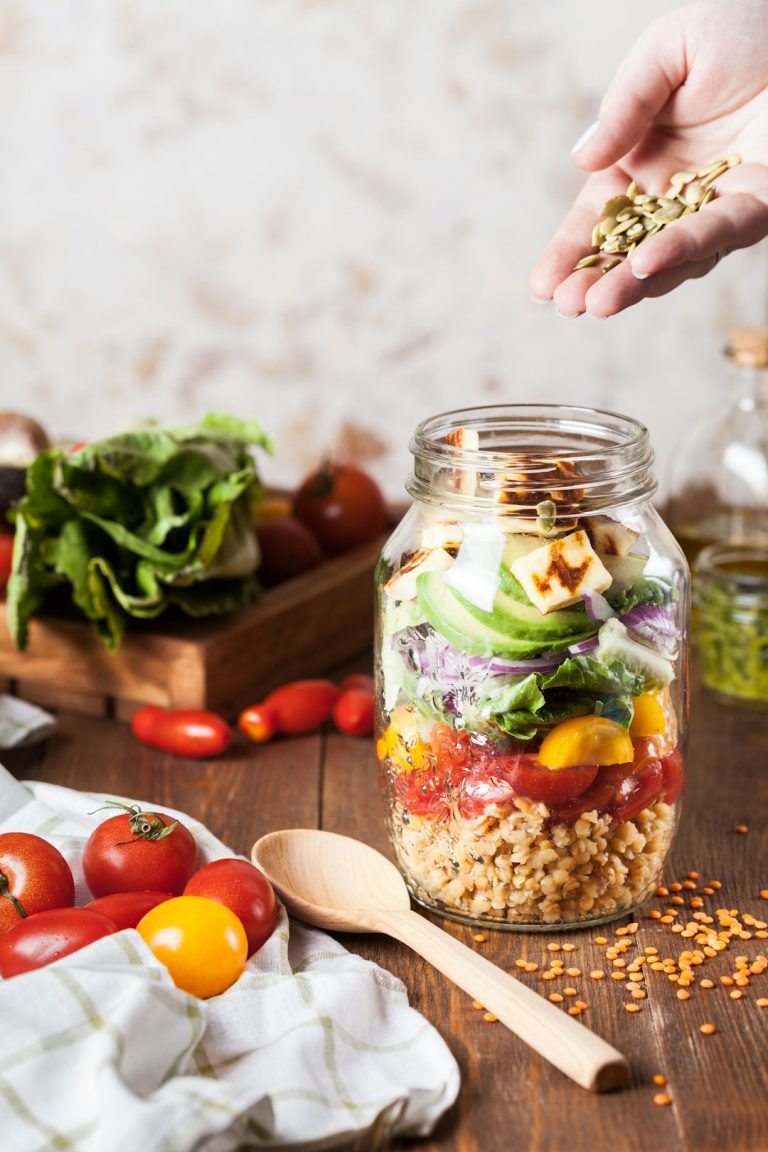
You do not need an elaborate detox diet to eat in a way that supports your gut. You need a repeatable pattern. The best meal plans are the ones that fit into real life, not the ones that look impressive for three days and collapse by the weekend. Below is a simple framework you can adapt based on your schedule, preferences, and activity level. [IMAGE: healthy meal]
Breakfast: gentle, filling, and steady
Start the day with something that will not spike your blood sugar and leave you hungry too soon. Some excellent organic breakfast ideas include:
- Organic oats topped with berries, chia seeds, and plain yogurt
- Veggie omelet with avocado and greens
- Kefir smoothie with spinach, banana, flaxseed, and cinnamon
- Chia pudding with almond butter and sliced kiwi
Have you noticed how a balanced breakfast changes your mood? Many people are surprised by how much easier the rest of the day feels when breakfast is built for stability instead of convenience alone.
Lunch: colorful, protein-rich, and easy to digest
Lunch should leave you nourished, not sleepy. A good formula is a large base of vegetables, a satisfying protein, and a smart carbohydrate. Try a salad bowl with quinoa, grilled chicken or chickpeas, cucumbers, herbs, olive oil, and fermented vegetables. Or choose a warm bowl with brown rice, roasted broccoli, carrots, and tofu.
Dinner: supportive without being heavy
Evening meals work best when they are satisfying but not overly rich. A dinner that is too heavy can interfere with sleep and digestion, while a dinner that is too light can trigger late-night snacking. Aim for balance.
- Roasted salmon with asparagus and sweet potato
- Organic lentil stew with carrots, celery, and herbs
- Stir-fried vegetables with tempeh and brown rice
- Chicken or tofu with zucchini noodles and pesto
Notice the pattern? Whole foods, simple seasoning, and a clear sense of structure. That is the essence of a healthy diet that supports digestion.
Snacks that work with your gut instead of against it
Snacking is not the enemy. Random snacking is the problem. Choose organic snacks that include fiber or protein so they actually satisfy you.
- Apple slices with almond butter
- Carrots with hummus
- Plain yogurt with berries
- Handful of walnuts or pumpkin seeds
- Cucumber with guacamole
When snacks become mini-meals instead of sugar hits, your blood sugar often stays steadier, and your gut has less work to do later.
How to Create a Gut-Friendly Kitchen at Home
The easiest way to stay consistent with clean eating is to make the healthy choice the convenient one. If your pantry is full of sugary cereal, chips, and packaged sweets, your habits will usually follow the environment. If your kitchen is stocked with organic food that is easy to prepare, your nutrition improves almost automatically.
Kitchen staples worth keeping on hand
- Organic oats, quinoa, and brown rice
- Lentils, beans, and chickpeas
- Frozen organic vegetables for quick meals
- Fresh fruit and leafy greens
- Plain yogurt or kefir
- Olive oil, nuts, seeds, and nut butter
- Herbs, garlic, ginger, and turmeric
With those ingredients, you can assemble breakfast, lunch, and dinner without needing complicated recipes. That simplicity is one reason people stick with a healthy lifestyle after the excitement of a new plan fades.
Meal prep without burnout
Meal prep does not have to mean spending your entire Sunday in the kitchen. Even 45 minutes of focused preparation can change the tone of your week. Wash greens, roast vegetables, cook a grain, prepare one protein, and portion a few snacks. Suddenly, your choices are easier because the building blocks are already there.
Ask yourself: what is the one thing that usually derails my healthy eating? Is it lack of time, decision fatigue, or not having food ready? Once you know the obstacle, you can design your kitchen around it.
Movement, Hydration, and Digestion Go Hand in Hand
Food is essential, but it is only part of the picture. Your gut also responds to movement, hydration, and sleep. A daily walk can help stimulate digestion. Gentle stretching may reduce bloating. Enough water supports fiber function. Quality sleep helps regulate hunger hormones. This is why a healthy lifestyle is more effective than a food-only plan.
Movement does not need to be intense to be useful. In fact, a calm walk after meals can be one of the most underrated habits for better digestion. [IMAGE: fitness lifestyle] If you have ever felt better after moving instead of lying down immediately, you already know this works. It is a small change with outsized benefits.
Simple habits that support gut function
- Drink water consistently throughout the day
- Take a 10- to 15-minute walk after larger meals
- Eat slowly and chew thoroughly
- Keep stress levels in check where possible
- Protect sleep as carefully as you protect your nutrition
These are not glamorous habits, but they are the habits that make a clean eating approach work in real life.
Common Organic Diet Mistakes to Avoid
Even when people buy high-quality organic food, they can still make choices that leave them tired, bloated, or frustrated. The good news is that most of these mistakes are easy to correct once you know what to look for. If you have tried a detox diet or a very restrictive plan in the past, you may be especially vulnerable to these patterns.
Overeating processed organic products
Organic does not automatically mean healthy. Organic cookies, chips, and snack bars can still be high in sugar and low in nutrients. The label matters less than the overall structure of the meal. If the food is still ultra-processed, your gut may not feel much better.
Not eating enough fiber
Some people clean up their diet but forget the fiber. Without enough plant matter, digestion can slow down, and the gut microbiome loses some of its fuel. A healthy diet for gut support should include vegetables, fruit, legumes, seeds, and whole grains in some combination every day.
Going too low in calories
Severe restriction can backfire. If you eat too little, your body may respond with fatigue, cravings, and poor digestion. Sustainable weight loss is usually easier when you are properly nourished. The goal is balance, not deprivation.
Changing everything at once
Switching overnight from highly processed food to a very strict organic diet can overwhelm your digestive system and your schedule. Start with one meal, then one day, then one week. Lasting habits are built through repetition, not intensity.
A Practical 3-Step Reset for Better Digestion
If you want to use organic food to support gut health, you do not need a complicated cleanse. You need a simple reset that is easy to remember and easy to continue. Here is a straightforward approach you can start this week.
Step 1: Build one meal around plants
Choose one meal each day and make plants the main event. Fill half the plate with vegetables, add protein, and include a healthy fat. This alone can shift your nutrition in a meaningful way.
Step 2: Replace one processed item with a whole-food option
If you usually grab a packaged snack, swap it for fruit and nuts. If breakfast is usually sugary cereal, try oats or yogurt with berries instead. Small swaps are powerful because they are realistic.
Step 3: Support digestion outside the kitchen
Walk after meals. Sleep a little more. Drink more water. Lower your stress where you can. Gut health is not just about what is on the plate; it is about the rhythm of your day.
Who Benefits Most from Organic Foods for Gut Health?
Almost anyone can benefit from a cleaner, more balanced way of eating, but some people notice a faster improvement than others. If you often feel sluggish after meals, crave sugar in the afternoon, or struggle with recurring bloating, a gut-friendly organic diet may be a refreshing shift. People trying to lose weight without extreme restriction often appreciate this approach too, because it supports fullness and consistency rather than constant hunger.
It can also be helpful for busy professionals, parents, and anyone who wants a healthier lifestyle without spending every day thinking about food. When your meals are simple and nourishing, eating well becomes easier to sustain than a strict plan that requires constant willpower.
What a Balanced Day Might Look Like
To make this feel practical, imagine a day built around gut-friendly organic food rather than perfection. Breakfast might be oats with berries, chia seeds, and yogurt. Lunch could be a quinoa bowl with greens, roasted vegetables, chickpeas, and olive oil. Dinner might be salmon with sweet potato and broccoli. Snacks could include an apple with nut butter or carrot sticks with hummus. Nothing fancy, nothing extreme, just real food arranged with intention.
Does that sound less overwhelming than a complicated detox diet? For most people, it should. The best nutrition plans are the ones that make it easier to live your actual life while still moving your health in the right direction.
Over time, these choices tend to show up in visible ways. Many people notice more stable energy, less bloating, better appetite control, and a calmer relationship with food. And when that happens, weight loss often feels like a natural byproduct of feeling better rather than a fight against your body. That is the quiet power of clean eating done well.
If you are ready to keep refining your healthy lifestyle, stay curious about the food on your plate and the habits around it. Explore more articles on DietOrganic to discover fresh organic food ideas, practical nutrition strategies, and inspiring ways to make healthy eating feel elegant, realistic, and deeply satisfying.
About the Author