

Photo by Pezibear on Pixabay
When digestion feels calm, energy rises, cravings quiet down, and healthy eating starts to feel sustainable instead of stressful. That is why organic food has become much more than a passing trend for people who want better gut health, a cleaner daily routine, and realistic support for weight loss. Instead of relying on extreme restrictions or a harsh detox diet, you can focus on nutrient-dense ingredients that work with your body rather than against it. Could a simpler plate be the missing link between bloating, fatigue, and stubborn appetite? For many people, the answer is yes.
Why gut health matters more than you think
Your gut does far more than digest food. It influences how you absorb nutrients, how stable your energy feels, how often you feel hungry, and even how your mood responds to daily stress. A balanced digestive system supports a healthy lifestyle in a very practical way: meals feel satisfying, the body handles fiber more comfortably, and nutrition is used more efficiently. When the gut is out of balance, even the best clean eating plan can feel difficult because bloating, irregular digestion, and sugar cravings can make you reach for fast fixes instead of nourishing choices.
Think about the last time you felt sluggish after a heavy meal. Did you notice it was harder to focus, harder to move, and harder to stay motivated? That is the hidden cost of poor digestion. A gut-friendly approach is not about eating less for the sake of it. It is about eating smarter so your body has the tools it needs to process food smoothly and support natural weight loss over time.
- Better digestion can reduce bloating and discomfort after meals.
- A healthier gut can improve nutrient absorption, which supports energy and recovery.
- Stable digestion often means fewer cravings and better control around snacking.
- Balanced gut function can make a clean eating routine feel easier to maintain.
How organic food supports a healthier digestive system
Organic food is not magic, but it can remove some common obstacles that make healthy eating harder. When produce is grown without synthetic pesticides and food is processed with fewer artificial additives, your body may have an easier time focusing on nourishment instead of coping with unnecessary irritants. That matters when your goal is a calmer digestive system and a more consistent nutrition routine.
Fewer pesticide residues
Many people choose organic food because they want to limit pesticide exposure in daily meals. While every body reacts differently, some individuals prefer a cleaner approach because it aligns with their overall wellness goals. When you are building a gut-friendly plan, every small choice counts. A cleaner food environment can feel especially helpful if you are trying to follow a more intentional detox diet or reduce the number of processed items on your plate.
More nutrient density and freshness
Organic produce is often chosen for its taste and freshness as much as its farming methods. A crisp apple, a bright bunch of greens, or a deeply colored berry can make a healthy meal feel more appealing. And when food tastes better, you are more likely to keep eating in a nourishing way. That consistency matters far more than any short-lived trend. Nutrition only works if you can practice it regularly.
Cleaner ingredients, fewer irritants
Many packaged foods that claim to be healthy still contain excess sugar, cheap oils, synthetic flavors, and long ingredient lists that do little for digestion. Organic versions tend to be simpler, which is useful when you are trying to support your gut. The fewer unnecessary extras you consume, the easier it becomes to identify which foods actually help you feel your best. Do you feel better after a plain bowl of oats and berries, or after a highly processed snack bar? The answer usually tells you everything you need to know.
The best organic foods for gut health
If you want to build a digestive-friendly routine, start with foods that combine fiber, hydration, healthy fats, and natural compounds that support comfort after meals. You do not need a complicated supplement stack. In many cases, the most effective strategy is to eat a variety of whole organic foods consistently.
- Organic leafy greens: Spinach, arugula, romaine, and kale bring fiber, minerals, and freshness to meals.
- Organic berries: Blueberries, raspberries, and blackberries add antioxidants and gentle sweetness without heavy sugar loads.
- Organic apples and pears: These fruits provide soluble fiber that can support smoother digestion.
- Organic oats: A warm bowl of oats can be comforting, filling, and easy to digest for many people.
- Organic chia and flax seeds: These tiny seeds deliver fiber and healthy fats that help meals feel more complete.
- Organic garlic and onions: These foods offer prebiotic compounds that help feed beneficial gut bacteria.
- Organic ginger: A classic digestive ally that can be used in tea, stir-fries, or smoothies.
- Organic cucumbers and zucchini: High-water vegetables that can feel cooling and light, especially in warmer months.
- Organic fermented foods: Yogurt, kefir, sauerkraut, kimchi, and miso can introduce beneficial microbes into your routine.
Fermented foods that fit a clean eating plan
Fermented foods are often the bridge between a healthy diet and a truly gut-friendly one. They are not a requirement for everyone, but they can add variety and depth to your nutrition routine. When you choose organic versions, you also keep the ingredient list more aligned with a clean eating philosophy. Start small if you are new to them. A spoonful of sauerkraut next to eggs, a small glass of kefir with breakfast, or a little miso in a soup can be enough to make a difference.
It is wise to add fermented foods slowly rather than all at once. Why? Because your gut may need time to adjust, especially if you are not used to fiber-rich or tangy foods. A little patience goes a long way. The goal is to create a sustainable pattern, not to force your digestive system into a dramatic change overnight.
Fiber-rich staples that keep meals satisfying
Fiber is one of the quiet heroes of weight loss and digestion. It helps meals feel more filling, slows down blood sugar spikes, and supports regular bowel movements. Organic legumes, oats, berries, vegetables, and seeds can all play a role. When people struggle with snacking, the issue is often not willpower but meal composition. If your lunch is too light on fiber and protein, your body will ask for more food sooner. Better structure creates better results.
[IMAGE: organic vegetables]
What a gut-friendly clean eating plate looks like
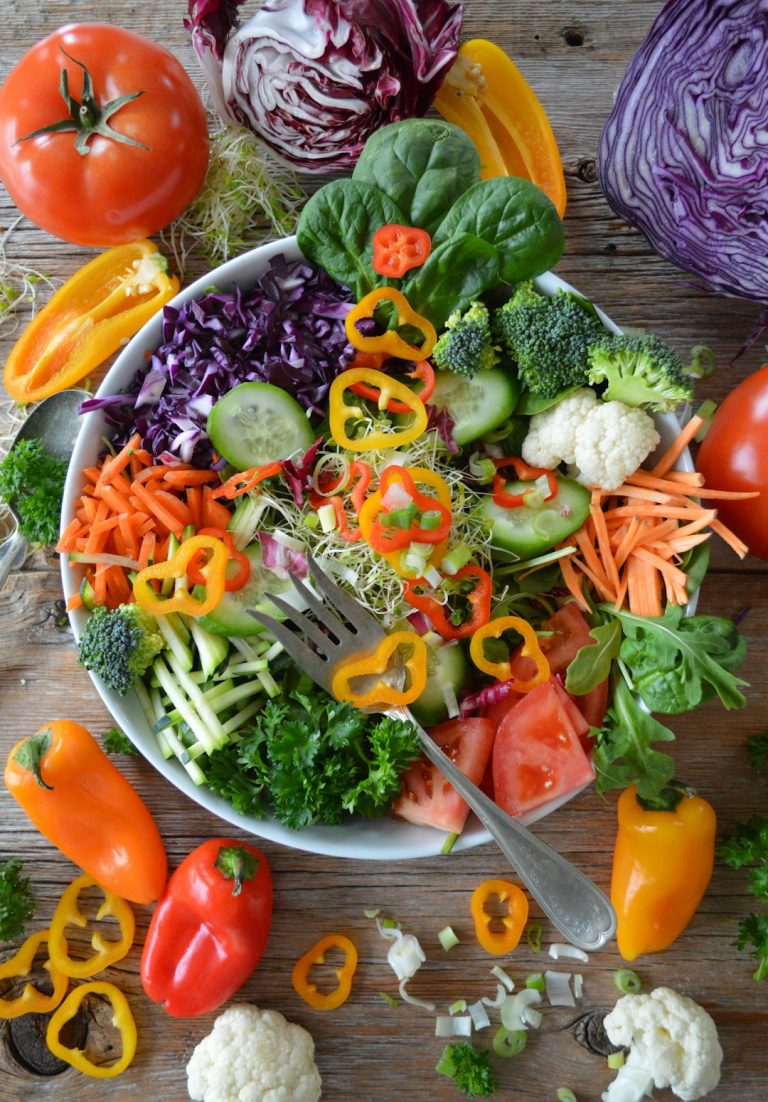
A well-built plate can make healthy eating feel simple instead of restrictive. The formula is easy to remember: one part protein, one part fiber-rich carbohydrates, one part vegetables, and a thoughtful source of healthy fats. When you keep this pattern in mind, your meals become more balanced and your digestion is less likely to be overwhelmed by oversized portions or empty calories.
Breakfast ideas for steady energy
- Organic oats with chia seeds, blueberries, and a spoon of almond butter.
- Organic Greek yogurt with raspberries, ground flax, and cinnamon.
- Eggs with spinach, avocado, and a slice of sprouted grain toast.
Lunch ideas that support focus
- A salad bowl with mixed greens, grilled organic chicken or chickpeas, cucumbers, olives, and a lemon olive oil dressing.
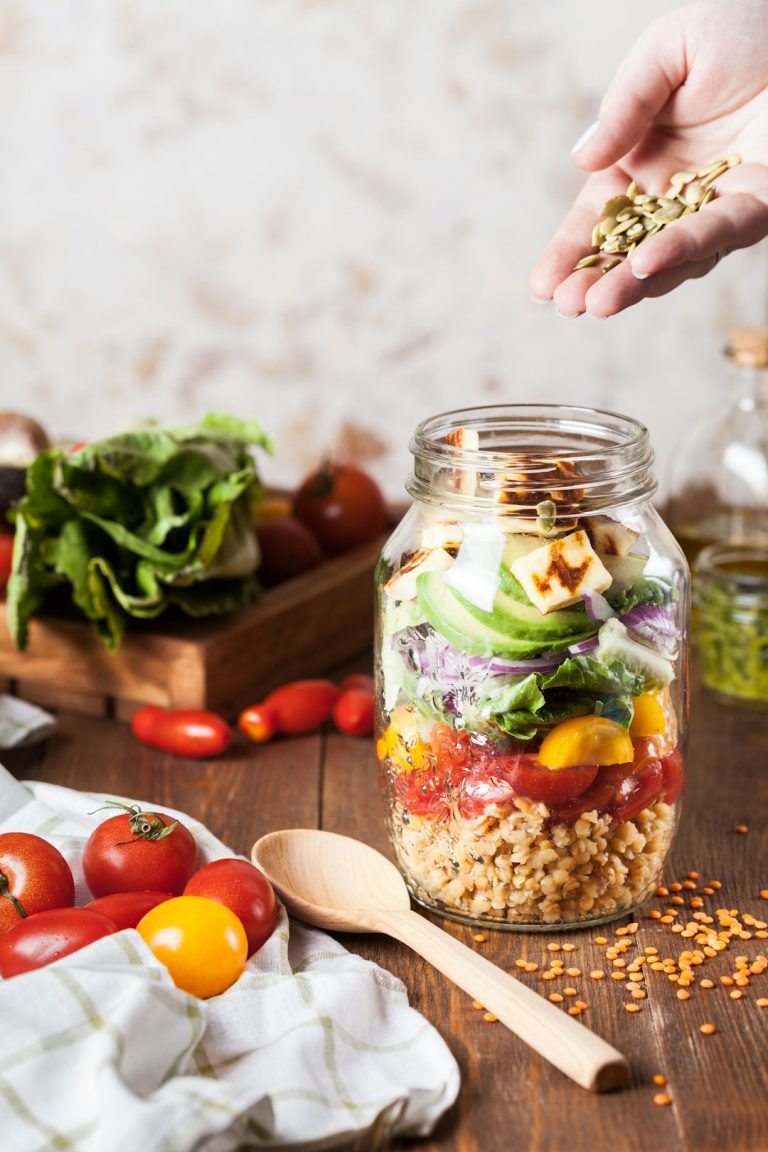
- Quinoa with roasted vegetables, pumpkin seeds, and a fermented side such as sauerkraut.
- A warm lentil soup with carrots, celery, herbs, and a side of whole grain bread.
Dinner ideas that are light but satisfying
- Wild salmon or tofu with roasted broccoli, sweet potato, and herbs.
- Organic vegetable stir-fry with brown rice and sesame seeds.
- Stuffed peppers with beans, tomatoes, onions, and fresh herbs.
The biggest advantage of this style of eating is that it feels normal. There is no need to fear food or label every meal as a cheat. Instead, you build a rhythm that supports both wellness and enjoyment. That is what makes clean eating sustainable long after a short detox diet ends.
Organic foods that may help reduce bloating
Bloating can make even the healthiest routine feel uncomfortable. The goal is not to eliminate every symptom instantly, but to choose foods that are gentler and more supportive for your digestive system. Some people do better with cooked vegetables than raw salads. Others need to reduce carbonated drinks or eat slower. Paying attention to patterns is part of real nutrition strategy.
- Ginger: Often used in tea or meals for its soothing effect.
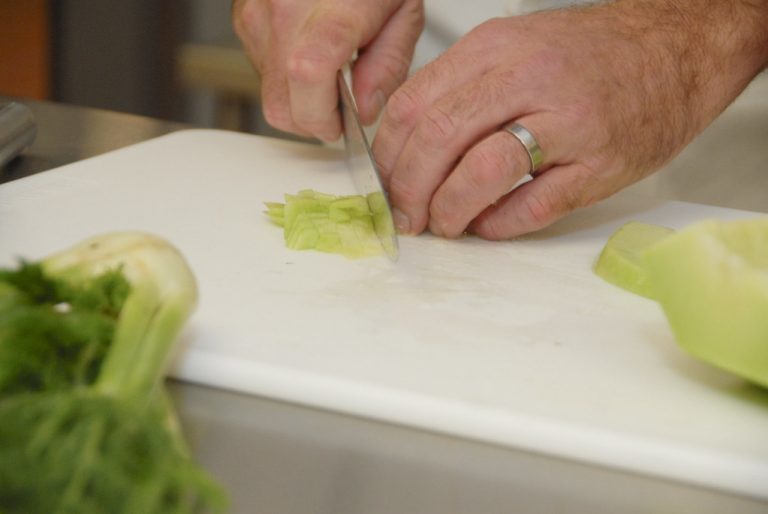
- Fennel: A crisp vegetable with a naturally fresh flavor that many people find calming.
- Cucumber: Light, hydrating, and easy to pair with salads or snacks.
- Papaya: A tropical fruit that can be a pleasant addition to breakfast bowls.
- Mint: Useful in water, salads, and dressings for a refreshing finish.
Hydration and mineral balance matter too
Sometimes bloating has less to do with the food itself and more to do with how you eat and drink. If you are dehydrated, your digestion may slow down. If you rely on heavily salty convenience foods, your body may hold onto water. If you drink too quickly or eat in a rush, your system may have a harder time processing the meal. A gut-friendly healthy lifestyle includes regular water intake, steady meal times, and enough minerals from whole foods to keep everything moving smoothly.
Ask yourself a simple question before each meal: am I eating in a way that helps my body relax, or am I rushing through it? That small check-in can change digestion more than many people expect.
How gut health connects to weight loss
Weight loss is often discussed as if it is only about calories, but digestion and appetite regulation matter just as much. When your gut is balanced, you are more likely to feel satisfied after meals, less likely to crave quick sugar hits, and more likely to stay consistent. That is why a gut-friendly organic food plan can support weight loss without feeling punishing. You are not forcing results. You are creating the conditions that allow results to happen more naturally.
- Better digestion can reduce the urge to overeat because meals feel more complete.
- High-fiber foods help stabilize appetite and make snacks less impulsive.
- Fewer ultra-processed ingredients may reduce the cycle of hunger and energy crashes.
- A healthier gut can support better nutrient use, which helps the body feel nourished.
- Consistent clean eating often improves energy, making movement and exercise more realistic.
[IMAGE: healthy meal]
What does this mean in everyday life? It means that a breakfast of organic oats, berries, and yogurt may help you stay focused until lunch, while a lunch built on vegetables, protein, and healthy fat may help you avoid mindless snacking at 4 p.m. The results may seem subtle at first, but subtle habits are what shape long-term change. That is the real advantage of a clean eating approach. It is not dramatic for one day and forgotten the next. It becomes a reliable pattern.
Common gut-damaging habits to avoid
Sometimes improving digestion is less about adding more and more foods, and more about removing the habits that quietly create problems. If your healthy diet still feels uncomfortable, one of these patterns may be the reason.
- Eating too quickly: Rushing can lead to swallowed air, poor satiety cues, and discomfort after meals.
- Relying on processed snacks: These often contain excess sugar, low fiber, and ingredients that do little for nutrition.
- Skipping meals and then overeating: Long gaps can make portions harder to control.
- Ignoring hydration: Water helps fiber do its job.
- Eating huge portions of raw cruciferous vegetables too fast: Even very healthy foods can be too much at once.
- Using a detox diet as a crash plan: Extreme restriction may leave you underfed and frustrated.
The healthiest change is often the most ordinary one. Eat more slowly. Cook vegetables when your stomach prefers them. Build meals around real ingredients. Keep your organic food choices simple enough that you can repeat them. That is the kind of nutrition system that actually lasts.
A 3-day clean eating reset with organic foods
If your digestion has felt heavy, inconsistent, or just plain tired, a short reset can help you return to better habits. This is not a starvation cleanse and it is not meant to replace medical care. It is a practical clean eating reset built around organic food, gentle flavors, and simple structure. Think of it as a way to calm the system and remind yourself what balanced meals feel like.
Day 1: Light, hydrated, and steady
Start with a breakfast of organic oats, berries, and chia seeds. For lunch, choose a vegetable soup with lentils and a side salad. Dinner can be baked salmon or tofu, roasted zucchini, and brown rice. Keep snacks simple: cucumber slices, an apple, or a small handful of nuts. Drink water throughout the day and consider ginger tea if your stomach feels unsettled.
Day 2: Build more fiber and color
Begin with eggs and sautéed spinach, then move into a quinoa bowl with greens, chickpeas, and avocado. At dinner, make a stir-fry with broccoli, carrots, mushrooms, and sesame oil. Add one fermented food serving, such as a spoonful of sauerkraut or a small cup of kefir. The goal is gentle diversity. Your gut benefits from variety, but it does not need chaos.
Day 3: Focus on consistency
By the third day, repeat the meals that felt easiest. If breakfast worked well on day one, keep it. If your lunch on day two gave you better energy, build on it. This is where real change begins: not in novelty, but in repetition. A reset is useful only if it helps you discover meals you can enjoy again next week.
- Keep portions moderate and avoid overeating at night.
- Choose cooked vegetables if raw foods feel too rough.
- Limit sugary drinks, alcohol, and ultra-processed snacks during the reset.
- Notice how your body responds to each meal instead of trying to judge everything immediately.
How to shop smart for organic food without overspending
One of the most common objections to organic food is cost. That concern is valid, but it does not mean organic eating is out of reach. Smart shopping can make a surprisingly big difference. You do not need every item in the cart to be premium. You need the right items in the right order.
Prioritize the highest-impact items
Start with produce that you eat often and items that are central to your routine. If you eat berries every morning, buy them organic when possible. If spinach is in your smoothie, salad, or omelet every day, make that a priority. The same applies to apples, leafy greens, and herbs. These are the foods that deserve the most attention because they appear again and again in your weekly nutrition pattern.
- Buy organic versions of the foods you eat most often.
- Choose frozen organic vegetables when fresh produce is too expensive or less available.
- Look for store brands that still meet quality standards.
- Shop seasonal produce for better prices and better flavor.
Stretch every grocery dollar
To make healthy eating affordable, build meals around inexpensive staples such as oats, beans, lentils, sweet potatoes, carrots, cabbage, and brown rice. Add smaller amounts of pricier items like berries or nuts to boost flavor and nutrition without blowing your budget. A good organic diet does not have to be luxurious every day. It has to be practical enough that you can repeat it.
Ask yourself while shopping: which foods will nourish multiple meals this week? A bag of organic spinach can become breakfast, lunch, and dinner. A carton of yogurt can support breakfast and snacks. A bunch of herbs can elevate several different dishes. That kind of planning turns nutrition into a system instead of a guess.
Meal prep ideas for a busy healthy lifestyle
Meal prep is one of the easiest ways to stay consistent with clean eating, especially when work, family, and exercise all compete for your attention. A few hours of preparation can save you from making rushed choices later. It also makes your organic food budget go further because ingredients are used efficiently instead of wasted.
[IMAGE: fitness lifestyle]
- Wash and chop vegetables as soon as you bring them home.
- Cook one grain, one protein, and one tray of vegetables at the same time.
- Prepare a simple dressing with olive oil, lemon, and herbs.
- Portion snacks like fruit, nuts, yogurt, or hummus into grab-and-go containers.
- Keep fermented foods visible in the fridge so you remember to use them.
A simple Sunday prep rhythm
Morning
Start by setting out what you want to eat during the week. Choose two breakfasts, two lunches, and two dinners that are easy to repeat. This is not about variety for variety’s sake. It is about reducing decision fatigue so your healthy diet feels automatic.
Afternoon
Cook the basics. Roast vegetables, simmer grains, hard-boil eggs if you use them, and prepare protein in a simple, clean way. Keep seasonings bright and uncomplicated. Lemon, garlic, olive oil, parsley, cumin, and black pepper go a long way without making meals feel dull.
Evening
Assemble containers for the first few days of the week. Place the most perishable foods near the front of the fridge so they get eaten first. Keep your snack choices in clear sight. Visibility matters more than motivation when life gets busy.
Frequently asked questions people ask before switching to a cleaner diet
Is organic food always healthier?
Not automatically. Organic food is still food, and quality still depends on variety, balance, and preparation. A bag of organic chips is not the same as a bowl of organic vegetables, and a healthy lifestyle is built on patterns rather than labels alone. The best approach is to use organic options as part of a broader nutrition strategy that values whole foods and simple meals.
What matters more than perfection?
Consistency matters more than buying every item organic. If the choice between perfect and practical keeps you stuck, practical wins. The goal is to eat better most of the time in a way that feels realistic.
Can organic eating support weight loss?
Yes, especially when organic foods replace highly processed options. A plate built from fiber, protein, and healthy fats can naturally reduce overeating and support steadier energy. That can make weight loss feel less like a battle and more like a gradual return to balance. Organic food is not a shortcut, but it can be a powerful part of a smart plan.
How quickly will digestion improve?
Some people notice changes within a few days, especially if they reduce processed foods, drink more water, and add fiber gradually. Others need more time. Your body is not a machine that responds in a perfect straight line. It is more helpful to look for trends over a few weeks than to judge every meal in isolation.
Do fermented foods work for everyone?
Not always. While many people tolerate them well, some prefer smaller portions or different options. Start slowly, pay attention to comfort, and choose what supports your body rather than forcing a trend. A clean eating routine should make you feel better, not more confused.
In the end, the most effective gut-friendly plan is usually the one that feels calm, repeatable, and enjoyable enough to live with. Organic food can make that easier by offering cleaner ingredients, brighter flavor, and a more mindful relationship with what you eat. When your meals support digestion, weight loss becomes more sustainable, nutrition feels less complicated, and a healthy lifestyle starts to feel like a natural result of daily choices. If you are ready to keep building that momentum, explore more articles on DietOrganic and keep turning simple clean eating habits into lasting results.
About the Author