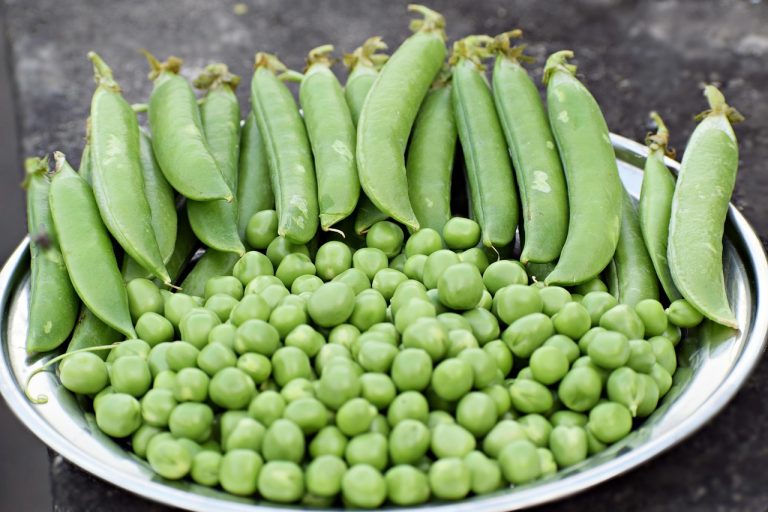


Photo by alandsmann on Pixabay
If you have ever felt bloated after meals, sluggish in the afternoon, or strangely disconnected from your hunger cues, your gut may be asking for a reset. The good news is that supporting digestion does not require extreme restriction or trendy shortcuts. In many cases, a thoughtful approach to organic food, clean eating, and nutrient-dense whole ingredients can make a visible difference in how your body feels every day. When your meals are built around foods that nourish the microbiome, reduce unnecessary additives, and support balanced nutrition, gut health often improves alongside energy, mood, skin, and even weight loss goals.
That is why organic foods for gut health are more than a passing wellness trend. They offer a practical, sustainable way to build a healthier lifestyle from the inside out. Instead of chasing the next detox diet or cutting out entire food groups, you can focus on what the digestive system actually needs: fiber, prebiotics, fermented foods, minerals, hydration, and a calmer, more consistent eating pattern. What would happen if your meals were designed to support digestion first? For many people, the answer is less bloating, better regularity, and a lighter, more energized feeling throughout the day.
In this guide, you will learn how organic food supports the gut microbiome, which foods deserve a regular place on your plate, and how to use clean eating principles without feeling deprived. You will also discover simple meal-building strategies, a practical starter plan, and small lifestyle habits that can make a meaningful difference. If you have been looking for a healthy diet that feels realistic rather than rigid, this is a strong place to begin.
Why Gut Health Deserves More Attention
The gut is often described as the body’s control center for digestion, but its influence reaches far beyond the stomach. A healthy digestive system helps your body break down food, absorb nutrients, regulate appetite, and support immune function. It also plays a role in energy levels and, for many people, in the challenge of weight loss. When digestion is sluggish or the gut microbiome becomes imbalanced, you may notice bloating, irregular bowel movements, cravings, discomfort, or a general sense that your body is not working with you.
Modern eating habits can make gut health harder to maintain. Highly processed foods, excess sugar, low fiber intake, dehydration, and stress all place pressure on digestion. Even people who try to eat
About the Author