
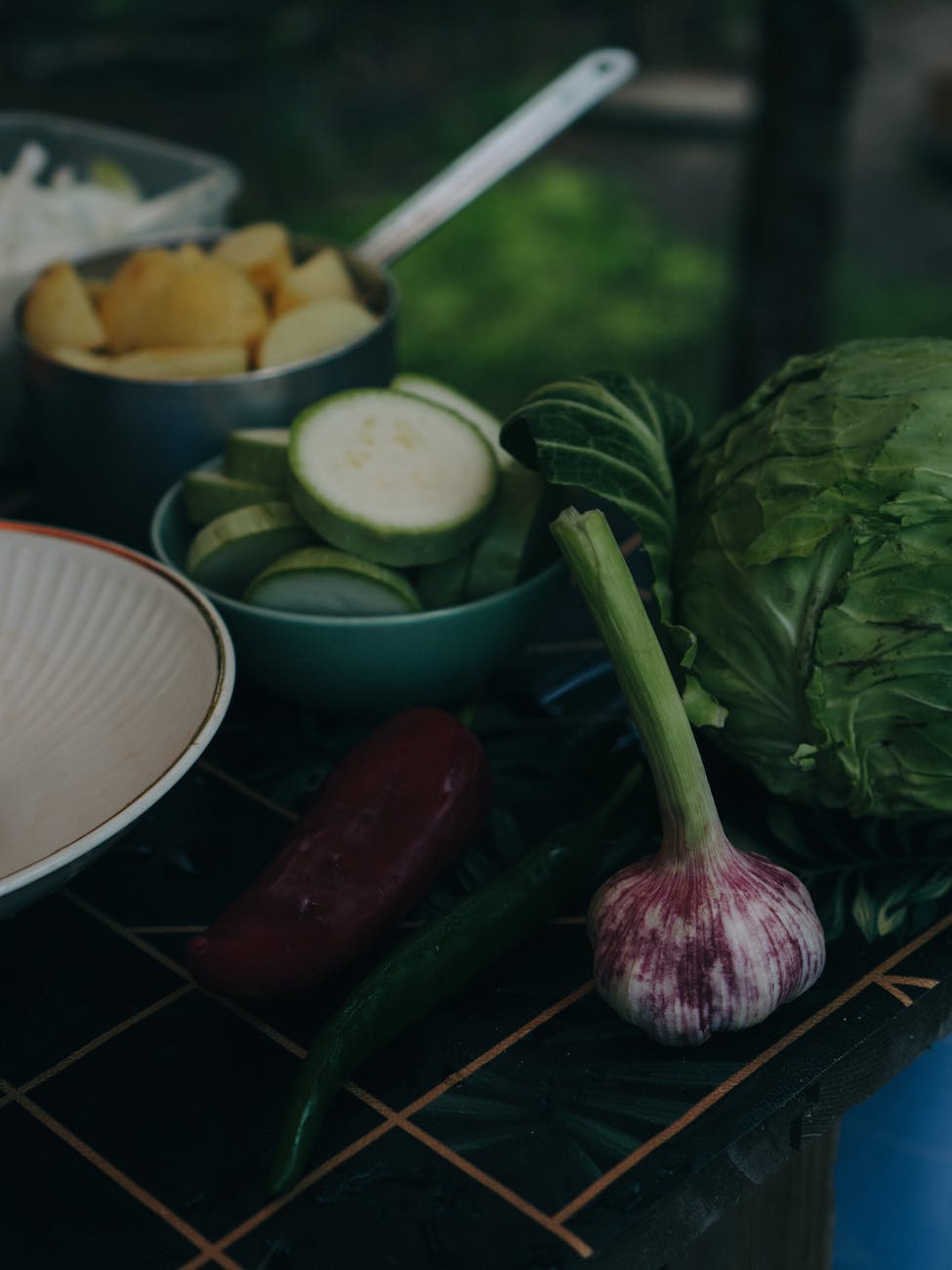
Photo by Nadin Sh on Pexels
If you want a healthy diet that feels sustainable instead of restrictive, gut health is one of the smartest places to begin. The food you eat every day does far more than fill you up; it shapes digestion, energy, appetite, and even how easily you maintain weight loss over time. That is why organic food has become such an important part of modern clean eating. When your meals are built around quality ingredients, your body tends to respond with better comfort, better digestion, and a more stable rhythm of wellness.
Many people think of a detox diet as something extreme, but real nourishment is much simpler. A gut-friendly routine is not about starving yourself or chasing quick fixes. It is about choosing foods that support your microbiome, reduce unnecessary irritation, and help your system work the way it was meant to. Could your daily meals be doing more for your digestion than you realize? With the right organic foods, the answer is absolutely yes.
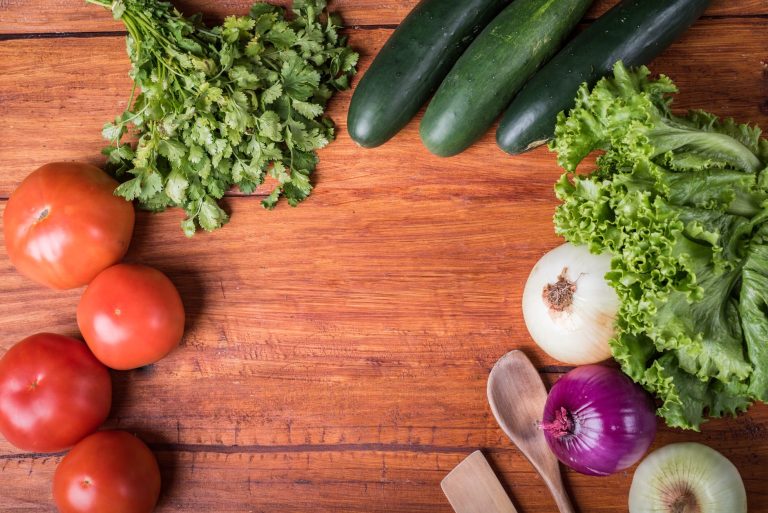
In this guide, we will look at the best organic foods for gut health, how they support clean eating and weight loss, what to avoid, and how to build a practical routine that fits real life. You will also find simple meal ideas, expert-style tips, and easy changes that can make a meaningful difference without turning your kitchen into a science experiment. [IMAGE: organic vegetables]
Why Gut Health Deserves More Attention in a Healthy Lifestyle
Your digestive system is not just a processing center for food. It is deeply connected to your immune system, your mood, your energy levels, and the way your body handles nutrients. A healthy gut helps you absorb vitamins and minerals more efficiently, while an irritated gut can leave you feeling bloated, sluggish, and unusually hungry. If you have ever wondered why some people seem to thrive on simple meals while others struggle with constant discomfort, gut health may be part of the answer.
Organic food is often a useful choice because it reduces exposure to many pesticides and synthetic additives that some people prefer to limit during a clean eating phase. While organic alone is not a magic solution, it can complement a nutrition plan that focuses on whole foods, better digestion, and steady energy. For anyone pursuing weight loss, the gut matters even more. When digestion is balanced, hunger cues can become easier to manage, and cravings often feel less intense.
How the Gut Microbiome Influences Everyday Wellness
Inside your digestive tract lives a community of microorganisms known as the gut microbiome. These bacteria are not enemies; many of them are essential to digestion and overall health. They help break down certain fibers, support nutrient production, and communicate with the rest of the body in ways researchers are still exploring. A richer, more balanced microbiome is often associated with better digestive comfort and more resilient health.
What you eat directly affects this internal ecosystem. Diets heavy in refined sugar, ultra-processed foods, and low-fiber ingredients tend to feed an environment that may not be ideal for digestion. On the other hand, a clean eating approach built around organic vegetables, fruits, legumes, seeds, and fermented foods gives beneficial microbes a more supportive environment. That is one reason organic foods for gut health are not just a trend; they are part of a sensible nutritional strategy.
Common Signs Your Digestion Needs Support
Not every digestive issue is dramatic. Sometimes the body sends subtle signals long before discomfort becomes a daily issue. If you are trying to improve your nutrition, it helps to notice what your body is already saying.
- Frequent bloating after meals
- Irregular bowel movements
- Low energy after eating
- Cravings for sugar or refined snacks
- Feeling overly full even after small portions
- Recurrent stomach discomfort
- Difficulty sticking to a healthy diet because meals never feel satisfying
If several of these symptoms sound familiar, it may be time to simplify your routine and focus on organic food choices that are naturally easier on the digestive system.
The Best Organic Foods for Gut Health
[IMAGE: healthy meal]
When people search for the best foods for gut health, they often want a list that is practical, not theoretical. The good news is that some of the most supportive foods are also delicious, accessible, and easy to combine into everyday meals. A gut-friendly plate usually includes a mix of fiber, hydration, beneficial fats, and in some cases fermented ingredients that bring extra microbial support.
Fermented Organic Foods That Support Digestion
Fermented foods are among the most talked-about gut health options for a reason. They are prepared through natural fermentation, a process that can produce beneficial compounds and, in some cases, live cultures. For a clean eating plan, these foods can add both flavor and function.
Examples to try
- Organic plain yogurt
- Organic kefir
- Sauerkraut made with simple ingredients
- Kimchi with minimal additives
- Miso in warm soups
- Tempeh as a plant-based protein option
One important point: not every fermented product is automatically healthy. Check labels carefully. A product can be marketed as probiotic or natural while still containing excess sugar, artificial flavors, or preservatives. The best organic foods in this category are simple, minimally processed, and suited to your tolerance.
Fiber-Rich Organic Vegetables and Fruits
Fiber is a cornerstone of digestion. It helps keep things moving, supports a balanced gut environment, and contributes to satiety, which is helpful for weight loss. Organic vegetables and fruits are particularly useful because they can be eaten in generous portions and combined in countless ways.
Excellent options include
- Leafy greens such as spinach, kale, and arugula
- Cruciferous vegetables such as broccoli and Brussels sprouts
- Root vegetables such as carrots and beets
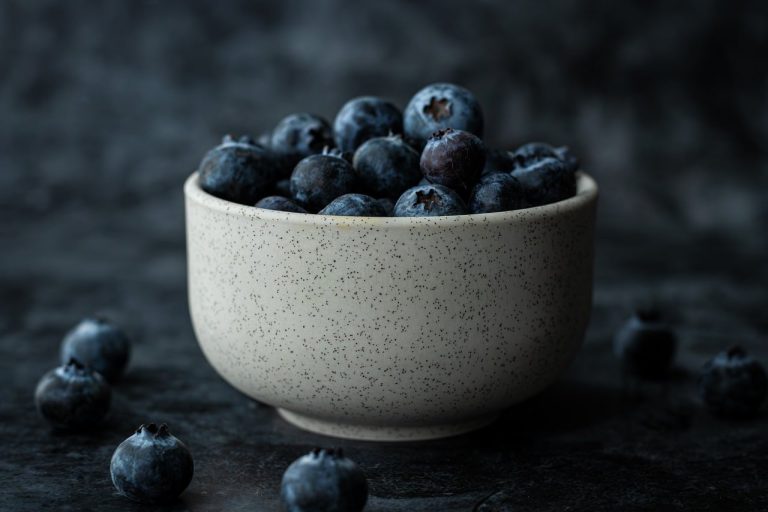
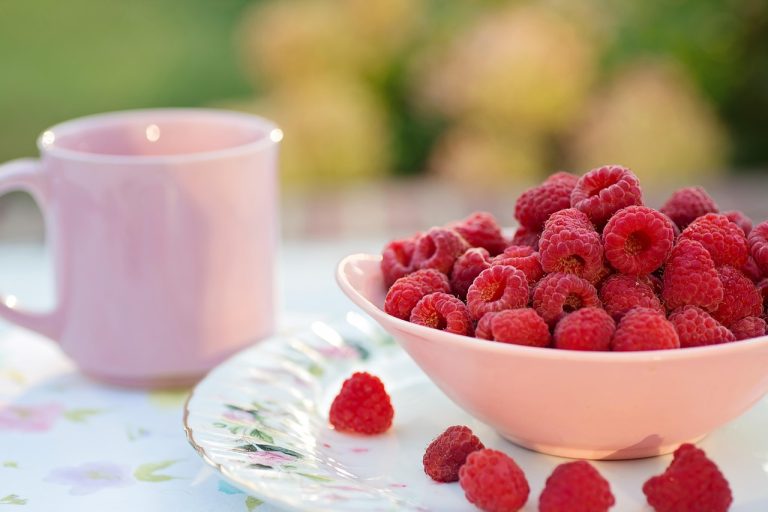
- Apples, pears, and berries
- Organic bananas, especially slightly green ones for resistant starch
- Avocados for fiber and healthy fats
These foods fit beautifully into a clean eating pattern because they are nutrient-dense without being complicated. A bowl of berries with yogurt, a green salad with olive oil, or roasted vegetables with herbs can help transform your nutrition without making mealtime feel like a chore.
Prebiotic Foods That Feed Good Bacteria
Prebiotics are different from probiotics. Instead of supplying bacteria directly, they feed the beneficial bacteria already living in your gut. Think of them as fuel for your internal ecosystem. If you want a gentle detox diet using organic foods, prebiotic-rich ingredients are a smart place to focus because they support the body’s natural processes rather than trying to force them.
Top organic prebiotic choices
- Garlic
- Onions
- Leeks
- Asparagus
- Jerusalem artichokes
- Chicory root
- Overnight oats made with organic oats
Prebiotic foods are especially valuable when paired with fermented foods. That combination can be particularly helpful for people who want a more complete nutrition strategy. Have you ever noticed how some meals leave you satisfied for hours while others lead to cravings almost immediately? Prebiotics and fiber are often part of the difference.
Healthy Fats That Make Meals More Satisfying
When a meal contains enough healthy fat, it usually feels more balanced and satisfying. That matters for gut health and weight loss because meals that keep you full are easier to stick with. Healthy fats can also help the body absorb certain fat-soluble vitamins found in vegetables.
Organic fat sources worth adding
- Extra-virgin olive oil
- Avocados
- Chia seeds
- Flaxseeds
- Walnuts
- Pumpkin seeds
A salad dressed with olive oil and lemon, a smoothie with flaxseed, or roasted vegetables topped with seeds can make a simple organic diet feel more complete. These small additions do more than improve texture; they can help keep hunger in check and support steady energy across the day.
Hydrating Foods and Herbal Support
Digestion depends on hydration more than many people realize. When your fluid intake is too low, constipation and sluggishness can become more likely. That is why a gut-focused routine should include water-rich foods and gentle herbal support.
- Cucumber
- Celery
- Watermelon
- Oranges
- Herbal teas such as ginger, peppermint, or chamomile
- Warm lemon water in the morning if it suits your body
Hydration is not glamorous, but it is essential. A healthy lifestyle often depends on the basics being done consistently, not on dramatic interventions.
How Organic Foods Support Clean Eating and Weight Loss
Clean eating works best when it feels realistic. That means building meals that are flavorful, filling, and simple enough to repeat. Organic food can play a valuable role here because it often encourages a return to whole ingredients rather than packaged convenience foods. That shift matters for weight loss because whole foods typically contain more fiber, more micronutrients, and fewer empty calories.
There is also a psychological benefit. When your meals look and taste fresh, it becomes easier to stay motivated. People are often more successful with healthy eating when they feel connected to their food rather than deprived by it. That connection matters more than the latest diet trend.
Why Fullness Matters More Than Restriction
Many diets fail because they focus only on cutting calories. A better strategy is to create meals that satisfy your appetite while supporting nutrition and digestive comfort. Fiber, protein, healthy fats, and hydration all contribute to fullness. When those elements are present, it becomes easier to reduce mindless snacking and stay consistent.
For example, compare a sugary breakfast pastry with a bowl of organic oats topped with berries, seeds, and yogurt. One may create a quick spike and crash, while the other offers a slower, steadier release of energy. Which option would make clean eating easier to sustain?
How Better Digestion Can Help Weight Management
Digestive comfort does not directly cause weight loss, but it can absolutely support the behaviors that make weight loss more achievable. When you feel less bloated, less uncomfortable, and less driven by cravings, it is easier to prepare meals, stick to portions, and move through the day with more energy. In that sense, gut health becomes a foundation rather than a side note.
Organic foods are not a shortcut, but they can be an effective part of a long-term plan. Instead of relying on a detox diet that promises overnight change, use organic ingredients to create a steady, nourishing rhythm your body can actually live with.
A Simple Organic Eating Pattern for a Happier Gut
Healthy eating does not have to be complicated. In fact, the more predictable your meals become, the easier it is to maintain consistency. The following structure can help you organize your day around digestion-friendly choices without obsessing over every detail.
Breakfast: Start With Fiber and Protein
Breakfast sets the tone for the day. If the first meal is mostly refined sugar, the rest of the day often feels harder to manage. Instead, choose an organic breakfast that combines protein, fiber, and some healthy fat.
- Organic yogurt with berries and chia seeds
- Overnight oats with flaxseed and cinnamon
- Eggs with sautéed spinach and avocado
- Smoothie with leafy greens, banana, kefir, and nut butter
These meals are easy to prepare and gentle on digestion for many people. If you usually skip breakfast, try a lighter option first and see how your energy responds.
Lunch: Build a Balanced Clean Eating Plate
Lunch should feel filling without creating heaviness. Aim for a plate that includes vegetables, a protein source, and a smart carbohydrate.
- Large salad with grilled chicken or chickpeas, olive oil, seeds, and colorful vegetables
- Quinoa bowl with roasted broccoli, avocado, and fermented vegetables
- Soup with lentils, carrots, celery, and herbs
- Wrap with hummus, greens, cucumber, and turkey or tempeh
When lunch is built around organic foods, it often tastes fresher and feels more satisfying. That can help reduce the urge to snack on processed items later in the day.
Dinner: Keep It Nourishing and Easy to Digest
Many people struggle with digestion at night because dinner tends to be the largest or heaviest meal of the day. A simpler dinner can improve comfort and support sleep.
- Baked salmon with roasted vegetables and olive oil
- Stir-fried tofu with ginger, garlic, and greens
- Vegetable soup with beans and herbs
- Turkey meatballs with zucchini noodles and tomato sauce
If you feel best after a lighter evening meal, listen to that signal. A healthy lifestyle is built on observing patterns, not forcing generic rules on your body.
Snacks: Choose Smart, Not Random
Snacking can either support or sabotage your goals. If snacks are mostly pastries, candy, or salty packaged foods, digestion may suffer. But if you choose organic snacks with fiber and protein, they can keep your appetite stable.
- Apple slices with almond butter
- Carrot sticks with hummus
- Plain yogurt with cinnamon
- A handful of walnuts and berries
- Hard-boiled eggs with cucumber slices
Small choices add up. A thoughtful snack is often the difference between ending the day with balanced nutrition or arriving at dinner too hungry to make a good decision.
Foods That May Disrupt Digestion and Slow Progress
To improve gut health, it helps to understand what may be working against you. This is not about fear or perfection; it is about noticing patterns. Some foods are fine in moderation, but if they dominate your diet, your digestion may feel the consequences.
Common Triggers to Limit
- Ultra-processed snack foods
- Excess added sugar
- Artificial sweeteners that upset some digestive systems
- Heavy fried foods
- Too much alcohol
- Large portions eaten too quickly
- Frequent meal skipping followed by overeating
Some people also react to specific ingredients such as gluten or dairy, while others do perfectly well with them. The key is not to copy someone else’s food rules. The key is to notice what your own body tolerates and what it does not.
Why Label Reading Matters
If you want a genuine clean eating approach, label reading becomes essential. Many foods are marketed as natural, organic, or healthy while still containing long ingredient lists that do not support digestion. Choose products with short ingredient panels whenever possible, and favor whole-food options you recognize immediately.
A practical habit is to ask a simple question at the grocery store: would I make this at home with ingredients I trust? If the answer is no, it may not belong in your everyday routine.
A Gentle Detox Diet Using Organic Foods, Without the Extremes
The phrase detox diet gets used so often that it can start to lose meaning. In reality, your body already detoxifies through organs such as the liver, kidneys, and digestive tract. What you can do is support those systems with nourishing habits. That is where organic food becomes especially useful.
A gentle detox diet using organic foods is not a crash program. It is a short period of simplifying meals, increasing hydration, reducing processed ingredients, and focusing on foods that are easier to digest. This can be a helpful reset for people who feel bloated, sluggish, or off track after a period of heavier eating.
What a Gentle Reset Might Look Like
- Breakfast: oatmeal with berries, chia, and yogurt
- Lunch: vegetable soup with beans and leafy greens
- Dinner: roasted vegetables with a protein source and olive oil
- Snacks: fruit, nuts, cucumber, or herbal tea
- Hydration: water throughout the day, plus ginger or peppermint tea
This is not about punishing your body. It is about giving it a break from excess and a chance to return to balance. If your digestion tends to feel calmer after simple meals, that is useful information you can build on long after the reset is over.
Why Gentle Is Better Than Extreme
Severe detox plans often fail because they are too difficult to maintain. They can leave you underfed, tired, and frustrated, which is the opposite of what a healthy lifestyle should feel like. A gentle, food-first approach is more likely to improve nutrition and protect your relationship with food. It is also more compatible with weight loss when the goal is long-term success rather than dramatic short-term change.
Practical Organic Meal Prep Ideas for Busy People
A good plan is only useful if you can maintain it on a busy Tuesday. That is why meal prep is one of the strongest tools for anyone trying to eat more organic food and stay committed to clean eating. You do not need a perfect Sunday routine. Even 30 to 45 minutes of preparation can make the rest of your week far easier.
What to Prep First
- Roasted vegetables such as carrots, broccoli, and sweet potatoes
- A grain base like quinoa, brown rice, or oats
- A protein source such as eggs, chickpeas, chicken, tofu, or salmon
- Washed greens and chopped raw vegetables
- One or two sauces, such as olive oil dressing or tahini sauce
- Simple snacks like fruit, nuts, and yogurt
With these basics ready, you can build meals quickly instead of reaching for takeout or packaged foods. That is where meal prep starts to support both nutrition and weight loss in a realistic way.
Batch Cooking Without Burnout
Some people imagine meal prep as preparing identical meals in identical containers for the whole week. That works for some, but not for everyone. A more flexible approach is often easier to sustain.
- Cook one grain
- Prepare one roasted vegetable tray
- Make one protein
- Wash and store greens
- Keep fermented foods ready for topping bowls or salads
Once these elements are ready, mixing and matching becomes simple. You can create bowls, salads, wraps, soups, and warm dinners without starting from scratch every night.
How to Shop for Organic Foods Without Overspending
One reason people hesitate to switch to organic food is cost. While organic products can be more expensive, smart shopping can make them much more accessible. You do not need to buy everything organic at once to make progress.
Where to Spend First
If you are building a budget-friendly healthy diet, start with the foods you eat most often and the produce you use in large amounts. Many people focus on a practical middle ground rather than all-or-nothing rules.
- Leafy greens
- Berries
- Apples
- Milk or yogurt if you consume dairy
- Eggs
- Oats
Buying in season, choosing store brands, and shopping frozen organic vegetables can also reduce the cost. Frozen produce is often an excellent choice because it is picked at peak ripeness and stored for convenience.
Smart Ways to Stretch Your Budget
- Plan meals before shopping
- Buy staples in larger quantities when appropriate
- Use leftovers creatively
- Shop at farmers’ markets near closing time for discounts
- Prioritize foods that support digestion the most
Organic eating should feel empowering, not financially stressful. A few strategic upgrades can deliver real benefits without forcing an unrealistic grocery bill.
How to Make Clean Eating Feel Natural Instead of Rigid
The healthiest diet is usually the one you can keep living with. That is why flexibility matters. When people approach clean eating as a strict set of rules, they often burn out. When they approach it as a pattern of smart choices, it becomes much more sustainable.
Focus on Progress, Not Perfection
A perfect plate is not the goal. A better pattern over time is the goal. Maybe you start by adding one extra vegetable to lunch. Maybe you replace one processed snack with fruit and nuts. Maybe you begin cooking dinner at home twice a week. These small habits matter more than occasional extremes.
Listen to Your Body’s Feedback
One of the most valuable tools in nutrition is observation. How do you feel after a meal? What happens when you eat more fiber? Which foods leave you energized, and which ones make you feel heavy? Paying attention helps you personalize your healthy lifestyle instead of following generic advice that may not fit you.
That question is worth repeating: are your meals making life easier, or are they creating more friction? The answer can guide your next grocery list.
Build a Routine You Can Repeat
Consistency does not require boredom. Rotate your vegetables, change your herbs, experiment with different organic proteins, and keep your meals visually appealing. A beautiful plate can make healthy eating feel rewarding, and that emotional satisfaction matters more than many people realize.
[IMAGE: fitness lifestyle]
Sample One-Day Gut-Friendly Organic Eating Menu
If you want a practical example, here is a simple day built around organic food, clean eating, and digestion-friendly structure. Think of it as inspiration rather than a strict plan.
Morning
- Warm water or herbal tea
- Organic oats topped with berries, chia seeds, and plain yogurt
Midday
- Big salad with mixed greens, cucumber, carrots, avocado, chickpeas, and olive oil dressing
- A piece of fruit such as an apple or pear
Afternoon
- Handful of walnuts
- Carrot sticks with hummus
Evening
- Baked salmon or tempeh
- Roasted broccoli and sweet potato
- Small serving of sauerkraut on the side if well tolerated
This style of eating is simple, satisfying, and easy to adapt. It supports nutrition without making meals feel clinical or overly restrictive.
What a Healthier Digestive Rhythm Can Feel Like
People often look for dramatic signs that their food choices are working, but the better markers are usually subtle. You may notice less bloating, fewer crashes after meals, more regular digestion, better mood stability, and a calmer relationship with food. These improvements may seem ordinary, but they are powerful when they accumulate day after day.
Organic food will not solve every issue on its own, and no serious nutrition plan should pretend otherwise. But when you combine organic ingredients with consistent clean eating, enough hydration, and a thoughtful approach to meal timing, the results can be surprisingly noticeable. Many people discover that a healthy diet does not have to feel like a sacrifice when the food is satisfying and the routine supports the body rather than fighting it.
As you refine your choices, remember that the goal is not to chase a perfect detox diet or promise overnight weight loss. The goal is to create a lifestyle where digestion feels smoother, meals feel more nourishing, and healthy habits are easier to repeat. That is the kind of progress that lasts, and it is often the kind that changes how you feel in your own skin.
If you are ready to keep building a cleaner, more balanced routine, explore more articles on DietOrganic for fresh ideas, expert guidance, and practical nutrition inspiration that fits real life. The next small change you make could be the one that finally makes healthy eating feel effortless.
About the Author