
Photo by stevepb on Pixabay
Your digestive system influences far more than the way you process breakfast, lunch, and dinner. It affects energy, skin clarity, mood stability, immune defense, and yes, even how easily your body manages weight. That is why so many people who begin with a clean eating goal eventually end up asking a deeper question: which organic food choices truly support gut health, and which ones just sound healthy on a label?
If you have ever felt bloated after a supposedly light meal, sluggish after a busy day of snacking, or hungry again only an hour after eating, your gut may be telling you something important. A healthy lifestyle does not begin with strict rules or punishing restrictions. It begins with smarter nutrition, more consistent habits, and organic foods that work with your body instead of against it. In this guide, we will explore the best gut-friendly organic foods, how to build balanced meals, and why a thoughtful approach to food can support digestion, clean eating, and sustainable weight loss without turning your routine into a trend-driven detox diet.
Why Gut Health Should Be at the Center of Clean Eating
Gut health is more than a buzzword. Your digestive tract is home to trillions of microorganisms that help break down food, support nutrient absorption, and communicate with the rest of your body. When your microbiome is diverse and well fed, digestion tends to feel smoother, energy is steadier, and cravings are often easier to manage. When that system is out of balance, even careful food choices can feel frustrating. Have you ever tried to eat well but still felt uncomfortable after meals? That is often where the gut conversation begins.
Clean eating works best when it is built around foods that are naturally rich in fiber, antioxidants, and live cultures. Organic food can be especially useful because it often comes with fewer synthetic pesticide residues and is usually grown with more attention to soil quality, seasonality, and freshness. While organic labels are not a magic solution, they can be a meaningful part of a healthy diet that respects both nutrition and long-term wellness.
What Happens Inside the Microbiome
Your microbiome is not a static system. It changes based on what you eat, how you sleep, your stress levels, your activity, and even the way you prepare meals. Beneficial bacteria thrive on plant fibers and fermented foods, while overly processed foods can crowd out variety and encourage digestive discomfort. This is why a healthy lifestyle is rarely about one superfood and more often about an entire pattern of eating.
Think of gut health as a garden. The more variety you provide, the more likely it is that beneficial organisms will flourish. That means colorful vegetables, berries, seeds, legumes, herbs, and fermented foods deserve a regular place on your plate. If your diet has been heavy in refined snacks, sugary drinks, or low-fiber convenience foods, the good news is that your body can respond positively when you begin to shift course.
Why Organic Food Matters Here
Some people choose organic food purely for taste or environmental reasons, but there is another benefit worth considering: organic eating often makes it easier to build a more whole-foods-based routine. Because organic shopping usually centers on fresh produce, minimally processed ingredients, and fewer artificial additives, it naturally supports clean eating. This can be especially important for people who are trying to reduce bloating, improve digestion, or move toward a more stable weight loss strategy.
Organic produce is also appealing for another reason: it often encourages a more seasonal, varied diet. The more you rotate your vegetables, fruits, and grains, the more micronutrients and plant compounds your gut receives. Variety is a form of nutrition, and your digestive system benefits from it in ways that are both subtle and powerful.
The Best Organic Foods for a Happier Digestive System
Not every healthy-looking item on the shelf is equally helpful for digestion. To support gut health, focus on organic foods that combine fiber, fluid, beneficial microbes, and natural plant compounds. The goal is not perfection. It is consistency. Start with the foods that are easiest to enjoy every day, then layer in new options as your routine becomes more comfortable.
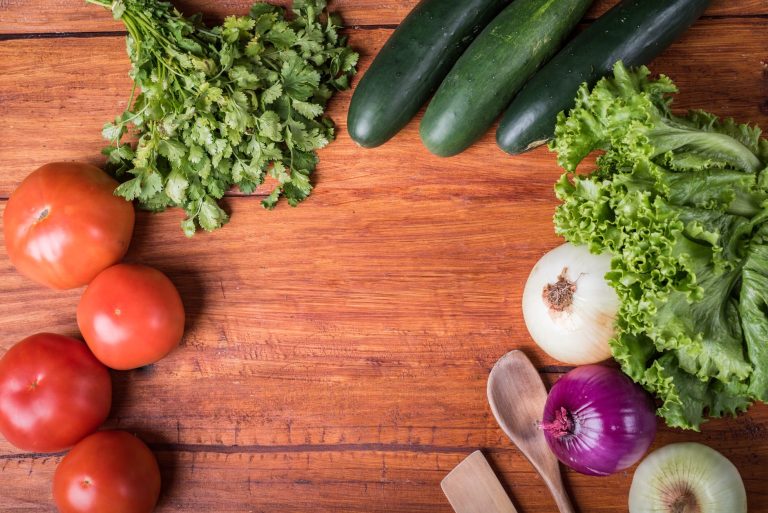
Before building your next grocery list, imagine a market basket full of [IMAGE: organic vegetables] and notice how different that feels from a cart filled with packaged convenience food. The colors, textures, and freshness of real ingredients matter. They are not only more satisfying to eat; they also tend to be easier on digestion and more aligned with a clean eating approach.
Leafy Greens and Cruciferous Vegetables
Leafy greens are among the most overlooked organic foods for gut health. Spinach, kale, arugula, Swiss chard, and romaine are packed with fiber, magnesium, folate, and antioxidants. They add volume without unnecessary heaviness, which makes them useful for both digestion and weight loss support. Cruciferous vegetables such as broccoli, cauliflower, cabbage, and Brussels sprouts are also excellent choices, although some people may need to increase them gradually if they are not used to a high-fiber diet.
- Spinach is easy to blend into soups, omelets, and smoothies.
- Kale adds structure to salads and warm grain bowls.
- Broccoli and cauliflower work well roasted with olive oil and herbs.
- Cabbage can be shredded into slaws or lightly sautéed.
- Arugula adds peppery flavor without feeling heavy.
These vegetables are particularly helpful because they pair well with nearly every meal style, from a quick breakfast scramble to a hearty dinner bowl. If you are trying to make clean eating feel effortless, start with greens you already enjoy and prepare them in simple ways.
Fermented Foods with Live Cultures
Fermented foods are a cornerstone of a gut-friendly diet because they introduce helpful bacteria and support microbial diversity. Organic yogurt with no added sugar, kefir, sauerkraut, kimchi, miso, and tempeh can all fit into a balanced nutrition plan. The key is to choose versions with minimal processing and simple ingredient lists. A fermented food that is loaded with sugar, excessive sodium, or artificial flavoring may not deliver the same benefits.
- Plain organic yogurt can be topped with berries and seeds for breakfast.
- Kefir works well in smoothies or as a drinkable snack.
- Sauerkraut is an easy topping for bowls, eggs, or grain plates.
- Kimchi can bring both flavor and fermentation to lunch or dinner.
- Miso adds depth to broths and savory sauces.
Fermented foods are not about eating large amounts at once. In fact, starting slowly is often the smartest move, especially if your gut has been sensitive. A spoonful of sauerkraut or a small serving of kefir can be enough to begin with. Over time, these foods may become a regular and enjoyable part of your healthy lifestyle.
Prebiotic Foods That Feed Beneficial Bacteria
Probiotics get the attention, but prebiotics are the quiet support team that keeps everything running well. Prebiotic foods are rich in fibers that feed the bacteria already living in your gut. Organic onions, garlic, leeks, asparagus, oats, apples, bananas, and flaxseed are some of the best choices. These ingredients are easy to find, affordable, and versatile enough to appear in every meal of the day.
- Onions and garlic build flavor while helping support gut balance.
- Leeks can be added to soups, egg dishes, and sautés.
- Asparagus is excellent roasted or lightly steamed.
- Oats make a satisfying breakfast base that supports steady energy.
- Apples and bananas are convenient snacks with natural fiber.
- Flaxseed can be stirred into yogurt, oatmeal, or smoothies.
If you are chasing weight loss, prebiotic foods are especially valuable because they tend to improve fullness and reduce the urge to snack mindlessly. They can help your meals feel more complete without adding unnecessary calories or making you feel deprived.
Organic Fruit, Herbs, and Spices with Polyphenols
Polyphenols are plant compounds that support overall wellness and may help create a better environment for the microbiome. Organic berries, citrus fruit, pomegranates, herbs, ginger, turmeric, cinnamon, and peppermint are all worth adding to your rotation. They bring color and depth to meals while also enhancing the sensory experience of eating, which matters more than many people realize. Food that tastes good is food you are more likely to keep eating in a healthy way.
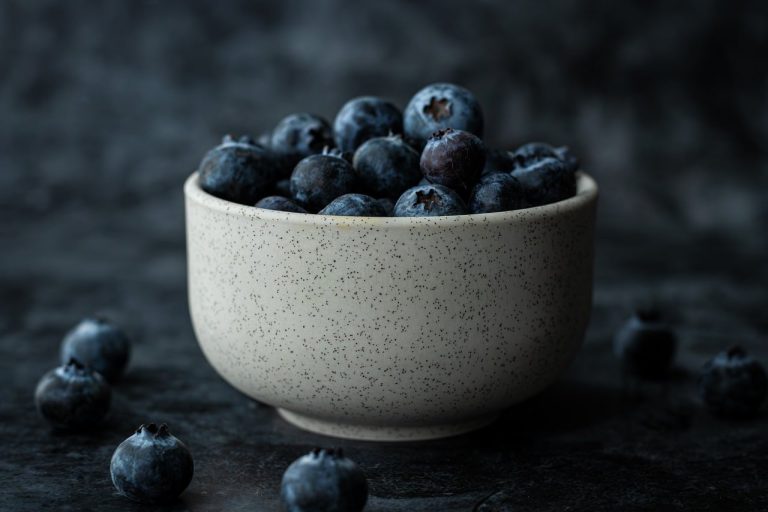
Berries deserve special attention because they are rich in fiber and easy to enjoy without preparation. Blueberries, raspberries, and blackberries are perfect in oatmeal, yogurt bowls, and salads. Citrus fruits support hydration and offer bright flavor, while ginger and peppermint may help soothe digestion for some people. A clean eating plan that includes these ingredients often feels fresher, lighter, and more satisfying than one built on bland restriction.
Healthy Fats and Soothing Staples
Gut health is not only about fiber. Healthy fats also support satiety and can make meals more balanced. Avocados, extra-virgin olive oil, walnuts, chia seeds, and hemp seeds are excellent organic foods to include. They help slow digestion enough to keep energy stable while giving your body the building blocks it needs for overall wellness. A spoonful of olive oil on vegetables or a handful of walnuts in a salad may seem small, but these choices can dramatically improve the quality of a meal.
For many people, soothing staples such as ginger tea, warm oats, and vegetable soups make it easier to stay consistent with a healthy diet. Warm, simple meals are often better tolerated than heavy, highly seasoned dishes, especially when the digestive system has been under stress. If you want to make a detox diet feel less extreme, focus on these gentle, nourishing foods instead of anything overly restrictive.
How to Build a Gut-Friendly Plate Every Day
A healthy diet does not need to be complicated to be effective. The best routine is often the one you can repeat without feeling bored or overwhelmed. One of the easiest ways to support digestion is to build meals around the principle of balance: plenty of fiber, enough protein, some healthy fat, and thoughtful portions of smart carbohydrates. This kind of structure can support gut health, clean eating, and weight loss without making every meal feel like a project.
When your plate is balanced, your blood sugar tends to be steadier, digestion can feel more predictable, and cravings often become easier to manage. That is one reason a healthy lifestyle becomes more realistic when food is planned around function rather than impulse. A single polished meal photo may look inspiring, but daily consistency is what creates results.
A Simple Plate Method
If you are not sure where to start, use a simple plate method:
- Fill half the plate with non-starchy vegetables.
- Use one quarter of the plate for protein.
- Use one quarter of the plate for smart carbohydrates such as oats, quinoa, brown rice, lentils, or sweet potato.
- Add a small portion of healthy fat for flavor and satiety.
This formula is flexible enough for breakfast, lunch, or dinner. It also works for people who are trying to lose weight because it naturally increases volume and fiber while keeping meals balanced. Instead of asking, What should I cut out? ask, What can I add that will support digestion and satisfaction?
Easy Meal Combinations That Fit Clean Eating
These combinations are practical, comforting, and easy to adapt:
- Organic yogurt with blueberries, flaxseed, and cinnamon.
- Scrambled eggs with spinach, mushrooms, and avocado.
- Quinoa bowl with broccoli, chickpeas, sauerkraut, and olive oil.
- Oatmeal topped with banana, walnuts, and chia seeds.
- Salmon or tofu with roasted carrots, cabbage, and garlic.
- Soup made with leeks, celery, lentils, and herbs.
If you want your meals to feel more like a healthy lifestyle than a temporary fix, focus on ingredients you genuinely enjoy. Sustainable habits are always easier to maintain than rigid rules. That is why the best nutrition strategy is the one you can follow when life gets busy.
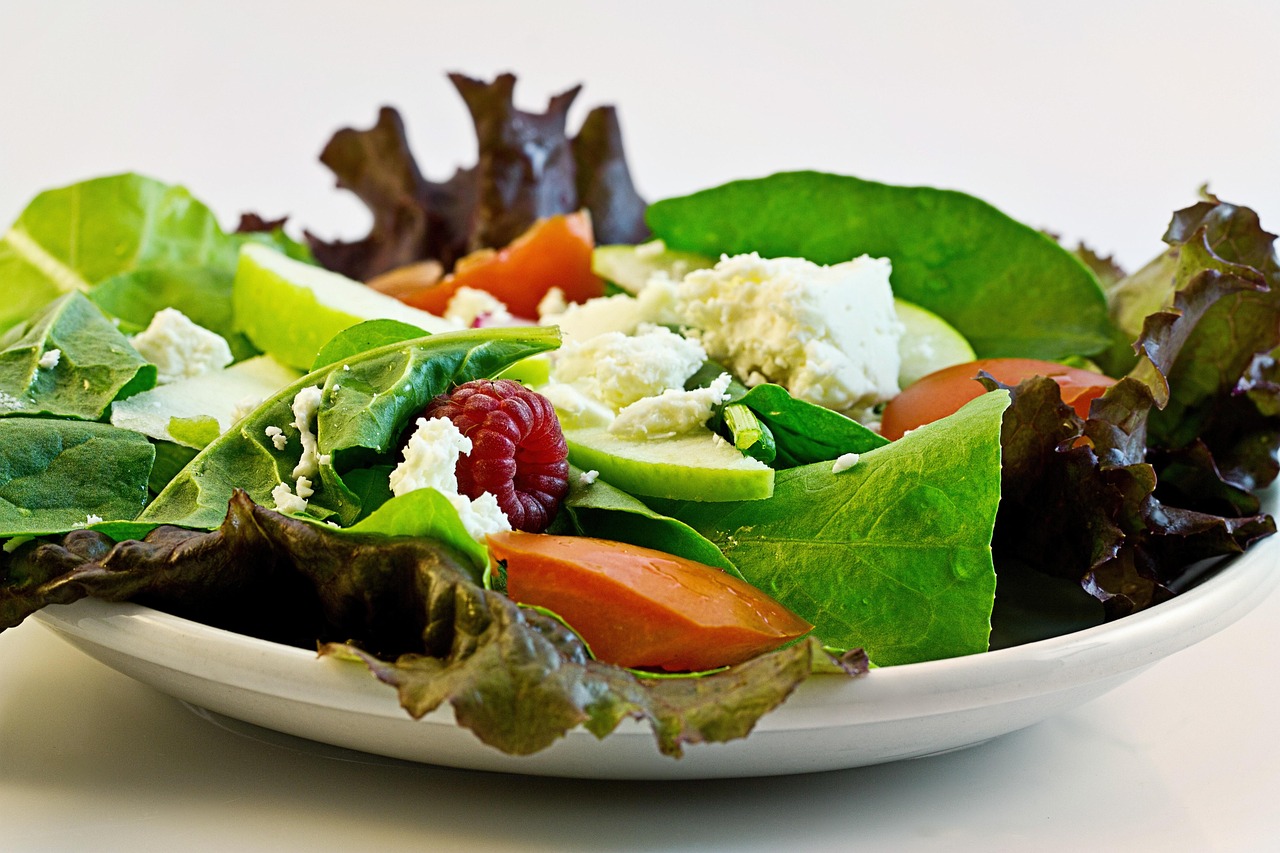
For a visual reminder of what balanced eating can look like, imagine a beautifully arranged [IMAGE: healthy meal] with bright vegetables, a lean protein, whole grains, and a finishing drizzle of olive oil. This kind of plate is not only Instagram-worthy; it is also the kind of meal that can help your body feel steady, energized, and satisfied.
Gut Health, Weight Loss, and the Role of Clean Eating
Weight loss is often discussed as if it were only about calories, but digestion plays a major role in how food is processed and how satisfied you feel after eating. When your meals contain enough fiber, water, protein, and healthy fats, your body is less likely to send constant hunger signals. That makes clean eating especially valuable for anyone looking to lose weight in a realistic, non-restrictive way.
Organic food can support this process by keeping meals closer to their natural form. Instead of heavily refined snacks that digest quickly and leave you hungry again, you are more likely to eat foods that take time to break down and keep you satisfied. This does not mean organic food is automatically lower in calories. It means it often makes better eating habits easier to maintain.
Why Digestion Affects Cravings
Ever notice how certain meals leave you craving sugar an hour later? That is often a sign that the meal was too low in fiber, protein, or healthy fat. When digestion is supported, blood sugar tends to stay steadier, and the urge to reach for random snacks may decrease. This is one reason organic foods for gut health can indirectly support weight loss: they help you feel more stable between meals.
A meal centered on vegetables, legumes, fermented food, and a quality protein source tends to be more filling than a meal built around refined grains and sweetened drinks. Over time, that difference can add up. You may find yourself snacking less, eating more deliberately, and feeling more in control of your food choices.
What Sustainable Weight Loss Looks Like
Sustainable weight loss is not the same as aggressive restriction. It looks like steady energy, fewer cravings, better digestion, and meals you can enjoy without guilt. It also means learning how to pair nutrition with movement and rest. The body does not respond well to extreme deprivation for long periods, but it usually responds well to consistency.
- Choose meals that keep you full rather than meals that only taste good for ten minutes.
- Build your grocery list around whole organic foods, not just low-calorie products.
- Pay attention to bloating, comfort, and energy after meals.
- Use movement, hydration, and sleep as part of your nutrition strategy.
- Remember that a healthy lifestyle is about patterns, not perfection.
That is where the visual side of wellbeing matters too. A strong [IMAGE: fitness lifestyle] moment does not need to mean an intense gym session or a polished transformation photo. Sometimes it is simply a person taking a walk after dinner, preparing a nourishing lunch, or staying committed to habits that support the body day after day.
Foods and Habits That Can Quietly Sabotage Your Progress
It is easier to make progress when you know what is getting in the way. Some foods are not inherently bad, but frequent use of low-quality ingredients can make it harder to support gut health. If your goal is clean eating, better digestion, or weight loss, paying attention to your routine matters just as much as choosing the right organic food items.
Too Much Sugar and Ultra-Processed Food
Sugary cereals, packaged pastries, candy, sodas, and highly refined snacks can crowd out the foods your gut actually needs. They are often low in fiber and easy to overeat, which means they may deliver quick satisfaction but little lasting nourishment. A diet built around these foods can also make it harder to appreciate the subtle taste of whole foods.
Ultra-processed foods often hide excess sodium, refined oils, artificial sweeteners, and additives that make them more difficult to eat mindfully. If your energy crashes after meals or you feel hungry again too quickly, it may be worth asking whether your body is craving nutrients or simply reacting to a processed pattern.
Overdoing the So-Called Detox Diet
A detox diet should feel like support, not punishment. The body already has natural detoxification systems through the liver, kidneys, skin, and digestive tract. What helps those systems is not extreme juicing or skipping meals. What helps is hydration, fiber, restful sleep, and a steady intake of organic foods that nourish rather than overwhelm.
Some detox plans promise rapid results but leave people tired, irritable, and more likely to binge later. A better approach is to build a gentle reset around vegetables, fruits, fermented foods, broth-based soups, legumes, and clean hydration. If a plan sounds dramatic, ask yourself: can I actually live this way for more than a few days?
A Practical Reset Plan for Busy People
You do not need a full kitchen overhaul to improve digestion. Small, repeatable actions often work better than large, short-lived efforts. If you want to use organic food as part of a gut-friendly reset, start with the meals you already eat and make them slightly more supportive each time. The goal is to reduce friction, not create another source of stress.
A Gentle Three-Day Transition
If your eating has been chaotic, a short reset can help you regroup without going to extremes:
- Day 1: Add vegetables to every meal and drink more water.
- Day 2: Include one fermented food and one prebiotic food.
- Day 3: Replace one processed snack with fruit, nuts, or yogurt.
These small steps may seem modest, but they create momentum. Once the body starts receiving more fiber and fewer empty calories, hunger patterns can shift in surprisingly noticeable ways.
If You Want to Stretch It to Seven Days
A week gives you enough time to notice patterns and make clearer decisions. Over seven days, aim to:
- Eat at least two different vegetables at lunch and dinner.
- Include one serving of fermented food daily.
- Rotate your fruits instead of choosing only one type.
- Prepare one batch of soup, grain bowl ingredients, or salad components ahead of time.
- Limit sugary drinks and use herbal tea or water instead.
- Keep snacks simple so you can actually stick with the plan.
A seven-day reset is not a punishment. It is a chance to observe how your body feels when it is given more whole ingredients and fewer distractions. For many people, that alone is enough to make clean eating feel more realistic and rewarding.
Smart Grocery Shopping and Meal Prep Tips
Buying organic food does not have to be overwhelming or expensive. In fact, the more organized your grocery strategy becomes, the easier it is to stay consistent. Think of shopping as an investment in your future energy, digestion, and daily comfort. When your kitchen is stocked with useful ingredients, healthy choices become the path of least resistance.
How to Buy Organic Without Overspending
If budget is a concern, prioritize the foods you eat most often and the produce that is most likely to be eaten raw or lightly cooked. Seasonal items are often more affordable and taste better too. Frozen organic vegetables and fruits can also be excellent choices because they are picked and preserved at peak freshness.
- Buy organic versions of apples, berries, leafy greens, and celery when possible.
- Choose frozen organic vegetables for stir-fries, soups, and side dishes.
- Shop at farmers markets or stores with strong produce rotation.
- Use store-brand organic staples such as oats, beans, and brown rice.
- Plan meals around what is on sale rather than shopping on impulse.
You do not need every item in your kitchen to be perfect. A practical clean eating routine is much more valuable than an idealized one that is too costly to maintain.
Meal Prep Habits That Save Time
The secret to healthy eating on busy weeks is not more willpower. It is preparation. When your food is ready to assemble, you are far less likely to default to takeout or snack foods. Simple prep can make organic foods feel immediately accessible.
- Wash and chop vegetables as soon as you bring them home.
- Cook a grain or legume base that can be reused in multiple meals.
- Keep washed greens in a visible container at eye level.
- Prepare one or two sauces, such as tahini dressing or olive oil herb dressing.
- Keep fermented foods in a visible spot so you remember to use them.
Meal prep does not have to be rigid. Even ten minutes of strategic preparation can save you from making rushed choices later. That is often the difference between a plan you admire and a plan you actually follow.
When Gut Symptoms Need a Closer Look
Food can do a great deal, but it is not a substitute for medical care. If digestive discomfort is persistent, severe, or getting worse, it is wise to speak with a qualified healthcare professional. Symptoms such as long-term bloating, frequent constipation, chronic diarrhea, abdominal pain, unintended weight loss, or blood in the stool deserve attention. A nutritious, organic-focused diet may help, but the underlying issue should be assessed properly.
That said, many common complaints improve when people return to the basics: more fiber, fewer processed foods, better hydration, calmer mealtimes, and a more thoughtful relationship with food. Sometimes the most effective change is also the simplest one. Ask yourself whether your current routine gives your digestive system enough time, variety, and rest.
Make Your Routine Sustainable, Not Perfect
The best nutrition strategy is the one you can live with. That is especially true when you are using organic food to support gut health, clean eating, and weight loss. You do not need to eat a flawless diet to feel better. You need a steady pattern of choices that are easy to repeat, satisfying enough to enjoy, and nourishing enough to support your goals over time.
If your meals already look a little more colorful, a little more balanced, and a little more intentional than they did before, you are probably moving in the right direction. Keep experimenting with textures, temperatures, and ingredients. Notice what helps you feel calm after meals and what leaves you dragging. Small observations can become powerful guides.
When food supports the microbiome, health becomes less about restriction and more about rhythm. That is the real promise of a thoughtful clean eating plan: not temporary control, but a lasting healthy lifestyle built from simple habits you can trust. If you want to keep refining your approach to organic food, nutrition, and weight loss, explore more premium guides on DietOrganic and keep turning everyday meals into something that truly supports the way you want to live.
About the Author