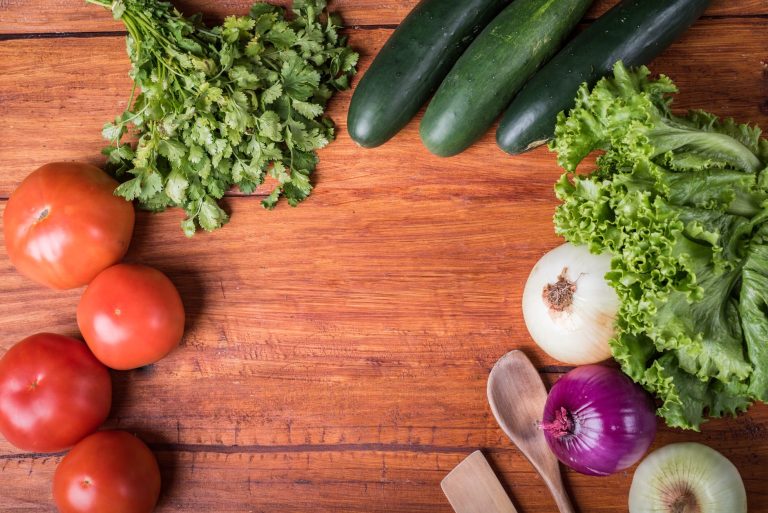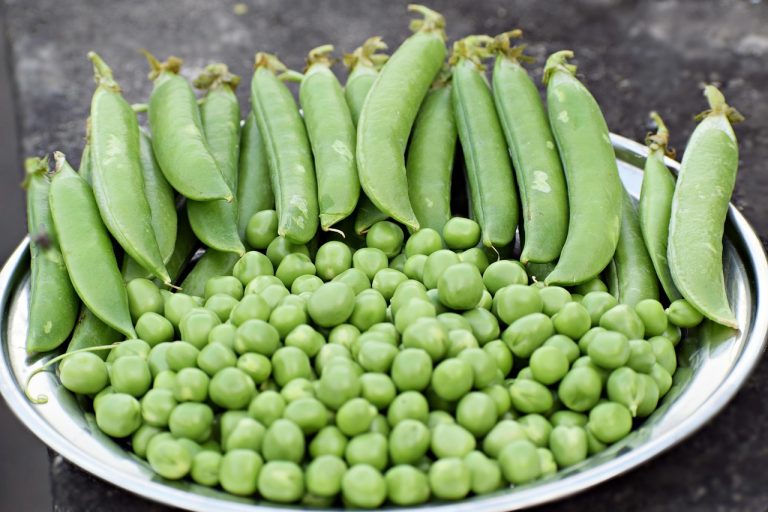

Photo by Peggychoucair on Pixabay
A healthy gut changes more than digestion. It can influence energy, cravings, immunity, mood, and even how easily your body supports weight loss. That is why more people are turning to organic food as part of a cleaner, smarter approach to nutrition. When meals are built from fresh, minimally processed ingredients, the digestive system often has less work to do and more support to do it well. Have you ever noticed how certain foods leave you feeling light and energized, while others seem to slow everything down? The difference is often not just in calories, but in quality, fiber, and the way ingredients are grown and prepared.
In a world full of packaged snacks, rushed meals, and confusing diet trends, gut health has become one of the most valuable foundations of a healthy lifestyle. A thoughtful organic diet can help you reduce unnecessary additives, increase plant diversity, and build meals that support a balanced microbiome. This is not about perfection. It is about making better choices, one plate at a time, so your body feels more comfortable, your digestion becomes more predictable, and your clean eating habits actually feel sustainable.
Organic foods are not magic, but they can be a powerful part of a broader wellness routine. By choosing more organic vegetables, fruits, grains, legumes, fermented foods, nuts, seeds, and clean protein sources, you give your body a richer nutritional base. That matters if your goals include better digestion, less bloating, improved energy, or steady weight loss. And if you have ever wondered whether a gut-friendly detox diet needs to be extreme, the answer is usually no. The most effective approach is often the simplest: feed the body real food consistently.
[IMAGE: organic vegetables]
Why Gut Health Should Be the Center of Your Healthy Diet
Your gut is far more than a place where food is broken down. It is an active, living ecosystem. Inside the digestive tract, trillions of microbes interact with what you eat every day. These microbes help process fiber, support immune function, and communicate with the rest of the body in ways that researchers are still uncovering. When your gut is in balance, many people report fewer digestive issues, more stable energy, and better control over appetite. When it is out of balance, the signs can show up quickly: bloating, irregular bowel movements, sugar cravings, fatigue, and a general sense that your body is not cooperating.
A healthy diet that supports the gut is not built around restriction. It is built around nourishment. That means plenty of colorful produce, enough fiber, adequate hydration, and mindful attention to foods that are easier to digest. Organic food fits naturally into this model because it is often fresher, less heavily processed, and more aligned with clean eating principles. If your daily meals are designed to help your digestive system work smoothly, the rest of your wellness routine often becomes easier too.
How the Gut Influences Weight Loss
Many people begin a wellness plan focused on weight loss, but the real breakthrough comes when they begin supporting digestion. Why? Because the gut affects fullness cues, nutrient absorption, inflammation, and metabolic efficiency. If you are constantly bloated, tired, or inflamed, it is harder to stay consistent with exercise, portion control, and healthy habits. A digestive system that functions well can make it easier to eat in a balanced way without feeling deprived.
Organic foods can help here in a practical way. When your meals are rich in fiber from vegetables, berries, oats, lentils, chia seeds, and leafy greens, you feel satisfied for longer. That can reduce mindless snacking and help you avoid the blood-sugar swings that often lead to cravings. If your goal is weight loss, this is one of the most useful shifts you can make: stop focusing only on what to remove and start focusing on what to add.
Signs Your Gut May Need More Support
Gut health issues do not always look dramatic. In fact, many people ignore subtle symptoms because they think they are normal. Yet frequent discomfort is often a clue that your nutrition needs an upgrade. Consider whether any of these sound familiar:
- Bloating after meals
- Frequent gas or discomfort
- Constipation or irregularity
- Loose stools that come and go
- Sugar cravings, especially late in the day
- Low energy after eating
- Brain fog or difficulty concentrating
- Skin flare-ups that seem linked to food
If several of these feel familiar, the solution may not be a dramatic detox diet. It may be a more consistent clean eating routine built on nutrient-dense organic food and less of the ultra-processed options that disrupt digestion.
What Makes Organic Food So Valuable for Digestion?
One reason organic food is so popular in health-conscious circles is its overall alignment with a cleaner, less industrialized way of eating. Organic produce is typically grown without synthetic pesticides and fertilizers, and many organic products also avoid artificial preservatives, colorings, and heavily refined ingredients. While the exact benefits vary from one food to another, the overall result is often a simpler ingredient list and a more natural nutritional profile.
For digestive health, that simplicity matters. The fewer unnecessary additives you consume, the easier it may be for your body to focus on the nutrients that support repair, energy production, and microbial balance. A clean eating plan built around organic ingredients can also encourage more home cooking, which gives you far greater control over salt, oil, sugar, and preparation methods.
Organic vs. Highly Processed: The Digestive Difference
Highly processed foods are often low in fiber and high in ingredients that can make digestion more difficult, especially when eaten frequently. They may also contain combinations of sugar, refined starches, and oils that encourage overeating. By contrast, many organic foods are naturally high in fiber, antioxidants, and plant compounds that support a healthier internal environment. That does not mean every organic product is automatically healthy, but it does mean the starting point is usually better.
Think about the difference between a packaged snack bar with a long ingredient list and a bowl of organic oats with berries, walnuts, and chia seeds. Both may be convenient, but only one gives your digestive system substantial fiber, healthier fats, and less nutritional noise. When you make these kinds of swaps consistently, the impact on your gut can be significant over time.
Why Freshness Matters
Fresh produce often tastes better, but it also tends to be more nutritionally appealing because it is used closer to harvest. That freshness can encourage better habits in the kitchen. If your refrigerator is full of crisp greens, herbs, roots, and colorful vegetables, it becomes easier to prepare meals that feel satisfying and energizing. This is one reason an organic diet often improves compliance: the food looks and tastes like real food, which makes it easier to enjoy.
[IMAGE: healthy meal]
The Best Organic Foods for a Happier Gut
When people think about gut health, they often think only of yogurt or probiotics. Those are helpful, but they are only one piece of the picture. A resilient digestive system needs a variety of foods, including fiber-rich plants, prebiotic ingredients, fermented foods, and minerals that help the body function smoothly. The good news is that many of the best choices are simple, affordable, and easy to build into everyday meals.
1. Organic Leafy Greens
Spinach, kale, arugula, romaine, and Swiss chard are foundational gut-friendly foods. They are rich in fiber, folate, magnesium, and antioxidants, all of which support general nutrition. Leafy greens are also easy to add to smoothies, omelets, soups, and grain bowls. If your current diet is low in vegetables, start here. One extra serving a day can make a noticeable difference.
2. Organic Fermented Foods
Fermented foods can be valuable because they may introduce beneficial bacteria or help create a more supportive digestive environment. Options include sauerkraut, kimchi, kefir, plain yogurt, miso, and fermented vegetables. Choose varieties with minimal added sugar and simple ingredients. A spoonful of sauerkraut alongside lunch or a small bowl of plain yogurt with berries can be an easy start.
3. Organic Berries
Blueberries, raspberries, blackberries, and strawberries are especially useful because they combine antioxidants with fiber. They are sweet enough to satisfy cravings without relying on added sugar, which makes them ideal for clean eating and weight loss support. They also pair beautifully with yogurt, oats, chia pudding, or smoothies.
4. Organic Oats
Oats are a classic breakfast choice for a reason. They provide soluble fiber, which can support smoother digestion and help you stay full. Organic oats can be turned into overnight oats, warm porridge, or blended oat flour for healthy baking. Add cinnamon, berries, flaxseed, or pumpkin seeds for an even bigger nutritional lift.
5. Organic Apples and Pears
These fruits are portable, affordable, and rich in fiber. Their natural sweetness makes them useful for reducing processed snack cravings, especially when paired with nut butter or a handful of seeds. If you need a simple afternoon option that supports a healthy lifestyle, this is one of the easiest choices.
6. Organic Root Vegetables
Carrots, beets, sweet potatoes, and turnips can be easier on some digestive systems when cooked. They provide fiber, minerals, and comforting texture. Roasted root vegetables are especially useful in meal prep because they reheat well and pair with nearly any protein source.
7. Organic Legumes
Lentils, chickpeas, black beans, and kidney beans are fiber powerhouses. They also provide plant protein, which is helpful if you are trying to build balanced meals that support energy and weight loss. For some people, legumes need to be introduced gradually. Start with smaller portions, rinse canned varieties well, and pair them with vegetables and healthy fats.
8. Organic Seeds and Nuts
Chia seeds, flaxseed, pumpkin seeds, sunflower seeds, almonds, and walnuts add texture, fiber, and beneficial fats. These ingredients are small but powerful. A tablespoon of ground flaxseed in a smoothie or a sprinkle of pumpkin seeds on a salad can improve satiety and add nutritional depth.
9. Organic Ginger and Turmeric
These spices are valued in many cultures for their warming, soothing qualities. Ginger tea, turmeric soups, and golden milk-style drinks can become part of a detox diet approach that feels comforting rather than extreme. They are not cures, but they can be useful additions to a gut-friendly routine.
10. Organic Bone Broth or Vegetable Broth
Warm broths can be gentle on the stomach and useful during periods when you want lighter meals. A well-made broth can also serve as a base for soups loaded with vegetables, herbs, and lean protein. If you are recovering from poor eating habits, broth-based meals can be an excellent bridge back to a better routine.
How to Build a Gut-Friendly Clean Eating Routine
It is easy to get inspired by lists of healthy foods, but lasting change happens when those foods are placed into a practical routine. A clean eating lifestyle works best when it fits your schedule, tastes, and budget. The key is to create a repeatable framework rather than trying to reinvent every meal from scratch.
Start With Three Balanced Meals
Each meal should ideally include fiber, protein, and a source of healthy fat. This combination helps steady blood sugar, support fullness, and reduce erratic snacking. For example:
- Breakfast: Organic oats with chia seeds, berries, and plain yogurt
- Lunch: Mixed greens with chickpeas, cucumber, avocado, and olive oil
- Dinner: Roasted vegetables with salmon or tofu and quinoa
This structure is simple, but it works. When meals are balanced, your digestive system receives a steady stream of nutrients and your energy tends to remain more consistent throughout the day.
Use the
About the Author

About the Author