
Photo by Pervane Mustafa27 on Pexels
If you have ever wondered why some healthy diets leave you energized while others leave you bloated, sluggish, or strangely unsatisfied, the answer may start in your gut. A truly effective approach to wellness is not built on restriction alone. It is built on nourishment, balance, and the kind of organic food choices that support digestion from the inside out. When your gut is thriving, clean eating feels easier, weight loss becomes more sustainable, and your overall healthy lifestyle begins to feel less like a struggle and more like a rhythm you can actually maintain.
Gut health has become one of the most talked-about topics in modern nutrition, and for good reason. Your digestive system does much more than process meals. It helps regulate immunity, influences mood, affects energy levels, and even plays a role in cravings. So if you are trying to improve weight loss results, reduce bloating, or simply feel more comfortable in your body, should you focus on supplements and complicated plans—or on the food you put on your plate every day? In many cases, the simplest answer is the most powerful one: choose organic food that feeds your microbiome, supports digestion, and fits naturally into a clean eating routine.
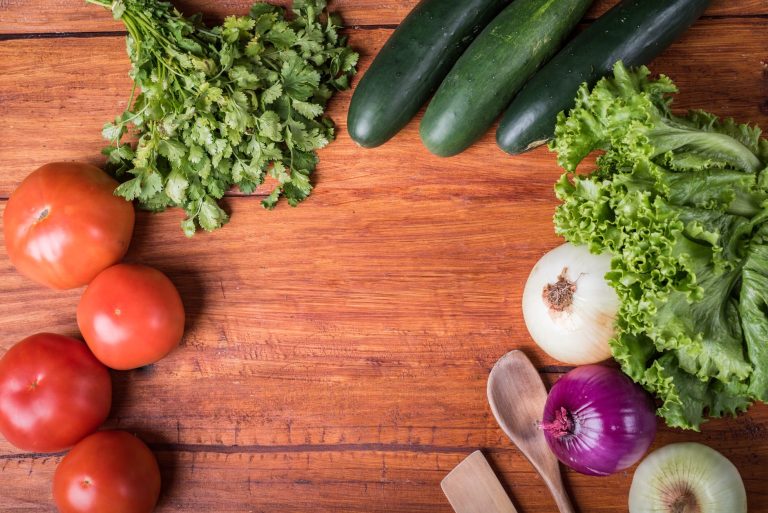
[IMAGE: organic vegetables]
Why Gut Health Deserves a Place at the Center of Your Healthy Diet
The gut is not just a tube for digesting lunch and dinner. It is a complex ecosystem made up of beneficial bacteria, enzymes, and intestinal tissue that help keep the body functioning smoothly. When that ecosystem is balanced, digestion is often easier, the immune system may be more resilient, and your relationship with food can feel more stable. When it is out of balance, even the healthiest meal can seem to trigger discomfort.
Think about it: have you ever eaten a nutritious salad and still felt bloated afterward? Or followed a strict clean eating plan but noticed your energy dropping in the afternoon? That does not always mean the plan is wrong. It may mean your body needs different foods, more fiber, more hydration, or more gut-friendly ingredients that are gentler and more supportive.
A gut-focused healthy diet is especially useful if your goals include weight loss and improved nutrition. Why? Because digestion affects satiety. When food is digested well, you tend to feel fuller, calmer, and less likely to reach for snacks out of frustration. Organic food can make this process feel more intentional because it often emphasizes fresher produce, fewer artificial additives, and a cleaner overall eating pattern.
How your gut influences more than digestion
Your gut is closely connected to many other systems in the body, which is why it matters so much in a healthy lifestyle. It can influence how well you absorb nutrients, how often you feel hungry, and how your body responds to stress. It may even affect the way you sleep.
When you begin to improve gut health through clean eating, the benefits can appear in surprising ways:
- You may experience less bloating after meals.
- Your digestion may feel more regular and predictable.
- Your energy levels may become steadier throughout the day.
- Your cravings for sugary or ultra-processed foods may lessen.
- Your weight loss efforts may feel more sustainable because your body is functioning more efficiently.
That is the real value of a gut-friendly organic food plan. It is not about chasing perfection. It is about creating conditions in which your body can do its job well.
What Makes Organic Food Especially Useful for Gut Health?
Organic food is not a magic solution, and it does not replace balanced nutrition. But it can be a smart choice if you want to simplify clean eating and reduce exposure to certain agricultural residues and additives. For many people, organic produce, grains, dairy, and proteins feel easier to digest simply because they are closer to their natural form and often less processed.
From a gut health perspective, the benefit is not only about what organic food leaves out. It is also about what it helps you include: more vegetables, more fruits, more whole grains, more fiber, more hydration-rich meals, and a more conscious approach to food quality overall. That combination is powerful.
Fewer ultra-processed choices, more real nutrition
Many digestive issues are not caused by one single ingredient. They are often linked to eating patterns that rely heavily on packaged foods, added sugars, refined oils, and low-fiber meals. Organic eating tends to naturally shift your attention away from those patterns and toward foods that support a healthy lifestyle.
For example, if you replace a packaged breakfast bar with organic oats, berries, chia seeds, and yogurt, you are no longer just eating breakfast. You are feeding beneficial gut bacteria with fiber and probiotic support while also providing steady energy for the morning. That is what makes organic food so valuable in practical terms: it encourages better choices without making every meal feel like a science experiment.
Cleaner ingredients can simplify digestion
Some people feel better when they reduce exposure to certain additives, sweeteners, and emulsifiers commonly found in highly processed foods. While everyone is different, many digestive complaints become easier to manage when meals are built around simple, recognizable ingredients. Clean eating supports that process by keeping the focus on whole foods with minimal interference.
Ask yourself: when was the last time you ate a meal that was both satisfying and gentle on your stomach? That is the standard to aim for. Organic ingredients can help because they encourage you to think in terms of freshness, seasonality, and quality rather than convenience alone.
The Best Organic Foods for Gut Health
Not every healthy food is equally helpful for digestion. Some foods are especially valuable because they provide probiotics, prebiotics, fiber, or soothing nutrients that help keep the gut ecosystem balanced. If your goal is better digestion, improved nutrition, or weight loss support, these organic foods deserve a regular place in your kitchen.
1. Organic fermented vegetables
Fermented vegetables such as organic sauerkraut, kimchi, and pickled carrots can be excellent additions to a gut-friendly diet. They contain natural probiotics that may help support the balance of beneficial bacteria in the digestive tract. These foods also bring vibrant flavor to meals, which can make clean eating feel more exciting and less repetitive.
Start with a small serving if you are new to fermented foods. A tablespoon or two with lunch or dinner may be enough at first. Too much too soon can be overwhelming for sensitive stomachs, especially if your digestive system is already reacting to dietary changes.
2. Organic yogurt and kefir
Organic yogurt and kefir offer a convenient way to add probiotics and protein to your routine. They can be especially useful at breakfast or as a midday snack when you want something filling, creamy, and nourishing. Choose unsweetened versions whenever possible to avoid unnecessary added sugar, which can work against gut health goals.
Try pairing plain organic yogurt with berries, flaxseed, and chopped walnuts. This combination supplies probiotics, fiber, and healthy fats in one balanced bowl. Could there be an easier clean eating habit to maintain?
3. Organic oats
Oats are a classic gut-friendly food because they are rich in soluble fiber, which can help support regularity and encourage a sense of fullness. Organic oats are especially versatile. They can be used for breakfast bowls, overnight oats, smoothies, baked snacks, and even savory meals.
If weight loss is one of your goals, oats can help you stay satisfied longer, which may reduce the urge to snack mindlessly. Choose steel-cut or rolled oats for a more nourishing texture and pair them with protein to create a more complete meal.
4. Organic leafy greens
Spinach, kale, arugula, Swiss chard, and romaine are all excellent choices for a healthy diet. Leafy greens are naturally nutrient-dense, low in calories, and rich in fiber. They also contribute water and minerals that support overall digestive comfort.
You do not need to force giant salads every day to benefit from greens. Add them to smoothies, soups, omelets, grain bowls, and stir-fries. When you make vegetables easy to eat, you make your healthy lifestyle easier to sustain.
5. Organic berries
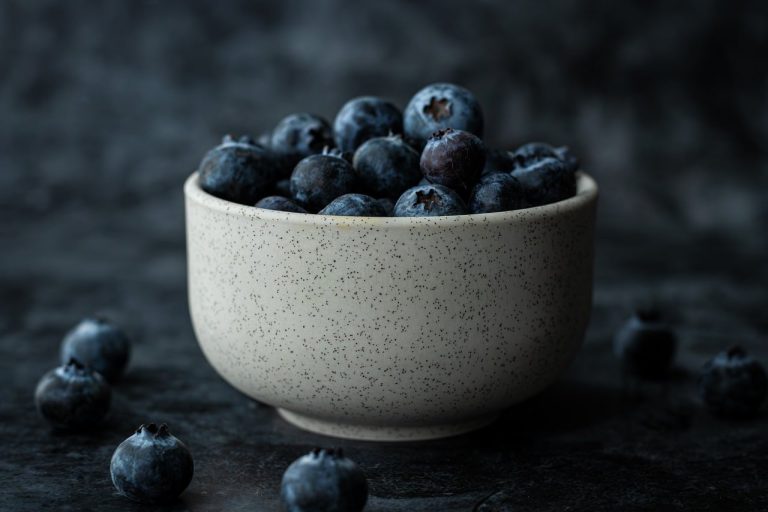
Blueberries, raspberries, blackberries, and strawberries are among the best organic foods for gut health because they are high in fiber and antioxidants. Their natural sweetness also helps satisfy dessert cravings without requiring heavily processed treats.
Berries are ideal for anyone focused on weight loss because they provide flavor and volume without a heavy calorie load. They also pair beautifully with yogurt, oats, chia pudding, and nut butters.
6. Organic bananas
Bananas are a simple, budget-friendly choice that can support digestion thanks to their prebiotic fiber, especially when slightly underripe. Prebiotics help feed beneficial bacteria, which makes bananas useful in a gut-supportive clean eating plan.
For extra balance, combine a banana with almond butter or yogurt. This helps stabilize blood sugar and can make the snack more satisfying for longer.
7. Organic flaxseed and chia seeds
These tiny seeds are nutritional powerhouses. Both flaxseed and chia deliver fiber that supports healthy digestion, and chia also absorbs liquid to create a gel-like texture that can be soothing and filling. They are easy to add to smoothies, oatmeal, pancakes, salads, and baked goods.
Because they are concentrated, a little goes a long way. One to two tablespoons a day can make a meaningful difference in your fiber intake. Isn’t it remarkable how such small ingredients can have such a big impact?
8. Organic garlic, onions, and leeks
These aromatic vegetables are often overlooked, yet they play an important role in gut health because they contain prebiotic compounds that feed beneficial microbes. They also make meals more flavorful, which can help you enjoy a healthy diet without feeling deprived.
Use them as the base for soups, stews, roasted vegetables, and grain bowls. Just remember that some people with sensitive digestion may need to adjust the amount or cook them thoroughly for easier tolerance.
9. Organic ginger
Ginger has long been valued for its ability to support digestive comfort. It can be used fresh, grated into meals, steeped into tea, or blended into smoothies. For people who feel nauseous, bloated, or heavy after meals, ginger may offer a gentle sense of relief.
Organic ginger tea after dinner can be a comforting ritual that supports both hydration and digestion. This is the kind of small habit that turns a detox diet concept into something practical and sustainable.
10. Organic legumes
Lentils, chickpeas, black beans, and cannellini beans provide fiber, plant protein, and slow-digesting carbohydrates. They can support fullness and encourage more stable energy, which makes them especially useful in a weight loss plan built on whole foods rather than deprivation.
If legumes are new to your routine, introduce them gradually and soak or rinse them well. Pair them with cooked vegetables and herbs to make them easier on the digestive system.
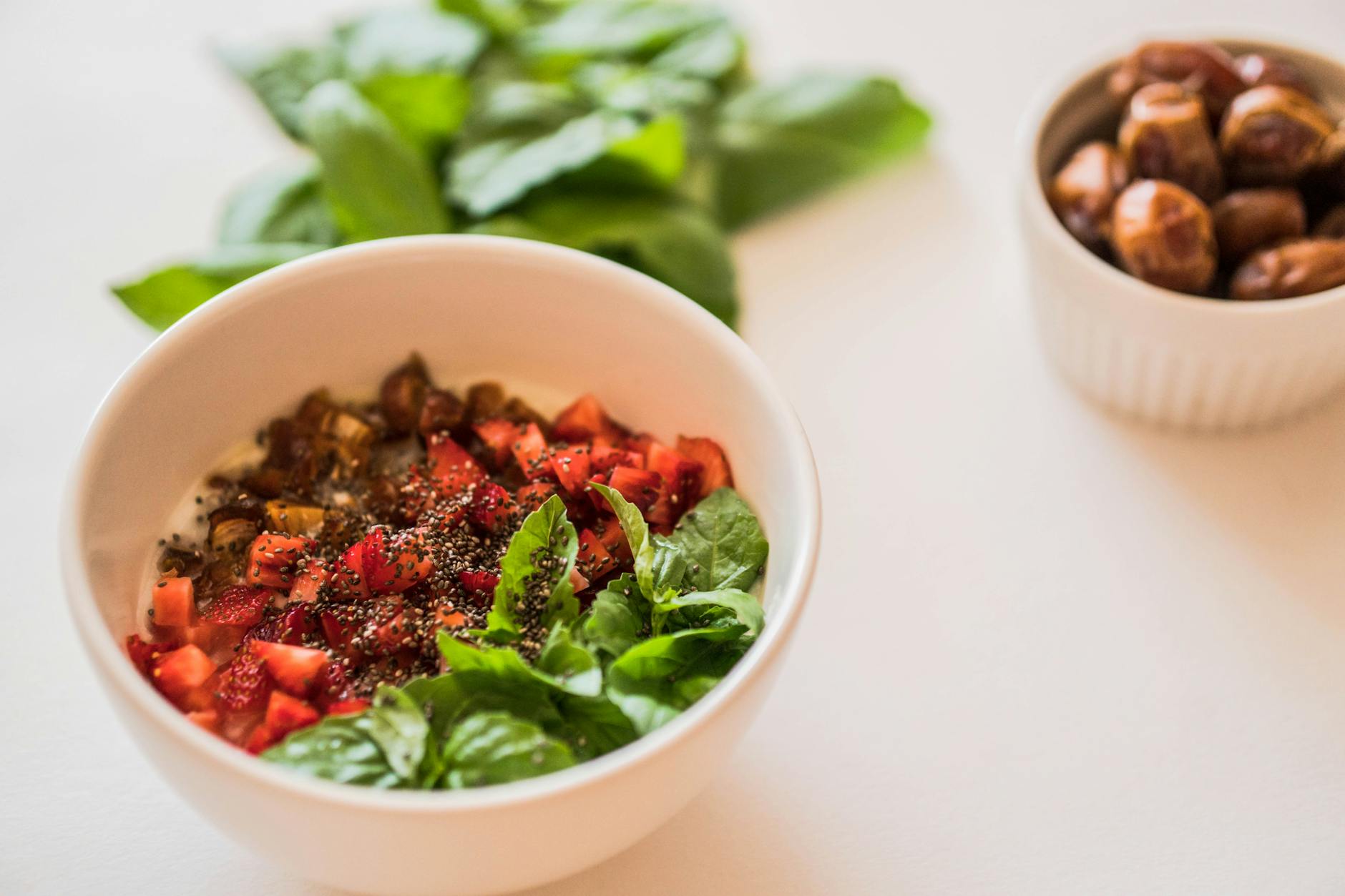
[IMAGE: healthy meal]
How to Build a Gut-Friendly Organic Food Plate
Knowing which foods help is only part of the equation. The real challenge is putting them together in a way that feels realistic. A gut-friendly organic food plate does not need to be elaborate. In fact, simpler meals are often easier to digest and easier to repeat.
The simple formula
A balanced meal for gut health usually includes four elements:
- A fiber-rich base such as leafy greens, oats, or whole grains
- A source of protein such as organic yogurt, eggs, beans, tofu, or fish
- Healthy fats such as avocado, seeds, nuts, or olive oil
- Colorful vegetables or fruit to provide antioxidants and micronutrients
This structure supports fullness, blood sugar stability, and better digestion. It also makes clean eating more satisfying because each plate feels complete instead of restrictive.
Examples you can actually use
Here are a few combinations that work well in real life:
- Organic oats with berries, flaxseed, and plain yogurt
- Quinoa bowl with roasted vegetables, chickpeas, and tahini
- Egg scramble with spinach, onions, and avocado
- Salmon with steamed greens and sweet potato
- Greek yogurt with chia seeds, sliced banana, and cinnamon
What do these meals have in common? They are practical, nutrient-dense, and gentle enough to support the gut without demanding complicated cooking skills.
Portion size matters more than perfection
Even the healthiest organic food can feel heavy if the portion is too large for your body. Many people assume they need to eat less to improve weight loss, but often the real issue is meal composition and pacing. Eat slowly, chew thoroughly, and notice how your body responds. A healthy diet is not meant to punish you; it is meant to help you feel better.
Clean Eating Habits That Protect Digestion Every Day
Clean eating works best when it becomes a set of repeatable habits, not a temporary burst of motivation. If you want lasting results, pay attention not only to what you eat, but also how you eat. The gut appreciates consistency.
1. Eat at regular times
Skipping meals frequently or eating at random hours can make digestion feel unpredictable. A more regular rhythm may help your body anticipate meals and process them more comfortably. If your schedule is hectic, even a basic pattern—breakfast, lunch, dinner, and one planned snack—can make a meaningful difference.
2. Hydrate throughout the day
Water supports digestion, nutrient transport, and bowel regularity. If you increase fiber intake through organic food, you also need adequate hydration to help that fiber work properly. Herbal teas, infused water, and water-rich produce like cucumbers and oranges can help you stay on track.
3. Avoid rushing meals
Stress and speed are not friendly to the digestive system. Eating too quickly can lead to swallowing more air, overeating, or missing fullness cues. Sit down when you can. Put the fork down between bites. Give your body a chance to catch up with your plate.
4. Keep added sugar low
Excess sugar can crowd out more nourishing choices and may not support a healthy gut environment when consumed often. That does not mean you need a sugar-free life. It means being thoughtful. Choose fruit when you want sweetness, and make dessert an intentional treat instead of a habit that quietly undermines your nutrition goals.
5. Observe how foods make you feel
No two guts are identical. One person may thrive on yogurt, while another feels better with fermented vegetables and plant-based probiotics. One person may love beans, while another needs to increase them gradually. Keep a simple food-and-feeling journal if you are trying to improve digestion or support weight loss. What patterns emerge when you pay attention?
The Connection Between Gut Health and Weight Loss
Weight loss is often framed as a matter of willpower, but that view is incomplete. Hunger, satiety, energy, cravings, and digestion all influence how easy it is to maintain a healthy eating pattern. A gut-friendly organic diet can make weight management feel more natural because it supports the body’s own regulation systems.
Fiber-rich organic foods help create fullness. Protein helps stabilize appetite. Probiotic and prebiotic foods help the gut ecosystem function better. Together, these factors can reduce impulsive eating and support more steady energy, which may make healthy choices easier over time.
It is also worth noting that bloating can sometimes be mistaken for weight gain. When digestion improves, the body may feel lighter even before the scale changes. That is one reason a detox diet should be approached wisely: the goal is not aggressive deprivation, but rather giving your digestive system the support it needs to work efficiently.
What sustainable weight loss really looks like
Sustainable weight loss does not come from chasing extreme rules. It comes from building meals that satisfy hunger, reduce emotional eating triggers, and nourish the body well enough that cravings become less intense. A clean eating approach centered on organic food can help because it shifts attention away from empty calories and toward real nourishment.
Instead of asking,
About the Author