
Photo by Port of San Diego on Openverse
Most people think of digestion only when something feels off, yet the gut quietly influences far more than comfort after a meal. It shapes energy, cravings, skin clarity, immunity, mood, and even how efficiently the body uses nutrition. That is why a thoughtful shift toward organic food and clean eating can feel so transformative. When the plate is built around quality ingredients, gentle cooking methods, and a rhythm that supports the body instead of stressing it, healthy habits begin to feel less like restriction and more like relief.
This article explores how organic food can support gut health, why that matters for a healthy lifestyle, and how a cleaner approach to eating may also help with weight loss in a balanced, sustainable way. Are you eating in a way that truly nourishes your digestion, or simply filling up without much benefit? The difference can be profound. A well-designed organic diet is not about perfection. It is about choosing foods that help the body absorb nutrients, calm inflammation, and restore balance from the inside out.
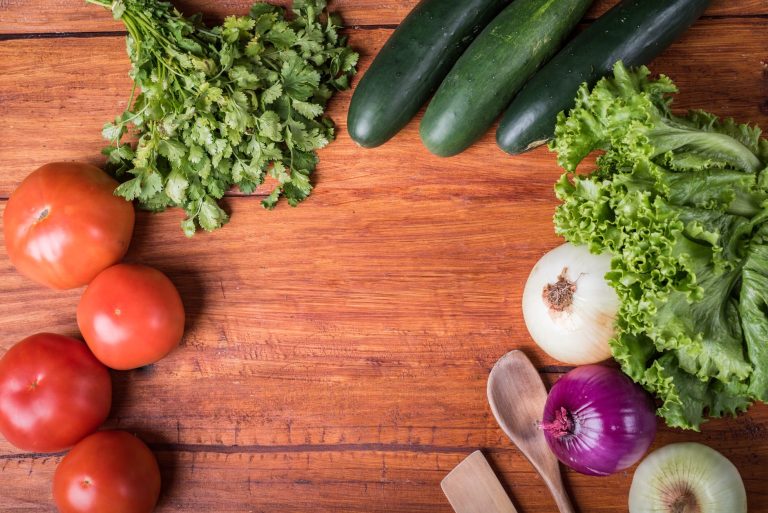
[IMAGE: organic vegetables]
Why Gut Health Deserves More Attention
The gut is often called the body’s second brain, and for good reason. It contains a complex network of nerves, hormones, bacteria, and immune cells that work together every day. When gut function is healthy, food is broken down efficiently, nutrients are absorbed well, and waste is moved through the body at a steady pace. When digestion is stressed, the effects rarely stay local. Bloating, fatigue, skin flare-ups, sugar cravings, and irregular appetite can all become part of the picture.
The gut does more than digest food
Inside the digestive tract lives a community of microorganisms known as the gut microbiome. These bacteria are not the enemy. In fact, many of them help protect the intestinal lining, support immune defenses, and influence how the body responds to inflammation. A diet built around organic food, fiber, and minimally processed ingredients gives those beneficial microbes a better chance to thrive. That is one reason clean eating can feel so grounding over time.
Think about the last time you ate a heavy, highly processed meal. Did you feel clear and energized afterward, or sluggish and unsettled? The body is constantly sending signals. Learning to read those signals is one of the most valuable skills in nutrition.
Common signs the gut may need support
Everyone experiences occasional digestive discomfort, but a pattern of symptoms can suggest that your gut is under pressure. Common signs include:
- Bloating after routine meals
- Frequent gas or abdominal discomfort
- Irregular bowel movements
- Sugar cravings that feel hard to control
- Low energy after eating
- Skin issues that seem tied to diet
- Feeling full yet unsatisfied
These symptoms do not automatically mean something is seriously wrong, but they do suggest your body may benefit from a more intentional approach to nutrition. A well-structured organic diet can be one of the simplest ways to start.
Why Organic Food Can Make a Difference
Organic food is not a magic solution, but it can be a meaningful part of a gut-friendly routine. Organic produce is grown without synthetic pesticides and many artificial inputs commonly used in conventional farming. For people trying to improve digestion, reduce unnecessary exposure to additives, and build a cleaner eating pattern, that matters. The goal is not fear. The goal is to reduce the number of variables that can interfere with the body’s natural balance.
Less exposure to unnecessary additives
Ultra-processed foods often contain preservatives, artificial flavors, emulsifiers, and added sugars that may not support a healthy digestive environment. While not every additive is automatically harmful, a diet centered on whole organic food naturally lowers the intake of these extras. That shift can make meals easier to tolerate and can also improve the quality of everyday nutrition.
For many people, clean eating begins with a simple rule: if the ingredient list looks more like a chemistry set than a kitchen, it may be worth replacing. Could your gut benefit from fewer shortcuts and more real food?
Nutrient density matters more than hype
A healthy diet should do more than keep hunger at bay. It should provide the vitamins, minerals, fiber, and phytonutrients the body uses to repair tissue and maintain steady energy. Organic food often encourages more whole produce, fewer packaged items, and better meal planning overall. Even when research on nutrient differences is debated, there is no question that a pattern of eating built around organic vegetables, fruit, legumes, nuts, seeds, and whole grains supports better nutrition.
What that looks like on the plate
Imagine a meal built from roasted organic vegetables, a source of quality protein, a portion of fermented food, and a drizzle of olive oil. That plate is colorful, satisfying, and naturally supportive of digestion. It is also very different from a meal that is mostly refined starch, sweet sauce, and minimal fiber. The body notices the difference quickly.
The Best Organic Foods for Gut Health
Not every food that is labeled organic will automatically improve digestion, but some categories are especially useful when the goal is to support the microbiome and reduce digestive strain. The best approach is to combine foods that feed beneficial bacteria, soothe the digestive system, and deliver steady nourishment.
1. Fermented foods that introduce helpful bacteria
Fermented foods are often among the first recommendations in a gut-focused clean eating plan. They naturally contain live cultures that may help diversify the microbiome and support a healthier digestive rhythm. Look for organic versions when possible, especially if you want to keep your diet aligned with broader wellness goals.
- Organic yogurt with live cultures
- Plain kefir
- Sauerkraut
- Kimchi
- Miso
- Tempeh
Start slowly if you are not used to fermented foods. A small serving can be enough at first. Too much too soon may cause temporary bloating, especially if the gut is sensitive.
2. Fiber-rich vegetables and fruits
Fiber is one of the most important nutrients for digestion, and organic produce makes it easier to build a plate around it. Fiber adds bulk to stool, supports regular elimination, and feeds beneficial bacteria in the colon. Many fruits and vegetables also contain antioxidants that help lower inflammation, making them especially valuable in a detox diet or healthy lifestyle plan.
Excellent choices include:
- Leafy greens such as spinach, kale, and arugula
- Broccoli, cauliflower, Brussels sprouts, and cabbage
- Carrots, beets, and sweet potatoes
- Apples, pears, berries, and kiwi
- Avocados for fiber and healthy fats
Ask yourself: how many colors are on your plate today? A gut-friendly organic diet should look vibrant, not monotonous.
3. Prebiotic foods that feed beneficial bacteria
Prebiotics are different from probiotics. Rather than adding live bacteria, they feed the good bacteria already living in the gut. Prebiotic foods are an essential part of a balanced nutrition strategy because they help healthy microbes grow and produce short-chain fatty acids that support the intestinal lining.
Organic prebiotic foods include:
- Onions
- Garlic
- Leeks
- Asparagus
- Bananas, especially slightly green ones
- Oats
- Chicory root
These foods work especially well when paired with protein and healthy fats. That combination helps stabilize blood sugar and can reduce the urge to snack impulsively later in the day.
4. Gentle proteins and healthy fats
Protein is not only for muscle. It supports tissue repair, satiety, enzyme production, and steady blood sugar. When digestion is sensitive, many people tolerate simple, minimally processed protein sources better than heavy, fried meals. Organic protein sources such as eggs, chicken, turkey, tofu, tempeh, lentils, and plain Greek yogurt can fit neatly into a gut-friendly routine.
Healthy fats are equally important. Olive oil, avocado, chia seeds, flaxseeds, walnuts, and fatty fish can help reduce inflammation and make meals more satisfying. In a clean eating plan, the right fats prevent the body from feeling deprived.
[IMAGE: healthy meal]
One of the easiest ways to use organic food for gut health is to imagine each meal as a layered formula: one part fiber, one part protein, one part healthy fat, and one part gentle seasoning. For example, a lunch of quinoa, roasted vegetables, grilled salmon, and a spoonful of sauerkraut gives the gut a mix of textures and nutrients without overwhelming digestion. That kind of meal is simple, elegant, and effective.
How to Build a Gut-Friendly Clean Eating Day
Rather than chasing perfect rules, focus on rhythm. The body usually thrives when meals are predictable, balanced, and nourishing. A clean eating day built around organic food may look quite ordinary, and that is exactly why it works. Consistency matters more than novelty.
Breakfast: calm energy instead of a sugar spike
A gut-friendly breakfast should provide protein, fiber, and enough fat to slow digestion just enough to keep energy steady. A smoothie can work if it is carefully built, but many people do better with a more solid meal.
- Organic eggs with sautéed spinach and tomatoes
- Plain organic yogurt with berries, chia seeds, and oats
- Overnight oats with flaxseed, cinnamon, and almond butter
Breakfast is often where clean eating either succeeds or collapses. If you start the day with highly refined carbohydrates, your blood sugar may rise and fall more sharply, leading to cravings later. A balanced breakfast can prevent that roller coaster.
Lunch: the foundation meal
Lunch should be satisfying enough to prevent afternoon energy dips. Think of it as the anchor of the day.
- Big salad with organic greens, cucumber, avocado, pumpkin seeds, and grilled chicken
- Brown rice bowl with roasted broccoli, lentils, olive oil, and fermented vegetables
- Vegetable soup with beans and a side of sprouted grain toast
If your digestion tends to feel heavy after lunch, reduce portion size slightly and increase chewing. Slower eating alone can dramatically improve comfort.
Snacks: support, not sabotage
Healthy snacks can prevent overeating later, but they should still contribute to the overall nutrition strategy. Choose snacks that are simple and organic whenever possible.
- Apple slices with almond butter
- Carrot sticks with hummus
- A small bowl of kefir or yogurt
- A handful of walnuts or pumpkin seeds
- Cucumber with sea salt and lemon
A snack should not feel like an emergency response to fatigue. If you are constantly hungry between meals, the answer may be more protein, fiber, or sleep rather than more snacking.
Dinner: gentle and restorative
Dinner is often where many diets become derailed by stress, convenience, or exhaustion. A gut-friendly dinner does not need to be elaborate. It needs to be calming.
- Roasted organic vegetables with baked cod and olive oil
- Turkey or tofu stir-fry with ginger, zucchini, and bok choy
- Sweet potato bowl with black beans, avocado, and salsa
A lighter dinner can support digestion during sleep and may even improve morning appetite regulation. What happens at night matters just as much as what happens at noon.
How Organic Food Can Support Sustainable Weight Loss
Weight loss is not only about calories. It is also about digestion, appetite control, nutrient balance, and inflammation. A clean eating pattern centered on organic food can make weight management feel less punishing because it addresses the systems behind hunger and satisfaction. When the body is well nourished, it is usually easier to stop eating when full and less likely to hunt for quick energy in the form of sugar.
Better satiety leads to fewer cravings
Meals that include protein, fiber, and healthy fat are more filling than meals made mostly of refined carbohydrates. That matters for weight loss because constant hunger often drives overeating later in the day. Organic food supports this by making it easier to focus on whole ingredients rather than packaged convenience foods.
When you feel satisfied, you are less likely to snack mindlessly. That single shift can have a major effect over time.
Reduced bloating can change how you feel
Many people begin a cleaner eating plan because they want to lose weight, but the first noticeable change is often less bloating rather than dramatic scale movement. That is still meaningful. Better digestion, less water retention, and a calmer gut can make the body feel lighter and more comfortable. While this is not the same as fat loss, it often creates momentum and motivation.
Stable blood sugar supports appetite control
Wild blood sugar swings can trigger cravings, irritability, and energy crashes. By contrast, a healthy diet built around organic vegetables, lean proteins, nuts, seeds, and smart carbohydrates helps the body maintain a steadier rhythm. Stable blood sugar is not just good for metabolism. It is also good for decision-making. When energy is steady, it is easier to make thoughtful choices instead of impulsive ones.
Detox Diet Myths and What Actually Helps
The phrase detox diet gets used in many ways, and not all of them are useful. The body already has its own detoxification systems, especially the liver, kidneys, lungs, skin, and digestive tract. The real goal is not to force a cleanse. The real goal is to reduce the workload on the body and provide the nutrients it needs to do its job well.
Skip extremes and support natural detox pathways
Severe juice fasts, harsh cleanses, and overly restrictive detox plans may create short-term weight changes, but they rarely create a sustainable healthy lifestyle. A better method is to eat more organic food, drink enough water, prioritize fiber, and reduce the foods that create inflammation or digestive stress.
Helpful habits include:
- Eating plenty of cruciferous vegetables
- Choosing whole foods over ultra-processed items
- Staying hydrated throughout the day
- Including enough fiber to support regular elimination
- Limiting alcohol and excess sugar
That is the kind of detox diet that actually makes sense. It does not promise miracles. It simply gives the body a cleaner environment in which to function.
A cleaner plate is often the real reset
Many people do not need a dramatic cleanse. They need a cleaner plate. Swapping a pastry breakfast for eggs and greens, replacing a fried lunch with a grain bowl, or choosing fruit instead of candy can change digestion quickly. Small adjustments often create the biggest long-term results.
[IMAGE: organic vegetables]
Common Clean Eating Mistakes to Avoid
Clean eating can be powerful, but it becomes less effective when it turns into rigid rule-following. A balanced organic diet should support your life, not dominate it. If the plan is too strict, it becomes difficult to sustain, and stress itself can undermine gut health.
1. Going too low in calories
When people focus only on weight loss, they sometimes cut food too aggressively. That can backfire by slowing energy, increasing cravings, and making digestion less efficient. The body needs adequate nutrition to function well. Hunger is not a badge of honor.
2. Forgetting fiber
Some people eat organic food but still fall short on fiber because they rely too much on refined grains, cheese, protein bars, or smoothies. Gut health needs texture and variety. If your meals are soft, dense, and low in plant matter, digestion may not improve as much as you expect.
3. Using too many health products
It is easy to turn a clean eating plan into a shopping spree of powders, capsules, and expensive supplements. While some supplements may be helpful, they cannot replace a foundation of real food. Nutrition should be built from meals first.
4. Ignoring stress and sleep
Even the best organic diet will struggle if sleep is poor and stress is constant. The gut responds to the nervous system. Chronic tension can alter digestion, appetite, and the balance of the microbiome. Food matters, but it is only one part of the picture.
A Simple Seven-Day Gut-Friendly Reset
If you want a practical starting point, a one-week reset can help you notice how your body responds to cleaner meals. This is not a crash diet. It is a structured way to explore how organic food and mindful eating affect your digestion.
Day 1 to 2: simplify
Focus on basic meals made from vegetables, protein, fruit, whole grains, and water. Remove highly processed snacks and reduce added sugar. Notice how your energy changes when the day becomes more predictable.
Day 3 to 4: add fermented foods
Introduce a small serving of yogurt, kefir, sauerkraut, or kimchi. Pair it with lunch or dinner. Keep portions modest and observe your tolerance.
Day 5 to 6: increase plant diversity
Add another vegetable color to each meal. Try beets, purple cabbage, asparagus, mushrooms, or herbs. A diverse diet is often a better microbiome diet.
Day 7: review and refine
Ask yourself what feels easier, what feels heavier, and what food choices made you feel clear and comfortable. That reflection is more valuable than any trend-driven rule. Sustainable nutrition begins with observation.
Lifestyle Habits That Make Nutrition Work Harder
Food is powerful, but it becomes even more effective when paired with a healthy lifestyle. Good digestion depends on pace, routine, and recovery. If your days are chaotic, your meals may never fully do their job.
Hydration supports every digestive step
Water helps move food through the digestive tract and supports nutrient transport. Many people mistake thirst for hunger, especially in the afternoon. Start the day with water, and drink consistently rather than waiting until you feel depleted.
Movement helps the gut stay active
Walking after meals, stretching, yoga, and moderate exercise can all support digestion. Movement encourages circulation and helps the digestive system stay responsive. This is one reason a fitness lifestyle and clean eating often work so well together.
[IMAGE: fitness lifestyle]
Sleep is a nutritional tool
Poor sleep changes appetite hormones and makes food choices harder the next day. If you are trying to lose weight or improve gut health, sleep should be treated as part of the plan, not as a luxury. A rested body is more likely to crave balance than chaos.
Daily rhythm matters
Try to eat at roughly consistent times, move your body a little each day, and create a nighttime routine that lowers stimulation. The digestive system tends to appreciate order. So does the mind.
When Personalized Guidance Is the Smarter Choice
Not every digestive issue can be solved with general advice. If you have persistent pain, severe bloating, unexplained weight changes, food intolerances, or conditions such as IBS, Crohn’s disease, celiac disease, or acid reflux, speak with a qualified healthcare professional. Some people need more than a standard clean eating plan. They need a customized nutrition strategy that reflects their specific needs, medications, and health history.
That does not make organic food less useful. It simply means the best diet is the one that fits the person who is actually living it.
An organic food approach to gut health is most effective when it feels generous rather than punishing, practical rather than dramatic, and consistent rather than extreme. When clean eating becomes a steady habit, it can improve digestion, support weight loss, and create a healthier relationship with food that lasts well beyond a single detox diet or short-term reset. If this perspective speaks to you, keep exploring more organic diet, nutrition, and healthy lifestyle articles on DietOrganic, where thoughtful eating is always treated as a long-term investment in feeling better every day.
About the Author