
Photo by Ella Olsson on Unsplash
Gut health has become one of the most important conversations in modern nutrition, and for good reason. When digestion feels smooth, energy tends to rise, cravings often settle, and a clean eating routine becomes much easier to maintain. But how do you actually support your gut in a way that feels realistic, enjoyable, and sustainable? The answer often begins with organic food. By choosing organic ingredients, you reduce unnecessary exposure to certain pesticides and additives while giving your body a cleaner foundation for better digestion, stronger nutrition, and more consistent wellness.
If you have been looking for a healthy diet that supports weight loss without feeling restrictive, gut-friendly organic meals may be exactly what you need. Think about it: when your digestive system is happy, you absorb nutrients more efficiently, you feel satisfied for longer, and your meals start working with your body instead of against it. That is the real secret behind many successful clean eating routines. In this guide, we will explore the best organic foods for gut health, what to avoid, and how to build meals that support digestion, energy, and a healthier lifestyle every single day.
Whether you are trying to improve bloating, get more from your nutrition, support a gentle detox diet, or simply eat with more intention, the foods you choose matter more than most people realize. And the best part? Gut-friendly eating does not require complicated rules or expensive supplements. It starts with simple, satisfying ingredients that fit naturally into everyday life.
Why Gut Health Deserves a Place in Every Clean Eating Plan
Your gut is more than a digestion center. It is a highly active ecosystem filled with trillions of bacteria that influence everything from bowel regularity to immune function and even mood. When your gut microbiome is balanced, you may notice less bloating, steadier energy, and better appetite control. When it is disrupted, your body can send signals through cravings, sluggishness, discomfort, and inconsistent digestion.
How the microbiome affects digestion
The microbiome is the community of bacteria and other microorganisms living in your digestive tract. Some microbes help break down fiber, produce beneficial compounds, and support the intestinal lining. Others are less helpful when they become dominant. A healthy diet rich in organic food and plant diversity gives good bacteria the fuel they need to thrive.
That is why clean eating works so well when it is built around whole foods. Vegetables, fruits, fermented foods, legumes, seeds, and whole grains supply different forms of fiber and nutrients that support the gut environment. In other words, nutrition is not just about calories. It is about feeding the system that helps your body use those calories well.
Why your gut matters for weight loss
Many people approach weight loss by cutting calories alone, but digestion plays a deeper role than that. When you are bloated, constipated, or constantly hungry, sticking to a healthy diet becomes much harder. A balanced gut can help you feel satisfied after meals, improve nutrient absorption, and reduce the random snacking that often undermines progress.
Have you ever noticed that some meals leave you energized while others make you tired, heavy, or craving something sweet an hour later? That difference often comes down to food quality, fiber content, and how well your body tolerates certain ingredients. Organic food is not a magic solution, but it can be an excellent part of a weight loss strategy because it encourages you to eat more whole, minimally processed meals.
Signs your daily nutrition may be out of balance
If your gut needs more support, your body may already be giving you clues. These signs do not diagnose anything on their own, but they can tell you it is time to look closer at your eating habits.
- Frequent bloating after meals
- Inconsistent bowel movements
- Cravings for sugar or refined carbs
- Low energy in the afternoon
- Feeling overly full after small meals
- Digestive discomfort after highly processed foods
If several of these feel familiar, your body may be asking for more fiber, more hydration, and a cleaner food environment. That is where organic food can make a meaningful difference.
The Best Organic Foods for a Happier Gut
Not every healthy ingredient supports digestion in the same way. Some foods feed beneficial bacteria, some help add friendly microbes, and others calm irritation or support bowel regularity. A smart clean eating plan combines all three. Below are the organic foods that deserve a regular place in your kitchen.
Fermented foods that add beneficial bacteria
Fermented foods are often considered the stars of gut health because they naturally contain live cultures or fermentation byproducts that may support microbial diversity. If you are building a detox diet or a healthy lifestyle routine, these foods can be a gentle and practical addition.
Organic yogurt and kefir
Plain organic yogurt and kefir can be excellent choices because they offer protein, calcium, and beneficial cultures. Choose unsweetened versions whenever possible. Added sugar can work against your nutrition goals and may make your digestive system less comfortable over time.
Sauerkraut, kimchi, and miso
These fermented foods bring tangy flavor and gut-supportive potential to meals. A spoonful of organic sauerkraut beside eggs, a small serving of kimchi with rice bowls, or miso in a warm broth can add depth and balance to your plate. Start with small portions if your system is sensitive.
Fiber-rich vegetables that feed good bacteria
Fiber is one of the most important nutrients for gut health, and vegetables are among the richest sources. Organic vegetables are especially appealing in a clean eating plan because they are easy to prepare, versatile, and often eaten daily in larger amounts. They also pair well with weight loss goals because they add volume and satisfaction with relatively few calories.
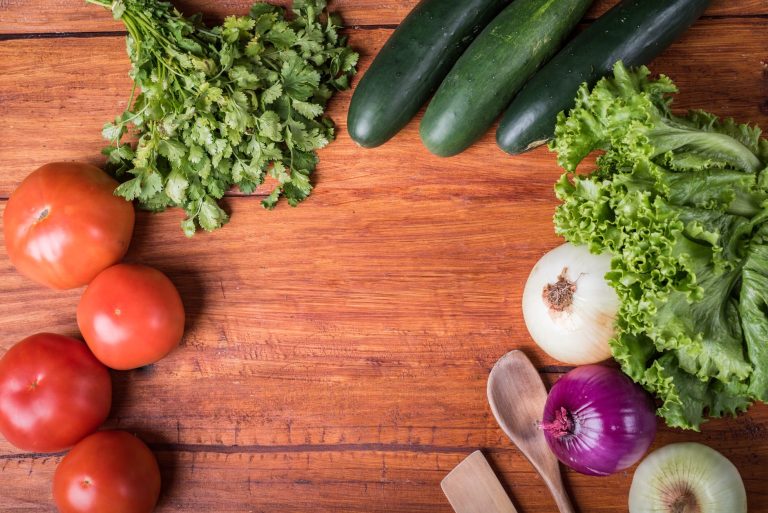
Look for vegetables such as broccoli, Brussels sprouts, carrots, spinach, kale, asparagus, artichokes, zucchini, and cauliflower. Many of these provide prebiotic fibers, which act like food for your beneficial gut microbes. If you want your digestion to become more regular and predictable, a vegetable-forward plate is a smart place to start.
Prebiotic fruits and smart carbohydrates
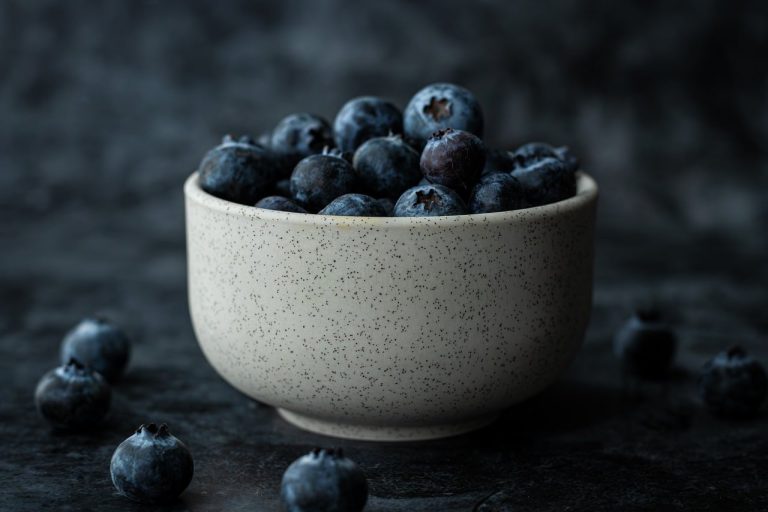
Fruits are not just for sweetness. Certain fruits supply fiber and compounds that help nourish the gut. Organic apples, bananas, berries, pears, kiwi, and citrus fruits are especially useful in a healthy diet because they offer antioxidants and digestion-friendly fiber.
Bananas, especially slightly green ones, can provide resistant starch that acts like fuel for good gut bacteria. Apples and pears contain pectin, a soluble fiber that may support a more balanced digestive rhythm. Berries bring antioxidants that fit beautifully into a clean eating breakfast or snack.
Complex carbohydrates also play a role in gut health when chosen carefully. Organic oats, quinoa, brown rice, and sweet potatoes can support digestion and help you feel satisfied. If weight loss is your goal, these foods can be part of the plan when portions are balanced and meals include protein and vegetables.
Healthy fats and soothing herbs
Healthy fats help absorb fat-soluble nutrients and make meals more satisfying, which is important when trying to maintain steady energy and avoid overeating. Organic avocados, extra-virgin olive oil, chia seeds, flaxseeds, walnuts, and pumpkin seeds can all support a more nourishing routine.
Herbs and spices may also contribute to digestive comfort. Ginger, turmeric, fennel, peppermint, and parsley have long been used in traditional wellness practices. While they are not miracle cures, they can help make meals more flavorful and supportive of a balanced gut-friendly pattern.
Consider building meals around the following organic food staples:
- Leafy greens such as spinach, kale, and arugula
- Fermented foods such as yogurt, kefir, sauerkraut, and kimchi
- Prebiotic vegetables such as asparagus, onions, garlic, and leeks
- High-fiber fruits such as apples, berries, kiwi, and pears
- Whole grains such as oats, quinoa, and brown rice
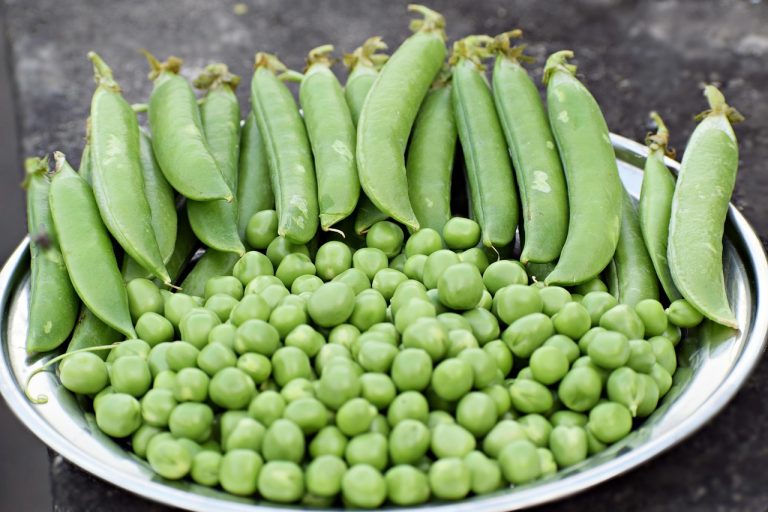
- Plant proteins such as lentils, chickpeas, and beans
- Healthy fats such as avocado, olive oil, chia, flax, and walnuts
[IMAGE: organic vegetables]
Foods That Can Disrupt Digestion and Slow Progress
Clean eating is not about fear, but it does help to know which foods commonly work against gut health. Some ingredients can be fine in moderation, yet too much of them can leave you feeling sluggish, bloated, or constantly hungry. If your goal is better digestion and sustainable weight loss, reducing these items may be just as important as adding more vegetables.
Ultra-processed foods
Packaged snacks, fast food, and heavily refined convenience meals often contain additives, excess sodium, low-quality fats, and very little fiber. These foods may be easy to grab, but they do little to support a healthy lifestyle. They can crowd out the organic food choices that actually nourish your body.
Artificial sweeteners and excess sugar
Many people assume sugar-free automatically means healthy, but some artificial sweeteners can upset digestion or increase cravings. Likewise, excess sugar may feed less helpful gut microbes and make it harder to stay in balance. If you are trying to reduce sugar, focus on naturally sweet whole foods like berries, cinnamon, baked apples, and yogurt with fruit.
Refined oils and fried foods
Highly processed seed oils and deep-fried foods can be difficult for many people to digest, especially when eaten frequently. A cleaner approach is to use olive oil, avocado oil, or small amounts of grass-fed butter if those fit your diet. Simpler fats often leave the gut feeling calmer.
Too much alcohol
Alcohol can interfere with digestion, sleep, and hydration, all of which affect gut health. Even if you are following a nutritious routine most of the time, regular drinking can slow progress and make it harder to feel your best. If wellness is your priority, consider limiting alcohol and noticing how your body responds.
Ask yourself this: are your meals giving your gut the support it needs, or are they creating more work for your body? The answer often becomes clear after just a few days of more intentional eating.
How to Build a Gut-Friendly Organic Plate
You do not need to memorize a dozen nutrition rules to improve digestion. Instead, focus on a simple structure that helps every meal feel balanced. This is where organic food becomes truly practical: it offers a cleaner foundation for meals that are colorful, satisfying, and easy to repeat.
The simple plate formula
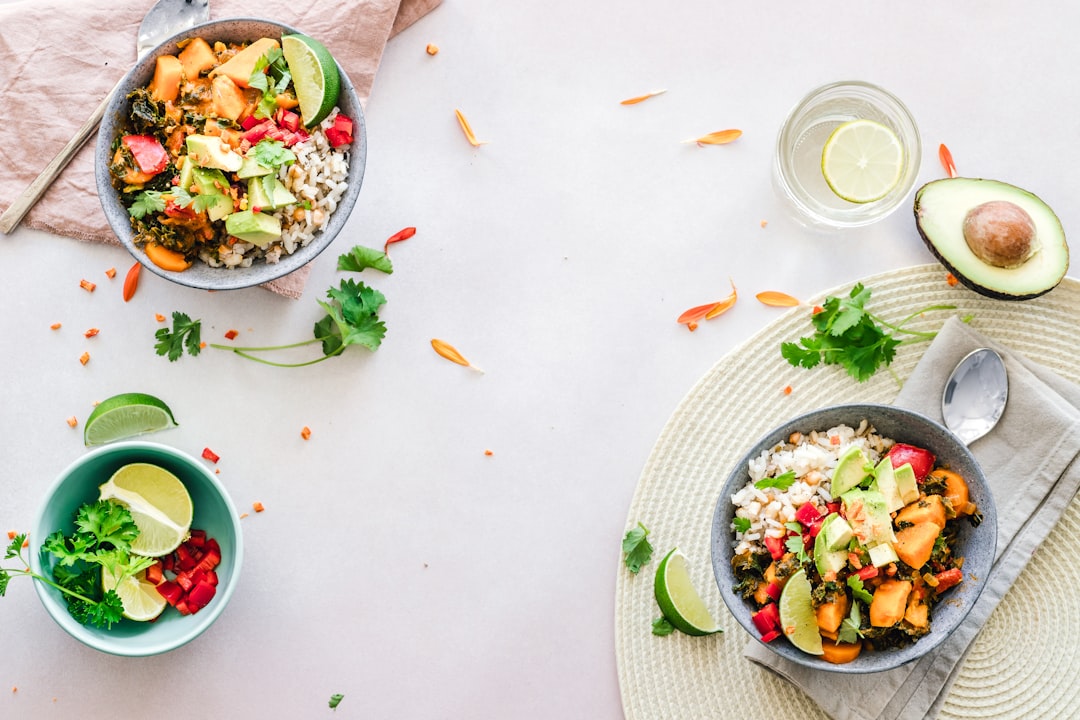
A gut-friendly plate can be built using a straightforward formula:
- Half the plate: non-starchy organic vegetables
- One quarter: protein such as eggs, fish, yogurt, tofu, chicken, or legumes
- One quarter: high-fiber carbohydrates such as oats, quinoa, brown rice, or sweet potatoes
- One small portion: healthy fats such as avocado, seeds, nuts, or olive oil
This approach supports digestion because it balances fiber, protein, and fats. It also helps with weight loss because you are less likely to feel deprived or reach for snacks too soon after eating.
Sample day of gut-friendly meals
Here is a practical example of how organic clean eating can look in real life.
- Breakfast: Organic Greek yogurt with berries, chia seeds, and a spoonful of oats
- Lunch: Mixed greens with quinoa, roasted vegetables, avocado, and grilled salmon
- Snack: An apple with almond butter or a small kefir smoothie
- Dinner: Lentil soup with carrots, celery, spinach, and a side of sauerkraut
Notice how the meals are not extreme. There is no need for strict rules when the food itself is doing the heavy lifting. That is one of the most attractive things about a healthy diet based on organic food: it can feel elegant, simple, and satisfying at the same time.
[IMAGE: healthy meal]
A Gentle Organic Reset That Supports Digestion Without Feeling Restrictive
Some people like to begin with a short reset before settling into a long-term routine. If that sounds like you, think of it as a gentle way to organize your meals, not a harsh detox diet. A good reset should help you notice how your body feels when you remove excess sugar, ultra-processed foods, and heavy late-night eating.
Day 1: Simplify
Start with familiar meals made from recognizable ingredients. Choose oatmeal, eggs, fruit, vegetables, soup, and lean proteins. Drink plenty of water and herbal tea. Keep seasonings simple and avoid overcomplicating the day. The goal is not perfection. The goal is clarity.
Day 2: Add more fiber
Build each meal around a vegetable or fruit you genuinely enjoy. Add chia seeds to breakfast, leafy greens to lunch, and roasted vegetables to dinner. If your digestion has been sluggish, increasing fiber gradually can help your system adjust more comfortably.
Day 3: Include fermented foods
On the third day, bring in a small serving of kefir, yogurt, miso, kimchi, or sauerkraut. Pair it with whole foods rather than eating it in isolation. This way, the benefits are woven into a real meal pattern instead of becoming another wellness chore.
Small resets can be useful because they create awareness. How do you feel after a breakfast without added sugar? Does your energy improve when lunch includes more vegetables? These questions matter, because lasting nutrition success depends on paying attention to your body rather than following trends blindly.
Shopping Smart: What to Put in Your Organic Basket
One of the easiest ways to stay consistent with clean eating is to shop from a simple list. If your kitchen is stocked with gut-friendly organic food, better choices become automatic. Here is a useful starting point for your next grocery trip.
Produce
- Spinach, kale, romaine, and arugula
- Broccoli, Brussels sprouts, cauliflower, and zucchini
- Carrots, cucumbers, celery, and beets
- Apples, berries, kiwi, bananas, pears, and citrus
- Fresh ginger, garlic, parsley, and mint
Refrigerated and fermented foods
- Plain yogurt or kefir
- Sauerkraut and kimchi
- Tofu or tempeh if you eat plant-based
- Eggs and simple proteins
Pantry essentials
- Organic oats and quinoa
- Lentils, beans, and chickpeas
- Chia seeds and flaxseeds
- Walnuts, almonds, and pumpkin seeds
- Olive oil, apple cider vinegar, and herbal tea
A smart shopping cart is often the difference between a wishful healthy lifestyle and a real one. When the right foods are nearby, your habits become easier to follow. That is especially true if you are balancing work, family, or a busy schedule and need food choices that support you without constant decision fatigue.
Organic Meal Prep Ideas That Make Gut Health Easier
Meal prep does not have to mean spending all Sunday in the kitchen. It simply means reducing friction for the week ahead. A few well-planned organic ingredients can be transformed into multiple meals that support digestion and weight loss without boredom.
Prep one grain, one protein, and three vegetables
For example, cook a batch of quinoa, roast a tray of vegetables, and prepare a protein such as chicken, tofu, or lentils. Then you can combine them in bowls, wraps, salads, or soups. A little planning keeps your healthy diet realistic.
Make a gut-friendly breakfast base
Prepare overnight oats with chia seeds, or portion yogurt into containers with berries and nuts. These breakfasts are easy to grab and naturally support fiber intake. If mornings are rushed, this can be the difference between a nourishing start and a convenience pastry that leaves you hungry later.
Stock a two-minute snack strategy
When hunger strikes, keep gut-friendly snacks within reach:
- Apple slices with nut butter
- Carrots and hummus
- Plain yogurt with cinnamon
- Walnuts and berries
- Hard-boiled eggs with cucumber
The more your environment supports your goals, the less willpower you need to rely on. That is a powerful but often overlooked part of clean eating success.
Movement, Sleep, and Stress: The Gut Health Trio
Food is central, but it is not the only factor that shapes digestive wellness. A healthy lifestyle includes movement, sleep, and stress management because the gut and nervous system communicate constantly. If your schedule is chaotic, even the best nutrition plan may feel less effective than it should.
Why movement helps digestion
Gentle physical activity can support regular bowel movements and reduce that heavy, sluggish feeling after meals. You do not need a dramatic fitness plan. A brisk walk after dinner, a short yoga flow in the morning, or consistent strength training can all contribute to better digestion and improved weight loss outcomes.
[IMAGE: fitness lifestyle]
Why sleep affects your appetite and microbiome
Short sleep can affect hunger hormones, cravings, and the balance of your gut microbes. That is one reason people often struggle more with food choices when they are tired. If you want your clean eating routine to stick, protect your sleep as carefully as your meal plan.
Why stress can show up in the stomach
Many people feel stress in their digestive system first. Tight schedules, emotional pressure, and constant stimulation can all influence how well meals are processed. Simple habits like slow breathing, mindful meals, and time away from screens can support a calmer gut environment.
Could one more walk, one earlier bedtime, or five quiet minutes before dinner change how your body feels? Often, yes. Nutrition works best when the rest of your lifestyle supports it.
Common Organic Diet Mistakes to Avoid
Even well-intentioned people can make mistakes when shifting toward organic food and gut health. The good news is that these mistakes are easy to correct once you notice them.
- Buying organic processed snacks: Organic cookies are still cookies. Organic ingredients are helpful, but structure still matters.
- Skimping on fiber: If your meals are mostly protein and fat, your gut may still need more plant diversity.
- Overdoing fermented foods too quickly: Start small so your digestive system can adjust.
- Ignoring hydration: Fiber works best when you drink enough water.
- Chasing extremes: A healthy diet should be sustainable, not punishing.
One of the greatest strengths of clean eating is its flexibility. You can improve your nutrition without turning every meal into a test of discipline. The goal is progress that fits your real life.
How Gut-Friendly Eating Supports Long-Term Weight Loss
Many diets focus only on the scale, but gut-friendly eating addresses the reasons people struggle to stay consistent in the first place. When meals are balanced, digestion becomes smoother. When digestion is smoother, energy improves. When energy improves, habits become easier to maintain. That chain reaction is what makes organic food such a valuable part of sustainable weight loss.
Fiber-rich meals help you feel satisfied. Protein helps preserve lean mass and curb hunger. Healthy fats add flavor and staying power. Fermented foods and prebiotic plants support the digestive environment that helps all of this work more efficiently. It is a more intelligent way to eat than chasing quick fixes.
In practical terms, this means you are less likely to overeat out of boredom, crash in the afternoon, or feel frustrated by constant cravings. Instead, your eating pattern becomes steady, natural, and much easier to trust.
Putting It All Together for a Healthy Lifestyle You Can Keep
The best nutrition plan is the one you can actually live with. That is why organic food for gut health works so well: it does not rely on extreme restrictions or short-lived motivation. It relies on better ingredients, better balance, and a more attentive relationship with your body.
If you want to begin today, choose just three actions: add one fermented food, increase one vegetable serving, and replace one processed snack with a whole-food option. That is enough to start building momentum. Then keep going by making small improvements rather than waiting for the perfect week, the perfect budget, or the perfect schedule.
Think of your next meal as a chance to support digestion, nourish your cells, and move one step closer to the healthy lifestyle you want. Organic food is not about perfection or elitism. It is about giving your body a cleaner, more thoughtful foundation so your nutrition can do what it is meant to do: help you feel well, function better, and live with more ease every day.
When you are ready to keep going, explore more expert articles on DietOrganic for fresh ideas on clean eating, weight loss, detox diet strategies, and simple ways to turn healthy habits into a lasting routine.
About the Author