
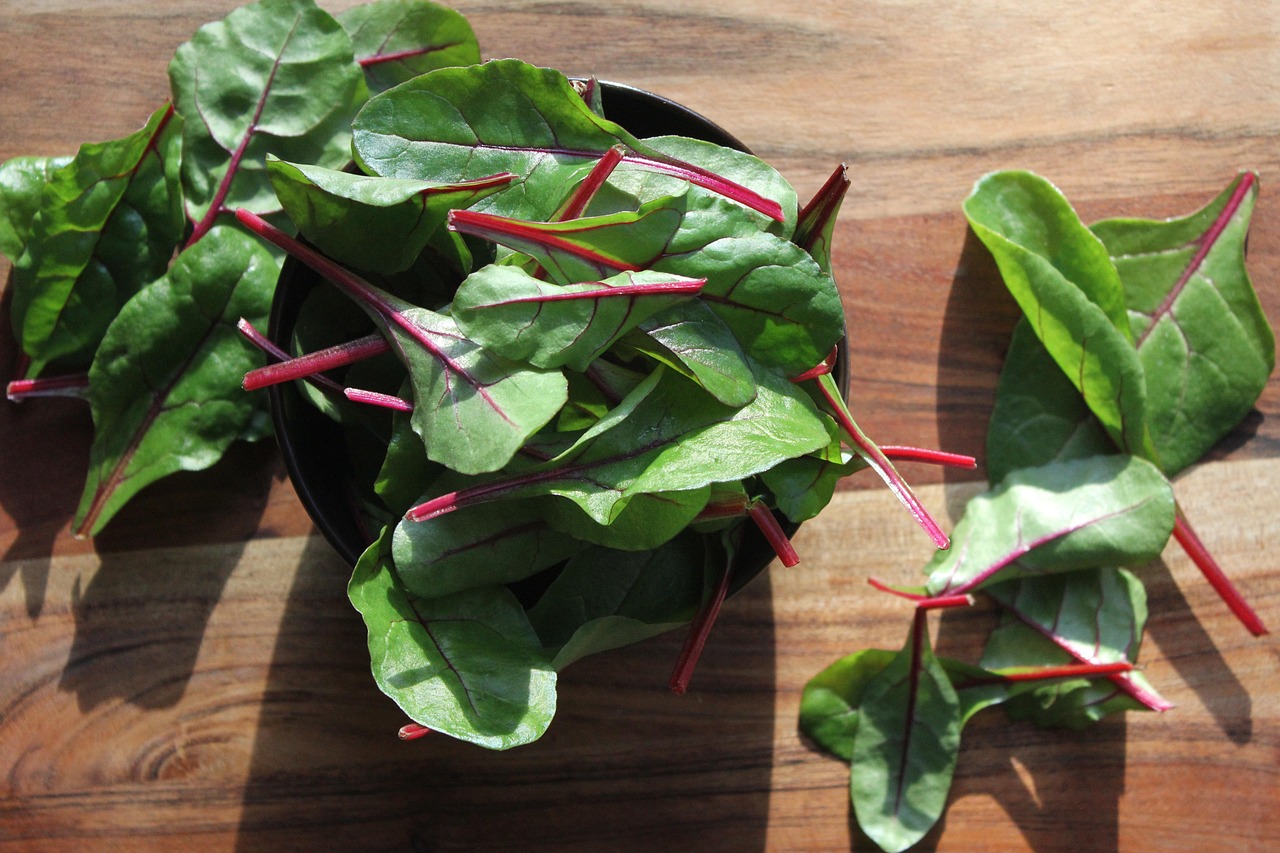
Photo by Mondgesicht on Pixabay
When people talk about weight loss, the conversation usually jumps straight to calorie counting, strict rules, or the latest trend that promises fast results. But what if your results improved not because you ate less, but because you ate better? That is where organic food, clean eating, and a more thoughtful healthy diet can make a real difference. Instead of chasing extreme restrictions, you can build a routine that supports your energy, nutrition, digestion, and metabolism while still helping you lose weight in a sustainable way.
Organic food is not magic, and it is not a shortcut. Yet many people find that when they shift toward whole organic ingredients, they naturally eat fewer empty calories, feel fuller for longer, and become more aware of what actually works for their body. Have you ever noticed that a simple plate of vegetables, protein, and healthy fats feels different from a heavily processed meal that leaves you hungry an hour later? That difference matters. It shapes your appetite, your habits, and even your motivation to keep going.
This guide takes a practical look at the best organic foods for weight loss, why clean eating works so well, and how to create a healthy lifestyle that does not feel punishing. You will find food ideas, meal-building strategies, shopping tips, and realistic ways to use organic nutrition in everyday life. If you have ever wanted a detox diet approach that feels grounded instead of extreme, this is a smarter place to start.
Why organic food can support weight loss more effectively
Weight loss is often framed as a math problem, but the truth is more nuanced. Hormones, hunger signals, food quality, sleep, stress, and daily habits all influence how your body responds to eating. Organic food does not change the laws of energy balance, but it can make a healthy diet easier to maintain. That is a big advantage. When your meals are built around fresh produce, quality protein, and minimally processed ingredients, you are more likely to feel satisfied without overeating.
Many organic foods are naturally rich in fiber, water, vitamins, minerals, and plant compounds that support overall nutrition. These nutrients help you stay full, keep digestion moving smoothly, and reduce the urge to snack mindlessly. Organic eating can also be a powerful psychological reset. When people commit to clean eating, they often become more intentional about portions, meal timing, and food choices. That sense of structure can be a quiet but important part of long-term weight loss.
Whole foods help you feel satisfied
Satiety is one of the most important, and most underrated, parts of successful weight loss. A plate of organic vegetables, lean protein, and healthy fats tends to keep you full in a way that packaged foods rarely do. Why? Because whole foods contain the volume, fiber, and nutrient density your body actually responds to. Fiber slows digestion, protein supports muscle maintenance, and healthy fats help meals feel complete.
If you are always hungry, your plan will be hard to sustain. That is why organic food can be so useful: it encourages meals built around real ingredients, not hyper-palatable combinations designed to make you eat more than you need.
Cleaner ingredients can reduce mindless eating
One reason people feel better with clean eating is that it removes much of the guesswork. When your meals contain recognizable ingredients, you are more aware of what you are eating and why. You are less likely to chase snacks out of habit and more likely to eat with purpose. This does not mean every packaged item is off-limits, but it does mean your nutrition improves when your food looks closer to its natural form.
That awareness matters for weight loss. People often underestimate how much of their intake comes from sauces, sweetened drinks, snack foods, and casual bites. Organic food naturally nudges you toward simplicity, and simplicity often leads to better control.
Better food quality supports a better routine
A healthy lifestyle is not built on one perfect meal. It is built on repetition. If your breakfast is stable, your lunch is satisfying, and your snacks are planned, you are less likely to spiral into random eating later in the day. Organic food works well in this kind of routine because it is easy to pair with other weight-loss friendly habits. It can anchor a detox diet, a meal-prep strategy, or a balanced clean eating plan without making you feel deprived.
The best organic foods for weight loss
Not all organic foods have the same effect on your goals. Some are especially useful because they are high in fiber, rich in protein, or naturally low in calories while still being filling. If your goal is to lose weight without sacrificing energy, these are the foods worth prioritizing.
Leafy greens
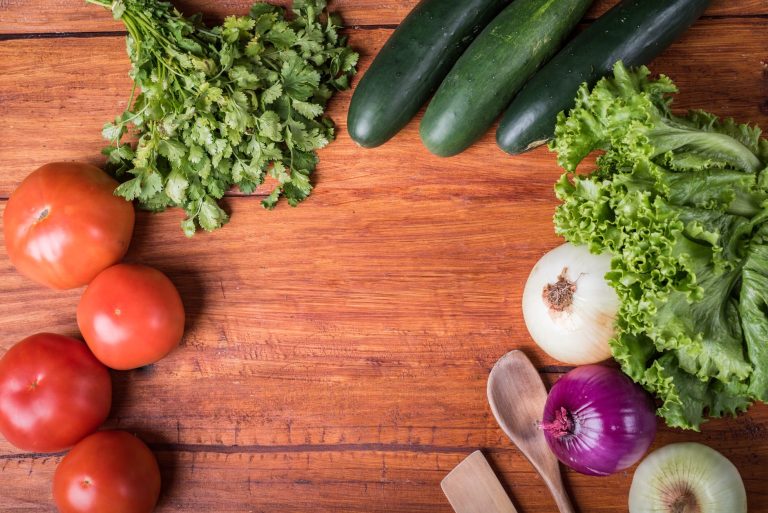
Leafy greens are one of the easiest ways to add volume to meals without adding many calories. Organic spinach, kale, arugula, romaine, and Swiss chard are packed with nutrients and can be used in salads, soups, omelets, wraps, and smoothies. They are ideal for a healthy diet because they help you build larger, more satisfying meals while keeping overall energy intake in check.
Try asking yourself: could this meal use more greens? In many cases, the answer is yes. More greens often means better digestion, better fullness, and a more balanced plate.
Berries
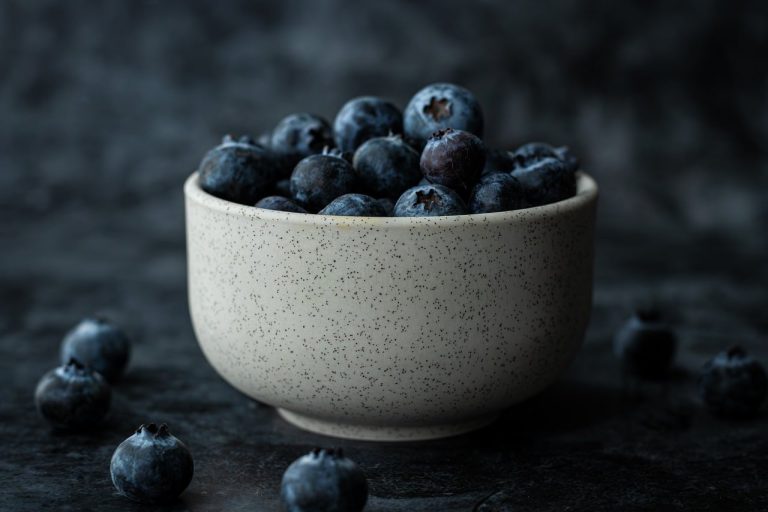
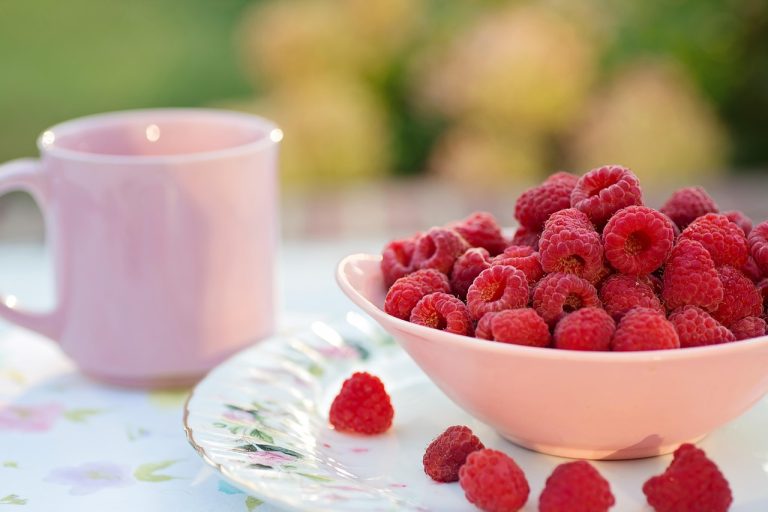
Organic berries are a smart choice when you want something sweet without leaning on refined sugar. Blueberries, raspberries, blackberries, and strawberries offer fiber, antioxidants, and bright flavor with relatively modest calories. They are especially useful in clean eating because they feel like a treat while still aligning with your weight loss goals.
Add them to Greek yogurt, oatmeal, chia pudding, or even a simple bowl with nuts and seeds. When people look for a detox diet food list, berries should be near the top because they are versatile, refreshing, and nutritionally dense.
Cruciferous vegetables
Broccoli, cauliflower, Brussels sprouts, cabbage, and bok choy are powerful organic foods for weight loss. They contain fiber, water, and a satisfying bite that makes meals feel substantial. They also work well roasted, steamed, stir-fried, or blended into soups. If you want your healthy diet to feel more filling, cruciferous vegetables are one of the best upgrades you can make.
These vegetables are also easy to batch-cook, which makes them especially helpful for busy people. When vegetables are ready to go, your meal choices improve automatically.
Apples and pears
Fruit can absolutely fit into a weight loss plan, especially when you choose organic produce that is naturally fiber-rich and easy to portion. Apples and pears are excellent snack options because they require chewing, provide water and fiber, and pair well with protein or healthy fats. That combination helps prevent the blood sugar spikes and crashes that can lead to more cravings later.
Instead of reaching for a packaged snack, try an apple with almond butter or a pear with a handful of walnuts. Small changes like that can make a clean eating plan feel more realistic and more satisfying.
Avocados
Avocados are calorie-dense, but they can still support weight loss when used wisely. Why? Because healthy fats help you feel full and satisfied. A little avocado goes a long way in salads, grain bowls, eggs, and wraps. Organic avocados are a useful part of a healthy lifestyle because they improve the texture and flavor of simple meals, which makes it easier to stick to them.
The key is portion awareness. Avocado is nourishing, but it should complement the plate, not dominate it.
Organic eggs and plain Greek yogurt
Protein matters when you are trying to lose weight, and organic eggs are a practical, versatile source. They work well at breakfast, lunch, or dinner and can be paired with vegetables for a balanced meal. Plain Greek yogurt is another excellent option because it is high in protein and can be served sweet or savory depending on your preference.
These foods can help reduce snacking by keeping hunger under control. That is a major win for anyone trying to follow a healthy diet without feeling constantly restricted.
Lentils, chickpeas, and beans
Plant-based proteins deserve a spot on every organic weight loss plan. Lentils, chickpeas, black beans, and kidney beans are rich in fiber and surprisingly filling. They support digestion, keep meals hearty, and work beautifully in soups, salads, stews, and grain bowls. If you are looking for a clean eating staple that is affordable and satisfying, legumes are hard to beat.
They are also excellent for meal prep. A pot of lentils or chickpeas can become several meals over the course of the week, which is exactly what makes healthy habits stick.
Chia seeds and flaxseeds
These tiny seeds are nutrition powerhouses. Chia seeds absorb liquid and create a thick, satisfying texture, while flaxseeds add fiber and healthy fats that support satiety. They are easy to sprinkle into yogurt, oats, smoothies, or puddings. For people who want a detox diet style of eating without fasting or deprivation, these seeds are a practical way to improve nutrient intake and reduce cravings.
Because they are so small, it is easy to underestimate them. Yet they can change the texture and staying power of a meal in a very useful way.
Organic oats and quinoa
Whole grains are not the enemy. In a well-designed healthy diet, oats and quinoa can provide steady energy and help you feel satisfied for longer. Organic oats are especially useful for breakfast because they are filling, customizable, and easy to pair with fruit, seeds, and protein. Quinoa works well at lunch or dinner when you want a grain-like base with more protein than many traditional options.
If you are trying to avoid energy crashes, these carbohydrates can be your ally rather than your obstacle.
Herbs, citrus, and fresh flavor boosters
Flavor matters more than people think. One reason clean eating fails is that meals become dull and repetitive. Fresh herbs, lemon, lime, garlic, ginger, cilantro, basil, dill, and parsley can transform simple organic food into something you genuinely enjoy. The better your meals taste, the more likely you are to keep eating in a way that supports weight loss.
Never underestimate the power of a meal that tastes good enough to repeat.
- Choose leafy greens for volume and fiber
- Use berries for natural sweetness
- Add eggs or yogurt for protein
- Include legumes for steady fullness
- Use seeds and avocados for satisfying fats
- Flavor meals with herbs, citrus, and spices
How to build a healthy diet around organic food
Knowing which foods are best is one thing. Building meals you can actually follow is another. A healthy diet should feel structured enough to guide your decisions, but flexible enough to fit real life. If you can create a few repeatable templates, weight loss becomes less overwhelming and much more consistent.
Start with protein
Whenever possible, begin by choosing a protein source. This could be organic eggs, Greek yogurt, lentils, beans, tofu, chicken, turkey, or fish. Protein supports muscle, helps manage appetite, and keeps your meals more satisfying. Once protein is in place, add vegetables, then a measured portion of healthy fats or whole grains.
This order matters because it keeps the meal balanced rather than random. If you are hungry an hour after eating, your meal may be too low in protein.
Fill half the plate with vegetables
Vegetables are the simplest way to make a meal more weight-loss friendly without making it smaller. Half a plate of organic vegetables can dramatically improve nutrition while keeping calories manageable. This approach works for lunch and dinner especially well. Think roasted broccoli with salmon, sautéed spinach with eggs, or a big bowl of greens topped with beans and avocado.
Ask yourself: does this plate support my goals, or is it just filling space? That one question can change everything.
Choose satisfying carbohydrates, not empty ones
Carbohydrates are not automatically a problem. The issue is usually the type and amount. Organic oats, quinoa, sweet potatoes, fruit, and beans provide fiber and lasting energy. Refined snacks and sugary treats often do not. If your goal is healthy weight loss, your carbohydrates should work for you, not against you.
For many people, this means replacing pastries with fruit and yogurt, white bread with grain-rich options, or fried sides with roasted vegetables and a whole grain base.
Use healthy fats as support, not the main event
Avocado, olive oil, seeds, nuts, and nut butters are all excellent in moderation. They support hormone function, satiety, and flavor. But because they are calorie-dense, it helps to use them intentionally. A drizzle of olive oil can elevate vegetables. A spoonful of nut butter can make fruit feel satisfying. Too much of either can quietly add more calories than you realize.
Balance, not elimination, is what makes a clean eating lifestyle sustainable.
Keep your meals simple enough to repeat
The best meal plans are the ones you can stick with. You do not need a new recipe every day. In fact, repetition can be an advantage because it reduces decision fatigue. Choose three or four breakfasts, a few lunches, and several dinners that are easy to prepare and enjoyable to eat. That structure supports weight loss by removing friction from your day.
If your meals are simple, your results are often more consistent.
[IMAGE: organic vegetables]
Clean eating habits that make organic food work harder for you
Organic food can absolutely support weight loss, but habits determine whether the results last. Clean eating is less about perfection and more about patterns. The goal is to create a daily rhythm that makes the healthy choice feel normal instead of difficult.
Plan snacks before hunger hits
Many people do not overeat at meals; they overeat between meals. That is why snack planning matters. If you know exactly what you will eat when you need a little energy, you are less likely to wander into convenience food or sweet cravings. Keep organic options ready, such as fruit, yogurt, boiled eggs, nuts in measured portions, or sliced vegetables with hummus.
Snacks should support your body, not sabotage your day.
Drink water, but do not use it as a gimmick
Hydration supports digestion, energy, and appetite regulation. Sometimes people mistake thirst for hunger, which can make weight loss harder. Drinking water regularly is a simple part of healthy lifestyle success. Still, water alone is not a detox diet. It is a support tool, not a miracle cure. Combine good hydration with real food and you will notice the difference more quickly.
A practical tip: drink water before meals and keep a bottle nearby during the day, especially if you are active or live in a warm climate.
Cook more often than you order
Even a small amount of home cooking can improve nutrition dramatically. When you prepare meals yourself, you control ingredients, portion sizes, and cooking methods. That matters if your goal is to lose weight while still enjoying food. Roasting, steaming, baking, grilling, and sautéing are all better choices than drowning food in excess oil or sugary sauces.
Home cooking does not have to be complicated. Sometimes the best organic meal is the simplest one.
Be mindful of emotional eating
Not every craving is physical. Stress, boredom, fatigue, and habit can all push people toward food even when they are not truly hungry. Clean eating helps, but awareness helps more. If you notice patterns, pause and ask whether you need food, rest, movement, connection, or a change of pace. That kind of self-awareness is a powerful tool for sustainable weight loss.
What would happen if you learned to respond to stress without automatically reaching for a snack? Often, that one shift creates more progress than any trendy diet rule.
Use flavor to stay consistent
Healthy food should still feel enjoyable. Use spices like turmeric, cumin, paprika, cinnamon, black pepper, and ginger to make your meals more exciting. Add acidity with lemon or vinegar. Add crunch with seeds or chopped vegetables. Add freshness with herbs. The more enjoyable your organic food is, the easier it becomes to follow through on your healthy diet goals.
Compliance improves when satisfaction improves.
A realistic organic meal framework for weight loss
Instead of thinking in terms of rigid rules, think in terms of a meal framework. This is where a healthy diet becomes practical. The goal is not to eat the same thing forever, but to create a pattern that keeps you energized, full, and focused.
Breakfast: protein plus fiber
Breakfast is a strong place to start because it can set the tone for the day. A good organic breakfast for weight loss might include eggs with spinach, Greek yogurt with berries and chia seeds, or oatmeal topped with nuts and fruit. The key is to avoid turning breakfast into a sugar-heavy meal that leads to mid-morning hunger.
- Organic eggs with sautéed greens and tomatoes
- Plain Greek yogurt with berries and flaxseed
- Organic oats with cinnamon, walnuts, and sliced apple
Lunch: vegetables, protein, and a smart carbohydrate
Lunch should keep you steady, not sleepy. Build it from a base of leafy greens or roasted vegetables, add protein, and include a measured serving of whole grains or beans if needed. Think salad bowls, grain bowls, vegetable soups, or wraps loaded with fresh ingredients. When lunch is balanced, you are less likely to raid the pantry later.
- Mixed greens, chickpeas, cucumber, avocado, and lemon dressing
- Quinoa bowl with roasted broccoli, grilled chicken, and herbs
- Lentil soup with side salad and pumpkin seeds
Dinner: lighter but still satisfying
Dinner does not need to be tiny. It just needs to be thoughtful. A balanced evening meal can help prevent late-night snacking and keep digestion comfortable. Focus on vegetables, protein, and a moderate portion of healthy fats or starch depending on your activity level and hunger. If you exercise in the evening, a more complete dinner may actually support recovery and appetite control better than a very low-calorie plate.
- Baked salmon with roasted Brussels sprouts and cauliflower
- Tofu stir-fry with broccoli, peppers, and brown rice
- Turkey lettuce wraps with avocado and salsa
Snacks: small, planned, and useful
Snacks are most effective when they solve a problem. If they keep you from arriving at dinner starving, they are doing their job. Choose organic snack options that blend protein, fiber, or healthy fats in modest portions. One fruit plus protein is often better than a snack that is only sweet or only salty.
- Apple slices with almond butter
- Carrot sticks with hummus
- Boiled eggs with cherry tomatoes
- Plain yogurt with berries
[IMAGE: healthy meal]
What a detox diet should mean in real life
The word detox is often used in ways that create confusion. Your body already has excellent detox systems: the liver, kidneys, lungs, skin, and digestive tract all play a role in processing and eliminating waste. So a detox diet should not be about starving yourself or relying on juice alone. It should mean reducing the burden of ultra-processed foods and giving your body a cleaner, more supportive food pattern.
An organic detox approach can be simple: more vegetables, more water, more fiber, less added sugar, fewer artificial ingredients, and a more consistent eating schedule. That is a detox diet your body can actually benefit from. It is not dramatic, but it is effective.
Think about it this way: if your meals are full of organic food, your digestion is regular, your energy is stable, and your cravings calm down, are you not already doing the real work of detoxification? The best cleanse is often a routine you can repeat.
Signs your diet is working with your body
- You feel fuller after meals
- Your digestion becomes more regular
- Your energy is steadier during the day
- Your cravings are less intense
- You are less dependent on packaged snacks
Organic grocery shopping tips that protect your progress
The grocery store can either support weight loss or quietly undermine it. A smart shopping list makes clean eating much easier because the right ingredients are already waiting for you at home. You do not need every item to be organic right away. Start with the foods you eat most often or the produce you use raw, then build from there.
Buy these first
- Leafy greens
- Berries
- Apples and pears
- Eggs
- Greek yogurt
- Oats and quinoa
- Beans, lentils, and chickpeas
- Broccoli, cauliflower, cabbage, and carrots
When frozen organic food makes sense
Frozen produce is often overlooked, but it can be one of the smartest choices in a healthy diet. Frozen organic berries, spinach, cauliflower rice, broccoli, and mixed vegetables are convenient, budget-friendly, and nutritionally strong. They reduce waste, save time, and make it easier to keep clean eating on track even when your schedule is packed.
There is nothing less healthy about frozen produce when it is stored properly and minimally processed.
Budget tip for smarter shopping
If your budget is tight, focus on the items that give you the most nutrition per dollar. Buy organic produce where it matters most to you, and do not let perfection stop you from starting. Consistency beats all-or-nothing thinking every time.
Common organic diet mistakes to avoid
Even with the best intentions, people make mistakes that slow progress. The encouraging part is that most of these mistakes are easy to fix once you spot them. If your organic food plan feels healthy but the scale is not moving, one of these issues may be at play.
Assuming organic automatically means weight loss
Organic food is often better for a clean eating routine, but it is still possible to overeat it. Nuts, oils, cheese, granola, and baked goods can all be organic and still calorie-dense. Weight loss depends on your overall intake, meal balance, and consistency. Organic is a quality choice, not a free pass.
Buying organic versions of ultra-processed foods
Organic cookies, chips, and sweetened snacks may be slightly better than conventional versions in some respects, but they are still treats. If your pantry fills with organic junk food, your healthy diet may stall. A better strategy is to focus on whole organic foods first and keep treats occasional.
Not eating enough protein
Some people lean too heavily on fruit, vegetables, and grains, then wonder why they feel hungry all the time. Protein is essential for satiety and body composition. If you want a weight loss plan that lasts, include protein at most meals and snacks.
Overcomplicating every meal
Healthy eating should not require a culinary performance every day. If your meals are too complicated, you may abandon the plan when life gets busy. Simplicity creates repetition, and repetition creates results. That is one of the quiet truths of nutrition.
Using a detox diet as an excuse to undereat
A short cleanse may seem tempting, but extreme restriction usually backfires. It can cause fatigue, cravings, irritability, and rebound eating. If you want the benefits of a detox diet, use organic food, hydration, and fiber-rich meals to support your body rather than deprive it.
How organic food supports an active, healthy lifestyle
Weight loss is easier when your food supports movement, sleep, and recovery. That is why organic food fits so well into a healthy lifestyle. It gives you steady energy, helps you recover from workouts, and supports the kind of daily habits that keep you consistent. If you are walking more, lifting weights, taking classes, or simply trying to move your body regularly, good nutrition matters just as much as exercise.
Think of movement and nutrition as partners. One without the other can still help, but together they create more noticeable progress.
- Protein supports muscle repair after exercise
- Carbohydrates replenish energy for active days
- Vegetables and fruit support recovery and hydration
- Healthy fats help meals feel satisfying
[IMAGE: fitness lifestyle]
Frequently overlooked details that improve results
Sometimes the biggest progress comes from the smallest habits. These details may not sound dramatic, but they shape your daily behavior more than most people realize. The more of them you get right, the easier it becomes to lose weight in a way that feels sustainable.
Eat with a little more attention
Slow down long enough to notice flavor, fullness, and satisfaction. Mindful eating is not about being overly formal; it is about noticing when you are actually done. This can reduce overeating in a very natural way.
Do not let hunger become an emergency
When people wait too long to eat, they often make rushed choices. A clean eating routine works better when meals happen before hunger becomes intense. This is especially important if your days are busy or unpredictable.
Keep your kitchen visible and organized
If healthy food is easy to see and easy to reach, you are more likely to use it. Wash the greens, place fruit at eye level, and prep ingredients after shopping. A well-organized kitchen can quietly improve your nutrition without requiring more willpower.
Match your portions to your activity level
Not every day requires the same amount of food. If you are highly active, your healthy diet may need more energy. If you are sedentary, smaller portions may work better. Listening to your body while keeping your goals in mind is a skill worth developing.
Who benefits most from an organic weight loss approach
Organic food is especially useful for people who want a cleaner routine without following a rigid program. It can work well if you are trying to reduce processed food, improve digestion, support a healthy lifestyle, or create a gentler path to weight loss. It is also a smart approach for people who enjoy cooking and want their meals to feel fresh, flavorful, and nourishing.
If you tend to struggle with late-night snacking, energy crashes, or inconsistent eating, an organic clean eating structure may help you create more stability. If you are looking for a quick fix, though, this is not the right mindset. The real payoff comes from building habits you can maintain over time.
What success looks like after you commit
Success does not always show up as dramatic weight loss in the first few days. Sometimes it looks like better digestion, fewer cravings, more energy, and more confidence in your food choices. Over time, those small wins matter. They make it easier to stay consistent, and consistency is what ultimately creates real change.
When your meals are built around organic food, your body often responds with more steadiness. You may feel less bloated, more clear-headed, and more in control of your eating habits. That is the kind of progress that lasts because it is rooted in nutrition rather than punishment. Clean eating is not about chasing perfection; it is about making the next good choice more often than the next impulsive one.
The most effective weight loss plan is one that respects your body, fits your schedule, and actually tastes good enough to repeat. Organic food can help you get there by making meals more satisfying, more nutrient-dense, and more intentional. If you are ready to keep refining your healthy diet, explore more articles on DietOrganic for practical nutrition guidance, simple clean eating ideas, and more ways to build a lifestyle that feels strong, fresh, and genuinely sustainable.
About the Author